• Skip to primary navigation
  • Skip to main content
  • Skip to footer
Shady Grove Fertility
  • Become an Egg Donor
  • Referring Physicians
  • 1-888-761-1967
  • Schedule Appointment
  • Get Started
        • Get Started
          • Causes of Infertility
          • Fertility Tests
          • When to Seek Help
          • Find a Doctor
          • Preconception and prenatal vitamins 
          • Schedule an Appointment
        • Personalized Care For
          • Single Parents
          • LGBTQIA+ Family Building
          • People with Cancer
          • Known Genetic Diseases
          • Egg Donors
  • Treatments
        • Fertility
          • Timed Intercourse
          • Ovulation Induction
          • Intrauterine Insemination (IUI)
          • In Vitro Fertilization (IVF)
          • Frozen Embryo Transfer (FET)
        • Donation & Surrogacy
          • Donor Sperm
          • Donor Egg
          • Donor Embryo
          • Gestational Carrier
          • LGBTQIA+ Family Building
          • Single Parents
          • Find a Donor
        • More Treatments
          • Center for Male Fertility
          • Egg Freezing
          • OncoFertility
          • Preimplantation Genetic Testing
          • MIGS
          • All Fertility Treatments
  • Resources
    • Resource Library
    • Events Calendar
    • Patient Stories
    • Mental Health
    • Wellness Center
  • Insurance & Savings
    • Insurance & Benefits
    • Shared Risk 100% Refund Program
    • 100% Refund for Donor Egg
    • Discounts
    • Egg Freezing Costs
    • Financing & Grants
    • Clinical Trials
  • About
    • Find a Doctor
    • About SGF
    • Our Care Team
    • Advanced Practice Providers
    • Fertility Equity
    • Philanthropy
    • Newsroom
    • Careers
    • Contact Us
    • Voice Your Feedback
  • Locations
        • Find a Location
        • California
        • Colorado
        • Delaware
        • Florida
        • Georgia
        • Maryland
        • North Carolina
        • Pennsylvania
        • Texas
        • Virginia
        • Washington, D.C.
        • Chile
        • International & Out of State
        • SGF at Walter Reed National Military Medical Center
  • Patient Hub
    • Online Bill Pay
    • Patient Forms
    • Patient Portal
  • Call your care team
  • Become an egg donor
  • Referring physicians
  • search-icon
  • Schedule appointment 1-888-761-1967

Home / Get Started / Page 5

Get Started

April 12, 2021 by Shady Grove Fertility

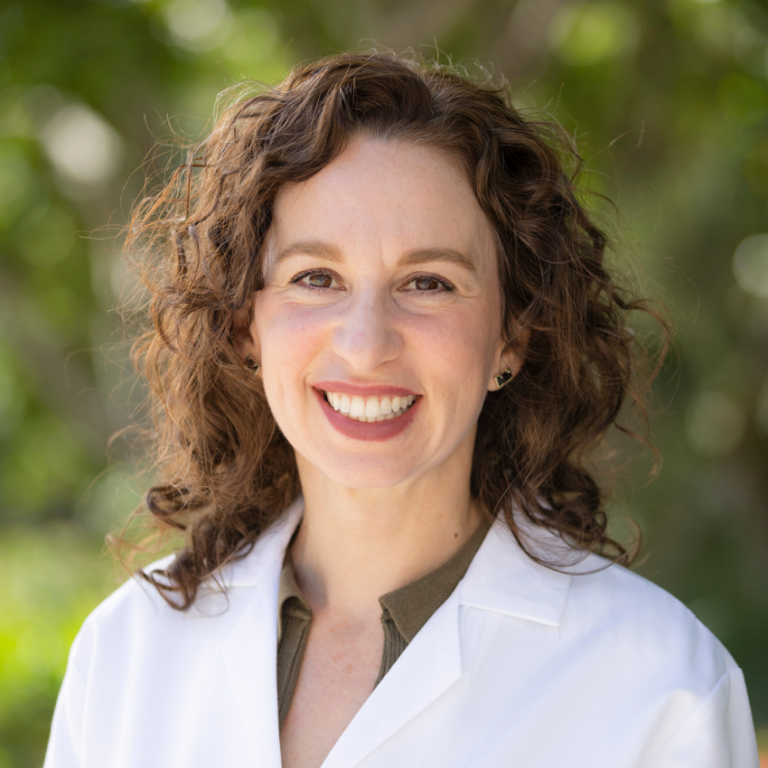
Medical contribution by Lauren Roth, M.D.

Lauren Roth, M.D., is the Medical Director of SGF, and board certified in obstetrics and gynecology and reproductive endocrinology and infertility. She has published research on a range of fertility topics including polycystic ovary syndrome (PCOS) and the impact of weight on reproductive hormones. Dr. Roth sees patients in SGF’s Rockville, Maryland office.

Dr. Lauren Roth, SGF’s Medical Director, shares her best recommendations for women who are planning on starting a family later on in life.

Dr. Roth also answered questions such as the following:

  • Does stress really affect fertility?
  • Can weight and lifestyle choices affect your ability to get pregnant?
  • What are the consequences of postponing pregnancy for career?
  • What should every woman over age 35 consider if they want to have children later on?
  • What should women do if they’re ‘doing everything right’ and still not getting pregnant?
  • When is it time to see a fertility specialist?

Stress and Pregnancy

Q: Does stress decrease your chances of getting pregnant?
Dr. Roth: I often get asked about stress and fertility. The correlation between stress and fertility is just so difficult to study because something that stresses you out, might not stress me out, and vice versa.

Furthermore, even if we can identify the causes of stress, there is not always a clear remedy for stress.

I can’t tell you “don’t be stressed.” That is unreasonable! Stress likely plays a part in fertility, but it’s not the only thing making it harder to get pregnant. It is good for everyone to reduce stress when they can (through healthy diet, exercise, time with friends, good sleep).

Do not put off going to see a fertility specialist because you think “it’s all related to stress.” Often, having an appointment will help decrease anxiety and stress.

Weight and Infertility

Q: Does being overweight affect your ability to have a baby?
Dr. Roth: There are a many different lifestyle factors that can impact fertility. Weight is one of them. When looking at weight and fertility, it is actually the extremes of weight (underweight and overweight) that decrease the chances for pregnancy even with fertility treatments. Calculate your BMI.

Watch: Weight On-Demand Webinar

Q: Can living a healthy lifestyle increase your chances of conceiving?
Dr. Roth: Maintaining a healthy lifestyle is one of the best things you can do for general health and fertility. Healthy lifestyle includes no smoking, minimal to moderate alcohol, no drug use, maintaining a healthy weight, sleeping, and moderate exercise. I am also supportive of acupuncture and other complementary therapies if patients want to try it.

Remember extremes of anything are bad. This includes extreme amounts of exercise. Extreme exercise and rapid weight loss can actually be counterproductive for fertility.

Effects of Postponing Pregnancy for Career

Q: Many women are waiting longer to have children. They are focusing on their careers and pushing pregnancy later in life. I know many women trying to get pregnant at 40. What are the fertility consequences?
Dr. Roth: Waiting to have a baby until a woman is more established in her career is an increasing trend. It is also a large majority of patients that we see. The age of first pregnancy is increasing for everyone and certainly for professional women.

Unfortunately, the prime time for fertility is typically when women are starting out in their careers. Unfortunately, our society is not always supportive of pregnancy and motherhood at the time women are establishing themselves career-wise.

By the time women are more established, they are often older. Age is one of the biggest causes of fertility problems. Our fertility declines with age due to decreasing egg number and decreasing egg quality. Even though society has advanced, the egg and the ovary haven’t caught up.

Q: What advice do you have for women who are planning for children later in life?
Dr. Roth: Freeze your eggs. Egg freezing has become a viable option for women who are planning for children later in life. With egg freezing, you are actually freezing the eggs in time.

Your eggs are the best quality that they are going to be right now. Your egg quantity and quality are going to decline over time. They will be frozen in time for when and if you need to use them. If you can’t get pregnant on your own when you are ready; you will have those frozen eggs as a backup. More on egg freezing.

Doing Everything Right and Still Not Getting Pregnant

Q: Dr. Roth, what if I’m ‘doing everything right’ and still can’t get pregnant?
Dr. Roth: This is a concern for many people. Despite a healthy lifestyle and ‘doing everything right,’ they have been unable to conceive. Unfortunately, you just have limited control over fertility. Fortunately, we now have treatments available to help nearly everyone conceive.

When to See a Fertility Specialist

Q: When would you encourage a couple who has been trying to have a baby come in and see you?
Dr. Roth: It depends on the couple and different types of parameters. But the general advice is:

  • Women under 35 years of age – make an appointment after 1 year of unprotected intercourse and no conception
  • Women 35 to 39 – make an appointment after 6 months of unprotected sex and no conception
  • Trying to get pregnant at 40 – more immediate evaluation and treatment are warranted
  • Come sooner if there are other issues that may make getting pregnant more difficult (irregular periods, endometriosis, prior pelvic surgery)

Almost no one comes too early. Most people wait or try to get pregnant on their own for much longer than we would recommend. And I get that going to see a fertility doctor is a very big decision.

Q: Why do you think people wait too long to seek fertility help?
Dr. Roth: Trying to get pregnant is personal and intimate. Of course, you want to get pregnant at home, for free, without anyone else involved! However, it is important to keep the larger goal of having a family in mind.

Couples should know that they aren’t the only ones who are having fertility issues. Infertility is very common, impacting 1 out of 8 couples. Many do not share their struggle, but everyone knows someone with infertility.

Schedule an Appointment

To schedule a virtual consultation with an SGF physician, please call our New Patient Center at 1-888-761-1967 or submit this online form.

Filed Under: Get Started

January 8, 2021 by Shady Grove Fertility

Tori and Chris thought they were the only ones faced with polycystic ovary syndrome (PCOS) and infertility when they came to Shady Grove Fertility. With the care and support from Dr. Eugene Katz at SGF’s Towson location, Tori and Chris quickly learned that many couples struggle with infertility, too. But on the other side of that struggle is hope.

For Tori and Chris, in vitro fertilization (IVF) helped them turn the page in their infertility story. Tori has opened up about the four things she learned along her journey so that others may find comfort in knowing that they are not alone.

1. We Thought We Were the Only Ones Who Had Infertility — Turns Out We Weren’t

At first, we thought we were the only ones. It wasn’t until we started that we began hearing about other friends and family members who had trouble getting pregnant. At first, I only knew of one other family friend who not only had experienced infertility, but she happened to use IVF treatment as well. It was nice knowing I had someone to talk to, but I still felt very alone in the process at the beginning.

To help with my fear of the unknown, I started to educate myself on IVF to know that we were making the right decision. My biggest fear was thinking “what if this doesn’t work,” even though all the statistics were on our side. There was fear of going through the mental, emotional, financial, and psychological stress, but I quickly realized I was not alone.

I started to look at the patient success stories on the SGF website and would watch YouTube vlogs of young women like myself going through treatment and achieving their dreams of parenthood. I finally felt like a successful cycle would be possible for me. Finding hope made everything seem easier.

“The rate of infertility is more common than you think,” explains Dr. Katz. “1 in 8 couples will experience infertility and PCOS is attributed to nearly one-third of all infertility diagnoses in women.”

The good news: the vast majority of women with PCOS are able to conceive with changes to their lifestyle, medications, and/or basic fertility treatments.

2. Infertility Happens When You Are Young, Too

I was diagnosed with PCOS when I was 14 and the doctor told my mom I could have trouble getting pregnant. I didn’t think anything of it at the time until I turned 26 and realized I wanted to start having kids. I am so glad we looked into treatment early. It allowed us to have an action plan we could work towards.

Testing for Infertility is Relatively Simple

When Tori and Chris met with Dr. Katz, he explained that they would run through a checklist to test for female and male infertility before determining treatment that made sense with their needs:

  • Blood work: to conduct hormonal studies and test the ovarian reserve
  • Ultrasound: to view the condition of internal organs
  • Hysterosalpingogram (HSG): to examine inner walls of the uterus and Fallopian tubes
  • Semen analysis: to test that the sperm are normal in number and function

Upon talking with Dr. Katz, Tori and Chris learned that PCOS coupled with a male-factor is treatable with IVF. The statistics of their health and young age – Tori was 26 at the time – were on their side.

“Women are born with the total number of eggs they’ll have in their lifetime and that quantity will drop from the millions to thousands and so on as they move through life,” explains Dr. Katz. “While the quality of eggs will begin to decline quickly after age 35, women should know that advancements in reproductive medicine offer women plenty of hope in having a healthy family.”

3. We Were Surprised IVF Was More Affordable than We Assumed

While completing our pre-treatment checklist, my husband and I also made sure we set ourselves up the best way possible financially. We wanted to be able to start treatment as soon as possible.

On Dr. Katz’s recommendation, we started to investigate the Maryland mandate, which opened the door to accessing IVF. Since my company had more than 50 employees, we were covered by the state mandate for fertility treatment. During my employer’s benefits open enrollment, I made sure to enroll in their insurance so we would have as much coverage as possible for IVF treatment. Together, these two pieces – insurance coverage and the MD mandate – we were able to afford our needed fertility treatment. It was all worth it!

“Understanding state-mandated fertility insurance laws can make fertility treatment more affordable so you can focus more on family rather than finances,” explains Dr. Katz. “Shady Grove Fertility offers unique financial assistance programs, including the Shared Risk 100% Refund Program.”

Resources for Affordable Fertility Treatment

SGF offers a variety of programs and discounts to help make infertility treatment more affordable:

  • Do you qualify for the Maryland Mandate?
  • SGF offers a Military Discount Program
  • Gain financial peace of mind with SGF Refund Program
  • Apply for the income-based Shared Help Discount Program
  • Significant savings with medication discounts

4. You Will Find Your Strength

I knew I could do the physical part of IVF. Yes, there are shots, blood draws, and minor outpatient surgeries along the way, but I truly believe that those who choose this path are physically able to get through anything. There is an end goal with an action plan, and finally having an answer with a checklist gave me motivation to get through the challenges.

The hardest part is the waiting game and the unknown. Mentally, emotionally, and psychologically, we just had to have faith in Dr. Katz, our nurse, and the staff at SGF that they were going to do everything they could to give us the baby of our dreams. They did just that.

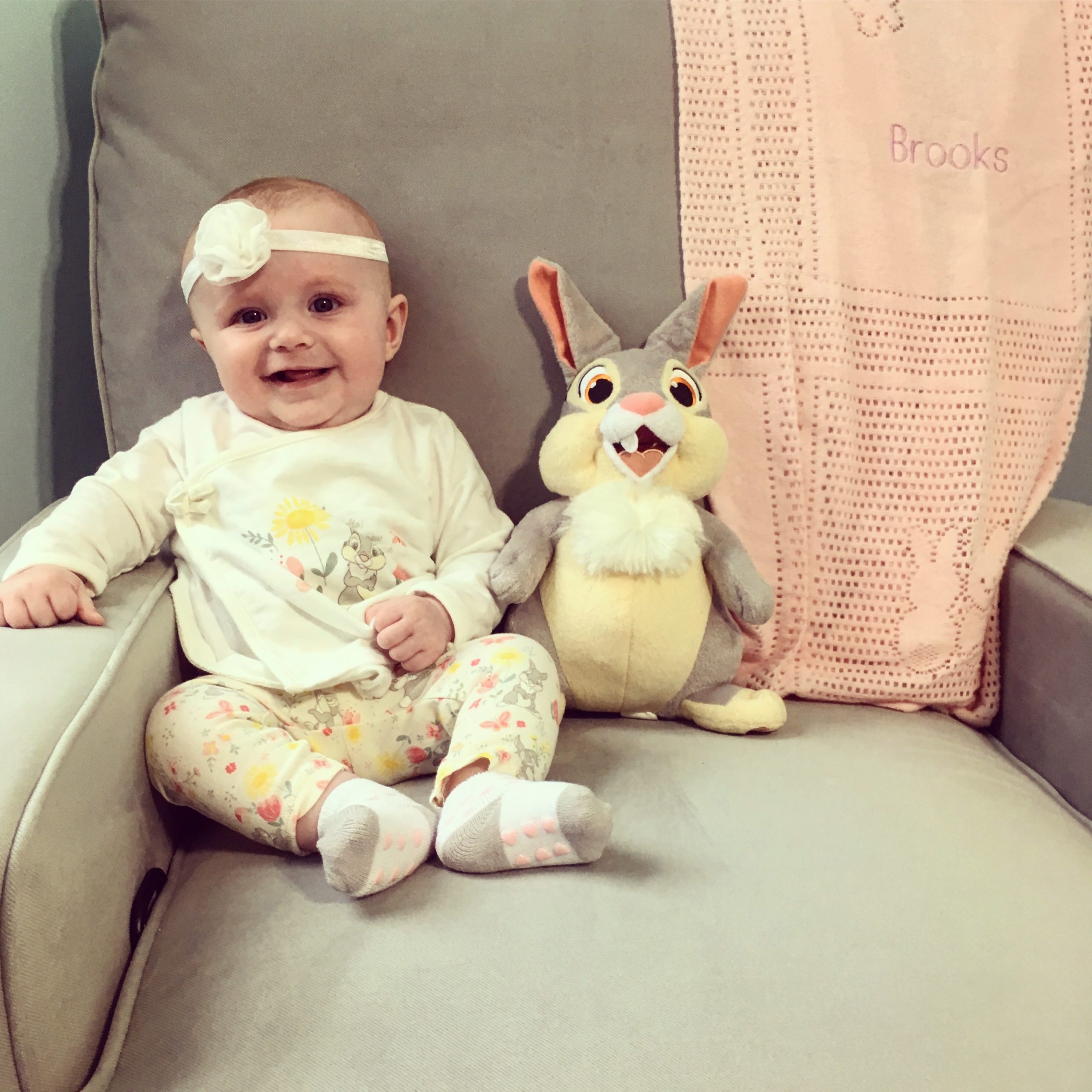
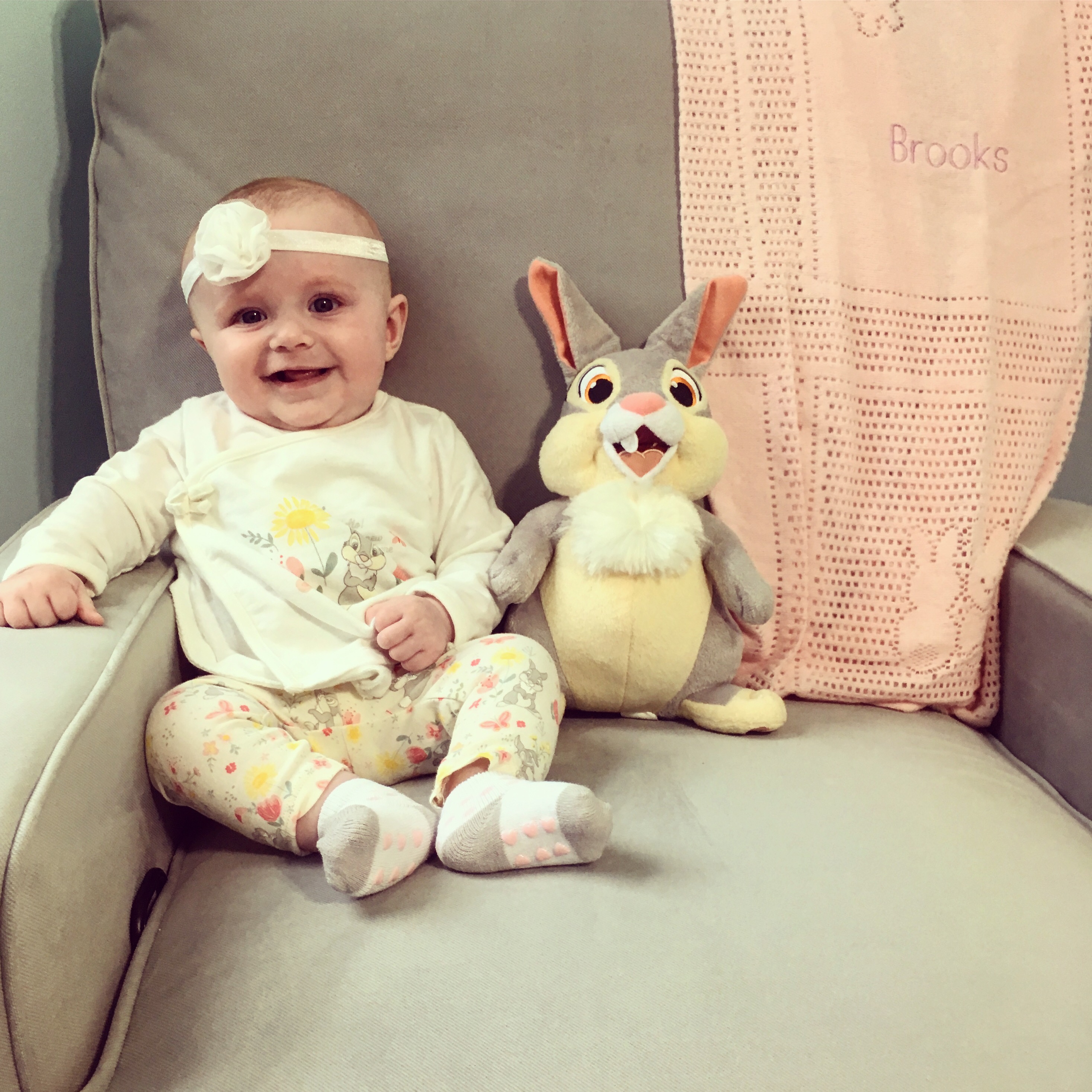
When it was over, I realized I can do anything. I was able to overcome what I thought was going to be so hard and thrive. Now we have a precious baby girl, Brooks Rose. She is as healthy and happy as ever. Once we left SGF, everything seemed completely normal again, but the process made pregnancy easier from the start. So much of their staff has experienced what you are experiencing.

Resources for Women with PCOS

  • Getting Pregnant with PCOS E-Book
  • PCOS On-Demand Webinar
  • Patient stories of women who overcome their PCOS diagnosis

Like Tori, SGF patient Sarah was diagnosed with PCOS, but had hopes of overcoming her diagnosis to one day have a baby. Here’s her patient story vlog.

Sarah and Jay’s Patient Story: Overcoming PCOS

Ready to Begin Your Fertility Journey?

Schedule an Appointment

To schedule a virtual consultation with an SGF physician, please call our New Patient Center at 1-888-761-1967 or submit this brief form.

Filed Under: Get Started

October 22, 2020 by Shady Grove Fertility

Medical Contribution: Dr. Eric Levens

“How do I get pregnant faster?” is a question that many women ask. The moment you decide you want to ‘start trying’ for a baby is also the moment you want it to actually happen. The popular website, The Bump, turned to SGF’s own Eric Levens, M.D., of Shady Grove Fertility’s Fairfax, VA office, for tips on how to get pregnant faster.

Stop Taking Birth Control

While this may seem like an obvious step to get pregnant, what’s not so obvious is that, depending on what form of birth control you’re using, fertility doesn’t necessarily return right away. It could take some time for your hormone levels to return to normal. “Especially when women have been on birth control for a very long time, cycles may not occur right away. They may be absent or very irregular for a month or so,” says Dr. Levens. Typically with the pill, “after about 6 to 8 weeks, you should start seeing your cycle. If after 8 to 10 weeks you’re still not getting a period, it’s wise to seek help from a doctor to figure out what’s going on.”

Understand Your Menstrual Cycle

Every woman’s cycle is different. “The average cycle is anywhere from 24 to 35 days, and it doesn’t vary by more than 3 to 4 days on any given month,” Dr. Levens says. The length of your menstrual cycle is determined by the number of days from the first day of bleeding to the start of the next period. The length of your cycle—while not on any form of birth control—can be a key indicator of hormonal imbalances and whether or not ovulation is occurring in a regular manner. If ovulation does not occur, pregnancy is not possible. Understanding your menstrual cycle is key to conception. To learn more about what’s normal and what’s not when it comes to your menstrual cycle and trying to conceive, read more and attend one of SGF’s free educational webinars, What Your Menstrual Cycle Says about Your Fertility.

Take Your Vitamins

Take a prenatal vitamin with folic acid as soon as you think about trying to conceive.  Dr. Levens notes that “If taken prior to conception, folic acid can significantly decrease the incidence of spinal birth abnormalities known as neural tube defects. Starting a prenatal vitamin regimen once you’re pregnant is too late, as the neural tube has already formed by the time a woman knows she is pregnant.”

Why am I still not pregnant?

It’s important to keep in mind that even at the peak of fertility, the chances of getting pregnant in any given month is only about 20%, Dr. Levens says. A woman in her early 30s has a 15 to 20 percent chance of pregnancy per month when she initially starts trying to conceive. After trying for 1 year, the chances of pregnancy declines to 1 to 2 percent per month.”  It’s important to remember that the chances of success decline quickly when trying on your own. One in eight couples will experience infertility. The only way to truly know what is keeping you from starting a family (or adding to the one you already have) is a complete fertility evaluation. Four simple tests completed during your next menstrual cycle can help reveal the underlying factors preventing conception.

Knowledge of your fertility health is power and can help you make decisions and achieve a pregnancy faster. Your initial consultation with an SGF physician is just a conversation and the first step on your path to parenthood.

Editors Note: This post was originally published in October 2017 and has been updated for accuracy and comprehensiveness as of October 2020.

Schedule an Appointment
To schedule a virtual consultation with an SGF physician, please call our New Patient Center at 1-888-761-1967 or submit this brief form.

Filed Under: Get Started

October 16, 2020 by Shady Grove Fertility

If you’re having trouble getting pregnant, SGF Atlanta’s Medical Director, Dr. Desireé McCarthy-Keith, shared on The Suga podcast how it’s healthy to ask for help. Dr. McCarthy-Keith joined the hosts for a candid conversation about the basics of reproduction and the actions women who are struggling with infertility can take. This episode swells with emotions ranging from laughter to tears, but if there’s one thing listeners can take away, it’s that no one is alone on their fertility journey.

Listen to the Episode

Sneak peek into the episode: Facts about Fertility from Dr. McCarthy-Keith

Q: What are several factors for women struggling with infertility? Are there basic steps you can take to test for infertility in men and women?

Dr. McCarthy-Keith: You always have to go back to the basics: is it egg supply? Is it age? Are there sperm factors if there’s a male partner present? Are there anatomic factors? So, the basic fertility evaluation is always to take a full history – look at the couple’s age, check AMH (anti-Müllerian hormone) and FSH (follicle-stimulating hormone), and do an ultrasound to look for fibroids.
Many women, including me, walk around and don’t know they have a fibroid until they see an ultrasound and are asked, “did you know you had a fibroid?” and we answer, “oh, no I didn’t.” So, we perform ultrasounds to look at the uterus and ovaries.

We do an x-ray test called an HSG, which stands for hysterosalpingogram or it’s sometimes called a dye test. That’s where we flush dye through the fallopian tubes and take x-ray pictures from the outside of your abdomen. It’ll show the dye flow through and if dye pours out of the tubes, that confirms there’s no tubal blockage as a cause for infertility.

And then we do a semen analysis for all male partners. It’s a very common misconception to say infertility is a female issue, and we’re just going to check on the woman and if we don’t find anything, then we’ll do a test on the partner. You should always check on the male partner from the beginning because there are male factors present in 40 to 50 percent of couples, either as the primary factor or in addition to a female factor. Those are the basics that we evaluate every time to see what may have kept a couple from getting pregnant.

Q: How can your doctor test you for infertility before trying to get pregnant?

Dr. McCarthy-Keith: The first thing is for all women to just be aware of that curve that we’re all on. So being mindful of whether we’re in college, we’re going to professional school, in our careers, or just getting married – thinking about how my age and my fertility are changing. So, do I need to be trying to get pregnant now? If not, it’s very easy to talk to your OB/GYN and just say, “I’m thinking about getting pregnant later. Can we check an AMH blood test with my annual exam?” A pelvic exam at the time of your pap smear may detect large fibroids. So just having that conversation is important.

Words of Encouragement from Dr. McCarthy-Keith

When you come to someone for help, you don’t come for judgement – you come for help. And so for all doctors – male and female, black or other – we have to be here to help and to see our patients and to not pass judgement. We need to be compassionate and sensitive to them.

Other Fertility Topics Discussed

  • Why the AMH and FSH hormone levels should be among the first things women struggling with infertility get tested on
  • The evolution of the female body and its egg count
  • Male-factor infertility – it’s more common than you think, but nothing to be ashamed of
  • Fertility options ranging in cost

More Podcasts from Shady Grove Fertility Experts  

  • Dr. Lauren Roth on the Fertility Workup, Treatment Options and Success Rates

Ready to Learn More about Your Fertility Options?

Schedule an Appointment

To schedule a virtual consultation with an SGF physician, please call our New Patient Center at 1-888-761-1967 or submit this brief form.

Filed Under: Get Started

October 13, 2020 by Shady Grove Fertility

There are so many expectations, so many expectations and so many shocks, in this life. There’s the expectation that the universe understands and supports your plans. The expectation that good things come to good people. The expectation that your story will be normal, like your friends, your family, your neighbors, like in the movies. Then there are the unexpected surprises, the shocks that turn our worlds upside down. The shock of the ectopic miscarriage. The shock of bad news at the anatomy ultrasound. The shock of walking away from the hospital with empty arms at 36 weeks and 5 days. These are the kinds of shock that language cannot adequately express, try as we may with so many supposedly synonymous words – jolt, blow, disbelief, distress, numbness, devastation, alarm, stun, astound, traumatize, stagger, outrage, appall, offend – but all of the variations combined can’t touch the pain, the grief, the desolation; sorry Merriam, sorry Webster.

For 8 years we prepared. As we grew into ourselves and one another, we built the foundation for a life of happiness together; planning, saving, living and dreaming about the future. A future that always included being a family, sharing our home and our joys, chasing the wonders of this world with beautiful, bouncing children. Stephen waited, mostly patiently, for those 8 years for me to check all the pre-baby boxes. I was so confident there was a right time and that it would be in our time; funny how little we actually control.

We were delighted with a positive pregnancy test just 3 months after all the pre-baby boxes were checked. To reveal the incredible news, I popped a single bun into the oven and asked Stephen to grab out the “rest of dinner.” The look of confusion, followed by realization and exhilaration, as he asked, “why is there a bun in the oven?” is one that I will cherish always. It was so pure, so innocent and so perfect. We lived in that feeling of warmth and anticipation until the moment that an ectopic pregnancy was explained in detail. That instruction unraveling our hopes and kicking off what would become a seven-year journey, filled with twists and turns.

As soon as my body healed, we were in a hurry to regain the high of pending parenthood. In 5 mostly short months, 3 for recovery and 2 to try, we were delighted with yet another positive pregnancy test. We were no less excited and only slightly more nervous about what this could mean. Steve held on tightly to the toddler sized baseball cap I surprised him with until we passed the 12-week mark and the possibility of another heart break. We nearly exploded with the news. The first ultrasound melted our hearts and our fears, this was it, we were going to be parents to this most amazing miracle. Breathing a sigh of relief, we planned a nursery, built a baby registry and started the daunting task of selecting the perfect name. We were swimming in love, anticipation and gratitude, 140 days of pure bliss, eagerly awaiting that next sneak preview at 20 weeks. What came was a very different look at our future.

The minutes of silence laying on the ultrasound table, awaiting the doctor’s guidance lasted for what felt like days. As the spin of the world slowed, it was immediately followed by our world spinning out of control – echogenic kidneys. The next 3 months were filled with research, doctor’s visits and prayer. We traveled the east coast from Boston Children’s Hospital to Emory in Atlanta, looking for a medical team equipped with the knowledge, tools and heart to fight for our sweet baby. Our planned c-section in Charlotte just after Christmas 2011 gave forth to unplanned labor and emergency caesarean in Greenville, SC on December 11th. Funny how little control we have.

For 7 days, the longest moments and the shortest week of our lives, we huddled at the bedside of our sweet girl with bated breath. We prayed for urine output, for oxygen saturation, and for a future. Then we prayed for mercy, for pain cessation and for answers. With the oscillating vent still, an abrupt and deafening silence permeated the room and our hearts. That perfect name so carefully selected – Emslie, a gift from God.

In the months that followed, some answers we got, Autosomal Recessive Polycystic Kidney Disease (ARPKD) and some will likely never be answered. Everywhere we turned we were faced with grief, emptiness and longing. The focus on winning in a losing game became an all-consuming obsession, but we held on with all we had to the promise of a family with preimplantation genetic testing (PGT-M) and in vitro fertilization (IVF). Everything was hurry up and wait, it was months for blood test results, months for genetic counseling, months for building a probe, months for retrieval, until finally nearly one year to the day we were transferring 3 beautiful, unaffected embryos. The pain of the progesterone in oil shots was unbearable, not to be lessened by miscarriage at 9 weeks. We couldn’t start the next round of PGT-M and IVF fast enough.

Then came a most amazing blessing – a beautiful, healthy baby girl. Suddenly our world was moving again, all of the shots, the fear, the anger and isolation, the appointments, the expenses and the pain were all vindicated. We are forever indebted to those providers.

Yet, we sought another provider that could help continue to grow our family and found a stronger connection with the team at Shady Grove Fertility. In fact, we traveled in excess of 2 hours one way to work with SGF. We were taken by the knowledge, care and commitment of Dr. Perloe and his team. From the front desk to our nurses to the financial counselors to genetic counselors and beyond, we were impressed at every turn. Not only did the process seem to move faster than it had prior and the care was outstanding, but we received insurance coverage for the first time in 3 rounds of IVF which ultimately made it possible. All thanks to the hard work and diligence of our friends at Shady Grove Fertility. Despite the disappointment of one last miscarriage, we were pregnant shortly after. In May 2017 we welcomed a healthy son, our 3rd child known to this world and 7th known in our hearts.

There are so many expectations, so many expectations and so many shocks, in this life. Despite our expectations that life would be fair or at least make sense and dreams are realized if you plan right, we were shocked that our journey, one marked by anguish, emptiness, and loss, could be so rich with contentment, purpose, and love. We didn’t choose or define our journey, the journey has defined us and now, we wouldn’t choose any differently. Funny how little we control and it’s still ok.

If you’re an SGF patient in need of support, please don’t hesitate to reach out. 

Filed Under: Get Started

October 9, 2020 by Shady Grove Fertility

Medical Contribution by: Dr. Michael Edelstein

For some couples, a month is all they need to see those double pink lines. Yet for others, it takes longer and sometimes involves undergoing fertility treatment. On average, one in eight couples of reproductive age will need help in order to conceive.

The factors influencing conception are multifaceted, but the key indicator of future success is the female partner’s age. TODAY.com asked SGF Richmond physician, Dr. Michael Edelstein how age affects a woman’s chances of getting pregnant, when it’s time to seek help, and ways to improve fertility.

Your Chances of Getting Pregnant By Age

Though the number is surprising, a woman only has around a 15 to 20 percent chance of conception each month and, depending on how old she is, her window to get pregnant varies. In the time period of one year:

  • A 20 to 24-year-old has an 86 percent chance of conceiving
  • A 25 to 29-year-old has a 78 percent chance of conceiving
  • A 30 to 34-year-old has a 63 percent chance of conceiving
  • A 35 to 39-year-old has a 52 percent chance of conceiving

Couples often wonder how long they should be trying to get pregnant on their own before seeking guidance from a fertility specialist. Age is the critical factor here. If there are no obvious fertility concerns:

  • A woman under the age of 35 should seek care after trying unsuccessfully for approximately 1 year.
  • A woman between the ages of 35 and 39 should seek care after trying unsuccessfully for 6 months.
  • A woman 40 years or older should seek care after trying unsuccessfully for 3 months.

Women of any age with certain conditions should proactively talk with a physician about how this could potentially affect their ability to get pregnant. “Women who have endometriosis, irregular cycles, or a history of pelvic inflammatory disease, as well as women who have had two or more miscarriages, should consider seeing a specialist,” according to Dr. Edelstein. “The same goes for women who have major health issues, including women who have cancer and are getting ready to undergo chemotherapy or radiation.”

“Most fertility doctors can see those patients almost immediately,” Dr. Edelstein said. “There’s an option to quickly freeze their eggs, and we have special programs and abilities to get free or significantly reduced medicine, and that’s really important for women to know.”

Lifestyle Changes to Improve Fertility

When many people think of fertility treatment, they imagine sophisticated testing, powerful medications, and high-tech procedures without realizing that even simple lifestyle changes can improve fertility health and have a tremendously positive impact on the ability to conceive.

1. Maintain a healthy weight.

It’s important to prepare your body for conception. One way to do this is to achieve an optimal weight through exercise and a healthy diet. Obesity and borderline obesity convey many risks to both mother and baby that you can reduce or eliminate with weight loss. Studies show that losing as little as 5 percent of your body weight may increase your chances of pregnancy. Underweight individuals also are predisposed to risk factors that you can remedy with proper nutrition and achieving an optimal weight.
[Watch: SGF’s On-Demand Webinar, Weight and Fertility]

2. Quit smoking.

It’s no surprise that smoking presents risks to your overall health. However, many people don’t realize the effect smoking has on fertility. Studies have shown that women who smoke have a 54 percent chance of taking a year or longer to conceive compared with nonsmokers. The delay in conception is directly impacted with the quantity of cigarettes smoked. The more cigarettes smoked, the more chemicals that enter the body, which increases the rate of follicular depletion and reduces estrogen levels in the body.

Smoking affects men as well and can decrease their sperm count by 22 percent. Damage from smoking is not permanent and it can be improved. Sperm regenerates every 74 days, enabling sperm produced after stopping smoking to be of better quality.

3. Reduce alcohol intake.

Women who consume a moderate amount of alcohol (up to five drinks per week) have shown a decrease in fertility. Women who consume 10 alcoholic drinks per week show an even greater decrease in their chances of conceiving. Since there is no confirmed data of a safe threshold for consumption, we recommend refraining from all alcohol when trying to conceive and during pregnancy.

4. Manage stress and anxiety appropriately.

For many women, their stress levels may already be high when they are trying to conceive or begin treatment. When you begin fertility treatment, we strongly recommend patients to join a support group. Some even find services such as acupuncture or massage offered at our Wellness Center to be helpful. While these alternative therapies have not been proven to increase conception rates, these activities have helped many patients better manage the emotional stress of infertility and support them before and during treatment. Even modest lifestyle adjustments in can make a difference in improving your fertility and help you get pregnant faster.

5. Get enough sleep.

We all know how important it is to get a good night’s sleep, but did you know that you’ll get a much better quality of sleep if you sleep in total darkness? According to studies published in Fertility and Sterility, melatonin production can be lowered by artificial light including the light emitted from your smartphone or tablet. Melatonin is the sleep hormone that helps boost fertility, so remember to get your z’s and turn out the lights!

6. Be sure your medications are appropriate to take during pregnancy.

Review your current medications, including any herbs or supplements, with your physician to ensure proper dosages and to determine if your medications are safe to take during pregnancy. There may be alternatives to current medications that are safe during pregnancy and others that should change prior to conception.

7. Know your medical history.

It is important to review with your physician your medical history, including past immunizations. We encourage patients to get up to date with their immunizations for such conditions as influenza, chicken pox, measles, mumps, and rubella, to name a few.

8. Seek physician care for undiagnosed and untreated medical conditions.

There are a number of medical conditions that may negatively affect pregnancy, including prediabetes, asthma, high blood pressure, and a low-functioning thyroid gland. It is important to have a physical examination by either a gynecologist or your primary care physician before trying to conceive or beginning fertility treatments. A physician can easily test for and treat conditions before you become pregnant. The result of treatment can greatly improve your fertility, diminish the chance of miscarriage, and promote a healthy pregnancy.

Editor’s Note: This post was originally published in June 2019 and has been updated for accuracy and comprehensiveness as of October 2020.

Schedule an Appointment

To learn more or to schedule an appointment with an SGF physician, please contact our New Patient Center at 877-971-7755 or fill out this brief form.

Filed Under: Get Started

  • « Go to Previous Page
  • Page 1
  • Interim pages omitted …
  • Page 3
  • Page 4
  • Page 5
  • Page 6
  • Page 7
  • Interim pages omitted …
  • Page 16
  • Go to Next Page »

Company

  • About SGF
  • About US Fertility
  • Our Doctors
  • Fertility Equity
  • Careers
  • Newsroom
  • SGF College Scholarship
  • Contact Us
  • Voice Your Feedback

Treatments

  • Egg Freezing
  • Intrauterine Insemination (IUI)
  • In Vitro Fertilization (IVF)
  • Frozen Embryo Transfer (FET)
  • LGBTQIA+ Family Building
  • Shared Risk 100% Refund Program
  • All Treatments

Resources

  • Patient Portal
  • Online Bill Pay
  • Library
  • Support Groups & Events

Locations

  • California
  • Colorado
  • Delaware
  • Florida
  • Georgia
  • Maryland
  • North Carolina
  • Pennsylvania
  • Texas
  • Virginia
  • Washington, D.C.

2026 Shady Grove Fertility

  • Policies & Notices
Also of interest
  • In Vitro Fertilization IVF
  • Fertility Tests
  • Research Publications