

• Skip to primary navigation
  • Skip to main content
  • Skip to footer
Shady Grove Fertility
  • Become an Egg Donor
  • Referring Physicians
  • 1-888-761-1967
  • Schedule Appointment
  • Get Started
        • Get Started
          • Causes of Infertility
          • Fertility Tests
          • When to Seek Help
          • Find a Doctor
          • Preconception and prenatal vitamins 
          • Schedule an Appointment
        • Personalized Care For
          • Single Parents
          • LGBTQIA+ Family Building
          • People with Cancer
          • Known Genetic Diseases
          • Egg Donors
  • Treatments
        • Fertility
          • Timed Intercourse
          • Ovulation Induction
          • Intrauterine Insemination (IUI)
          • In Vitro Fertilization (IVF)
          • Frozen Embryo Transfer (FET)
        • Donation & Surrogacy
          • Donor Sperm
          • Donor Egg
          • Donor Embryo
          • Gestational Carrier
          • LGBTQIA+ Family Building
          • Single Parents
          • Find a Donor
        • More Treatments
          • Center for Male Fertility
          • Egg Freezing
          • OncoFertility
          • Preimplantation Genetic Testing
          • MIGS
          • All Fertility Treatments
  • Resources
    • Resource Library
    • Events Calendar
    • Patient Stories
    • Mental Health
    • Wellness Center
  • Insurance & Savings
    • Insurance & Benefits
    • Shared Risk 100% Refund Program
    • 100% Refund for Donor Egg
    • Discounts
    • Egg Freezing Costs
    • Financing & Grants
    • Clinical Trials
  • About
    • Find a Doctor
    • About SGF
    • Our Care Team
    • Advanced Practice Providers
    • Fertility Equity
    • Philanthropy
    • Newsroom
    • Careers
    • Contact Us
    • Voice Your Feedback
  • Locations
        • Find a Location
        • California
        • Colorado
        • Delaware
        • Florida
        • Georgia
        • Maryland
        • North Carolina
        • Pennsylvania
        • Texas
        • Virginia
        • Washington, D.C.
        • Chile
        • International & Out of State
        • SGF at Walter Reed National Military Medical Center
  • Patient Hub
    • Online Bill Pay
    • Patient Forms
    • Patient Portal
  • Call your care team
  • Become an egg donor
  • Referring physicians
  • search-icon
  • Schedule appointment 1-888-761-1967

Home / Get Started / Page 6

Get Started

October 6, 2020 by Shady Grove Fertility

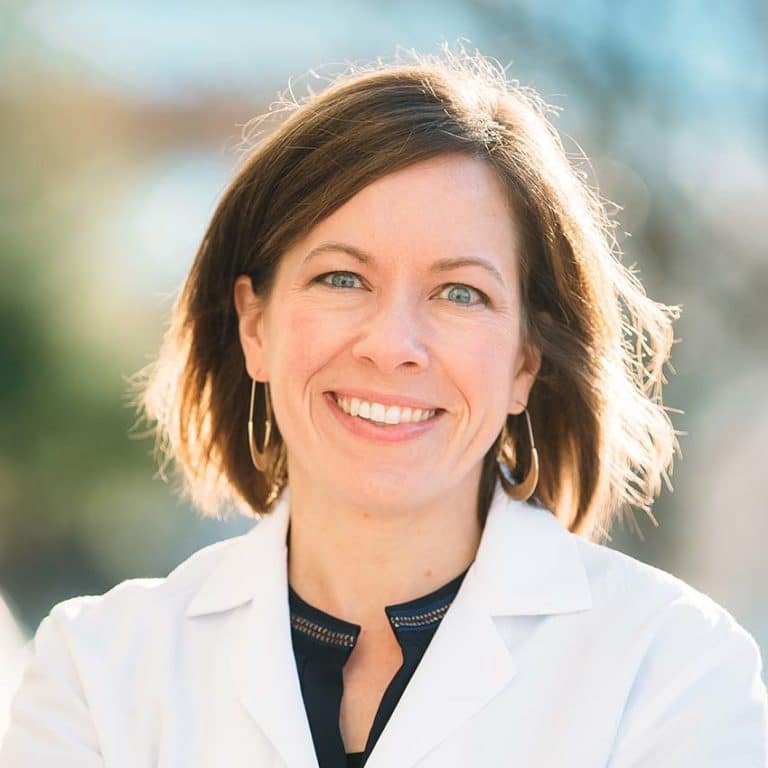
Could drinking really affect your ability to conceive? Should you avoid it altogether? HuffPost turned to Shady Grove Fertility’s, Dr. Ryan Martin, who sees patients in SGF’s Warrington, PA office, to answer common questions surrounding alcohol and fertility in both men and women.

The Breakdown

Of surveyed Americans, more than half report drinking alcohol within the last month.
So, if you’re a social drinker, you’re not alone.
While consuming alcohol won’t necessarily make it harder for you to conceive, there is evidence to suggest that drinking—particularly in excess—could make conception more difficult.

Alcohol and Women’s Fertility

For women, “there is some evidence that alcohol can cause changes in cycle regulation and ovulation in the setting of heavy, chronic use,” according to Dr. Martin. And, “some studies suggest that chronic, heavy drinking can lead to diminished ovarian reserve (low quantity of eggs).”

Alcohol and Men’s Fertility

Heavy alcohol use has a similar effect on male fertility. For men who consume large quantities of alcoholic drinks (five or more drinks), “some studies have shown a decrease in the hormones that lead to testosterone and sperm production,” Martin said.
Alcohol is also linked to erectile dysfunction, or impotence, in men. For men, reducing the amount of alcohol consumed can quickly reverse these side effects.

The Takeaway

“There are not a lot of studies evaluating the physiologic effects of alcohol consumption on reproductive physiology,” Martin said. But, he added, there isn’t a strong association between light to moderate drinking and infertility for most people―in other words, “a history of moderate alcohol consumption isn’t likely to mess with your chances of getting pregnant.”

That said, it’s a good idea to cut back on booze while you’re trying to conceive. “I counsel patients that alcohol consumption is OK, but to keep it to a minimum,” Martin said.

The one lifestyle factor that we know for certain has an effect on fertility is smoking, Martin said. But, the impact of other factors isn’t as cut-and-dried.

“Diet and exercise are always important when trying to conceive,” Martin said. “However, there is a misperception that if you are exercising and eating well, you are less likely to have infertility. I tell my patients that reproductive health is not always synonymous with overall health.” In other words, you could be doing everything “right,” and still have trouble getting pregnant.
Learn more about improving fertility through lifestyle changes.

[WATCH: SGF’s Weight and Fertility On-Demand Webinar]

When to Seek Help from a Fertility Specialist

If you’ve done everything “right” and still can’t get pregnant, it could be time to seek help. Traditionally, a fertility specialist will assume infertility is present based on the following definition. When a woman is:

  • Under 35 with regular cycles, unprotected intercourse and no pregnancy after 1 year
  • 35 to 39 with regular cycles, unprotected intercourse and no pregnancy after 6 months
  • 40 or over with regular cycles, unprotected intercourse and no pregnancy after 3 months

 
Editor’s Note: This post was originally published in September 2019 and has been updated for accuracy and comprehensiveness as of October 2020.

Schedule an Appointment

To schedule a virtual consultation with an SGF physician, please call our New Patient Center at 1-888-761-1967 or submit this brief form.
Filed Under: Get Started

October 6, 2020 by Shady Grove Fertility

While the age of first-time moms has increased, so has the number of women having babies in their 40s. The frequency with which women between the ages of 40 and 44 became first-time moms started to climb in the 1980s. And this rate of increase has only accelerated. Between the years of 1990 to 2012, the number of first-time mothers over the age of 40 more than doubled in the United States.

Despite the fact that more women are entering motherhood past the age of 40, getting and staying pregnant in your 40s can be difficult.

If you’re one of these women considering welcoming a new family member while in her 40s, there are steps you can take before and during your pregnancy to increase the likelihood that your new baby is healthy and happy.

Preparing for Pregnancy in Your 40s

Seeing your gynecologist to prepare for pregnancy in your 40s is a wise first step. A medical professional can check your existing health and screen you for any conditions that might make getting and staying pregnant more difficult or that may increase your risk of health complications during pregnancy.

If your doctor finds a condition that could prevent pregnancy or hinder a healthy pregnancy, he or she can treat you prior to pregnancy attempts, potentially making the process easier and less stressful.

Women of any age who are planning to become pregnant can benefit from adopting healthy lifestyle habits and improving their overall health. Consider:

  • Reaching and maintaining a healthy weight
  • Eating a well-balanced diet
  • Getting regular, moderate physical activity
  • Quitting any unhealthy habits, like smoking

If you have any pre-existing conditions that may predispose you to pregnancy complications, like high blood pressure or diabetes, getting these in control before getting pregnant will improve your chances of having a healthy pregnancy and a health baby.

Talked with your doctor? Check. Feeling in good shape to get pregnant? Great. Let’s talk about your next steps.

Getting Pregnant in Your 40s

Is it possible?

The primary concern patients in their 40s have when coming to Shady Grove Fertility is, “Will I be able to get pregnant?” says Dr. Rebecca J. Chason of Shady Grove Fertility’s Annapolis, MD office.

A woman’s fertility naturally declines with age due to a loss in the number of eggs as well as a decline in the ability of remaining eggs to form a healthy pregnancy. “If you’re over 40, time is critical, and any delay may limit your options. Now is the time to be proactive about your path to pregnancy,” adds Chason. Seeking support from a fertility specialist early in the process can provide crucial information about your current reproductive status and maximize the chance of pregnancy.

What to Expect from Your Fertility Center

During your first visit, you’ll meet with your dedicated fertility specialist who will gather your and your partner’s (if applicable) medical history and advise you of the need to begin simple diagnostic testing.

For the woman, screening will include an ultrasound, blood test, and hysterosalpingogram (HSG).
During the ultrasound, your doctor will evaluate the structure of your reproductive organs, checking for:

  • Uterus that appears normal
  • Uterine cavity that appears normal
  • Ovaries that appear normal
  • Number of visible follicles (small cysts that house eggs) in the ovaries

While a woman of any age may experience uterine abnormalities or blocked Fallopian tubes, women who are older are a bit more likely to experience these complications, simply as a result of the fact that they have lived longer and have had more time to develop some of these issues.

When checking your blood, clinicians will look at general levels to assess your overall health. They will also assess your ovarian reserve, that is, the number of eggs that you currently have remaining.

As you age, the number of your eggs declines and the quality of your remaining eggs decreases. As a result, ovarian reserve levels are critical in determining the likelihood of achieving a pregnancy and deciding the appropriate treatment options for a woman in her 40s who wishes to become pregnant.
If you’re trying to conceive with a partner, he will undergo an assessment as well. He will need a semen analysis in which the motility (movement), morphology (shape), and count of his sperm will be determined.

Your doctor will also offer you genetic screening.  Today, with advances in technology, prepregnancy genetic screening (also called carrier screening) is more affordable and accessible than ever. Shady Grove Fertility is an advocate of genetic screening when planning for pregnancy, and offers genetic screening for more than 100 different diseases and syndromes. The insights gained by testing both partners offer the ability to identify possible genetic diseases and syndromes that may be passed on to future offspring.

Following these assessments, your doctor will consider all patient-specific factors and advise you on the best course of action toward pregnancy. Visiting a fertility center like ours doesn’t necessarily mean you’ll end up needing more advanced treatment such as in vitro fertilization (IVF).
If, for example, you have an average or limited ovarian reserve, you may be prescribed medication that will cause you to release more than one egg per cycle.  This can be done in conjunction with intrauterine insemination of your partner’s sperm or donor sperm, especially if any abnormalities are found during the male evaluation or if you do not have a partner.

The uterus itself is capable of sustaining a pregnancy long past the age of 40. But the lack of high-quality eggs presents the largest hurdle to pregnancy in your 40s.

If your ovarian reserve is very low or you don’t have any viable eggs remaining, you may still be able to achieve a pregnancy through the use of donor eggs or donor embryos along with IVF.

Ultimately, the key to successfully getting pregnant in your 40s is not spending too much time trying on your own without additional information and counseling from a specialist – because time is of the essence, moving quickly through the process and exploring all of your options is a must.

Staying Pregnant in Your 40s

Women in their 40s have a higher rate of miscarriage than pregnant women in their 20s or 30s. And, as women move further into their 40s, miscarriage rates increase.

Due in large part to issues with egg quality, women in their 40s are more likely to become pregnant with a baby with a chromosomal abnormality. Often, these abnormalities are so severe that they result in a miscarriage.

Some miscarriage risks can be mitigated with Preimplantation Genetic Testing for Aneuploidies (PGT-A). This process, which is only available to women who undergo IVF, allows our embryologists to test the embryos to determine if they have the proper number of chromosomes before transferring them back into the uterus. By transferring a healthy embryo, doctors can improve the likelihood of producing a viable pregnancy.

Maintaining a Healthy Pregnancy in Your 40s

As a pregnant woman in your 40s, you will be more likely to experience complications, including:

  • High blood pressure
  • Gestational diabetes
  • Pre-eclampsia
  • Placental issues
  • Preterm delivery

No matter your age, you should have regular prenatal care throughout the course of your pregnancy. Properly preparing your body prior to pregnancy in addition to conscientious care throughout the duration of your pregnancy will not only improve the likelihood that you have a healthy pregnancy, but also improves your chances of taking home a healthy and happy baby.

Medical contribution by Rebecca J. Chason, M.D.

Rebecca J. Chason, M.D., FACOG, is board certified in obstetrics and gynecology and reproductive endocrinology and infertility. Dr. Chason serves on the women’s health council at Anne Arundel Medical Center and is a member of the Academic Affairs Committee for the department of OB/GYN’s and will serve as core faculty for the developing residency programs. She sees patients at SGF’s Annapolis, Maryland office.

Editor’s Note: This post was originally published in October 2019 and has been updated for accuracy and comprehensiveness as of October 2020.

Schedule an Appointment

For more information or to schedule an appointment, please call our New Patient Center at 1-877-971-7755 or complete this brief online form.
 

Filed Under: Get Started

February 18, 2020 by Shady Grove Fertility

Dr. Andrea Reh

How far ahead can you plan for your next baby? Some people might have one child they’re breastfeeding while taking fertility drugs for the next one. But is this a good idea? Romper turned to board certified reproductive endocrinologist, Dr. Andrea Reh, who sees patients in SGF’s Arlington, VA office, to shed some light on how safe and effective this kind of multitasking might be for new parents.

Q: Is it safe to breastfeed while taking fertility drugs? Which drugs in particular may be safe or unsafe?
Dr. Reh: In general, we advise that patients stop breastfeeding for 1-2 months before taking fertility drugs. As with all medications, there is always some small degree of excretion of the drug into breast milk. Some drugs, such as estrogen/progesterone contraceptive pills, or “birth control pills,” can reduce the milk supply. In addition, breastfeeding often prevents a woman from ovulating, which can counteract the goal of most fertility drugs.

Q: What should breastfeeding mothers know about the potential dangers of taking fertility drugs?
Dr. Reh: For women who have struggled with infertility, the long-awaited arrival of their new baby is undoubtedly an exciting and happy time. For women with a history of infertility who anticipate wanting more children, we advise reconnecting with their fertility specialist at some point in the months after delivery to make plans for the next pregnancy. Together, the patient and her doctor will devise an individualized plan for her next pregnancy, taking into account the health of her prior pregnancy, her options for fertility treatment, and often, the breastfeeding goals for the new mother.

 What do you wish more people understood about fertility medication in general?
Dr. Reh: In general, fertility medications are safe and effective for non-breastfeeding women under the guidance of a fertility specialist. For many women struggling to conceive, fertility medications can make pregnancy possible or greatly improve the chances of conceiving.

A Stepped Approach to Care

At Shady Grove Fertility, we put science, medicine, and results to work for you. While we have grown to become one of the largest fertility centers in the country, with 12 SGF babies born every day, we are committed to providing personalized fertility care to each and every patient, always balancing chances of success with the simplicity of the treatment choice.
SGF practices an individualized, stepped-care approach to treatment, which has resulted in more than 85,000 babies born.

Schedule an Appointment

If you would like to learn more or schedule an appointment with an SGF physician, please call the New Patient Center at 888-971-7755 or complete this brief online form.

Filed Under: Get Started

January 23, 2020 by Shady Grove Fertility

Individuals and couples who are struggling to conceive often feel pressure from friends, family, and even strangers when it comes to having kids. Well-meaning loved ones can say something innocently, but it can come across as insensitive. Even a seemingly innocuous question can be misconstrued as intrusive.

Dr. Desireé McCarthy-Keith, Medical Director and board-certified reproductive endocrinologist at SGF Atlanta, was interviewed by The New York Times about what to say to someone struggling with infertility.

If you are a loved one or friend of someone who is trying to conceive or might be trying to conceive, read these four ways to best support them during their journey to parenthood.

Reach Out

“There’s just so many ways that you can just be present in someone’s life and just say, ‘Hey, I’m thinking about you today.’ That’s it. That’s all you have to say to make a difference,” said Dr. McCarthy-Keith.

She suggests a gentle approach with others. We have to be sensitive and not intrude, she said, but it’s a fine line because we don’t want them to feel ignored. Ask how they’re doing, and if they say, “I’m fine,” without elaborating, then leave it alone. “It’s such a private and personal issue that you have to tread very lightly.”

Prepare for the possibility that the couple might prefer to keep the details to themselves. Respect their space and understand that they will share updates when they’re ready.

Avoid Reframing the Issue

People can be especially insensitive to couples undergoing secondary infertility, Dr. McCarthy-Keith said. Blurting out something like, “Well, at least you already have a baby,” is inconsiderate. “What we have to remember is that whether you have zero children, or you have five, if you are having infertility — if you’re ready to be pregnant and you’re having trouble getting pregnant — that is still hurtful,” she explained.

Validate their Pain

Sometimes when Dr. McCarthy-Keith’s patients experience a setback, whether their IVF cycle wasn’t successful or they miscarried, she’ll say something like: “I know this is bad news. This is hurtful and I’m sorry.”

When someone in her care is sad or grappling with the process, she will tell them: “I know this is rough. I know this hurts and I’m with you.” It doesn’t take a lot of words to let someone know you’re a source of comfort, she said. Just say: “I know you’re hurting; I’m hurting with you.”

Don’t Offer Unsolicited Advice

“Just relax and it will happen” is a common refrain said to women and men who are anxious to conceive, and yet, this type of advice carries many insidious undertones, according to fertility specialists.

“I remember cringing inside at some of the advice I received. I’m sure the remarks were never meant to be hurtful, but it brought to light how misguided our society really is about the realness of infertility. The feelings of loss, isolation, longing, even anger felt so real. Before I found SGF, I wondered how come no one before presented me with any real solutions,” shares a former SGF patient and now mother of 4.

SGF decided to launch a new campaign to encourage couples who are struggling to conceive to consider proven methodologies and data-supported treatment approaches for best chances at pregnancy.

If you would like to learn more or schedule an appointment with an SGF physician, please speak with one of our New Patient Liaisons at 877-971-7755 or fill out this brief form.

Filed Under: Get Started

January 17, 2020 by Shady Grove Fertility

There’s a lot of crazy advice out there, most of it being unsolicited advice from well-intentioned friends and family. Everything from standing on your head to only doing the baby dance during a full moon. The list goes on and on.

SGF’s new fertility awareness campaign aims to reach people in the early stages of infertility to let them know there’s a better approach to getting pregnant.

“While the advice is generally meant to encourage, it can be harmful when people delay seeking real help. When time is such a major factor, wasting it on unproven methods or following bad advice, frankly, often leads to delay and frustration. Creating a plan with a fertility specialist, which may range from trying on your own or moving into treatment, is anxiety relieving,” said Dr. Anate Brauer, of SGF New York’s Manhattan location.

We asked our Facebook community of nearly 30K strong to tell us the craziest advice they ever received while trying to conceive.

“After having our first by a big surprise, getting pregnant again proved much harder. One of the funniest things I was told was, ‘have sex with your head facing north.’ This came from several matriarchs in our family.”

When you’ve already had a successful pregnancy, it seems hard to believe that you may have difficulty getting pregnant again. But in the United States, nearly half of all cases of infertility are classified as secondary infertility. Secondary infertility is defined as the inability to become pregnant—despite engaging in unprotected intercourse—following the birth of one or more biological children who were born without the aid of fertility treatment or medications.

“Eat pineapple core.” 

Pineapples have long been a topic of hopeful discussion in fertility circles. Patients tell each other that eating pineapple on an empty stomach the day of your embryo transfer can help you get pregnant. But evidence of the correlation between the fruit and fertility remains more anecdotal than scientific.

Dr. Tomer Singer, who sees patients in our SGF New York’s Manhattan location, was recently asked by The New York Times for his expert perspective on this. His response, “There’s no evidence in the literature that says consuming pineapple prior to an embryo transfer will improve implantation.”

“Just stop trying. Yep nope. We did that and finally got frustrated. Low and behold my husband had an undiagnosed genetic condition not found for years. Once we found that out after about 5 years of ‘just relax and not stress,’ we did IVF and got our gorgeous girl.”

Preimplantation Genetic Testing for Monogenic/Single Gene Defects (PGT-M), previously known as preimplantation genetic diagnosis (PGD), is a revolutionary medical treatment that reproductive endocrinologists hail as one of the most significant advances in the field of reproductive medicine. Physicians use this technique, which involves the biopsy of a few embryonic cells, in conjunction with IVF. This allows for the differentiation of healthy embryos and genetically abnormal embryos, without causing any harm to the embryos.

“Prop your legs up after sex.”

While it seems logical that holding your legs in the air or doing a headstand would help the sperm to move towards the cervix, there is no solid evidence to support this claim. If fertile cervical fluid is present, sperm will be able to swim up it.
“All the fertility myths and advice from friends may seem to work for those without infertility. Keeping your legs up after sex or eating a pineapple core isn’t going to help if there is an underlying condition that’s making it difficult to get pregnant,” says Dr. Brauer.

“Eat sweet potatoes.” 

Wellness Center Licensed Nutritionist, Meghan Sylvester, RDN, LDN, weighed in on whether or not eating sweet potatoes can really boost your fertility.

“Believe it or not, yams and sweet potatoes are two different foods. While both are considered a starchy, root vegetable, yams tend to be moister and less starchy than sweet potatoes. But fear not, both are full of fiber, potassium, and manganese,” Meghan adds. “They are also rich in strong antioxidants, vitamins A and C, which can help prevent free radical damage to sperm and eggs. Interestingly, in the 90s there were several studies from Yale and Harvard that looked at the potential correlation between wild yam intake in the West African population and a genetic predisposition for multiple births. Although not proven, the hypothesis was that yams may have an anti-estrogenic effect, resulting in higher levels of gonadotrophin, which can increase ovulation rate.”
Meghan provides her tips on how to incorporate yams into your diet.

“This is not a green light to eat grandma’s buttery, brown sugar and marshmallow topped sweet potato casserole every night, but certainly feel free to enjoy a half cup serving of boiled, baked or roasted yams several times a week. While nutrient packed, they’re still starchy and will increase the glycemic load of your meal, so make sure you balance your spud with a lean protein and something green.”

“Just relax, it’ll happen!”

This is probably the most frustrating phrase for people to hear who are struggling to conceive. It’s often followed-up by a story about another couple they know who was having difficulty conceiving, took a vacation, and got pregnant. The implication is that stress is the cause of your infertility and unsuccessful treatment cycles.

There is no body of evidence that indicates that a woman’s level of stress affects her pregnancy rate.
Infertility is inherently stressful. Most individuals are used to planning their lives. They may believe that if they work hard at something, they can achieve it. So, when it’s hard to get pregnant, they feel as if they don’t have control of their bodies or of their goal of becoming parents. With infertility, no matter how hard you work, it may not be possible to have a baby without help.

Decreasing stress may not increase pregnancy rates or treatment success, but it may improve feelings of well-being and quality of life as you continue on your journey to create or expand your family.

“Let it come naturally! Due to my husband’s cancer we had to choose IVF.”

Infertility is often regarded as a female problem. However, in 10 percent of cases, sperm are severely compromised, and this can be the exclusive reason why couples have failed to conceive. Nearly 40 percent of semen analyses demonstrate abnormal sperm, which may contribute to infertility.
Causes of sperm production disorders may include a genetic defect, infection, testicular trauma, hormonal imbalance, or exposure to radiation and certain medications. Testosterone replacement therapy (either oral, injectable, or topical) can significantly reduce or stop sperm production as well.

A man can overcome male factor infertility with a variety of treatment options. A diagnosis of male factor infertility is categorized as mild, moderate, or severe. The goal with any treatment is to get the sperm as close to the egg as possible. The severity of the case, the fertility status of the female partner, and comfort level of the couple together dictate the planned course of treatment. Luckily, this form of infertility is easily overcome with the right diagnosis, lifestyle choices, and treatment.

We Have a Better Approach

SGF’s new, multi-channel “Better Approach” campaign uses sometimes humorous patient stories to highlight the absurdity behind some of the home-grown approaches people have tried in order to conceive. An online fertility quiz lets people see if it’s time to see a fertility specialist based on their answers, in context with the established medical criteria for infertility.

“While social support is important and giving advice is normal and has been going on throughout the ages, we want people to know from our campaign that infertility is real and it’s caused by a breakdown of the reproductive system or a natural age-related reduction of fertility,” shares Patty Stull, Chief Marketing Officer, former SGF patient and mother of three.

At Shady Grove Fertility, we put science, medicine and results to work for you. While we have grown to become one of the largest fertility centers in the country with 12 SGF babies born every day, we are committed to providing personalized fertility care to each and every patient, always balancing chances of success with the simplicity of the procedure.

SGF practices an individualized, stepped-care approach to treatment, which has resulted in more than 85,000 babies born.

“We never set out to reach this particular milestone,” recalls Dr. Levy, Co-Founder of SGF and Director of IVF. “Instead, we said, very simply, from day one, we will always put the patients first and do what is ultimately in their best interest. This means, if there is a simpler, less invasive, or less expensive option that’s equally advantageous available, that’s what we will do,” adds Levy.

SGF Co-Founder, Dr. Sagoskin, echoed Levy’s sentiment, “SGF is like a big family. Everyone takes care of one another and that’s what our patients feel. Patients know they are in good hands when they’re under our care.” SGF patient satisfaction survey data supports this in that 96 percent of SGF patients say they would recommend SGF based on their experience.

What is a better approach? “At SGF, we believe it is arming people with knowledge about their reproductive systems, raising awareness that infertility is a real disease that affects both men and women equally, and encouraging people to seek help from a specialist sooner than later so they can make informed decisions about their care and make progress toward their dream of parenthood,” adds Stull.

What Patients are Saying

“The staff is very informative and current with their schedule. All staff are always smiling and willing to help you no matter what. I love how they have taken all my concerns seriously and make sure to make me as comfortable as can be during treatment.”

“We traveled from Texas to the Chesterbrook location and it was completely worth it. We knew from the 1st phone consult that Dr. Sasson was the doctor for us to help complete our family. He was very patient and thorough and helped navigate some unique medical hurdles we had.”

“Shady Grove Fertility changed our life! After so many doctors told us it wasn’t possible, they, not only believed in our dream, but made it possible. We are forever grateful!”

“After struggling with infertility for 3 years, I was referred to SGF. The care I received was excellent. They helped me understand the process and made me feel comfortable and confident in my journey. I was nervous and anxious because I’ve wanted to be a mom for so long. I was monitored closely, and each step was explained along the way. I read the reviews and patient stories on a regular basis to ease my anxiety. I am extremely blessed and lucky to be 34 weeks pregnant with a beautiful baby boy thanks to the wonderful care team at SGF.”

Schedule an Appointment

To learn more about the personalized fertility care provided at Shady Grove Fertility or to schedule an appointment, please contact our New Patient Center at 877-971-7755 or fill out this brief form.

Filed Under: Get Started

January 10, 2020 by Shady Grove Fertility

Getting real about infertility can be hard for anyone, but when it comes to celebrities, the pressure is on. So, we applaud the celebrities who are talking about their journey and providing a source of inspiration and often a bit of comic relief when it comes to their family building.
Beyoncé on Suffering Multiple Miscarriages

Credit: Beyoncé/Instagram

In a recent interview with Elle Magazine, the 38-year-old pop, hip-hop, and R&B powerhouse got candid about pregnancy losses she endured before welcoming daughter, Blue Ivy, in 2012.

“I began to search for deeper meaning when life began to teach me lessons I didn’t know I needed. Success looks different to me now. I learned that all pain and loss is in fact a gift. Having miscarriages taught me that I had to mother myself before I could be a mother to someone else. Then I had Blue, and the quest for my purpose became so much deeper. I died and was reborn in my relationship, and the quest for self became even stronger. It’s difficult for me to go backwards. Being ‘number one’ was no longer my priority. My true win is creating art and a legacy that will live far beyond me. That’s fulfilling.”

When asked about the one question she hates the most, Beyoncé exclaimed, “‘Are you pregnant?’ Get off my ovaries!”

Cameron Diaz on Having Kids at the Right Time and Fertility Treatment Woes

Credit: Benji Madden/Instagram

In a former interview, Diaz opened up about having kids when the timing was right. “I’ve never said never to anything in life,” she told The Telegraph in April 2014. “If I wanted kids, at any point in life, I would have them. But I’m certain that if at any point I wanted a child, that child would find its way into my life, whether through adoption or through being in a relationship with somebody who has a child. I can’t see the future, but one thing I do know is that I’m not childless.”

Cameron Diaz and her husband, Benji Madden, announced the birth of their daughter on Friday, January 3, via Instagram. “Happy New Year from the Maddens! We are so happy, blessed, and grateful to begin this new decade by announcing the birth of our daughter, Raddix Madden,” the 40-year-old began. “She has instantly captured our hearts and completed our family. While we are also overjoyed to share this news, we also feel a strong instinct to protect our little one’s privacy. So, we won’t be posting pictures or sharing any more details, other than the fact that she is really, really cute!! Some would even say RAD.” 

Before welcoming baby Raddix, Diaz and Madden struggled with infertility and went through years of IVF treatment. A source told In Touch Weekly, “There were some really tough times when she thought motherhood maybe just wasn’t in the cards for her, but she never gave up hope that someday she would become a mom.” Another insider revealed that Cameron did everything she could to get pregnant “like working out and eating fertility-boosting foods, and she’s even resorted to scheduling sex.” Previous IVF treatment had been “brutal on her body” and a source added: “[She] gained weight and her moods fluctuated wildly.” It was at this point that the couple reportedly looked at other options, from surrogacy to adoption. While they were exploring other paths to parenthood, Cameron got the exciting news that she was going to become a mom and was expecting her first child.

Anne Hathaway on TTC and Infertility 

Credit: Anne Hathaway/Instagram

“It’s not for a movie … #2,” she captioned the post, going on to hint that getting pregnant wasn’t exactly an easy journey for her and husband Adam Shulman. “All kidding aside, for everyone going through infertility and conception hell, please know it was not a straight line to either of my pregnancies,” the actress added. “Sending you extra love.”

Gabrielle Union on Feeling Shame

Gabrielle previously opened up to Redbook about her struggles with IVF and the pressures she and husband Dwyane Wade feel about trying for a family later in life. “So far, it has not happened for us,” she said. “There’s a certain amount of shame that is placed on women who have perhaps chosen a career over starting a family younger. The penance for being a career woman is barrenness. You feel like you’re wearing a scarlet letter.” But all is not lost, she told the Today show. “There is so much hope; there are so many options.”

Kim Kardashian on Surrogacy 

Credit: Kim Kardashian/Instagram

“I didn’t know that I was going to be so open [with my fertility challenges],” she told Glamour in its July issue. “But meeting people at my fertility doctor’s office who are going through the same things I’m going through, I thought, ‘Why not share my story?’ It’s been really emotional.” Kardashian opened up about her fears over connecting with Chicago in the same way that she did with her other children. But the bond was definitely still there: “It’s crazy how … instantly when the baby came out, there was no weird feeling that I was so nervous about, [like] ‘am I gonna feel the same way?’ It was the same exact feeling [as with the other kids]. That was instantly a relief for me, because that’s what I was most nervous about, and I just feel lucky that I’ve had such a good experience with surrogacy.”

Chrissy Teigen on Nosy Questioning

Back in September 2015, before anyone in the public knew that Luna would be born just months later, Teigen alluded to her fertility struggles in a conversation with Tyra Banks on FABLife, according to Us Weekly: “I can’t imagine being that nosy, like, ‘When are the kids coming?’ because who knows what somebody’s going through, who knows if somebody’s struggling? I would say, honestly, [that] John and I were having trouble. We would have had kids 5, 6 years ago if it had happened, but my gosh, it’s been a process.”

Dylan Dreyer on Secondary Infertility 

Credit: Dylan Dreyer/Instagram

“So many women are going through their own fertility issues, and I want to open up the conversation to get us all talking instead of sneaking onto that baby chat room and scrolling endlessly through the comments hoping to stumble upon someone going through a similar situation,” she wrote. “Well, here I am, putting myself out there, and maybe it will give just one other woman the motivation to keep plugging along.”

When telling her story of secondary infertility, Dylan said she felt like she needed to offer a disclaimer that she and Brian are tremendously grateful for their son Calvin. “I know there are women who struggle to have one baby and here I am wanting more. I do not take for granted what God has given me,” she wrote for TODAY Parents. “That being said, we want to give Calvin a sibling. The way Cal loves on other babies and asks to hold them and gently touches their arms shows me that he would be an amazing older brother…. We have so much love to give and we want to grow our family. We thought it would be easy to do that, and it’s not.”

Dylan was just starting the IVF process when she got the good news. “My doctor calls and says, ‘Don’t take anything. You’re pregnant!'” she said on TODAY in July, near tears. “I’m just so happy now.” Congratulations to Dylan, Brian, and Calvin. Dylan recently gave birth to her second son, Oliver.


View this post on Instagram

Relaxed and ready for home! Thank you everyone for your outpouring of love and kindness as we welcomed little Oliver into the world! We are absolutely overjoyed with love. This must be what Heaven is like! #goolliego
A post shared by Dylan Dreyer (@dylandreyernbc) on Jan 5, 2020 at 2:12pm PST

Jaime King on 8 Years of Infertility 

Credit: Jaime King/Instagram

Not long after welcoming her first son, James Knight, Jaime shared with her Instagram followers the difficulties getting to that moment.

“This is the truth about conceiving my son and struggles after 8 yrs of pain and undiagnosed PCOS & endometriosis. 9 doctors until Dr. Randy Harris diagnosed me & saved my life from a severe ectopic, 5 miscarriages, 5 rounds of IVF, 26 IUIs, most with no outcome, 4 1/2 years of trying to conceive, 26 hours of brutal labor, early delivery b/c of sudden preeclampsia…” she wrote.

“I was hiding what I was going through for so long, and I hear about so many women going through what I went through,” she told People. “If I’m open about it, hopefully it won’t be so taboo to talk about it.”

While pregnant with her second son, Leo Thames, she opened up to Fit Pregnancy, saying, “When someone tells you, ‘Oh, you might not be able to [carry a child],’ you feel like it’s the one thing that you have that’s this gift, that makes you a woman, and there’s something wrong with you.”

Halsey on Endometriosis and Egg Freezing

Because endometriosis can lead to fertility issues, Halsey is taking control of her reproductive future and freezing her eggs now to maximize her options for starting a family down the line.

“When I tell people that, they’re like, ‘You’re 23, why do you need to do that? Why do you need to freeze your eggs?’ Doing ovarian reserve is important for me, because I’m fortunate enough to have that as an option, and I need to be aggressive about protecting my fertility [and] about protecting myself,” she said. “Taking these measures to make sure that I get to have a hopefully bright future and achieve the things that I want to achieve by doing the ovarian reserve is really important.”

Read inspiring stories from our patients documenting their unique journeys at Shady Grove Fertility.
Infertility doesn’t discriminate and affects one in eight couples. However, there is now a range of treatment options available to help nearly everyone conceive.

To learn more or to schedule an appointment with an SGF physician, please contact our New Patient Call Center at 1-877-971-7755 or fill out this brief online form.

Filed Under: Get Started

  • « Go to Previous Page
  • Page 1
  • Interim pages omitted …
  • Page 4
  • Page 5
  • Page 6
  • Page 7
  • Page 8
  • Interim pages omitted …
  • Page 16
  • Go to Next Page »

Company

  • About SGF
  • About US Fertility
  • Our Doctors
  • Fertility Equity
  • Careers
  • Newsroom
  • SGF College Scholarship
  • Contact Us
  • Voice Your Feedback

Treatments

  • Egg Freezing
  • Intrauterine Insemination (IUI)
  • In Vitro Fertilization (IVF)
  • Frozen Embryo Transfer (FET)
  • LGBTQIA+ Family Building
  • Shared Risk 100% Refund Program
  • All Treatments

Resources

  • Patient Portal
  • Online Bill Pay
  • Library
  • Support Groups & Events

Locations

  • California
  • Colorado
  • Delaware
  • Florida
  • Georgia
  • Maryland
  • North Carolina
  • Pennsylvania
  • Texas
  • Virginia
  • Washington, D.C.

2026 Shady Grove Fertility

  • Policies & Notices
Also of interest
  • In Vitro Fertilization IVF
  • Fertility Tests
  • Research Publications