
• Skip to primary navigation
  • Skip to main content
  • Skip to footer
Shady Grove Fertility
  • Become an Egg Donor
  • Referring Physicians
  • 1-888-761-1967
  • Schedule Appointment
  • Get Started
        • Get Started
          • Causes of Infertility
          • Fertility Tests
          • When to Seek Help
          • Find a Doctor
          • Preconception and prenatal vitamins 
          • Schedule an Appointment
        • Personalized Care For
          • Single Parents
          • LGBTQIA+ Family Building
          • People with Cancer
          • Known Genetic Diseases
          • Egg Donors
  • Treatments
        • Fertility
          • Timed Intercourse
          • Ovulation Induction
          • Intrauterine Insemination (IUI)
          • In Vitro Fertilization (IVF)
          • Frozen Embryo Transfer (FET)
        • Donation & Surrogacy
          • Donor Sperm
          • Donor Egg
          • Donor Embryo
          • Gestational Carrier
          • LGBTQIA+ Family Building
          • Single Parents
          • Find a Donor
        • More Treatments
          • Center for Male Fertility
          • Egg Freezing
          • OncoFertility
          • Preimplantation Genetic Testing
          • MIGS
          • All Fertility Treatments
  • Resources
    • Resource Library
    • Events Calendar
    • Patient Stories
    • Mental Health
    • Wellness Center
  • Insurance & Savings
    • Insurance & Benefits
    • Shared Risk 100% Refund Program
    • 100% Refund for Donor Egg
    • Discounts
    • Egg Freezing Costs
    • Financing & Grants
    • Clinical Trials
  • About
    • Find a Doctor
    • About SGF
    • Our Care Team
    • Advanced Practice Providers
    • Fertility Equity
    • Philanthropy
    • Newsroom
    • Careers
    • Contact Us
    • Voice Your Feedback
  • Locations
        • Find a Location
        • California
        • Colorado
        • Delaware
        • Florida
        • Georgia
        • Maryland
        • North Carolina
        • Pennsylvania
        • Texas
        • Virginia
        • Washington, D.C.
        • Chile
        • International & Out of State
        • SGF at Walter Reed National Military Medical Center
  • Patient Hub
    • Online Bill Pay
    • Patient Forms
    • Patient Portal
  • Call your care team
  • Become an egg donor
  • Referring physicians
  • search-icon
  • Schedule appointment 1-888-761-1967

Home / Get Started / Page 3

Get Started

July 6, 2022 by Shady Grove Fertility

When you are first trying to have a baby, sex can be fun. However, when it takes longer than expected, sex can start feeling stressful, and sexual issues during infertility can arise. When sex becomes baby-making and not a way to express intimacy and closeness within a relationship, it can lose its enjoyment. 

SGF physician, Melanie Ochalski, M.D., who sees patients at SGF’s Lancaster, Pennsylvania, office, answers questions about having sex when you are trying to conceive (TTC).  

Is sex less enjoyable for couples trying to conceive?

We asked our patients at Shady Grove Fertility this very question! In our survey, 13 percent of respondents said sex was MORE enjoyable when they were trying to conceive. These respondents cited that it was wonderful to know they were trying to build their families. 

A greater number of patients, 44 percent of respondents, said that while it was more enjoyable at first, that feeling did fade. “For us, it was such an exciting feeling to know that this one time could make the baby that we have always wanted. But as the months went on without a positive result, there began to be more pressure and less romance as we started to time our intercourse with ovulation predictor kits,” says one anonymous Shady Grove Fertility Facebook community member. 

The remaining 43 percent of respondents said that sex was less enjoyable while trying to conceive because it began to feel like a chore.  

How often should I have sex if I’m trying to conceive?

The average American has sex just a little more than once per week. For couples trying to conceive, this sexual frequency has a high likelihood of missing the fertile window. 

The fertile window includes the 6 days leading up to and ending on the day of ovulation. Sperm can live in the female body for several days and the egg survives for approximately 24 hours after ovulation. Therefore, to optimize chances of pregnancy, it is recommended to have intercourse every 24 to 48 hours during the days leading up to ovulation.

How to determine your fertile window 

For women with a regular cycle, ovulation typically will occur 14 days before the start of your next period. 

For women with irregular and less predictable cycles, they may not be able to determine when ovulation will occur. Ovulation predictor kits can be used at home to detect rises in luteinizing hormone (LH), which is an indicator of ovulation. 

At Shady Grove Fertility, patients have LH levels measured during their day 3 testing, and patients are often given medication, such as clomiphene citrate (Clomid), which helps induce ovulation. 

When to seek help from a fertility specialist if you’re struggling to conceive 

A fertile woman in her 30s only has about a 15 percent chance of conception each month, so often pregnancy does not occur right away and a few months of trying is completely normal. Approximately 40 percent of fertile couples will conceive within 3 months of trying, and 70 percent of fertile couples will conceive within 6 months. 

For women under 35 years old who have been having unprotected intercourse for a year or more without a successful pregnancy, I recommend speaking with a fertility specialist. For women between the ages of 35 to 39 years, I recommended speaking with a fertility specialist after 6 months. For women 40 or older, it is recommended to speak with a fertility specialist right away. 
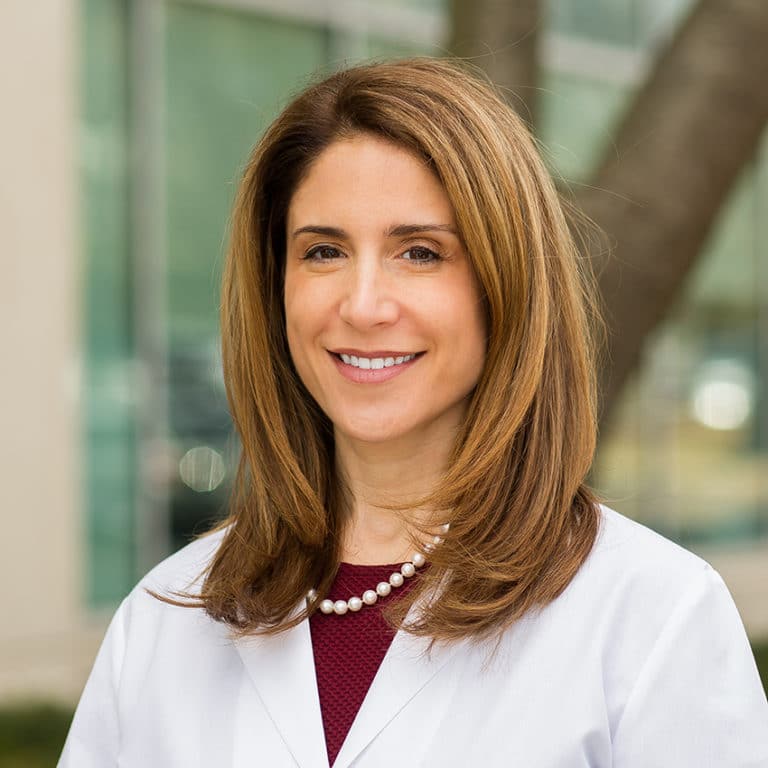
Medical contribution by Melanie Ochalski, M.D.

Melanie Ochalski, M.D. is board certified in obstetrics and gynecology and reproductive endocrinology and infertility. Dr. Ochalski has published numerous peer-reviewed scientific manuscripts and review articles in many leading scientific journals, and has been invited to present at national meetings. She sees patients at SGF’s Lancaster and York, PA offices.

Schedule Appointment

Editor’s Note: This article was originally published in April 2017, and has been updated for content accuracy and comprehensiveness as of July 2022.

Filed Under: Get Started Tagged With: Relationships

July 5, 2022 by Shady Grove Fertility

Zika virus is a potentially important issue for those individuals who are pregnant or who are considering getting pregnant as infection with the virus has been associated with birth defects and poor pregnancy outcomes. 

The American Society for Reproductive Medicine (ASRM) urges patients who are pregnant and who are considering becoming pregnant to exercise caution in avoiding exposure to Zika virus.  Zika virus can be transmitted through mosquito bites from infected mosquitoes, and has also been reported to be transmitted through sexual activity, blood transfusions, and reproductive tissues.

The Centers for Disease Control and Prevention (CDC) has issued a travel alert urging those pregnant or seeking to become pregnant and their sexual partners to avoid travel to those areas with known outbreaks or use enhanced prevention and follow-up if travel cannot be avoided. 

Latest Guidelines for Patients and Partners Concerned with Zika and Reproduction

Information on the Zika virus continues to change and evolve. The Centers for Disease Control and Prevention (CDC) and the American Society for Reproductive Medicine (ASRM) issued  guidance for patients and partners concerned about Zika’s impact on reproduction.  Countries and territories with active Zika virus transmission extend over many countries in the Americas (Mexico, Central and South America), the islands in the Caribbean including Puerto Rico, the Oceania/Pacific Islands, and Cape Verde in Africa. 

Updated Map of Zika-Affected Countries and Territories

Recommendations for Women Who Are Trying to Conceive

The Shady Grove Fertility medical team supports the CDC guidelines urging those pregnant or seeking to become pregnant and their sexual partners to avoid travel to those areas with known outbreaks. If you are planning a pregnancy and have traveled to a Zika-affected area, or must travel to a Zika-affected area in the future, please discuss the following recommendations with your medical team: 

  • Women who have Zika virus disease should wait at least 8 weeks after symptom onset to attempt pregnancy; men with Zika virus disease should wait at least 6 months after symptom onset to attempt pregnancy. 
  • Women and men with possible exposure to Zika virus but without clinical illness consistent with Zika virus disease should wait at least 8 weeks after the last date of exposure before attempting pregnancy. 
  • Women and men who reside in areas of active Zika virus transmission should talk with their health care providers before attempting pregnancy, review the use of contraceptive methods to prevent unintended pregnancy, and discuss how to avoid exposure to mosquito bites. 

Read the CDC’s Guide to Avoiding Mosquito Bites

Testing for the Zika Virus

Testing for the Zika virus has been complicated. Testing is not universally available for use and its cost is not universally covered by insurance. Routine testing is not currently recommended or available for women or men attempting pregnancy who have possible exposure to the Zika virus but have no symptoms or illness. 

Pregnant women with possible exposure to Zika, with or without symptoms, may be able to obtain screening for the infection.   Each state varies on the testing procedure and most start with the need to obtain approval from the state or local department of health. Currently, semen testing for the presence of infectious Zika virus is not recommended, as a reliable and valid test has not been developed. Please discuss questions about testing with your medical team. 

What are the concerns with Zika virus in pregnancy?

The Zika virus infection in pregnancy has been associated with congenital microcephaly, a condition in which the head and brain are small and underdeveloped. Such brain damage may lead to mild to severe disabilities that are lifelong and irreversible. In some cases it can be life threatening. Common sequelae include seizures, developmental delay (affecting balance, sitting, walking, and movement), mental and intellectual disability, feeding problems, loss of hearing and vision, and control of vital body functions. 

What is Zika virus and how is it transmitted

  • Zika virus is transmitted to humans through infected mosquitoes (the same type of mosquito responsible for the spread of dengue and chikungunya viruses). 
  • Infected mosquitoes transmit the virus to people through bites. These mosquitoes are aggressive daytime biters, prefer to bite people, and live indoors and outdoors near people. 
  • Anyone traveling to, or living in areas where transmission has been reported, is at risk of becoming infected. 
  • When a person is infected with Zika virus, it is found in the blood during the first week of becoming infected. 
  • It can spread from person to person through mosquito bites. 
  • Currently, there are no medications or vaccines that can prevent the Zika virus. 

What are the symptoms of the Zika virus?

  • According to the CDC, about one in five infected individuals (or 20 percent) will become sick (develop symptoms). The incubation period (from time of exposure to symptoms) is likely to be 2 to 7 days. 
  • Common symptoms include: fever, rash, joint pain, conjunctivitis (red, inflamed eyes), muscle pain, and headache. The symptoms are very similar to dengue fever and chikungunya virus. 
  • Zika virus illness is usually mild and the symptoms may only last from a few days to a week. 
  • Hospitalizations and deaths are rare. 

Precautions of Spreading Zika Virus through Sexual Contact

  • The CDC has identified Zika virus transmission to non-infected persons as a result of sexual intercourse with a person infected with Zika virus. 
  • The CDC has recommended the use of condoms by partners who have returned from an area where transmission of the Zika virus has been reported. 

What to Do if You Experience Symptoms or are Traveling to an Affected Area

  • If you experience any of the symptoms noted above AND have recently traveled to one of the countries on the CDC travel advisory list, please consult your doctor immediately. 
  • If you are considering travel to one of the affected areas in the near future, please discuss prevention strategies with your doctor. You are advised to practice “enhanced precautions” to avoid mosquito bites, which includes wearing long sleeves and pants, using insect repellents (DEET), using air conditioning or window and door screens, and using bed net sprayed with permethrin (insect repellent). When used as directed on the product label, insect repellents containing DEET, pi9caridin, and IR3535 are safe for pregnant women. 

For More Information

For the most current information, please visit the CDC website and click on the Zika virus heading. Please also be sure to talk with your SGF medical team about any questions or concerns you may have about the Zika virus. 

There are additional, specific guidelines for patients pursuing fertility treatment using donated sperm, oocytes (eggs), and embryos. Please contact your medical team for questions about these guidelines. 

Medical contribution by Lauren Roth, M.D.

Lauren Roth, M.D., is the Medical Director of SGF, and board certified in obstetrics and gynecology and reproductive endocrinology and infertility. She has published research on a range of fertility topics including polycystic ovary syndrome (PCOS) and the impact of weight on reproductive hormones. Dr. Roth sees patients in SGF’s Rockville, Maryland office.

Schedule Appointment

Editor’s Note: This post was originally published in February 2016 and has been updated for accuracy and comprehensiveness as of July 2022.

Filed Under: Get Started

April 14, 2022 by Shady Grove Fertility

Determining whether it is time to see a fertility specialist can feel like a big decision to make on your own. Dr. Jason Bromer helps ease the “what ifs” that could be making you second-guess your next steps by outlining five sure signs you need to seek help from a fertility specialist.

It is also important to understand the red flags for when to see a fertility specialist sooner. Unfortunately, time is not on everyone’s side, as female infertility increases with age. If any of the following conditions apply to you, it is a good idea to make an appointment with a fertility specialist sooner rather than later.

1. Treatment with your primary care or OB/GYN is not working

To better understand the cause of infertility, your primary care physician, OB/GYN, or an SGF fertility specialist will review your medical history and initiate fertility testing for both partners (if applicable). It is especially important that each of the following tests is performed prior to initiating fertility treatment because each one evaluates specific reproductive functions that are required to conceive.

“Based on the information learned through testing, reproductive specialists can create individualized treatment plans ranging from low-tech treatment options like intrauterine insemination (IUI) in addition to the widely known in vitro fertilization (IVF),” explains Dr. Bromer.

These basic tests include:

  • Blood work: Are your reproductive hormones functioning normally?
  • Anti-Müllerian hormone (AMH): How many eggs do you have?
  • Hysterosalpingogram (HSG): Is your uterus shaped normally and are your tubes unobstructed?
  • Semen analysis: Does your partner have enough sperm and are they healthy?

While LGBTQIA+ individuals in a same-sex relationship may not necessarily be infertile, the couple should still have an evaluation and will often need assistance building their families.

2. You have been having unprotected intercourse without success

“It’s not uncommon to hear patients during our initial consultation say, ‘We haven’t used any forms of contraception for at least a year, but we have only really been trying to conceive for about six months,’” explains Dr. Bromer. “This begs the question: What does ‘trying’ really mean?”

No matter if you have been actively trying or not, couples having unprotected sexual intercourse for more than 6 or 12 months, depending on age, without conceiving should seek a fertility evaluation.

Shady Grove Fertility assumes infertility is present and recommends seeking help from a fertility specialist when a woman is:

  • Under age 35 with regular cycles, unprotected intercourse, and no pregnancy after 1 year
  • Age 35 to 39 with regular cycles, unprotected intercourse, and no pregnancy after 6 months
  • Age 40 or over with regular cycles, unprotected intercourse, and no pregnancy, more immediate evaluation and treatment are warranted

3. Your period is here, there, or nowhere

Irregular periods or no periods at all can indicate ovulatory challenges, making conception feel like an uphill battle. No matter your age, if ovulation is random or absent, seeking help from a specialist can help you get back on track to enhance your chances of conception.

“Ovulatory disorders broadly break down into two groups: no ovulation at all or oligo-ovulation, which is when ovulation occurs infrequently or irregularly and is frequently due to polycystic ovary syndrome (PCOS),” explains Dr. Bromer.

About 50 percent of treatment cycles performed at SGF, like ovulation induction with Clomid or intrauterine insemination, are considered basic forms of treatment. These options require less medication and fewer monitoring appointments but are still effective in helping patients conceive faster.

4. The semen analysis came back abnormal

When the male partner’s sperm count is low or of poor quality, it can make conception significantly more difficult. If you have reason to suspect you may have an issue with your sperm, such as testicular trauma, erectile dysfunction, or problems ejaculating, it is time to see a fertility specialist for testing of both partners. Seeing a reproductive specialist can help to determine the severity of a potential male factor diagnosis and offer simple to advanced solutions to help you conceive.

“The good news is if you have a low sperm count, it only takes one egg and one sperm to make a great embryo,” shares Dr. Bromer. “Intracytoplasmic Sperm Injection (ICSI), which is when a single sperm is directly inserted into an oocyte (or egg cell), and IVF can help patients with even the lowest sperm counts overcome infertility.”

5. You have experienced two or more miscarriages

“It is a common misconception that women who experience miscarriages do not experience infertility because they can get pregnant,” explains Dr. Bromer. “In fact, having multiple miscarriages is a very specific type of fertility problem that affects 1-3% of all couples.”

Recurrent miscarriages are defined as two or more consecutive, spontaneous pregnancy losses before 20-weeks gestation. The majority of miscarriages can be attributed to:

  • genetic abnormalities in the embryo
  • hormonal problems like diabetes, thyroid disease, and/or undetected structural problems in the uterus
  • advanced reproductive age

Anyone who has experienced two or more miscarriages should see a reproductive specialist.

It is time to see a fertility specialist

Making the move to see a fertility specialist is a big, but enlightening step. Patients often second-guess themselves about the need to see a specialist or may find themselves worrying about the success rates or how much treatment will cost. It is best to take it one step at a time. The first step is to schedule an appointment with a fertility specialist.

Approximately 70% of our patients have some coverage for infertility treatment and 90% have coverage for their initial consultation. By scheduling a new patient consultation, you will get the answers you need to continue moving your family-building goals forward.

Schedule Appointment
Medical contribution by Jason G. Bromer, M.D.

Jason G. Bromer, M.D., is board certified in obstetrics and gynecology and reproductive endocrinology and infertility. He has been involved in cutting-edge research in fertility preservation for cancer patients, pregnancy implantation, and methods of embryo selection for in vitro fertilization. 

Filed Under: Get Started Tagged With: Causes of infertility, Dr. Jason Bromer, Fertility testing, Menstrual cycle, Recurrent pregnancy loss, Semen analysis

September 28, 2021 by grafikdev1

Abortion, Habitual: 
A term referring to a condition where a woman has had three or more miscarriages.

Abortion, Missed: 
An abortion where the fetus dies in the uterus but there is no bleeding or cramping. A D&C will be needed to remove the fetal remains and prevent complications.

ACTH: 
A hormone produced by the pituitary gland to stimulate the adrenal glands. Excessive levels may lead to fertility problems. 

Adhesion: 
Scar tissue occurring in the abdominal cavity, fallopian tubes, or inside the uterus. Adhesions can interfere with the transport of the egg and implantation of the embryo in the uterus. 

Adrenal Androgens: 
Male hormones produced by the adrenal gland which, when found in excess, may lead to fertility problems in both men and women. Excess androgens in the woman may lead to the formation of male secondary sex characteristics and the suppression of LH and FSH production by the pituitary gland. Elevated levels of androgens may be found in women with polycystic ovaries, or with a tumor in the pituitary gland, adrenal gland, or ovary. May also be associated with excess prolactin levels. 

Amenorrhea: 
Refers to the absence of a period. 

Androgens: 
Male sex hormones. 

Andrologist: 
A scientist who specializes in the study of male reproduction and performs laboratory evaluations of male fertility. May hold a Ph.D. degree instead of a M.D. Usually affiliated with a fertility treatment center that performs in vitro fertilization.

Aneuploidy:
Refers to a condition in which an abnormal number of chromosomes are found. There may be missing or extra chromosomes present.

Anovulation:
A condtion in which a woman does not release mature eggs on a regular basis for ferilization. Menses may still occur.

Antisperm Antibodies: 
Antibodies are produced by the immune system to fight off foreign substances, like bacteria. Antisperm antibodies attach themselves to sperm and inhibit movement and their ability to fertilize.

Artificial Insemination:
A procedure in which sperm are introduced into a woman’s uterus through clinical means instead of through sexual intercourse to increase the likelihood that sperm will reach and fertilize an egg. Artificial insemination, also called “intrauterine insemination” (IUI).

Asherman’s Syndrome: 
A condition where the uterine walls adhere to one another. Usually caused by uterine inflammation. 

Assisted Hatching: 
An in vitro procedure in which the zona pellucida (a protective outer shell) of an embryo (usually at eight-cell stage or a blastocyst) is perforated by chemical, mechanical, or laser-assisted methods to assist separation of the blastocyst from the zona pellucida. 

Assisted Reproductive Technology (ART):
Medical treatments aimed at helping couples with fertility obstacles conceive and give birth to healthy children. In vitro fertilization, intracytoplasmic sperm injection, and assisted hatching are examples of fertility treatments used to help couples begin successful pregnancies.

Asthenozoospermia: 
Low sperm motility. 

Azoopermia:
The absence of sperm in the seminal fluid, usually caused by a blockage or an impairment of sperm production.

Basal Body Temperature:
The body temperature of a woman, immediately upon awakening, before any activity. When the temperature is recorded daily on a graph, a jump in temperature (about 0.5oF) may be evidence of ovulation. A drop in temperature may be evidence of the onset of menses or a miscarriage. 

Beta hCG Test (BhCG):
A blood test to determine pregnancy, it gives a positive reading if human chorionic gonadotropin (hCG) is present.

Bicornuate Uterus: 
A congenital malformation of the uterus where the upper portion (horn) is duplicated. 

Blastocyst: 
An embryo with a fluid-filled blastocele cavity (usually developing by five or six days after fertilization). 

Blighed Ovum (egg): 
A fertilized egg that implants in the uterus, but does not develop further and dies.

Bromocriptine (Parlodel):
An oral medication used to lower the level of hormone prolactin when it is inappropriately elevated.

Cancellation:
Stimulated cycles stopped following initiation of medication and prior to egg retrieval or IUI if there is an inadequate response to medication.

Cervical Mucus:
Secretions produced by the cervix. The thickness of the mucus varies according to the phase of the menstrual cycle. In the days just before ovulation, the mucus becomes thin and watery and is easily penetrable by sperm.

Cervical Stenosis: 
A blockage of the cervical canal from a congenital defect or from complications of surgical procedures.

Cervix:
The lower section and opening of the uterus that protrudes into the vagina. Sperm pass through the cervix into the uterus following intercourse. It dilates during labor to allow the passage of the infant.

Cervix, Incompetent: 
A weakened cervix, which opens up prematurely during pregnancy and can cause the loss of the fetus. A cervical cerclage is a procedure in which a stitch or two is put around the cervix to prevent its opening until removed when the pregnancy is to term. 

Chromosome: 
The structures in the cell that carry the genetic material (genes); the genetic messengers of inheritance. The human has forty-six chromosomes, twenty-three coming from the egg and twenty-three coming from the sperm. 

Clinical Pregnancy: 
A gestation sac is visualized in the uterus.

Clomiphene Citrate: 
A fertility drug which causes a woman’s body to mature more egg-containing follicles during an ovulation cycle than it normally would. It comes in tablet form and is usually taken for five days.

Congenital Adrenal Hyperplasia: 
A congenital condition characterized by elevated androgens which suppress the pituitary gland and interfere with spermatogenesis or ovulation. Women may have ambiguous genitalia from the excess production of male hormone. 

Controlled Ovarian Hyperstimulation (COH):
Medical treatment to induce the development of multiple ovarian follicles to obtain multiple oocytes at follicular aspiration. 

Corpus Luteum:
Remnant of a follicle after ovulation. It releases progesterone, a hormone that prepares the uterine lining for embryo implantation.

Cryopreservation:
A procedure used to preserve, by freezing, and store embryos, eggs, or sperm.

D&C (Dilation and Curettage): 
A procedure used to dilate the cervical canal and scrape out the lining and contents of the uterus. 

Donor Insemination (DI):
Artificial insemination with donor sperm. A fresh donor semen specimen or a thawed frozen specimen is injected next to the woman’s cervix. 

Doxycycline: 
A tetracycline derivative; an antibiotic that inhibits many of the microorganisms infecting the reproductive tract, such as an ureaplasma infection. 

Ectopic Pregnancy:
A pregnancy in which the embryo implants outside the uterine cavity; usually in the Fallopian tube, the ovary, or the abdominal cavity. May require surgical intervention and/or methotrexate therapy.

Egg Donor:
A woman who provides eggs or “ova” to another woman who has no eggs, or whose eggs are not viable. Donated eggs will be fertilized and implanted in the uterus of the infertile woman.

Egg Retrieval (ER):
An attempt is made to obtain eggs from the ovary.

Embryo:
The earliest stages of development; the undifferentiated beginnings of a baby, from the point of conception to the eighth week of pregnancy.

Embryo Transfer (ET):
Embryos are transferred into the uterus. 

Embryologists:
Scientists trained in advanced laboratory techniques, who prepare and provide the necessary conditions for the fertilization of eggs. They also facilitate the growth, development, maturation, and preservation of embryos, eggs, and sperm.

Endometrial Biopsy: 
A procedure during which a sample of the uterine lining is collected for microscopic analysis. The biopsy results will confirm ovulation and the proper preparation of the endometrium by estrogen and progesterone stimulation.

Endometriosis:
The presence of endometrial tissue (the uterine lining) in areas outside of the uterus such as the tubes, ovaries, and peritoneal cavity. This condition often causes infertility and painful menstruation. 

Endometrium:
The tissue lining the uterus. This tissue responds to the cyclic production of ovarian hormones and permits implantation of the placenta during pregnancy. Its upper layers are shed with menstruation.

Epididymis: 
A coiled, tubular organ attached to and lying on the testicle. Within this organ the developing sperm complete their maturation and develop their swimming capabilities. The matured sperm leave the epididymis through the vas deferens. 

Estradiol Level (E2 Level):
The amount of estradiol, a form of estrogen, in the blood.

Estrogens:
A group of female hormones responsible for the development of secondary sexual characteristics during puberty. Estrogen also plays an important role in stimulating the endometrium. Estrogen is produced mainly by the ovaries, from the onset of puberty until menopause.

Fallopian Tube:
Either of a pair of tubes that conduct eggs from an ovary to the uterus. Natural fertilization takes place as an egg travels through a fallopian tube.

Fertility Specialist: 
A physician specializing in the practice of fertility. The American Board of Obstetrics and Gynecology certifies a subspecialty for OB-GYNs who receive extra training in endocrinology (the study of hormones) and infertility. 

Fertilization: 
The combining of the genetic material carried by sperm and egg to create an embryo. Normally occurs inside the fallopian tube (in vivo) but may also occur in a petri dish (in vitro). 

Fetus: 
A term used to refer to a baby during the period of gestation between eight weeks and term. 
Fibroid (Myoma or Leiomyoma): 
A benign tumor of the uterine muscle and connective tissue. 

Follicles: 
Fluid-filled sacs in the ovary which contain the eggs released at ovulation. 
Each month an egg develops inside the ovary in a fluid-filled pocket called a follicle. 

Follicle Stimulating Hormone (FSH): 
A pituitary hormone that stimulates spermatogenesis and follicular development. In the man FSH stimulates the Sertoli cells in the testicles and supports sperm production. In the woman FSH stimulates the growth of the ovarian follicle. Elevated FSH levels are indicative of gonadal failure in both men and woman. 

Follicular Phase: 
The pre-ovulatory portion of a woman’s cycle during which a follicle grows and high levels of estrogen cause the lining of the uterus to proliferate. Normally takes between 12 and 14 days.

Gametes:
Sex cells that contain half of a person’s genetic information. Male gametes are called sperm; female gametes are celled eggs or ova.

Gestational Carrier:
A woman in whom a pregnancy resulted from fertilization with third-party sperm and oocytes. She carries the pregnancy with the intention or agreement that the offspring will be parented by one or both of the persons that produced the gametes. 

Gestational Sac: 
A fluid-filled structure containing an embryo that develops early in pregnancy usually within the uterus. 

Gonadotropins:
Potent fertility drugs that provide the patient with FSH and LH, or FSH alone. 

Gonadotropin Release Hormone (GnRH):
A hormone that controls the synthesis and release of the pituitary hormones, follicle stimulating hormone (FSH) and luteinizing hormone (LH). GnRH is produced by the hypothalamus.

Gonadotropin Release Hormone Agonists (GnRH Agonists):
Fertility drugs used to prevent the pituitary gland from releasing FSH and LH hormones. FSH and LH aid in normal ovulation, but may interfere with assisted reproductive treatments. 

Gonadotropin Release Hormone Antagonists (GnRH Antagonists):
Fertility drugs that like GnRH agonists, suppress ovulation. GnRH antagonists are effective at immediate preventing LH release.

Hirsutism: 
The overabundance of body hair found in women with excess androgens. 

Hormone:
A chemical substance produced by one organ in the body that regulates the activity of another organ.

Host Uterus: 
Also called a “gestational mother.” A couple’s embryo is transferred to another woman who carries the pregnancy to term and returns the baby to the genetic parents immediately after birth.

Human Chorionic Gonadotropin (HCG): 
The hormone produced in early pregnancy which keeps the corpus luteum producing progesterone. Also used via injection to trigger ovulation after some fertility treatments, and used in men to stimulate testosterone production. 

Human Menopausal Gonadotropin: 
A combination of hormones FSH and LH, used to mature eggs in some fertility treatments. 

Hypothalamus: 
A part of the brain, the hormonal regulation center, located adjacent to and above the pituitary gland. In both the man and the woman this tissue secretes GnRH. 

Hysterosalpingoram (HSG):
An x-ray procedure used to determine whether the fallopian tubes are open and of normal caliber. The physician injects dye into the uterus through the cervix. The dye passes through the tubes if they are open. An HSG can also reveal information such as the configuration of the uterus, irregularities, and the presence of fibroids.

Hysteroscopy:
A surgical procedure in which a telescope-like device is inserted through the cervix to view the inside of the uterus. This procedure is sometimes performed in conjunction with a laparoscopy.

Hysterosonogram:
A specialized type of ultrasound used to visualize the uterine cavity.

Implantation (Embryo): 
The embedding of the embryo into tissue so it can establish contact with the mother’s blood supply for nourishment. Implantation usually occurs in the lining of the uterus; however, in an ectopic pregnancy it may occur elsewhere in the body. 

Infertility:
The inability to conceive or to achieve pregnancy over a considerable period of time (typically, after one year for a female who is under the age of 35 or after six months for a female over the age of 35) despite determined attempts by intercourse without the use of contraception.

Initiated Cycles: 
Medication initiated to stimulate the ovaries to produce multiple follicles.

Intracytoplasmic Sperm Injection (ICSI):
A laboratory procedure in which a single sperm is directly inserted into an oocyte (egg cell).

In Vitro Fertilization (IVF):
A procedure in which one or more eggs, each removed from a mature follicle, is fertilized by a sperm outside the human body.

Karyotyping: 
A test performed to analyze chromosomes for the presence of genetic defects.

Laparoscopy: 
Any procedure using a laparoscope, a slender tool with an attached camera that enables a physician to see the inside of the body. Infertility specialists perform laparoscopy to view a woman’s reproductive organs. Laparoscopy can be used for diagnostic purposes or to perform surgical functions such as removing damaged tissue and releasing fluids from ovarian cysts.

LH Surge:
A spontaneous release of large amounts of luteinizing hormone (LH) during a woman’s menstrual cycle. This normally results in the release of a mature egg from a follicle (ovulation).

Lupron:
A hormonal medication that can create a pseudo-menopause. A chemical similar to GnRH, it first stimulates the female hormones, then suppresses a woman’s secretion of FSH and LH. Lupron may improve the response to stimulation, as well as preventing premature ovulation, decreasing the risk of a cancelled cycle. It may also be used to treat fibroids or endometriosis.

Lupron “Down Regulation”:
A treatment with Lupron that takes advantage of the suppression of natural hormone (LH and FSH) secretions. Used before injection of gonadotropins to stimulate follicular development.

Luteal Phase:
The days of a menstrual cycle following ovulation and ending with menses. Usually lasting between 12 and 14 days.

Luteinizing Hormone (LH):
A hormone that causes the ovary to produce estrogen and to release a mature egg (ovulation). In the male, LH stimulates testosterone production. The anterior pituitary secretes LH.

Micromanipulation:
Procedure in which an egg or an embryo is manipulated under the microscope including ICSI, Assisted Hatching, and embryo biopsy for PGD.

Microsurgical Epididymal Sperm Aspiration (MESA): 
A procedure in which spermatozoa are obtained from the epididymis by either aspiration or surgical excision. 

Miscarriage: 
Loss of a clinical pregnancy prior to 20 weeks gestation.

Motility:
The percentage of all moving sperm in a semen sample. Normally, 50% or more sperm in a sample move rapidly.

Multiple Gestation/Pregnancy:
The conception of two or more fetuses in the same woman at the same time, whether or not they result in live births.

Ovarian Failure: 
The failure of the ovary to respond to FSH stimulation from the pituitary because of damage to or malformation of the ovary. Diagnosed by elevated FSH in the blood. 

Ovarian Hyperstimulation Syndrome (OHSS):
A possible side effect of medically induced ovulation, characterized by swollen, painful ovaries and, in some cases, the accumulation of fluid in the abdomen and chest.

Ovaries:
Female sex organs that release mature eggs and produce the hormones estrogen and progesterone.

Oligo-Ovulation:
Irregular ovulation.

Oligospermia:
A condition in which the number of sperm in a semen sample is abnormally low.

Oocyte: 
The egg cell produced in the ovaries. Also called the ovum or gamete.

Ovulation:
Release of a mature egg from a follicle at the surface of the ovary.

Ovulation Induction:
The therapeutic use of female hormones to stimulate egg development and release.

Papanicolaou Smear (Pap Smear):
A screening test to evaluate the cells of the cervix to determine whether they are normal or cancerous.

Pelvic Inflammatory Disease (PID): 
An infection of the pelvic organs that causes severe illness, high fever, and extreme pain. PID may lead to tubal blockage and pelvic adhesions. 

Percutaneous Epididymal Sperm Aspiration (PESA):
A procedure in which sperm are removed from the epididymis, a long coiled tube above each of the testes, through a needle. 

Pituitary Gland: 
The master gland; the gland that is stimulated by the hypothalamus and controls all hormonal functions. Located at the base of the brain just below the hypothalamus, this gland controls many major hormonal factories throughout the body including the gonads, the adrenal glands, and the thyroid gland. 

Polycystic Ovarian Syndrome (PCO, PCOS):
A condition found in women who don’t
ovulate regularly, characterized by excessive production of androgens (male sex hormones) and the presence of cysts in the ovaries. Though PCO can be without symptoms, some include obesity, acne, excessive hair growth, irregular menstrual periods, and infertility.

Post-Coital Test (PCT):
Microscopic study of samples of cervical secretions taken several hours after sexual relations, then examined for live, moving sperm.

Preimplantation Genetic Testing (PGT): 
Screening of cells from preimplantation embryos for the detection of genetic and/or chromosomal disorders before embryo transfer.

Premature Ovarian Failure (POF):
The loss of ovarian function associated with high levels of gonadotropins and low levels of estrogen before age 35. The ovary may intermittently produce mature follicles.

Progesterone:
The hormone produced by the corpus luteum during the second half of a woman’s cycle. It prepares the lining of the uterus to accept implantation of a fertilized egg. It is released in pulses, so the amount in the bloodstream is not constant.

Prolactin:
A hormone produced by the pituitary that plays an important role in preparing the breasts, during pregnancy, for nursing. An inappropriate elevation at times other than pregnancy may interfere with normal ovulation.

Recipient: 
In an ART cycle, refers to the woman who receives an oocyte or an embryo from another woman.

Rubella Titer:
A blood test that determines if the patient is immune to rubella (German measles), a viral disease that can cause severe birth defects. If a woman is not immune to rubella, she may be advised to have a rubella vaccination, wait one month before attempting pregnancy, and the retest for immunity.

Secondary Infertility: 
The inability to conceive or carry a pregnancy after having conceived and carried one or more pregnancies.

Semen: 
The fluid portion of the ejaculate consisting of secretions from the seminal vesicles, prostate gland, and several other glands in the male reproductive tract. The semen provides nourishment and protection for the sperm and a medium in which the sperm can travel to the woman’s vagina. Semen may also refer to the entire ejaculate, including the sperm. 

Semen Analysis (SA):
A microscopic examination of freshly ejaculated semen to evaluate the number of sperm (count), the percentage of moving sperm (motility), and the size and shape of the sperm (morphology).

Sonogram (Ultrasound): 
Use of high-frequency sound waves for creating an image of internal body parts. Used to detect and count follicle growth (and disappearance) in many fertility treatments. Also used to detect and monitor pregnancy. 

Sperm:
Male sex cells, or gametes. Sperm, medically referred to as spermatozoa, are mobile haploid cells that fertilize eggs. Sperm cells provide the genetic information that determines an embryo’s sex.

Stimulation:
Administration of hormones that induce development of multiple ovarian follicles.

Superovulation: 
Stimulation of multiple ovulation with fertility drugs; also known as controlled ovarian hyperstimulation (COH).

Testicular Sperm Aspiration (TESA): 
A procedure in which spermatozoa are obtained directly from the testicle by either aspiration or surgical excision of testicular tissue. 

Testicular Sperm Extraction (TESE):
A sperm aspiration method in which a small section of tissue from one or both of the testicles is removed through one or more short incisions in the scrotum. Sperm are extracted from the tissue by an embryologist and used, through ICSI, to fertilize a woman’s eggs. TESE may work for a man who does not have mature sperm in his epididymis.

Testicles:
The two male sexual glands contained in the scrotum. They produce the male hormone testosterone and produce the male reproductive cells, the sperm.

Testicular Biopsy:
A small excision of testicular tissue to determine the ability of the cells to produce normal sperm.

Testosterone: 
The male hormone responsible for the formation of secondary sex characteristics and for supporting the sex drive. Testosterone is also necessary for spermatogenesis. 

Thyroid Gland: 
The endocrine gland in the front of the neck that produces thyroid hormones to regulate the body’s metabolism.

Urethra: 
The tube that allows urine to pass between the bladder and the outside of the body. In the man this tube also carries semen from the area of the prostate to the outside. 

Uterus:
The hollow muscular structure that carries and protects a growing fetus. The uterus, often referred to as the womb, is connected to the vagina by the cervix.

Vagina: 
The canal leading from the cervix to the outside of the woman’s body; the birth passage.

Vaginal Ultrasound:
Technique used to view the follicles, fetus, and other soft tissues by projecting sound waves through a probe inserted into the vagina. A baseline ultrasound shows the ovaries in their
normal state. A follicular ultrasound shows egg follicle maturation. A pregnancy ultrasound shows if a pregnancy is in the uterus or in a fallopian tube (an ectopic pregnancy). Ultrasound pictures can be used to measure growth.

Varicocele:
A collection of varicose veins in the scrotum which may be associated with poor sperm quality.

Vitrification:
An alternative cryopreservation (freezing) method to traditional cryopreservation. It involves a rapid cooling method that helps to prevent formation of ice crystals that cause damage to the
cell. May be used to freeze embryos and oocytes.

Zygote:
A fertilized egg or embryo, in the early stages of development.

Filed Under: Get Started Tagged With: Getting started

September 28, 2021 by grafikdev1

Stress can come from just about anything that you feel is threatening or harmful. A single event (or your worry about it) can produce stress. So can the little things that worry you all day long.

Acute stress, caused by a single event (or your fear of it), makes your heart beat faster and your blood pressure go up. You breathe harder, your hands get sweaty, and your skin feels cool and
clammy. Chronic stress, which is when you are always stressed, can cause depression and changes in your sleep habits. It can also decrease your chances of fighting off common illnesses. Stress makes many body organs work harder than normal and increases the production of some important chemicals in your body, including hormones.

Is stress causing my infertility?

Probably not. Even though infertility is very stressful, there isn’t any proof that stress causes infertility. In an occasional woman, having too much stress can change her hormone levels and therefore cause the time when she releases an egg to become delayed or not take place at all.

Is infertility causing my stress?

Maybe. Many women who are being treated for infertility have as much stress as women who have cancer or heart disease. Infertile couples experience stress each month: first they hope
that the woman is pregnant; and if she is not, the couple has to deal with their disappointment.

Why is infertility stressful?

Most couples are used to planning their lives. They may believe that if they work hard at something, they can achieve it. So when it’s hard to get pregnant, they feel as if they don’t have control of their bodies or of their goal of becoming parents. With infertility, no matter how hard you work, it may not be possible to have a baby. Infertility tests and treatments can be physically, emotionally, and financially stressful. Infertility can cause a couple to grow apart, which increases stress levels. Couples may have many doctor appointments for infertility treatment, which can cause them to miss work or other activities.

What can I do to reduce my stress?

  • Talk to your partner.
  • Realize you’re not alone. Talk to other people who have infertility, through individual or couple counseling, or support groups.
  • Read books on infertility, which will show you that your feelings are normal and can help you deal with them.
  • Learn stress reduction techniques such as meditation, yoga, or acupuncture.
  • Avoid taking too much caffeine or other stimulants.
  • Exercise regularly to release physical and emotional tension.
  • Have a medical treatment plan with which both you and your partner are comfortable.
  • Learn as much as you can about the cause of your infertility and the treatment options available.
  • Find out as much as you can about your insurance coverage and make financial plans regarding your fertility treatments.

Who can help us?

Shady Grove Fertility
We offer patients a wide range of support services, including: support groups, online communities, and resourceful articles.

RESOLVE 
This national support organization for couples with infertility offers support groups and online resources.

Path 2 Parenthood
Formerly the American Fertility Association, Path 2 Parenthood provides support information and weekly internet chat sessions.

Patient Fact Sheet – Stress & Infertility. Courtesy of the American Society of Reproductive Medicine.

Filed Under: Get Started Tagged With: Emotional support, Holistic care

September 28, 2021 by grafikdev1

We understand that what you’re going through can be stressful and scary. You likely have many unanswered questions and you may feel a sense of being out of your control. We’re here to help. One of the things that couples who have gone before you have said is most helpful is to become educated and connected. At Shady Grove Fertility, we have a multitude of resources designed to offer you hope and solutions for healthy coping.

Consider the following coping strategies:

Acknowledge the potential impact infertility can have on your emotions.

It’s quite common for infertility to evoke feelings of anxiety, which can include overwhelming stress, fear, dizziness, heart palpitations, constant worrying, feeling out of control, chest pain, and difficulty functioning, to name a few.

Acknowledge that infertility can affect your relationships.

There is no doubt that infertility can take a tremendous toll on you emotionally, physically, spiritually, and financially. Disappointment and doubt can leave you feeling discouraged, even depressed. Infertility can put a strain on everything, not just your pursuit to conceive, so it’s important to reach out for professional help.

Take time to educate yourself.

Take the time to educate yourself about your options. Be proactive and write down your questions in advance of your appointments with your physician in order to make the most of your time with him or her. Speak up and don’t be afraid to ask what you don’t know or don’t understand. Your physician and entire healthcare team is on your side to ease your concerns and address your questions.

Take time to take care of yourself.

In the midst of this crisis, it’s critical that you take time for yourself, sleep well, eat well, and get the appropriate amount of physical activity. Find ways to de-stress, even indulge, whether that means taking an art class, going on a walk, meeting friends for an outing, or buying a new pair of shoes.

Don’t avoid the difficult conversations.

Be mindful of the importance of communication, even when the conversation topic is difficult. Health communication is open, honest, and feels safe. It’s not blaming or hurtful. Lean on your partner for support and refuge. Also, before you embark, agree to set limits. Make sure you and your partner are on the same page regarding limits and expectations. It can be incredibly disappointing to find out down the road that you two are not on the same page. Be proactive.

Find a balance that works for you.

Talk with your physician about what’s realistic vs optimistic regarding your personal situation and plan accordingly.

Don’t be afraid to place limits.

It’s ok to turn down the third baby shower invitation this month alone. And it’s ok to respectfully decline the girls’ outing if everyone attending except you will be bringing their newborns. However, know the signs of isolation and how to overcome. Be sure to make connections with other women and couples who are going through what you’re going through and learn to lean on one another for support.

Know the warning signs of depression and act on them if they surface.

If you are experiencing any of the following signs of depression, it’s important to seek help right away:

  • Changes in appetite
  • Changes in sleeping patterns
  • Loss of interest in activities you once enjoyed
  • Difficulty thinking about anything other than infertility or loss
  • Helplessness
  • Thoughts of death, dying, or suicide
  • Difficulty making decisions
  • Feelings of isolation and loneliness

Take advantage of the resources available to you.

Caring for your emotional well-being is as important to us as treating your infertility and we understand that each person and couple’s experience and needs are different. That is why we have several, varied support resources integrated into the fertility program at Shady Grove Fertility. Our patients, both male and female, have found professional individual or couples’ counseling and attending our free support groups available throughout the region to be particularly helpful:

  • Following a pregnancy loss
  • Following a treatment cycle(s) that was unsuccessful
  • When considering third-party reproduction, such as using donor eggs, donor sperm, and/or a gestational carrier
  • When considering transitioning from one treatment to another or when considering discontinuing treatment altogether
  • When financial, emotional, physical, or relationship obstacles seem to be insurmountable
  • At the start of any feelings of isolation or depression
  • If the coping strategies they once found to be helpful no longer seem to be working

Our goal at Shady Grove Fertility is to provide resources and support to reduce the stress associated with the infertility journey from a medical, emotional, and financial perspective. We encourage you to establish support networks by tapping into our resources or finding other avenues that work best for you. Seeking (and accepting) support is like weaving a safety net for yourself; the more connections or stands of support you have the stronger your net becomes. A strong support network lifts us up when we get low and provides the strength we need to keep moving forward in the direction of our dreams.

Filed Under: Get Started Tagged With: Emotional support

  • « Go to Previous Page
  • Page 1
  • Page 2
  • Page 3
  • Page 4
  • Page 5
  • Interim pages omitted …
  • Page 16
  • Go to Next Page »

Company

  • About SGF
  • About US Fertility
  • Our Doctors
  • Fertility Equity
  • Careers
  • Newsroom
  • SGF College Scholarship
  • Contact Us
  • Voice Your Feedback

Treatments

  • Egg Freezing
  • Intrauterine Insemination (IUI)
  • In Vitro Fertilization (IVF)
  • Frozen Embryo Transfer (FET)
  • LGBTQIA+ Family Building
  • Shared Risk 100% Refund Program
  • All Treatments

Resources

  • Patient Portal
  • Online Bill Pay
  • Library
  • Support Groups & Events

Locations

  • California
  • Colorado
  • Delaware
  • Florida
  • Georgia
  • Maryland
  • North Carolina
  • Pennsylvania
  • Texas
  • Virginia
  • Washington, D.C.

2026 Shady Grove Fertility

  • Policies & Notices
Also of interest
  • In Vitro Fertilization IVF
  • Fertility Tests
  • Research Publications