
• Skip to primary navigation
  • Skip to main content
  • Skip to footer
Shady Grove Fertility
  • Become an Egg Donor
  • Referring Physicians
  • 1-888-761-1967
  • Schedule Appointment
  • Get Started
        • Get Started
          • Causes of Infertility
          • Fertility Tests
          • When to Seek Help
          • Find a Doctor
          • Preconception and prenatal vitamins 
          • Schedule an Appointment
        • Personalized Care For
          • Single Parents
          • LGBTQIA+ Family Building
          • People with Cancer
          • Known Genetic Diseases
          • Egg Donors
  • Treatments
        • Fertility
          • Timed Intercourse
          • Ovulation Induction
          • Intrauterine Insemination (IUI)
          • In Vitro Fertilization (IVF)
          • Frozen Embryo Transfer (FET)
        • Donation & Surrogacy
          • Donor Sperm
          • Donor Egg
          • Donor Embryo
          • Gestational Carrier
          • LGBTQIA+ Family Building
          • Single Parents
          • Find a Donor
        • More Treatments
          • Center for Male Fertility
          • Egg Freezing
          • OncoFertility
          • Preimplantation Genetic Testing
          • MIGS
          • All Fertility Treatments
  • Resources
    • Resource Library
    • Events Calendar
    • Patient Stories
    • Mental Health
    • Wellness Center
  • Insurance & Savings
    • Insurance & Benefits
    • Shared Risk 100% Refund Program
    • 100% Refund for Donor Egg
    • Discounts
    • Egg Freezing Costs
    • Financing & Grants
    • Clinical Trials
  • About
    • Find a Doctor
    • About SGF
    • Our Care Team
    • Advanced Practice Providers
    • Fertility Equity
    • Philanthropy
    • Newsroom
    • Careers
    • Contact Us
    • Voice Your Feedback
  • Locations
        • Find a Location
        • California
        • Colorado
        • Delaware
        • Florida
        • Georgia
        • Maryland
        • North Carolina
        • Pennsylvania
        • Texas
        • Virginia
        • Washington, D.C.
        • Chile
        • International & Out of State
        • SGF at Walter Reed National Military Medical Center
  • Patient Hub
    • Online Bill Pay
    • Patient Forms
    • Patient Portal
  • Call your care team
  • Become an egg donor
  • Referring physicians
  • search-icon
  • Schedule appointment 1-888-761-1967

Home / Diagnosing Infertility / Page 6

Diagnosing Infertility

September 5, 2018 by Shady Grove Fertility

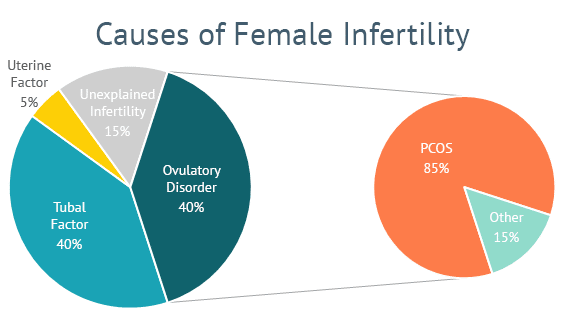
With nearly one-third of all infertility diagnoses in women, polycystic ovary syndrome, or PCOS, is the most common ovulatory disorder in women of reproductive age.

“While myths persist that women with PCOS cannot get pregnant, the reality is that it is highly treatable and nearly every woman with PCOS should be able to get pregnant,” explains Dr. Celso Silva, Shady Grove Fertility Tampa Bay Medical Director. “In fact, many women will experience increases in fertility through lifestyle changes and modest weight loss. Others will find success with basic infertility treatments and medications. And for those that need additional help conceiving, in vitro fertilization (IVF) is a highly effective form of treatment for women with PCOS.”
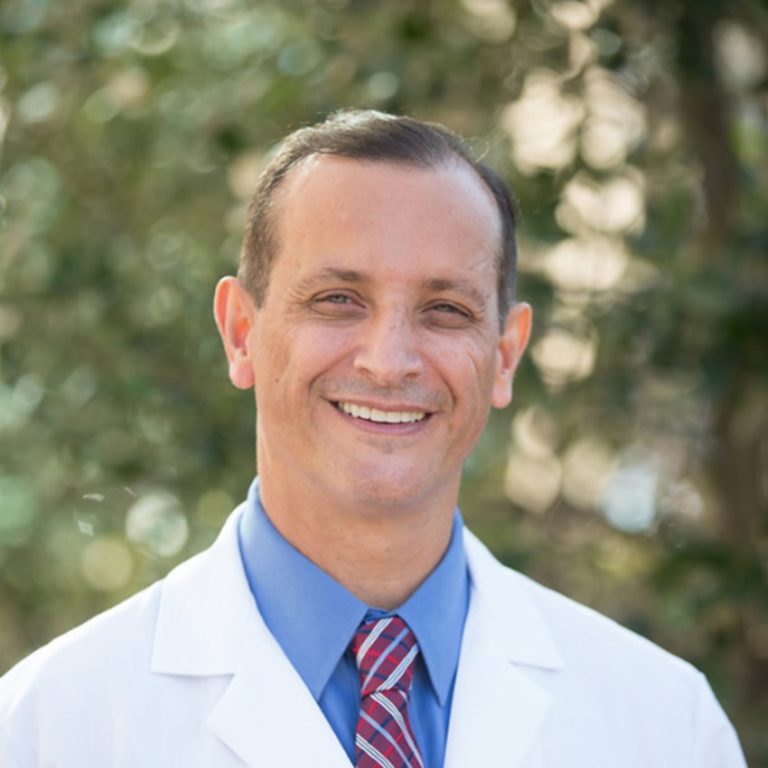
Medical contribution by Celso Silva, M.D.

Celso Silva, M.D., M.S., is board certified in obstetrics and gynecology and reproductive endocrinology and infertility. Dr. Silva sees patients at SGF’s Tampa – Westshore office. 

What are the symptoms of PCOS?

PCOS affects approximately 5 to 10 percent of the population, and is most prevalent in Hispanics and African Americans. Recent studies also suggest that there is a rising rate in women of Asian descent.

Some of the most recognizable symptoms of PCOS include absent or irregular menstrual cycles, acne, and excessive body hair growth. While many people may consider obesity as a main symptom of the disease, approximately one-third of women with PCOS have normal weight or are underweight.

What causes PCOS?

Although the specific cause of PCOS is still unknown, the condition results in hormonal imbalances that curtail or prevent ovulation—the body’s process of producing and releasing eggs from the ovary. It is common for women with PCOS to have an inappropriate production of follicle-stimulating hormone (FSH) and luteinizing hormone (LH). As a result, they experience limited follicular development (follicles are small sac-like structures within the ovaries, and each follicle contains an egg). With limited follicular development, egg development will not occur. Also as a result, women with PCOS have an increase in testosterone and other typically male hormones (androgens).

Clinically, the limited egg development may result in irregular ovulation or a complete lack of ovulation (anovulation), which can persist for months or even years. This ovulatory dysfunction is what actually causes infertility in these women. Also, when anovulation is prolonged, the endometrial tissue in the uterus can get very thick, resulting in heavy and/or irregular periods. The increase in androgens is also responsible for the excess hair growth and acne.

It also common for women with PCOS to have an insensitivity to insulin. This, many times, can predisposed them to have increased weight gain and obesity that places the patient at higher risk for diabetes and cardiovascular disease.

How can I get tested for PCOS?

There are no specific tests for PCOS, and the condition is essentially clinically diagnosed.

Your medical team will determine if there are any physical signs of excess androgens present, as well as evidence of ovulation problems by evaluating the length and regularity of your menstrual cycles.

Some testing may also reveal common features of the condition. For example, all Shady Grove Fertility patients undergo basic fertility testing including among others blood testing and ultrasound. The ultrasound can determine if the ovaries are enlarged and contain immature resting follicles, a prominent sign of PCOS. Blood testing can reveal or confirm elevated levels of androgen (male hormones). When making a diagnosis of PCOS, it is also important to rule-out other causes of ovulatory disorders, including thyroid dysfunction.

Once your physician has a complete picture and can make the diagnosis, he or she will work with you to create an individualized treatment plan.

Watch Sarah And Jay’s Patient Story Video: Overcoming Pcos

Can diet and exercise help women with PCOS conceive? 

“For overweight women with PCOS, weight loss is often the first step to increasing your chances of pregnancy,” Dr. Silva states. “The benefits of weight reduction include improved ovulatory function, improved chances of conception, a safer pregnancy for both the mother and baby, and—if needed—better response to fertility medications. Studies have shown that by losing just 5 percent of body weight, a woman can actually restore her menstrual cycle and ovulate on her own. Weight loss has also been shown to reduce other symptoms such as hair growth, acne, and balding.”

What medications are prescribed for PCOS?

For women with PCOS who are actively trying to conceive, it is advised to consult with your OB/GYN or a fertility specialist, since many women with PCOS are not ovulating. Your physician can prescribe medication to help stimulate ovulation.

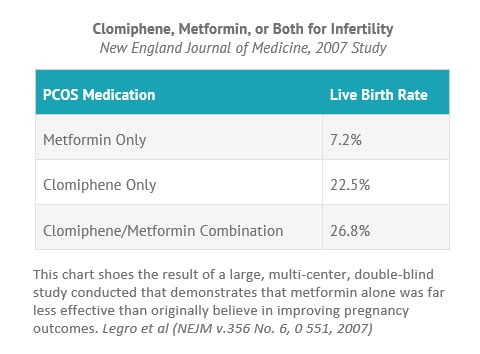
Oral fertility medications like clomiphene citrate (Clomid), which have been available for many decades, continue to be widely used to stimulate the development of an ovarian follicle containing an egg. Clomiphene citrate acts by blocking the action of estrogen in the brain (the hypothalamus and pituitary). As a result, there is an increased production of follicle-stimulating hormone (FSH), causing the development of one or more follicles. If ovulation is still irregular, additional medications can be prescribed. Metformin for example helps to make the body more sensitive to insulin, which can result in more regular ovulation.
What fertility treatments are available for PCOS?

Depending on the initial testing, a fertility specialist may recommend a patient to start ovulation induction medications (cited above) with timed intercourse or intrauterine insemination (IUI) that can be scheduled around the time of ovulation. For these treatments, it is important that the Fallopian tubes are open and the sperm counts are normal. The typical success rates with IUI is about 15 to 25 percent per cycle; a woman’s individual success rate with IUI is largely impacted by her age.

If ovulation induction with timed intercourse or IUI fail to achieve a pregnancy after a few attempts of this therapy, or if the patient also has other infertility factors such as blocked Fallopian tubes, her physician may recommend in vitro fertilization (IVF).

Do women with PCOS always have fertility problems?

Infertility is very common in women with PCOS. However, it is important to highlight that women with PCOS have a very good chance at conception. Patience and dedication may be necessary to allow an adequate amount of time for lifestyle modifications to enhance fertility naturally. When appropriate, being proactive about the initiation of medical therapy in these patients frequently results in a successful pregnancy. With the proper treatment, PCOS can be managed for the long-term and patients can live relatively symptom free.

To watch our On-Demand Webinar on PCOS, click here. During this free, on-demand event, viewers will learn about the symptoms of PCOS, the role they play when trying to conceive, and treatment options that are available to help women overcome their infertility caused by this condition. 

Editor’s Note: This post was originally published in June 2016 and has been updated for accuracy and comprehensiveness as of September 2018. 

Schedule an Appointment

To learn more about PCOS or to schedule an appointment with Dr. Silva, please contact our New Patient Center at 1-877-971-7755 or click here to complete this brief online form.

Filed Under: Diagnosing Infertility

March 8, 2018 by Shady Grove Fertility

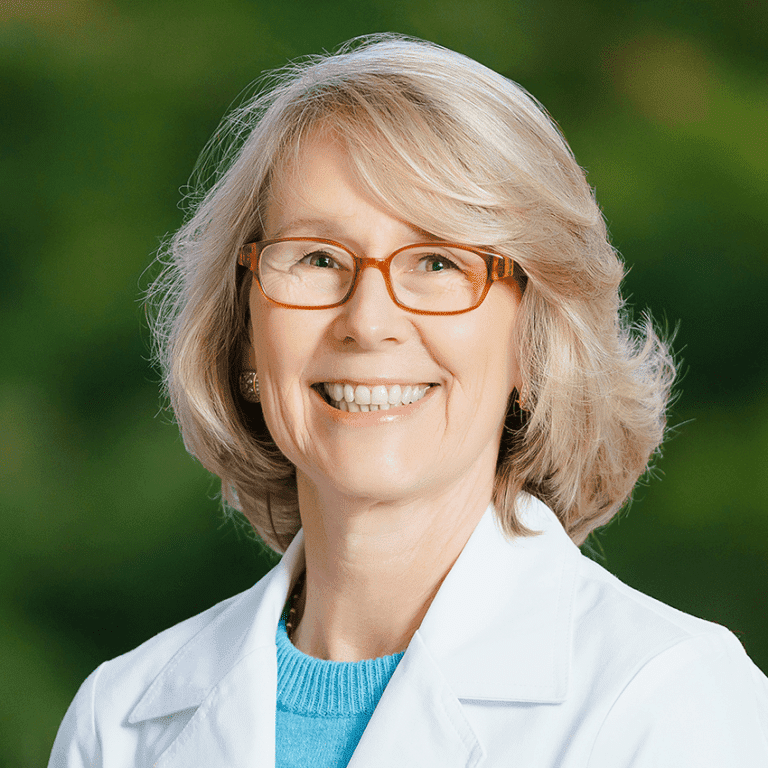
Medical contribution by Anne Brawner Namnoum, M.D.

A native of Atlanta, Dr. Namnoum attended The Westminster Schools and received her undergraduate degree from Williams College. She earned her medical degree at Johns Hopkins University in Baltimore, and completed her residency in Obstetrics and Gynecology and fellowship in Reproductive Endocrinology and Infertility at Johns Hopkins as well. She directed the IVF program at Johns Hopkins before returning to Atlanta, where she practiced at Emory and Atlanta Center for Reproductive Medicine.

Hormones play a huge role in your ability to get pregnant. Some hormones regulate the menstrual cycle, which impacts one’s ability to become pregnant, and also play an important role during pregnancy.

“When couples are struggling to conceive, many don’t realize that they have a hormonal imbalance because the signs may not always visible” says SGF Atlanta’s Dr. Anne Namnoum. “Knowing what hormones impact fertility and how we help patients with a hormonal imbalance get pregnant is an important first step,” adds Namnoum.

Dr. Namnoum sheds light on how patients with a hormonal imbalance can become pregnant, and signs and warning signals that indicate it’s time to seek help.

Q: What hormones impact fertility?

The most important hormones for fertility are anti-Müllerian Hormone (AMH), follicle-stimulating hormone (FSH), and luteinizing hormone (LH).

  • Anti-Müllerian Hormone (AMH) – This hormone is produced by ovarian follicles, or the sack that contains the immature egg. Its primary function is to support the immature eggs. Measuring this hormone is one of the best predictors of how many eggs you have remaining in your ovaries.
  • Follicle-Stimulating Hormone (FSH) – This hormone is directly linked to fertility, as its key function is to help regulate the menstrual cycle and induce the production of eggs in the ovaries. Women who have a loss of ovarian function often have higher FSH levels, as their bodies are trying to compensate for this dysfunction.
  • Luteinizing Hormone (LH) – This hormone signals the body to release a mature egg. Ovulation predictor kits depend on the measurement of this hormone, as levels generally surge immediately before ovulation.

Other hormones such as thyroid hormones, prolactin, and progesterone can also become imbalanced affecting your ability to conceive. These hormone imbalances can be determined through an infertility work-up, or evaluation.

Q: How does a hormonal imbalance impact my fertility?

The biggest issue related to infertility and hormonal imbalances is ovulatory dysfunction. Without ovulation, a women is unable to conceive. Another cause of a hormonal imbalance is a short luteal phase. The length of this phase is controlled by progesterone, the hormone that maintains the thickness and strength of the uterine lining. The average luteal phase is 13 to 14 days. If you have a luteal phase shorter than 10 days, an embryo might not have enough time to implant.

Q: How would I know if I had a hormonal imbalance?

While every women is different and some signs are more noticeable than others, the most common include:

  • Menstrual cycle irregularity
  • Spotting or irregular bleeding
  • New or worsening acne
  • Facial hair
  • Male-pattern body hair
  • Male-pattern hair loss
  • Unexplained weight gain
  • Extreme mood changes

Q: How can I get pregnant with a hormonal imbalance?  

Depending on the specific diagnosis, medication is often the first line of treatment, which helps to restore the hormonal function to help induce ovulation and trigger the release of a matured egg.

Since hormone imbalances can also be attributed to weight, a weight-loss treatment plan may be recommended to help restore the hormonal imbalance.

“If you are having difficulty conceiving, don’t wait to seek the help you need. Early fertility intervention offers the best chances of success. Scheduling an appointment with a fertility specialist will give you the answers you need to help get you on the road to parenthood,” says Namnoum.

Schedule an Appointment

SGF Atlanta has three locations in Alpharetta, Atlanta-Northside, and Buckhead-Piedmont. To schedule an appointment with one of Shady Grove Fertility Atlanta’s three physicians, Drs. Mark Perloe, Desireé McCarthy-Keith, or Anne Namnoum, please call 1-877-971-7755 or complete this brief online form

Filed Under: Diagnosing Infertility Tagged With: Causes of infertility

March 2, 2018 by Shady Grove Fertility

The movement to raise awareness for endometriosis is observed every March around the world. Endometriosis affects 1 in 10 women of childbearing age, which equates to nearly 176 million women and adolescent girls worldwide.

What is Endometriosis?

For women who have this condition, their endometrial tissue (the tissue lining the inside of the uterus) grows outside of the uterus. The endometrial tissue can attach to other organs in the abdominal cavity, such as the ovaries and the Fallopian tubes. The uterus will respond to this tissue the same way it responds to menstrual cycle hormones – it will swell and thicken and ultimately, shed. Unlike menstrual blood though, endometrial tissue has no place to be discharged from the body and may cause inflammation leading to the formation of scar tissue. While some women may not experience any symptoms, many will have painful menstrual periods, abnormal menstrual bleeding, or pain during or after intercourse. Endometriosis may also lead to infertility.

What are the Symptoms and Causes?

You may experience painful menstrual periods, abnormal menstrual bleeding, or pain during or after sexual intercourse. However, you may not have any symptoms at all.

The cause of endometriosis is still unknown. One theory suggests that during menstruation, some of the menstrual tissue backs up through the Fallopian tubes into the abdomen, where it implants and grows. Another theory suggests that endometriosis is a genetic birth abnormality in which endometrial cells develop outside the uterus during fetal development.

What Treatment Options are Available?

Your doctor may want to treat your endometriosis surgically, with medications, or with a combination of both. Medications are mainly used to treat symptoms of endometriosis, shrinking the endometrial tissue and affecting estrogen production. A decrease in estrogen production stops the growth of the tissue; however, surgery is the best option. Surgery involves removing the endometrial tissue from your ovaries or Fallopian tubes and can usually be done during a laparoscopy. If, however, there is severe disease, then your physician may recommend in vitro fertilization (IVF).

To watch our On-Demand Webinar on Getting Pregnant with Endometriosis, click here. During this free, on-demand event, viewers will learn about the causes and symptoms of endometriosis, and the treatments that are now available to help women conceive. With proper counseling and care, the chances of getting pregnant with endometriosis are high for most women.

How Can I Help Raise Awareness for Endometriosis?

Awareness about this disease is growing, with prominent events and organizations working to effect change. World Endometriosis Day on March 24, 2018 will be celebrated with marches around the world. The sponsors of these EndoMarches strive to get the word out that “…endometriosis is not just ‘bad cramps,’ but is actually a serious disease with severe medical consequences if left untreated.” The goals of the EndoMarches are to educate the public and medical professionals about endometriosis; to find a cure and develop non-invasive diagnostic testing; to improve health screenings among young girls and young women in public schools; and to educate the U.S. government and Congress in order to allocate funding for endometriosis.

To register for an EndoMarch in your area, click here. To discover more ways to donate and get involved, visit the Endometriosis Foundation of America.

Editor’s Note: This post was originally published in March 2015 and has been updated for accuracy and comprehensiveness as of March 2018.

Schedule an Appointment

To learn more or to schedule an appointment with a Shady Grove Fertility physician, call our New Patient Center at 888-761-1967.

Filed Under: Diagnosing Infertility Tagged With: Endometriosis

October 10, 2017 by Shady Grove Fertility

How the body chooses an egg to ovulate or release is very complicated. One in eight couples struggle with infertility for a number of different reasons—and this is unique to humans and not found in any other mammal species.

For animals, reproduction is much more predictable and consistent. However, for humans, this process is much more delicate and inefficient. Generally women are born with all of their eggs for their lifetime. When puberty starts, the body recruits a group of eggs that could grow but usually only one is selected to be the one that is released and the others are no longer available for any future cycles. If no pregnancy occurs, then a menstrual period occurs about 2 weeks after ovulation and this completes a menstrual cycle. As a woman gets older, naturally the selection of eggs becomes less over time and the group of eggs recruited each cycle is smaller.

Understanding why some women are fertile into their 40s, while others stop releasing eggs consistently each month in their 20s is sometimes unknown. The quantity and quality of eggs can be influenced by other factors, such as premature ovarian failure, early menopause, and other health issues such as autoimmune disorders, cancer treatment, or surgery that involves the ovaries. The most important thing to know is that your body does not produce more eggs, nor is there any available treatment to increase the quantity or quality of your egg supply; therefore, being proactive by getting ovarian reserve testing can make all the difference.

How do I know how many eggs I have left?

There is no one perfect test for ovarian reserve, or one that can tell a woman how many eggs she has left, or if the egg she is releasing any given month is a healthy one. Several tests are used routinely as indirect measures of ovarian reserve, but these tests do not tell us the actual quantity of eggs available. Some common tests that your doctor may order include baseline follicle-stimulating hormone (FSH) and estradiol levels, anti-Müllerian hormone (AMH), and antral follicle counts.

FSH comes from a gland in the brain called the pituitary gland. Baseline FSH levels within a few days of the first day of a woman’s menstrual cycle give us an estimation of how hard this gland has to work to stimulate the ovaries to mature an egg. If it is low or less than 11, this is reassuring and suggests that the body should respond to fertility treatment to stimulate the ovaries. When it is high, this is less reassuring as the gland must work very hard to mature an egg.

AMH is produced by the small follicles that contain the eggs in the ovaries, so the more follicles, the higher the AMH value. Having a high value is good (opposite from baseline FSH levels.) Likewise, your doctor may count the number of follicles seen on ultrasound in the beginning of a cycle, or antral follicle count, to gauge how many eggs the ovaries have recruited that month. When there is a healthy selection of follicles, there are more eggs to choose from that cycle.

Whether you’re currently trying to conceive or you’re not planning on conception right away and interested in possibly freezing your eggs (and you’re in your early- to mid-30s) we encourage you to inquire about ovarian reserve testing. Decades of research have demonstrated that ovarian reserve is the best predictor, other than age, for future pregnancy and, if necessary, future treatment outcomes in patients with infertility.

At our center, we can order a test called the Ovarian Assessment Report (OAR) by ReproSource that measures egg supply by assessing several of the reproductive hormones discussed above, along with your age, in order to determine the status of your egg supply. It is the first ovarian assessment that provides a consistent laboratory result. What you learn about your egg supply can serve as a baseline to compare against future tests.

For women who are not looking to conceive right away, because birth rates decline as women age due to the changes in egg quantity and quality that naturally occur, egg freezing offers women an opportunity to preserve their eggs when they are of better quality and are more numerous, in the event they have trouble conceiving later in life and their egg supply and/or quality are found to be the cause. In fact, we counsel all women who come to us for egg freezing (fertility preservation) that the most common outcome for them is natural pregnancy without the need for using the frozen eggs. However, for those who do need their previously frozen eggs, this is a resource that cannot be replenished.

Eric A. Widra, M.D.
Executive Senior Medical Officer
Kara Khanh-Ha D. Nguyen, M.D., MPH
Schedule an Appointment

Filed Under: Diagnosing Infertility

September 20, 2017 by Shady Grove Fertility

7 Questions about Varicoceles and Male Fertility

“VAR-I-KOH-SEEL”

If you’re like most people, you’ve probably never heard of varicocele, let alone know how to pronounce it. But despite this term’s obscurity, it’s quite common—about 15 to 20 percent of all men have it—that is, an enlargement of the veins in the spermatic cord that could cause male infertility.

Most of these men have no idea that they have a varicocele, as there are generally no outward signs. Some men with varicoceles have no trouble starting a family, yet others find their attempts at conception unsuccessful, which could be due, at least in part, to the presence of the varicocele.

Dr. Paul Shin, a reproductive urologist who sees patients in SGF’s Washington, D.C., K Street; Frederick, MD; and Woodbridge and Fair Oaks, VA offices, often treats men with varicoceles. Today, he answers the most questions his patients pose about varicoceles.

1. What is a varicocele?

In the simplest of terms, a varicocele is a testicular varicose vein.

People commonly associate varicose veins with the legs. But varicose veins can occur elsewhere.

Within the body, blood vessels are divided into two types based on the direction in which blood flows through them:

  • Arteries – Carry blood away from the heart
  • Veins – Return blood to the heart

Because humans stand upright, veins must fight against the force of gravity. Valves within the veins help in this fight, allowing blood to flow in only one direction. When one of these valves fails, blood flows in the wrong direction, which can lead to a pooling of blood and the creation a varicose vein.

2. What impact does a varicocele have on fertility?

Despite the fact that we’ve known about varicoceles for thousands of years—the condition was described in records dating back to ancient Rome and Egypt—the answer to this question isn’t entirely clear yet.

Some men with varicoceles have no trouble fathering children, while others experience reduced sperm count or limited motility (sperm movement, which makes it difficult for sperm to fertilize an egg).

There is research to suggest that the presence of a varicocele could impact sperm

morphology (shape), and there is research to the contrary.

The generally accepted explanation for why a varicocele impacts male fertility is that the extra blood in the testicle elevates testicular temperature.

Increased temperatures mean sperm are unable to operate at optimal efficiency and therefore conception may become difficult.

Look at it this way: Imagine a group of people working in an office with no air conditioning in the middle of July. Although employees can work in this environment, they certainly won’t be operating at peak efficiency.

Watch: SGF’s New On-Demand Male Fertility Webinar

3. Does having a varicocele have any other impact on your health?

For the most part, no.

If a varicocele is significant in size, it can cause some discomfort. Some men report a heavier feeling in one testicle or an unusual testicular awareness. But other than these small issues, a varicocele is entirely harmless.

4. How is a varicocele diagnosed?

A diagnosis usually depends on the size of the varicocele.

If the varicocele is large enough, a doctor can feel it while performing a scrotal or testicular evaluation.

If the varicocele is smaller—or if the patient is particularly ticklish or nervous—it may require an ultrasound to be diagnosed.

In either case, a doctor may elect to follow up with an ultrasound to rule out the presence of other testicular tumors or lumps.

5. I’ve fathered a child before. Why am I having trouble now?

When we see a father who is now experiencing semen quality or quantity issues, 80 percent of the time, the man has a varicocele.

Research suggests that varicoceles have a progressive impact on sperm count. While nearly all men will experience a decline in sperm count as they age, men who have varicoceles will likely see their sperm count decline more rapidly, as compared to men without.

Additionally, if the female partner has also aged  since the male partner previously fathered children, it may be more difficult for her to become pregnant, making a small deficiency in sperm count or motility a bigger impediment to getting pregnant than it may have been during prior attempts.

6. What are the varicocele treatment options?

When deciding how or if to treat a varicocele, we consider first the age of the female partner. Even if varicocele treatment goes perfectly, it generally takes 6 to 9 months to see a meaningful improvement in sperm count or quality.

If the female partner is 38 to 40, it may be in the couple’s best interest to leave the varicocele untreated for the time being and use more advanced assistive reproductive technologies (ART), such as in vitro fertilization (IVF). Time is the one thing we can never get back, so moving quickly is often essential.

If we decided to treat the varicocele, there are two common treatment options:

  1. Microsurgery: In this treatment, a reproductive urologist will make an incision in the groin, where the testicle exits the abdomen. Using a specialized ultrasound probe, the urologist will determine which vessel is abnormal and tie it off.
  2. Embolization: This treatment does not require an incision. Instead, an interventional radiologist will access the area through a larger vein in the neck or legs and selectively block off any abnormal veins.

Because embolization does not require an incision, recovery from this procedure is easier and the patient will likely experience less lasting discomfort.

When dealing with a bilateral varicocele—or a varicocele impacting both sides of the scrotum— microsurgery is often preferred. Because a shorter vein length and a smaller insertion angle make the right side harder to access, it’s often not possible to fully treat a bilateral varicocele using embolization alone.

7. What’s the likelihood that treating a varicocele will resolve male fertility issues?

Between 70 and 80 percent of patients treated for a varicocele will have measurable improvement in their semen analysis results.

Before deciding to treat a varicocele, it’s important to determine your definition of success.
While our ultimate goal would be to allow a couple to naturally conceive a child through intercourse, it’s just not realistic for some couples.

In situations in which the male has a limited sperm count, “success” may mean being able to use intrauterine insemination (IUI) instead of the more invasive IVF. Similarly, for men who have no sperm in their ejaculate, success may mean having a small amount of sperm and being able to avoid surgical options. What success looks like will be up to you and your partner, and dependent on your specific condition.

A Plan for Your Family, TTC with a Varicocele

When deciding which treatment to pursue, we always ask ourselves…

“How do I help this couple build a family?”

And…

“How do I make this man’s sperm count better?”

The answers to the questions above may not be the same.

In some instances, treating a varicocele may be the best course of action. In others, it may be best to leave the condition untreated in the short term and use an alternative reproductive technology technique to help you and your partner achieve a pregnancy.

At SGF, we are committed to helping you realize your family-building dreams. Through the development of a tailored treatment plan, we partner with you and work to help you achieve your goals and build your ideal family unit.

Schedule an Appointment

For more information about varicocele or to schedule a consult with Dr. Shin or any of SGF’s reproductive endocrinologists, call 1-877-971-7755 or complete this brief online form.

Filed Under: Diagnosing Infertility

August 14, 2017 by Shady Grove Fertility

It is humbling to put in perspective that even among fertile couples with no issues getting pregnant, estimates range from a 10 to 20 percent chance of achieving pregnancy any given month they try. In other words, fertile couples are unsuccessful 80 to 90 percent of the time. This is what we see when we look at the success of thousands of young couples who start the journey to build their family. Most will achieve pregnancy within the first year of trying; for others, there are treatments now available to help almost everyone conceive.

How common is unexplained infertility?

When couples come to an infertility specialist, they want answers. We proceed through the diagnostic testing process to identify a cause for their inability to achieve pregnancy. In about 10% of the time, a young couple (woman’s age less than 35 years old) will get an inconclusive result: Unexplained infertility. It is important to understand what this really means. The diagnostic testing we have available will only identify the major reasons why a couple may have a difficult time getting pregnant but it certainly cannot identify all the reasons. If the Fallopian tubes are blocked or there is no sperm, these are obvious major obstacles to becoming pregnant, and can be identified through diagnostic testing.  There are, however, no 100% definitive tests available for more subtle infertility factors such as poor egg quality and fertilization failure.

Among couples with unexplained infertility we also know that despite all the normal diagnostic testing, they only achieve a pregnancy 1 to 4% any given month of trying without fertility treatment—much lower chances than 10 to 20%. This is why ultimately many couples choose in vitro fertilization (IVF) to attain their family building goals. In fact, a large randomized trial on couples with unexplained infertility called FASTT showed definitively that couples unsuccessful after three cycles of Clomid and intrauterine insemination (IUI) should proceed to IVF as their next treatment because they will more likely become pregnant, achieve their baby sooner, and will spend less money overall in fertility treatment.

Often the subtle infertility factors of unexplained infertility can be seen during IVF, so IVF can also be diagnostic. Even women with excellent ovarian reserve can have poor egg quality seen under the microscope at the time of egg retrieval. Couples with mature eggs and normal semen parameters may have poor fertilization, which can only be seen during IVF. Sometimes embryo development is the issue. Sometimes it’s an implantation issue. These are the diagnostic benefits of IVF that cannot be detected in any other way. In addition, once identified there are many options for treating and overcoming these infertility factors with IVF.

Although IVF does not fix all infertility factors, it is still the most successful treatment option for most couples and affords many bonuses. The risk of multiple gestation (twins, triplets, etc.) can be controlled with the number of embryos that are placed back in the woman’s uterus. The woman’s fertility can also be preserved by creating surplus embryos that can be frozen at her current age and transferred later when she is ready for baby 2 or 3.

Written by: Kara Nguyen, M.D., M.P.H, of Shady Grove Fertility’s Reading, PA and Harrisburg, PA offices.

Schedule an Appointment

To learn more about unexplained infertility or to schedule an appointment with one of our 35+ physicians, please call 1-877-971-7755 or click here to complete this brief online form.

Filed Under: Diagnosing Infertility Tagged With: Causes of infertility

  • « Go to Previous Page
  • Page 1
  • Interim pages omitted …
  • Page 4
  • Page 5
  • Page 6
  • Page 7
  • Page 8
  • Interim pages omitted …
  • Page 21
  • Go to Next Page »

Company

  • About SGF
  • About US Fertility
  • Our Doctors
  • Fertility Equity
  • Careers
  • Newsroom
  • SGF College Scholarship
  • Contact Us
  • Voice Your Feedback

Treatments

  • Egg Freezing
  • Intrauterine Insemination (IUI)
  • In Vitro Fertilization (IVF)
  • Frozen Embryo Transfer (FET)
  • LGBTQIA+ Family Building
  • Shared Risk 100% Refund Program
  • All Treatments

Resources

  • Patient Portal
  • Online Bill Pay
  • Library
  • Support Groups & Events

Locations

  • California
  • Colorado
  • Delaware
  • Florida
  • Georgia
  • Maryland
  • North Carolina
  • Pennsylvania
  • Texas
  • Virginia
  • Washington, D.C.

2026 Shady Grove Fertility

  • Policies & Notices
Also of interest
  • In Vitro Fertilization IVF
  • Fertility Tests
  • Research Publications