
• Skip to primary navigation
  • Skip to main content
  • Skip to footer
Shady Grove Fertility
  • Become an Egg Donor
  • Referring Physicians
  • 1-888-761-1967
  • Schedule Appointment
  • Get Started
        • Get Started
          • Causes of Infertility
          • Fertility Tests
          • When to Seek Help
          • Find a Doctor
          • Preconception and prenatal vitamins 
          • Schedule an Appointment
        • Personalized Care For
          • Single Parents
          • LGBTQIA+ Family Building
          • People with Cancer
          • Known Genetic Diseases
          • Egg Donors
  • Treatments
        • Fertility
          • Timed Intercourse
          • Ovulation Induction
          • Intrauterine Insemination (IUI)
          • In Vitro Fertilization (IVF)
          • Frozen Embryo Transfer (FET)
        • Donation & Surrogacy
          • Donor Sperm
          • Donor Egg
          • Donor Embryo
          • Gestational Carrier
          • LGBTQIA+ Family Building
          • Single Parents
          • Find a Donor
        • More Treatments
          • Center for Male Fertility
          • Egg Freezing
          • OncoFertility
          • Preimplantation Genetic Testing
          • MIGS
          • All Fertility Treatments
  • Resources
    • Resource Library
    • Events Calendar
    • Patient Stories
    • Mental Health
    • Wellness Center
  • Insurance & Savings
    • Insurance & Benefits
    • Shared Risk 100% Refund Program
    • 100% Refund for Donor Egg
    • Discounts
    • Egg Freezing Costs
    • Financing & Grants
    • Clinical Trials
  • About
    • Find a Doctor
    • About SGF
    • Our Care Team
    • Advanced Practice Providers
    • Fertility Equity
    • Philanthropy
    • Newsroom
    • Careers
    • Contact Us
    • Voice Your Feedback
  • Locations
        • Find a Location
        • California
        • Colorado
        • Delaware
        • Florida
        • Georgia
        • Maryland
        • North Carolina
        • Pennsylvania
        • Texas
        • Virginia
        • Washington, D.C.
        • Chile
        • International & Out of State
        • SGF at Walter Reed National Military Medical Center
  • Patient Hub
    • Online Bill Pay
    • Patient Forms
    • Patient Portal
  • Call your care team
  • Become an egg donor
  • Referring physicians
  • search-icon
  • Schedule appointment 1-888-761-1967

Home / Endometriosis

Endometriosis

March 3, 2026 by Shady Grove Fertility

If you have been diagnosed with moderate to severe endometriosis, you may already be thinking about pain relief, next steps, and how to get your life back. But there’s another important question many people don’t hear early enough: 

How could endometriosis—and its treatment—affect my future fertility? 

That’s egg freezing can play an important role, especially before surgical treatment. 

How endometriosis can affect fertility and ovarian reserve

Endometriosis occurs when tissue similar to the uterine lining grows outside the uterus, often on the ovaries, fallopian tubes, or other pelvic structures. Over time, this tissue can cause chronic inflammation, scarring, and cysts called endometriomas. 

These changes can impact fertility in several ways: 

  • Chronic inflammation can interfere with egg quality and fertilization 
  • Scar tissue may distort pelvic anatomy or block Fallopian tubes 
  • Endometriomas on the ovaries are associated with lower ovarian reserve 
  • Hormonal and immune changes may make implantation more difficult 

Not surprisingly, endometriosis is found in up to 30–50% of people who experience infertility — far higher than in the general population. 

Even without symptoms, fertility can be affected quietly and progressively. 

Surgical treatment for endometriosis may reduce egg quantity

Laparoscopic surgery is often recommended to:

  • Reduce pelvic pain
  • Remove endometriosis implants or endometriomas
  • Improve the chances of natural conception

And for many patients, surgery is absolutely the right choice.

However, it’s important to know that any surgery on the ovaries carries a risk. Removing endometriomas can unintentionally remove healthy ovarian tissue, leading to a decrease in egg count — sometimes permanently.

This is why fertility specialists increasingly recommend discussing egg freezing before endometriosis surgery, particularly for patients with:

  • Moderate to severe disease
  • Ovarian endometriomas
  • Bilateral cysts
  • Prior or anticipated repeat surgeries

Benefits of egg freezing before endometriosis treatment

Egg freezing (also called oocyte cryopreservation or fertility preservation) allows you to preserve eggs before they may be affected by disease progression or surgical intervention.

Research shows that fertility preservation is most effective when done before ovarian surgery, when egg quantity and quality are typically higher.

Freezing eggs prior to endometriosis treatment can:

  • Preserve more eggs than waiting until after surgery
  • Protect fertility options if ovarian reserve declines
  • Reduce pelvic pain caused by the endometriosis
  • Reduce pressure to rush pregnancy decisions 
  • Improve chances of naturally occurring pregnancy
  • Create flexibility for future family planning

Egg freezing does not mean you will need IVF — but it keeps that option available if you do.

How egg freezing works

Egg freezing uses vitrification, a rapid freezing method that preserves eggs at very low temperatures for future use. When you’re ready to build your family, these eggs can be thawed and used in IVF. Survival and fertilization rates after thawing tend to be strong — especially when eggs are frozen at a younger age.

Egg survival and fertilization rates after thawing are strong, especially when eggs are frozen at younger ages. Success depends on:

  • Age at the time of freezing
  • Number of eggs frozen
  • Ovarian reserve before treatment

Pregnancy rates are highest when eggs are frozen before age 37, but egg freezing may still be appropriate at other ages depending on your situation.

FAQs: Egg Freezing and Endometriosis

No. Many people with endometriosis conceive naturally or with treatment. But because up to half may experience fertility challenges, planning ahead can improve options and outcomes. 

Often, yes — especially if ovarian surgery is recommended. Freezing beforehand can preserve eggs that might otherwise be lost during treatment. 

That depends on your age, ovarian reserve testing (AMH and ultrasound), and long-term goals. Your fertility specialist will help set realistic expectations. 

No fertility treatment cannot guarantee a baby. But egg freezing can significantly improve your chances compared to waiting until after surgery or disease progression. 

No. Egg freezing is not a replacement for treatment — it’s a way to protect your options while treating endometriosis effectively. 

A Thoughtful, Personalized Approach Matters 

Endometriosis is complex, and no two patients are the same. The right fertility plan depends on your symptoms, ovarian reserve, timing of surgery, your family-building goals, and financial considerations.  

At Shady Grove Fertility, our fertility specialists work closely with you to make informed, confident decisions—without pressure or panic. 

Looking Ahead 

If you’ve been diagnosed with endometriosis, thinking about egg freezing now means you’re giving yourself choices for tomorrow. 

Egg freezing before endometriosis treatment can be a powerful tool, not because it promises certainty, but because it protects possibility. 
Schedule an Appointment
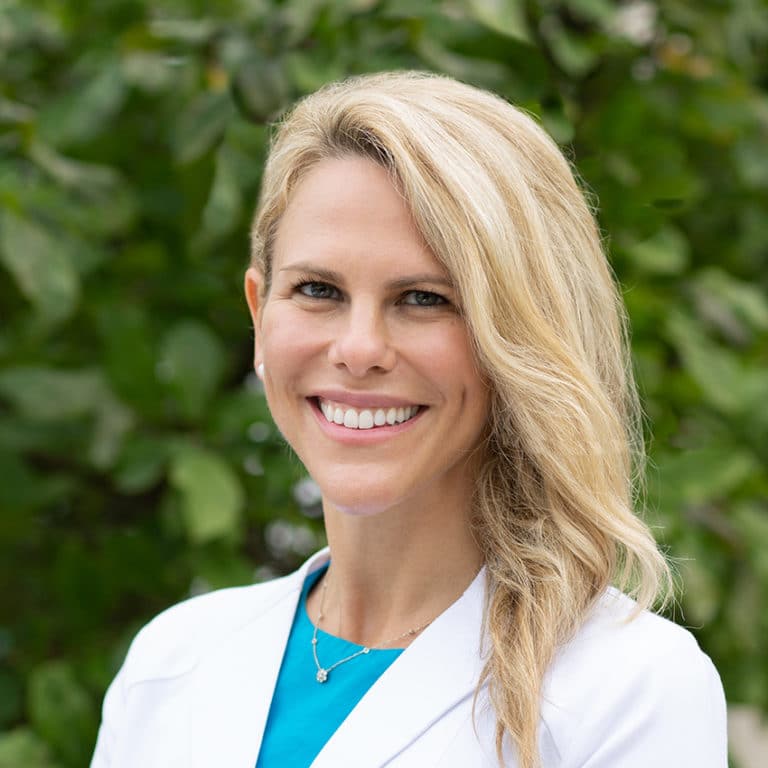
Medical contribution by Valerie Libby, M.D., MPH

Valerie Libby, M.D., MPH, FACOG, earned her medical degree from the University of Texas Health Science Center at San Antonio. She graduated from the University of Texas at Austin Honors Program studying Psychology and Spanish. She then earned a Masters in Global Public Health from George Washington University where she served as a fellow in Kenya for the Global Health Service.

Editor’s Note: This post was originally published in April 2016 and has been updated for accuracy and comprehensiveness as of March 2026.

Filed Under: Treatment Tagged With: Egg freezing, Endometriosis

February 14, 2025 by Jacqui Behler

March 12, 2025 @ 12:00 pm – 1:00 pm

One in 10 women of reproductive age is affected by endometriosis. It’s a condition in which endometrial tissue (tissue that lines the inside of the uterus) grows outside the uterus and eventually sheds into the abdominal cavity. Any degree of endometriosis can have a great impact on fertility, therefore it is important that you see a fertility specialist as soon as you’re diagnosed to discuss pregnancy options.

During the live event, hosted by Dr. Lauren Kendall-Rauchfuss, viewers will learn about the causes and symptoms of endometriosis, and the treatments that are now available to help women conceive. With proper counseling and care, the chances of getting pregnant with endometriosis are high for most women.

After the presentation, Dr. Kendall-Rauchfuss will host a live question and answer session.

Can’t attend? Register anyway! We’ll email you a link to view the recorded event + Q&A.

dr. kendall-rauchfuss orlando fertility physician
Medical contribution by Lauren Kendall-Rauchfuss, M.D.

Lauren Kendall-Rauchfuss, M.D., FACOG, completed her residency in Obstetrics and Gynecology at the prestigious Mayo Clinic in Rochester, Minnesota, where she also completed her fellowship in Reproductive Endocrinology and Infertility. Dr. Kendall-Rauchfuss brings her expertise, warmth, and dedication to SGF Orlando, where she is eager to help patients achieve their dreams of building a family. 

Filed Under: Get Started Tagged With: Endometriosis, Getting started

March 19, 2024 by Shady Grove Fertility

Getting pregnant with endometriosis is possible for most women. While endometriosis may make it harder to conceive on your own, your chances of getting pregnant with endometriosis can be high, depending on the severity of your condition, age, overall health, and treatment options.

Symptoms and conditions play a key role in diagnosing endometriosis, but when it comes to mapping out your treatment plan, a specialist will consider two important questions:

  • Are you experiencing pain from endometriosis?
  • Are you trying to conceive?

While surgery can be helpful in alleviating pain, we have to be careful not to continue to operate every time a cyst develops, because, with each excision to the ovary, we may be also losing healthy eggs. Also, we have learned now that additional surgery does not increase the chances of pregnancy after IVF.

Since endometriosis can take many forms, and the success rates of treatments vary, your doctor will outline your best treatment options with an individual plan for you.

I have pain, and I’m trying to get pregnant

In this situation, we recommend seeing a fertility specialist. As women age, treatment options tend to narrow and chances of pregnancy decline, so even if your endometriosis is mild — we suggest seeking help sooner rather than later.  With proper counseling and care, the chances of getting pregnant with endometriosis are good for most women.

The first step prior to treatment is to complete a full infertility work-up. With this testing, we can identify any other potential fertility challenges.

If you are trying to get pregnant, you may need to stop taking some hormonal medications that manage pain, such as oral contraceptive pills.  When trying to conceive, one option to treat pain from endometriosis is with surgery.   Endometriosis surgery, which is often done laparoscopically, is an effective way to alleviate pain. However, depending on the extent and location of your endometriosis, surgery may negatively affect your ovarian reserve.

Seeking advice from a fertility specialist prior to undergoing surgery can help maximize the chances of pregnancy after surgery.  By identifying all of the factors that can impact your fertility upfront, you can have a proactive plan that utilizes your time and efforts most efficiently.  Following surgery, fertility treatment is a common way to expedite pregnancy, with medication like clomiphene citrate (Clomid or Serophene) and/or intrauterine insemination (IUI), or in some cases, in vitro fertilization (IVF).

 The good news is that once a woman is pregnant, her pain from her endometriosis usually subsides during the pregnancy itself.

I have no pain, and I’m trying to get pregnant

Some women only have infertility as a consequence of endometriosis and otherwise do not have any pain at all.  While it may seem counterintuitive, the stage of endometriosis does not always correlate to the degree of pain women experience.

For these women, the benefit of surgery is less clear, but fertility treatment can be very helpful. This could be either medication to stimulate the ovaries combined with an intrauterine insemination (IUI) or in vitro fertilization (IVF).

I have pain, but I’m not trying to get pregnant yet

Two of the most common ways to treat endometriosis are with medications or surgery.

If you’re not trying to get pregnant yet, your gynecologist can prescribe a variety of hormonal medications that can help alleviate endometriosis pain. If medications are unsuccessful, you may want to consider having laparoscopic surgery. A laparoscopy is an outpatient surgical procedure in which your doctor uses a narrow fiber-optic telescope inserted through an incision near your navel to look for and remove scar tissue consistent with endometriosis.  

We recommend pursuing surgery in the hands of a gynecologist who is experienced in endometriosis and laparoscopic surgery in general. While laparoscopy can help reduce the pain from endometriosis, it can also negatively affect your ovarian reserve.  While not typically recommended, in certain select cases, surgery for endometriosis may also help make future egg retrievals easier.  

Depending on the type and extent of surgery planned, freezing eggs beforehand may be a good strategy to preserve your current fertility for future family-building options.  With egg freezing, a woman’s eggs are retrieved, frozen, and stored in our lab until a woman is ready to conceive.  Frozen eggs can serve as woman’s “backup” in the event of future infertility, literally freezing her potential for pregnancy in time. 

Over time, your egg count will decrease, and endometriosis often worsens. Many patients are now choosing to proactively freeze their eggs in the event that their endometriosis threatens their future fertility, regardless of whether they are facing imminent surgery. This is a conversation to have with a fertility specialist who can best guide you in your decision-making process.

Take control of your endometriosis

Watching our Getting Pregnant with Endometriosis on-demand webinar to learn more about the causes and symptoms of endometriosis and the fertility treatment option available to help you conceive. With proper counseling and care, the chances of getting pregnant with endometriosis are high for most women.

Whether you’re actively trying to get pregnant, or simply looking to manage your endometriosis pain and have children in the future, a fertility specialist can support your goals with a treatment plan tailored especially for you.

Whether you’re actively trying to get pregnant, or simply looking to manage your endometriosis pain and have children in the future, a fertility specialist can support your goals with a treatment plan tailored especially for you.

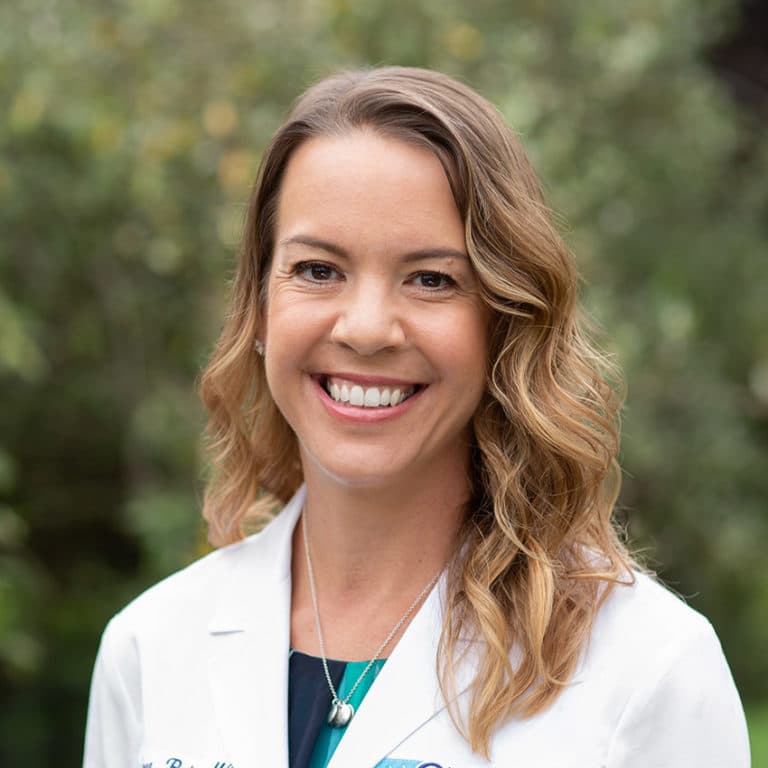
Medical contribution by Andrea E. Reh, M.D.

Andrea Reh, M.D., FACOG, is board certified in obstetrics and gynecology as well as reproductive endocrinology and infertility. She was named as one of the Washingtonian’s Top Doctors (2019 – 2021), Top Doctors in Northern Virginia Magazine in 2020 and Top Doctors in Arlington Magazine in 2021. Dr. Reh sees SGF patients at the Arlington, Virginia office.

Schedule Appointment

Editor’s Note: This post was originally published in March 2016 and has been updated for accuracy and comprehensiveness as of February 2023.
 

Filed Under: Diagnosing Infertility Tagged With: Causes of infertility, Endometriosis

March 6, 2019 by Shady Grove Fertility

Andrea Reh, M.D. from the Shady Grove Fertility Arlington office discusses endometriosis in this short video.

What is endometriosis?

Endometriosis is a common gynecological condition that affects many women during their reproductive years. To explain how endometriosis works, let me give you a little background. During a normal menstrual cycle, the lining of the uterus will grow and thicken in response to hormones. When a woman gets her period, the uterus sheds this lining that has built up over that past month. That’s a normal and important process to essentially restart the body before another cycle.

The difference, is that for women with endometriosis, the uterine lining doesn’t just grow INSIDE the uterus (where is it supposed to be growing every month), but it will ALSO grow and implant OUTSIDE the uterus in other parts of pelvis. That’s where the problems arise. These “implants” can then cause inflammation and scaring, which can lead to pain and/or infertility. Sometimes these implants will grow on the ovaries and form cysts that we call “endometriomas.”

How do you know if you have endometriosis?

The only way to truly know is to have surgery—for a gynecologist to look inside the pelvis, take a biopsy, and confirm it under the microscope. But naturally we don’t want to operate just to answer that question. So, we have to rely on other clues. Patients with this condition may have symptoms of pelvic pain, back or rectal pain, and/or very painful periods. Sometimes these women will have pain with intercourse. Mainly, we can get a pretty good idea of whether someone has endometriosis, at least the most severe forms, with a pelvic ultrasound. On ultrasound we often can see those cysts—or what we call endometriomas.

The tricky part is that there is no one-size-fits-all when it comes to this condition. Not all patients with endometriosis will have pain, and in fact some patients with very advanced endometriosis may have no pain whatsoever. And some patients with very minimal endometriosis will have horrible pain. Does that make sense? It doesn’t always make sense to us physicians either, which is why there is continuing research in this area of our field.

If you do have endometriosis, what do you do about it?

If you are experiencing pain and you are not trying to conceive, there are a variety of hormonal medications that can help alleviate the pain. If you are trying to conceive, do not panic. Having endometriosis does not mean that you will be infertile. That being said, endometriosis is associated with a higher risk of having infertility, and it can get worse over time, so it’s important to have a plan.

Watch: SGF’s New On-Demand Webinar, Getting Pregnant with Endometriosis

When should you see a fertility specialist?

In general, any patient that has been trying to conceive for over 1 year should seek a fertility evaluation. If you are over 35, we recommend testing after 6 months of trying. With a diagnosis of advanced endometriosis, we would recommend an evaluation regardless of your age, particularly if it has been more than 6 months of trying.

How will a fertility doctor help?

Your doctor will make a personalized treatment plan by taking into account your age, the stage of your endometriosis, and the duration of your infertility.

Whether or not to have surgery or more surgery is controversial and a case-by-case decision. Given more recent studies, we are no longer as apt to recommend surgery.  We realize now, that repeated surgery may be detrimental to a woman’s ovarian reserve, and does not necessarily lead to an improvement in fertility.

Women with infertility with advanced endometriosis are likely best served by fertility treatment to increase their odds of conceiving. These options include superovulation with intrauterine insemination (IUI) using oral or injectable medications; the highest chance of pregnancy per cycle results from in vitro fertilization (IVF).

Since endometriosis can take many forms, and the success rates of these treatments varies, your doctor will outline your best treatment options with an individual plan for you.

Editor’s Note: This post was originally published in December 2015 and has been updated for accuracy and comprehensiveness as of March 2019.

Schedule an Appointment

If you would like to learn more about endometriosis or schedule an appointment, please speak with one of our New Patient Liaisons at 877-971-7755 or fill out this brief form.

Filed Under: Diagnosing Infertility Tagged With: Endometriosis

January 16, 2019 by Shady Grove Fertility

Sharecare, a digital health company, recently interviewed Dr. Erika Johnston of SGF Richmond about the key facts about endometriosis and what she wants every woman to know.

Endometriosis is a diagnosis common among girls and women in their reproductive years. It is a condition in which endometrial tissue (tissue that lines the inside of the uterus) grows outside the uterus and eventually sheds into the abdominal cavity. Inflammation occurs in the areas where the blood pools, forming scar tissue. When the endometrial tissue forms on other reproductive organs aside from the inside of the uterus, it interferes with ovulation, tubal transport, and embryo quality.

Q: What are the warning signs of endometriosis?

Dr. Johnston: “The most common symptom for women with endometriosis is painful periods. Having pain with bowel movements, particularly during menstruation, that’s also a very big red flag. Similarly, pain with urination and pain with deep penetrating intercourse are two more key features of a woman who’s at high risk for having endometriosis. Having these symptoms and also trying to conceive for more than a year without success is an additional red flag that a woman is at high risk.”

Q: How can women distinguish between normal cramps and endometriosis?

Dr. Johnston: “If you talk to any woman she’ll say, ‘Oh, yeah, I have cramping when my menstrual period starts.’ Cramping that can be treated with a localized heating pad and over the counter medication is typical. But it’s not normal when a woman is unable to go to work or unable to go to school at the time of onset of her menstrual period because the pain is so severe and does not respond to typical over the counter medication.”

Q: Endometriosis involves more than just the uterus. Where can endometrial tissue implant in the body?

Dr. Johnston: “Unfortunately, the whole abdominal cavity is at risk when a woman has endometriosis. For most women, we think that not only do they bleed externally when their menstrual period comes vaginally, but also there’s blood that actually goes backwards through the Fallopian tube and can sometimes implant on the outside of the uterus. More commonly, this tissue can implant on the ovaries themselves and on the tissue behind the uterus. It can also travel as far north as the edge of the liver or the lower edge of the lungs.”

Q: Do we know why this happens?

Dr. Johnston: “We think most people actually have blood flow that goes backwards, but not all women have endometriosis. So, there is something on a genetic or cellular level that’s different. There are a few theories behind how it occurs. One is that endometrial tissue can actually spread through the lymphatic system. Another theory is that it travels through the blood vessels. This would help explain some unique cases where women actually have endometriosis tissue in their lungs, or oddly enough, in their brains. A third theory is that perhaps the tissue was always there—even during fetal development. It just got the wrong signal about where it was supposed to go and implanted in the wrong place. It’s not clear which theory is correct but certainly the more investigation we do, the more we understand that this tissue, which looks like the tissue from the inside lining of the uterus, acts a bit differently.”

Q: How is the condition diagnosed?

Dr. Johnston: “The ‘gold standard’ for diagnosis is doing a laparoscopy and seeing a lesion but certainly less invasive investigations can be performed first. We could start very simply by just taking a history. The next step would be an internal pelvic examination just to feel the pelvic structures. Then, if there is a concern about pain related to endometriosis, most OB/GYNs will recommend an ultrasound evaluation of the pelvis. All of these things can be done first before we consider surgery. And in fact, two of our governing groups that give us guidance for good obstetrical care, both in Canada and the U.S., suggest that if someone’s symptoms are likely enough to be related to endometriosis, presumptive medical treatment can actually start before a surgical procedure is performed to confirm the diagnosis.”

Q: Many women struggle for years with endometriosis before they are finally diagnosed. Why?

Dr. Johnston: “It shouldn’t take years to diagnose endometriosis, but it does. All too often women’s gynecologic concerns are marginalized, and people are concerned that their doctor is going to rush right into surgery. I think as healthcare providers we probably have not historically done a very strong job at investigating these concerns. But I have to say, if a woman is aware that it might be a problem or if she’s aware that she is having symptoms, then it shouldn’t have to take years to diagnose it. I think we can do better.”

Q: Does having endometriosis mean a woman can’t get pregnant?

Dr. Johnston: “Not all women with endometriosis are infertile. What we worry about with endometriosis is distortion of the pelvic anatomy that makes it hard for the Fallopian tube to successfully pick up an egg from the ovary. Endometriosis can also implant in the ovaries and form a cyst. Unfortunately, this can lower a woman’s egg count and cause infertility. The good news is that most women with endometriosis don’t have these conditions, so the disease doesn’t have a negative impact on their fertility. My hope for every patient with endometriosis is that she never needs my services for fertility treatment. Seeking care early on is important, so that the disease doesn’t progress to a stage that would involve the pelvic structures, increasing the likelihood of infertility.”

Watch: SGF’s New On-Demand Webinar, Getting Pregnant with Endometriosis

Q: Is surgery the mainstay of treatment for endometriosis?

Dr. Johnston: “There’s a lot of focus on endometriosis now and there are some great minimally invasive surgical strategies for women with high amounts of pelvic pain or distortion of the anatomy within their pelvis because of the presence of endometriosis. But surgery is by no means the only option. In fact, often we discourage it as an option, depending on a patient’s unique circumstances because it may not lead to resolution of their symptoms. We really try and use medication first and defer using surgery until medication has not been effective.”

Q: What medications are used to manage the condition?

Dr. Johnston: “There definitely are really thoughtful medical management strategies that reduce the amount of menstrual cycles that a woman has across her lifetime and improve her pain symptoms and prevent progression of her disease. This may involve continuous birth control pills or injectable contraceptives, or daily oral agents that are taken to try and reduce estrogen levels. Many of those can be very effective.”

Q: Are there any lifestyle changes that could help ease endometriosis symptoms?

Dr. Johnston: “From a non-medication, non-surgical standpoint, I think my view is that engaging in exercise and having supportive social networks can be very helpful. On the difficult pain days, it could result in a reduction in what women perceive as the severity of their symptoms.”

Q: So, there are treatments but no cure for endometriosis?

Dr. Johnston: “I always tell my patients that just like diabetes, this will always be something that they will have to consider and think about, which is unfortunately a little disheartening for people because no one really wants to have a chronic condition.”

Q: Won’t symptoms disappear after menopause?

Dr. Johnston: “Any woman who’s menstruating is at risk for endometriosis, but menopause doesn’t mean you’re going to be free of the condition either. Many of my patients that have been long-term sufferers of endometriosis are thrilled to go through menopause because they assume they finally won’t have to manage the condition anymore. Unfortunately, women who have advanced disease can still have symptoms from their endometriosis even in the menopausal time period.”

Q: What do you want to say to women who are struggling with endometriosis or suspect that they have the condition?

Dr. Johnston: “Many women suffer for years and have normalized their severe symptoms. It’s important to have an open dialogue with your healthcare provider about what you are experiencing, how it’s affecting your daily life, and ability to be productive. If you’re already in the care of a gynecologist who you feel is not responsive to your concerns or questions, don’t be afraid to seek a second opinion as well. A second physician might be able to provide a different perspective or treatment strategy that better resonates with your needs.”

Schedule an Appointment

To schedule an appointment with Dr. Johnston or any of our Shady Grove Fertility physicians, please call 1-877-971-7755 or fill out this brief form.

Filed Under: Diagnosing Infertility Tagged With: Endometriosis

March 2, 2018 by Shady Grove Fertility

The movement to raise awareness for endometriosis is observed every March around the world. Endometriosis affects 1 in 10 women of childbearing age, which equates to nearly 176 million women and adolescent girls worldwide.

What is Endometriosis?

For women who have this condition, their endometrial tissue (the tissue lining the inside of the uterus) grows outside of the uterus. The endometrial tissue can attach to other organs in the abdominal cavity, such as the ovaries and the Fallopian tubes. The uterus will respond to this tissue the same way it responds to menstrual cycle hormones – it will swell and thicken and ultimately, shed. Unlike menstrual blood though, endometrial tissue has no place to be discharged from the body and may cause inflammation leading to the formation of scar tissue. While some women may not experience any symptoms, many will have painful menstrual periods, abnormal menstrual bleeding, or pain during or after intercourse. Endometriosis may also lead to infertility.

What are the Symptoms and Causes?

You may experience painful menstrual periods, abnormal menstrual bleeding, or pain during or after sexual intercourse. However, you may not have any symptoms at all.

The cause of endometriosis is still unknown. One theory suggests that during menstruation, some of the menstrual tissue backs up through the Fallopian tubes into the abdomen, where it implants and grows. Another theory suggests that endometriosis is a genetic birth abnormality in which endometrial cells develop outside the uterus during fetal development.

What Treatment Options are Available?

Your doctor may want to treat your endometriosis surgically, with medications, or with a combination of both. Medications are mainly used to treat symptoms of endometriosis, shrinking the endometrial tissue and affecting estrogen production. A decrease in estrogen production stops the growth of the tissue; however, surgery is the best option. Surgery involves removing the endometrial tissue from your ovaries or Fallopian tubes and can usually be done during a laparoscopy. If, however, there is severe disease, then your physician may recommend in vitro fertilization (IVF).

To watch our On-Demand Webinar on Getting Pregnant with Endometriosis, click here. During this free, on-demand event, viewers will learn about the causes and symptoms of endometriosis, and the treatments that are now available to help women conceive. With proper counseling and care, the chances of getting pregnant with endometriosis are high for most women.

How Can I Help Raise Awareness for Endometriosis?

Awareness about this disease is growing, with prominent events and organizations working to effect change. World Endometriosis Day on March 24, 2018 will be celebrated with marches around the world. The sponsors of these EndoMarches strive to get the word out that “…endometriosis is not just ‘bad cramps,’ but is actually a serious disease with severe medical consequences if left untreated.” The goals of the EndoMarches are to educate the public and medical professionals about endometriosis; to find a cure and develop non-invasive diagnostic testing; to improve health screenings among young girls and young women in public schools; and to educate the U.S. government and Congress in order to allocate funding for endometriosis.

To register for an EndoMarch in your area, click here. To discover more ways to donate and get involved, visit the Endometriosis Foundation of America.

Editor’s Note: This post was originally published in March 2015 and has been updated for accuracy and comprehensiveness as of March 2018.

Schedule an Appointment

To learn more or to schedule an appointment with a Shady Grove Fertility physician, call our New Patient Center at 888-761-1967.

Filed Under: Diagnosing Infertility Tagged With: Endometriosis

  • Page 1
  • Page 2
  • Go to Next Page »

Company

  • About SGF
  • About US Fertility
  • Our Doctors
  • Fertility Equity
  • Careers
  • Newsroom
  • SGF College Scholarship
  • Contact Us
  • Voice Your Feedback

Treatments

  • Egg Freezing
  • Intrauterine Insemination (IUI)
  • In Vitro Fertilization (IVF)
  • Frozen Embryo Transfer (FET)
  • LGBTQIA+ Family Building
  • Shared Risk 100% Refund Program
  • All Treatments

Resources

  • Patient Portal
  • Online Bill Pay
  • Library
  • Support Groups & Events

Locations

  • California
  • Colorado
  • Delaware
  • Florida
  • Georgia
  • Maryland
  • North Carolina
  • Pennsylvania
  • Texas
  • Virginia
  • Washington, D.C.

2026 Shady Grove Fertility

  • Policies & Notices
Also of interest
  • In Vitro Fertilization IVF
  • Fertility Tests
  • Research Publications