• Skip to primary navigation
  • Skip to main content
  • Skip to footer
Shady Grove Fertility
  • Become an Egg Donor
  • Referring Physicians
  • 1-888-761-1967
  • Schedule Appointment
  • Get Started
        • Get Started
          • Causes of Infertility
          • Fertility Tests
          • When to Seek Help
          • Find a Doctor
          • Preconception and prenatal vitamins 
          • Schedule an Appointment
        • Personalized Care For
          • Single Parents
          • LGBTQIA+ Family Building
          • People with Cancer
          • Known Genetic Diseases
          • Egg Donors
  • Treatments
        • Fertility
          • Timed Intercourse
          • Ovulation Induction
          • Intrauterine Insemination (IUI)
          • In Vitro Fertilization (IVF)
          • Frozen Embryo Transfer (FET)
        • Donation & Surrogacy
          • Donor Sperm
          • Donor Egg
          • Donor Embryo
          • Gestational Carrier
          • LGBTQIA+ Family Building
          • Single Parents
          • Find a Donor
        • More Treatments
          • Center for Male Fertility
          • Egg Freezing
          • OncoFertility
          • Preimplantation Genetic Testing
          • MIGS
          • All Fertility Treatments
  • Resources
    • Resource Library
    • Events Calendar
    • Patient Stories
    • Mental Health
    • Wellness Center
  • Insurance & Savings
    • Insurance & Benefits
    • Shared Risk 100% Refund Program
    • 100% Refund for Donor Egg
    • Discounts
    • Egg Freezing Costs
    • Financing & Grants
    • Clinical Trials
  • About
    • Find a Doctor
    • About SGF
    • Our Care Team
    • Advanced Practice Providers
    • Fertility Equity
    • Philanthropy
    • Newsroom
    • Careers
    • Contact Us
    • Voice Your Feedback
  • Locations
        • Find a Location
        • California
        • Colorado
        • Delaware
        • Florida
        • Georgia
        • Maryland
        • North Carolina
        • Pennsylvania
        • Texas
        • Virginia
        • Washington, D.C.
        • Chile
        • International & Out of State
        • SGF at Walter Reed National Military Medical Center
  • Patient Hub
    • Online Bill Pay
    • Patient Forms
    • Patient Portal
  • Call your care team
  • Become an egg donor
  • Referring physicians
  • search-icon
  • Schedule appointment 1-888-761-1967

Home / Diagnosing Infertility

Diagnosing Infertility

October 27, 2025 by Shady Grove Fertility

Polycystic ovary syndrome (PCOS) is the most common ovulation problem in women of reproductive age, with 1in 10 women diagnosed with this condition. Women with PCOS can have infrequent or absent ovulation — the body’s process of growing and releasing eggs from the ovary.  If you are having irregular menses, this could be related to PCOS. 
 
For individuals with PCOS who are actively trying to conceive, the first step is to understand what PCOS is and then explore what treatments will work best for you as an individual.

Can patients with PCOS get pregnant? 

Being diagnosed with PCOS does not mean that you cannot get pregnant, but you may have more difficulty conceiving without fertility treatment.  

Unlike women who ovulate and have a period every month, women with PCOS often don’t ovulate in a predictable fashion (or at all), and therefore, may have fewer opportunities to become pregnant over their lifetime.  

For many patients with PCOS, lifestyle changes, such as achieving and maintaining a healthy weight, can be enough to resume ovulation and become pregnant. Nutritional guidelines like regulating blood sugar and insulin levels, decreasing inflammatory foods, and correcting any nutrient deficiencies such as vitamin D are beneficial for patients with PCOS, too. 

What does fertility treatment look like for patients with PCOS?  

At SGF, we provide personalized treatment plans for all patients – including those with PCOS. We offer several treatment options for our patients from affordable low-tech fertility treatment options st  and through advanced treatments. 

When lifestyle modifications on their own are not enough to help you begin ovulating, simple fertility treatments for patients with PCOS can include oral medications (i.e. pills) to help with ovulation such as clomiphene citrate (Clomid, Serophene) and letrozole (Femara).  
 
If a patient has not become pregnant after 3-4 rounds of medicated menstrual cycles, it may be time to consider a different course of treatment such as intrauterine insemination (IUI) or in vitro fertilization (IVF). 

What other health concerns are related to PCOS?  

While many women come to a fertility specialist worried about their chance of getting pregnant, there are other health concerns that patients with PCOS should be aware of and address.   

One of the causes of PCOS is a decreased sensitivityto insulin, which in turn causes male-type hormone (aka androgen) excess. This can lead to a higher likelihood of diabetes of pregnancy (gestational diabetes) and greater risk factors — such as high cholesterol — for heart disease. There is also an increased risk of endometrial cancer in women who have gone more than 90 days without having a period. 

Does PCOS affect your weight? 

There is a common misconception that all women with PCOS are always overweight. In some cases, insulin resistance can be associated with obesity, but there are many patients with PCOS whoare not overweight. However, excess weight which produces hormones, can make it even harder for patients with PCOS to release an egg. Being overweight increases the severity of insulin resistance and further drives the process.   

Studies have shown that weight loss of just five percent can lower androgen levels by a significant amount. In some cases, even modest weight loss can significantly help bring on regular menstrual cycles by restoring ovulation. 

I have PCOS, when should I reach out to a fertility specialist? 

If you’ve been diagnosed with or believe you may have PCOS or an irregular period, you should seek help from a fertility specialist when you are ready to start trying to conceive.

To learn more about an individualized treatment plan for PCOS or to schedule a new patient appointment, please call our New Patient Center at 877-971-7755.    

Schedule an Appointment
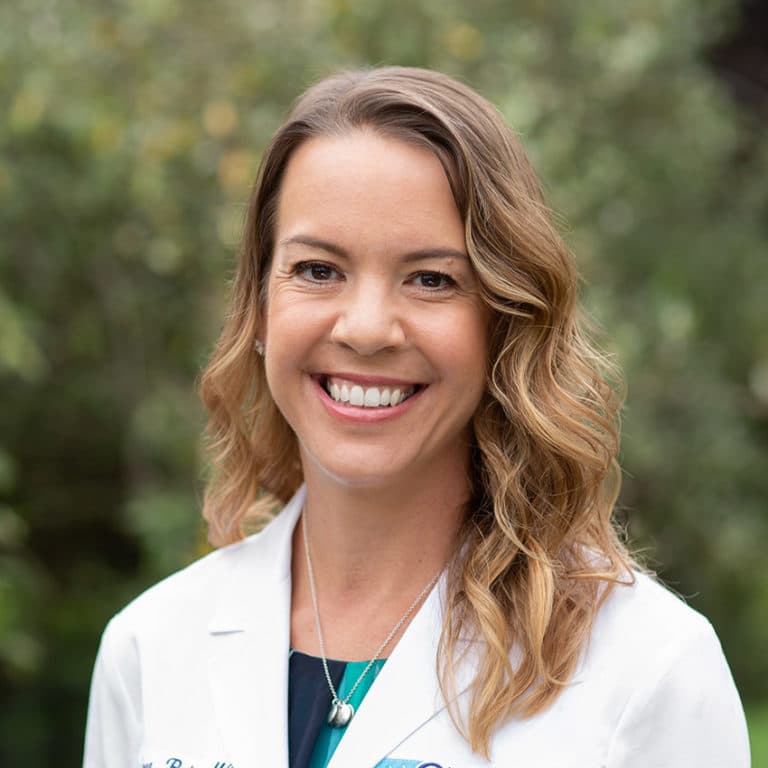
dr. kendall-rauchfuss orlando fertility physician
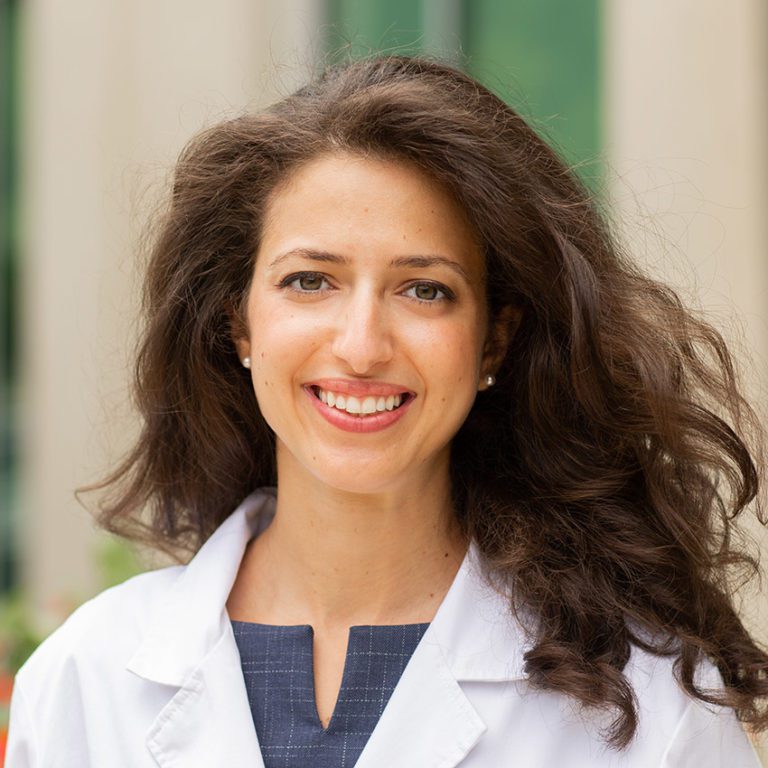
Medical contribution by Lauren Kendall-Rauchfuss, M.D.

Lauren Kendall-Rauchfuss, M.D., FACOG, completed her residency in Obstetrics and Gynecology at the prestigious Mayo Clinic in Rochester, Minnesota, where she also completed her fellowship in Reproductive Endocrinology and Infertility. Dr. Kendall-Rauchfuss brings her expertise, warmth, and dedication to SGF Orlando, where she is eager to help patients achieve their dreams of building a family. 

Editor’s note: This article was originally published in May 2018 and has been updated as of October 2025.
Filed Under: Diagnosing Infertility Tagged With: Dr. Lauren Kendall-Rauchfuss, Polycystic ovary syndrome (PCOS)

April 28, 2025 by Shady Grove Fertility

Anticipating your first fertility consult can bring a mix of emotions—anxiety, hope, and excitement. Preparing a list of questions in advance can help you feel more confident and make the most of your appointment. Remember, no question is too small. After your initial fertility consult and diagnostic testing, your physician will develop a personalized treatment plan designed to meet your specific needs.

Here are some common questions patients ask during their first fertility consult:

Why haven’t we been able to conceive?

At your fertility consult, your physician will start identifying possible causes of infertility based on your medical history, prior testing, and any recommended diagnostic evaluations. Common causes include:

  • Advanced maternal age (impacting egg quantity and quality)
  • Endometriosis or fibroids affecting reproductive anatomy
  • Ovulatory disorders, including PCOS or thyroid dysfunction
  • Male factor infertility (issues with sperm count, motility, or structure)
  • Tubal disease (blocked or damaged fallopian tubes)
  • Unexplained infertility (when no clear cause is found)

What tests will we need?

Following your consult, you will schedule diagnostic testing, which will provide valuable insights for your physician to create your personalized treatment plan. Testing typically includes:

For women:

  • Ovarian reserve assessment (AMH levels, FSH, pelvic ultrasound)
  • Tubal and uterine evaluation (HSG, saline sonogram, hysteroscopy)

For men:

  • Semen analysis to assess sperm count, movement, and shape

For both partners:

  • Infectious disease and genetic screening to identify any risks to future offspring

What treatment do you recommend first?

At Shady Grove Fertility, we believe in a stepped approach to care. Most patients begin with less invasive treatments such as timed intercourse, ovulation induction, or intrauterine insemination (IUI). More advanced options, like in vitro fertilization (IVF), are recommended based on diagnosis, age, or prior treatment outcomes.

Are there side effects with fertility medications?

Mild side effects like bloating, pelvic discomfort, and breast tenderness are common with fertility medications. These symptoms are similar to premenstrual symptoms. Your care team will review all potential side effects before treatment begins.

What is the risk of twins or multiples?

While fertility treatments can increase the chance of multiples, Shady Grove Fertility strongly supports elective single embryo transfer (eSET) during IVF to reduce this risk. For IUI patients taking ovulation medications like Clomid, the chance of a multiple pregnancy is about 10%.

Are there long-term risks with fertility treatments?

Assisted reproductive technologies have been used safely for many decades. Current research shows no evidence that fertility treatments negatively affect a woman’s future health, fertility, or age at menopause.

What are your success rates?

Shady Grove Fertility’s success rates are published annually by the Society for Assisted Reproductive Technologies (SART) and the Centers for Disease Control and Prevention (CDC), providing reliable and transparent outcome data.

Can I complete all testing and procedures at your offices?

Most bloodwork, ultrasounds, and monitoring can be done at any Shady Grove Fertility location. IVF procedures and embryology services are available at select IVF centers.

Who can I contact with questions?

You will have a designated nurse as your primary point of contact throughout your treatment. Physicians are also readily available for support. We offer a weekend and holiday nurse line to ensure urgent questions are answered 24/7.

Preparing for your fertility consult

Bring any medical records, test results, and completed forms to your first visit. Your consult is the first step toward understanding your options and building a personalized path to parenthood—with a supportive care team by your side.

We look forward to meeting you!

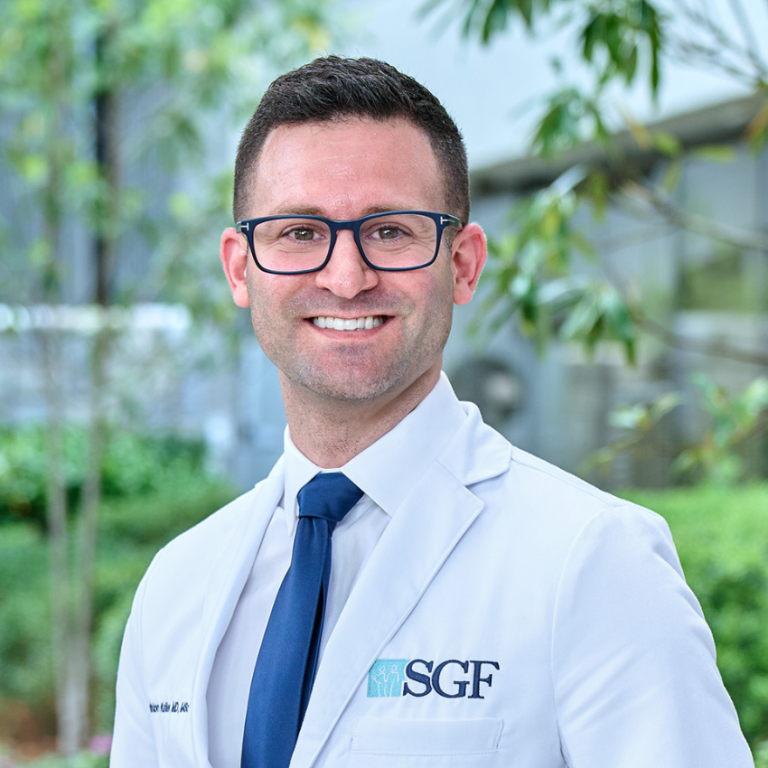
Medical contribution by Quinton Katler, M.D., M.Sc. 

Quinton Katler, M.D., M.Sc., FACOG, is board certified in Obstetrics and Gynecology (OB/GYN) and Reproductive Endocrinology and Infertility (REI). Dr. Katler received his medical degree from the American Medical Program at Tel Aviv University in Tel Aviv, Israel. He then completed his residency in OB/GYN at The George Washington University in Washington, D.C. From there, Dr. Katler trained in REI at Emory University in Atlanta, Georgia. During this time, he was recognized for his excellence in both clinical and laboratory research. He currently serves as SGF Atlanta’s Lab Director. 

Filed Under: Diagnosing Infertility Tagged With: Causes of infertility

March 6, 2025 by Shady Grove Fertility

At Shady Grove Fertility, we understand that calling to schedule your first appointment can be stressful, which is why we have a dedicated team to take your call and ensure we answer all your questions.  

Scheduling your first fertility appointment 

Our New Patient Center is here to help you get started with your fertility journey. When you speak with a New Patient Center liaison, they can provide you with information on financial programs, treatment options, and what to expect at your first fertility appointment, ensuring you feel prepared and confident. Many of our team members have been SGF patients themselves and deeply understand the fertility journey. 

When you call to schedule, there are a few details you’ll want to have on-hand: 

  • your insurance card
  • your partner’s demographic information, if applicable
  • your fertility history
  • how you were referred to SGF

When you schedule your fertility appointment, you will have the option to select: 

  • Preference of in-office or virtual consultation 
  • Preferred location – SGF has over 50 locations to choose from
  • Your physician — this is the doctor who will guide you throughout your fertility journey  

Preparing for your fertility appointment

Once your appointment is scheduled, you’ll receive a secure text and email from Phreesia, our HIPAA-compliant patient intake system. Through Phreesia, you’ll need to complete a few items prior to being seen for your appointment. 

  • Complete your new patient forms
  • Upload a photo of your insurance card and driver’s license
  • Provide any relevant medical records
  • Include a payment method on file

Completing this paperwork at least three business days before your appointment allows your care team to review your history in advance. 

If you have previous fertility or reproductive health records, please upload them to your patient portal or fax them to your chosen SGF office. 

What to expect at your first fertility specialist appointment

Your initial fertility consultation is a comprehensive evaluation that typically lasts 45 to 90 minutes. During this visit, you’ll meet with your physician to discuss your medical history, fertility goals, and next steps. Your doctor will explain the recommended fertility testing, and after the appointment, your Care Coordinator will help schedule any necessary diagnostic tests 

“The first fertility appointment is an opportunity for an open conversation about your family-building goals,” shares Dr. Selma Amrane, who sees patients at SGF’s K Street, Washington, D.C., location. “It’s normal to feel nervous, but our team is here to provide compassionate, patient-centered care that puts you at ease.”  

For patients interested in egg freezing, diagnostic testing may need to be completed before the consultation. 

After your fertility appointment

A few days following your visit, your dedicated Financial Educator will provide personalized financial and insurance information through your SGF patient portal.  

Ready to take the next step?

If you’re ready to move forward with fertility care, we’re here to support you. Call our New Patient Center at 888-761-1967 or fill out our brief form to schedule your first appointment and start your journey toward parenthood with confidence.

Schedule Appointment
Medical contribution by Selma Amrane, M.D.

Selma Amrane, M.D., is board certified in obstetrics and gynecology and reproductive endocrinology and infertility. She specializes in the diagnosis and treatment of infertility, including gynecologic endocrine issues, such as polycystic ovary syndrome, as well as male factor infertility and infertility resulting from endometriosis. Dr. Amrane see patients at SGF’s Washington, DC – K Street office.

Filed Under: Diagnosing Infertility

March 19, 2024 by Shady Grove Fertility

Getting pregnant with endometriosis is possible for most women. While endometriosis may make it harder to conceive on your own, your chances of getting pregnant with endometriosis can be high, depending on the severity of your condition, age, overall health, and treatment options.

Symptoms and conditions play a key role in diagnosing endometriosis, but when it comes to mapping out your treatment plan, a specialist will consider two important questions:

  • Are you experiencing pain from endometriosis?
  • Are you trying to conceive?

While surgery can be helpful in alleviating pain, we have to be careful not to continue to operate every time a cyst develops, because, with each excision to the ovary, we may be also losing healthy eggs. Also, we have learned now that additional surgery does not increase the chances of pregnancy after IVF.

Since endometriosis can take many forms, and the success rates of treatments vary, your doctor will outline your best treatment options with an individual plan for you.

I have pain, and I’m trying to get pregnant

In this situation, we recommend seeing a fertility specialist. As women age, treatment options tend to narrow and chances of pregnancy decline, so even if your endometriosis is mild — we suggest seeking help sooner rather than later.  With proper counseling and care, the chances of getting pregnant with endometriosis are good for most women.

The first step prior to treatment is to complete a full infertility work-up. With this testing, we can identify any other potential fertility challenges.

If you are trying to get pregnant, you may need to stop taking some hormonal medications that manage pain, such as oral contraceptive pills.  When trying to conceive, one option to treat pain from endometriosis is with surgery.   Endometriosis surgery, which is often done laparoscopically, is an effective way to alleviate pain. However, depending on the extent and location of your endometriosis, surgery may negatively affect your ovarian reserve.

Seeking advice from a fertility specialist prior to undergoing surgery can help maximize the chances of pregnancy after surgery.  By identifying all of the factors that can impact your fertility upfront, you can have a proactive plan that utilizes your time and efforts most efficiently.  Following surgery, fertility treatment is a common way to expedite pregnancy, with medication like clomiphene citrate (Clomid or Serophene) and/or intrauterine insemination (IUI), or in some cases, in vitro fertilization (IVF).

 The good news is that once a woman is pregnant, her pain from her endometriosis usually subsides during the pregnancy itself.

I have no pain, and I’m trying to get pregnant

Some women only have infertility as a consequence of endometriosis and otherwise do not have any pain at all.  While it may seem counterintuitive, the stage of endometriosis does not always correlate to the degree of pain women experience.

For these women, the benefit of surgery is less clear, but fertility treatment can be very helpful. This could be either medication to stimulate the ovaries combined with an intrauterine insemination (IUI) or in vitro fertilization (IVF).

I have pain, but I’m not trying to get pregnant yet

Two of the most common ways to treat endometriosis are with medications or surgery.

If you’re not trying to get pregnant yet, your gynecologist can prescribe a variety of hormonal medications that can help alleviate endometriosis pain. If medications are unsuccessful, you may want to consider having laparoscopic surgery. A laparoscopy is an outpatient surgical procedure in which your doctor uses a narrow fiber-optic telescope inserted through an incision near your navel to look for and remove scar tissue consistent with endometriosis.  

We recommend pursuing surgery in the hands of a gynecologist who is experienced in endometriosis and laparoscopic surgery in general. While laparoscopy can help reduce the pain from endometriosis, it can also negatively affect your ovarian reserve.  While not typically recommended, in certain select cases, surgery for endometriosis may also help make future egg retrievals easier.  

Depending on the type and extent of surgery planned, freezing eggs beforehand may be a good strategy to preserve your current fertility for future family-building options.  With egg freezing, a woman’s eggs are retrieved, frozen, and stored in our lab until a woman is ready to conceive.  Frozen eggs can serve as woman’s “backup” in the event of future infertility, literally freezing her potential for pregnancy in time. 

Over time, your egg count will decrease, and endometriosis often worsens. Many patients are now choosing to proactively freeze their eggs in the event that their endometriosis threatens their future fertility, regardless of whether they are facing imminent surgery. This is a conversation to have with a fertility specialist who can best guide you in your decision-making process.

Take control of your endometriosis

Watching our Getting Pregnant with Endometriosis on-demand webinar to learn more about the causes and symptoms of endometriosis and the fertility treatment option available to help you conceive. With proper counseling and care, the chances of getting pregnant with endometriosis are high for most women.

Whether you’re actively trying to get pregnant, or simply looking to manage your endometriosis pain and have children in the future, a fertility specialist can support your goals with a treatment plan tailored especially for you.

Whether you’re actively trying to get pregnant, or simply looking to manage your endometriosis pain and have children in the future, a fertility specialist can support your goals with a treatment plan tailored especially for you.

Medical contribution by Andrea E. Reh, M.D.

Andrea Reh, M.D., FACOG, is board certified in obstetrics and gynecology as well as reproductive endocrinology and infertility. She was named as one of the Washingtonian’s Top Doctors (2019 – 2021), Top Doctors in Northern Virginia Magazine in 2020 and Top Doctors in Arlington Magazine in 2021. Dr. Reh sees SGF patients at the Arlington, Virginia office.

Schedule Appointment

Editor’s Note: This post was originally published in March 2016 and has been updated for accuracy and comprehensiveness as of February 2023.
 

Filed Under: Diagnosing Infertility Tagged With: Causes of infertility, Endometriosis

February 15, 2024 by Shady Grove Fertility

Fibroids are usually noncancerous, smooth muscle tumors, primarily found in or around the uterus. They are extremely common, and by the age of 50 over 70% of women have them. They are even more common in Black women, with estimates that 8 in 10 Black women may be affected by uterine fibroids.  

“There is often confusion about the differences between ovarian cysts and fibroids,” shares Dr. Janet Bruno-Gaston, an SGF Houston fertility specialist. “It’s important to know that fibroids are usually noncancerous masses in or on the uterine wall, while ovarian cysts are fluid-filled sacs that develop within the ovary.”  

What causes fibroids?  

While the cause of uterine fibroids remains unknown, researchers believe their development is multi-factorial.  A genetic mutation in a single smooth muscle cell can lead to the development of these tumors, while exposure to estrogen and progesterone throughout a woman’s reproductive life can facilitate their growth. Due to the lack of hormonal exposure, fibroids often shrink during menopause, helping alleviate most of the associated clinical symptoms.  

What are symptoms of fibroids?  

Symptoms from uterine fibroids can vary widely depending on the number, size, and location of the fibroids. If the fibroids are small, you may not have any symptoms at all. In fact, you may not know that you have fibroids until you go through fertility testing. Common symptoms indicating fibroids include: 

  • Abnormal or excessive bleeding, especially during periods 
  • Pelvic pressure or pain  
  • Constipation or urinary frequency based on mass effect and position of fibroids on bowel or bladder 

“Some fibroids may not result in any symptoms, however, there may be abnormal uterine bleeding when there are fibroids located near the lining of the uterus,” shares Dr. Bruno-Gaston. “Other women may experience cramping and pelvic pain with sexual intercourse.”  

Large fibroids positioned around your bladder or bowel can cause pelvic pressure resulting in urinary frequency and urgency or changes in bowel habits. 

How are fibroids identified? 

Fibroids can be identified on clinical exam or pelvic imaging. Your provider may suspect uterine fibroids based on the clinical symptoms you are experiencing. On the pelvic exam, your physician can assess the shape and size of your uterus and that may be adequate to make the diagnosis. Pelvic imaging may be used to confirm the diagnosis and better characterize the size and location of the fibroids. Your physician may perform a pelvic ultrasound, hysterosonogram, or hysterosalpingogram to identify the fibroids. These techniques use a variety of methods to help your physician learn more about your symptoms and the impact of your fibroids.  

How do fibroids affect fertility?  

Fibroids can impact fertility in many ways. Fibroids can directly distort the uterine cavity, leading to changes in endometrial development and receptivity. They can also block the fallopian tubes and restrict sperm access to the egg after ovulation. Additionally, fibroids can disrupt normal blood flow throughout the uterus and trigger the immune system leading to local inflammation. These changes can decrease the chance of fertilization, implantation, and successful early pregnancy development.   

How are fibroids managed?  

Fibroids can be managed with medications, surgery, or a combination of both. When deciding the best treatment approach, your provider will consider the severity of your clinical symptoms, fibroid size or location, and your desire for future family planning. Medical management may involve oral pills or injections to stabilize your uterine lining or decrease the size or growth of your fibroids. For large fibroids or those directly impacting the uterine cavity, surgery may offer better outcomes. Your physician may take a vaginal approach with hysteroscopy, where a telescope-like device is advanced through the vagina into your uterine cavity. For larger fibroids in the wall or outside of the uterus, an abdominal approach with laparoscopy or laparotomy may be recommended. There is also emerging evidence for interventional radiology techniques including uterine fibroid embolization or high-intensity focused ultrasound to interrupt blood flow or ablate fibroids. Patients interested in future childbearing should consult a fertility specialist to review these options carefully to help determine the next best steps for managing their fibroids.   

To schedule a New Patient Appointment with Shady Grove Fertility please call 1-877-971-7755 or click here. 

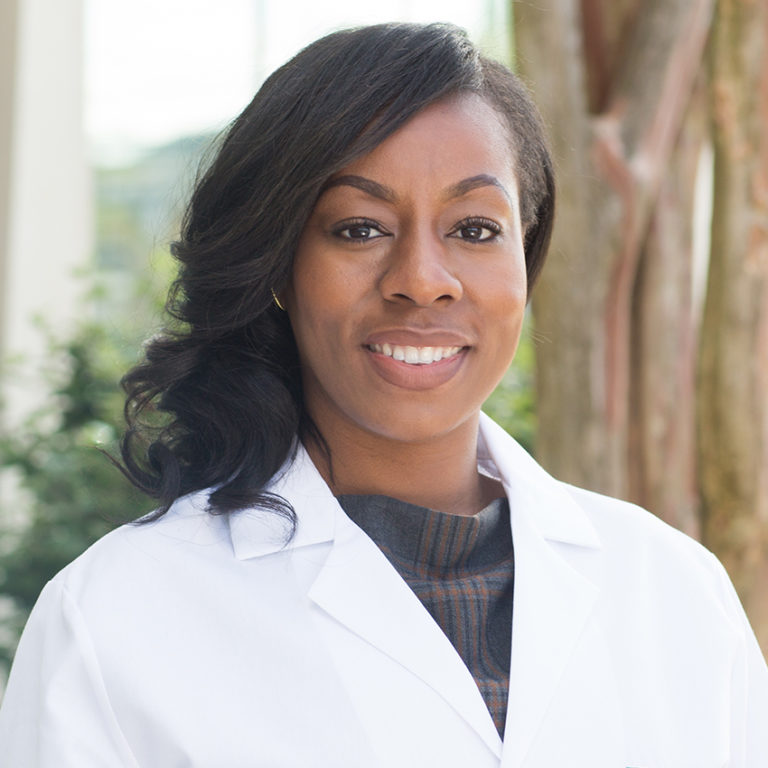
Medical contribution by Janet Bruno-Gaston, M.D., MSCI

Janet Bruno-Gaston, M.D., MSCI, is board certified in obstetrics and gynecology and in reproductive endocrinology and infertility (REI). Dr. Bruno-Gaston received her medical degree from Morehouse School of Medicine, where she was recognized as a Community Health Honors Scholar for her work with health care disparities.  

Schedule an Appointment

Filed Under: Diagnosing Infertility Tagged With: Fibroids

January 23, 2024 by Shady Grove Fertility

The thyroid gland is an endocrine gland in the front of the neck that produces thyroid hormones to regulate the body’s metabolism. Through the hormones it produces, the thyroid gland influences almost all the metabolic processes in your body.  

“The relationship between the thyroid and infertility is impacted if your hormones become imbalanced,” shares Dr. Jessica Selter, an SGF physician who cares for patients in our K Street, Washington, D.C., location. “This can have a negative impact on reproductive health, making it difficult to achieve a pregnancy.”  

3 ways the thyroid affects fertility 

1). Hyperthyroidism and hypothyroidism

If you have hyperthyroidism (overactive thyroid), the thyroid gland produces too many hormones. If you have hypothyroidism (underactive thyroid), the thyroid doesn’t produce enough hormones. In both situations, researchers have found a direct correlation with these hormone imbalances and infertility. 

2). Low levels of a thyroid hormone

Inadequate levels of a thyroid hormone can prevent ovulation or an egg from being released for fertilization. If there is not an egg present, conception cannot occur. 

Aside from having difficulty conceiving, an underactive thyroid can pose challenges for carrying a pregnancy to full term. Women with hypothyroidism are more susceptible to miscarriages compared to women with normal hormone levels.

3). General thyroid disorders

In some cases, thyroid disorders can be overlooked especially in patients with a diagnosis of unexplained Infertility. It’s important for physicians to ask the right questions and conduct appropriate tests to see if thyroid disease could be a contributing factor.  

“At Shady Grove Fertility, as part of a patient’s initial workup, we perform a series of hormonal testing to determine any causes for a person’s infertility,” shares Dr. Selter. “Our physicians perform these tests because hormones control every step of achieving a pregnancy. Based on the results, our physicians then determine an appropriate treatment plan for your individual needs.”  

When to Seek Help

It is recommended to seek a full thyroid evaluation if you have experienced: 

  • Inability to conceive after 1 year if you are less than 35, and 6 months if 35 or older
  • Two or more miscarriages
  • Irregular menstrual cycles
  • Family history of thyroid disorders

There are other reasons why a person might have infertility that might not be attributed to thyroid disease. However, if symptoms of hypothyroidism or hyperthyroidism are present, we recommend a thyroid screening. 

Once underlying thyroid issues are treated, generally with medication, and hormones return to adequate levels, a women’s fertility may be restored. If this is not the case, it’s important to seek help from a reproductive endocrinologist to see if there are any other underlying factors as to why pregnancy has not occurred. 

For more questions about the relationship between thyroid and infertility, or to schedule an appointment, please speak with one of our New Patient Liaisons at 1-877-971-7755.  

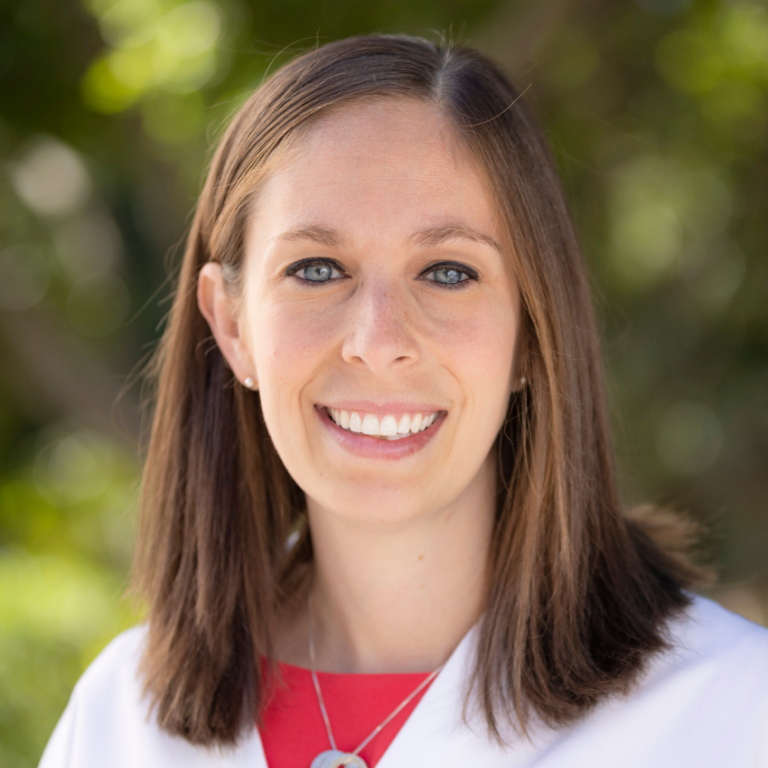
Medical contribution by Jessica Selter, M.D. 

Jessica Selter, M.D. earned her undergraduate degree from Duke University in Durham, North Carolina as a Neuroscience major. She then became a researcher at the National Institutes of Health in Bethesda, Maryland before earning her medical degree with distinction from the Johns Hopkins University School of Medicine in Baltimore, Maryland.

Schedule Appointment

Editor’s note: This article was originally published in March 2016, and has been updated for accuracy and comprehensiveness as of January 2024.

Filed Under: Diagnosing Infertility Tagged With: Causes of infertility

  • Page 1
  • Page 2
  • Page 3
  • Interim pages omitted …
  • Page 21
  • Go to Next Page »

Company

  • About SGF
  • About US Fertility
  • Our Doctors
  • Fertility Equity
  • Careers
  • Newsroom
  • SGF College Scholarship
  • Contact Us
  • Voice Your Feedback

Treatments

  • Egg Freezing
  • Intrauterine Insemination (IUI)
  • In Vitro Fertilization (IVF)
  • Frozen Embryo Transfer (FET)
  • LGBTQIA+ Family Building
  • Shared Risk 100% Refund Program
  • All Treatments

Resources

  • Patient Portal
  • Online Bill Pay
  • Library
  • Support Groups & Events

Locations

  • California
  • Colorado
  • Delaware
  • Florida
  • Georgia
  • Maryland
  • North Carolina
  • Pennsylvania
  • Texas
  • Virginia
  • Washington, D.C.

2026 Shady Grove Fertility

  • Policies & Notices
Also of interest
  • In Vitro Fertilization IVF
  • Fertility Tests
  • Research Publications