• Skip to primary navigation
  • Skip to main content
  • Skip to footer
Shady Grove Fertility
  • Become an Egg Donor
  • Referring Physicians
  • 1-888-761-1967
  • Schedule Appointment
  • Get Started
        • Get Started
          • Causes of Infertility
          • Fertility Tests
          • When to Seek Help
          • Find a Doctor
          • Preconception and prenatal vitamins 
          • Schedule an Appointment
        • Personalized Care For
          • Single Parents
          • LGBTQIA+ Family Building
          • People with Cancer
          • Known Genetic Diseases
          • Egg Donors
  • Treatments
        • Fertility
          • Timed Intercourse
          • Ovulation Induction
          • Intrauterine Insemination (IUI)
          • In Vitro Fertilization (IVF)
          • Frozen Embryo Transfer (FET)
        • Donation & Surrogacy
          • Donor Sperm
          • Donor Egg
          • Donor Embryo
          • Gestational Carrier
          • LGBTQIA+ Family Building
          • Single Parents
          • Find a Donor
        • More Treatments
          • Center for Male Fertility
          • Egg Freezing
          • OncoFertility
          • Preimplantation Genetic Testing
          • MIGS
          • All Fertility Treatments
  • Resources
    • Resource Library
    • Events Calendar
    • Patient Stories
    • Mental Health
    • Wellness Center
  • Insurance & Savings
    • Insurance & Benefits
    • Shared Risk 100% Refund Program
    • 100% Refund for Donor Egg
    • Discounts
    • Egg Freezing Costs
    • Financing & Grants
    • Clinical Trials
  • About
    • Find a Doctor
    • About SGF
    • Our Care Team
    • Advanced Practice Providers
    • Fertility Equity
    • Philanthropy
    • Newsroom
    • Careers
    • Contact Us
    • Voice Your Feedback
  • Locations
        • Find a Location
        • California
        • Colorado
        • Delaware
        • Florida
        • Georgia
        • Maryland
        • North Carolina
        • Pennsylvania
        • Texas
        • Virginia
        • Washington, D.C.
        • Chile
        • International & Out of State
        • SGF at Walter Reed National Military Medical Center
  • Patient Hub
    • Online Bill Pay
    • Patient Forms
    • Patient Portal
  • Call your care team
  • Become an egg donor
  • Referring physicians
  • search-icon
  • Schedule appointment 1-888-761-1967

Home / Causes of infertility

Causes of infertility

February 10, 2026 by Andrea Mathis

July 15 @ 6:00 pm – 7:00 pm

If you’re thinking about your egg freezing options, our free in-person event at SGF’s K Street office is the perfect opportunity to learn, ask questions, and take the first step with confidence. Led by Dr. Jessica Selter, this interactive session will cover the basics of the egg freezing process, success rates and financial options.

What you’ll gain from this event: 

✔️ An overview of SGF’s Egg Freezing program

✔️ A step-by-step look at your first consultation – what to expect and how to determine if egg freezing is right for you

✔️ Success rates associated with egg freezing

✔️ Exclusive financial programs, like our Shared Risk 100% Refund Program for returning egg freezing patients

Exclusive Bonus: Attendees will receive a complimentary physician consultation*, which can be scheduled during the event.

Seats are limited—secure yours today and take the first step toward growing your family with confidence.

*Exclusions may apply for current SGF patients. Complimentary consultation available for seminar attendees. If patient has insurance coverage for consultation, insurance will be billed. Any out-of-pocket or co-pay expenses for consult will be waived.
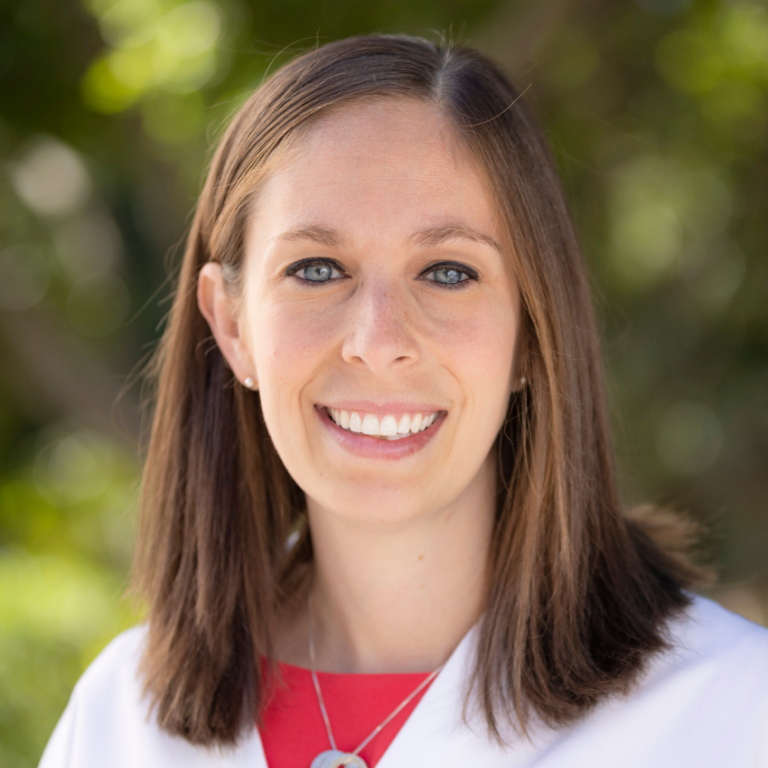
Medical contribution by Jessica Selter, M.D. 

Jessica Selter, M.D. earned her undergraduate degree from Duke University in Durham, North Carolina as a Neuroscience major. She then became a researcher at the National Institutes of Health in Bethesda, Maryland before earning her medical degree with distinction from the Johns Hopkins University School of Medicine in Baltimore, Maryland.
Filed Under: Get Started Tagged With: Causes of infertility, Getting started

April 28, 2025 by Shady Grove Fertility

Anticipating your first fertility consult can bring a mix of emotions—anxiety, hope, and excitement. Preparing a list of questions in advance can help you feel more confident and make the most of your appointment. Remember, no question is too small. After your initial fertility consult and diagnostic testing, your physician will develop a personalized treatment plan designed to meet your specific needs.

Here are some common questions patients ask during their first fertility consult:

Why haven’t we been able to conceive?

At your fertility consult, your physician will start identifying possible causes of infertility based on your medical history, prior testing, and any recommended diagnostic evaluations. Common causes include:

  • Advanced maternal age (impacting egg quantity and quality)
  • Endometriosis or fibroids affecting reproductive anatomy
  • Ovulatory disorders, including PCOS or thyroid dysfunction
  • Male factor infertility (issues with sperm count, motility, or structure)
  • Tubal disease (blocked or damaged fallopian tubes)
  • Unexplained infertility (when no clear cause is found)

What tests will we need?

Following your consult, you will schedule diagnostic testing, which will provide valuable insights for your physician to create your personalized treatment plan. Testing typically includes:

For women:

  • Ovarian reserve assessment (AMH levels, FSH, pelvic ultrasound)
  • Tubal and uterine evaluation (HSG, saline sonogram, hysteroscopy)

For men:

  • Semen analysis to assess sperm count, movement, and shape

For both partners:

  • Infectious disease and genetic screening to identify any risks to future offspring

What treatment do you recommend first?

At Shady Grove Fertility, we believe in a stepped approach to care. Most patients begin with less invasive treatments such as timed intercourse, ovulation induction, or intrauterine insemination (IUI). More advanced options, like in vitro fertilization (IVF), are recommended based on diagnosis, age, or prior treatment outcomes.

Are there side effects with fertility medications?

Mild side effects like bloating, pelvic discomfort, and breast tenderness are common with fertility medications. These symptoms are similar to premenstrual symptoms. Your care team will review all potential side effects before treatment begins.

What is the risk of twins or multiples?

While fertility treatments can increase the chance of multiples, Shady Grove Fertility strongly supports elective single embryo transfer (eSET) during IVF to reduce this risk. For IUI patients taking ovulation medications like Clomid, the chance of a multiple pregnancy is about 10%.

Are there long-term risks with fertility treatments?

Assisted reproductive technologies have been used safely for many decades. Current research shows no evidence that fertility treatments negatively affect a woman’s future health, fertility, or age at menopause.

What are your success rates?

Shady Grove Fertility’s success rates are published annually by the Society for Assisted Reproductive Technologies (SART) and the Centers for Disease Control and Prevention (CDC), providing reliable and transparent outcome data.

Can I complete all testing and procedures at your offices?

Most bloodwork, ultrasounds, and monitoring can be done at any Shady Grove Fertility location. IVF procedures and embryology services are available at select IVF centers.

Who can I contact with questions?

You will have a designated nurse as your primary point of contact throughout your treatment. Physicians are also readily available for support. We offer a weekend and holiday nurse line to ensure urgent questions are answered 24/7.

Preparing for your fertility consult

Bring any medical records, test results, and completed forms to your first visit. Your consult is the first step toward understanding your options and building a personalized path to parenthood—with a supportive care team by your side.

We look forward to meeting you!

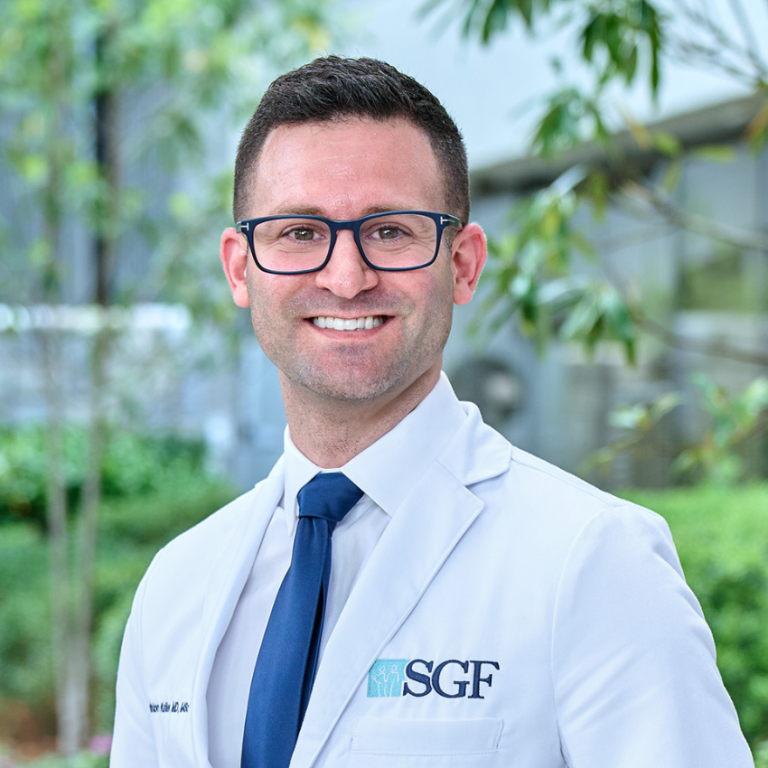
Medical contribution by Quinton Katler, M.D., M.Sc. 

Quinton Katler, M.D., M.Sc., FACOG, is board certified in Obstetrics and Gynecology (OB/GYN) and Reproductive Endocrinology and Infertility (REI). Dr. Katler received his medical degree from the American Medical Program at Tel Aviv University in Tel Aviv, Israel. He then completed his residency in OB/GYN at The George Washington University in Washington, D.C. From there, Dr. Katler trained in REI at Emory University in Atlanta, Georgia. During this time, he was recognized for his excellence in both clinical and laboratory research. He currently serves as SGF Atlanta’s Lab Director. 

Filed Under: Diagnosing Infertility Tagged With: Causes of infertility

January 15, 2025 by Jacqui Behler

May 20, 2025 @ 12:00 pm – 1:00 pm

Many women are unaware of what’s normal and what’s not when it comes to their period. A woman’s menstrual cycle can provide valuable insight to her fertility and overall ability to conceive. Most women with an irregular, heavy, painful, or nonexistent period should not wait to see a fertility specialist. Determining if your period is normal or not can be a very informative part of determining if you should see a fertility specialist.

Join Dr. Valerie Libby for our live webinar event to learn more. Dr. Libby will review the basics of menstruation and ovulation, irregular vs. normal cycles, and who should not wait to seek help from a fertility specialist.

Following the presentation, Dr. Libby will host a live question and answer session with viewers.

Can’t attend? Register anyway! We’ll send you a link to view the recorded event + Q&A.

Medical contribution by Valerie Libby, M.D., MPH

Valerie Libby, M.D., MPH, FACOG, earned her medical degree from the University of Texas Health Science Center at San Antonio. She graduated from the University of Texas at Austin Honors Program studying Psychology and Spanish. She then earned a Masters in Global Public Health from George Washington University where she served as a fellow in Kenya for the Global Health Service.

Filed Under: Get Started Tagged With: Causes of infertility, Getting started, Menstrual cycle, Trying to conceive

March 19, 2024 by Shady Grove Fertility

Getting pregnant with endometriosis is possible for most women. While endometriosis may make it harder to conceive on your own, your chances of getting pregnant with endometriosis can be high, depending on the severity of your condition, age, overall health, and treatment options.

Symptoms and conditions play a key role in diagnosing endometriosis, but when it comes to mapping out your treatment plan, a specialist will consider two important questions:

  • Are you experiencing pain from endometriosis?
  • Are you trying to conceive?

While surgery can be helpful in alleviating pain, we have to be careful not to continue to operate every time a cyst develops, because, with each excision to the ovary, we may be also losing healthy eggs. Also, we have learned now that additional surgery does not increase the chances of pregnancy after IVF.

Since endometriosis can take many forms, and the success rates of treatments vary, your doctor will outline your best treatment options with an individual plan for you.

I have pain, and I’m trying to get pregnant

In this situation, we recommend seeing a fertility specialist. As women age, treatment options tend to narrow and chances of pregnancy decline, so even if your endometriosis is mild — we suggest seeking help sooner rather than later.  With proper counseling and care, the chances of getting pregnant with endometriosis are good for most women.

The first step prior to treatment is to complete a full infertility work-up. With this testing, we can identify any other potential fertility challenges.

If you are trying to get pregnant, you may need to stop taking some hormonal medications that manage pain, such as oral contraceptive pills.  When trying to conceive, one option to treat pain from endometriosis is with surgery.   Endometriosis surgery, which is often done laparoscopically, is an effective way to alleviate pain. However, depending on the extent and location of your endometriosis, surgery may negatively affect your ovarian reserve.

Seeking advice from a fertility specialist prior to undergoing surgery can help maximize the chances of pregnancy after surgery.  By identifying all of the factors that can impact your fertility upfront, you can have a proactive plan that utilizes your time and efforts most efficiently.  Following surgery, fertility treatment is a common way to expedite pregnancy, with medication like clomiphene citrate (Clomid or Serophene) and/or intrauterine insemination (IUI), or in some cases, in vitro fertilization (IVF).

 The good news is that once a woman is pregnant, her pain from her endometriosis usually subsides during the pregnancy itself.

I have no pain, and I’m trying to get pregnant

Some women only have infertility as a consequence of endometriosis and otherwise do not have any pain at all.  While it may seem counterintuitive, the stage of endometriosis does not always correlate to the degree of pain women experience.

For these women, the benefit of surgery is less clear, but fertility treatment can be very helpful. This could be either medication to stimulate the ovaries combined with an intrauterine insemination (IUI) or in vitro fertilization (IVF).

I have pain, but I’m not trying to get pregnant yet

Two of the most common ways to treat endometriosis are with medications or surgery.

If you’re not trying to get pregnant yet, your gynecologist can prescribe a variety of hormonal medications that can help alleviate endometriosis pain. If medications are unsuccessful, you may want to consider having laparoscopic surgery. A laparoscopy is an outpatient surgical procedure in which your doctor uses a narrow fiber-optic telescope inserted through an incision near your navel to look for and remove scar tissue consistent with endometriosis.  

We recommend pursuing surgery in the hands of a gynecologist who is experienced in endometriosis and laparoscopic surgery in general. While laparoscopy can help reduce the pain from endometriosis, it can also negatively affect your ovarian reserve.  While not typically recommended, in certain select cases, surgery for endometriosis may also help make future egg retrievals easier.  

Depending on the type and extent of surgery planned, freezing eggs beforehand may be a good strategy to preserve your current fertility for future family-building options.  With egg freezing, a woman’s eggs are retrieved, frozen, and stored in our lab until a woman is ready to conceive.  Frozen eggs can serve as woman’s “backup” in the event of future infertility, literally freezing her potential for pregnancy in time. 

Over time, your egg count will decrease, and endometriosis often worsens. Many patients are now choosing to proactively freeze their eggs in the event that their endometriosis threatens their future fertility, regardless of whether they are facing imminent surgery. This is a conversation to have with a fertility specialist who can best guide you in your decision-making process.

Take control of your endometriosis

Watching our Getting Pregnant with Endometriosis on-demand webinar to learn more about the causes and symptoms of endometriosis and the fertility treatment option available to help you conceive. With proper counseling and care, the chances of getting pregnant with endometriosis are high for most women.

Whether you’re actively trying to get pregnant, or simply looking to manage your endometriosis pain and have children in the future, a fertility specialist can support your goals with a treatment plan tailored especially for you.

Whether you’re actively trying to get pregnant, or simply looking to manage your endometriosis pain and have children in the future, a fertility specialist can support your goals with a treatment plan tailored especially for you.

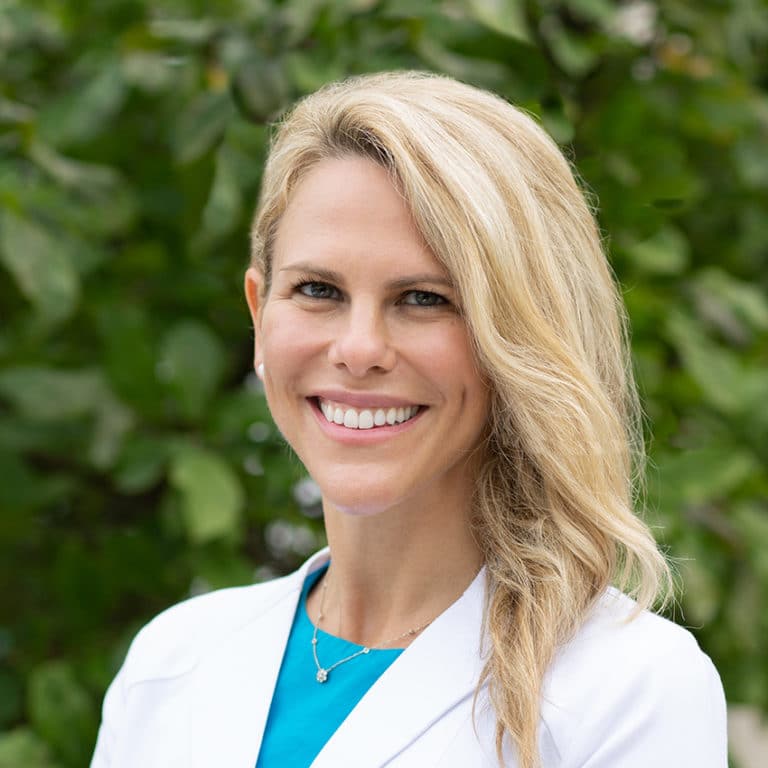
Medical contribution by Andrea E. Reh, M.D.

Andrea Reh, M.D., FACOG, is board certified in obstetrics and gynecology as well as reproductive endocrinology and infertility. She was named as one of the Washingtonian’s Top Doctors (2019 – 2021), Top Doctors in Northern Virginia Magazine in 2020 and Top Doctors in Arlington Magazine in 2021. Dr. Reh sees SGF patients at the Arlington, Virginia office.

Schedule Appointment

Editor’s Note: This post was originally published in March 2016 and has been updated for accuracy and comprehensiveness as of February 2023.
 

Filed Under: Diagnosing Infertility Tagged With: Causes of infertility, Endometriosis

February 27, 2024 by Jacqui Behler

April 25, 2025 @ 12:00 pm – 1:00 pm

Did you know that 40 to 50 percent of all infertility cases are due to male factor infertility? SGF’s Center for Male Fertility offers an integrated care model involving in-house urologists and reproductive endocrinologists to provide comprehensive male and female infertility services.

Male factor infertility can impact your ability to conceive, and reproductive urologist, Dr. Jessica Marinaro, will discuss how to improve conception outcomes for both partners before, during, and after treatment.

Following the presentation, Dr. Marinaro will host a live Q&A session with viewers.

Can’t attend? Register anyway! We will send you a link to the recorded event.

Three key things you’ll learn when you register for our free male fertility webinar:  
  • Causes of male factor infertility
  • What a semen analysis measures and how to improve sperm quality
  • Treatment options for male factor infertility and success rates
Medical contribution by Jessica A. Marinaro, M.D. 

Jessica A. Marinaro, M.D., is a board-certified urologist with sub-specialty expertise in male infertility and microsurgery. Dr. Marinaro graduated with distinction from the University of Virginia in Charlottesville, Virginia, and earned her medical degree from Virginia Commonwealth University in Richmond, Virginia.

What is National Infertility Awareness Week® (NIAW)?
  • NIAW is a yearly initiative founded by RESOLVE: The National Infertility Association to encourage people to act as their own infertility advocates and to educate legislators and the public about the impact of infertility.
  • Visit our events calendar to check out all special events for NIAW – happening April 21 through April 26
  • Shady Grove Fertility is a proud partner of RESOLVE and dedicated to supporting patients coping with infertility

Filed Under: Get Started Tagged With: Causes of infertility, Getting started, Male factor infertility

January 23, 2024 by Shady Grove Fertility

The thyroid gland is an endocrine gland in the front of the neck that produces thyroid hormones to regulate the body’s metabolism. Through the hormones it produces, the thyroid gland influences almost all the metabolic processes in your body.  

“The relationship between the thyroid and infertility is impacted if your hormones become imbalanced,” shares Dr. Jessica Selter, an SGF physician who cares for patients in our K Street, Washington, D.C., location. “This can have a negative impact on reproductive health, making it difficult to achieve a pregnancy.”  

3 ways the thyroid affects fertility 

1). Hyperthyroidism and hypothyroidism

If you have hyperthyroidism (overactive thyroid), the thyroid gland produces too many hormones. If you have hypothyroidism (underactive thyroid), the thyroid doesn’t produce enough hormones. In both situations, researchers have found a direct correlation with these hormone imbalances and infertility. 

2). Low levels of a thyroid hormone

Inadequate levels of a thyroid hormone can prevent ovulation or an egg from being released for fertilization. If there is not an egg present, conception cannot occur. 

Aside from having difficulty conceiving, an underactive thyroid can pose challenges for carrying a pregnancy to full term. Women with hypothyroidism are more susceptible to miscarriages compared to women with normal hormone levels.

3). General thyroid disorders

In some cases, thyroid disorders can be overlooked especially in patients with a diagnosis of unexplained Infertility. It’s important for physicians to ask the right questions and conduct appropriate tests to see if thyroid disease could be a contributing factor.  

“At Shady Grove Fertility, as part of a patient’s initial workup, we perform a series of hormonal testing to determine any causes for a person’s infertility,” shares Dr. Selter. “Our physicians perform these tests because hormones control every step of achieving a pregnancy. Based on the results, our physicians then determine an appropriate treatment plan for your individual needs.”  

When to Seek Help

It is recommended to seek a full thyroid evaluation if you have experienced: 

  • Inability to conceive after 1 year if you are less than 35, and 6 months if 35 or older
  • Two or more miscarriages
  • Irregular menstrual cycles
  • Family history of thyroid disorders

There are other reasons why a person might have infertility that might not be attributed to thyroid disease. However, if symptoms of hypothyroidism or hyperthyroidism are present, we recommend a thyroid screening. 

Once underlying thyroid issues are treated, generally with medication, and hormones return to adequate levels, a women’s fertility may be restored. If this is not the case, it’s important to seek help from a reproductive endocrinologist to see if there are any other underlying factors as to why pregnancy has not occurred. 

For more questions about the relationship between thyroid and infertility, or to schedule an appointment, please speak with one of our New Patient Liaisons at 1-877-971-7755.  

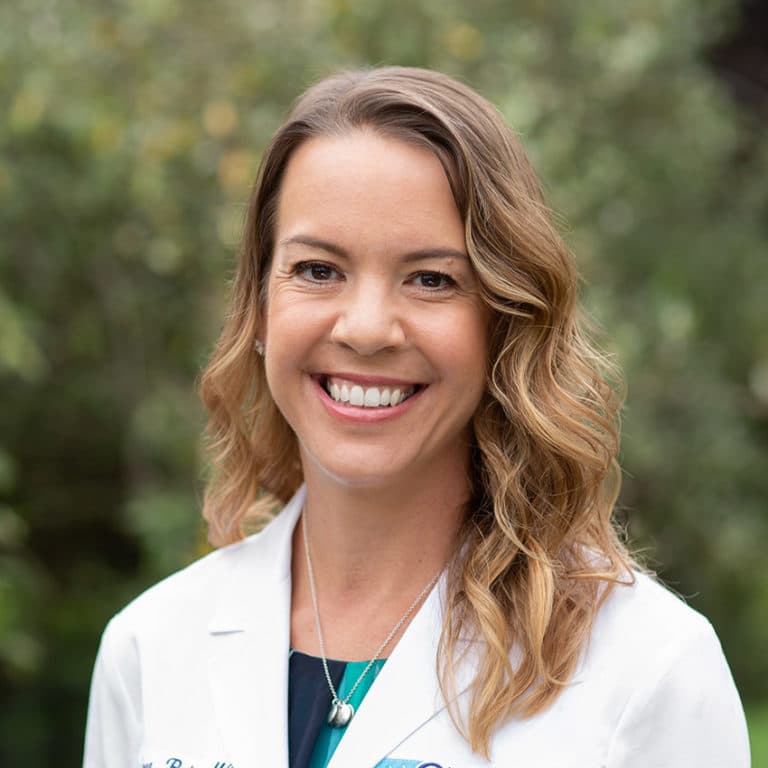
Medical contribution by Jessica Selter, M.D. 

Jessica Selter, M.D. earned her undergraduate degree from Duke University in Durham, North Carolina as a Neuroscience major. She then became a researcher at the National Institutes of Health in Bethesda, Maryland before earning her medical degree with distinction from the Johns Hopkins University School of Medicine in Baltimore, Maryland.
Schedule Appointment

Editor’s note: This article was originally published in March 2016, and has been updated for accuracy and comprehensiveness as of January 2024.

Filed Under: Diagnosing Infertility Tagged With: Causes of infertility

  • Page 1
  • Page 2
  • Page 3
  • Page 4
  • Go to Next Page »

Company

  • About SGF
  • About US Fertility
  • Our Doctors
  • Fertility Equity
  • Careers
  • Newsroom
  • SGF College Scholarship
  • Contact Us
  • Voice Your Feedback

Treatments

  • Egg Freezing
  • Intrauterine Insemination (IUI)
  • In Vitro Fertilization (IVF)
  • Frozen Embryo Transfer (FET)
  • LGBTQIA+ Family Building
  • Shared Risk 100% Refund Program
  • All Treatments

Resources

  • Patient Portal
  • Online Bill Pay
  • Library
  • Support Groups & Events

Locations

  • California
  • Colorado
  • Delaware
  • Florida
  • Georgia
  • Maryland
  • North Carolina
  • Pennsylvania
  • Texas
  • Virginia
  • Washington, D.C.

2026 Shady Grove Fertility

  • Policies & Notices
Also of interest
  • In Vitro Fertilization IVF
  • Fertility Tests
  • Research Publications