• Skip to primary navigation
  • Skip to main content
  • Skip to footer
Shady Grove Fertility
  • Become an Egg Donor
  • Referring Physicians
  • 1-888-761-1967
  • Schedule Appointment
  • Get Started
        • Get Started
          • Causes of Infertility
          • Fertility Tests
          • When to Seek Help
          • Find a Doctor
          • Preconception and prenatal vitamins 
          • Schedule an Appointment
        • Personalized Care For
          • Single Parents
          • LGBTQIA+ Family Building
          • People with Cancer
          • Known Genetic Diseases
          • Egg Donors
  • Treatments
        • Fertility
          • Timed Intercourse
          • Ovulation Induction
          • Intrauterine Insemination (IUI)
          • In Vitro Fertilization (IVF)
          • Frozen Embryo Transfer (FET)
        • Donation & Surrogacy
          • Donor Sperm
          • Donor Egg
          • Donor Embryo
          • Gestational Carrier
          • LGBTQIA+ Family Building
          • Single Parents
          • Find a Donor
        • More Treatments
          • Center for Male Fertility
          • Egg Freezing
          • OncoFertility
          • Preimplantation Genetic Testing
          • MIGS
          • All Fertility Treatments
  • Resources
    • Resource Library
    • Events Calendar
    • Patient Stories
    • Mental Health
    • Wellness Center
  • Insurance & Savings
    • Insurance & Benefits
    • Shared Risk 100% Refund Program
    • 100% Refund for Donor Egg
    • Discounts
    • Egg Freezing Costs
    • Financing & Grants
    • Clinical Trials
  • About
    • Find a Doctor
    • About SGF
    • Our Care Team
    • Advanced Practice Providers
    • Fertility Equity
    • Philanthropy
    • Newsroom
    • Careers
    • Contact Us
    • Voice Your Feedback
  • Locations
        • Find a Location
        • California
        • Colorado
        • Delaware
        • Florida
        • Georgia
        • Maryland
        • North Carolina
        • Pennsylvania
        • Texas
        • Virginia
        • Washington, D.C.
        • Chile
        • International & Out of State
        • SGF at Walter Reed National Military Medical Center
  • Patient Hub
    • Online Bill Pay
    • Patient Forms
    • Patient Portal
  • Call your care team
  • Become an egg donor
  • Referring physicians
  • search-icon
  • Schedule appointment 1-888-761-1967

Home / General / Page 16

General

December 20, 2017 by Shady Grove Fertility

At Shady Grove Fertility’s Wellness Center, I have had the pleasure of helping women throughout their fertility journey and transition to motherhood. Every day, our Wellness Center patients ask me what they can do to increase their chances of having a successful intrauterine insemination (IUI) or in vitro fertilization (IVF) cycle, or what they can do to improve their chances of conception. In almost every case, this turns in to a conversation about Nourishing the Yin.

What Does Acupuncture for Fertility Affect My Likelihood of Getting Pregnant?

In Traditional Chinese Medicine, a primary goal of acupuncture is to help the patient balance the four substances: qi, blood, yin, and yang. Qi and blood are what I often refer to as the first ‘x and y axis,’ where qi is the energetic component of the body, the driving force that moves through the meridian system. Blood represents all the blood and material makeup of the body. Yin and yang are another ‘x and y axis’ that sounds like an easy concept but we can get more specific about that when we are working on fertility. If you are already taking advantage of acupuncture at Shady grove Fertility’s Wellness Center, you most likely have heard a quick mini-lecture on building fluids and nourishing the yin. At the Wellness Center, this is one of the most important things that we will work on with you—using nutrition, yoga, massage, and acupuncture to nourish your yin and help support you in your journey to conception.

The Role of the Yin

Let’s talk about the yin and what it means. Yin is conceptually restfulness, slowness, quietness, and intrinsically feminine. Yin represents ‘going within,’ winter, darkness, and nighttime. Yin also represents the fluids of the body. From a biomedical point of view, you can think of these fluids as blood, lymph, cerebral spinal fluid, synovial fluid, breast milk, and more.

As an acupuncturist it is a challenge to nourish the yin because we need the patient’s full participation, and we cannot simply rely on the needles to do their work. Nourishing the yin must be a daily effort of replenishing fluids, getting enough rest, engaging in more restful activities, and practicing good nutrition as well. Nourishing the yin includes protecting one’s boundaries against over-stimulation, stress, and toxins found in the environment and foods.

We can be proactive and nourish the yin as a mother-to-be, and especially during the ‘2 week wait.’  Having acupuncture within the first week after an IVF transfer or IUI is excellent. Taking the time to do an ‘Unwind the Mind’ Massage with one of our talented massage therapists is another excellent way to nourish the yin. We can also nourish the body fluids by making sure we are taking in enough water or trying our Pulling Down the Moon HOPE tea several times per day. Warming the body internally with healthy soup or bone broth is another good idea for nourishing the yin.

We can nourish the yin in actions—or rather ‘non-actions,’ too. Taking naps, limiting screen time, and taking breaks to do nothing at all will help. Being in nature and fresh air, meditating, or practicing gratitude is a wonderful experience. Limiting driving in bad weather or during heavy traffic hours, avoiding crowds, and avoiding rushing is also advised, as is going to bed early in the winter.

Foods for Nourishing the Yin

According to Chinese medicine, some of the foods that are great for nourishing yin and enhancing fertility include foods from this list that are unprocessed and gently cooked:

  • alfalfa sprouts, artichokes, asparagus, mung bean sprouts, peas, sweet potato, water chestnut, yams, cold climate root veggies like squash, dark leafy greens, avocado, zucchini, organic bone broth, beef (avoid beef and meats treated with hormones), chicken, pork,  wild salmon, and sustainably harvested deep ocean fish like sardines, grains and legumes: millet, barley,  quinoa, amaranth, seaweeds, micro-algae such as spirulina, black and kidney beans, fruits: persimmons, grapes, blackberry, raspberry, mulberry, bananas, watermelon, vegetables: beets, string beans

Written by: Erica Lessey, L.Ac., of Shady Grove Fertility’s Wellness Center

Our Wellness Center services do not replace advanced reproductive technology but rather support patients during their fertility journey. Our holistic practitioners are specially trained by infertility experts so that their approach to treatment addresses each patient’s individual needs.

Schedule an appointment at Shady Grove Fertility’s Wellness Center and learn more about nourishing the yin and the other holistic/complementary therapies that we offer. To schedule, call 301-798-9640.

Schedule an Appointment

 To schedule an appointment with one of our physicians, please contact our New Patient Center at 1-877-971-7755 or complete our brief online form. 

 

Filed Under: General

December 6, 2017 by Shady Grove Fertility

SGF’s Warrington, PA Team

We are excited to announce the opening of our 20th full-service office in Warrington, Pennsylvania, a growing suburb of Philadelphia with now five full-service locations (Bala Cynwyd, Chesterbrook, Harrisburg, Reading, Warrington) and six reproductive endocrinologists in Pennsylvania. This new location will bring a broad array of services to the 1 in 8 couples who will need help in order to conceive, including fertility testing and low and high-tech treatment options such as intrauterine insemination (IUI), in vitro fertilization (IVF), donor egg treatment, and egg freezing.

About Ryan Martin, M.D.

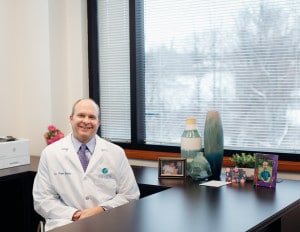
Dr. Ryan Martin of SGF’s Warrington, PA office

Board certified reproductive endocrinologist, Ryan Martin, M.D., will provide a full range of state-of-the art diagnostic and treatment options for infertility. Dr. Martin offers patients innovative, high quality, individualized care in a nurturing and supportive environment.

Dr. Martin is a Yale University-trained fertility specialist, where he also served as an instructor at the Yale University School of Medicine and earned numerous teaching awards. After building a successful fertility practice in New Haven, CT, Dr. Martin joined Shady Grove Fertility in 2016.

“In response to the growing demand for highly specialized fertility services in the Bucks county area, the addition of an office in Warrington, PA provides greater convenience for our patients. We’re excited to expand our services to people in this community and help even more individuals and couples achieve their dream of parenthood,” says Dr. Martin.

How SGF makes treatment affordable

Dr. Ryan Martin and Warrington Team

Among Shady Grove Fertility’s priorities is making access to care more affordable, which is why SGF has created innovative financial programs for their patients such as their signature Shared Risk 100% Refund Guarantee and Shared Help Programs. In addition, SGF accepts over 30+ insurance providers. In fact, 90 percent of patients with insurance will have coverage for their initial physician consultation, and 70 percent will have at least some level of coverage for testing and treatment.

SGF’s Growth and Expansion

Shady Grove Fertility continues to expand throughout Pennsylvania, and was recently designated a Center of Excellence by Optum. This distinction was earned by demonstrating successful clinical outcomes and exceptional physician experience, staffing, and facilities, as well as maintaining accreditation status and continuous quality assurance. With now 50,000 babies born since SGF first opened its doors in 1991, the growth of the practice is attributed to the remarkable advancements made in the laboratory and treatment protocols. 

Schedule an Appointment

 Located at 260 Easton Road, Warrington, PA 18976, patients may now schedule an appointment with Dr. Martin by calling the Shady Grove Fertility New Patient Center at 1-888-761-1967. For other PA locations and physicians, please call 1-888-761-1967 or submit this brief online form.

Filed Under: General

November 15, 2017 by Shady Grove Fertility

We are proud to announce that the SGF Annandale VA office has moved to a new, expanded full-service location in Fairfax, VA. Physicians, Drs. David Saffan, Eric Levens, and Rachana Garde are now seeing patients in this new location.

Serving VA for 25 years

The new, expansive state-of-the-art center will provide even more convenient access to among the best-in-class fertility care in the Northern Virginia region, and bring a broad array of services to individuals and couples who are seeking help to overcome infertility. As the largest fertility center in the state with locations in Arlington, Fair Oaks, Leesburg, Woodbridge, Haymarket, Dulles-Aldie, and now Fairfax, SGF has been serving Northern Virginia for the past 25 years with 9 reproductive endocrinologists and 1 reproductive urologist, many of whom were recently named a Washingtonian Top Doctor in Infertility.

At Shady Grove Fertility, we are proud of our successful history helping couples in Northern Virginia achieve their dream of parenthood. We are sensitive to the needs of this community and develop treatment plans that are specific to each person or couple and their desire for family building,” shared Dr. Garde.

When is it time to see a specialist?

In accordance with guidelines set forth by the American Society for Reproductive Medicine, it’s recommended to seek a complete fertility evaluation after 12 months of having unprotected intercourse with no success when the female partner is under the age of 35, after 6 months when she is older than 35, and after 3 months if 40 and over. Beyond age, it is important to be aware of several medical conditions that indicate seeing a fertility specialist sooner.

Coming Soon to Fairfax, VA

Virginia patients will also soon benefit from the opening of Shady Grove Fertility’s newest IVF laboratory and procedure center in April 2018, located in the new Fairfax, VA office. The new space is over 6,500 square feet and is home to physician offices for patient consultations as well as dedicated andrology laboratories for procedures such as intrauterine insemination (IUI), sperm preparation, and patient monitoring. The state-of-the-art embryology laboratory is located next to a spacious ambulatory surgery center with 5 recovery bays, 3 embryo transfer rooms, and 2 operating rooms.


“Continuous research, innovation, and a commitment to stay at the cutting edge of reproductive science, all hallmarks of our practice, improves outcomes for patients and helps more couples conceive,” adds Dr. Levens.

The physicians and staff of Fairfax couldn’t be more excited about this new location, that allows them to accommodate more patients, all while providing specialized fertility care in a comfortable and convenient environment.

Located at 8501 Arlington Boulevard, Fairfax, VA 22031, patients may now schedule an appointment with Dr. Saffan, Dr. Levens, or Dr. Garde by calling the Shady Grove Fertility New Patient Center at 888-761-1967 or completing this brief online form.

Filed Under: General

November 6, 2017 by Shady Grove Fertility

Polycystic ovary syndrome (PCOS) is a hormonal, metabolic, and reproductive condition that affects up to 10 percent of women. PCOS is the most common ovulatory disorder, and is considered a leading cause of female infertility.

The good news is that many women with PCOS can conceive with the help of diet and lifestyle changes, certain nutritional supplements, medications, and fertility treatments. If you have PCOS, you should have your fertility evaluated as soon as you begin trying to conceive.

We recently interviewed Stephen Greenhouse, M.D., of SGF’s Fair Oaks and Haymarket, VA, offices, to learn more about PCOS and how diet and lifestyle choices play a role.

Why does PCOS affect fertility?

According to Dr. Greenhouse, about 40 percent of women struggling to get pregnant have fertility issues that may be related to PCOS. “There are two main reasons that women with PCOS have difficulty conceiving. They may have irregular menstrual cycles, or they may not ovulate at all. Infrequent ovulation makes it much more difficult to conceive. It is hard to time intercourse for conception, thus decreasing the chances of pregnancy,” says Dr. Greenhouse.

How is PCOS diagnosed?

Despite how common PCOS is, women often suffer for years before being diagnosed. Symptoms vary from woman to woman, making arriving at a PCOS diagnosis more difficult.

Although there is not complete agreement on the criteria for PCOS, it is often diagnosed by the presence of at least two out of the three following:

1. Blood tests or physical signs of elevated androgens (male hormones such as testosterone)
2. Absent or irregular menstrual cycles and ovulation
3. Polycystic ovaries (enlarged ovaries with numerous small follicles)1
“PCOS is a diagnosis of exclusion of other reasons for not ovulating on a regular basis, such as thyroid dysfunction, prolactin disorders, and other rare hormonal disorders. It can be somewhat of a subjective diagnosis,” explains Dr. Greenhouse.

What are the symptoms of PCOS?

Although symptoms vary, elevated androgen levels can result in acne, excess facial hair, thinning of hair on the scalp, darkening of the skin in certain areas, and skin tags.

PCOS is associated with insulin resistance. Insulin is a hormone that allows cells to use glucose (sugar) to produce energy. When insulin resistance occurs, cells do not respond normally to insulin, and more and more insulin is produced. High insulin levels trigger the ovaries to produce more testosterone, potentially worsening androgenic symptoms, and leading to irregular menstrual cycles and ovulation problems. Both obese and lean women with PCOS have some degree of insulin resistance.2

Women who are insulin resistant may experience weight gain or have difficulty losing weight. They may have intense cravings for carbohydrates, and potentially some episodes of hypoglycemia (low blood sugar). If not properly managed, PCOS increases the risk of gestational diabetes and other pregnancy complications, type 2 diabetes, metabolic syndrome, high blood pressure, and heart disease.3 “Insulin sets up an inflammatory response that can have negative effects not only on fertility, but also other aspects of health,” says Dr. Greenhouse.

How is PCOS managed?

PCOS is generally managed with lifestyle strategies such as a low glycemic diet, regular exercise, and certain nutritional supplements such as inositol powder. Some women will also need prescription medications and fertility treatment when trying to conceive.

According to Dr. Greenhouse, “if a woman is overweight and has polycystic ovaries, the most helpful thing that she can do is exercise and achieve weight loss.”

Studies show that lifestyle modification and weight management can reduce insulin and androgen levels, induce ovulation, and potentially improve fertility.1 Dr. Greenhouse explains, “Obesity compounds the insulin resistance that a woman with PCOS already has. The insulin resistance drives the increased production of testosterone within the ovary, which sets up an abnormal hormonal environment, preventing ovulation.”

“With weight loss and exercise, some women end up ovulating regularly on their own, or they respond better to fertility medications,” adds Dr. Greenhouse. Studies indicate that losing as little as 5 percent of body weight can restore regular menstrual cycles and improve response during fertility treatment.2

Low Glycemic Diet

“Although studies have not found that one specific diet is best for PCOS, there is evidence that a low glycemic index (GI) diet is beneficial for women with PCOS,” says Dr. Greenhouse.

The GI is a system of measuring how much a carbohydrate-containing food increases your blood sugar and insulin levels. Low GI foods result in a slower rise in blood sugar levels and less insulin production. Studies have shown less insulin resistance and more regular menstrual cycles in women with PCOS who follow a low-GI diet.4

The goal is to replace more processed, higher GI foods (cookies, crackers, most breakfast cereals, instant oatmeal, white rice, bread or bagel) with lower GI foods (dried beans, berries, 100% whole-grain breads, rolled or steel-cut oatmeal, sweet potatoes, quinoa, and non-starchy vegetables). Combining these with lean sources of protein and healthy fats is key for managing PCOS.

Exercise

Regular exercise is very important and can help manage PCOS symptoms. Research has found that a type of cardio workout called high intensity interval training (HIIT) decreases insulin resistance and decreases body fat in women with PCOS.5 HIIT alternates between bouts of challenging, intense exercise and easy, low- intensity exercise.

Another study showed that vigorous activity improves insulin resistance and decreases the risk of metabolic syndrome among women with PCOS. For every hour of vigorous activity per week, metabolic syndrome risk decreased by 22 percent.6

Resistance (strength) training is also essential for women with PCOS. Resistance training increases muscle mass, which in turn increases the number of calories burned, even at rest. This can make it easier to maintain or lose weight. Muscle also uses glucose efficiently, which means less insulin is produced.

If you are just starting to exercise, any increase in movement each day is good, so start small and slowly increase to more intense exercise.

Inositol and Other Supplements

According to Dr. Greenhouse, “Supplements or medications are not the magic answer. They need to be used in conjunction with other lifestyle changes.”

Inositol is a nutrient that is found in fruits, beans, grains and nuts, and is also produced by the body. Research has shown that inositol decreases insulin resistance, reduces testosterone levels, regulates menstrual cycles, and promotes ovulation in women with PCOS.7, 8, 9

Two forms of inositol have shown benefit: myo-inositol (MI) and D-chiro-inositol (DCI). MI and DCI are thought to be out of balance in women with PCOS. A combination of these two forms, in the body’s naturally occurring ratio of 40 to 1, helps correct this imbalance. Studies have shown that taking this combination is more effective than taking either inositol form alone.10–11

“We now use inositol, which may improve the body’s use of insulin. The literature on inositol shows similar results to metformin, without the side effects such as nausea” says Dr. Greenhouse. When recommending an inositol supplement, the physicians at SGF choose Ovasitol because it contains the correct ratio of MI to DCI and is independently tested and certified by NSF International.

“We have had many women that, with dietary modification and weight loss, along with Ovasitol, have started ovulating and become pregnant,” adds Dr. Greenhouse.

Other nutritional supplements such as vitamin D, omega-3 fish oil, and coenzyme Q10 may also be of benefit for women with PCOS. Ask your physician which products you should consider.

Shady Grove Fertility is proud to recommend Luminary Vitamins and Theralogix to offer high-quality, evidence-based nutritional supplements patients can trust. 

Dr. Greenhouse reminds us of the importance of managing PCOS throughout a woman’s life. “We are here to help women become pregnant, but we have to remember that women with PCOS need to understand potential health consequences down the line such as diabetes, cardiovascular effects, abnormal bleeding, or, if left unchecked, development of abnormal cells in the lining of the uterus.  These are all things that can be prevented or greatly reduced with management.”

Schedule an Appointment


References

  1. Williams et al. Am Fam Physician. 2016; 94(2):106-13.
  2. Goodman et al. Endocr Pract. 2015; 21(12):1415-26.
  3. Christensen et al. Fertil Steril. 2013; 100(2):470-7.
  4. Marsh et al. Am J Clin Nutr. 2010; 92:83-92.
  5. Almenning et al. PLoS ONE. 2015; 10(9), e0138793.
  6. Greenwood et al. Fertil Steril. 2016; 105(2):486-93.
  7. Artini et al. Gynecol Endocrinol. 2013; 29(4):275-9.
  8. Benelli et al. Int J Endocrinol. 2016:3204083.
  9. Costantino et al. Eur Rev Med Phamacol Sci. 2009; 13:105-10.
  10. Nordio and Proietti. Eur Rev Med Phamacol Sci. 2012; 16:575-81.
  11. Colazingari et al. Arch Gynecol Obstet. 2013; 288:1405-11

Filed Under: General

September 27, 2017 by Shady Grove Fertility

When it comes to trying to conceive, many people wonder if environmental factors affect fertility.

Therefore, Glamour turned to SGF’s own Eric Levens, M.D., of Shady Grove Fertility’s Annandale, VA office, to help answer the question, “Do household products affect your fertility?” and comment on new research published by Environmental Health Perspectives, that suggests the products around your house could be having a negative effect on your fertility.

What are PFRs?

According to this study, researchers tested the urine of 211 women who were going through in vitro fertilization (IVF) treatment for the presence of organophosphate flame retardants (PFRs). PFRs are chemicals that can be found in various sources, such as households that have products with polyurethane foam, cleaning products, cushioned furniture, car seats, mattress pads, a variety of nail polishes, and even building insulation.

Results of the Study

Overall, women with a higher concentration of PFRs were 38 percent less likely to have a successful, live birth. According to the study, if there were higher concentrations of PFRs present, that woman’s chances of achieving fertilization was 10 percent less likely. In addition, women with a higher concentration of PFRs had their chances of having a successful embryo implant drop by 31 percent, and confirmed pregnancies through a heartbeat on an ultrasound drop by 41 percent.

Dr. Levens stated that there is research that PRFs can affect men’s sperm count as well. It is suggested that PFRs can lower sperm count. He expresses that PFRs are hard to bypass. “The problem is that they are ubiquitous—and as a result difficult to avoid,” he states.

Since they are so common, it is often difficult to know when you are coming in contact with them. It is nearly impossible to avoid every single source of PFRs; however, there are techniques you can use to come across them less.

What You Can Do

Switching to baking soda and vinegar to clean your home could help you avoid the PFRs in common cleaning products. However, since you cannot avoid PFRs completely, there isn’t a lot to worry about. Researchers believe that PFRs are not a large factor contributing to infertility, but it is just something to keep in mind.

Schedule an Appointment

To learn more about factors that impact fertility or to schedule an appointment with one of our 41 reproductive endocrinologists, please call 1-877-971-7755 or click here to complete this brief online form.

Filed Under: General

August 8, 2017 by Shady Grove Fertility

Recent research is indicating a strong decline in the health and quality of men’s sperm across North America, Europe, and parts of Australia. To learn more about why this might be, we asked one of our board certified physicians, Dr. Paul Shin, to shed some truth and insight as to why men’s sperm health is dropping—and what you can do to stop it.

Is male factor infertility common?

We know that the male factor is equally as important as female fertility when trying to conceive. If a man’s sperm count is too low or motility (movement) is too slow, or if the quality is poor, then it can be extremely difficult to fertilize an egg. In order to assess sperm quality, an important first step is a semen analysis.

“The first hurdle is overcoming reluctance to go to the doctor,” states Dr. Shin. “Infertility is often thought to be a female only problem, but 50 percent of infertile couples have significant male factor infertility. Understanding this and realizing that men are the factor half of the time is helpful in aiding the couple trying to conceive,” adds Shin.

For men, infertility is often categorized in two common issues: production of sperm, or transit of the sperm to the egg. The largest study on male fertility, conducted with 42,000 men in the time period between 1973 and 2011, reveals a dramatic decline of sperm concentration dropping from 99 million per milliliter in 1973 to an average 47 million per milliliter in 2011. As the sperm concentration decreases, so does a man’s chance of conceiving—hence the concern about this recurring pattern among Western countries.

“There could be limitations with recent studies as there is a high degree of variability when it comes to semen analyses,” Shin states. “It is common for there to be two to three analyses needed because the results each time can be so variable.”

The same study also exposed an unexpected result: the decline of sperm health found in the Western world was not observed in lesser-developed locations such as Africa, Asia, and South America. In fact, these regions didn’t report any decrease in sperm quality, which led researchers to believe that the reasons could be tied to cultural behaviors or environmental changes.

What could be causing a decline in sperm health?

It’s uncertain whether the cause of this drop is due to typical Western lifestyle challenges, such as obesity, stress, and smoking, or if there are other unknown factors yet to be considered. The thing about poor quality sperm is that it doesn’t just signal infertility, it’s a potential red flag for other health concerns such as a poor immune system, cancer, and cardiovascular diseases.

“I always recommend using common sense and moderation. A glass of wine with dinner or a few beers with friends will not make you infertile. Avoid smoking that pack of cigarettes, but an occasional cigar on the golf course is probably ok. Follow the general guidelines of healthy living: maintain a healthy weight, incorporate a good amount of exercise, and manage your stress levels,” said Dr. Shin.

So, even if you’re young and not necessarily trying to conceive, it might be a good idea to get a semen analysis done as a proactive effort in maintaining your overall health.

“One of the cold hard biological truths is that when men make sperm, it can take 3 months to reach full maturation. Whatever the intervention, it’s generally about 6 months before we see change in a semen analysis,” states Dr. Shin. “Look earlier if you sense a problem, especially so that you and your partner are not short on time when trying to conceive.”

To watch our On-Demand Webinar on Male Fertility, click here. During this free on-demand event, viewers will learn about the simple tests used to evaluate male fertility, common causes of male factor infertility, lifestyle changes that can improve a man’s fertility, effective treatment options and treatment success rates.

Medical contribution by Paul Shin, M.D., Shady Grove Fertility’s Board Certified Urologist.

Schedule an Appointment

To learn more about male fertility or to schedule an appointment with one of our 35+ physicians, please call 1-877-971-7755 or click here to complete this brief online form.

Filed Under: General

  • « Go to Previous Page
  • Page 1
  • Interim pages omitted …
  • Page 14
  • Page 15
  • Page 16
  • Page 17
  • Page 18
  • Interim pages omitted …
  • Page 46
  • Go to Next Page »

Company

  • About SGF
  • About US Fertility
  • Our Doctors
  • Fertility Equity
  • Careers
  • Newsroom
  • SGF College Scholarship
  • Contact Us
  • Voice Your Feedback

Treatments

  • Egg Freezing
  • Intrauterine Insemination (IUI)
  • In Vitro Fertilization (IVF)
  • Frozen Embryo Transfer (FET)
  • LGBTQIA+ Family Building
  • Shared Risk 100% Refund Program
  • All Treatments

Resources

  • Patient Portal
  • Online Bill Pay
  • Library
  • Support Groups & Events

Locations

  • California
  • Colorado
  • Delaware
  • Florida
  • Georgia
  • Maryland
  • North Carolina
  • Pennsylvania
  • Texas
  • Virginia
  • Washington, D.C.

2026 Shady Grove Fertility

  • Policies & Notices
Also of interest
  • In Vitro Fertilization IVF
  • Fertility Tests
  • Research Publications