• Skip to primary navigation
  • Skip to main content
  • Skip to footer
Shady Grove Fertility
  • Become an Egg Donor
  • Referring Physicians
  • 1-888-761-1967
  • Schedule Appointment
  • Get Started
        • Get Started
          • Causes of Infertility
          • Fertility Tests
          • When to Seek Help
          • Find a Doctor
          • Preconception and prenatal vitamins 
          • Schedule an Appointment
        • Personalized Care For
          • Single Parents
          • LGBTQIA+ Family Building
          • People with Cancer
          • Known Genetic Diseases
          • Egg Donors
  • Treatments
        • Fertility
          • Timed Intercourse
          • Ovulation Induction
          • Intrauterine Insemination (IUI)
          • In Vitro Fertilization (IVF)
          • Frozen Embryo Transfer (FET)
        • Donation & Surrogacy
          • Donor Sperm
          • Donor Egg
          • Donor Embryo
          • Gestational Carrier
          • LGBTQIA+ Family Building
          • Single Parents
          • Find a Donor
        • More Treatments
          • Center for Male Fertility
          • Egg Freezing
          • OncoFertility
          • Preimplantation Genetic Testing
          • MIGS
          • All Fertility Treatments
  • Resources
    • Resource Library
    • Events Calendar
    • Patient Stories
    • Mental Health
    • Wellness Center
  • Insurance & Savings
    • Insurance & Benefits
    • Shared Risk 100% Refund Program
    • 100% Refund for Donor Egg
    • Discounts
    • Egg Freezing Costs
    • Financing & Grants
    • Clinical Trials
  • About
    • Find a Doctor
    • About SGF
    • Our Care Team
    • Advanced Practice Providers
    • Fertility Equity
    • Philanthropy
    • Newsroom
    • Careers
    • Contact Us
    • Voice Your Feedback
  • Locations
        • Find a Location
        • California
        • Colorado
        • Delaware
        • Florida
        • Georgia
        • Maryland
        • North Carolina
        • Pennsylvania
        • Texas
        • Virginia
        • Washington, D.C.
        • Chile
        • International & Out of State
        • SGF at Walter Reed National Military Medical Center
  • Patient Hub
    • Online Bill Pay
    • Patient Forms
    • Patient Portal
  • Call your care team
  • Become an egg donor
  • Referring physicians
  • search-icon
  • Schedule appointment 1-888-761-1967

Home / General

General

February 5, 2026 by Shady Grove Fertility

At SGF, we believe everyone deserves the chance to build their family. However, research shows that Black women face unique challenges when it comes to infertility awareness, access to care, and treatment success rates. By acknowledging these disparities and offering solutions, SGF is committed to empowering Black women with the resources, support, and expert care they deserve.

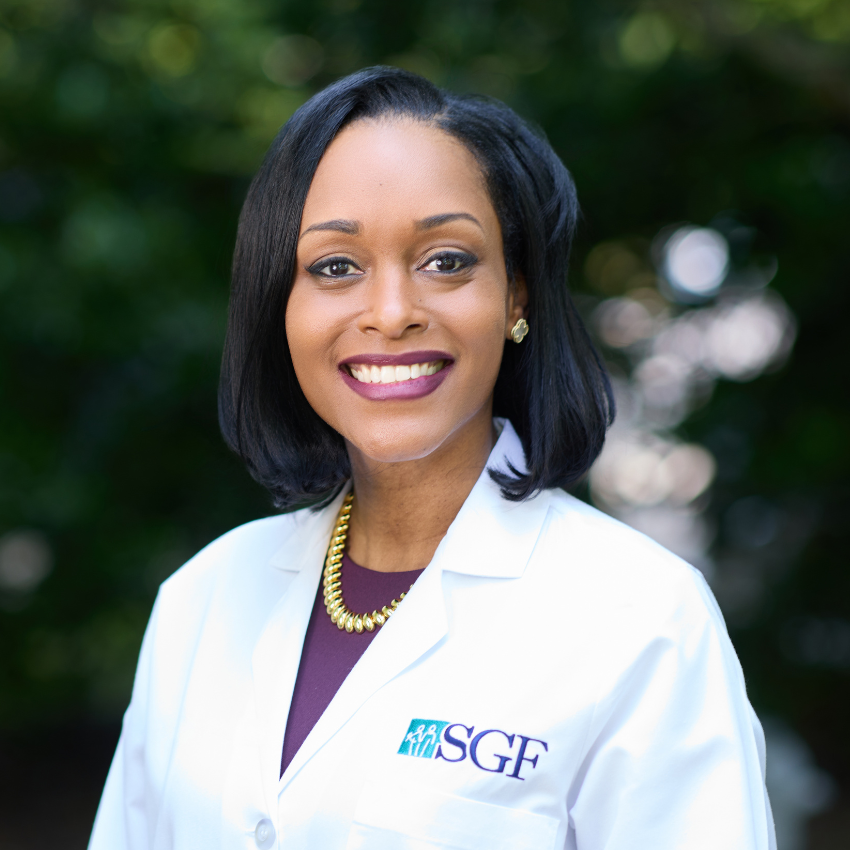
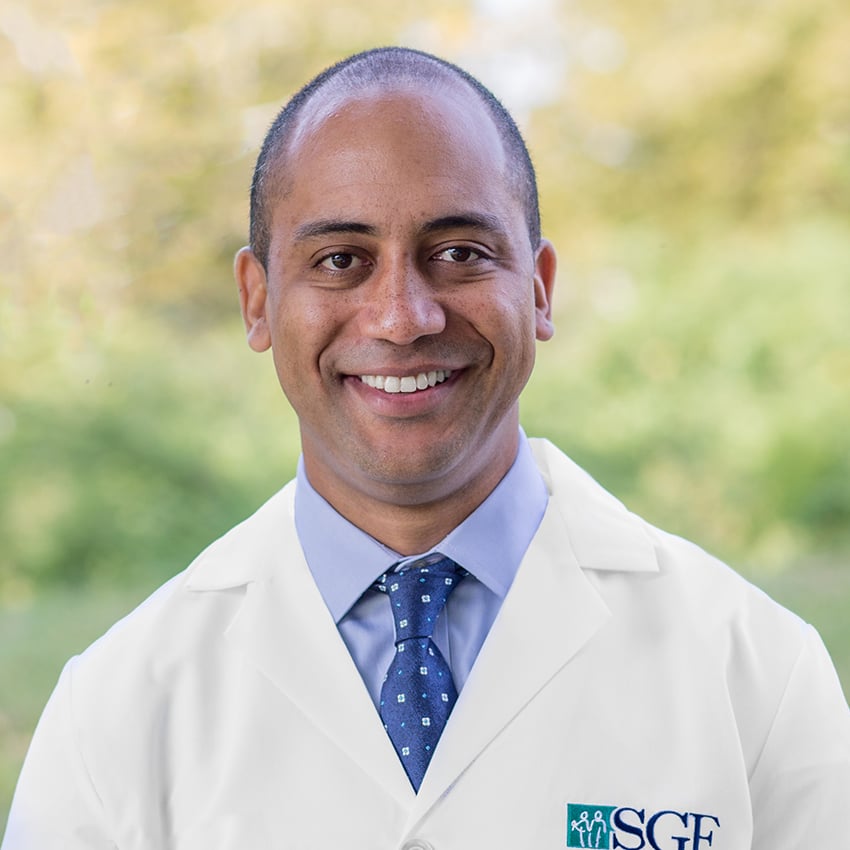
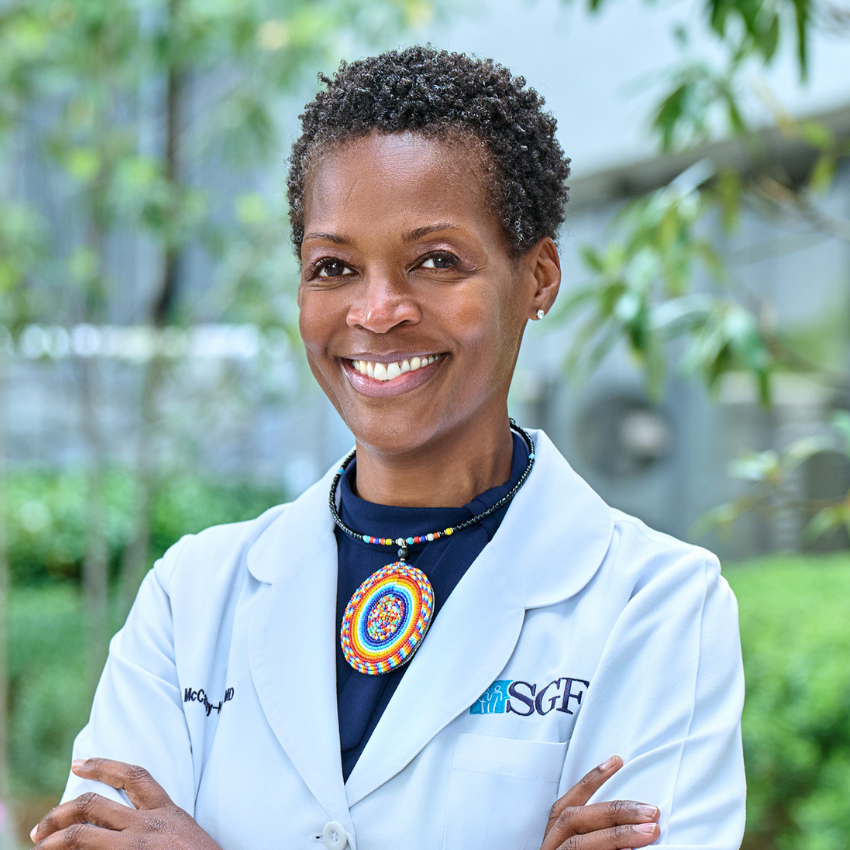
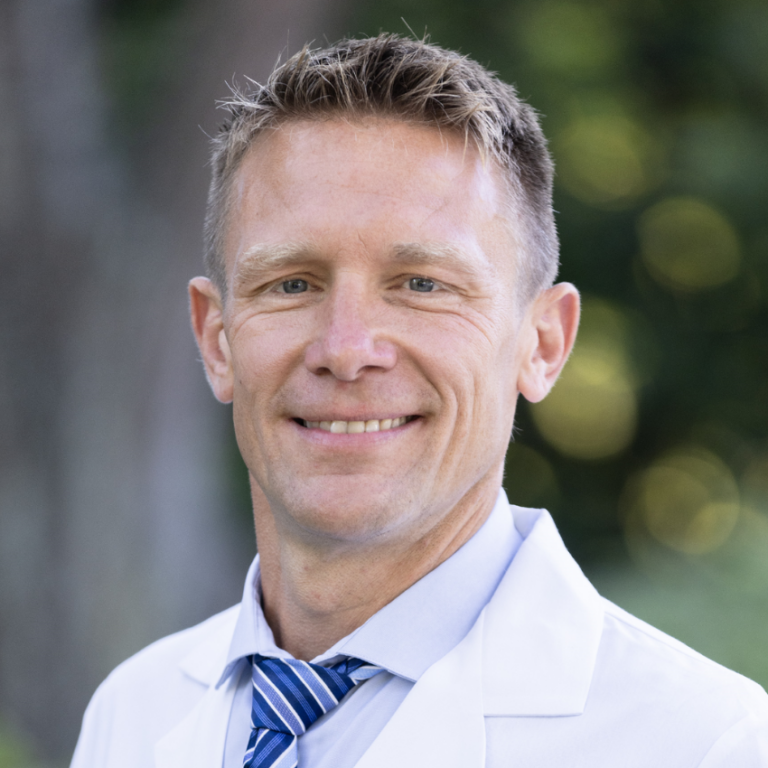
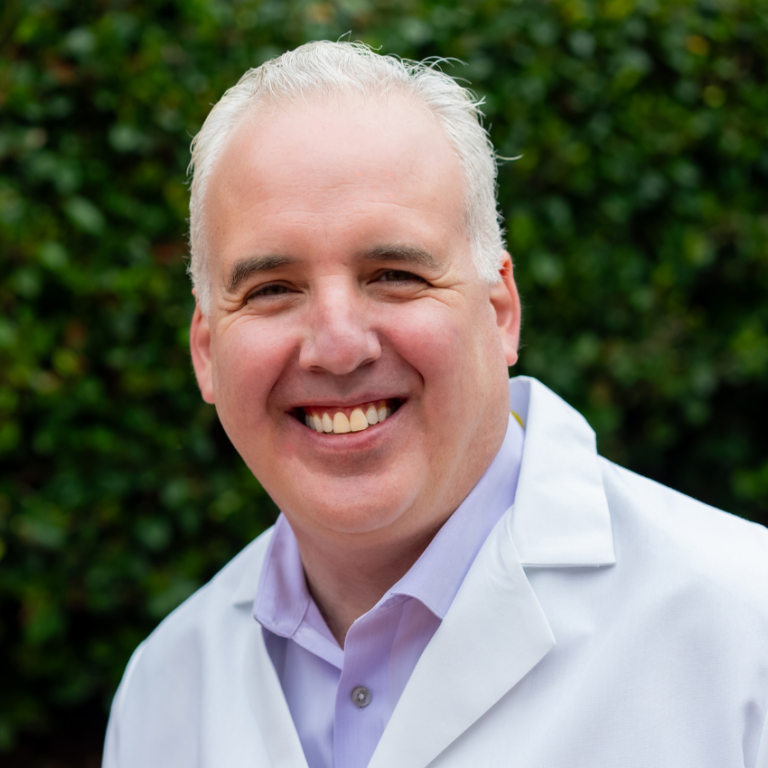
Meet SGF’s Black fertility specialists  

Finding a fertility specialist who understands your unique concerns can make all the difference. At SGF, we are proud to have highly experienced fertility specialists who are dedicated to serving the Black community. Our team understands the cultural, medical, and emotional aspects of fertility treatment and is here to guide you every step of the way. 

Dr. Jerrine Morris, one of SGF’s esteemed fertility specialists, is passionate about breaking down barriers to fertility care. “I became a doctor to help and advocate for underserved populations,” shares Dr. Morris. “By providing education, resources, and compassionate care, we can help dismantle stigmas surrounding infertility and encourage earlier treatment, leading to better outcomes.”
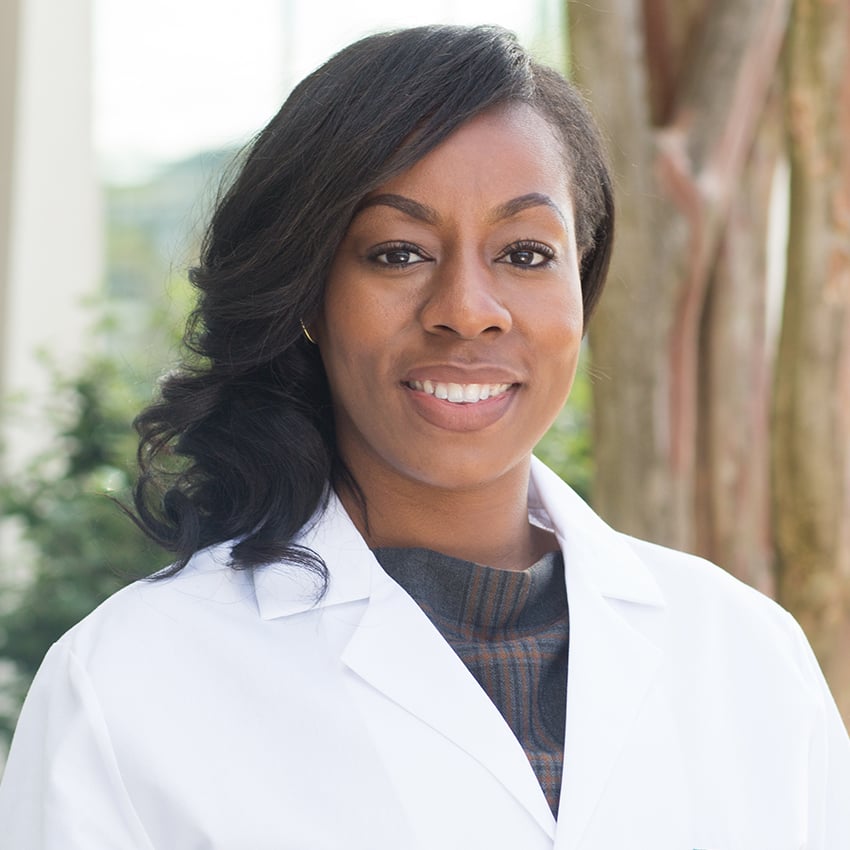
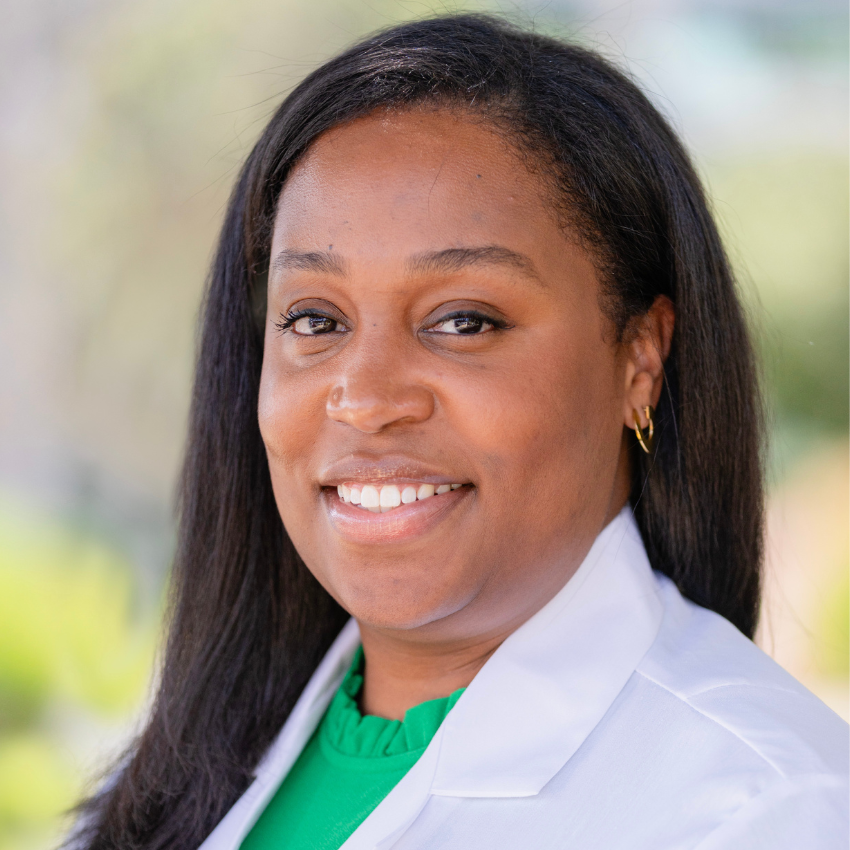
Janet Bruno-Gaston, M.D., MSCI
Alexis Gadson, M.D. 
Lisa Green, M.D., MPH 
Benjamin S. Harris, M.D., MPH
Medical Director, Southern Virginia
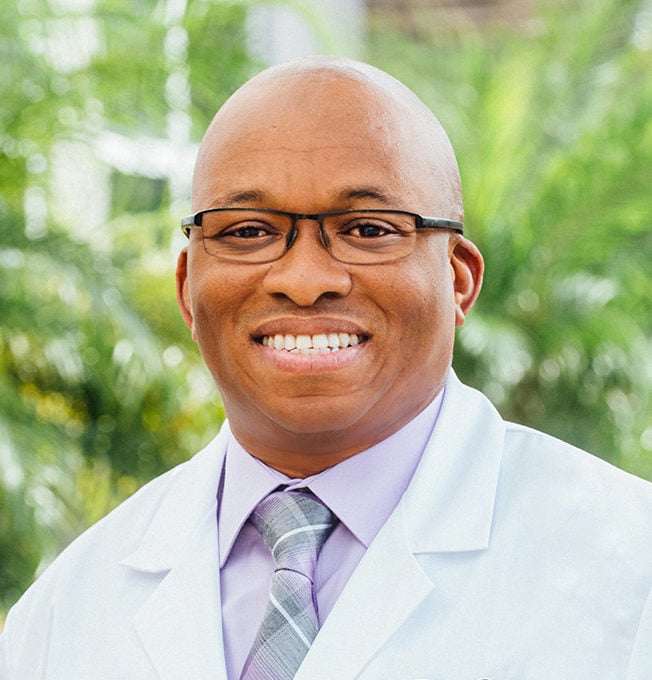
Anthony N. Imudia, M.D.
Desireé McCarthy-Keith, M.D., MPH
Medical Director, Atlanta
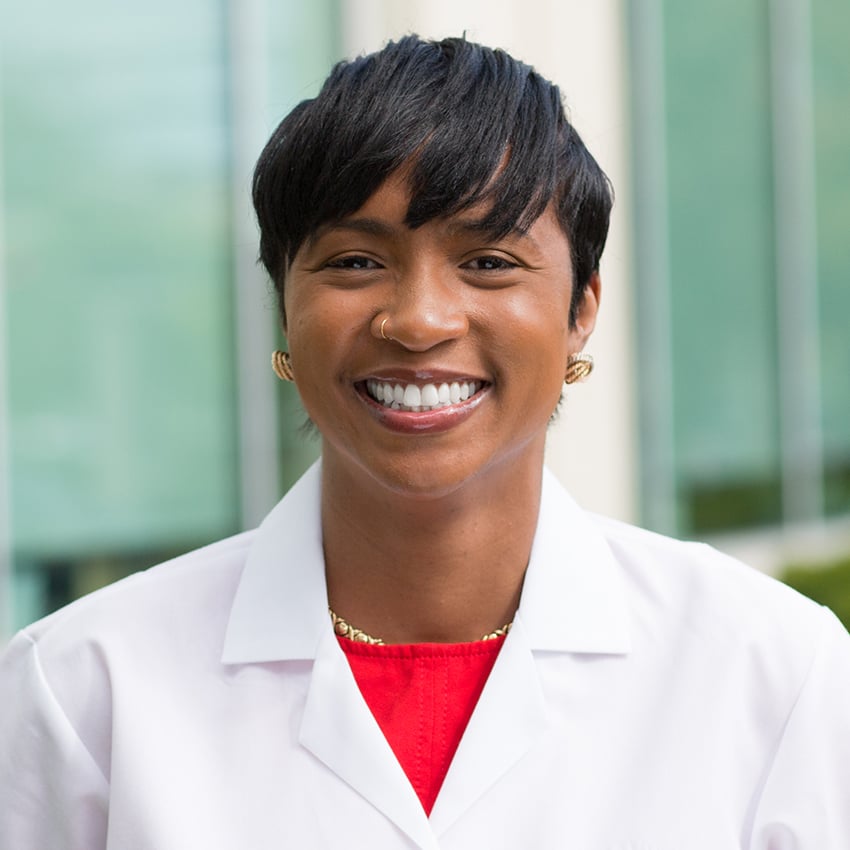
Jerrine R. Morris, M.D., MPH

Understanding racial disparities in fertility care

Research has shown that Black women are half as likely to seek fertility treatment services than white women. Several factors contribute to this disparity, including:

Limited access to care due to socioeconomic factors. Even when patients have access to fertility care, Black women seek an infertility evaluation at lower rates and discontinue fertility treatments at higher rates as compared to other patients.1

Seeking fertility treatment later. Due to educational barriers and stigmas surrounding reproductive care, Black women are often seeking fertility care later than other patient populations. Studies show Black women will on average attempt to conceive on their own for 1.5 years longer before seeking care.

Mistrust in the healthcare system stemming from historical inequalities and implicit biases.

Higher infertility rates. Research shows that Black women experience infertility more often than other demographics.

Lower IVF success rates. Research shows Black women undergoing fertility treatments such as in vitro fertilization (IVF), have lower clinical pregnancy and live birth rates compared with white women even after controlling for various factors.2

In an award-winning study, SGF researchers found that Black patients respond just as well to fertility medications that stimulate egg production by producing as many eggs and often producing more good-quality embryos than white patients. However, Black women still had lower pregnancy rates and higher miscarriage rates.3

While clinical factors such as uterine fibroids have been suggested to influence this disparity, implicit biases in referral patterns and the care given to women of color also play a role. This highlights the importance of early intervention, comprehensive care, and continued research to close the gap in fertility treatment success.

It is essential to recognize and understand the racial disparities that exist in fertility care so we can better support our patients. SGF is dedicated to continuing research on racial and ethnic disparities and providing better access to fertility care for Black women through providing resources and support for our patients.

Four essential tips for Black women navigating fertility care 

1. Seek fertility care sooner  

Age is the number one predictor of female fertility. However, stigmas surrounding infertility, cultural misconceptions about hyperfertility, lack of trust in medical professionals often lead Black women to delay seeking fertility treatment.  

By seeking a fertility evaluation sooner rather than later, patients can receive an early diagnosis and maximize their chances of successful fertility treatment. Our compassionate care team is here to listen, support, and ultimately help you achieve your family-building goals. 

2. Address pre-existing medical conditions

Black women disproportionately affected by certain fertility-related conditions, including:

  • Uterine fibroids (which affect up to 80% of Black women by age 50)4
  • Blocked Fallopian tubes
  • Polycystic ovary syndrome (PCOS)
  • Obesity and metabolic disorders

By staying proactive with regular OB/GYN visits and addressing these conditions early, you can improve your reproductive health and fertility treatment success.

3. Use SGF’s fertility resources and support

You don’t have to go through fertility treatment alone. SGF offers free educational resources, support groups, and events to help patients feel informed and empowered.

  • Explore SGF’s Resource Library, featuring over 2,000 articles, videos, and guides.
  • Join a free fertility webinar to learn about treatment options from our specialists.
  • Find community support through SGF’s dedicated fertility support groups.
  • Engage with fellow patients online. Follow SGF on Instagram.

4. Learn about insurance coverage and SGF’s financial programs and grants  

SGF participates with many insurance plans and offers innovative financial programs and discounts to make fertility treatment more affordable.    

Insurance coverage: Approximately 70% of SGF patients have some coverage for fertility treatment and 90% have coverage for their initial consultation.

Financial programs:  

  • Shared Risk 100% Refund Program  
  • Multi-Cycle Discount for IVF  
  • Shared Help Discount Program, an income-based program  
  • Military Discounts  
  • Medication Discount Program    

To learn more about insurance coverage and financial assistance options, call our New Patient Center at 1-888-761-1967.

Trained physicians to support your family-building goals

At SGF, we recognize the unique challenges Black women face in their fertility journey, and we are committed to providing compassionate, expert care to help you achieve your dream of parenthood.

Through FertilityEquity™, created by Morehouse School of Medicine, with support from Ferring Pharmaceuticals—powered by EngagedMD, we are taking meaningful steps to ensure providers and staff are trained in care that addresses disparities in fertility treatment.

With leading Black fertility doctors, groundbreaking research, and accessible financial programs, SGF is here to support you every step of the way. If you’re ready to take the first step, schedule a consultation with an SGF fertility specialist today.

Your family-building journey starts here.
Schedule Appointment
Medical contribution by Jerrine R. Morris, M.D., MPH

Jerrine R. Morris, M.D., MPH, is board certified in Obstetrics and Gynecology (OB/GYN) and Reproductive Endocrinology and Infertility (REI). Dr. Morris earned her medical degree at Virginia Commonwealth University School of Medicine in Richmond, Virginia.

  1. Korkidakis, Ann et al. (2024) “Determinants of utilization of infertility services by race and ethnicity in a state with a comprehensive infertility mandate.” Fertility and Sterility, In press.
  2. Jackson-Bey, T., Morris, J., Jasper, E., Velez Edwards, DR., Thornton, K., Richard-Davis, G., Plowden, T. (2021) “Systematic Review of Racial and Ethnic Disparities in Reproductive Endocrinology and Infertility: Where Do We Stand Today?” Fertility and Sterility Reviews. https://doi.org/10.1016/j.xfnr.2021.05.001.
  3. Bishop, L. A., Devine, K., Sasson, I. E., Plowden, T., Hill, M. J., DeCherney, A. H., Richter, K. (2018). “African American patients experience reduced pregnancy, higher pregnancy loss, and lower live birth from IVF embryo transfers despite producing more oocytes and more transfer quality embryos than Caucasian patients.” Fertility and Sterility, Volume 110, Issue 4, e6.
  4. Eltoukhi H.M., Modi M.N., Weston M., Armstrong A.Y., Stewart E.A. “The health disparities of uterine fibroid tumors for African American women: a public health issue.” Am J Obstet Gynecol. 2014 Mar;210(3):194-9. doi: 10.1016/j.ajog.2013.08.008. Epub 2013 Aug 11. PMID: 23942040; PMCID: PMC3874080.


Editor’s Note: This post was originally published in February 2025 and has been updated for accuracy and comprehensiveness as of February 2026.

Filed Under: General Tagged With: Dr. Jerrine Morris

January 22, 2026 by Shady Grove Fertility

Small, intentional lifestyle choices can have a meaningful impact on fertility and lead to a healthy pregnancy. When you focus on habits that support your body, you create a stronger foundation for conception. 

Dr. Bailey Gill McAlas, a fertility specialist at Shady Grove Fertility’s Virginia Beach location, shares 7 evidence-based ways to support fertility and prepare your body for a healthy pregnancy.

7 ways to prepare for a healthy pregnancy 

1. Support hormone balance and healthy weight with physical activity 

Maintaining a healthy weight supports regular ovulation and reduces pregnancy-related risks. Both underweight and overweight individuals may experience hormonal imbalances that affect fertility—but even modest changes can help. 

Research shows that for individuals with a higher BMI, losing just 5–10% of body weight can significantly improve fertility outcomes. Consistent movement—like walking, swimming, or yoga—also supports hormone balance, stress management, and overall well-being. 

Related resource: Can I exercise during fertility treatment?

2. Quit or limit habits that impact fertility

Excess caffeine, alcohol, smoking, and marijuana can all interfere with fertility and increase pregnancy risks. Making adjustments now can improve outcomes for both partners. 

  • Limit caffeine to under 200 mg per day (about one 12-oz cup of coffee) 
  • Alcohol and marijuana use are associated with miscarriage and obstetric complications 
  • Smoking doubles the risk of infertility and is linked to earlier menopause 
  • Smoking, heavy alcohol use, and marijuana also affect male fertility 

3. Support your emotional health

Trying to conceive can bring up a lot of feelings. While stress itself does not directly prevent pregnancy, higher stress levels are associated with patients stopping fertility treatment earlier than planned. 

Support can make a real difference. Many patients benefit from mindfulness practices like yoga, meditation, or acupuncture or from connecting with others who understand what they’re navigating.  

Explore: SGF’s Wellness Center

4. Start prenatal vitamins 3 months prior to conception for a healthy pregnancy

We encourage patients to take a preconception nutritional supplement one to three months prior to trying to conceive and continuing through the first 10 weeks of pregnancy. Near the end of the first trimester, supplement needs can evolve and a more traditional prenatal vitamin may be appropriate.    

SGF recommends preconception support like  Luminary Vitamins and Theralogix for evidence-based supplements patients can trust. 

Learn more: Preconception and prenatal vitamins

5. Update your medical history and vaccinations

A current medical history and up-to-date vaccinations help protect both you and your future baby. Vaccines for influenza, measles, mumps, rubella, and chickenpox may be recommended before pregnancy. 

Following guidance from the American College of Obstetricians and Gynecologists (ACOG), SGF also recommends the COVID-19 vaccine for individuals planning a pregnancy. 

6. Build your care team  

A strong support team matters. Every patient should maintain regular visits with both a primary care provider and a gynecologist. Your fertility specialist may collaborate with these providers. 

If you need to primary establish care, your insurance provider may help identify local in-network physicians accepting new patients. 

Learn more: SGF accepts most major insurances 

7. Address health conditions early

Conditions like pre-diabetes or thyroid disorders can affect fertility and pregnancy outcomes if left untreated. A preconception checkup allows providers to identify and manage concerns early and support safer, healthier pregnancies. 

Proactive care now can expand your options later. 

Take small steps to prepare for healthy pregnancy 

You don’t need to change everything at once. Choose one or two areas to focus on and build from there. Preparing for pregnancy is about supporting your physical and emotional health in ways that feel sustainable. 

At Shady Grove Fertility, we’re here to help you feel informed, supported, and confident wherever you are in your family-building plans. If you’re ready to begin care or want expert guidance, schedule a consultation with one of our fertility specialists today. 

Medical contribution by Bailey Gill McAlas, M.D. 

Bailey Gill McAlas, M.D., is a dedicated and compassionate physician who brings a wealth of experience and a deep commitment to helping individuals and couples on their path to parenthood.  

Dr. McAlas completed her residency in Obstetrics and Gynecology at NYU Langone Hospital Long Island and then pursued a fellowship in Reproductive Endocrinology and Infertility at the Cleveland Clinic Foundation.  

Editor’s Note: This post was originally published in October 2015 and has been updated for accuracy and comprehensiveness as of January 2026.

Schedule Appointment

Filed Under: General, Get Started Tagged With: Dr. Bailey Gill McAlas, Trying to conceive

August 20, 2025 by Andrea Mathis

Shady Grove Fertility is introducing a new medication protocol that makes the IVF and egg freezing process more affordable, more comfortable, and less complex—while still delivering excellent outcomes. Now available across all SGF locations, the Medroxyprogesterone Acetate (MPA) protocol uses oral medications and requires fewer monitoring appointments, saving patients both time and money.  

What is the MPA protocol?

The Medroxyprogesterone Acetate – or MPA protocol – is an alternative to the traditional GnRH antagonist protocol used during ovarian stimulation. Both protocols aim to prevent premature ovulation during the stimulation phase of an IVF or egg freezing cycle.  

  • Traditional GnRH antagonist protocols rely on injectable medications (GnRH antagonists) administered mid-stimulation to prevent a premature luteinizing hormone (LH) surge. Patients typically have 5-7 monitoring appointments.  
  • MPA protocols use an oral medication—Medroxyprogesterone Acetate (Provera)—instead of injections to achieve the same goal. Patients can expect 1-3 fewer monitoring appointments than the GnRH antagonist protocol.  

Who is eligible?   

MPA protocols are appropriate for patients who are: 

  • Undergoing egg freezing, or 
  • Pursuing IVF with a plan to freeze all embryos 
  • Not planning a fresh transfer in the same cycle as stimulation and egg retrieval 

Why this change benefits patients 

Adopting the MPA protocol delivers a better overall patient experience while maintaining the same high standards for clinical outcomes. 

Benefits include: 

  • Same great outcomes. Multiple studies—including high-quality randomized controlled trials—show no difference in egg quality, embryo development, or pregnancy rates compared to antagonist protocols. 
  • Lower medication costs. On average, patients may save $2,500 per cycle. 
  • Fewer injections. Patients can expect ~7 fewer injections per cycle. 
  • Fewer clinic visits. With 1–3 fewer monitoring appointments, patients save time and reduce logistical stress. 
  • Simplified schedule. All medications are taken once daily in the evening, making the protocol easier to follow. 

Backed by data 

A growing body of peer-reviewed literature and SGF’s own internal data supports the use of MPA protocols as a safe, effective alternative for freeze-all cycles. Across patient groups, outcomes have been consistent with those seen in traditional antagonist protocols. While research on lower responders is ongoing, no safety concerns have emerged in this population. 


What to expect with the MPA protocol 

  • Medication: Patients take 10 mg of oral MPA once daily in the evening, alongside standard gonadotropin injections. 
  • Trigger timing: MPA is continued until the night of the trigger injection. 
  • Monitoring: Follows standard protocols, with potential for fewer visits based on response. 
  • Flexibility: Compatible with most downregulation methods (OCPs, EPP, cold start) and trigger options (Lupron, hCG, or dual trigger). 

At SGF, we’re committed to delivering exceptional outcomes while improving the overall patient experience. The MPA protocol reflects our ongoing effort to reduce cost and complexity in fertility treatment.  

If you have questions about how the MPA protocol may benefit you or how it is implemented at your local SGF clinic, please don’t hesitate to reach out. 


Schedule Appointment

Medical contribution by Kate Devine, M.D.

Kate Devine, M.D., FACOG, is board certified in obstetrics and genecology and reproductive endocrinology and infertility. She is active in fertility research, publishing on topics ranging from fibroids to egg freezing for fertility preservation. She continues her research goals and advancing those of Shady Grove Fertility as the director of research for the practice.

Filed Under: For Patients, General, Insurance & Savings, Treatment

June 4, 2025 by Andrea Mathis

What California Senate Bill 729 means for your fertility journey 

Update (May 2025): California Senate Bill 729 (SB 729) will now take effect on January 1, 2026, instead of the originally planned July 2025 date. This delay gives patients and providers more time to prepare. SGF will continue to share updates and help you make the most of your current and future fertility coverage. 

Expanded insurance coverage for IVF and fertility treatment starts in 2026  

Big changes are coming to fertility coverage in California. As of January 1, 2026, Senate Bill 729 (SB 729) will require most small- and large-group health insurance plans to cover both the diagnosis and treatment of infertility, including in vitro fertilization (IVF). 

This law marks a major step forward for reproductive access across the state. 

Should I wait until 2026 to start fertility treatment?   

While it might be tempting to hold off until your insurance kicks in, age remains the biggest factor impacting fertility. Waiting could limit your options or affect your success rates. 

We recommend meeting with a fertility specialist now to: 

  • Understand your fertility potential 
  • Complete important diagnostic testing 
  • Create a treatment plan that works for your goals and timeline

If you’re eligible for expanded coverage in 2026, we’ll help you align your plan accordingly—but getting answers today puts you in control.  

What is Senate Bill (SB 729)? 

Senate Bill 729 is a new California law requiring many insurance plans to include comprehensive fertility care. This includes:  

  • Diagnosis and treatment of infertility (including IVF) 
  • Up to three completed egg retrievals 
  • Unlimited embryo transfers, based on clinical guidelines 

The bill also updates the definition of infertility to be more inclusive, supporting access for: 

  • LGBTQIA+ individuals 
  • Single parents 
  • Others who may have previously been excluded from fertility benefits 

Read more

How SGF supports California patients 

SGF offers a full range of services to meet your needs, including: 

  • IVF and IUI 
  • Fertility testing and diagnostics 
  • LGBTQIA+ family-building 
  • Egg, sperm, and embryo freezing 
  • Egg and sperm donation 
  • Embryo screening and genetic testing 
  • Gestational carrier services 

What if you’re not covered by SB 729? 

Not everyone will immediately benefit from the new law—some smaller plans and out-of-state employers may not be affected. Our financial educators are well-versed in the different insurance plans and can help determine if you have coverage. And if not, SGF offers several financial programs to help ease the cost of fertility treatment: 

  • Shared Risk 100% Refund for IVF or Donor Egg – includes up to 6 retrievals and unlimited frozen embryo transfers. If you don’t take home a baby, you get a full refund. 
  • Assure Fertility for Egg Freezing – includes multiple egg retrievals for a set cost. 
  • Multi-cycle discounts 
  • Income-based discounts 
  • Financing available with monthly payment options 

Ready to move forward? 

Expanded insurance benefits are on the way—and our team is here to help you make the most of them. Whether you’re just beginning or already planning treatment, we invite you to connect with one of our specialists to learn more about your options. 

Schedule Appointment
Medical contribution by Alexander Quaas, M.D., Ph.D. 

Alexander Quaas, M.D., Ph.D., is board certified in obstetrics and gynecology (OB/GYN) as well as reproductive endocrinology and infertility (REI). Dr. Quaas completed his residency in OB/GYN at Brigham and Women’s / Massachusetts General Hospital in the Harvard Integrated OB/GYN Residency Program. He completed his REI fellowship at the University of Southern California in Los Angeles.  

Filed Under: For Patients, General, Insurance & Savings

May 22, 2025 by Andrea Mathis

Eating disorders can have lasting effects on your reproductive health. Recent research1 indicates those with a history of eating disorders are more likely to experience challenges with conception.  

Fertility challenges related to a history of eating disorders are common. A fertility specialist can help you understand how past or current eating behaviors may be influencing your reproductive health. SGF providers work with you to create a care plan that supports both your physical and emotional well-being  while focusing on your family-building goals.  

The connection between eating disorders and fertility  

Female fertility is impacted by overall physical health, a dynamic balance of hormones, ovarian function and uterine function, all of which can be disrupted by disordered eating. 

Eating disorders such as anorexia nervosa, bulimia, and avoidant/restrictive food intake disorder (ARFID) can cause: 

  • Oligo-ovulation, irregular release of an egg 
  • Anovulation, or the absence of ovulation 
  • Amenorrhea, missing periods
  • Low estrogen levels 
  • Low body weight or BMI 
  • Disruptions to the hypothalamic-pituitary-ovarian (HPO) axis the hormonal system that regulates fertility 

Even if you’re not currently experiencing symptoms—or are in recovery—these effects can persist and may impact your ability to conceive. 

What if I’ve recovered? 

Recovery from an eating disorder is a powerful step toward reclaiming your health. Still, it’s important to know that your fertility might not bounce back right away. 

Some people may regain their menstrual cycles after recovery, while others may continue to experience subtle changes due to irregular ovulation. These outcomes are not a reflection of how well you’ve recovered—just of how complex the body’s systems can be. 

In addition to fertility, the menstrual cycle is an indicator of hormonal health. If your menses are irregular or light, you may not be getting enough estrogen to support your bone, brain, or vascular health. 

If you’ve ever had an eating disorder or struggled with disordered eating behaviors, it’s worth checking in with a fertility specialist—even if you’re not trying to conceive right now. 

What to expect when you see a fertility specialist  

A fertility consultation is a low-pressure, informative visit that can provide valuable insight into your reproductive health. During your appointment, your provider may recommend: 

  • Hormone testing to assess ovarian function 
  • Ultrasound imaging to evaluate your ovaries and uterus 
  • Discussion of your menstrual history, lifestyle, and family-building goals 

If you’re actively trying to conceive, your specialist can work with you to create a personalized treatment plan that supports your physical and emotional health. 

If you’re planning ahead, they can walk you through options like egg freezing or fertility preservation. 

Fertility care that supports your full health journey 

Disordered eating is a medical condition, and it deserves to be considered as part of your whole health picture. 

Fertility care should be compassionate, respectful, and personalized. Our team works closely with mental health professionals and registered dietitians to ensure that your care plan honors your unique history and your future goals. 


Take the next step

If you’ve had an eating disorder or are currently managing one, talk with a fertility specialist about your reproductive health. Understanding your body’s needs now can help you feel more confident about your next steps—whenever you’re ready.


Schedule Appointment

The National Eating Disorders Association provides resources to help those affected by eating disorders.  

  1. Equip. (2024, March 26). Fertility and eating disorders: Survey finds patients triggered, untreated, and unsupported. Equip Health. https://equip.health/articles/news-and-research/fertility-survey 

dr. kendall-rauchfuss orlando fertility physician
Medical contribution by Lauren Kendall-Rauchfuss, M.D.

Lauren Kendall-Rauchfuss, M.D., FACOG, completed her residency in Obstetrics and Gynecology at the prestigious Mayo Clinic in Rochester, Minnesota, where she also completed her fellowship in Reproductive Endocrinology and Infertility. Dr. Kendall-Rauchfuss brings her expertise, warmth, and dedication to SGF Orlando, where she is eager to help patients achieve their dreams of building a family. 

Filed Under: For Patients, General

January 21, 2025 by Shady Grove Fertility

The American Society for Reproductive Medicine (ASRM) released updated guidelines regarding subclinical hypothyroidism. In alignment with these recommendations, Shady Grove Fertility has made a pivotal shift in how we approach thyroid health during the fertility journey. Keep reading to learn about the impact on fertility testing at SGF.

What is subclinical hypothyroidism? 

People experiencing subclinical hypothyroidism have an elevated thyroid-stimulating hormone (TSH) level with normal thyroid hormone levels (free T4). It has often been debated whether this condition affects fertility or pregnancy outcomes. Erring on the side of caution, practices routinely included thyroid testing as part of baseline fertility evaluations, as abnormal TSH levels were thought to potentially impair conception or pregnancy. 

What do the new ASRM guidelines say? 

The new ASRM guidelines provide clear evidence that routine thyroid testing in asymptomatic individuals — those without a personal or family history of thyroid disease or clinical signs — is not necessary. Here are the key takeaways: 

  1. Limited evidence of impact on fertility: The data do not support that mild elevations in TSH adversely affect the chances of conception or pregnancy outcomes in most infertile individuals. 
  2. Targeted testing is more effective: Testing should be reserved for individuals with symptoms of thyroid dysfunction, a known history of thyroid disease, or specific risk factors. 
  3. Reducing unnecessary interventions: Treating mild TSH elevations in patients without symptoms has not been shown to improve fertility outcomes and may lead to unnecessary treatment or stress. 

How will this change fertility testing at SGF? 

In alignment with the research, SGF will no longer include routine thyroid testing as part of baseline fertility evaluations for asymptomatic patients. Instead, we will adopt a more targeted approach to ensure that testing is performed only when there are clinical indications, such as a personal or family history of thyroid disease, symptoms of thyroid dysfunction (e.g., fatigue, weight changes, or sensitivity to cold), or other risk factors, such as autoimmune conditions. 

What does this mean for you? 

If you’re beginning your fertility journey at SGF, this change underscores our commitment to personalized, evidence-based care. Here’s how it benefits you: 

  • Streamlined testing: By avoiding unnecessary tests, we simplify the evaluation process, saving time and resources. 
  • Reduced anxiety: For many patients, an elevated TSH result can cause unnecessary worry. With this change, we focus only on clinically significant findings. 
  • Improved outcomes: By adhering to guidelines grounded in robust research, we ensure that your care is optimized for the best possible results. 

A focus on what matters most 

“We understand that fertility care is deeply personal, and every decision matters. By adopting the latest ASRM guidelines, we reaffirm our commitment to delivering care that is not only cutting-edge but also compassionate and patient-focused,” shares Micah J. Hill, D.O. “These updates ensure that your journey with SGF is rooted in the most current scientific understanding, free from unnecessary interventions, and tailored to individual needs.” 

If you have questions about these changes or your specific care plan, our team is here to help. We encourage you to reach out to your SGF physician or care team to discuss any concerns or next steps. 


micah hill fertility physician rockville maryland
Medical contribution by Micah J. Hill, D.O.  

Micah J. Hill, D.O., is board certified in Obstetrics and Gynecology (OB/GYN) as well as Reproductive Endocrinology and Infertility (REI). Dr. Hill completed his residency in OB/GYN at Tripler Army Medical Center, Honolulu, Hawaii. He then completed his fellowship in REI at the National Institutes of Health in Bethesda, Maryland. 

Filed Under: General, Treatment

  • Page 1
  • Page 2
  • Page 3
  • Interim pages omitted …
  • Page 46
  • Go to Next Page »

Company

  • About SGF
  • About US Fertility
  • Our Doctors
  • Fertility Equity
  • Careers
  • Newsroom
  • SGF College Scholarship
  • Contact Us
  • Voice Your Feedback

Treatments

  • Egg Freezing
  • Intrauterine Insemination (IUI)
  • In Vitro Fertilization (IVF)
  • Frozen Embryo Transfer (FET)
  • LGBTQIA+ Family Building
  • Shared Risk 100% Refund Program
  • All Treatments

Resources

  • Patient Portal
  • Online Bill Pay
  • Library
  • Support Groups & Events

Locations

  • California
  • Colorado
  • Delaware
  • Florida
  • Georgia
  • Maryland
  • North Carolina
  • Pennsylvania
  • Texas
  • Virginia
  • Washington, D.C.

2026 Shady Grove Fertility

  • Policies & Notices
Also of interest
  • In Vitro Fertilization IVF
  • Fertility Tests
  • Research Publications