
• Skip to primary navigation
  • Skip to main content
  • Skip to footer
Shady Grove Fertility
  • Become an Egg Donor
  • Referring Physicians
  • 1-888-761-1967
  • Schedule Appointment
  • Get Started
        • Get Started
          • Causes of Infertility
          • Fertility Tests
          • When to Seek Help
          • Find a Doctor
          • Preconception and prenatal vitamins 
          • Schedule an Appointment
        • Personalized Care For
          • Single Parents
          • LGBTQIA+ Family Building
          • People with Cancer
          • Known Genetic Diseases
          • Egg Donors
  • Treatments
        • Fertility
          • Timed Intercourse
          • Ovulation Induction
          • Intrauterine Insemination (IUI)
          • In Vitro Fertilization (IVF)
          • Frozen Embryo Transfer (FET)
        • Donation & Surrogacy
          • Donor Sperm
          • Donor Egg
          • Donor Embryo
          • Gestational Carrier
          • LGBTQIA+ Family Building
          • Single Parents
          • Find a Donor
        • More Treatments
          • Center for Male Fertility
          • Egg Freezing
          • OncoFertility
          • Preimplantation Genetic Testing
          • MIGS
          • All Fertility Treatments
  • Resources
    • Resource Library
    • Events Calendar
    • Patient Stories
    • Mental Health
    • Wellness Center
  • Insurance & Savings
    • Insurance & Benefits
    • Shared Risk 100% Refund Program
    • 100% Refund for Donor Egg
    • Discounts
    • Egg Freezing Costs
    • Financing & Grants
    • Clinical Trials
  • About
    • Find a Doctor
    • About SGF
    • Our Care Team
    • Advanced Practice Providers
    • Fertility Equity
    • Philanthropy
    • Newsroom
    • Careers
    • Contact Us
    • Voice Your Feedback
  • Locations
        • Find a Location
        • California
        • Colorado
        • Delaware
        • Florida
        • Georgia
        • Maryland
        • North Carolina
        • Pennsylvania
        • Texas
        • Virginia
        • Washington, D.C.
        • Chile
        • International & Out of State
        • SGF at Walter Reed National Military Medical Center
  • Patient Hub
    • Online Bill Pay
    • Patient Forms
    • Patient Portal
  • Call your care team
  • Become an egg donor
  • Referring physicians
  • search-icon
  • Schedule appointment 1-888-761-1967

Home / Causes of infertility / Page 2

Causes of infertility

November 13, 2023 by Jacqui Behler

December 7, 2023 @ 12:00 pm – 1:00 pm

For many couples, it takes longer to conceive than they expected and they aren’t sure what their next step should be and when to take it. The reality is, infertility affects 1 in 6 people who are trying to get pregnant, regardless of gender, age, or background.

During the Fertility Webinar, Dr. Cassandra Roeca will discuss how infertility affects both male and female partners, what to expect during the initial physician consult, the 4 simple tests used to diagnose infertility, and exclusive SGF financial programs.

After the presentation, Dr. Roeca will host a questions and answer session with attendees.

Can’t attend? Register anyway! We’ll send you a link to view a recording of the live event.

Three key things you’ll learn when you register for our free fertility webinar:  
  • Causes of infertility and how to know when to seek help from a fertility specialist
  • What to expect from SGF’s initial work-up, including the four simple tests used to diagnose infertility
  • Information about SGF’s exclusive financial programs like the Shared Risk 100% Refund Program

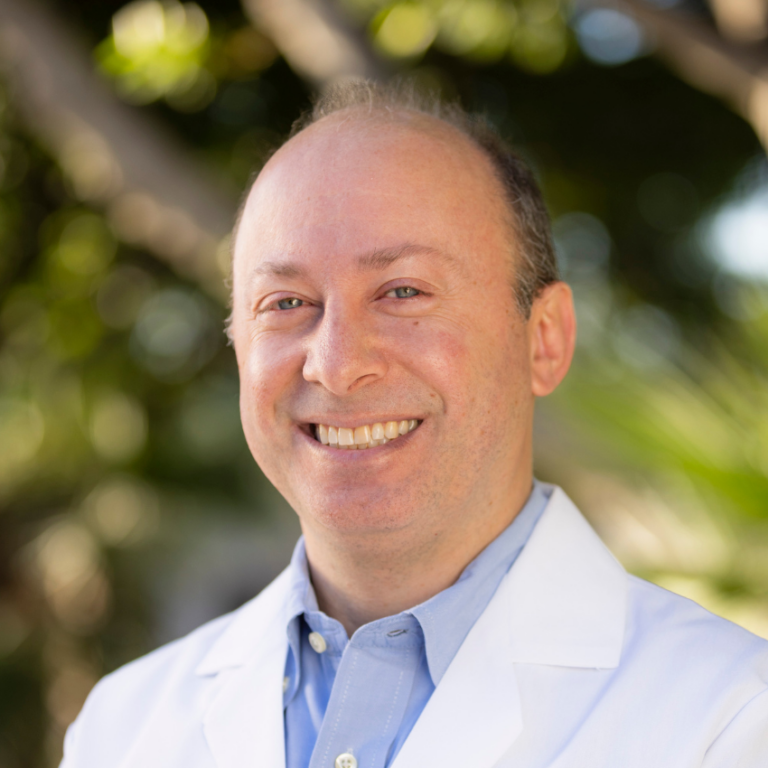
doctor cassandra roeca shady grove fertility colorado
Medical contribution by Cassandra Roeca, M.D.

Cassandra Roeca, M.D., is board certified in obstetrics and gynecology and reproductive endocrinology and infertility. Dr. Roeca is passionate about fertility preservation in patients with cancer or medical diagnoses that place them at risk of infertility. She sees patients at SGF’s Denver, Colorado office.

Filed Under: Get Started Tagged With: Causes of infertility, Getting started, Trying to conceive

May 19, 2023 by Shady Grove Fertility

Did you know that the hormones surging through your body influence or even control many of the most important bodily processes — including the ability to get pregnant? Because you can’t see or consciously adjust the levels of these critical compounds, it can be profoundly frustrating when you find yourself struggling to conceive if you suspect that a hormone irregularity may be at play. 

Whether you’re just setting off on your family-building journey, or you’ve been trying for a while now, learning more about how your hormones impact fertility — and what you can do to minimize or eliminate issues — is a wise step. 

We’ve asked fertility specialist Dr. Jennifer Mersereau to answer all your questions about hormonal imbalances.  

1). Which hormones have an impact on fertility?

“While a few hormones seem to be named more often than others when it comes to conceiving, the truth is that many come into play,” shares Dr. Mersereau “In fact, the number of different hormones that impact fertility is one of the things that can make addressing hormone-related infertility particularly challenging. However, the good news is that if your periods are coming on a regular monthly basis, you are likely ovulating and your reproductive hormones are ‘in balance’. In cases where the period is very irregular, we can make the right adjustments to properly balance hormones, which will often lead to successful outcomes.”  

Some of the hormones that will most significantly impact your ability to become pregnant are:

  • Thyroid hormones – The thyroid produces many hormones, most notably triiodothyronine (T3) and thyroxine (T4) hormones. These hormones primarily impact metabolic rate and digestion, but they are also inextricably tied to reproduction. If you’re experiencing thyroid dysfunction, you may experience difficulties with ovulation or implantation. 
  • Prolactin – The hormone prolactin is critical to the production of breast milk, but it also plays an essential role in becoming pregnant in the first place. If your prolactin levels are abnormal, you will likely experience menstrual cycle irregularity, which in turn can cause issues with ovulation. 
  • Anti-Müllerian hormone (AMH) – This hormone is produced by ovarian follicles, or the small cycles that contains the immature egg. Its primary function is to support immature eggs. Measuring this hormone is one of the best predictors of how many eggs you have remaining in your ovaries. 
  • Follicle-stimulating hormone (FSH) – This hormone is directly linked to fertility, as its key function is to help regulate the menstrual cycle and induce the production of eggs in the ovaries. Women who have a loss of ovarian function often have higher FSH levels, as their bodies are trying to compensate for this dysfunction. 
  • Luteinizing hormone (LH) – This hormone signals the body to release a mature egg. Ovulation predictor kits depend on the measurement of this hormone, as levels generally surge immediately before ovulation. 
  • Progesterone – This hormone is essential to maintaining a pregnancy. Progesterone helps thicken the uterine lining, which in turn helps support an embryo.  

2). What are common signs of a hormonal imbalance?

The most common signs of hormonal imbalance in women include:

  • Menstrual cycle irregularity
  • Spotting or irregular bleeding
  • New or worsening acne
  • Facial hair
  • Male-pattern body hair
  • Male-pattern hair loss
  • Unexplained weight gain
  • Extreme mood changes

3). What causes a hormonal imbalance?

The two most common causes of fertility-related hormonal imbalance are thyroid dysfunction and polycystic ovary syndrome (PCOS). Either condition can make getting and staying pregnant without medical intervention more difficult. 

4). How can a hormonal imbalance impact my fertility?

With so many different hormones impacting your ability to conceive and maintain a pregnancy, it becomes easier to understand that a hormonal imbalance can cause an equal array of fertility challenges. 

Two of the most common fertility issues linked to hormonal imbalance are:

  • Ovulatory dysfunction – Hormone-related abnormalities, including irregularities in thyroid hormones and polycystic ovary syndrome (PCOS), can decrease the regularity of ovulation or prevent it altogether. When ovulation is interrupted, becoming pregnant is unlikely, as there is no egg to fertilize. 
  • Short luteal phase – The luteal phase immediately follows ovulation. The length of this phase is controlled by progesterone, the hormone that maintains the thickness and strength of the uterine lining. The average luteal phase is 13 to 14 days. “If you have a luteal phase shorter than 10 days, a fertilized embryo may not be able to implant, preventing pregnancy, and we recommend you come in for a simple fertility evaluation,” says Dr. Mersereau. 

5). What information will a doctor need to help resolve hormonal imbalances and increase my likelihood of getting pregnant? 

“The best thing you can do if you think you may have a hormonal imbalance, is to begin tracking your cycles and schedule a simple fertility evaluation with a specialist,” shares Dr. Mersereau “For tracking, you can do this either through the use of a traditional calendar or a specialized app. Information about the length of your cycles will help your doctor begin to confirm or rule out the presence of a hormone irregularity, as cycle irregularity is the most common sign of a hormonal imbalance.”  

6). Are hormone levels impacted by age?

“Yes, definitely. As you age, many fertility-related hormone levels change substantially,” explains Dr. Mersereau. “FSH commonly increases as women start to have decreased ovarian function with age. AMH levels also change substantially, decreasing as you age as the number of eggs remaining in your ovaries decreases. Because fertility potential is impacted most by a woman’s age, we strongly encourage early intervention to increase your chances of pregnancy.” 

7). Could it be that changes in my menstrual cycle are just the start of menopause?

Women in pre-menopause (known as perimenopause) often start to experience cycle changes in which their cycles change in length or, in some cases, stop altogether.  

The best way to determine whether menopause is in play is to seek the help of a fertility specialist. Bloodwork results can determine your ovarian status and determine whether conception on your own is still possible. 

8). Should I seek medical attention for a hormonal imbalance even if I’m not trying to get pregnant?

“Definitely, yes!” shares Dr. Mersereau. “Hormones impact much more than your reproductive system. Even if you’re not currently pursuing parenthood, if your menstrual cycles are very irregular, it’s important to see a doctor.” 

9). How do you treat hormonal imbalances if I’m trying to get pregnant?

“There are various ways we can treat a hormonal imbalance and increase the likelihood of conceiving and maintaining a pregnancy,” shares Dr. Mersereau. “Treatments for hormonal imbalances are highly customized, as each hormonal imbalance is different.”  

  • Restore thyroid function
  • Normalize prolactin levels
  • Induce ovulation
  • Trigger the release of a matured egg

Herbal remedies and similar ‘natural’ supplements are not regulated by the FDA; and therefore, their impact on a person’s body cannot be predicted — and may even be harmful. As such, our team does not encourage the use of these types of remedies. 

“If your cycles are irregular that may mean your reproductive hormones are not in balance,” shares Dr. Mersereau. “Getting a firm grasp on a hormonal imbalance and its potential impact on fertility can be challenging. We remind our patients; they don’t have to exhaust their physical and emotional energies. We can provide the answers you need to truly take control of your fertility.”

Schedule an Appointment
Medical contribution by Jennifer E. Mersereau, M.D., MSCI 

Jennifer E. Mersereau, M.D., MSCI, is board certified in obstetrics and gynecology (OB/GYN) as well as reproductive endocrinology and infertility (REI). Dr. Mersereau received her medical degree from the University of Pittsburgh School of Medicine. Following her passion for women’s healthcare, she then completed her residency in OB/GYN at the Feinberg School of Medicine at Northwestern University in Chicago, Illinois, where she also earned her Master of Science in Clinical Investigation. From there, Dr. Mersereau completed her REI fellowship at the University of California in San Francisco, California.  

Editor’s Note: This article was originally published in January 2017 and has been updated for accuracy and comprehensiveness as of May 2023.

Filed Under: Diagnosing Infertility Tagged With: Causes of infertility

April 14, 2022 by Shady Grove Fertility

Determining whether it is time to see a fertility specialist can feel like a big decision to make on your own. Dr. Jason Bromer helps ease the “what ifs” that could be making you second-guess your next steps by outlining five sure signs you need to seek help from a fertility specialist.

It is also important to understand the red flags for when to see a fertility specialist sooner. Unfortunately, time is not on everyone’s side, as female infertility increases with age. If any of the following conditions apply to you, it is a good idea to make an appointment with a fertility specialist sooner rather than later.

1. Treatment with your primary care or OB/GYN is not working

To better understand the cause of infertility, your primary care physician, OB/GYN, or an SGF fertility specialist will review your medical history and initiate fertility testing for both partners (if applicable). It is especially important that each of the following tests is performed prior to initiating fertility treatment because each one evaluates specific reproductive functions that are required to conceive.

“Based on the information learned through testing, reproductive specialists can create individualized treatment plans ranging from low-tech treatment options like intrauterine insemination (IUI) in addition to the widely known in vitro fertilization (IVF),” explains Dr. Bromer.

These basic tests include:

  • Blood work: Are your reproductive hormones functioning normally?
  • Anti-Müllerian hormone (AMH): How many eggs do you have?
  • Hysterosalpingogram (HSG): Is your uterus shaped normally and are your tubes unobstructed?
  • Semen analysis: Does your partner have enough sperm and are they healthy?

While LGBTQIA+ individuals in a same-sex relationship may not necessarily be infertile, the couple should still have an evaluation and will often need assistance building their families.

2. You have been having unprotected intercourse without success

“It’s not uncommon to hear patients during our initial consultation say, ‘We haven’t used any forms of contraception for at least a year, but we have only really been trying to conceive for about six months,’” explains Dr. Bromer. “This begs the question: What does ‘trying’ really mean?”

No matter if you have been actively trying or not, couples having unprotected sexual intercourse for more than 6 or 12 months, depending on age, without conceiving should seek a fertility evaluation.

Shady Grove Fertility assumes infertility is present and recommends seeking help from a fertility specialist when a woman is:

  • Under age 35 with regular cycles, unprotected intercourse, and no pregnancy after 1 year
  • Age 35 to 39 with regular cycles, unprotected intercourse, and no pregnancy after 6 months
  • Age 40 or over with regular cycles, unprotected intercourse, and no pregnancy, more immediate evaluation and treatment are warranted

3. Your period is here, there, or nowhere

Irregular periods or no periods at all can indicate ovulatory challenges, making conception feel like an uphill battle. No matter your age, if ovulation is random or absent, seeking help from a specialist can help you get back on track to enhance your chances of conception.

“Ovulatory disorders broadly break down into two groups: no ovulation at all or oligo-ovulation, which is when ovulation occurs infrequently or irregularly and is frequently due to polycystic ovary syndrome (PCOS),” explains Dr. Bromer.

About 50 percent of treatment cycles performed at SGF, like ovulation induction with Clomid or intrauterine insemination, are considered basic forms of treatment. These options require less medication and fewer monitoring appointments but are still effective in helping patients conceive faster.

4. The semen analysis came back abnormal

When the male partner’s sperm count is low or of poor quality, it can make conception significantly more difficult. If you have reason to suspect you may have an issue with your sperm, such as testicular trauma, erectile dysfunction, or problems ejaculating, it is time to see a fertility specialist for testing of both partners. Seeing a reproductive specialist can help to determine the severity of a potential male factor diagnosis and offer simple to advanced solutions to help you conceive.

“The good news is if you have a low sperm count, it only takes one egg and one sperm to make a great embryo,” shares Dr. Bromer. “Intracytoplasmic Sperm Injection (ICSI), which is when a single sperm is directly inserted into an oocyte (or egg cell), and IVF can help patients with even the lowest sperm counts overcome infertility.”

5. You have experienced two or more miscarriages

“It is a common misconception that women who experience miscarriages do not experience infertility because they can get pregnant,” explains Dr. Bromer. “In fact, having multiple miscarriages is a very specific type of fertility problem that affects 1-3% of all couples.”

Recurrent miscarriages are defined as two or more consecutive, spontaneous pregnancy losses before 20-weeks gestation. The majority of miscarriages can be attributed to:

  • genetic abnormalities in the embryo
  • hormonal problems like diabetes, thyroid disease, and/or undetected structural problems in the uterus
  • advanced reproductive age

Anyone who has experienced two or more miscarriages should see a reproductive specialist.

It is time to see a fertility specialist

Making the move to see a fertility specialist is a big, but enlightening step. Patients often second-guess themselves about the need to see a specialist or may find themselves worrying about the success rates or how much treatment will cost. It is best to take it one step at a time. The first step is to schedule an appointment with a fertility specialist.

Approximately 70% of our patients have some coverage for infertility treatment and 90% have coverage for their initial consultation. By scheduling a new patient consultation, you will get the answers you need to continue moving your family-building goals forward.

Schedule Appointment
Medical contribution by Jason G. Bromer, M.D.

Jason G. Bromer, M.D., is board certified in obstetrics and gynecology and reproductive endocrinology and infertility. He has been involved in cutting-edge research in fertility preservation for cancer patients, pregnancy implantation, and methods of embryo selection for in vitro fertilization. 

Filed Under: Get Started Tagged With: Causes of infertility, Dr. Jason Bromer, Fertility testing, Menstrual cycle, Recurrent pregnancy loss, Semen analysis

June 17, 2019 by Shady Grove Fertility

An Anonymous Patient’s Perspective on Secondary Infertility

My husband and I originally wanted four children. Once we had our son and felt ready for kiddo number two, we conceived once again.

Then, we had a miscarriage.

None of my friends or family had experienced a miscarriage, so I felt like I had no one to turn to.
We waited almost a year before attempting to get pregnant again. But our delight soon transformed to sadness when we miscarried for the second time.

After the second miscarriage, I sought the help of a perinatologist. I wanted to understand why I kept miscarrying and figure out how to fix the problem. Even though the doctors performed a lot of tests, they were never able to pinpoint a cause.

We attempted a third time, and I was able to conceive.

Unfortunately, this pregnancy also ended with a miscarriage.

At this point, we turned to Shady Grove Fertility where Dr. Esposito identified the likely cause of my miscarriages.

When I got pregnant again; this time it was with twins. I remember calling Dr. Esposito and telling her not to close my file because I didn’t have a good feeling about it. I felt a lot of anxiety and fear, and at 9 weeks I was told that neither sac was functional and that there were no heartbeats.

I was shattered.

While it was difficult to retain hope of a happy outcome through this all, we persisted. Using IVF with preimplantation genetic diagnosis (PGD), we retrieved 12 eggs and two fertilized normally. The attempt was successful. I was pregnant.

But pregnancy didn’t settle my nerves. I had proven I could get pregnant, but staying pregnant was the issue. So I was on edge—and I stayed on edge until the day when my newborn daughter was placed in my arms.

Getting pregnant is like riding a bike, right?

You’ve gotten pregnant before, so surely you can have a successful pregnancy again.
Well, not necessarily. While some women find getting pregnant with baby two…or three…or four…no more challenging than conceiving their first bundles of joy; others have a decidedly different experience.

In fact, experiencing difficulty conceiving a baby after you’ve already had one successful pregnancy, also known as secondary infertility, is more common than you might expect. According to the Centers for Disease Control (CDC), more than 3.5 million American women experience secondary infertility. At Shady Grove Fertility, approximately 50 percent of the patients we see are seeking support as a result of secondary infertility.

Statistics suggest that the frequency of secondary infertility is on the rise. According to the same data source, just more than 2.5 million American women experienced secondary infertility in 1982, meaning the number of women affected has increased by 1 million in the span of 30 years.
Although this problem may seem perplexing and paradoxical, there are some logical reasons why secondary infertility is presenting an increasing challenge for couples who want to expand their families.

What factors contribute to secondary fertility?

The answer to the question, “Why am I having a hard time having a baby now when I didn’t have difficulty before?” isn’t always the same for every woman.

Upon exploring the underlying causes of secondary infertility, some women find that they have a fertility-related issue—such as PCOS—that, by all accounts, should have prevented them from having their first child.

For other women, however, something has changed between the birth of the first child and their attempt at conceiving and carrying another.

Some common change factors that cause difficulty conceiving a second child include:

Maternal age

You are older when you have baby number two than you were when you had baby number one. Because fertility declines with age, having that second or third child becomes more difficult.

Internal issues

In the span of time between the birth of your first child and your attempt at conceiving baby number two, changes within your body may have occurred. Changes to your uterus, infections, or even Fallopian tube issues could make getting and staying pregnant more difficult.

Male-factor infertility

If you’re attempting to have your second child with a different partner than your first, male factor infertility could be contributing to your struggle.

Weight gain

Many people gain weight as they get older. Being overweight or obese can cause fertility-related struggles, making conception more challenging.

Schedule an Appointment

When facing secondary fertility, is it normal to…

Feel out of place among fertility patients? Yes.

As you sit in the waiting room for your appointment, you might feel like you don’t belong in a fertility center. You’ve been pregnant. You’ve had a baby. Is it even right for you to be considering such medical measures?

Having one child doesn’t necessarily make dealing with infertility any easier. You still have a right to feel a longing to have another child, and a right to pursue treatment.

Also, remember that about half of our patients deal with secondary infertility. So in a waiting room of 10, five likely have a child at home.

Feel pressure from existing children? Yes.

Many kids ask for siblings. They see their friends with brothers and sisters, and they want one, too.
If your child is old enough, you may feel comfortable having a discussion with him or her about the challenges and feelings surrounding bringing another baby home. You can tell your child that you would like to have another child but aren’t able to right now.

If a conversation doesn’t feel appropriate, you can remind your child that you love him or her and your family of three.

Feel guilty? Yes.

Despite the fact that secondary infertility isn’t your fault, mothers commonly feel that if they had tried to add a second child earlier, their attempts would have been successful.
The only way to overcome this emotion is to remind yourself—often repeatedly—that secondary fertility is not your fault.

Feel relief? Yes.

You want a second baby… you really do… so why do you feel a tinge of relief?

Having a baby—especially a second one—can cause a wide array of fears and emotions. Many people experience equal parts excitement and trepidation about having another child.
How would an additional child change your existing family? Because there is no way to tell, you may feel relief at not having to face this uncertainty.

Feeling relief doesn’t mean you’ve done something wrong or that there is anything wrong with you.

Where can I get support?

Secondary infertility can be a difficult topic to discuss with those who haven’t faced this challenge before.

Friends and family may dispense well-intentioned but ill-informed advice like, “Just enjoy the child you do have,” or “Relax. It will happen when you least expect it.”

While some people can wrap their heads around the emotions that accompany secondary infertility on their own, others benefit from discussing their experience with those who have been or are going through secondary infertility.

If you have a friend or family member you can turn to, you should do so to the degree that you feel comfortable. If you don’t—or if you would feel more comfortable talking to someone else—seek out a free Shady Grove Fertility support group led by one of our social workers.

And remember, speak to your doctor about the emotions you are experiencing as you go through the fertility process. Fertility care professionals can provide you with support directly or point you in the direction of the confidant you seek.

Schedule an Appointment

For more information about secondary infertility or to schedule an appointment, please call our New Patient Center at 1-877-971-7755 or click here to complete this brief online form.

Filed Under: Diagnosing Infertility Tagged With: Causes of infertility, Secondary infertility

March 8, 2018 by Shady Grove Fertility

Medical contribution by Anne Brawner Namnoum, M.D.

A native of Atlanta, Dr. Namnoum attended The Westminster Schools and received her undergraduate degree from Williams College. She earned her medical degree at Johns Hopkins University in Baltimore, and completed her residency in Obstetrics and Gynecology and fellowship in Reproductive Endocrinology and Infertility at Johns Hopkins as well. She directed the IVF program at Johns Hopkins before returning to Atlanta, where she practiced at Emory and Atlanta Center for Reproductive Medicine.

Hormones play a huge role in your ability to get pregnant. Some hormones regulate the menstrual cycle, which impacts one’s ability to become pregnant, and also play an important role during pregnancy.

“When couples are struggling to conceive, many don’t realize that they have a hormonal imbalance because the signs may not always visible” says SGF Atlanta’s Dr. Anne Namnoum. “Knowing what hormones impact fertility and how we help patients with a hormonal imbalance get pregnant is an important first step,” adds Namnoum.

Dr. Namnoum sheds light on how patients with a hormonal imbalance can become pregnant, and signs and warning signals that indicate it’s time to seek help.

Q: What hormones impact fertility?

The most important hormones for fertility are anti-Müllerian Hormone (AMH), follicle-stimulating hormone (FSH), and luteinizing hormone (LH).

  • Anti-Müllerian Hormone (AMH) – This hormone is produced by ovarian follicles, or the sack that contains the immature egg. Its primary function is to support the immature eggs. Measuring this hormone is one of the best predictors of how many eggs you have remaining in your ovaries.
  • Follicle-Stimulating Hormone (FSH) – This hormone is directly linked to fertility, as its key function is to help regulate the menstrual cycle and induce the production of eggs in the ovaries. Women who have a loss of ovarian function often have higher FSH levels, as their bodies are trying to compensate for this dysfunction.
  • Luteinizing Hormone (LH) – This hormone signals the body to release a mature egg. Ovulation predictor kits depend on the measurement of this hormone, as levels generally surge immediately before ovulation.

Other hormones such as thyroid hormones, prolactin, and progesterone can also become imbalanced affecting your ability to conceive. These hormone imbalances can be determined through an infertility work-up, or evaluation.

Q: How does a hormonal imbalance impact my fertility?

The biggest issue related to infertility and hormonal imbalances is ovulatory dysfunction. Without ovulation, a women is unable to conceive. Another cause of a hormonal imbalance is a short luteal phase. The length of this phase is controlled by progesterone, the hormone that maintains the thickness and strength of the uterine lining. The average luteal phase is 13 to 14 days. If you have a luteal phase shorter than 10 days, an embryo might not have enough time to implant.

Q: How would I know if I had a hormonal imbalance?

While every women is different and some signs are more noticeable than others, the most common include:

  • Menstrual cycle irregularity
  • Spotting or irregular bleeding
  • New or worsening acne
  • Facial hair
  • Male-pattern body hair
  • Male-pattern hair loss
  • Unexplained weight gain
  • Extreme mood changes

Q: How can I get pregnant with a hormonal imbalance?  

Depending on the specific diagnosis, medication is often the first line of treatment, which helps to restore the hormonal function to help induce ovulation and trigger the release of a matured egg.

Since hormone imbalances can also be attributed to weight, a weight-loss treatment plan may be recommended to help restore the hormonal imbalance.

“If you are having difficulty conceiving, don’t wait to seek the help you need. Early fertility intervention offers the best chances of success. Scheduling an appointment with a fertility specialist will give you the answers you need to help get you on the road to parenthood,” says Namnoum.

Schedule an Appointment

SGF Atlanta has three locations in Alpharetta, Atlanta-Northside, and Buckhead-Piedmont. To schedule an appointment with one of Shady Grove Fertility Atlanta’s three physicians, Drs. Mark Perloe, Desireé McCarthy-Keith, or Anne Namnoum, please call 1-877-971-7755 or complete this brief online form

Filed Under: Diagnosing Infertility Tagged With: Causes of infertility

August 14, 2017 by Shady Grove Fertility

It is humbling to put in perspective that even among fertile couples with no issues getting pregnant, estimates range from a 10 to 20 percent chance of achieving pregnancy any given month they try. In other words, fertile couples are unsuccessful 80 to 90 percent of the time. This is what we see when we look at the success of thousands of young couples who start the journey to build their family. Most will achieve pregnancy within the first year of trying; for others, there are treatments now available to help almost everyone conceive.

How common is unexplained infertility?

When couples come to an infertility specialist, they want answers. We proceed through the diagnostic testing process to identify a cause for their inability to achieve pregnancy. In about 10% of the time, a young couple (woman’s age less than 35 years old) will get an inconclusive result: Unexplained infertility. It is important to understand what this really means. The diagnostic testing we have available will only identify the major reasons why a couple may have a difficult time getting pregnant but it certainly cannot identify all the reasons. If the Fallopian tubes are blocked or there is no sperm, these are obvious major obstacles to becoming pregnant, and can be identified through diagnostic testing.  There are, however, no 100% definitive tests available for more subtle infertility factors such as poor egg quality and fertilization failure.

Among couples with unexplained infertility we also know that despite all the normal diagnostic testing, they only achieve a pregnancy 1 to 4% any given month of trying without fertility treatment—much lower chances than 10 to 20%. This is why ultimately many couples choose in vitro fertilization (IVF) to attain their family building goals. In fact, a large randomized trial on couples with unexplained infertility called FASTT showed definitively that couples unsuccessful after three cycles of Clomid and intrauterine insemination (IUI) should proceed to IVF as their next treatment because they will more likely become pregnant, achieve their baby sooner, and will spend less money overall in fertility treatment.

Often the subtle infertility factors of unexplained infertility can be seen during IVF, so IVF can also be diagnostic. Even women with excellent ovarian reserve can have poor egg quality seen under the microscope at the time of egg retrieval. Couples with mature eggs and normal semen parameters may have poor fertilization, which can only be seen during IVF. Sometimes embryo development is the issue. Sometimes it’s an implantation issue. These are the diagnostic benefits of IVF that cannot be detected in any other way. In addition, once identified there are many options for treating and overcoming these infertility factors with IVF.

Although IVF does not fix all infertility factors, it is still the most successful treatment option for most couples and affords many bonuses. The risk of multiple gestation (twins, triplets, etc.) can be controlled with the number of embryos that are placed back in the woman’s uterus. The woman’s fertility can also be preserved by creating surplus embryos that can be frozen at her current age and transferred later when she is ready for baby 2 or 3.

Written by: Kara Nguyen, M.D., M.P.H, of Shady Grove Fertility’s Reading, PA and Harrisburg, PA offices.

Schedule an Appointment

To learn more about unexplained infertility or to schedule an appointment with one of our 35+ physicians, please call 1-877-971-7755 or click here to complete this brief online form.

Filed Under: Diagnosing Infertility Tagged With: Causes of infertility

  • « Go to Previous Page
  • Page 1
  • Page 2
  • Page 3
  • Page 4
  • Go to Next Page »

Company

  • About SGF
  • About US Fertility
  • Our Doctors
  • Fertility Equity
  • Careers
  • Newsroom
  • SGF College Scholarship
  • Contact Us
  • Voice Your Feedback

Treatments

  • Egg Freezing
  • Intrauterine Insemination (IUI)
  • In Vitro Fertilization (IVF)
  • Frozen Embryo Transfer (FET)
  • LGBTQIA+ Family Building
  • Shared Risk 100% Refund Program
  • All Treatments

Resources

  • Patient Portal
  • Online Bill Pay
  • Library
  • Support Groups & Events

Locations

  • California
  • Colorado
  • Delaware
  • Florida
  • Georgia
  • Maryland
  • North Carolina
  • Pennsylvania
  • Texas
  • Virginia
  • Washington, D.C.

2026 Shady Grove Fertility

  • Policies & Notices
Also of interest
  • In Vitro Fertilization IVF
  • Fertility Tests
  • Research Publications