• Skip to primary navigation
  • Skip to main content
  • Skip to footer
Shady Grove Fertility
  • Become an Egg Donor
  • Referring Physicians
  • 1-888-761-1967
  • Schedule Appointment
  • Get Started
        • Get Started
          • Causes of Infertility
          • Fertility Tests
          • When to Seek Help
          • Find a Doctor
          • Preconception and prenatal vitamins 
          • Schedule an Appointment
        • Personalized Care For
          • Single Parents
          • LGBTQIA+ Family Building
          • People with Cancer
          • Known Genetic Diseases
          • Egg Donors
  • Treatments
        • Fertility
          • Timed Intercourse
          • Ovulation Induction
          • Intrauterine Insemination (IUI)
          • In Vitro Fertilization (IVF)
          • Frozen Embryo Transfer (FET)
        • Donation & Surrogacy
          • Donor Sperm
          • Donor Egg
          • Donor Embryo
          • Gestational Carrier
          • LGBTQIA+ Family Building
          • Single Parents
          • Find a Donor
        • More Treatments
          • Center for Male Fertility
          • Egg Freezing
          • OncoFertility
          • Preimplantation Genetic Testing
          • MIGS
          • All Fertility Treatments
  • Resources
    • Resource Library
    • Events Calendar
    • Patient Stories
    • Mental Health
    • Wellness Center
  • Insurance & Savings
    • Insurance & Benefits
    • Shared Risk 100% Refund Program
    • 100% Refund for Donor Egg
    • Discounts
    • Egg Freezing Costs
    • Financing & Grants
    • Clinical Trials
  • About
    • Find a Doctor
    • About SGF
    • Our Care Team
    • Advanced Practice Providers
    • Fertility Equity
    • Philanthropy
    • Newsroom
    • Careers
    • Contact Us
    • Voice Your Feedback
  • Locations
        • Find a Location
        • California
        • Colorado
        • Delaware
        • Florida
        • Georgia
        • Maryland
        • North Carolina
        • Pennsylvania
        • Texas
        • Virginia
        • Washington, D.C.
        • Chile
        • International & Out of State
        • SGF at Walter Reed National Military Medical Center
  • Patient Hub
    • Online Bill Pay
    • Patient Forms
    • Patient Portal
  • Call your care team
  • Become an egg donor
  • Referring physicians
  • search-icon
  • Schedule appointment 1-888-761-1967

Home / Secondary infertility

Secondary infertility

July 13, 2023 by Shady Grove Fertility

If you’ve already had one child, you may experience shock or surprise at your difficulties trying to conceive another. Even if you had infertility the first time around and perhaps expected some difficulties again, it can feel confusing and distressing to go back and forth between the fertile and infertile worlds.  

At Shady Grove Fertility, approximately 50 percent of the patients we see are seeking support as a result of secondary infertility. 

“Although this problem may seem improbable and frustrating, there are some logical reasons why secondary infertility is presenting an increasing challenge for those who want to expand their families,” shares SGF Houston physician Dr. John R. Crochet. “We’re here to help overcome barriers and help you reach the family of your dreams.”  

Four common factors that contribute to secondary fertility 

There are many reasons someone could be experiencing secondary infertility.  

Upon exploring the underlying causes of secondary infertility, some find that they have a fertility-related issue — such as polycystic ovary syndrome (PCOS) — that, by all accounts, may have also prevented them from having their first child. 

For others, however, something has changed between the birth of the first child and their attempt at conceiving and carrying another. 

Maternal age 

One of the leading causes of secondary infertility is age. As a woman ages, the quality and quantity of her eggs decreases. While she may have had her first child without a problem, she could encounter a change in egg quality or quantity if she tries to conceive again several years later. While every individual is different, SGF provides age-based recommendations for when you should see a fertility specialist if you are having difficulty conceiving. 

Internal issues 

In the span of time between the birth of a first child and an attempt at conceiving another baby, changes within the body may have occurred. Changes to the uterus, infections, or even Fallopian tube issues could make getting and staying pregnant more difficult. Irregular or absent menstrual cycles can often reveal an underlying ovulation disorder, even if previous conception occurred. 

Recurrent miscarriage, also known as recurrent pregnancy loss, is defined as two or more consecutive, spontaneous pregnancy losses. It is often unknown why miscarriages occur, even when a previous pregnancy has been successful. 

Male-factor infertility 

Male aging can also affect reproductive health, potentially affecting sperm quality and quantity. But while these changes may be due to age, they could also be due to new medications, such as testosterone replacement therapy, or lifestyle changes like weight gain or a new smoking habit (which can also affect female fertility). Learn how you can improve sperm quality. 

Weight gain 

Weight gain can have a significant impact on the ability to conceive, sometimes leading to ovulatory dysfunction in women or reduced sperm quality in men. However, weight loss can reverse these conditions.  

In many men and women with a body mass index (BMI) that is above normal, diet, exercise, and lifestyle changes have been shown to make a vast difference in fertility potential. Studies have shown that for women, losing as little as 5 to 10 percent of their body weight can improve the chances of pregnancy occurring. 

Available treatment options 

If you have had a successful pregnancy before and are now trying to conceive without success, we recommend making an appointment to see a fertility specialist. 

After your physician establishes a diagnosis, they will discuss with you the recommended treatment approach. As with other types of infertility, SGF takes a stepped care approach to treatment, which means we start with the simplest, most affordable treatment options first and move up to more advanced treatments only when medically indicated. 

Support system for secondary infertility  

Many women who experience secondary infertility can feel surprised, alone, and not know how to share their feelings with their friends and family. You may experience unwelcome reactions from your friends and family who may not understand why you’re so upset because you already have a child. It can be very difficult to make sense of these challenges and to stop feeling so distant from everyone around you. You are not alone though and there are support groups and resources available.  

The most important thing to remember when you are experiencing secondary infertility is that you are not alone. A fertility specialist will be able to provide you with an accurate diagnosis and then create an individualized treatment plan to help you conceive.  

SGF encourages patients to find a community of support and offers a Secondary Infertility Support Group. For more avenues of support, SGF offers a comprehensive resource library for patients, as well as active Facebook, Instagram, and YouTube channels, where current and prospective patients will find a wealth of support and resources.   

Questions around secondary infertility you may be asking yourself 

“Where do we fit in?” 

Secondary infertility can leave you feeling like you’re straddling the worlds of fertile and infertile. 

Like primary infertility, we see many patients with secondary infertility who attempt to isolate themselves from family and friends when it becomes too painful being around other people’s babies and pregnancies. However, once you have a child, you are clearly engaged in the “fertile world” and it becomes more difficult to do so. When you take your child to the playground or preschool it may mean encountering other mothers who are pregnant with their second child, newborn babies, and questions about when you will be having another. 

You may feel vulnerable in these social situations and may dread having to address these issues. For some, having a script in your mind about how you will reply can help you to feel less out of control. A simple response like “maybe someday“ or “right now we are just focusing on our child” could be a way to end the conversation politely (even though you may feel distressed at having to tolerate the intrusiveness). 

“Aren’t you grateful for what you have?” – Those experiencing secondary infertility share common concerns. 

This can be one of the most distressing questions someone may ask you. While of course you are thrilled and grateful for the child you have, it doesn’t take away from the very real feelings that may exist in longing for another. You may already be feeling guilty for spending time and energy away from the child you already have, in thinking about or undergoing treatment pursuing a second child. You may also be feeling a mix of excitement as your child reaches each new developmental stage but also sadness at the sense that you may only have one opportunity to experience that particular milestone. 

“These feelings are completely normal, and it may be helpful for you to ready yourself with an answer that feels right to you in case this question comes up,” shares Dr. Crochet. “We’ve heard some of our patients reply, ‘I’m grateful for the child I have, and I’d love to go through this wonderful experience again.’” 

“What if my spouse doesn’t want to pursue treatment to have another child?” 

Partners may differ in their feelings about treating secondary infertility. It’s not uncommon for spouses to be in different places with regard to how intently to pursue having a second child. One of you may have more ambivalence, perhaps asking why you should “rock the boat” and take a risk when you already have one healthy child. 

Infertility treatment can take a significant amount of effort and energy, let alone money. We encourage patients to have a conversation early on about the lengths you are willing to go, as a couple, in pursuit of the goal of adding a child to your family. 

No matter where you are in your family-building journey, SGF is ready to help you achieve the family of your dreams.  

To learn more about an individualized treatment plan for secondary infertility or to schedule a new patient appointment, please call our New Patient Center at 877-971-7755.   
Schedule Appointment
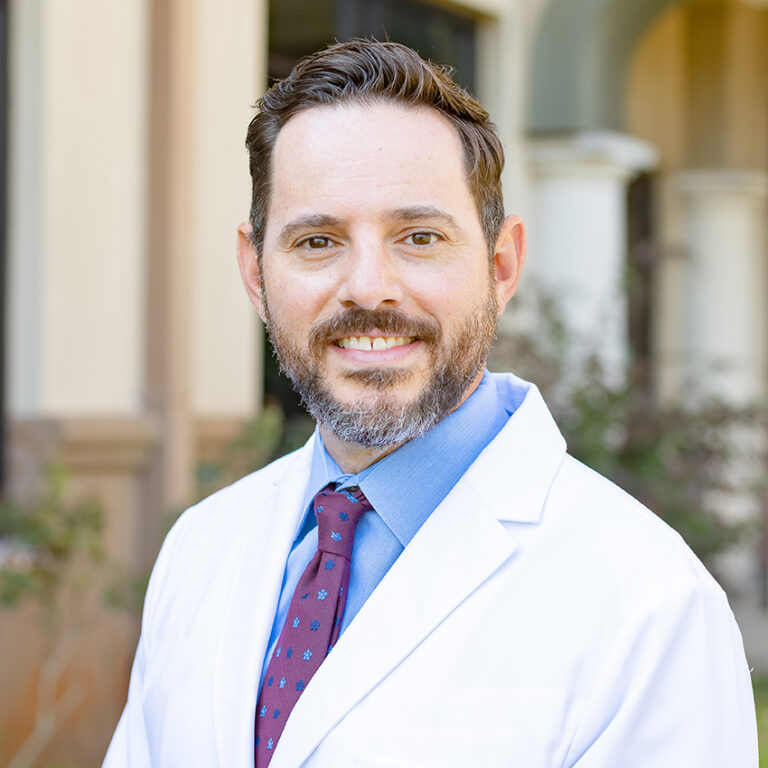
Medical contribution by John R. Crochet, Jr., M.D.  

John R. Crochet, Jr., M.D., is board certified in obstetrics and gynecology (OB/GYN) as well as reproductive endocrinology and infertility (REI). Dr. Crochet received his medical degree from the University of Texas Medical Branch in Galveston. He then completed his residency in OB/GYN at the University of Texas Southwestern Medical Center in Dallas where he received commendations for his teaching and was recognized for excellence in laparoscopic and endoscopic surgery and ultrasonography.

Filed Under: Diagnosing Infertility Tagged With: Secondary infertility

June 17, 2019 by Shady Grove Fertility

An Anonymous Patient’s Perspective on Secondary Infertility

My husband and I originally wanted four children. Once we had our son and felt ready for kiddo number two, we conceived once again.

Then, we had a miscarriage.

None of my friends or family had experienced a miscarriage, so I felt like I had no one to turn to.
We waited almost a year before attempting to get pregnant again. But our delight soon transformed to sadness when we miscarried for the second time.

After the second miscarriage, I sought the help of a perinatologist. I wanted to understand why I kept miscarrying and figure out how to fix the problem. Even though the doctors performed a lot of tests, they were never able to pinpoint a cause.

We attempted a third time, and I was able to conceive.

Unfortunately, this pregnancy also ended with a miscarriage.

At this point, we turned to Shady Grove Fertility where Dr. Esposito identified the likely cause of my miscarriages.

When I got pregnant again; this time it was with twins. I remember calling Dr. Esposito and telling her not to close my file because I didn’t have a good feeling about it. I felt a lot of anxiety and fear, and at 9 weeks I was told that neither sac was functional and that there were no heartbeats.

I was shattered.

While it was difficult to retain hope of a happy outcome through this all, we persisted. Using IVF with preimplantation genetic diagnosis (PGD), we retrieved 12 eggs and two fertilized normally. The attempt was successful. I was pregnant.

But pregnancy didn’t settle my nerves. I had proven I could get pregnant, but staying pregnant was the issue. So I was on edge—and I stayed on edge until the day when my newborn daughter was placed in my arms.

Getting pregnant is like riding a bike, right?

You’ve gotten pregnant before, so surely you can have a successful pregnancy again.
Well, not necessarily. While some women find getting pregnant with baby two…or three…or four…no more challenging than conceiving their first bundles of joy; others have a decidedly different experience.

In fact, experiencing difficulty conceiving a baby after you’ve already had one successful pregnancy, also known as secondary infertility, is more common than you might expect. According to the Centers for Disease Control (CDC), more than 3.5 million American women experience secondary infertility. At Shady Grove Fertility, approximately 50 percent of the patients we see are seeking support as a result of secondary infertility.

Statistics suggest that the frequency of secondary infertility is on the rise. According to the same data source, just more than 2.5 million American women experienced secondary infertility in 1982, meaning the number of women affected has increased by 1 million in the span of 30 years.
Although this problem may seem perplexing and paradoxical, there are some logical reasons why secondary infertility is presenting an increasing challenge for couples who want to expand their families.

What factors contribute to secondary fertility?

The answer to the question, “Why am I having a hard time having a baby now when I didn’t have difficulty before?” isn’t always the same for every woman.

Upon exploring the underlying causes of secondary infertility, some women find that they have a fertility-related issue—such as PCOS—that, by all accounts, should have prevented them from having their first child.

For other women, however, something has changed between the birth of the first child and their attempt at conceiving and carrying another.

Some common change factors that cause difficulty conceiving a second child include:

Maternal age

You are older when you have baby number two than you were when you had baby number one. Because fertility declines with age, having that second or third child becomes more difficult.

Internal issues

In the span of time between the birth of your first child and your attempt at conceiving baby number two, changes within your body may have occurred. Changes to your uterus, infections, or even Fallopian tube issues could make getting and staying pregnant more difficult.

Male-factor infertility

If you’re attempting to have your second child with a different partner than your first, male factor infertility could be contributing to your struggle.

Weight gain

Many people gain weight as they get older. Being overweight or obese can cause fertility-related struggles, making conception more challenging.

Schedule an Appointment

When facing secondary fertility, is it normal to…

Feel out of place among fertility patients? Yes.

As you sit in the waiting room for your appointment, you might feel like you don’t belong in a fertility center. You’ve been pregnant. You’ve had a baby. Is it even right for you to be considering such medical measures?

Having one child doesn’t necessarily make dealing with infertility any easier. You still have a right to feel a longing to have another child, and a right to pursue treatment.

Also, remember that about half of our patients deal with secondary infertility. So in a waiting room of 10, five likely have a child at home.

Feel pressure from existing children? Yes.

Many kids ask for siblings. They see their friends with brothers and sisters, and they want one, too.
If your child is old enough, you may feel comfortable having a discussion with him or her about the challenges and feelings surrounding bringing another baby home. You can tell your child that you would like to have another child but aren’t able to right now.

If a conversation doesn’t feel appropriate, you can remind your child that you love him or her and your family of three.

Feel guilty? Yes.

Despite the fact that secondary infertility isn’t your fault, mothers commonly feel that if they had tried to add a second child earlier, their attempts would have been successful.
The only way to overcome this emotion is to remind yourself—often repeatedly—that secondary fertility is not your fault.

Feel relief? Yes.

You want a second baby… you really do… so why do you feel a tinge of relief?

Having a baby—especially a second one—can cause a wide array of fears and emotions. Many people experience equal parts excitement and trepidation about having another child.
How would an additional child change your existing family? Because there is no way to tell, you may feel relief at not having to face this uncertainty.

Feeling relief doesn’t mean you’ve done something wrong or that there is anything wrong with you.

Where can I get support?

Secondary infertility can be a difficult topic to discuss with those who haven’t faced this challenge before.

Friends and family may dispense well-intentioned but ill-informed advice like, “Just enjoy the child you do have,” or “Relax. It will happen when you least expect it.”

While some people can wrap their heads around the emotions that accompany secondary infertility on their own, others benefit from discussing their experience with those who have been or are going through secondary infertility.

If you have a friend or family member you can turn to, you should do so to the degree that you feel comfortable. If you don’t—or if you would feel more comfortable talking to someone else—seek out a free Shady Grove Fertility support group led by one of our social workers.

And remember, speak to your doctor about the emotions you are experiencing as you go through the fertility process. Fertility care professionals can provide you with support directly or point you in the direction of the confidant you seek.

Schedule an Appointment

For more information about secondary infertility or to schedule an appointment, please call our New Patient Center at 1-877-971-7755 or click here to complete this brief online form.

Filed Under: Diagnosing Infertility Tagged With: Causes of infertility, Secondary infertility

November 30, 2016 by Shady Grove Fertility

When you’ve already had a successful pregnancy, it seems hard to believe that you may have difficulty getting pregnant again. But in the United States, nearly half of all cases of infertility are classified as secondary infertility. Secondary infertility is defined as the inability to become pregnant —despite engaging in unprotected intercourse—following the birth of one or more biological children who were born without the aid of fertility treatment or medications.

Causes of Secondary Infertility

Maternal Age
One of the leading causes of secondary infertility is the female partner’s age. As a woman gets older, the quality and quantity of her eggs decreases. While she may have had her first child without a problem, she could encounter a change in egg quality or quantity if she tries to conceive again several years later. While every individual woman is different, Shady Grove Fertility provides age-based recommendations for when you should see a fertility specialist if you are having difficulty conceiving.

Internal Complications
In some women, there may have been complications from their previous pregnancy and/or delivery that could have affected the uterus and the ability of an embryo to implant and grow. If an infection occurred and went untreated, adhesions may have developed within the uterus or around the Fallopian tubes.

Irregular or absent menstrual cycles can often reveal an underlying ovulation disorder, even if previous conception occurred.

Recurrent miscarriage, also known as recurrent pregnancy loss, is defined as two or more consecutive, spontaneous pregnancy losses. It is often unknown why miscarriages occur, even when a previous pregnancy has been successful.

Male Factor Infertility
As with women, male aging can have an effect on reproductive health, potentially affecting sperm quality and quantity. But while these changes may be due to age, they could also be due to new medications or lifestyle changes like weight gain or a new smoking habit (which can also affect female fertility). Learn how you can improve sperm quality.

Weight Gain
For both men and women, weight gain can have a significant impact on the ability to conceive, sometimes leading to ovulatory dysfunction in women or reduced sperm quality in men. However, weight loss can reverse these conditions. In many men and women with a body mass index (BMI) that is above normal, diet, exercise, and lifestyle changes have been shown to make a vast difference in fertility potential. Studies have shown that for women, losing as little as 5 to 10 percent of their body weight can improve the chances of pregnancy occurring.

Available Treatment Options

If you have had a successful pregnancy before and are now trying to conceive without success, we recommend making an appointment to see a fertility specialist.

After your physician establishes a diagnosis, he or she will discuss with you the recommended treatment approach. As with other types of infertility, many patients with secondary infertility are able to start with low-tech treatment like intrauterine insemination (IUI). In some instances though, secondary infertility may need to ultimately be treated with in vitro fertilization (IVF) or donor egg treatment.

Support System for Secondary Infertility 

“It can be shocking and surprising for women who were once able to become pregnant and have a child easily to find that when they want a second one they cannot. Learning to accept this and the feelings of guilt that may follow can be the first step in addressing the problem and working towards a resolution,” says Patricia Sachs, LCSW-C.

Many women who experience secondary infertility can feel surprised, alone, and not know how to share their feelings with their friends and family. You may experience unwelcomed reactions from your friends and family who may not understand why you’re so upset because you already have a child. It can be very difficult to make sense of these challenges and to stop feeling so distant from everyone around you. You are not alone though and there are support groups and resources available. Shady Grove Fertility has free support groups that meet regularly in the Mid-Atlantic region.

The most important thing to remember when you are experiencing secondary infertility is that you are not alone and that it can happen to anyone. A fertility specialist will be able to provide you with an accurate diagnosis and then create an individualized treatment plan to help you conceive.


Schedule an Appointment


Editors Note: This post was originally published in February 2015 and has been updated for accuracy and comprehensiveness as of November 20, 2016.

References:
Chandra, A., Ph.D., Copen, Casey E., Ph.D., & Stephen, Elizabeth Hervey, Ph.D. Infertility and Impaired Fecundity in the United States, 1982-2010: Data from the National Survey of Family Growth. National Health Statistics Report. August 2013. doi: http://www.cdc.gov/nchs/data/nhsr/nhsr067.pdf

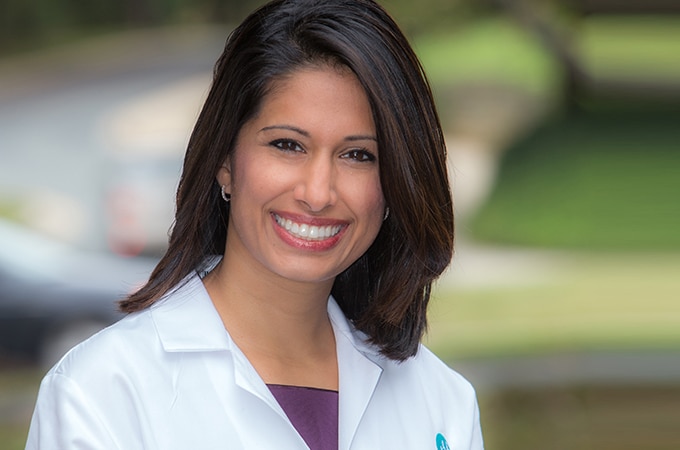
Medical Contribution by: Dr. Shrui Malik of Shady Grove Fertility’s Fair Oaks and Woodbridge, VA offices.

For more information about secondary infertility or to schedule an appointment with a Shady Grove Fertility physician, please contact the New Patient Center at 877-971-7755.

Filed Under: Diagnosing Infertility Tagged With: Causes of infertility, Secondary infertility

December 17, 2015 by Shady Grove Fertility

Shady Grove Fertility believes in cultivating a sustainable community through resources like Glow, a free app and fertility forum that is helping patients manage the clinical aspects of their treatment inside and outside their doctor’s office.

In 2014 we partnered with Glow to provide our patients with a comprehensive resource that not only helps them track their fertility testing and treatment, but fosters engagement with one another through Q&As.

Shady Grove Fertility’s Dr. Shruti Malik Sparks Conversation on Glow Fertility Forum

Last week, during Glow’s “The Doctor is in” fertility forum, Dr. Shruti Malik of the Fair Oaks, VA, office hosted a live Q&A session on IVF and IUI treatment. The reproductive endocrinologist, who specializes in polycystic ovary syndrome (PCOS), male factor infertility, and ovarian aging, interacted with 20+ Glow users and over 500 viewers who were considering IVF and IUI treatment.

Many  had questions about how their health could impact the effectiveness of fertility treatment, the advantages of taking ovulation medicine before undergoing IUI and IVF treatments, and the rates of secondary infertility among women who have children.
You can read the most popular questions and answers below:

  • Q: “For a woman who has PCOS and ovulates every month, what would be the causes of her not getting   pregnant? She has a period each month and no visual cyst. Would it just be the hormonal imbalance that PCOS causes?”-Kai
    • A: In women with regular ovulation or no history of infertility, chances of conception are 15 to 20 percent per month. Most couples would conceive within 6 months. If a woman hasn’t conceived and has a regular cycle within 12 months (or 6 months for women over 35), it’s best to seek testing to see if anything else is contributing a couple’s infertility.-Dr. Malik
  • Q: “How many rounds of clomid (with ovulation) should be done before an IUI should be considered? Do you recommend using Preed or other fertility friendly lubricants to make up for the reduced cervical mucus if using clomid? Thank you so much for your help!”-Alie
    • A: Clomid is reasonable without IUI for anovulatory infertility. For unexplained infertility, IUI is often recommended since clomid alone doesn’t significantly increase the chance of pregnancy. Of course, every woman’s response is different and it’s best to talk to your doctor after two to three cycles. Preseed is a great lubricant if a woman has discomfort but doesn’t affect cervical mucus. Clomid can thicken the mucus and make sperm transit more difficult so IUI can bypass that.-Dr. Malik
  • Q: “What is the success rate for IUI with clomid for someone with PCOS?” -Kayleigh
    • A: In most women with anovulatory infertility alone, clomid is an excellent starting option. In women who respond (ovulate) with clomid, 50 percent will conceive within the first few cycles. Some women with PCOS who do not ovulate with clomid may also respond well to letrozole. In young patients, it’s reasonable to consider another couple cycles with clomid but best to talk to your doctor about what he/she recommends.-Dr. Malik
  • Q: “If I’ve already had one great amazing healthy baby, why am I having such a hard time getting pregnant again? Is this normal?”-Jessica
    • A: Secondary Infertility is very common and understandably very frustrating. Several factors can cause it including the effect of age on ovarian function, tubal patency, and uterine changes or male factor infertility. If you’ve been having unprotected intercourse for over 12 months (6 months if over 35), I would make an appointment with a specialist to see if it’s reasonable to consider treatment.-Dr. Malik

Community Building and its Importance on Fertility Awareness

Dr. Malik also suggested that patients should make sure they are at a healthy body weight for optimal success and pregnancy outcomes, and reiterated how long partners should try to conceive before seeking a specialist.

At Shady Grove Fertility, we know that accessibility to medical advice by leaders in the fertility community, including our physicians, can help more families achieve their dreams of parenthood. Make sure to check the Glow app’s fertility forum, featuring Dr. Malik’s weekly Q&A sessions, as well as a variety of forums, discussions, and other helpful resources.

Click to read the entire Want to boost (or reduce) your chance of getting pregnant? There’s an app for that article. You can download the Glow app here, or on iTunes.

If you would like to schedule an appointment with a fertility specialist, please speak with one of our New Patient Liaisons at 877-971-7755.

Filed Under: Diagnosing Infertility Tagged With: Secondary infertility

June 24, 2015 by Shady Grove Fertility

Whether you love them or hate them, when celebrities like Kim Kardashian share their experiences with infertility, it decreases the social stigma and increases the conversation about fertility treatment. Stephen J. Greenhouse, M.D., of Shady Grove Fertility’s Fair Oaks, VA, office joins FOX 5 to discuss why some couples struggle to conceive.

 The Struggle to Conceive: Age-Related Infertility

While women in their 30s and 40s may feel in the prime of their lives, biologically speaking, they have already passed their peak fertility years. For a woman, age is the number one predictor of her ability to conceive. “At the age of 35, the chances of getting pregnant per month is about 15 percent,” explains Dr. Greenhouse. As you age, the natural rate of conception, without any other fertility issues, continues to decline.

The Struggle to Conceive: Secondary Infertility

For couples who have already had a child, it may be hard to understand why baby number two or three is taking longer to conceive. This is known as secondary infertility, which may be caused by any number of underlying issues. For some, the years that have passed since their first child may have led to age-related infertility. For others, there could have always been some degree of infertility that has worsened with time, or there may have been complications with the earlier pregnancy that could be delaying conception.

Be Proactive: Egg Freezing

Women who are in their 30s have a unique opportunity that previous generations did not—egg freezing. Egg freezing allows women who don’t anticipate starting a family in the next several years to freeze their eggs and, in a sense, “lock in” their current fertility potential. “A woman in her late 20s, early 30s, or mid 30s—who isn’t trying to get pregnant at this time—may want to come in and have a discussion with a fertility specialist to discuss her options,” says Dr. Greenhouse. Taking a proactive approach to family building now may save someone the experience of not being able to conceive later.

When Should I Seek Help?

We all know the couples that say, “I’m trying but not really trying,” and for some, that stage may last for years.  The reality is, if you are having unprotected intercourse and have not conceived, you may be experiencing infertility. For women under the age of 35, we recommend you see a fertility specialist after 1 year of unprotected intercourse. For women 35 to 39, we recommend you see a fertility specialist after 6 months, and for women 40 and over, if you have been trying to conceive for just 2 to 3 months, we recommend you see a fertility specialist promptly.

  • 5 Sure Signs You Need to See a Reproductive Specialist Now

Take the First Step – And That Doesn’t Always Mean Treatment

If you are struggling to conceive, don’t hesitate to start the conversation. Whether you start to ask questions of your OB/GYN or you call upon the advice of a fertility specialist, like those at Shady Grove Fertility, getting your questions and concerns addressed is the first step. If you fall into the time frames for infertility indicated above, we recommend you schedule a consultation and fertility work-up with a fertility specialist. Finding out the cause of your infertility is the first step to overcoming it.

  • Watch Fox 5: Why Some Couples Struggle to Conceive

If you are struggling to conceive and would like to schedule an appointment, please speak with one of our New Patient Liaisons at 877-971-7755.

Filed Under: Diagnosing Infertility Tagged With: Advanced maternal age, Secondary infertility

January 30, 2014 by Shady Grove Fertility

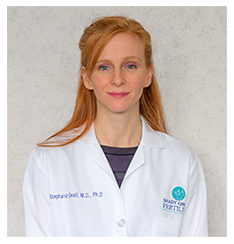
by Stephanie Beall, M.D., Ph.D

When the first or second child is conceived with ease, it may seem perplexing why you are having trouble conceiving now.  Unfortunately, even if you have been able to have a child previously, the same problems that can affect a couple never able to conceive can also affect you.

One of the most common reasons for secondary infertility is maternal age. It is important to realize that the natural decline in a woman’s fertility occurs, whether or not you have been pregnant before. As a woman ages, the number of eggs decrease as does the quality of those eggs. Therefore, pregnancy rates decrease and chance of miscarriage increases as we get older. Male age is also important. As a man grows older, sperm quality and quantity may begin to decrease.

SHOULD I SEE A FERTILITY SPECIALIST?

Infertility is a medical problem. If you have been trying, unsuccessfully, to have another child and are worried that you may have secondary infertility, you should see a fertility specialist . In addition, you should also see a doctor if you have had any changes in your health since the birth of your last child which may impact your ability to conceive. Conditions that can arise after a delivery which may impact fertility include:

  • Pelvic inflammatory disease
  • Recurrent miscarriage
  • Irregular or absent cycles

Unlike those experiencing difficulty having their first child, couples facing secondary infertility are much less likely to seek help. Many are told that they have nothing to worry about so just keep trying. This can not only lead to frustration, but also the loss of valuable time. It is important to not delay simply because you have been able to have children in the past. Infertility can happen to anyone at anytime.

You are not alone

Sadly, infertility does not discriminate and can happen to anyone at anytime throughout their reproductive years. Secondary infertility is very common – according to recent study up to 50% of couple struggling with infertility.  Although there are many couples facing the same situation, the path of infertility testing and treatment can often feel very lonely.

Often times couples experiencing secondary infertility feel distant from friends and family members who simply cannot understand the pain associated with infertility when you already have a child. You may feel criticized, thinking you should be grateful for the child(ren) you have, or you may feel an overwhelming guilt that you cannot give your child a little brother or sister. Couples often need assistance as they struggle with the complex feelings associated with secondary infertility. There are support groups and resources available and your doctor can help you find what you need.

IS THERE ANYTHING THAT I CAN DO?

While infertility is a medical problem that usually requires specialized treatments, there are lifestyle changes you can make to help yourself. One of the most prevalent lifestyle factors that can impact your ability to conceive is maintaining a healthy weight. Excessive weight contributes to ovulatory disorders and has been linked to miscarriage. As a woman’s weight increases, her risk for hypertension and diabetes increases too.  Women who are underweight are also at risk of having an ovulatory disorder. Therefore, maintaining a healthy diet with moderate exercise to obtain a normal weight is very important and one thing you can do to take control of your health and fertility.

If you are ready to schedule an appointment with Dr. Stephanie Beall or another physician at Shady Grove Fertility, please speak with one of our New Patient Liaisons at 877-971-7755.

Filed Under: Diagnosing Infertility Tagged With: Secondary infertility

  • Page 1
  • Page 2
  • Go to Next Page »

Company

  • About SGF
  • About US Fertility
  • Our Doctors
  • Fertility Equity
  • Careers
  • Newsroom
  • SGF College Scholarship
  • Contact Us
  • Voice Your Feedback

Treatments

  • Egg Freezing
  • Intrauterine Insemination (IUI)
  • In Vitro Fertilization (IVF)
  • Frozen Embryo Transfer (FET)
  • LGBTQIA+ Family Building
  • Shared Risk 100% Refund Program
  • All Treatments

Resources

  • Patient Portal
  • Online Bill Pay
  • Library
  • Support Groups & Events

Locations

  • California
  • Colorado
  • Delaware
  • Florida
  • Georgia
  • Maryland
  • North Carolina
  • Pennsylvania
  • Texas
  • Virginia
  • Washington, D.C.

2026 Shady Grove Fertility

  • Policies & Notices
Also of interest
  • In Vitro Fertilization IVF
  • Fertility Tests
  • Research Publications