
Determining whether it is time to see a fertility specialist can feel like a big decision to make on your own. Dr. Jason Bromer helps ease the “what ifs” that could be making you second-guess your next steps by outlining five sure signs you need to seek help from a fertility specialist.
It is also important to understand the red flags for when to see a fertility specialist sooner. Unfortunately, time is not on everyone’s side, as female infertility increases with age. If any of the following conditions apply to you, it is a good idea to make an appointment with a fertility specialist sooner rather than later.
1. Treatment with your primary care or OB/GYN is not working
To better understand the cause of infertility, your primary care physician, OB/GYN, or an SGF fertility specialist will review your medical history and initiate fertility testing for both partners (if applicable). It is especially important that each of the following tests is performed prior to initiating fertility treatment because each one evaluates specific reproductive functions that are required to conceive.
“Based on the information learned through testing, reproductive specialists can create individualized treatment plans ranging from low-tech treatment options like intrauterine insemination (IUI) in addition to the widely known in vitro fertilization (IVF),” explains Dr. Bromer.
These basic tests include:
- Blood work: Are your reproductive hormones functioning normally?
- Anti-Müllerian hormone (AMH): How many eggs do you have?
- Hysterosalpingogram (HSG): Is your uterus shaped normally and are your tubes unobstructed?
- Semen analysis: Does your partner have enough sperm and are they healthy?
While LGBTQIA+ individuals in a same-sex relationship may not necessarily be infertile, the couple should still have an evaluation and will often need assistance building their families.
2. You have been having unprotected intercourse without success
“It’s not uncommon to hear patients during our initial consultation say, ‘We haven’t used any forms of contraception for at least a year, but we have only really been trying to conceive for about six months,’” explains Dr. Bromer. “This begs the question: What does ‘trying’ really mean?”
No matter if you have been actively trying or not, couples having unprotected sexual intercourse for more than 6 or 12 months, depending on age, without conceiving should seek a fertility evaluation.
Shady Grove Fertility assumes infertility is present and recommends seeking help from a fertility specialist when a woman is:
- Under age 35 with regular cycles, unprotected intercourse, and no pregnancy after 1 year
- Age 35 to 39 with regular cycles, unprotected intercourse, and no pregnancy after 6 months
- Age 40 or over with regular cycles, unprotected intercourse, and no pregnancy, more immediate evaluation and treatment are warranted
3. Your period is here, there, or nowhere
Irregular periods or no periods at all can indicate ovulatory challenges, making conception feel like an uphill battle. No matter your age, if ovulation is random or absent, seeking help from a specialist can help you get back on track to enhance your chances of conception.
“Ovulatory disorders broadly break down into two groups: no ovulation at all or oligo-ovulation, which is when ovulation occurs infrequently or irregularly and is frequently due to polycystic ovary syndrome (PCOS),” explains Dr. Bromer.
About 50 percent of treatment cycles performed at SGF, like ovulation induction with Clomid or intrauterine insemination, are considered basic forms of treatment. These options require less medication and fewer monitoring appointments but are still effective in helping patients conceive faster.
4. The semen analysis came back abnormal
When the male partner’s sperm count is low or of poor quality, it can make conception significantly more difficult. If you have reason to suspect you may have an issue with your sperm, such as testicular trauma, erectile dysfunction, or problems ejaculating, it is time to see a fertility specialist for testing of both partners. Seeing a reproductive specialist can help to determine the severity of a potential male factor diagnosis and offer simple to advanced solutions to help you conceive.
“The good news is if you have a low sperm count, it only takes one egg and one sperm to make a great embryo,” shares Dr. Bromer. “Intracytoplasmic Sperm Injection (ICSI), which is when a single sperm is directly inserted into an oocyte (or egg cell), and IVF can help patients with even the lowest sperm counts overcome infertility.”
5. You have experienced two or more miscarriages
“It is a common misconception that women who experience miscarriages do not experience infertility because they can get pregnant,” explains Dr. Bromer. “In fact, having multiple miscarriages is a very specific type of fertility problem that affects 1-3% of all couples.”
Recurrent miscarriages are defined as two or more consecutive, spontaneous pregnancy losses before 20-weeks gestation. The majority of miscarriages can be attributed to:
- genetic abnormalities in the embryo
- hormonal problems like diabetes, thyroid disease, and/or undetected structural problems in the uterus
- advanced reproductive age
Anyone who has experienced two or more miscarriages should see a reproductive specialist.
It is time to see a fertility specialist
Making the move to see a fertility specialist is a big, but enlightening step. Patients often second-guess themselves about the need to see a specialist or may find themselves worrying about the success rates or how much treatment will cost. It is best to take it one step at a time. The first step is to schedule an appointment with a fertility specialist.
Approximately 70% of our patients have some coverage for infertility treatment and 90% have coverage for their initial consultation. By scheduling a new patient consultation, you will get the answers you need to continue moving your family-building goals forward.
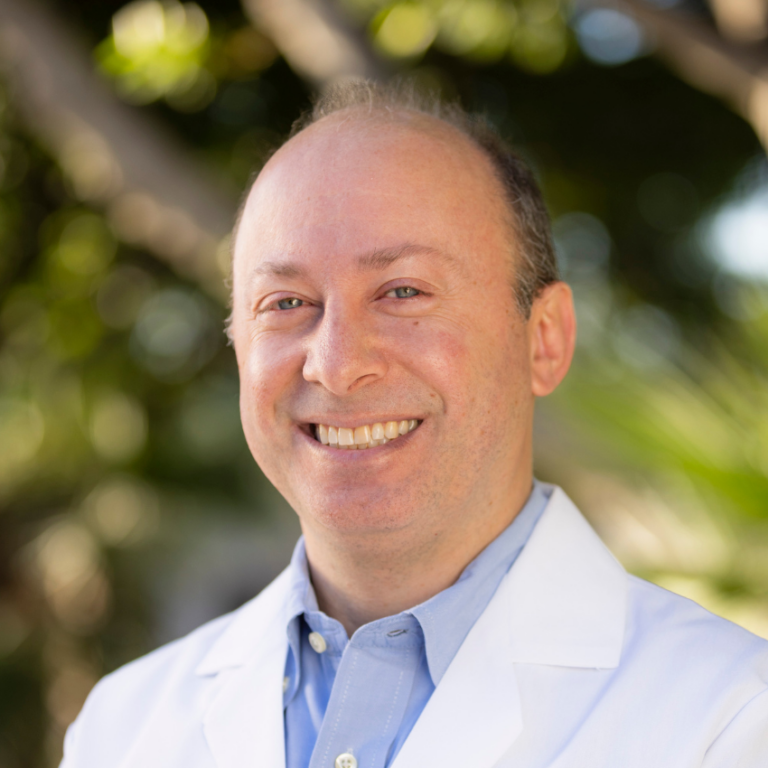
Medical contribution by Jason G. Bromer, M.D.
Jason G. Bromer, M.D., is board certified in obstetrics and gynecology and reproductive endocrinology and infertility. He has been involved in cutting-edge research in fertility preservation for cancer patients, pregnancy implantation, and methods of embryo selection for in vitro fertilization.
