• Skip to primary navigation
  • Skip to main content
  • Skip to footer
Shady Grove Fertility
  • Become an Egg Donor
  • Referring Physicians
  • 1-888-761-1967
  • Schedule Appointment
  • Get Started
        • Get Started
          • Causes of Infertility
          • Fertility Tests
          • When to Seek Help
          • Find a Doctor
          • Preconception and prenatal vitamins 
          • Schedule an Appointment
        • Personalized Care For
          • Single Parents
          • LGBTQIA+ Family Building
          • People with Cancer
          • Known Genetic Diseases
          • Egg Donors
  • Treatments
        • Fertility
          • Timed Intercourse
          • Ovulation Induction
          • Intrauterine Insemination (IUI)
          • In Vitro Fertilization (IVF)
          • Frozen Embryo Transfer (FET)
        • Donation & Surrogacy
          • Donor Sperm
          • Donor Egg
          • Donor Embryo
          • Gestational Carrier
          • LGBTQIA+ Family Building
          • Single Parents
          • Find a Donor
        • More Treatments
          • Center for Male Fertility
          • Egg Freezing
          • OncoFertility
          • Preimplantation Genetic Testing
          • MIGS
          • All Fertility Treatments
  • Resources
    • Resource Library
    • Events Calendar
    • Patient Stories
    • Mental Health
    • Wellness Center
  • Insurance & Savings
    • Insurance & Benefits
    • Shared Risk 100% Refund Program
    • 100% Refund for Donor Egg
    • Discounts
    • Egg Freezing Costs
    • Financing & Grants
    • Clinical Trials
  • About
    • Find a Doctor
    • About SGF
    • Our Care Team
    • Advanced Practice Providers
    • Fertility Equity
    • Philanthropy
    • Newsroom
    • Careers
    • Contact Us
    • Voice Your Feedback
  • Locations
        • Find a Location
        • California
        • Colorado
        • Delaware
        • Florida
        • Georgia
        • Maryland
        • North Carolina
        • Pennsylvania
        • Texas
        • Virginia
        • Washington, D.C.
        • Chile
        • International & Out of State
        • SGF at Walter Reed National Military Medical Center
  • Patient Hub
    • Online Bill Pay
    • Patient Forms
    • Patient Portal
  • Call your care team
  • Become an egg donor
  • Referring physicians
  • search-icon
  • Schedule appointment 1-888-761-1967

Home / Dr. Jason Bromer

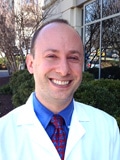
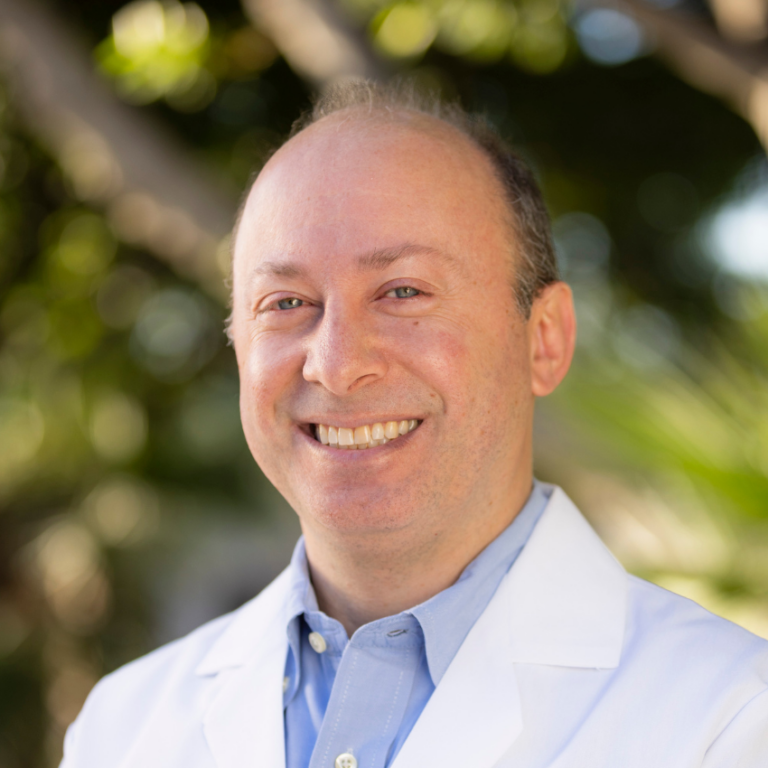
Dr. Jason Bromer

April 14, 2022 by Shady Grove Fertility

Determining whether it is time to see a fertility specialist can feel like a big decision to make on your own. Dr. Jason Bromer helps ease the “what ifs” that could be making you second-guess your next steps by outlining five sure signs you need to seek help from a fertility specialist.

It is also important to understand the red flags for when to see a fertility specialist sooner. Unfortunately, time is not on everyone’s side, as female infertility increases with age. If any of the following conditions apply to you, it is a good idea to make an appointment with a fertility specialist sooner rather than later.

1. Treatment with your primary care or OB/GYN is not working

To better understand the cause of infertility, your primary care physician, OB/GYN, or an SGF fertility specialist will review your medical history and initiate fertility testing for both partners (if applicable). It is especially important that each of the following tests is performed prior to initiating fertility treatment because each one evaluates specific reproductive functions that are required to conceive.

“Based on the information learned through testing, reproductive specialists can create individualized treatment plans ranging from low-tech treatment options like intrauterine insemination (IUI) in addition to the widely known in vitro fertilization (IVF),” explains Dr. Bromer.

These basic tests include:

  • Blood work: Are your reproductive hormones functioning normally?
  • Anti-Müllerian hormone (AMH): How many eggs do you have?
  • Hysterosalpingogram (HSG): Is your uterus shaped normally and are your tubes unobstructed?
  • Semen analysis: Does your partner have enough sperm and are they healthy?

While LGBTQIA+ individuals in a same-sex relationship may not necessarily be infertile, the couple should still have an evaluation and will often need assistance building their families.

2. You have been having unprotected intercourse without success

“It’s not uncommon to hear patients during our initial consultation say, ‘We haven’t used any forms of contraception for at least a year, but we have only really been trying to conceive for about six months,’” explains Dr. Bromer. “This begs the question: What does ‘trying’ really mean?”

No matter if you have been actively trying or not, couples having unprotected sexual intercourse for more than 6 or 12 months, depending on age, without conceiving should seek a fertility evaluation.

Shady Grove Fertility assumes infertility is present and recommends seeking help from a fertility specialist when a woman is:

  • Under age 35 with regular cycles, unprotected intercourse, and no pregnancy after 1 year
  • Age 35 to 39 with regular cycles, unprotected intercourse, and no pregnancy after 6 months
  • Age 40 or over with regular cycles, unprotected intercourse, and no pregnancy, more immediate evaluation and treatment are warranted

3. Your period is here, there, or nowhere

Irregular periods or no periods at all can indicate ovulatory challenges, making conception feel like an uphill battle. No matter your age, if ovulation is random or absent, seeking help from a specialist can help you get back on track to enhance your chances of conception.

“Ovulatory disorders broadly break down into two groups: no ovulation at all or oligo-ovulation, which is when ovulation occurs infrequently or irregularly and is frequently due to polycystic ovary syndrome (PCOS),” explains Dr. Bromer.

About 50 percent of treatment cycles performed at SGF, like ovulation induction with Clomid or intrauterine insemination, are considered basic forms of treatment. These options require less medication and fewer monitoring appointments but are still effective in helping patients conceive faster.

4. The semen analysis came back abnormal

When the male partner’s sperm count is low or of poor quality, it can make conception significantly more difficult. If you have reason to suspect you may have an issue with your sperm, such as testicular trauma, erectile dysfunction, or problems ejaculating, it is time to see a fertility specialist for testing of both partners. Seeing a reproductive specialist can help to determine the severity of a potential male factor diagnosis and offer simple to advanced solutions to help you conceive.

“The good news is if you have a low sperm count, it only takes one egg and one sperm to make a great embryo,” shares Dr. Bromer. “Intracytoplasmic Sperm Injection (ICSI), which is when a single sperm is directly inserted into an oocyte (or egg cell), and IVF can help patients with even the lowest sperm counts overcome infertility.”

5. You have experienced two or more miscarriages

“It is a common misconception that women who experience miscarriages do not experience infertility because they can get pregnant,” explains Dr. Bromer. “In fact, having multiple miscarriages is a very specific type of fertility problem that affects 1-3% of all couples.”

Recurrent miscarriages are defined as two or more consecutive, spontaneous pregnancy losses before 20-weeks gestation. The majority of miscarriages can be attributed to:

  • genetic abnormalities in the embryo
  • hormonal problems like diabetes, thyroid disease, and/or undetected structural problems in the uterus
  • advanced reproductive age

Anyone who has experienced two or more miscarriages should see a reproductive specialist.

It is time to see a fertility specialist

Making the move to see a fertility specialist is a big, but enlightening step. Patients often second-guess themselves about the need to see a specialist or may find themselves worrying about the success rates or how much treatment will cost. It is best to take it one step at a time. The first step is to schedule an appointment with a fertility specialist.

Approximately 70% of our patients have some coverage for infertility treatment and 90% have coverage for their initial consultation. By scheduling a new patient consultation, you will get the answers you need to continue moving your family-building goals forward.
Schedule Appointment
Medical contribution by Jason G. Bromer, M.D.

Jason G. Bromer, M.D., is board certified in obstetrics and gynecology and reproductive endocrinology and infertility. He has been involved in cutting-edge research in fertility preservation for cancer patients, pregnancy implantation, and methods of embryo selection for in vitro fertilization. 

Filed Under: Get Started Tagged With: Causes of infertility, Dr. Jason Bromer, Fertility testing, Menstrual cycle, Recurrent pregnancy loss, Semen analysis

January 13, 2015 by Shady Grove Fertility

At Shady Grove Fertility, we are 100% committed to showing you respect … and this includes respect for your time. That’s why we’ve made the investment to increase our hours, expand our locations, and hire three new physicians – among the best in the country – to better serve you.

Choosing the largest and most successful fertility practice in the nation – with 22 offices in the Mid-Atlantic region and 32 reproductive endocrinologists – means that you will receive truly exceptional care. Our continued growth has not made us lose sight of our goals. In fact, with every new office we open and every new physician we welcome, we reiterate our commitment to you. All of our patients will receive the same extraordinary care, whether you are visiting one of our three accredited laboratories or one of our satellite locations. We will invest in you. The depth and breadth of our experience and commitment in you is something you can count on.

The following changes will help our patients have greater access to care in 2015:

    • A new monitoring suite in our expanded K Street location in Washington, D.C. This monitoring suite offers state-of-the-art technology with an additional exam room and a more comfortable waiting area to help patients move through the monitoring process with greater ease. The endocrinology and andrology labs will be expanding as well. In addition to this remodeled space, the K Street office is extending its hours and will open for weekend monitoring beginning in late January/early February 2015.
    • In the last two years we have opened six new locations in the Mid-Atlantic region in order to provide patients with increased accessibility and shorter travel times, including our Hagerstown, MD satellite location which has just reopened. Jason Bromer, M.D., will see patients in this location.
    • Renovations at our Rockville, MD office will begin in early 2015 and feature a larger waiting room.
    • SGF recently hired three new reproductive endocrinologists: Sunita Kulshrestha, M.D., practices in the Bala Cynwyd, PA office and was recently recognized as a “Top Doctor” by Main Line Today; Shruti Malik, M.D., practices in the Fair Oaks, VA office; and Kate Devine, M.D., will begin practicing in mid-January at the K Street and Sibley locations in Washington, D.C.

What does this mean for you? Shorter commute times? We hope. Reduced wait times for appointments? Ideally, yes. Access to the nation’s best in terms of fertility care? Absolutely.

“It’s important for Shady Grove Fertility as a practice to adapt and evolve with the needs of our patients. Our 2015 growth initiatives are examples of this evolution, increasing convenience and comfort for our patient community,” said Eric A. Widra, M.D., medical director of Shady Grove Fertility.

Patients can now schedule appointments for the Hagerstown, MD, location and the expanded schedule for our K Street location in Washington, D.C. To schedule a new patient appointment, please call 888-761-1967.

Filed Under: General Tagged With: Dr. Jason Bromer, Dr. Kate Devine, Dr. Shruti Malik, Dr. Sunita Kulshrestha

August 22, 2013 by Shady Grove Fertility

This month, Suburban Life magazine in Philadelphia, released their “Best Physicians” edition featuring an article highlighting the newest Philadelphia fertility center – Shady Grove Fertility.

  • Read the complete article from Suburban Life

Expanded Fertility Services in Philadelphia

In the year that Shady Grove Fertility has been in the Philadelphia area, it has expanded the fertility services and financial options available to the region.

The Shared Risk 100% Refund Guarantee for IVF and Donor Egg Treatment offers qualified patients 6 rounds of fresh (or stimulated) treatment as well as all the subsequent frozen embryo transfers for one flat fee. Patients will deliver a baby or receive a 100% refund – it’s that simple. More on Shared Risk >

While donor egg treatment is becoming more widely available, Shady Grove Fertility offers patients the Shared Donor Egg Program, which makes donor egg treatment more affordable. By splitting the eggs of one donor between 2 or 3 recipients, the costs of treatment can be cut in half. More on Shared Donor Egg >

Also available at the Chesterbrook IVF Center (the regional IVF and Donor Egg Center for the Philadelphia area) is the EmbryoScope. Only a dozen centers across the United States currently have access to this technology which allows the medical team to monitor embryos via video, helping them to select the strongest one for transfer. More on the EmbryoScope >

  • VIDEO from CBS3: EmbryoScope Helps Local Couples Get Pregnant

Philadelphia Fertility Center

Last summer, Shady Grove Fertility opened the doors to new offices in Pennsylvania, including Chesterbrook (Philadelphia suburb) and Reading. This year, SGF has opened another office in Bala Cynwyd, PA and expanded services in Harrisburg, PA.

Isaac E. Sasson, MD, PhD, a Yale Medical School graduate who performed his clinical fellowship for reproductive endocrinology and infertility at University of Pennsylvania, is available to see new patients at the Bala Cynwyd and Chesterbook locations.

Abraham K. Munabi, MD, a long time member of the Philadelphia fertility community, built a thriving practice prior to joining Shady Grove Fertility. Dr. Munabi is available for new patient consultations in Chesterbrook, Reading, and Harrisburg.

Also available for consultations in Harrisburg are Dr. Melissa Esposito and Dr. Jason Bromer, who also each see patients in Frederick, MD.

  • Read the complete article from Suburban Life

If you would like to schedule an appointment to discuss your fertility treatment options, please speak with one of our New Patient Liaisons at
877-985-2266.

Filed Under: Treatment Tagged With: Donor egg, Dr. Jason Bromer, In vitro fertilization (IVF), Shared Risk 100% IVF Refund Program

March 21, 2013 by Shady Grove Fertility

SGF Nurse

by Jason G. Bromer, MD
Are miscarriages considered a fertility issue?
It is a common misconception that women who have miscarriages are just fine because they “can get pregnant.” In fact, having multiple miscarriages is a very specific type of fertility problem that affects 1-3% of all couples.

Why exactly and how many miscarriages are considered a fertility issue?

A key part of the definition of infertility is being able to achieve a successful pregnancy, meaning delivering a healthy child. Pregnancies that result in miscarriages may not always signal an underlying fertility issue, but sometimes they do. Recurrent pregnancy loss (RPL) is defined as having two or more miscarriages consecutively.  In some cases, fertility specialists will start looking for underlying causes after just one loss.

What are the factors that can cause miscarriage?

The majority of miscarriages are due to genetic abnormalities in the embryo, which can be either spontaneous or acquired from one of the parents in the case of a chromosomal translocation. Other causes include hormonal problems like diabetes, hyperprolactinemia, and thyroid disease, structural problems in the uterus like a uterine septum or scar tissue, and certain acquired blood clotting disorders like the anti-phospholipid syndrome.

> VIDEO: Dr. Jason Bromer discuss the advances in surgery for fertility treatment.

Does age play a part in miscarriage?

Age definitely plays a role in the risk of miscarriage. As women age, the percentage of genetically normal eggs they have decreases significantly. In fact, by the age of 43, over 90% of the remaining eggs in the ovaries are abnormal, and the risk of miscarriage exceeds 50% in each pregnancy. It is important to note, however, that the age of the uterus does not have the same impact, such that age related miscarriages can often be treated through use of a donor egg.

What, if anything, can be done to limit risk of miscarriage?

The treatment for recurrent miscarriages depends on the underlying cause.

  • Hormonal problems can and should be treated prior to trying to conceive again and progesterone support is frequently helpful.
  • Uterine problems can often be treated with a very minor surgical procedure called a hysteroscopy.
  • Blood clotting disorders can be overcome by using blood thinners like aspirin or heparin.
  • Genetic abnormalities can sometimes by prevented with in vitro fertilization in conjunction with a procedure called pre-implantation genetic diagnosis.  This procedure involves removing one or more cells from an embryo to test the genetic make-up of the whole embryo prior to placing it back in the mother’s uterus. This way, we can assure that only genetically normal embryos have a chance to implant.

> Read more on Recurrent Pregnancy Loss.
If you are experiencing recurrent pregnancy loss,  please schedule an appointment, or speak with one of our New Patient Liaisons at 877-971-7755.

Filed Under: Diagnosing Infertility Tagged With: Dr. Jason Bromer, Miscarriage, Recurrent pregnancy loss

February 7, 2013 by Shady Grove Fertility

Jason G. Bromer, MD was interviewed by Fertility Authority on advances in surgery for fertility treatment. From advances in tubal ligation reversal to the impact of robotic surgery on fibroid treatment, Dr. Bromer talks surgery for fertility treatment in 3 short videos.

Dr. Jason Bromer Talks Surgery for Fertility Treatment

Dr. Jason Bromer - Advances in Tubal Ligation ReversalDr. Jason Bromer - Robotic Surgery for Fertility TreatmentDr. Jason Bromer - Robotic Surgery for Fibroid Treatment
What are the advances in tubal ligation reversal? How is robotic surgery being used to fertility treatment? How are these advances impacting fibroid treatment?

Dr. Jason Bromer is a fertility specialist at Shady Grove Fertility Center’s Frederick, MD office. Dr. Bromer is also available for new patient consultations in Hagerstown, MD and Harrisburg, PA.

If you would like to schedule an appointment with Dr. Jason Bromer or another Shady Grove Fertility physicians, please speak with one of our New Patient Liaisons at 877-971-7755.

Filed Under: Diagnosing Infertility Tagged With: Dr. Jason Bromer, Fibroids

Company

  • About SGF
  • About US Fertility
  • Our Doctors
  • Fertility Equity
  • Careers
  • Newsroom
  • SGF College Scholarship
  • Contact Us
  • Voice Your Feedback

Treatments

  • Egg Freezing
  • Intrauterine Insemination (IUI)
  • In Vitro Fertilization (IVF)
  • Frozen Embryo Transfer (FET)
  • LGBTQIA+ Family Building
  • Shared Risk 100% Refund Program
  • All Treatments

Resources

  • Patient Portal
  • Online Bill Pay
  • Library
  • Support Groups & Events

Locations

  • California
  • Colorado
  • Delaware
  • Florida
  • Georgia
  • Maryland
  • North Carolina
  • Pennsylvania
  • Texas
  • Virginia
  • Washington, D.C.

2026 Shady Grove Fertility

  • Policies & Notices
Also of interest
  • In Vitro Fertilization IVF
  • Fertility Tests
  • Research Publications