
• Skip to primary navigation
  • Skip to main content
  • Skip to footer
Shady Grove Fertility
  • Become an Egg Donor
  • Referring Physicians
  • 1-888-761-1967
  • Schedule Appointment
  • Get Started
        • Get Started
          • Causes of Infertility
          • Fertility Tests
          • When to Seek Help
          • Find a Doctor
          • Preconception and prenatal vitamins 
          • Schedule an Appointment
        • Personalized Care For
          • Single Parents
          • LGBTQIA+ Family Building
          • People with Cancer
          • Known Genetic Diseases
          • Egg Donors
  • Treatments
        • Fertility
          • Timed Intercourse
          • Ovulation Induction
          • Intrauterine Insemination (IUI)
          • In Vitro Fertilization (IVF)
          • Frozen Embryo Transfer (FET)
        • Donation & Surrogacy
          • Donor Sperm
          • Donor Egg
          • Donor Embryo
          • Gestational Carrier
          • LGBTQIA+ Family Building
          • Single Parents
          • Find a Donor
        • More Treatments
          • Center for Male Fertility
          • Egg Freezing
          • OncoFertility
          • Preimplantation Genetic Testing
          • MIGS
          • All Fertility Treatments
  • Resources
    • Resource Library
    • Events Calendar
    • Patient Stories
    • Mental Health
    • Wellness Center
  • Insurance & Savings
    • Insurance & Benefits
    • Shared Risk 100% Refund Program
    • 100% Refund for Donor Egg
    • Discounts
    • Egg Freezing Costs
    • Financing & Grants
    • Clinical Trials
  • About
    • Find a Doctor
    • About SGF
    • Our Care Team
    • Advanced Practice Providers
    • Fertility Equity
    • Philanthropy
    • Newsroom
    • Careers
    • Contact Us
    • Voice Your Feedback
  • Locations
        • Find a Location
        • California
        • Colorado
        • Delaware
        • Florida
        • Georgia
        • Maryland
        • North Carolina
        • Pennsylvania
        • Texas
        • Virginia
        • Washington, D.C.
        • Chile
        • International & Out of State
        • SGF at Walter Reed National Military Medical Center
  • Patient Hub
    • Online Bill Pay
    • Patient Forms
    • Patient Portal
  • Call your care team
  • Become an egg donor
  • Referring physicians
  • search-icon
  • Schedule appointment 1-888-761-1967

Home / Menstrual cycle

Menstrual cycle

January 15, 2025 by Jacqui Behler

May 20, 2025 @ 12:00 pm – 1:00 pm

Many women are unaware of what’s normal and what’s not when it comes to their period. A woman’s menstrual cycle can provide valuable insight to her fertility and overall ability to conceive. Most women with an irregular, heavy, painful, or nonexistent period should not wait to see a fertility specialist. Determining if your period is normal or not can be a very informative part of determining if you should see a fertility specialist.

Join Dr. Valerie Libby for our live webinar event to learn more. Dr. Libby will review the basics of menstruation and ovulation, irregular vs. normal cycles, and who should not wait to seek help from a fertility specialist.

Following the presentation, Dr. Libby will host a live question and answer session with viewers.

Can’t attend? Register anyway! We’ll send you a link to view the recorded event + Q&A.
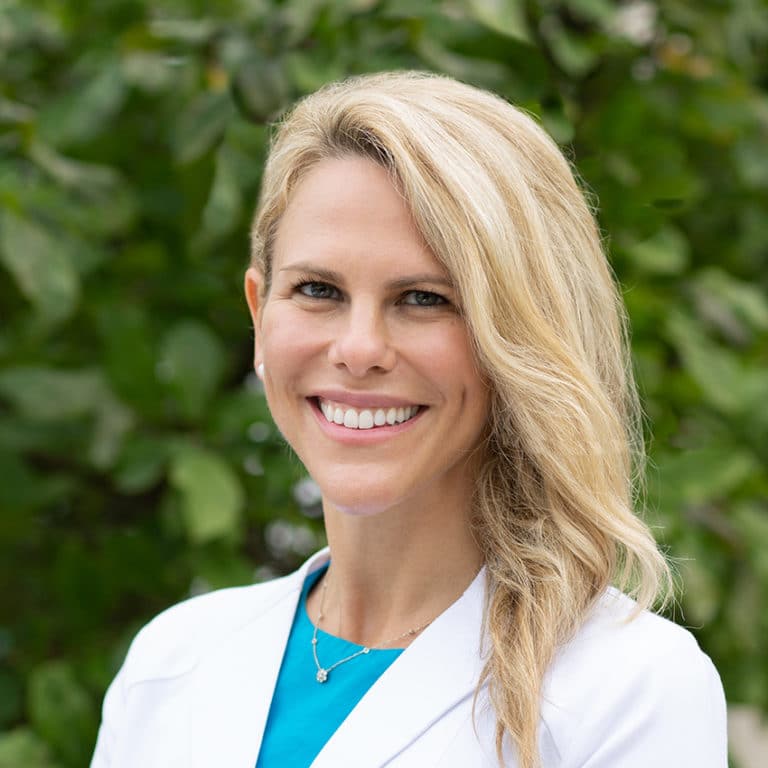
Medical contribution by Valerie Libby, M.D., MPH

Valerie Libby, M.D., MPH, FACOG, earned her medical degree from the University of Texas Health Science Center at San Antonio. She graduated from the University of Texas at Austin Honors Program studying Psychology and Spanish. She then earned a Masters in Global Public Health from George Washington University where she served as a fellow in Kenya for the Global Health Service.

Filed Under: Get Started Tagged With: Causes of infertility, Getting started, Menstrual cycle, Trying to conceive

April 14, 2022 by Shady Grove Fertility

Determining whether it is time to see a fertility specialist can feel like a big decision to make on your own. Dr. Jason Bromer helps ease the “what ifs” that could be making you second-guess your next steps by outlining five sure signs you need to seek help from a fertility specialist.

It is also important to understand the red flags for when to see a fertility specialist sooner. Unfortunately, time is not on everyone’s side, as female infertility increases with age. If any of the following conditions apply to you, it is a good idea to make an appointment with a fertility specialist sooner rather than later.

1. Treatment with your primary care or OB/GYN is not working

To better understand the cause of infertility, your primary care physician, OB/GYN, or an SGF fertility specialist will review your medical history and initiate fertility testing for both partners (if applicable). It is especially important that each of the following tests is performed prior to initiating fertility treatment because each one evaluates specific reproductive functions that are required to conceive.

“Based on the information learned through testing, reproductive specialists can create individualized treatment plans ranging from low-tech treatment options like intrauterine insemination (IUI) in addition to the widely known in vitro fertilization (IVF),” explains Dr. Bromer.

These basic tests include:

  • Blood work: Are your reproductive hormones functioning normally?
  • Anti-Müllerian hormone (AMH): How many eggs do you have?
  • Hysterosalpingogram (HSG): Is your uterus shaped normally and are your tubes unobstructed?
  • Semen analysis: Does your partner have enough sperm and are they healthy?

While LGBTQIA+ individuals in a same-sex relationship may not necessarily be infertile, the couple should still have an evaluation and will often need assistance building their families.

2. You have been having unprotected intercourse without success

“It’s not uncommon to hear patients during our initial consultation say, ‘We haven’t used any forms of contraception for at least a year, but we have only really been trying to conceive for about six months,’” explains Dr. Bromer. “This begs the question: What does ‘trying’ really mean?”

No matter if you have been actively trying or not, couples having unprotected sexual intercourse for more than 6 or 12 months, depending on age, without conceiving should seek a fertility evaluation.

Shady Grove Fertility assumes infertility is present and recommends seeking help from a fertility specialist when a woman is:

  • Under age 35 with regular cycles, unprotected intercourse, and no pregnancy after 1 year
  • Age 35 to 39 with regular cycles, unprotected intercourse, and no pregnancy after 6 months
  • Age 40 or over with regular cycles, unprotected intercourse, and no pregnancy, more immediate evaluation and treatment are warranted

3. Your period is here, there, or nowhere

Irregular periods or no periods at all can indicate ovulatory challenges, making conception feel like an uphill battle. No matter your age, if ovulation is random or absent, seeking help from a specialist can help you get back on track to enhance your chances of conception.

“Ovulatory disorders broadly break down into two groups: no ovulation at all or oligo-ovulation, which is when ovulation occurs infrequently or irregularly and is frequently due to polycystic ovary syndrome (PCOS),” explains Dr. Bromer.

About 50 percent of treatment cycles performed at SGF, like ovulation induction with Clomid or intrauterine insemination, are considered basic forms of treatment. These options require less medication and fewer monitoring appointments but are still effective in helping patients conceive faster.

4. The semen analysis came back abnormal

When the male partner’s sperm count is low or of poor quality, it can make conception significantly more difficult. If you have reason to suspect you may have an issue with your sperm, such as testicular trauma, erectile dysfunction, or problems ejaculating, it is time to see a fertility specialist for testing of both partners. Seeing a reproductive specialist can help to determine the severity of a potential male factor diagnosis and offer simple to advanced solutions to help you conceive.

“The good news is if you have a low sperm count, it only takes one egg and one sperm to make a great embryo,” shares Dr. Bromer. “Intracytoplasmic Sperm Injection (ICSI), which is when a single sperm is directly inserted into an oocyte (or egg cell), and IVF can help patients with even the lowest sperm counts overcome infertility.”

5. You have experienced two or more miscarriages

“It is a common misconception that women who experience miscarriages do not experience infertility because they can get pregnant,” explains Dr. Bromer. “In fact, having multiple miscarriages is a very specific type of fertility problem that affects 1-3% of all couples.”

Recurrent miscarriages are defined as two or more consecutive, spontaneous pregnancy losses before 20-weeks gestation. The majority of miscarriages can be attributed to:

  • genetic abnormalities in the embryo
  • hormonal problems like diabetes, thyroid disease, and/or undetected structural problems in the uterus
  • advanced reproductive age

Anyone who has experienced two or more miscarriages should see a reproductive specialist.

It is time to see a fertility specialist

Making the move to see a fertility specialist is a big, but enlightening step. Patients often second-guess themselves about the need to see a specialist or may find themselves worrying about the success rates or how much treatment will cost. It is best to take it one step at a time. The first step is to schedule an appointment with a fertility specialist.

Approximately 70% of our patients have some coverage for infertility treatment and 90% have coverage for their initial consultation. By scheduling a new patient consultation, you will get the answers you need to continue moving your family-building goals forward.

Schedule Appointment
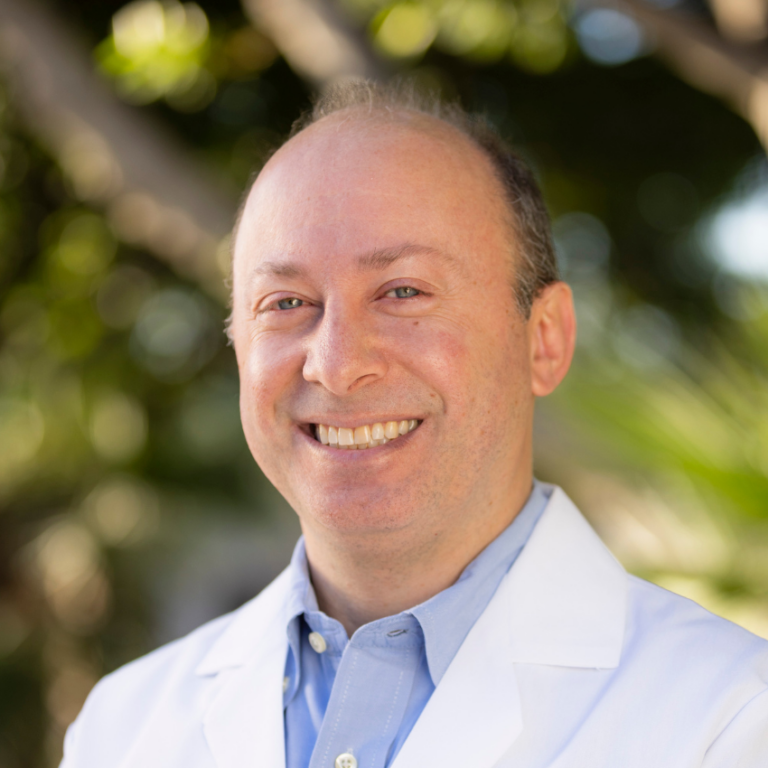
Medical contribution by Jason G. Bromer, M.D.

Jason G. Bromer, M.D., is board certified in obstetrics and gynecology and reproductive endocrinology and infertility. He has been involved in cutting-edge research in fertility preservation for cancer patients, pregnancy implantation, and methods of embryo selection for in vitro fertilization. 

Filed Under: Get Started Tagged With: Causes of infertility, Dr. Jason Bromer, Fertility testing, Menstrual cycle, Recurrent pregnancy loss, Semen analysis

April 6, 2018 by Shady Grove Fertility

Medical Contribution by Paulette Browne, M.D.

Paulette Browne, M.D., of SGF’s Fair Oaks, VA location, is double board certified in reproductive endocrinology and infertility, and obstetrics and gynecology. Dr. Browne recently hosted a webinar about what your menstrual cycle says about your fertility, and helped address common questions and concerns.

Join the next Q&A Webinar, or take advantage of another SGF educational event, in person or online. View our events calendar to learn more.

Q: Can maintaining a healthy weight help regulate my cycle?

Dr. Browne: Yes, maintaining a healthy weight is very important and can help regulate your cycle. Being underweight or overweight can result in fertility issues and ovulation issues.

Q: Ovulation predictor kits are supposed to give you 2 days for peak ovulation, but my tests constantly read positive. What does that mean?

Dr. Browne: Ovulation predictor kits are measuring LH. LH is a signal from the brain that causes ovulation. Some women have chronically elevated LH either because of low ovarian reserve or, more commonly, from polycystic ovary syndrome (PCOS) when the LH is elevated due to insulin problems. For people who have positive LH at all times, it really makes sense to see a fertility doctor to get a better sense of whether you have an ovulatory issue.

Q: My cycle is regular when I’m on birth control. Does that mean when I go off the pill, I should expect to maintain this regular cycle?

Dr. Browne: Actually, the birth control pill is artificially regulating your cycle, so if you go off the pill and your cycles are irregular, it may point to some issue that can be fixed with fertility treatment. Just because you go off the pill doesn’t mean your cycles are going to remain regular.

Q: Can I look at my mom or sister’s cycle to help indicate if my cycle will be normal?

Dr. Browne: There are some genetic issues that could be similar in siblings or parents, but I would say that most cyclic abnormalities are individual and by looking at your siblings or mother’s menstrual cycle does not help to predict yours.

Q: My period comes the same time every month, but it’s varies in length between 3-5 days. Is this normal?

Dr. Browne: This does sound very normal. It’s a regular timed menstrual cycle and the number of days of bleeding may just be adjusted by how well the lining built up that month.

Q: If only the first day of your period is painful, might this be a sign of endometriosis?

Dr. Browne: Yes, it’s very possible. Some people just have menstrual cramps and it’s a sign of your uterus trying to expel the blood in the uterus and it may be normal. But, it’s certainly possible to have just one painful day of your period and it could be endometriosis.

Watch: SGF’s New On-Demand Webinar, Getting Pregnant with Endometriosis

Q: How do you determine the start of your cycle? Is it when you start spotting or the first day of your flow?

Dr. Browne: We do call the first day of the cycle the “first day of full flow” and not the spotting. The first day of full flow is usually when the progesterone has dropped sufficiently enough to cause the lining to shed.

Q: If I’m under 35 and have had 2 miscarriages in 12 months, should I see a specialist?

Dr. Browne: I would highly recommend you see a specialist if you’ve had 2 miscarriages in 12 months. Anyone who has had two miscarriages even over years would fit our definition of having what’s called recurrent pregnancy loss. There are things that we could look for that might be causing recurrent pregnancy loss that we can treat. We can also assist in trying to reduce the risk of a further miscarriage.

Q: It sounds like I have PCOS, since I rarely get my period. How would a doctor know if I have PCOS? How would they treat it?

Dr. Browne: PCOS is what’s called a clinical diagnosis and it’s really diagnosed by listening to the patient and their symptoms. We ask about cycle irregularity, acne, and hair growth. There are some tests that evaluate if someone has PCOS, but actually, the clinical history is probably more important than the blood tests. If you do have PCOS, we treat it by utilizing medications to make the body ovulate, so we get around these ovulation issues.

To watch our On-Demand Webinar on PCOS, click here. During this free, on-demand event, viewers will learn about the symptoms of PCOS, the role they play when trying to conceive, and treatment options that are available to help women overcome their infertility caused by this condition.

Schedule an Appointment

To schedule an appointment with Dr. Browne or any of our SGF physicians, please call our New Patient Center at 888-761-1967 or fill out this brief form.

Filed Under: General Tagged With: Dr. Paulette Browne, Menstrual cycle

October 26, 2012 by Shady Grove Fertility

Fertility Fact: Women who are underweight or have very low body fat are at risk of irregular or completely absent menstrual cycles which would impact their chances of pregnancy.

How does being underweight impact my fertility?

SGF Nurse

We have all heard stories of gymnast and other female athletes who lose so much body fat from intense training that they stop having their periods. This is because the body attempts to conserve energy by stopping certain functions, like having periods, when our body fat is reduced below a certain point. This is referred to as hypothalamic amenorrhea, a condition in which menstruation is interrupted for months at a time due to an disruption in part of the brain called the hypothalamus. The hypothalamus helps control hormones which play a crucial role in ovulation, pregnancy, and your general health (particularly bone health).

Eating disorders and extreme exercise are possible causes of hypothalamic amenorrhea. Extreme emotional stress can also cause periods to stop for this reason. It is important to take care of your body and maintain a healthy BMI (between 18.5-24.9). Having a very low BMI can have as much of a negative impact on your fertility as having a very high BMI. To check your BMI, click here.

Treatment Options

Eating disorders and extreme exercise are potential causes for hypothalamic amenorrhea, so if this applies, the first step is addressing these underlying causes. Even a small amount of weight gain may be sufficient to tip the body’s thermostat back into resuming normal functions, like ovulating naturally. For other patients, it may be necessary to be treated through traditional fertility methods, including supplementing the missing hormones to induce ovulation.

It is important to know that there are other causes of hypothalamic amenorrhea, and anytime your period is absent for multiple months without an explanation, you should check in with your physician. According to Shady Grove Fertility physician Dr. Joseph Doyle, “It’s not just a matter of addressing fertility concerns, but also protecting your overall health. Your body is sending you a signal when you stop having periods without any reason to explain it.”

If you have are experiencing irregular or absent periods and unable to conceive, you may need to speak with a fertility specialist. Please call 1-877-971-7755 or click here to learn more.

And sometimes in a culture obsessed with body image, it is nice to have a reason to indulge in a little Halloween candy.

Filed Under: General Tagged With: Menstrual cycle

February 17, 2011 by Shady Grove Fertility

Dr. Ricardo Yazigi

by Dr. Eric Levens

Ready for a fertility fact? Forty percent of women with fertility problems aren’t regularly producing an egg that can be fertilized (anovulation).

The vast majority of problems with ovulation are accounted for by a condition known as polycystic ovary syndrome (PCOS). Other fertility problems resulting in irregular menstrual cycles include ovarian failure or inadequate signals from the brain that control the menstrual cycle (hypothalamic dysfunction).

To get a better sense of potential underlying fertility problems, at my initial fertility evaluations I often ask “Are your periods regular?” and “How far apart are your cycles?” I want to get a sense of how frequently ovulation is occurring.

The typical menstrual cycle is between 24 and 35 days. When menstrual cycles are irregular in duration or outside this normal range, this frequently indicates a problem regularly producing an egg.

Today, there are many high-tech devices lining pharmacy aisles, all designed to predict ovulation (some even have digital smiley faces). Nevertheless, few tests are as important and as simple as a thorough menstrual history. Denoting when your menstrual cycle begins on a calendar is as simple as it comes and I encourage patients to bring these calendars with them to their initial consultation if their cycles are in question.

In a 2003 study by Malcolm in the journal Obstetrics and Gynecology, the authors reported that a normal menstrual cycle predicted ovulation 99 percent of the time.

While I frequently use high-tech solutions to solve many fertility problems, it’s just as important today as ever to remember to listen to a patient’s history. It may tell more about the underlying problem than any test.

Once again, I want to thank you for reading my blog and best of luck achieving a fertile future.

Filed Under: General Tagged With: Dr. Eric Levens, Menstrual cycle

Company

  • About SGF
  • About US Fertility
  • Our Doctors
  • Fertility Equity
  • Careers
  • Newsroom
  • SGF College Scholarship
  • Contact Us
  • Voice Your Feedback

Treatments

  • Egg Freezing
  • Intrauterine Insemination (IUI)
  • In Vitro Fertilization (IVF)
  • Frozen Embryo Transfer (FET)
  • LGBTQIA+ Family Building
  • Shared Risk 100% Refund Program
  • All Treatments

Resources

  • Patient Portal
  • Online Bill Pay
  • Library
  • Support Groups & Events

Locations

  • California
  • Colorado
  • Delaware
  • Florida
  • Georgia
  • Maryland
  • North Carolina
  • Pennsylvania
  • Texas
  • Virginia
  • Washington, D.C.

2026 Shady Grove Fertility

  • Policies & Notices
Also of interest
  • In Vitro Fertilization IVF
  • Fertility Tests
  • Research Publications