
• Skip to primary navigation
  • Skip to main content
  • Skip to footer
Shady Grove Fertility
  • Become an Egg Donor
  • Referring Physicians
  • 1-888-761-1967
  • Schedule Appointment
  • Get Started
        • Get Started
          • Causes of Infertility
          • Fertility Tests
          • When to Seek Help
          • Find a Doctor
          • Preconception and prenatal vitamins 
          • Schedule an Appointment
        • Personalized Care For
          • Single Parents
          • LGBTQIA+ Family Building
          • People with Cancer
          • Known Genetic Diseases
          • Egg Donors
  • Treatments
        • Fertility
          • Timed Intercourse
          • Ovulation Induction
          • Intrauterine Insemination (IUI)
          • In Vitro Fertilization (IVF)
          • Frozen Embryo Transfer (FET)
        • Donation & Surrogacy
          • Donor Sperm
          • Donor Egg
          • Donor Embryo
          • Gestational Carrier
          • LGBTQIA+ Family Building
          • Single Parents
          • Find a Donor
        • More Treatments
          • Center for Male Fertility
          • Egg Freezing
          • OncoFertility
          • Preimplantation Genetic Testing
          • MIGS
          • All Fertility Treatments
  • Resources
    • Resource Library
    • Events Calendar
    • Patient Stories
    • Mental Health
    • Wellness Center
  • Insurance & Savings
    • Insurance & Benefits
    • Shared Risk 100% Refund Program
    • 100% Refund for Donor Egg
    • Discounts
    • Egg Freezing Costs
    • Financing & Grants
    • Clinical Trials
  • About
    • Find a Doctor
    • About SGF
    • Our Care Team
    • Advanced Practice Providers
    • Fertility Equity
    • Philanthropy
    • Newsroom
    • Careers
    • Contact Us
    • Voice Your Feedback
  • Locations
        • Find a Location
        • California
        • Colorado
        • Delaware
        • Florida
        • Georgia
        • Maryland
        • North Carolina
        • Pennsylvania
        • Texas
        • Virginia
        • Washington, D.C.
        • Chile
        • International & Out of State
        • SGF at Walter Reed National Military Medical Center
  • Patient Hub
    • Online Bill Pay
    • Patient Forms
    • Patient Portal
  • Call your care team
  • Become an egg donor
  • Referring physicians
  • search-icon
  • Schedule appointment 1-888-761-1967

Home / General / Page 12

General

June 7, 2019 by Shady Grove Fertility

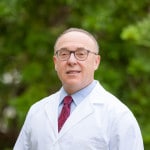
Dr. Reh, who sees patients out of SGF’s Arlington office, joined Good Morning Washington to discuss fertility testing, egg freezing, a common fertility myth, and when it’s time to see a fertility specialist.

When navigating the fertility world, it’s common for patients to encounter myths associated with getting pregnant. A myth that has persisted for decades is that stress is a source of infertility and unsuccessful fertility treatment. Although there has been no consistent support of this theory, myths about stress and infertility perpetuate.

“When a lot of people are trying to conceive, well-meaning friends and relatives will say ‘just relax it’s going to happen’ and for most couples, it will. But for patients with infertility, that’s probably not the best advice and really they are best served by seeing a specialist,” Dr. Reh explains.

Watch the full Good Morning Washington segment below:


Women and men questioning their fertility potential can find answers through a series of fertility tests also known as prescreening or the diagnostic work-up. Seeing a specialist for fertility testing provides answers in as little as a month.

“There are fertility tests that women can do to get a sense of what their egg quantity is and talking with a specialist can give some idea of what egg quality would be predicted to be. There are options with egg freezing right now that would really be the best option for women looking to extend those reproductive years,” explains Dr. Reh.

Many women, both with or without medical necessity, are choosing to preserve their egg quality and quantity until the timing is right and they are ready to have a baby. The increasingly popular Egg Freezing Program at Shady Grove Fertility offers an accessible and streamlined approach to care with fertility testing followed by a physician consultation, various financial options, and promising pregnancy rates for women who want to extend their fertility.

You may be asking, “When is it the right time to see a fertility specialist?” Dr. Reh discusses the recommended guidelines:

“We recommend that women talk to a specialist if they are under 35 and it’s been a year with regular cycles. If they’re over 35, as soon as 6 months is a good idea to get testing done to at least learn what your options are. And over 40 years old, we say 3 months because time is of the essence at that point.”
 

Schedule An Appointment

To learn more or to schedule an appointment with Dr. Reh, please call our New Patient Center at 877-971-7755 or fill out this brief form.
Filed Under: General

June 7, 2019 by Shady Grove Fertility

We are excited to announce several exciting enhancements to SGF Tampa Bay that add to patient convenience and facilitate the medical team providing exceptional, quality care in a safe, comfortable environment.

The Westshore Office is Relocating to the Third Floor, Same Building

In late May, our current Westshore, Tampa office located in the Women’s Care Florida building on West Cypress Street will be relocating to the 3rd floor of the same building. Our new full-service office (Suite 302) will feature:

  • Spacious waiting room
  • Physician offices for private patient consultations
  • Full-service embryology laboratory equipped with the latest technology, including HEPA-filtered clean air ventilation systems, heated work stations that stimulate the in vivo (Latin for “within the living”) environment, anti-vibration tables that prevent harm to specimens should the table shake, highly sophisticated inverted microscopes to better evaluate embryo growth and development, and advanced incubators and media, to name a few. The SGF Tampa lab will operate under the distinct leadership of nationally and internationally known Jim Graham, Laboratories Director, and Michael J. Tucker, Ph.D., Scientific Director of Shady Grove Fertility’s IVF and Embryology Laboratories.
  • Spacious procedure center with an operating room, private recovery bays, and embryo transfer rooms
  • Dedicated andrology laboratory for semen analysis and sperm preparation

SGF Tampa Expands Medical Team and Opens New Location in Brandon, FL

In April 2019, SGF opened its newest full-service office in Brandon, Florida, located in the rapidly growing Tampa-St. Petersburg-Clearwater region. SGF first expanded into Florida in August 2018 with the opening of the Tampa – Westshore office. The high demand and positive patient response prompted the opening of another convenient location and a second reproductive endocrinologist in the region.

“The response to SGF from the Tampa Bay community was overwhelmingly positive and it was clear there was a need for specialized fertility care in this area. Therefore, we knew we needed to invest in the community with another office to offer patients high quality and affordable fertility treatment options,” says Mark Segal, Chief Executive Officer of Shady Grove Fertility.

Dr. Shayne Plosker

Shayne M. Plosker, M.D. leads the medical team providing fertility treatment in Brandon, Florida. Dr. Plosker is board certified in reproductive endocrinology and infertility. He earned his medical degree from the University of Western Ontario, where he also completed his residency training in Obstetrics and Gynecology. Following residency, he completed his fellowship in Reproductive Endocrinology and Infertility at the University of California, San Francisco.

“I am most proud to be a part of SGF because the practice puts compassion and excellent patient care first. SGF is incredibly innovative and has been a leader rather than a follower in all aspects of reproductive care. The practice respects the needs and contributions of its patients and its team members,” says Dr. Plosker.

“I have met with Dr. Plosker on three separate occasions. I have never felt rushed during a visit with him and he explained everything in detail. He also kept finances in the picture which is important when you could be spending a lot of money. He truly did seem to care about making our dream of becoming parents a reality,” remarked a former patient.

Dr. Shayne Plosker and his dedicated Brandon medical team provide the following comprehensive fertility services:

  • New Patient Appointments
  • Follow-up Appointments
  • IUI, IVF, and Donor Egg Treatment
  • Egg Freezing
  • Financial Counseling
  • Cycle Monitoring
  • OncoFertility
Schedule an Appointment

To learn more or to schedule an appointment, please contact our New Patient Center at 1-888-761-1967 or submit this brief online form.

Filed Under: General

May 14, 2019 by Shady Grove Fertility

Dr. Shruti Malik, physician at SGF’s Fair Oaks, VA office shares with Today.com her experience with freezing her eggs at age 31. As a reproductive endocrinologist, Dr. Malik knew the ins and outs of the process and what to expect at the retrieval surgery, but she was not immune to the initial anxiety about actually freezing her eggs.

“The decision to look at testing my ovarian reserve to see if I should freeze my eggs was nerve wracking for me,” Malik remembered. “I was nervous about the process, testing, and the reality that my ovarian reserve could be low. It was a little bit scary.”

When should women consider egg freezing?

On average, the most optimal time to consider egg freezing is in your early- to mid-30s while your fertility potential is still near its peak. However, at SGF you can freeze your eggs between the ages of 30 and 40. Some women may need to freeze younger, while some have more time. This is dependent on medical history and ovarian reserve.

What does ovarian reserve testing show?

Women are born with all of the eggs they will ever have—a lifetime supply—generally around 1 to 2 million. As a woman ages, the number of eggs in her ovarian reserve slowly declines, with a steeper decline beginning around age 35. Also around this time, the quality of the eggs also becomes affected by a higher percentage of eggs with a chromosomal abnormality.

Ovarian reserve testing measures egg supply by assessing several reproductive hormones against your age in order to determine if your egg supply is good, normal, or poor. What you learn about your egg supply can help to determine if egg freezing is the right choice for you.

“I encourage my patients and others to be proactive about their own fertility,” says Malik. “Fertility preservation has given me flexibility in family planning. I can decide when I’d like to become pregnant without rushing into a relationship to immediately start my family. I liked being able to pursue my career and have time to find the right partner to move forward with,” adds Malik.

What is my first step if I am interested in egg freezing?  

The first step is to schedule an appointment with an SGF clinician to test your ovarian reserve. Once this is complete, we will discuss the results and the best plan of action. If it is decided that egg freezing is the right option for you, you and your physician will determine a timeline for when to start the egg-freezing cycle. On average, the entire process takes 1 month, but the most time-intensive portion lasts for only 10 to 12 days.

How can you fit the process of egg freezing into your life?

“The biggest misconception a lot of my patients have is that egg freezing is not something you can do while you’re going about your everyday life,” Malik said. “In reality, it’s minimally disruptive. On average, it’s about 2 weeks, with appointments early in the morning. It’s very easy to balance.”

Though, Malik noted women do need to take one day off from work for the egg retrieval surgery.

“While I was anxious about my results and the process, I have no regrets about my decision. I feel empowered knowing I made an investment in my future family.”

Schedule An Egg Freezing Appointment 

To learn more about Dr. Malik’s experience of freezing her eggs or to learn more about the egg freezing process, please call our New Patient Center at 1-877-411-9292 or complete our brief online form. 

Filed Under: General Tagged With: Egg freezing

March 13, 2019 by Shady Grove Fertility

Many patients ask, “Is the keto diet safe?” “Can it help boost my fertility?” Let’s take a closer look.

Unlike other low-carb, high-protein weight loss diets, like Atkins and Paleo, the ketogenic “Keto” diet is a strict, high-fat, medical diet that has been used for decades to reduce frequency of seizures in children with epilepsy. Because the ketogenic diet requires 70-80% of calories from fat, 15-25% of calories from protein and only 5-10% of calories from carbohydrate, it has emerged as both controversial and risky.

While studies have found the keto diet can improve insulin sensitivity (lowering total insulin levels), reduce triglycerides, improve HDL cholesterol levels, suppress appetite and result in quick weight loss, this high-fat, low-protein and even lower carbohydrate diet is extremely restrictive and not sustainable long-term. It requires near elimination of multiple nutrient dense food groups like fruits, starchy vegetables, whole grains and beans which can potentially lead to detrimental nutrient deficiencies, including potassium, selenium, magnesium, phosphorus and vitamins B and C.

Inadequate fiber intake is another concern which can significantly impact gut health and lead to constipation or diarrhea.

By requiring ingestion of so much saturated fat, far exceeding the U.S. Dietary Guidelines recommended 10% of total calories per day, the keto diet has been found to increase LDL (bad) cholesterol levels which is a risk factor for cardiovascular disease. Additionally, studies suggest there is a higher risk for developing kidney stones.

Rapid weight loss inevitably leads to a decrease in both fat mass and lean muscle mass. Loss of lean muscle mass can potentially decrease metabolic rate which in turn, greatly increases the likelihood of weight regain once stopping the diet, especially without resistance training and regular exercise to help rebuild muscle mass. When it comes to fertility, there is insufficient data suggesting the keto diet is safe during pregnancy.

The body’s primary source of fuel is glucose (sugar) found in carbohydrates like fruits, vegetables, grains and beans. During times of fasting or starvation, when there is inadequate carbohydrate consumption, the body begins to use a different type of fuel as a survival mechanism. The keto diet intentionally mimics a state of fasting by reducing carbohydrate so low, only allowing for ~20-50g carbohydrate per day, the body is forced into using fat for energy. This metabolic process is called ketosis and occurs as the liver utilizes fat and produces ketone bodies for energy. When following the diet properly, one must monitor for ketones (via urine, breath or blood test) to ensure their body remains in ketosis.

To eat this much fat and not consistently be in ketosis would be detrimental to weight loss efforts and health in general. So, having a “cheat day” or sneaking a few extra bites of fruit, a slice of bread or heaven forbid a cookie, could be enough to flip the switch and stop the fat burning ketosis process. This is a real concern for patients with an all or nothing mentality or those who have struggled with disordered eating, emotional eating and already have a delicate relationship with food. Like many other unsustainable restrictive plans, the keto diet’s extreme limitations may be a trigger to binge, give up and eventually lead to weight regain.

A Fertility Friendly Diet

As a woman embarks on the path to motherhood, she should be nourishing her body–not inducing a state of metabolic starvation like ketosis. In contrast to the keto diet, a fertility friendly diet is nutrient dense, low-glycemic and anti-inflammatory. While it is important to focus on incorporating protein and healthy fats and eliminating processed carbohydrates and added sugars, it is equally important to balance your diet with nutritious fruits, starchy vegetables, legumes and whole grains. These healthy carbohydrates provide essential micronutrients to naturally promote fertility.

For instance, whole grains and legumes provide B-vitamins which are crucial for optimal egg development and ovulation. Folate, another B vitamin, found in vegetables, fruits, dairy and grains, is essential for fetal development and prevention of neural tube defects. Berries and cherries are packed with strong antioxidants that combat inflammation in the body and protect cells against oxidative stress. Beans and lentils are good sources of protein, potassium and folate and while they do have carbohydrates, they’re net carbohydrate load (net carb = total carbohydrate – dietary fiber) is low because they’re packed with fiber. Soluble fiber from whole grains and legumes help bind excess hormones and cholesterol so the body can excrete them instead of absorbing them. It also attracts water to stool which can improve bowel regularity and prevent constipation. If you know grains are a trigger for you, possibly causing bloating, brain-fog, or more cravings, it’s perfectly safe to remain grain-free and still eat a fertility friendly diet by incorporating fruits, legumes and starchy vegetables.

While it’s tempting to get caught up in glamorous social media diet crazes, testimonials from your favorite heath blogger and the dramatic claims marketed by fad diets, it’s important to remember there is no perfect diet and no one diet is right for everyone. If you look closely, extreme and restrictive diets, from vegan to Keto, claim to have many of the same health promoting outcomes, yet they couldn’t be more polar opposite. Makes you wonder, right?

To watch our On-Demand Webinar on Weight and Fertility, click here. During this free, on-demand event, viewers will learn about the impact weight, either over or under, has on the ability to conceive and tips for maintaining and achieving a healthy body mass index (BMI).

More About Meghan Sylvester, RDN, LDN

Meghan is a registered and licensed dietitian nutritionist who believes in the healing power of “real food”—the less processed the better. Meghan loves food and is passionate about teaching others how our diet is directly connected to hormonal balance, nutritional health, and general well being. She understands the rigors of fertility treatments and is dedicated to coaching women how to nutritionally prepare their bodies for improved cycle outcomes and to carry a healthy pregnancy. Meghan received her bachelor’s degree in Nutrition and Dietetics from the University of Delaware and went on to complete her clinical internship rotations at the Johns Hopkins Hospital in Baltimore, Maryland. She is eager to continue her studies in Integrative and Functional Nutrition to further broaden her scope of practice.

REFERENCES

PeerJ. 2019 Feb 5;7:e6273. doi: 10.7717/peerj.6273. eCollection 2019. Low-carbohydrate diets differing in carbohydrate restriction improve cardiometabolic and anthropometric markers in healthy adults: A randomized clinical trial.
Sports (Basel). 2018 Jan 9;6(1). pii: E1. doi: 10.3390/sports6010001. The Three-Month Effects of a Ketogenic Diet on Body Composition, Blood Parameters, and Performance Metrics in CrossFit Trainees: A Pilot Study.
Int J Sport Nutr Exerc Metab. 2016 Feb;26(1):78-92. doi: 10.1123/ijsnem.2015-0070. Epub 2015 Aug 12. Fat-Free Mass Changes During Ketogenic Diets and the Potential Role of Resistance Training.
J Urol. 2000 Aug;164(2):464-6. Nephrolithiasis associated with the ketogenic diet.
The Effect of Low Carbohydrate Diets on Fertility Hormones and Outcomes in Overweight and Obese Women: A Systematic Review
Low-Carb Diets Linked to Higher Odds for A-Fib
Reference for US Dietary Guidelines for Saturated Fat

Filed Under: General

January 23, 2019 by Shady Grove Fertility

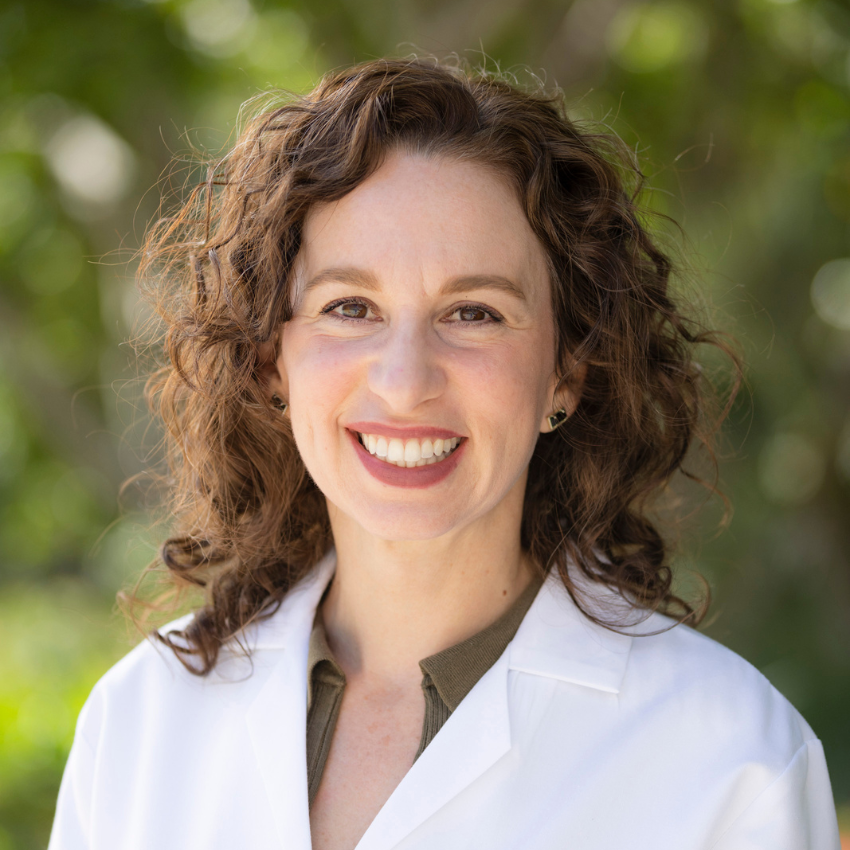
At one point or another most of us thought that the ability to get pregnant would be akin to a traffic light: one minute you’re stopped at a red, then the green light appears and, voilá, you’re pregnant! However, in reality, the odds of a healthy, sexually active couple getting pregnant each month is only about 20 percent. “Even if the timing is perfect, the chance of any one given egg resulting in a pregnancy is pretty low,” said Dr. Lauren Roth from Shady Grove Fertility’s Frederick, MD and Rockville, MD offices in an interview with SELF. Roth helped SELF identify eight things women can do if they want to get pregnant now.

Medical contribution by:

Lauren Roth, M.D.
Medical Director

Here’s a roundup:

1. Track your period.
The average cycle is about 28 days with ovulation taking place on day 14. SELF advises, “If your cycle is shorter than 21 days, longer than 35, or changes drastically from month to month, it may be hinting at issues with your ovaries, which could affect your chances of getting pregnant.” An appointment with your physician can help begin to define whether there’s a problem and start to map out a solution. 

2. Talk with your gynecologist.
Dr. Roth says, “People sometimes forget about meeting with their OB/GYN before trying to get pregnant.” Your gynecologist can help during this important step by reviewing whether the medications you take may be harmful during pregnancy, performing a Pap smear, and any immunizations.

3. Cut down on caffeine.
Most experts agree that moderate coffee intake will not affect chances of conception but there are questions about whether all-day coffee and caffeinated beverage drinkers may be reducing their odds. SELF cites the Mayo Clinic’s advice to limit intake to one to three brewed cups of coffee a day, or 150-300 milligrams a day. Other research indicates increased rate of miscarriage associated with more than 200mg per day. Due to the often conflicting research, SGF advises patients that the safest level of caffeine during pregnancy is zero.

4. Curb your alcohol intake.
There’s an old joke among OB/GYN that there wouldn’t be patients without alcohol, but it is important to cut down on drinking when actively trying to conceive. You might not know you’re pregnant the first 4 to 8 weeks; however, this is a vital time in fetal development when many organs are growing. It has also been shown that excessive conception of alcohol can impact sperm quantity and quality. So for couples who are activity trying to conceive, or in the near future, it is advised for both partners to reduce alcohol intake.

5. Give up smoking.
The effects of smoking on fertility is just one of myriad health problems cigarettes can cause. Regarding fertility, Dr. Roth told SELF, “We don’t know exactly how smoking affects fertility, but it increases the rate at which your body uses your eggs.” This means that for some reason, a woman’s eggs die faster when she’s a smoker. With only a limited number of eggs to begin with, maintaining your egg quantity and quality is essential to successful conception. Similar to alcohol, smoking cigarettes can have a negative impact on sperm quality. Find out more about the impact of smoking: “Smoking and Fertility”

6. Take prenatal vitamins.
Prenatal vitamins provide essential nutrients that can help with fetal development and prevent against defects in early stages of pregnancy. “We want folic acid levels to be adequate before pregnancy because it helps prevent neural tube defect, which is basically a problem with fusion of the spine that can result in paralysis and other long-term problems,” says Roth. Learn more: “Choose the right prenatal vitamin”

7. Know when you’re ovulating.
Once you have your period calendar, finding out when you ovulate will help you figure out exactly when your chances of conception are highest. There are a range of ovulation kits that can help identify your prime days. SELF says, “Since sperm can live in the female body for 3 to 5 days, having sex a few days before ovulation, the day you ovulate, and the day after can help make conception more likely.”

8. Consider egg freezing.
For a woman in her 30s who isn’t looking to conceive in the near future, egg freezing has become a popular option to preserve her ability to have children. At Shady Grove Fertility there are an array of financial programs to make egg freezing more affordable. “At this moment, you have the most, best-quality eggs you’re ever going to have,” says Roth. Learn more about egg freezing.

Schedule an Appointment

Like these 8 tips to get pregnant? To learn more or to schedule an appointment with an SGF physician, contact our New Patient Center at 877-971-7755 or fill out this brief form.
Editor’s Note: This post was originally published in May 2016 and has been updated for accuracy and comprehensiveness as of January 2019.

Filed Under: General

January 16, 2019 by Shady Grove Fertility

We are excited to announce that we are merging with Virginia Fertility Associates and VAIVF to create Shady Grove Fertility Richmond. By combining the successful clinical, scientific, and operational approaches under the current brand SGF Richmond, this merger offers the opportunity to provide enhanced fertility services to more patients in southern Virginia and its surrounding areas.

With now two locations in Richmond, at Henrico Doctor’s Hospital Campus and Stony Point, patients in southern Virginia will have access to a full range of diagnostic and treatment options to achieve their family-building goals, as well as elective egg freezing and fertility preservation prior to cancer treatment.

About Virginia Fertility Associates

Virginia Fertility Associates was formed through the merger of The Fertility Institute of Virginia and the Richmond Center for Fertility and Endocrinology in January 2017 to become the largest IVF practice in the Greater Richmond region, offering high quality reproductive healthcare that embodies a consistent, personalized, patient-centered philosophy.

Drs. Steingold, Edelstein, Tidey, and Shah have been repeatedly recognized as “Top Docs” in Richmond Magazine and remain at the forefront of reproductive endocrinology, with well over 30 years of experience in helping individuals and couples start or expand their families. The VFA/VAIVF & Andrology Center practice stands behind its high success rates with a patient-care approach that complements well the model followed by SGF.

About SGF Richmond

SGF Richmond was recently formed under the physician leadership of Dr. Erika Johnston-MacAnanny, who will serve as Medical Director of SGF Richmond.

“This collaboration is one we are excited about because it connects practices and providers who share similar goals and values. Both SGF and VFA/VAIVF & Andrology Center have a demonstrated commitment of helping patients access quality care, and both practices agree that the true measure of success is by the number of individuals and families we are able to help achieve the families of their dreams,” remarks Mark Segal, Chief Executive Officer of SGF.

“As the face of infertility continues to evolve, each member of the SGF Richmond medical team brings equal parts skillful clinical competency and genuine compassion to help more people build their families. Drs. Steingold, Edelstein, Tidey, Shah, and Johnston are all highly accomplished, highly respected contributors in our field, showing a demonstrated commitment to advancing science, education, and advocacy,” adds SGF’s Medical Director, Eric A. Widra, M.D.

The SGF Richmond laboratories will be directed by Dennis W. Matt, Ph.D., HCLD, current Scientific Director of the VAIVF & Andrology Center. Dr. Matt is an Associate Professor in OB/GYN at the Medical College of Virginia where he served as Scientific and Laboratory Director for 13 years prior to co-founding the Virginia IVF & Andrology Center. According to Dr. Matt, “Current SGF Richmond patients will benefit from full service, fully CAP-accredited, state-of-the-art embryology and andrology laboratory services performed by highly qualified embryologists and medical specialists closer to home.”

Uniting the Two Practices

“Uniting our practices made perfect sense as we share much of the same business, medical, scientific, and operational values and culture. This merger synergistically combines the unique skills of each practice, offering a tremendous advantage to patients who are trying to conceive,” adds Dr. Johnston.

“We are delighted to be joining forces with SGF. We recognize their position as national leaders in reproductive medicine, as well as the clinical expertise and cutting-edge technology they’ve pioneered that have led to more successful pregnancies than any other center in the nation. Because they not only value clinical expertise but also practice a ‘patient first’ philosophy, it makes for an easy decision when choosing with whom to align,” says Anish A. Shah, M.D.

Schedule an Appointment

To schedule an appointment at one of our SGF Richmond locations, please call 804-495-2594 for the Henrico Hospital Campus location or 804-302-4755 for the Stony Point location or complete our brief online form.

Filed Under: General

  • « Go to Previous Page
  • Page 1
  • Interim pages omitted …
  • Page 10
  • Page 11
  • Page 12
  • Page 13
  • Page 14
  • Interim pages omitted …
  • Page 46
  • Go to Next Page »

Company

  • About SGF
  • About US Fertility
  • Our Doctors
  • Fertility Equity
  • Careers
  • Newsroom
  • SGF College Scholarship
  • Contact Us
  • Voice Your Feedback

Treatments

  • Egg Freezing
  • Intrauterine Insemination (IUI)
  • In Vitro Fertilization (IVF)
  • Frozen Embryo Transfer (FET)
  • LGBTQIA+ Family Building
  • Shared Risk 100% Refund Program
  • All Treatments

Resources

  • Patient Portal
  • Online Bill Pay
  • Library
  • Support Groups & Events

Locations

  • California
  • Colorado
  • Delaware
  • Florida
  • Georgia
  • Maryland
  • North Carolina
  • Pennsylvania
  • Texas
  • Virginia
  • Washington, D.C.

2026 Shady Grove Fertility

  • Policies & Notices
Also of interest
  • In Vitro Fertilization IVF
  • Fertility Tests
  • Research Publications