
• Skip to primary navigation
  • Skip to main content
  • Skip to footer
Shady Grove Fertility
  • Become an Egg Donor
  • Referring Physicians
  • 1-888-761-1967
  • Schedule Appointment
  • Get Started
        • Get Started
          • Causes of Infertility
          • Fertility Tests
          • When to Seek Help
          • Find a Doctor
          • Preconception and prenatal vitamins 
          • Schedule an Appointment
        • Personalized Care For
          • Single Parents
          • LGBTQIA+ Family Building
          • People with Cancer
          • Known Genetic Diseases
          • Egg Donors
  • Treatments
        • Fertility
          • Timed Intercourse
          • Ovulation Induction
          • Intrauterine Insemination (IUI)
          • In Vitro Fertilization (IVF)
          • Frozen Embryo Transfer (FET)
        • Donation & Surrogacy
          • Donor Sperm
          • Donor Egg
          • Donor Embryo
          • Gestational Carrier
          • LGBTQIA+ Family Building
          • Single Parents
          • Find a Donor
        • More Treatments
          • Center for Male Fertility
          • Egg Freezing
          • OncoFertility
          • Preimplantation Genetic Testing
          • MIGS
          • All Fertility Treatments
  • Resources
    • Resource Library
    • Events Calendar
    • Patient Stories
    • Mental Health
    • Wellness Center
  • Insurance & Savings
    • Insurance & Benefits
    • Shared Risk 100% Refund Program
    • 100% Refund for Donor Egg
    • Discounts
    • Egg Freezing Costs
    • Financing & Grants
    • Clinical Trials
  • About
    • Find a Doctor
    • About SGF
    • Our Care Team
    • Advanced Practice Providers
    • Fertility Equity
    • Philanthropy
    • Newsroom
    • Careers
    • Contact Us
    • Voice Your Feedback
  • Locations
        • Find a Location
        • California
        • Colorado
        • Delaware
        • Florida
        • Georgia
        • Maryland
        • North Carolina
        • Pennsylvania
        • Texas
        • Virginia
        • Washington, D.C.
        • Chile
        • International & Out of State
        • SGF at Walter Reed National Military Medical Center
  • Patient Hub
    • Online Bill Pay
    • Patient Forms
    • Patient Portal
  • Call your care team
  • Become an egg donor
  • Referring physicians
  • search-icon
  • Schedule appointment 1-888-761-1967

Home / General / Page 10

General

December 21, 2020 by Shady Grove Fertility

The end of the year is often a time where many of us reflect on the year past and make resolutions for the year ahead. For patients who are experiencing infertility, there is an even greater motivation to make lifestyle adjustments in the new year. The good news is, making even small changes can have a big impact on increasing your chances of conceiving and improving your fertility.

Tips to Improve Your Fertility in 2021

Be Your Own Advocate

It’s important to take control of your future and be proactive in seeking the help you need. Don’t wait for a doctor referral to schedule an appointment. In fact, approximately 50 percent of our patients are self-referred. Take control of your future and seek the help you need to start building your family.

Maintain a Healthy Weight

There is a strong correlation between a woman’s BMI (body mass index) and her fertility potential. While not every woman who is underweight or overweight will have difficulty conceiving, there are many who do. For a woman’s reproductive system to function properly, a healthy amount of fat needs to be present. Women who are underweight lack the appropriate amount of fat needed for reproduction, causing their bodies to ovulate infrequently or not at all. Even the smallest weight gain can help restart the reproductive system.

Overweight women can experience insulin resistance, which makes managing a healthy weight difficult. Unbalanced insulin levels may cause the ovaries to produce an excess amount of male hormones and stop releasing eggs, which makes conception challenging. It’s important not to forget about your partner. Overweight men have shown to have abnormal semen, which may attribute to low sperm count and low sperm motility (movement).

Watch: SGF’s New On-Demand Webinar, Weight and Fertility

Quit Smoking

It’s no surprise that smoking presents risks to your overall health. However, many people don’t realize the effect smoking has on fertility. Studies have shown that women who smoke have a 54 percent chance of taking a year or longer to conceive compared with nonsmokers.

The delay in conception is directly impacted with the quantity of cigarettes smoked. The more cigarettes smoked, the more chemicals that enter the body, which increases the rate of follicular depletion and reduces estrogen levels in the body. Smoking affects men as well and can decrease their sperm count by 22 percent. Damage from smoking is not permanent and it can be improved. Sperm regenerates every 74 days, enabling sperm produced when stopping smoking to be of better quality.

Reduce Alcohol Intake

Women who consume a moderate amount of alcohol (up to five drinks per week) have shown a decrease in fertility. Women who consume 10 alcoholic drinks per week show an even greater decrease in their chances of conceiving. Since there is no confirmed data of a safe threshold for consumption, we recommend refraining from all alcohol when trying to conceive and during pregnancy.

[READ: Does Drinking Affect Your Fertility?]

Manage Stress and Anxiety Appropriately

For many women, their stress levels may already be high when they are trying to conceive or begin treatment. When you begin fertility treatment, we strongly recommend patients to join a support group, which can help with managing the emotional stress of infertility and offer support for before and during treatment.

Even modest lifestyle adjustments in can make a difference in improving your fertility and help you get pregnant faster.

Schedule an Appointment


If you would like to learn more about improving your fertility or to schedule a virtual consult with an SGF physician, please speak with one of our New Patient Liaisons at 877-971-7755 or fill out this brief form.
Filed Under: General

November 18, 2020 by Shady Grove Fertility

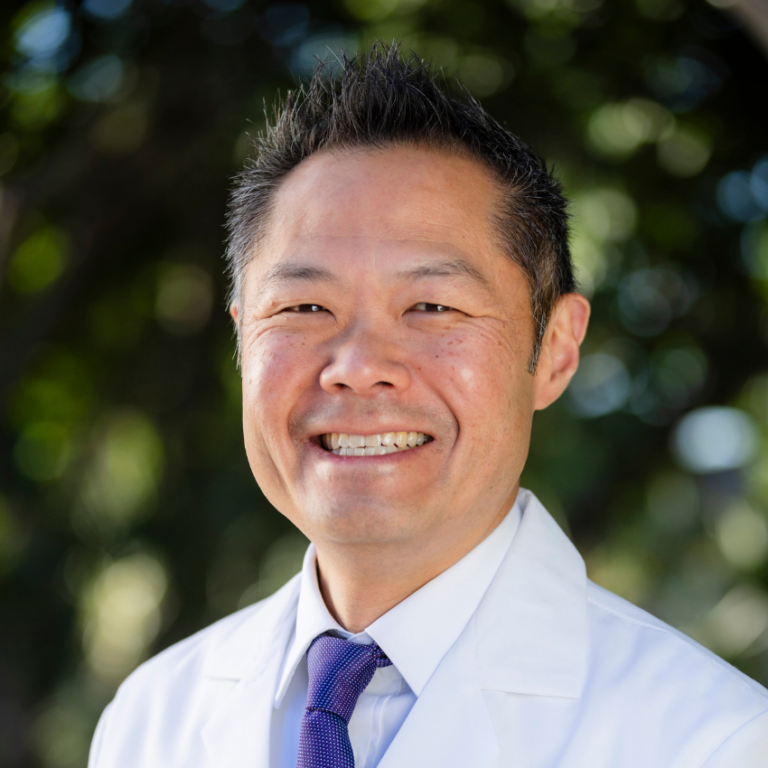
Medical contribution by Paul R. Shin, M.D.

Paul R. Shin, M.D., is board certified in urology. As director of reproductive urology, Dr. Shin optimizes treatment outcomes for patients affected by male factor infertility.

Although many people still think of infertility as mostly a female problem, the male partner’s role is just as important. We interviewed Dr. Paul Shin, SGF’s board certified reproductive urologist, to find out more about male factor infertility and how diet and lifestyle choices play a role.

According to Dr. Shin, “One of the big things that we as male fertility specialists are trying to overcome is the notion that fertility problems are solely the domain of female health. This popular sentiment is shifting a bit, and more men are now aware that it is not just a female problem.”

In fact, about 40 percent of infertility cases are due to the female partner and about 40 percent are due to the male partner. An additional 10 percent are due to a combination of both partners, and for the remaining 10 percent, the cause of infertility is unknown.

“It makes sense. It takes two to make a baby, and there can be problems with one or both partners,” says Dr. Shin.

Diagnosing Male Factor Infertility

A semen analysis is a simple, quick test that should be conducted early to help identify any issues with male infertility. The results of a semen analysis can provide insight to the overall quality and quantity of your sperm. The semen analysis focuses on four parameters:

Semen volume is the amount of ejaculated semen. According to the 2010 World Health Organization (WHO) standards1, normal semen volume should be at least 1.5 ml.

Sperm count is the concentration, or number of sperm in the semen. Ideally, the semen should contain at least 15 million sperm per milliliter of semen. Generally, the more sperm, the more likely one will meet and fertilize an egg. When sperm count drops, so does the chance of conception.

Sperm motility is the movement of the sperm, or the ability of the sperm to swim. In a healthy sample, at least 32 percent of the sperm are moving normally. When sperm motility falls below this, it is difficult for the sperm to travel through the woman’s reproductive tract and fertilize an egg.

Sperm morphology refers to the percentage of sperm that are normal shape and size. It is important to put this number into context – the morphology is not a commentary on genetic integrity, propensity for miscarriage, or potential problems with the embryo. The “strict” criteria for morphology assessment looks at sperm through the lens of selecting that sperm individually for in vitro fertilization through ICSI. From a timed intercourse or IUI perspective, the total number of motile sperm is a more important number to determine a man’s fertility potential.

If male factor infertility is a known issue, we recommend seeing a fertility specialist as soon as you start trying to conceive. 

Diet and Lifestyle to Promote Male Fertility

Various lifestyle factors can have an impact on sperm. Semen is continuously being made in the male body, and takes approximately 74 days to mature. This means that it takes about 3 months to see results from healthy lifestyle changes.

According to Dr. Shin, the best advice for male fertility is the same as for any male who is seeking to live a healthier lifestyle. He advises patients, “Avoid smoking, drink alcohol only in moderation, get some exercise, decrease the stress in your life, eat a reasonable diet, and maintain a healthy weight.”

Dr. Shin encourages his patients, “Use common sense, try not to go overboard, and stick to the things you know you should do to maintain a healthy lifestyle.” Moderation is key when it comes to a healthy lifestyle to promote male fertility. “If you play golf with friends on the weekend and have a cigar, or if you have a glass of wine with dinner at night, that is not going to wreck your fertility,” he adds.

Watch: SGF’s On-Demand Male Fertility Webinar

Maintain a Healthy Weight for Optimal Sperm Production

Most of us are aware that carrying around excess body weight can have a negative effect on overall health. Obese men typically have higher levels of inflammation and an increased risk of diabetes, heart disease, and other health conditions. What many people don’t realize is that obesity (defined as body mass index >30) negatively impacts male fertility.2  There are two main ways in which obesity decreases sperm production.

1) Testicular warming: The testicles should be cooler than the rest of the body for optimal sperm production.3 “When men come in with a low sperm count, we look for any sources of heat exposure to the testicles, including obesity. Excess body fat serves as a layer of insulation on the testicles, which can decrease sperm production,” says Dr. Shin.

It is also important to avoid other sources of heat exposure to the testicles, such as hot tubs, laptop computers, or high-temperature work areas.

2) Hormone changes: A balance of androgens (testosterone) and estrogens is essential for normal fertility and reproductive function in men.4 “Fat cells take testosterone and convert it to a form of estrogen. This process is called aromatization. When testosterone drops lower, and estrogen gets higher, it can be detrimental for sperm production,” explains Dr. Shin. Low testosterone also contributes to lower energy levels, decreased libido and feelings of vitality, and mild erectile dysfunction.

Dr. Shin encourages patients to seek help from a registered dietitian/nutritionist, a personal trainer, or other health professional when needed. “Physicians are great at telling people to lose weight, but we are not good at coaching them along the way. It is super important to understand patients’ lifestyles and help them figure out how they can make positive changes within the confines of their day to day life,” says Dr. Shin.

Choose Nutritional Supplements Wisely

Research has shown that certain antioxidants and other nutrients may improve male fertility. If you have had an abnormal semen analysis, a nutritional supplement may be recommended. There are many over-the-counter supplements marketed for male fertility, many of which make claims that are not backed by scientific evidence.

Determining which product is best can be difficult. Dr. Shin advises men to “choose reasonably-priced supplements from a reputable source that has vetted their production process.” Dr. Shin also reminds his patients, “There is a lot of benefit to supplementing, but it is not a substitute for healthy living.”

Shady Grove Fertility is proud to recommend Luminary Vitamins and Theralogix to offer high-quality, evidence-based nutritional supplements patients can trust. 

Buy Vitamins From Luminary Vitamins

Oxidative Stress, Antioxidants, and Sperm Quality

It is thought that 30 to 80 percent of male infertility cases are due to the damaging effects of oxidative stress on sperm.5 Oxidative stress is a condition in which harmful molecules called free radicals damage the sperm. Oxidants are normally kept under control by the presence of antioxidants in the semen.  When the amount of oxidants in semen is greater than the amount of antioxidants, oxidative stress is present.

Antioxidants such as vitamins C and E, selenium, and lycopene have shown benefit in protecting sperm. Antioxidants have been shown to enhance fertilization and pregnancy rates during in vitro fertilization (IVF).6 A recent Cochrane Review found that antioxidants increased pregnancy and birth rates and improved sperm motility.5

Other nutrients such as folic acid and zinc may improve sperm count,7 and coenzyme Q10 (CoQ10)8-9 and L-carnitine10 have been shown to improve sperm motility. Maintaining a normal vitamin D level has also been linked to better sperm motility.11

Schedule an Appointment

To schedule a virtual consultation with an SGF physician, please call our New Patient Center at 1-888-761-1967 or submit this brief form.

Editor’s Note: This blog post was originally published in September 2017, and has been updated for accuracy and comprehensiveness as of November 2020.

Stage-specific gummies designed by fertility doctors

Explore Luminary Vitamins
  1. Cooper et al. World Health Organization reference values for human semen characteristics. Hum Reprod Update. 2010; 16(3):231-45.
  2. Campbell et al. Paternal obesity negatively affects male fertility and assisted reproduction outcomes: a systematic review and meta-analysis. Reprod Biomed Online. 2015; 31(5):593-604.
  3. Garolla et al. Twenty-four-hour monitoring of scrotal temperature in obese men and men with a varicocele as a mirror of spermatogenic function. Hum Reprod. 2015; 30(5):1006-13.
  4. Xu et al. The Effect of Aromatase on the Reproductive Function of Obese Males. Horm Metab Res. 2017; 49(8):572-9.
  5. Showell et al. Antioxidants for male subfertility. Cochrane Database Syst Rev. 2014; 12:CD007411.
  6. Tremellen et al. A randomised control trial examining the effect of an antioxidant (Menevit) on pregnancy outcome during IVF-ICSI treatment. Aust NZ Journal Obstet Gynaecol. 2007; 47(3): 349-54.
  7. Wong et al. Effects of folic acid and zinc sulfate on male factor subfertility: a double-blind, randomized, placebo-controlled trial. Fertil Steril. 2002; 77(3):491-8.
  8. Balercia et al. Coenzyme Q10 treatment in infertile men with idiopathic asthenozoospermia: a placebo-controlled, double-blind randomized trial. Fertil Steril. 2009; 91(5):1785-92.
  9. Nadjarzadeh et al. Effect of Coenzyme Q10 supplementation on antioxidant enzymes activity and oxidative stress of seminal plasma: a double-blind randomised clinical trial. 2014; 46(2):177-83.
  10. Lenzi et al. Use of carnitine therapy in selected cases of male factor infertility: a double-blind crossover trial. Fertil Steril. 2003; 79(2):292-300.
  11. Blomberg, Jensen et al. Vitamin D is positively associated with sperm motility and increases intracellular calcium in human spermatozoa. Hum Reprod. 2011; 26(6):1307-17.

Filed Under: General

October 23, 2020 by Shady Grove Fertility

At the age of 25, Olivia Hutcherson had it all: New York City at her fingertips, a Top 30 spot on the hit television show So You Think You Can Dance, and a new backup dancer gig with Madonna. Then, on her 26th birthday in 2015, her world turned upside down.

It was after a dance rehearsal that she noticed bleeding coming from her breast. Three mammograms later, it was confirmed that 87 percent of Olivia’s breasts were overtaken by breast cancer. How could this be real? Olivia lived an active lifestyle, didn’t smoke, and had no family history of breast cancer. But it was happening, and the reality of a double mastectomy forced Olivia to move to a new beat. Part of Olivia’s new journey was to freeze her eggs before undergoing chemotherapy. She turned to Dr. Tomer Singer, Medical Director and board-certified reproductive endocrinologist at SGF New York, to ultimately preserve her hope of one day having a biological child.

“One in three female patients who are diagnosed with cancer will go to a fertility center to freeze their eggs before embarking on the process and chemotherapy,” explains Dr. Singer in a Zoom interview he recently hosted with Olivia.

During the honest and emotional interview, Dr. Singer and Olivia discuss life, self-love, and growth following her breast cancer diagnosis.

Q&A with Dr. Singer about Breast Cancer and Egg Freezing

Dr. Singer: Can you describe the first time you learned that you were diagnosed with breast cancer?

Hutcherson: I was a stage zero from what the doctors could tell and then even after doing a mammogram three times, they didn’t find everything. It wasn’t until I had a double mastectomy that doctors were able to find a tumor in both of my breasts. From there, that was when they discovered that I would have to do chemotherapy, which led me to you [Dr. Singer]. And they wanted to ensure that if I did want to have children that I would need to freeze my eggs before I did chemo.

Dr. Singer: When we met, now you’re hearing from me that the process is going to take another 10 to 12 days. How did you feel?

Hutcherson: When I found out that there was going to be another round in the ring, I felt absolutely defeated. I felt like how is it not enough that I already, in my mind, had to have pieces of my body mutilated. And, now I have to have my hair fall out. And then at 26, I have to have my eggs frozen? I wasn’t even thinking about children! I just wanted to go dance for Madonna.

Dr. Singer: What is the most difficult part during those two weeks of injecting yourself with hormones?

Hutcherson: Who wants to inject themselves? This lady at my church said something and it really stuck with me and ministered to my heart. She said, “Olivia, every single time that you inject yourself, you have to speak a blessing over your life, not a cursing.” Every single time I would inject myself, I would say a prayer. It sounds silly but I was like, ‘this is for your child. This is for your baby. God bless the doctors and thank them for being there early in the morning.’ I was constantly speaking a blessing over my life and it switched the narrative.

Dr. Singer: What was the hardest part about your journey through breast cancer?

Hutcherson: The more I went on, the more you recognize that you’re not in control anyway, and the more you let go of that control of your body, the more you gain control of your spirit and mind. It’s like a renewal and a reset. Where you’re losing control in one area, you’re gaining control in another.

Dr. Singer: What would you want to tell young women who are coping with breast cancer?

Hutcherson: I would want to tell them to get a really, really solid support system around them immediately. I would want to tell that that in their fight, part of that fight is surrendering trying to be in control all the time. Because I think that’s half the battle.

Sometimes the strongest thing we can do is surrender. And that doesn’t mean giving up, by the way. A lot of people misconstrue that word. Surrendering doesn’t mean giving up. Surrendering means recognizing you can’t do everything by yourself. And it’s ok to ask for help. It’s ok to need each other. It’s ok to need support. And that is the purest form of love: to let others love you.

Dr. Singer: When you went on to start breast cancer treatment after freezing your eggs, did you feel encouraged knowing you preserved your chances of becoming a mom someday?

Hutcherson: 100%. It is such an amazing feeling to know that I did that. Just 4.5 years after being diagnosed the first time I got diagnosed the second time in October 2019. It’s encouraging to know that I have that security after everything that my body has been through with all the treatments, surgeries, and medications. I’m a young woman, I’m only 30. Of course, I want children and a family and now I still have that as an option.

Preserving Fertility Before Starting Cancer Treatments

SGF has a specially trained team that works specifically with people with cancer who seek fertility preservation before beginning cancer treatment. The oncofertility team at SGF helps to guide patients through each step of the treatment process, from finding ways to afford treatment to the actual medical procedure.

If you would like to learn more about SGF’s oncofertility treatment options or to schedule an appointment, please call the New Patient Center at 1-888-761-1967 or click below. 

Schedule an Appointment

Related Content:

  • Does egg freezing work?
  • How much does egg freezing cost?
  • Planning for Pregnancy Prior to Cancer Treatment 

Filed Under: General

February 19, 2020 by Shady Grove Fertility

Dr. Anate Brauer

When you’re pregnant, your body needs a variety of vitamins and minerals to support a healthy baby. Of course, we recommend a balanced diet, but when pregnancy symptoms such as nausea and food cravings prevent you from making healthy food choices, a prenatal vitamin can help bridge the gap. Shape.com turned to Dr. Anate Brauer, SGF New York’s Director of IVF, who sees patients in the Manhattan office, to discuss the key ingredients to look for in a prenatal vitamin and why these nutrients are so important to maximizing the health of the pregnancy and the baby.

Q: What should you look for in a prenatal vitamin?
Dr. Brauer: The American College of Obstetrics and Gynecology recommends the following vitamins and minerals, which are standardly found in most prenatal vitamins: folic acid, calcium, iron, vitamin D, vitamin C, vitamin A, vitamin E, zinc, iodine, and copper.

Q: What’s the recommended dosage and why are these vitamins and minerals so important?
Dr. Brauer: Depending on specific medical issues or factors pertaining to the pregnancy, some women may require more than the recommended dosing. For example, if a woman is vitamin D deficient, she will require higher doses of vitamin D. A history of neural tube defects in a prior pregnancy or taking specific medications may require higher doses of folic acid. Twin pregnancies require higher doses of calcium and often iron. Omega 3 fatty acids have also been shown to have a key role in pregnancy, reducing rates of depression, preterm birth, and have a significant role in fetal neurodevelopment. Pregnant woman should consume 650mg of omega 3 fatty acids, 300mg of which should be in the form of DHA. Omega 3 fatty acids can be efficiently obtained from a diet rich in fish and other products, but can also be found in a prenatal vitamin.

Q: What’s your advice when choosing a prenatal vitamin?
Dr. Brauer: Vitamins and supplements are not regulated by the FDA, so it is very hard to recommend one specific brand. I usually tell my patients to get the local pharmacy brand and make sure it has proper amounts of folic acid and DHA. Other than branding, color, shape, and size, there is likely little difference between generic, over-the-counter and prescribed prenatal vitamins.

Q: Which prenatal vitamins do you recommend?
Dr. Brauer: While it’s difficult to compare brands, over-the-counter options which offer prenatal vitamins that contain all of the required vitamins+DHA and are well tolerated and easy to swallow. CitraNatal B-Calm is a good option for patients with nausea during pregnancy. It contains vitamin B6, which has been shown to help with nausea and vomiting in early pregnancy. Mail order brands such as Theralogix, which offers easy, affordable access and an excellent range of products both for pre and post conception is also a great option.

Are there any side effects to taking a prenatal vitamin?

It is not uncommon for people to have some trouble tolerating prenatal vitamins. Here are some tips for taking the vitamins to prevent any side effects.

  • Nausea: Instead of taking the vitamin in the morning, try taking it after dinner closer to bedtime.
  • Too big to swallow: Find a chewable prenatal vitamin over the counter or get a prescription from your doctor.
  • Constipation: Drink plenty of water and eat fiber-filled vegetables and whole grains—this should help get things moving.
  • Diarrhea: Some prenatal vitamins contain polyethylene glycol—a laxative ingredient to balance out constipation side effects. If you have a sensitive stomach, this may not be the right prenatal vitamin for you. Read the prenatal vitamin labels carefully.
Schedule an Appointment

To learn more or to schedule an appointment with an SGF physician, please contact our New Patient Call Center at 1-877-971-7755 or fill out this brief online form.

Filed Under: General

January 24, 2020 by Shady Grove Fertility

SGF is home to the largest Donor Egg Program in the country, and patients from all over the world turn to us when they are seeking an egg donor. Each year, we work with thousands of women donors who are interested in helping people become parents through egg donation.

This year marks an especially significant practice milestone, with 8,000 babies born from donor egg at SGF. We would not be able to celebrate this momentous occasion if it weren’t for our egg donors.

While we are proud of this new milestone, 8,000 donor egg babies born holds a more substantial meaning. It means there are 8,000 more mothers in the world who held their newborn’s tiny hand as he fell asleep in their arms. It means there are 8,000 more fathers who heard their daughter coo the word “Dada.” It means 8,000 more stories can be told.

With this milestone comes a thank you to someone else. A thank you to all of the women who decided to donate their eggs. Without the incredible generosity of our egg donors, priceless moments like this could not be celebrated. Each woman in the program has made a wish come true.

One of our Ireland patients shared her message of gratitude for her egg donor:

“Thank you a million, million, million times for giving him, and us, life. Thank you for the better life we have being his parents. Thank you for allowing for us to be Santa, have birthday parties, and be called ‘mom and dad.’ Thank you for the opportunity to see life through the eyes of our child; the hugs, the love, the chaos, the crisis over a missing toy and the messy car… we love it all. Honestly, we couldn’t love and cherish him any more than we do. We are proud to be his parents.”

SGF physicians and patients say “thank you” to all of our past, present and future egg donors. Egg donors make parenthood possible.

Apply

Filed Under: General, Treatment

October 16, 2019 by Shady Grove Fertility

Medical Contribution by Dr. Nancy Durso

Everyone knows how important adding a daily vitamin is to a well-balanced diet. And most people are aware that when you are pregnant, you should take a prenatal vitamin. Prenatal vitamins have a higher amount of several vitamins in particular, folic acid and iron. So, what is the big deal about taking folic acid in pregnancy? Dr. Nancy Durso, of Shady Grove Fertility’s Fredericksburg, VA office, explains the importance of taking folic acid when trying to conceive and during pregnancy.

Folic acid is one of the best preventive care measures ever discovered. Folic acid is a B vitamin that can significantly reduce the risk of a fetus developing neural tube defects in early pregnancy. Neural tube defects can cause spina bifida and are the second most common birth defect among women in the United States. The good news is that women who take folic acid supplements have an 80 percent reduction in neural tube defects. Folic acid can also reduce the risk of heart-related birth defects.

Take Folic Acid When Trying to Conceive

All women should start taking a prenatal vitamin with folic acid as soon as they begin trying to conceive. If taken prior to conception, folic acid can significantly decrease the incidence of the birth defect called spina bifida and other neural tube defects of the spine. Starting a prenatal vitamin regimen once you’re pregnant is too late, as the neural tube has already started forming by the time a woman knows she is pregnant.

Folic acid is found in green leafy vegetables. Eating a healthy diet before and during pregnancy is very important. However, you actually cannot get enough folic acid from your diet alone to achieve this reduction in risk. Women who could become pregnant should take at least 400 mcg (0.4 mg) of folic acid in a daily vitamin.  Prenatal vitamins contain at least 800mcg.

Related: Prepare Your Body for a Healthy Pregnancy

Editors Note: This post has been updated for accuracy and comprehensiveness as of October 2019.
Schedule an Appointment


For more information or to schedule an appointment with Dr. Nancy Durso, please contact our New Patient Center at 888-971-7755 or fill out this brief form.

Filed Under: General

  • « Go to Previous Page
  • Page 1
  • Interim pages omitted …
  • Page 8
  • Page 9
  • Page 10
  • Page 11
  • Page 12
  • Interim pages omitted …
  • Page 46
  • Go to Next Page »

Company

  • About SGF
  • About US Fertility
  • Our Doctors
  • Fertility Equity
  • Careers
  • Newsroom
  • SGF College Scholarship
  • Contact Us
  • Voice Your Feedback

Treatments

  • Egg Freezing
  • Intrauterine Insemination (IUI)
  • In Vitro Fertilization (IVF)
  • Frozen Embryo Transfer (FET)
  • LGBTQIA+ Family Building
  • Shared Risk 100% Refund Program
  • All Treatments

Resources

  • Patient Portal
  • Online Bill Pay
  • Library
  • Support Groups & Events

Locations

  • California
  • Colorado
  • Delaware
  • Florida
  • Georgia
  • Maryland
  • North Carolina
  • Pennsylvania
  • Texas
  • Virginia
  • Washington, D.C.

2026 Shady Grove Fertility

  • Policies & Notices
Also of interest
  • In Vitro Fertilization IVF
  • Fertility Tests
  • Research Publications