• Skip to primary navigation
  • Skip to main content
  • Skip to footer
Shady Grove Fertility
  • Become an Egg Donor
  • Referring Physicians
  • 1-888-761-1967
  • Schedule Appointment
  • Get Started
        • Get Started
          • Causes of Infertility
          • Fertility Tests
          • When to Seek Help
          • Find a Doctor
          • Preconception and prenatal vitamins 
          • Schedule an Appointment
        • Personalized Care For
          • Single Parents
          • LGBTQIA+ Family Building
          • People with Cancer
          • Known Genetic Diseases
          • Egg Donors
  • Treatments
        • Fertility
          • Timed Intercourse
          • Ovulation Induction
          • Intrauterine Insemination (IUI)
          • In Vitro Fertilization (IVF)
          • Frozen Embryo Transfer (FET)
        • Donation & Surrogacy
          • Donor Sperm
          • Donor Egg
          • Donor Embryo
          • Gestational Carrier
          • LGBTQIA+ Family Building
          • Single Parents
          • Find a Donor
        • More Treatments
          • Center for Male Fertility
          • Egg Freezing
          • OncoFertility
          • Preimplantation Genetic Testing
          • MIGS
          • All Fertility Treatments
  • Resources
    • Resource Library
    • Events Calendar
    • Patient Stories
    • Mental Health
    • Wellness Center
  • Insurance & Savings
    • Insurance & Benefits
    • Shared Risk 100% Refund Program
    • 100% Refund for Donor Egg
    • Discounts
    • Egg Freezing Costs
    • Financing & Grants
    • Clinical Trials
  • About
    • Find a Doctor
    • About SGF
    • Our Care Team
    • Advanced Practice Providers
    • Fertility Equity
    • Philanthropy
    • Newsroom
    • Careers
    • Contact Us
    • Voice Your Feedback
  • Locations
        • Find a Location
        • California
        • Colorado
        • Delaware
        • Florida
        • Georgia
        • Maryland
        • North Carolina
        • Pennsylvania
        • Texas
        • Virginia
        • Washington, D.C.
        • Chile
        • International & Out of State
        • SGF at Walter Reed National Military Medical Center
  • Patient Hub
    • Online Bill Pay
    • Patient Forms
    • Patient Portal
  • Call your care team
  • Become an egg donor
  • Referring physicians
  • search-icon
  • Schedule appointment 1-888-761-1967

Home / Egg freezing

Egg freezing

March 3, 2026 by Shady Grove Fertility

If you have been diagnosed with moderate to severe endometriosis, you may already be thinking about pain relief, next steps, and how to get your life back. But there’s another important question many people don’t hear early enough: 

How could endometriosis—and its treatment—affect my future fertility? 

That’s egg freezing can play an important role, especially before surgical treatment. 

How endometriosis can affect fertility and ovarian reserve

Endometriosis occurs when tissue similar to the uterine lining grows outside the uterus, often on the ovaries, fallopian tubes, or other pelvic structures. Over time, this tissue can cause chronic inflammation, scarring, and cysts called endometriomas. 

These changes can impact fertility in several ways: 

  • Chronic inflammation can interfere with egg quality and fertilization 
  • Scar tissue may distort pelvic anatomy or block Fallopian tubes 
  • Endometriomas on the ovaries are associated with lower ovarian reserve 
  • Hormonal and immune changes may make implantation more difficult 

Not surprisingly, endometriosis is found in up to 30–50% of people who experience infertility — far higher than in the general population. 

Even without symptoms, fertility can be affected quietly and progressively. 

Surgical treatment for endometriosis may reduce egg quantity

Laparoscopic surgery is often recommended to:

  • Reduce pelvic pain
  • Remove endometriosis implants or endometriomas
  • Improve the chances of natural conception

And for many patients, surgery is absolutely the right choice.

However, it’s important to know that any surgery on the ovaries carries a risk. Removing endometriomas can unintentionally remove healthy ovarian tissue, leading to a decrease in egg count — sometimes permanently.

This is why fertility specialists increasingly recommend discussing egg freezing before endometriosis surgery, particularly for patients with:

  • Moderate to severe disease
  • Ovarian endometriomas
  • Bilateral cysts
  • Prior or anticipated repeat surgeries

Benefits of egg freezing before endometriosis treatment

Egg freezing (also called oocyte cryopreservation or fertility preservation) allows you to preserve eggs before they may be affected by disease progression or surgical intervention.

Research shows that fertility preservation is most effective when done before ovarian surgery, when egg quantity and quality are typically higher.

Freezing eggs prior to endometriosis treatment can:

  • Preserve more eggs than waiting until after surgery
  • Protect fertility options if ovarian reserve declines
  • Reduce pelvic pain caused by the endometriosis
  • Reduce pressure to rush pregnancy decisions 
  • Improve chances of naturally occurring pregnancy
  • Create flexibility for future family planning

Egg freezing does not mean you will need IVF — but it keeps that option available if you do.

How egg freezing works

Egg freezing uses vitrification, a rapid freezing method that preserves eggs at very low temperatures for future use. When you’re ready to build your family, these eggs can be thawed and used in IVF. Survival and fertilization rates after thawing tend to be strong — especially when eggs are frozen at a younger age.

Egg survival and fertilization rates after thawing are strong, especially when eggs are frozen at younger ages. Success depends on:

  • Age at the time of freezing
  • Number of eggs frozen
  • Ovarian reserve before treatment

Pregnancy rates are highest when eggs are frozen before age 37, but egg freezing may still be appropriate at other ages depending on your situation.

FAQs: Egg Freezing and Endometriosis

No. Many people with endometriosis conceive naturally or with treatment. But because up to half may experience fertility challenges, planning ahead can improve options and outcomes. 

Often, yes — especially if ovarian surgery is recommended. Freezing beforehand can preserve eggs that might otherwise be lost during treatment. 

That depends on your age, ovarian reserve testing (AMH and ultrasound), and long-term goals. Your fertility specialist will help set realistic expectations. 

No fertility treatment cannot guarantee a baby. But egg freezing can significantly improve your chances compared to waiting until after surgery or disease progression. 

No. Egg freezing is not a replacement for treatment — it’s a way to protect your options while treating endometriosis effectively. 

A Thoughtful, Personalized Approach Matters 

Endometriosis is complex, and no two patients are the same. The right fertility plan depends on your symptoms, ovarian reserve, timing of surgery, your family-building goals, and financial considerations.  

At Shady Grove Fertility, our fertility specialists work closely with you to make informed, confident decisions—without pressure or panic. 

Looking Ahead 

If you’ve been diagnosed with endometriosis, thinking about egg freezing now means you’re giving yourself choices for tomorrow. 

Egg freezing before endometriosis treatment can be a powerful tool, not because it promises certainty, but because it protects possibility. 
Schedule an Appointment
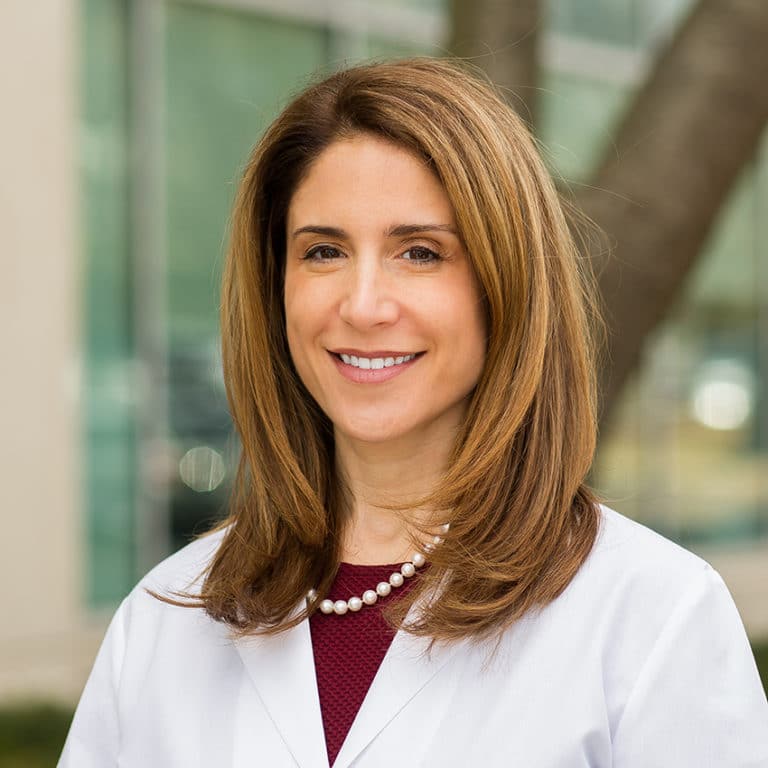
Medical contribution by Valerie Libby, M.D., MPH

Valerie Libby, M.D., MPH, FACOG, earned her medical degree from the University of Texas Health Science Center at San Antonio. She graduated from the University of Texas at Austin Honors Program studying Psychology and Spanish. She then earned a Masters in Global Public Health from George Washington University where she served as a fellow in Kenya for the Global Health Service.

Editor’s Note: This post was originally published in April 2016 and has been updated for accuracy and comprehensiveness as of March 2026.

Filed Under: Treatment Tagged With: Egg freezing, Endometriosis

February 17, 2025 by Andrea Mathis

Shady Grove Fertility reproductive endocrinologist Dr. Melanie Ochalski sat down with FOX43 News in York, Pennsylvania, to discuss to discuss the growing trend of egg freezing among Millennial and Gen Z women. As more individuals delay parenthood for career, personal, or medical reasons, fertility preservation is becoming an essential part of family planning. 

Watch the full story here: Freezing fertility for the future | Health Smart | fox43.com

Medical contribution by Melanie Ochalski, M.D.

Melanie Ochalski, M.D. is board certified in obstetrics and gynecology and reproductive endocrinology and infertility. Dr. Ochalski has published numerous peer-reviewed scientific manuscripts and review articles in many leading scientific journals, and has been invited to present at national meetings. She sees patients at SGF’s Lancaster and York, PA offices.

Learn more about fertility preservation

Article

The egg freezing cycle in 5 steps

Article

Egg freezing facts, from a fertility specialist 

Article

New Financial Option to Help More Women Afford …

Article

Egg Freezing: Give Yourself a Gift for the …

Filed Under: For Patients, Get Started Tagged With: Egg freezing, In the news

March 5, 2024 by Shady Grove Fertility

Elective egg freezing is done for a number of reasons – from wanting to prioritize a career to waiting for the right partner – and is becoming more mainstream. According to the most recent data, egg freezing cycles nationwide increased by 30% from 2020 to 2021. Dr. Leah Bressler talks with WRAL in Raleigh, North Carolina, about the trend and why it’s surging in popularity with Millennial and Gen Z women.

Watch the full story here: WRAL News: ‘I was really worried I would not have that dream’: Surge in women freezing their eggs

leah bressler md shady grove fertility
Medical contribution by Leah Bressler, M.D., M.P.H.

Leah Bressler, M.D., M.P.H., is board certified in obstetrics and gynecology (OB/GYN) as well as reproductive endocrinology and infertility (REI). She grew up in Clinton, North Carolina and attended UNC Chapel Hill as a Morehead scholar. Dr. Bressler earned her medical degree from Harvard Medical School while also completing her Master’s in Public Health. She then completed her residency in OB/GYN at Northwestern University Feinberg School of Medicine and Cook County Hospitals in Chicago, Illinois. From there, Dr. Bressler completed her REI fellowship at the University of North Carolina at Chapel Hill.  

Learn more about egg freezing

Egg Freezing Costs

Fundamental

Egg Freezing Costs

Article

22 egg freezing facts

Article

6 Egg Freezing Questions Answered | Shady Grove …

Article

10 things to know about your egg supply …

Filed Under: General Tagged With: Dr. Leah Bressler, Egg freezing, In the news

March 4, 2024 by Shady Grove Fertility

Egg freezing is becoming more popular for women as they look to buy more time to create the family of their dreams and more employers see the benefit of offering fertility coverage to their health plans. Dr. Erika Johnston-MacAnanny sat down with NBC 12 in Richmond, Virginia, to talk about how it works and why the number of women choosing to freeze is increasing.

Watch the full story here: 12 On Your Side: Women opt to freeze eggs to extend option to have children naturally

Medical contribution by Erika B. Johnston-MacAnanny, M.D.

Erika Johnston-MacAnanny, M.D., FACOG, is board certified in both obstetrics and gynecology and reproductive endocrinology and infertility. Dr. Johnston-MacAnanny sees SGF patients in the Richmond – Stony Point and Richmond – Henrico Doctors’ – Forest locations.

Learn more about egg freezing

Egg Freezing Costs

Fundamental

Egg Freezing Costs

Article

22 egg freezing facts

Article

6 Egg Freezing Questions Answered | Shady Grove …

Article

10 things to know about your egg supply …

Filed Under: General Tagged With: Dr. Erika Johnson-MacAnanny, Egg freezing, In the news

July 5, 2023 by Shady Grove Fertility

Your ovarian reserve is an important assessment of your fertility potential. When discussing ovarian reserve, it is important to recognize there are two pieces to assess – quantity (how many are left) and quality (how good are they).  

Quantity (which is often referred to as the “egg supply”) is the number of potential eggs that remain in your ovaries at any given time.  Women are born with all the eggs they will ever have, around 1 to 2 million, and as a woman ages the number of eggs in her ovaries decline. By the time a woman reaches menopause, as few as a couple hundred may remain. 

Quality is another important component of the ovarian reserve. Quality is dependent mostly on a woman’s age. As a woman ages, so do the eggs that remain in her ovaries. This is why is it harder to conceive and why women have higher rates of miscarriage with increasing age.   

“My patients often ask about their egg supply at their first visit. They want to know if I can tell them if their eggs are ‘healthy’ enough to have a baby,” shares Dr. Candice B. O’Hern (Perfetto). “I advise them that we do have ways to assess your egg quantity, but quality is not something we can test for (outside of knowing your age).”  

Here are 10 things you should know about your ovarian reserve: 

Factors that Impact Egg Supply

1. Age is the biggest factor affecting egg supply. 

This is true for all women: the quality and quantity of your egg supply decreases with age. You are born with all the eggs you will ever have, and your body does not have the ability to produce more eggs. In addition, there are not currently any available treatments to increase the quantity of your egg supply (although we all hope there will be one day).  

Maintaining a healthy lifestyle, as well as adding appropriate supplements such as PNV, Coenzyme Q10, Melatonin and Fish oil may help boost the quality of your eggs.  

  • CoQ10 may boost mitochondrial function and work as an antioxidant, which may improve the quality of eggs (200 mg, 3x daily) 
  • Melatonin may boost antioxidants, encourage ovarian function and aid in sleep (3mg each evening) 
  • Fish oil (EPA/DHA) may help produce higher quality eggs and help reproductive function in advanced maternal age (1200-1500mg EPA + DHA daily, do not exceed 3000 mg/day). 
2. Other factors also affect the quantity and quality of eggs. 

While age is the most important factor, the quantity and quality of the eggs available is may be affected by: 

  • Primary ovarian insufficiency (rare, but can occur secondary to genetic, autoimmune or unknown causes)  
  • Health issues such as autoimmune disorders, inflammatory conditions, cancer treatment or surgery that involves the ovaries 

Testing egg supply 

3. Currently there are two types of tests used to help determine the status of your ovarian reserve. 

The first type is bloodwork. On cycle day 2-3, you can have your Follicle Stimulating Hormone (FSH)/Estradiol level and an Anti-Müllerian hormone (AMH) level drawn.  

The second type is a transvaginal ultrasound. It is often performed on the third day of your cycle as well. The ultrasound allows your physician to count the number of small follicles in your ovaries (antral follicle count, AFC).  

When evaluating your egg supply, your doctor will look at the results of these tests together to get a complete picture of your ovarian reserve. 

4. Ovarian reserve testing is a key part of an initial infertility evaluation. 

If you see a fertility specialist, your doctor will include ovarian reserve testing in your evaluation. 

5. You can ask also your OB/GYN provider to check your egg supply during a routine annual exam. 

Regardless of your age, you can request ovarian reserve testing (most often an AMH level) during an annual visit with your OB/GYN provider. Testing can help younger women (those in their 20s and early 30s) know what their ovarian reserve is compared to other women their age. Although it does not predict “fertility” and is only an assessment of egg quantity – it is incredibly useful if a female is interested future family planning.  

6. Most insurance plans cover ovarian reserve testing. 

Because egg testing is part of an infertility evaluation, most insurance companies will cover the cost. Coverage of fertility treatment will vary based on your insurance provider and plan. Check with your insurance provider to see what is covered. 

Available treatment and resources 

7. Treatment is available for women with low ovarian reserve. 

Even with a decreased egg supply, there are successful treatments options available to help you conceive. Depending on your age, partner status, family planning goals and the complete infertility evaluation – you may be offered a range of treatment options. Those may include medicated intrauterine insemination cycles (IUI), in vitro fertilization (IVF), egg freezing and donor egg. Your doctor will help you balance the least complex treatment option with the greatest chances of success based on your goals.  

8. Egg freezing is now a reality for many women. 

For women whose ovarian reserve may be beginning to decline, or for those who are not planning on conceiving in the near future, egg freezing can help preserve future family building options. Advances in egg freezing technology have greatly increased success rates for getting pregnant by freezing, thawing, and fertilizing eggs. 

9. Time is of the essence. 

“I tell my patients, and I encourage my OB/GYN colleagues to share with their patients, that your treatment success depends on your age and reserve,” shares Dr. O’Hern. “If you get tested and find you have a low ovarian reserve you should not wait to see a fertility specialist. The younger you are, the higher your chance of success.”  

10. Resources are available to help you be proactive about your fertility. 

Reference our resource library to access a wealth of fertility information, including egg supply. 

Medical contribution by Candice B. O’Hern (Perfetto), M.D.

Candice B. O’Hern (Perfetto), M.D., is board certified in obstetrics and gynecology (OB/GYN) as well as reproductive endocrinology and infertility (REI). Dr. Perfetto received her medical degree from Georgetown University School of Medicine in Washington, D.C.

Schedule an Appointment

To learn more about testing your egg supply or to schedule a new patient appointment, please call our New Patient Center at 877-971-7755. 

Editor’s Note: This article was originally published in August 2015 and has been updated for accuracy and comprehensiveness as of July 2023.

Filed Under: Treatment Tagged With: Egg freezing

August 15, 2022 by Shady Grove Fertility

You asked for it, ladies! With payments as low as $200/month, Shady Grove Fertility’s new financial package for egg freezing offers a discount, and includes long-term storage to help you afford egg freezing.

Given the advances made in egg freezing technology, Shady Grove Fertility has seen an 83% growth in their egg freezing program since 2013, and numbers of women choosing this viable option continue to rise. The popularity of egg freezing at Shady Grove Fertility is largely contributed to continuous innovation that is increasing success rates; transparent, published success rates; and a variety of affordable financial programs.

New SGF Financial Program to Afford Egg Freezing

Due to the increasing demand from women who realize age’s impact on their biological clock, Shady Grove Fertility created a discounted financial program that brings egg freezing to preserve future fertility within reach for more women. The newest program provides women with yet another option to reach their future family building goals. The newest option for egg freezing candidates is a discount financial program that offers cycles as low as $200/month depending on credit and length of term, plus a partial refund on storage for women who choose to thaw/use their eggs early. There are no eligibility requirements in order to participate, and the monthly rate is based on credit history and length of term through Fertility Finance. For women who choose additional cycles, further discounts apply.

Additional Aspects to Consider

It is important to consider that outside lab testing and medications are not included in this cost. The cost of medication is determined by the patient’s response to medications which will vary, and can cost a few thousand dollars per cycle. Some insurance companies do cover the cost for medications.

Decision vs. Cost

When it comes to egg freezing, there are many unknowns—will it work, how do I know it’s for me, and is it worth the cost? An SGF physician would consult with you following your baseline testing (ovarian reserve testing) that measures your current fertility and advise you on the need, timing, and quantity of eggs to freeze based on your desire to have one, two, or three children in the future.

If you decide to pursue freezing your eggs, there are different programs and options to consider based on how many eggs you desire to freeze, as well as how many cycles may be required to reach that quantity of eggs. SGF’s evidence-based practice guidelines for egg freezing advise women ages 37 and younger freeze 15 to 20 mature eggs, and women 38 to 40 freeze 25 to 30 mature eggs.

Schedule An Egg Freezing Appointment 

Other SGF Programs to Help You Afford Egg Freezing

Insurance Coverage

SGF participates with over 30 insurance companies, and thankfully the majority of those 30+ companies provide coverage for baseline fertility testing and the follow up consultation. In fact, 90 percent of patients who have insurance have full or partial coverage for this testing and consultation.

Assure Fertility

There are two options with our Assure Fertility program: Assure 20 and Assure 30. These programs guarantee either a certain number of eggs or cycles, whichever comes first. Both programs include the cost of monitoring appointments, the egg retrieval, and cryopreservation. Financing is also available for both Assure 20 and Assure 30. In order to participate in this program, a woman must have favorable ovarian reserve and complete all cycles by the age of 41.

Assure 20

With the Assure 20 program, people with a favorable ovarian reserve and the ability to freeze eggs by age 41 can complete up to 4 egg freezing cycles or reach 20 mature eggs, whichever comes first. Should a patient reach 20 mature eggs or wish to discontinue egg freezing cycles following their first cycle, we’ll issue a partial refund. 

Assure 30

With the Assure 30 program, people with a favorable ovarian reserve and the ability to freeze eggs by age 41 can complete up to 5 egg freezing cycles or reach 30 mature eggs, whichever comes first. Should a patient reach 30 mature eggs or wish to discontinue egg freezing cycles following their first or second cycle, we’ll issue a partial refund. 

Money shouldn’t be the barrier for women who wish to freeze their eggs, which is why SGF offers various financial programs. We can back up our technology and approach with published success rate data and help women to take the guesswork and uncertainty out of their reproductive potential in the future.

Schedule An Egg Freezing Appointment 

To learn more about egg freezing and the new financial options or to schedule an appointment, call 1-877-411-9292 to speak with a new patient liaison.

Editor’s Note: This blog was originally published in July 2017, but was updated for accuracy in August 2022.

Filed Under: Treatment Tagged With: Egg freezing

  • Page 1
  • Page 2
  • Page 3
  • Interim pages omitted …
  • Page 22
  • Go to Next Page »

Company

  • About SGF
  • About US Fertility
  • Our Doctors
  • Fertility Equity
  • Careers
  • Newsroom
  • SGF College Scholarship
  • Contact Us
  • Voice Your Feedback

Treatments

  • Egg Freezing
  • Intrauterine Insemination (IUI)
  • In Vitro Fertilization (IVF)
  • Frozen Embryo Transfer (FET)
  • LGBTQIA+ Family Building
  • Shared Risk 100% Refund Program
  • All Treatments

Resources

  • Patient Portal
  • Online Bill Pay
  • Library
  • Support Groups & Events

Locations

  • California
  • Colorado
  • Delaware
  • Florida
  • Georgia
  • Maryland
  • North Carolina
  • Pennsylvania
  • Texas
  • Virginia
  • Washington, D.C.

2026 Shady Grove Fertility

  • Policies & Notices
Also of interest
  • In Vitro Fertilization IVF
  • Fertility Tests
  • Research Publications