
• Skip to primary navigation
  • Skip to main content
  • Skip to footer
Shady Grove Fertility
  • Become an Egg Donor
  • Referring Physicians
  • 1-888-761-1967
  • Schedule Appointment
  • Get Started
        • Get Started
          • Causes of Infertility
          • Fertility Tests
          • When to Seek Help
          • Find a Doctor
          • Preconception and prenatal vitamins 
          • Schedule an Appointment
        • Personalized Care For
          • Single Parents
          • LGBTQIA+ Family Building
          • People with Cancer
          • Known Genetic Diseases
          • Egg Donors
  • Treatments
        • Fertility
          • Timed Intercourse
          • Ovulation Induction
          • Intrauterine Insemination (IUI)
          • In Vitro Fertilization (IVF)
          • Frozen Embryo Transfer (FET)
        • Donation & Surrogacy
          • Donor Sperm
          • Donor Egg
          • Donor Embryo
          • Gestational Carrier
          • LGBTQIA+ Family Building
          • Single Parents
          • Find a Donor
        • More Treatments
          • Center for Male Fertility
          • Egg Freezing
          • OncoFertility
          • Preimplantation Genetic Testing
          • MIGS
          • All Fertility Treatments
  • Resources
    • Resource Library
    • Events Calendar
    • Patient Stories
    • Mental Health
    • Wellness Center
  • Insurance & Savings
    • Insurance & Benefits
    • Shared Risk 100% Refund Program
    • 100% Refund for Donor Egg
    • Discounts
    • Egg Freezing Costs
    • Financing & Grants
    • Clinical Trials
  • About
    • Find a Doctor
    • About SGF
    • Our Care Team
    • Advanced Practice Providers
    • Fertility Equity
    • Philanthropy
    • Newsroom
    • Careers
    • Contact Us
    • Voice Your Feedback
  • Locations
        • Find a Location
        • California
        • Colorado
        • Delaware
        • Florida
        • Georgia
        • Maryland
        • North Carolina
        • Pennsylvania
        • Texas
        • Virginia
        • Washington, D.C.
        • Chile
        • International & Out of State
        • SGF at Walter Reed National Military Medical Center
  • Patient Hub
    • Online Bill Pay
    • Patient Forms
    • Patient Portal
  • Call your care team
  • Become an egg donor
  • Referring physicians
  • search-icon
  • Schedule appointment 1-888-761-1967

Home / Treatment

Treatment

March 3, 2026 by Shady Grove Fertility

If you have been diagnosed with moderate to severe endometriosis, you may already be thinking about pain relief, next steps, and how to get your life back. But there’s another important question many people don’t hear early enough: 

How could endometriosis—and its treatment—affect my future fertility? 

That’s egg freezing can play an important role, especially before surgical treatment. 

How endometriosis can affect fertility and ovarian reserve

Endometriosis occurs when tissue similar to the uterine lining grows outside the uterus, often on the ovaries, fallopian tubes, or other pelvic structures. Over time, this tissue can cause chronic inflammation, scarring, and cysts called endometriomas. 

These changes can impact fertility in several ways: 

  • Chronic inflammation can interfere with egg quality and fertilization 
  • Scar tissue may distort pelvic anatomy or block Fallopian tubes 
  • Endometriomas on the ovaries are associated with lower ovarian reserve 
  • Hormonal and immune changes may make implantation more difficult 

Not surprisingly, endometriosis is found in up to 30–50% of people who experience infertility — far higher than in the general population. 

Even without symptoms, fertility can be affected quietly and progressively. 

Surgical treatment for endometriosis may reduce egg quantity

Laparoscopic surgery is often recommended to:

  • Reduce pelvic pain
  • Remove endometriosis implants or endometriomas
  • Improve the chances of natural conception

And for many patients, surgery is absolutely the right choice.

However, it’s important to know that any surgery on the ovaries carries a risk. Removing endometriomas can unintentionally remove healthy ovarian tissue, leading to a decrease in egg count — sometimes permanently.

This is why fertility specialists increasingly recommend discussing egg freezing before endometriosis surgery, particularly for patients with:

  • Moderate to severe disease
  • Ovarian endometriomas
  • Bilateral cysts
  • Prior or anticipated repeat surgeries

Benefits of egg freezing before endometriosis treatment

Egg freezing (also called oocyte cryopreservation or fertility preservation) allows you to preserve eggs before they may be affected by disease progression or surgical intervention.

Research shows that fertility preservation is most effective when done before ovarian surgery, when egg quantity and quality are typically higher.

Freezing eggs prior to endometriosis treatment can:

  • Preserve more eggs than waiting until after surgery
  • Protect fertility options if ovarian reserve declines
  • Reduce pelvic pain caused by the endometriosis
  • Reduce pressure to rush pregnancy decisions 
  • Improve chances of naturally occurring pregnancy
  • Create flexibility for future family planning

Egg freezing does not mean you will need IVF — but it keeps that option available if you do.

How egg freezing works

Egg freezing uses vitrification, a rapid freezing method that preserves eggs at very low temperatures for future use. When you’re ready to build your family, these eggs can be thawed and used in IVF. Survival and fertilization rates after thawing tend to be strong — especially when eggs are frozen at a younger age.

Egg survival and fertilization rates after thawing are strong, especially when eggs are frozen at younger ages. Success depends on:

  • Age at the time of freezing
  • Number of eggs frozen
  • Ovarian reserve before treatment

Pregnancy rates are highest when eggs are frozen before age 37, but egg freezing may still be appropriate at other ages depending on your situation.

FAQs: Egg Freezing and Endometriosis

No. Many people with endometriosis conceive naturally or with treatment. But because up to half may experience fertility challenges, planning ahead can improve options and outcomes. 

Often, yes — especially if ovarian surgery is recommended. Freezing beforehand can preserve eggs that might otherwise be lost during treatment. 

That depends on your age, ovarian reserve testing (AMH and ultrasound), and long-term goals. Your fertility specialist will help set realistic expectations. 

No fertility treatment cannot guarantee a baby. But egg freezing can significantly improve your chances compared to waiting until after surgery or disease progression. 

No. Egg freezing is not a replacement for treatment — it’s a way to protect your options while treating endometriosis effectively. 

A Thoughtful, Personalized Approach Matters 

Endometriosis is complex, and no two patients are the same. The right fertility plan depends on your symptoms, ovarian reserve, timing of surgery, your family-building goals, and financial considerations.  

At Shady Grove Fertility, our fertility specialists work closely with you to make informed, confident decisions—without pressure or panic. 

Looking Ahead 

If you’ve been diagnosed with endometriosis, thinking about egg freezing now means you’re giving yourself choices for tomorrow. 

Egg freezing before endometriosis treatment can be a powerful tool, not because it promises certainty, but because it protects possibility. 
Schedule an Appointment
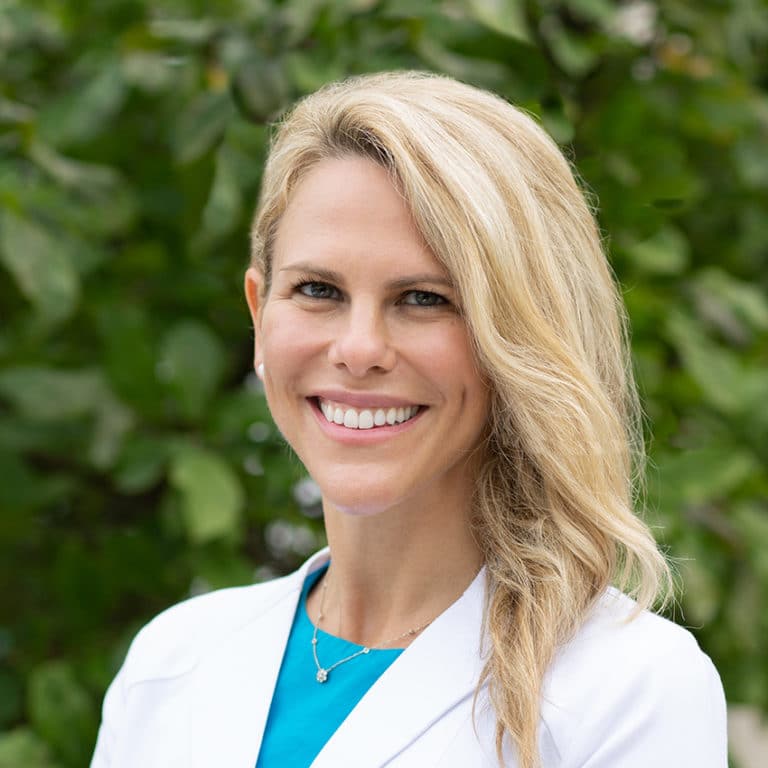
Medical contribution by Valerie Libby, M.D., MPH

Valerie Libby, M.D., MPH, FACOG, earned her medical degree from the University of Texas Health Science Center at San Antonio. She graduated from the University of Texas at Austin Honors Program studying Psychology and Spanish. She then earned a Masters in Global Public Health from George Washington University where she served as a fellow in Kenya for the Global Health Service.

Editor’s Note: This post was originally published in April 2016 and has been updated for accuracy and comprehensiveness as of March 2026.
Filed Under: Treatment Tagged With: Egg freezing, Endometriosis

August 20, 2025 by Andrea Mathis

Shady Grove Fertility is introducing a new medication protocol that makes the IVF and egg freezing process more affordable, more comfortable, and less complex—while still delivering excellent outcomes. Now available across all SGF locations, the Medroxyprogesterone Acetate (MPA) protocol uses oral medications and requires fewer monitoring appointments, saving patients both time and money.  

What is the MPA protocol?

The Medroxyprogesterone Acetate – or MPA protocol – is an alternative to the traditional GnRH antagonist protocol used during ovarian stimulation. Both protocols aim to prevent premature ovulation during the stimulation phase of an IVF or egg freezing cycle.  

  • Traditional GnRH antagonist protocols rely on injectable medications (GnRH antagonists) administered mid-stimulation to prevent a premature luteinizing hormone (LH) surge. Patients typically have 5-7 monitoring appointments.  
  • MPA protocols use an oral medication—Medroxyprogesterone Acetate (Provera)—instead of injections to achieve the same goal. Patients can expect 1-3 fewer monitoring appointments than the GnRH antagonist protocol.  

Who is eligible?   

MPA protocols are appropriate for patients who are: 

  • Undergoing egg freezing, or 
  • Pursuing IVF with a plan to freeze all embryos 
  • Not planning a fresh transfer in the same cycle as stimulation and egg retrieval 

Why this change benefits patients 

Adopting the MPA protocol delivers a better overall patient experience while maintaining the same high standards for clinical outcomes. 

Benefits include: 

  • Same great outcomes. Multiple studies—including high-quality randomized controlled trials—show no difference in egg quality, embryo development, or pregnancy rates compared to antagonist protocols. 
  • Lower medication costs. On average, patients may save $2,500 per cycle. 
  • Fewer injections. Patients can expect ~7 fewer injections per cycle. 
  • Fewer clinic visits. With 1–3 fewer monitoring appointments, patients save time and reduce logistical stress. 
  • Simplified schedule. All medications are taken once daily in the evening, making the protocol easier to follow. 

Backed by data 

A growing body of peer-reviewed literature and SGF’s own internal data supports the use of MPA protocols as a safe, effective alternative for freeze-all cycles. Across patient groups, outcomes have been consistent with those seen in traditional antagonist protocols. While research on lower responders is ongoing, no safety concerns have emerged in this population. 


What to expect with the MPA protocol 

  • Medication: Patients take 10 mg of oral MPA once daily in the evening, alongside standard gonadotropin injections. 
  • Trigger timing: MPA is continued until the night of the trigger injection. 
  • Monitoring: Follows standard protocols, with potential for fewer visits based on response. 
  • Flexibility: Compatible with most downregulation methods (OCPs, EPP, cold start) and trigger options (Lupron, hCG, or dual trigger). 

At SGF, we’re committed to delivering exceptional outcomes while improving the overall patient experience. The MPA protocol reflects our ongoing effort to reduce cost and complexity in fertility treatment.  

If you have questions about how the MPA protocol may benefit you or how it is implemented at your local SGF clinic, please don’t hesitate to reach out. 


Schedule Appointment

Medical contribution by Kate Devine, M.D.

Kate Devine, M.D., FACOG, is board certified in obstetrics and genecology and reproductive endocrinology and infertility. She is active in fertility research, publishing on topics ranging from fibroids to egg freezing for fertility preservation. She continues her research goals and advancing those of Shady Grove Fertility as the director of research for the practice.

Filed Under: For Patients, General, Insurance & Savings, Treatment

July 30, 2025 by Shady Grove Fertility

Donor egg treatment, for women who are unable to user their own eggs for conception but can still carry a child, is one of the most successful forms of fertility treatment at Shady Grove Fertility. Through an anonymous egg donor, an individual or couple can receive the precious gift of life along with the unique experience of selecting the perfect donor egg to fit your family.

Here are some questions most commonly asked, in order to provide you with a better understanding of the egg donation process at SGF.

What do most women look for in an egg donor?

At Shady Grove Fertility, before women are permitted to donate their eggs to the intended parent, they undergo extensive screening to evaluate medical, physical, genetic, and psychological health. The potential egg donors must fall between the ages of 21-32 and are required to be nonsmokers (among many other stringent criteria).

You, as the recipient, have the unparalleled opportunity to explore the potential egg donors’ interests, talents, and passions to help you make your choice. Gilbert Mottla, M.D., of SGF’s Annapolis, MD and Rockville, MD offices, explains “Choosing an egg donor is a truly unique life opportunity. You as the recipient have the chance to potentially give your child a gift that you may have not been able to give otherwise. Most couples look for a donor with similar physical characteristics, but there may be opportunity to pass along aptitudes or abilities possessed by your donor. If you are athletically challenged or math challenged, you have the ability to choose a donor that may have those attributes in their DNA. Choose an engineer, choose an athlete, choose a musician. Try to find that gift you want to give your child and your choice of donors may just do that. ”

Additionally, the egg donors are required to write an essay, which many recipients connect with on an emotional level and may help guide the decision.

Frozen vs. fresh eggs: what’s the difference?

Once you’ve decided that egg donation is the best option for you to have a healthy pregnancy, you may choose frozen eggs from Luminary EggBank. Our physicians have found that the success rates for both fresh and frozen eggs, in addition to their health after being born, are growing closer over the years. One of the main differences between the two is that there are typically travel expenses associated with frozen eggs, since they may be shipped out-of-state, whereas fresh eggs from SGF are from local egg donors.

Can I afford egg donation?

  • Shared Risk 100% Refund Program
    SGF takes pride in the Shared Risk Program available to both IVF (in vitro fertilization) patients and donor egg treatment alike. This program allows up to six donor egg treatment cycles for a fixed fee and offers a full refund if you don’t take a baby home (some exclustions apply). Our Shared Risk 100% Refund Program provides a financial safety net.
  • Shared Donor Egg Program
    Many times, a woman will produce up to 20 to 30 eggs, all of which are not needed for one egg donor recipient. In Shared Donor Egg, the donor can choose to share these eggs with one or two other couples, reducing costs by 50% and sharing the gift of pregnancy with ever grateful couples.

Can I put more than one embryo back to ensure a successful pregnancy?

“We are strong advocates for only transferring one embryo at a time in many patients. Our goal is always to promote a normal, healthy single pregnancy,” says Dr. Mottla. “Transferring two embryos does give a slightly higher pregnancy rate at the risk of promoting a significantly higher twin and multiple rate. Unfortunately, twin pregnancies experience a higher rate of complications including early delivery, breathing problems, intensive care unit stays and more overall miscarriages as well as medical complications in the pregnant patient. In the end, success is achieved when we help accomplish both a healthy delivered baby and a healthy new mother.” If you are looking to grow your family by more than one child, we recommend you consider the 1:1 donor program to hopefully have ‘leftover’ frozen embryos that you can use to have siblings.

Donor egg treatment makes parenthood possible and your care team will be you every step of the way to answer any of your questions.

Schedule an Appointment

Editor’s Note: This post was originally published 2017 with non-contextual edits applied in July 2025.

Filed Under: Treatment Tagged With: Donor egg

May 22, 2025 by Andrea Mathis

More women in their 40s are becoming first-time moms—now outnumbering teen moms for the first time ever. This inspiring shift highlights that your dream of becoming a mother can flourish at any age with advanced reproductive technologies and expert care from fertility centers like Shady Grove Fertility. 

There are multiple pathways to parenthood if you’ve delayed having a child until your 40s. Innovative fertility treatments allow you to confidently pursue motherhood with options tailored to your unique needs. 

1. IVF using your own eggs  

For many women, the journey to motherhood begins with in vitro fertilization (IVF) using their own eggs. This approach maximizes your body’s natural potential, combining it with cutting-edge reproductive technology. SGF’s personalized treatment plans and comprehensive support empower you to optimize your chances for a healthy pregnancy and a joyful start to motherhood. IVF involves stimulating the ovaries to produce multiple eggs, retrieving these eggs, fertilizing them with sperm in the laboratory, and transferring the resulting embryos into the uterus. This process offers hope to women experiencing age-related fertility decline. 

2. IVF with donor eggs

IVF with donor eggs can alleviate concerns about egg quality and quantity. High-quality donor eggs can enhance your likelihood of conception while still experiencing the personal journey of pregnancy and childbirth. Shady Grove Fertility boasts one of the largest donor egg programs in the nation, providing a diverse selection of thoroughly screened donors. This option is particularly beneficial for women who have experienced diminished ovarian reserve or premature ovarian failure.  

Find an egg donor

3. IVF with donor embryos 

IVF with donor embryos is a unique and cost-effective alternative designed especially for those who might face challenges with traditional IVF methods. As part of Shady Grove Fertility’s Donor Embryo Program, you can receive donated embryos that have been carefully screened and stored using advanced vitrification techniques. This option allows you to build your family by choosing from embryos donated by either a known (direct) donor or an anonymous donor. 

4. IVF using previously frozen eggs 

Egg freezing has become a strategic choice for women planning for the future. If you have preserved your eggs through egg freezing, modern IVF techniques allow you to use these cycles to achieve pregnancy. This proactive approach to fertility not only provides flexibility but also ensures that your dreams of motherhood remain on track. 

Financial considerations and support 

Understanding the financial aspects of fertility treatments is crucial. Shady Grove Fertility is committed to making these options accessible by offering various financial programs:​ 

  • Shared Risk 100% Refund Program: This program provides a refund if treatment does not result in a live birth, offering peace of mind and financial security.​ 
  • Shared Donor Egg Program: This option allows patients to share donated eggs and costs, making treatment more affordable without compromising success rates.​ 
  • Insurance and benefits coordination: Shady Grove Fertility assists patients in navigating their insurance coverage and maximizing available benefits.​ 

These financial programs are designed to alleviate the economic burden and help you focus on your journey to motherhood. 

Embracing a new era of motherhood 

Becoming a first-time mother in your 40s is a celebration of experience, resilience, and the many paths to building a family. With innovative treatments like IVF using your own eggs, donor eggs, donor embryos, or frozen eggs, you can navigate your fertility journey with confidence. Shady Grove Fertility is dedicated to offering personalized care and advanced treatment options, empowering you to make informed decisions on your road to parenthood. 

Exploring fertility options opens the door to a growing community of empowered women. Your journey to motherhood is filled with hope and possibilities—embrace the innovative treatments available and let your new chapter begin. 

joseph doyle rockville maryland fertility specialist
Medical contribution by Joseph Doyle, M.D.

Joseph Doyle, M.D., is board certified in obstetrics and gynecology and reproductive endocrinology and infertility. Dr. Doyle is a member of the American Society for Reproductive Medicine, for which he has developed education modules and served as an ad hoc reviewer, and the Society for Reproductive Endocrinology and Infertility. He sees patients at SGF’s Rockville, Maryland office. 

Filed Under: Treatment Tagged With: Donor egg

April 28, 2025 by Shady Grove Fertility

Patients undergoing IVF treatment or other procedures will visit one of Shady Grove Fertility’s specialized IVF centers during their journey. These outpatient facilities are designed for minor surgical procedures, such as egg retrievals, and are carefully maintained to ensure your safety, comfort, and peace of mind.

We understand that undergoing a procedure can feel overwhelming. That’s why Shady Grove Fertility is committed to continually enhancing both our medical technology and the comfort of our surgical environments. Our facilities are accredited by the Joint Commission on Accreditation of Healthcare Organizations (JCAHO) and the Accreditation Association for Ambulatory Health Care (AAAHC), reflecting the highest standards of patient safety and quality care.

IVF Center Locations

Shady Grove Fertility’s IVF centers are located in:

  • Denver, CO
  • Orlando, FL
  • Tampa, FL
  • Atlanta, GA
  • Rockville, MD
  • Towson, MD
  • Raleigh, NC
  • Chesterbrook, PA
  • Clear Lake, TX
  • Fairfax, VA
  • Norfolk, VA
  • Richmond, VA

Procedures Performed at Our IVF Centers

At our IVF centers, Shady Grove Fertility performs a range of outpatient procedures, including:

  • Egg retrievals
  • Hysteroscopy
  • Plypectomy
  • Fluid aspirations
  • Male surgical procedures

Preparing for an egg retrieval or surgical procedure

What to bring:

  • Photo ID: All patients must present a valid photo ID before any procedure.
  • A Responsible Adult: You must have a responsible adult (18 or older) accompany you. They must remain on-site during your procedure and drive you home afterward. If both you and your partner are scheduled for procedures, a third party is required to assist with transportation.
  • Comfortable Clothing: Wear loose, comfortable clothes that are easy to change into and out of.

What not to bring?

  • Children are not allowed at the IVF center. Please arrange childcare in advance.
  • Jewelry
  • Perfume
  • Makeup – Please refrain from wearing perfume or makeup on your procedure day.
  • Contact lenses

Dietary guidelines before your procedure
Because anesthesia is typically used during egg retrievals, it’s crucial to follow these fasting guidelines:

  • More than 7 hours before your procedure: You may eat solid food, chew gum, suck on mints, or use cough drops.
  • 4 to 7 hours before your procedure: Only water is allowed.
  • Within 4 hours of your procedure: No food or drink is permitted.

Note: If you have a specific medical condition or special dietary needs, discuss them with your nurse ahead of time.

Semen Collection Information

For egg retrievals, a semen sample is typically required for fertilization. Partners are encouraged to collect the sample at home and bring it to the IVF center. Upon arrival, please notify the reception desk. If traveling more than 1.5 hours, partners may collect a sample at the center upon arrival.

What to Expect on Procedure Day

  • Arrival: Arrive 90 minutes before your scheduled procedure or as instructed by your nurse.
  • Check-In: After presenting your ID and confirming your fasting status, you’ll change into a surgical gown.
  • Pre-Procedure: You’ll meet your Nurse Anesthetist, who will start an IV and review your medical history before administering sedation.
  • During the Procedure: Your procedure typically takes about 30 minutes. Your companion will wait in the reception area.
  • Recovery: You’ll spend approximately 30 minutes recovering post-procedure before being discharged. Expect your entire visit to last about 2½ to 3 hours.

After Your Egg Retrieval: Post-Procedure Expectation

Following an egg retrieval, you may experience:

  • Nausea: Common after anesthesia. Eating saltine crackers and sipping ginger ale can help.
  • Discomfort: Mild discomfort is normal. Follow your doctor’s instructions for pain management. Avoid ibuprofen (Motrin, Advil); use acetaminophen (Tylenol) instead.
  • Dizziness: You may feel dizzy or unsteady after anesthesia. Plan for a restful day at home and have someone stay with you for at least the first 24 hours.

Warning Signs to Watch For

Contact your nurse or call your local office after hours if you experience:

  • Fever
  • Severe pain
  • Heavy bleeding

Before your procedure, you’ll receive both verbal and written instructions for your care. Additionally, our nursing team will call you the day after your procedure to check in and answer any questions.

For any questions or concerns following your egg retrieval or another procedure, reach out to your primary nurse. For urgent needs after hours, contact your local office to be connected with the on-call provider.

Medical contribution by Eric D. Levens, M.D.

Eric D. Levens, M.D., FACOG, board certified in obstetrics and gynecology and subspecialty board certified in reproductive endocrinology and infertility. Dr. Levens is committed to improving the success of fertility care through active research and national advocacy. He sees SGF patients at the Fairfax, Virginia, office.

Filed Under: Treatment Tagged With: In vitro fertilization (IVF)

March 6, 2025 by Shady Grove Fertility

Women who are trying to get pregnant want to do everything possible to improve their chances. Even so, many of them say that the thought of giving themselves injections of fertility medications kept them away from the treatment they needed.

Dr. Eric Levens advises that fertility medications are complex, and the process can seem intimidating, but, he says, patients complete thousands of treatment cycles every year, handling their medications expertly.

“Patients are much more apprehensive about the medications than they need to be,” Dr. Levens says. “With the support system we have in place, patients can feel comfortable with their care and confident in their ability to follow the medication plan successfully. In fact, once patients get started, we find many are surprised at how well they tolerate the medication aspect of their treatment.”

Whether you are just starting your research into fertility treatment or you are about to start a treatment cycle, it helps to know which medications are used in which types of treatment and why. It’s also comforting to know how much support you can expect for ordering, administering and affording medications. Protocols can vary greatly from patient to patient, your best resource for specific questions regarding your medication protocol will always be your medical team.

Preparing the ovaries for stimulation

Before a cycle of in vitro fertilization (IVF) in particular, many women will take birth control pills to suppress their ovaries, which are responsible for producing eggs. Dr. Levens explains, “This reduces the chance that cysts will form in the ovaries, and it allows us to control the timing of the cycle.” Birth control medication allows you and your doctor to choose the date the cycle will start and synchronizes the egg follicles so that they all start at the same stage.

In some cases, such as when a woman has low ovarian reserve, the doctor may not use birth control.

Stimulating the ovaries for IUI or ovulation induction

Whether or not a woman is ovulating on her own, her fertility treatment typically will include medications that stimulate the ovaries. Women who are not ovulating regularly may start treatment with the goal of getting their ovaries to release one egg each month. This is referred to as ovulation induction.

The drug most commonly used for ovulation induction is Clomiphene Citrate, branded as Clomid or Serophene. It’s a tablet taken orally for about five days. “Patients doing Clomid therapy with their ob/gyn are not usually monitored during a cycle,” says Dr. Levens, “but at Shady Grove Fertility, patients are monitored regularly with bloodwork and ultrasound to gauge how their bodies are responding to the medication and to reduce the risk of multiples.” For ovulation induction patients that do not respond to Clomid, frequently Follicle Stimulating Hormone (FSH) injections will be added to the medication protocol to encourage or boost ovulation.

Stimulating the ovaries for IUI with Gonadotropins

Women who ovulate regularly but are still unable to conceive, take medications with the intent to stimulate 2-3 mature eggs at a time during the cycle.

Clomid is sometimes included along with Follicle Stimulating Hormone (FSH). Patients undergoing IUI with gonadotropins are monitored closely with bloodwork and ultrasound throughout the cycle.

Stimulating the ovaries for IVF

Women who are using more advanced fertility treatments, like IVF, take medications that stimulate and mature as many eggs as possible during the cycle. FSH and Luteinizing Hormone (LH) are the hormones are involved in the natural ovulation process and used to stimulate the ovaries. “Some protocols use FSH only, but most will use a combination of FSH and LH,” says Dr. Levens. “We believe that since LH is present in a natural cycle, it’s important to include it during a treatment cycle as well.” FSH and LH are administered by patients as subcutaneous injections taken daily for 8-14 days. Subcutaneous, also referred to as Sub-Q, means the injections go into the fatty tissue under the skin, usually on the right or left side of the abdomen. The same medications, are used as in a IUI with gonadotropins cycle, except with IVF, higher quantities of the medication are used to increase the number of eggs to be developed and matured.

Preventing premature ovulation

If the eggs are released too soon in an IVF cycle, the patient will miss the window for their egg retrieval. So, in women who are high responders to ovarian stimulation, a medication called Ganirelix is added to keep the body from ovulating too soon. This injectable medication is added to your medication protocol as needed by your medical team.

Triggering egg maturation and time release

At the end of ovarian stimulation, a final injection is given that causes the eggs to fully mature so that they are ready for fertilization. This injection is strictly timed to the schedule of an insemination attempt in an IUI cycle or the egg retrieval in an IVF cycle. Depending on the protocol, patients may have a trigger shot that is a Human Chorionic Gonadotropin (hCG) or Leuprolide-Acetate. Some are given as intramuscular injections administered into the muscle upper outer quadrant of the buttock in by someone other than the patient.

Supporting implantation

No matter the treatment type being used IUI, IVF, FET, or donor egg, medication to support implantation is usually part of your medication protocol. Patients using IUI or IVF treatment start their implantation support after insemination in the case with IUI, and after the egg retrieval with IVF. Progesterone is the primary medication prescribed while for some patients, estrogen is utilized to keep the uterine lining thick. This gives the embryo the best chance of implanting.

Women who are undergoing a frozen embryo transfer (FET) cycle or a donor egg cycle frequently use Estradiol but begin them sooner; this allows the body to prepare the uterine lining before the embryo transfer. IUI patients using clomid occasionally find their uterine lining thin as a side effect of the Clomid. For these patients Estradiol can also be used to help thicken their lining prior to insemination.

In both cases, the medications will likely be continued through the first few weeks of pregnancy to support the developing embryo.

Ordering medications

Once your treatment plan has been created, your nurse will sit down with you and go over everything you’ll need to know during the cycle. Ordering medications is a top priority since you’ll need all your medications before the cycle begins.

Sonia Parker, RN, a nurse working with Dr. Levens, says patients don’t need to worry about the logistics of getting their medications because the nurses handle most of the process. “We’ll explain all the medications to you,” she says, “and we’ll put the order in to whichever pharmacy you choose. If you’re doing a price comparison, we can submit it to several pharmacies and they will call you with price quotes.”

In some cases, you’ll find that you have a choice between brand names for a medication you’ve been prescribed. For example, patients doing an IVF cycle are often given a choice between Follistim and Gonal-f, two medications that do the same thing. Sonia explains, “Your choice might hinge on price – sometimes a pharmacy will give a discount on a particular drug – or you might choose one delivery method over another one. For example, some medications comes in pre-filled syringes or dial-up style pens while others come in vials. We can explain the pros and cons of these choices to help you decide.”

Affording fertility medications

Fertility medications are expensive, so most of the choices you’ll make have to do with their cost. Sonia says your best ally in affording your medications is your nurse. “Make sure you talk to your nurse if affording the medications is an issue, because we have a lot of resources we can share with you. We usually know which pharmacies have specials and which drugs are cheaper. Sometimes the drug companies themselves will have a special or provide coupons for certain medications.”

To start, Sonia suggests that all patients double-check their insurance coverage. “A lot of patients that don’t have coverage for fertility treatment do have coverage for some or all of their medications, so it’s important to ask specifically about medication.” Often, insurance companies have a different provider for drug coverage than they do for medical coverage, so you may have to call a different company to get the necessary details.

Your insurance plan may dictate where you fill the prescription. In that case, you’ll want to make sure you use the right pharmacy to avoid having to pay out-of-pocket. Sonia adds one caveat, “We have found, in a few cases, that patients who have co-pays that are high sometimes pay more in co-pays with the pharmacy the insurance company uses than they would if they paid for the whole order at a different pharmacy. So, even if you have coverage, we can still submit your order to more than one pharmacy if you want to compare prices.”

In addition to pharmaceutical company coupons and incentives, some specialty pharmacies offer discounts, price matching, and free overnight shipping.

Most times, you’ll order from a pharmacy that specializes in fertility medications. These specialty pharmacies have nurses available 24 hours a day to answer questions. They also have dedicated insurance specialists who can check your coverage on a drug-by-drug basis to make sure that you’re maximizing your coverage and minimizing your out-of-pocket costs. They usually provide free injection supplies and free nationwide overnight delivery.

Sonia cautions that it’s important to use pharmacies that are vetted by your medical team. “We’ve had some patients recently who have found pharmacies online that advertise really low-priced drugs. When we looked into it, we found that they were overseas, so the medications weren’t inspected or regulated by the FDA.” These drugs could be contaminated or counterfeit. Plus, pharmacies in the U.S. keep strict track of lot numbers in case of recalls and make sure storage conditions are correct for each medication.

In addition to unknown pharmacies, patients should also be wary of offers to buy other patients’ leftover medications. Sonia says, “Not only is it illegal, but they could be expired or stored improperly, so it’s definitely not a good idea.”

Giving injections

Once your medications are ordered, the next step will be to learn how to administer them. For some patients, the prospect of giving themselves injections is the most intimidating aspect of fertility treatment. That’s why Shady Grove Fertility provides injection classes to all its patients.
Injection classes help patients master:

  • Understanding which syringes and needles to use with which medications
  • How to draw up and mix medications
  • The difference between subcutaneous and intramuscular injections and how to administer each
  • What to do if you miss a dose
  • How to keep track of your inventory of medications so you don’t run out in the middle of your cycle.

“Patients who take the class feel more confident in their ability to follow their treatment plan, and I believe it really reduces their stress level.”

Sonia Parker, RN agrees. “I teach one of the injection classes, and I find that a lot of patients’ fears are based on misunderstandings or false information they’ve read online. Those kinds of issues are easy to clear up. Also, patients in the class get to meet other couples that are going through treatment at the same time. They realize that they have similar questions and fears, so there’s a supportive aspect to the class as well.”

Sonia always reminds patients that, besides the class, there are many resources available that they can call on anytime. “There’s always a nurse available during monitoring appointments. Patients can also call their own nurse or doctor – and there is an on-call nurse at the specialty pharmacies that is available 24 hours. So, patients should never hesitate to get their questions answered.”

Monitoring and dosing

Morning monitoring is an important part of most treatment cycles. Patients have appointments, almost daily, during the ovarian stimulation phase of their treatment to gauge how they are responding to their medications. At these appointments, blood is drawn to check your estrogen level and a vaginal ultrasound is performed to count and measure your egg follicles. The results of these tests are used to determine the dosing of your medications going forward.

Every time you come in for monitoring, you’ll receive a phone call from your nurse that afternoon. The nurse will tell you the dosing of each medication you should take that night and when to come in for the next appointment.

Sonia adds, “The call from your nurse is a great opportunity to ask any questions you have about your medications. You can also review your medication inventory with your nurse. She will be able to estimate the amount of medication you’ll need for the next few days. You’ll want to pay particular attention to this before a holiday or weekend.”

Fertility medication side effects

Because they affect your hormones, these medications can produce side effects, such as headaches, irritability, fatigue, and bloating that are similar to symptoms of PMS or menstruation. After an insemination or embryo transfer, you’ll be cautioned that the side effects can be mistaken for pregnancy symptoms but do not mean that you are or aren’t pregnant.

Some women, however, have no side effects. “Everyone is so different in how they respond to the medications that it’s really hard to say how it will affect a particular woman,” says Dr. Levens. “The vast majority of patients tolerate the medications well.”

Although rare, one possible side effect from ovarian stimulation is ovarian hyperstimulation, which occurs in about 1-2% cycles. Ovarian hyperstimulation happens when a woman’s body over-responds to stimulation medications. This can cause fluid to build up in the abdomen and pelvis and possibly lead to blood clots. The good news is that this condition can usually be prevented through close monitoring of a woman’s response to medications. If there are signs that you might be moving toward hyperstimulation, your doctor will reduce the amount of medications you’re taking to avoid it.

Medications are one part of a bigger picture

The prospect of a box full of medications arriving at your house can be daunting, but it also signals the beginning of the hopeful and exciting process of fertility treatment. “My advice to patients who feel nervous about the medications is to take it one step at a time,” says Sonia. “In my experience, patients who take the injections class have very few problems or worries about their meds.”


Dr. Levens recommends staying focused on the big picture. “Medications are just one instrument in the complex symphony of treatment. You can be assured that we are working hard to find the best medication regimen for you, that will help us achieve your ultimate goal of having a baby.”


Most importantly, don’t let the fear of doing injections for two weeks keep you from treatment that could change your life forever.

To schedule an appointment with one of our physicians, please speak with one of our New Patient Liaisons by calling 888-761-1967.


Medical contribution by Eric D. Levens, M.D.

Eric D. Levens, M.D., FACOG, board certified in obstetrics and gynecology and subspecialty board certified in reproductive endocrinology and infertility. Dr. Levens is committed to improving the success of fertility care through active research and national advocacy. He sees SGF patients at the Fairfax, Virginia, office.


Editor’s Note: This post was originally published 2014 with non-contextual edits applied in March 2025.

Filed Under: Treatment Tagged With: Medication

  • Page 1
  • Page 2
  • Page 3
  • Interim pages omitted …
  • Page 46
  • Go to Next Page »

Company

  • About SGF
  • About US Fertility
  • Our Doctors
  • Fertility Equity
  • Careers
  • Newsroom
  • SGF College Scholarship
  • Contact Us
  • Voice Your Feedback

Treatments

  • Egg Freezing
  • Intrauterine Insemination (IUI)
  • In Vitro Fertilization (IVF)
  • Frozen Embryo Transfer (FET)
  • LGBTQIA+ Family Building
  • Shared Risk 100% Refund Program
  • All Treatments

Resources

  • Patient Portal
  • Online Bill Pay
  • Library
  • Support Groups & Events

Locations

  • California
  • Colorado
  • Delaware
  • Florida
  • Georgia
  • Maryland
  • North Carolina
  • Pennsylvania
  • Texas
  • Virginia
  • Washington, D.C.

2026 Shady Grove Fertility

  • Policies & Notices
Also of interest
  • In Vitro Fertilization IVF
  • Fertility Tests
  • Research Publications