
• Skip to primary navigation
  • Skip to main content
  • Skip to footer
Shady Grove Fertility
  • Become an Egg Donor
  • Referring Physicians
  • 1-888-761-1967
  • Schedule Appointment
  • Get Started
        • Get Started
          • Causes of Infertility
          • Fertility Tests
          • When to Seek Help
          • Find a Doctor
          • Preconception and prenatal vitamins 
          • Schedule an Appointment
        • Personalized Care For
          • Single Parents
          • LGBTQIA+ Family Building
          • People with Cancer
          • Known Genetic Diseases
          • Egg Donors
  • Treatments
        • Fertility
          • Timed Intercourse
          • Ovulation Induction
          • Intrauterine Insemination (IUI)
          • In Vitro Fertilization (IVF)
          • Frozen Embryo Transfer (FET)
        • Donation & Surrogacy
          • Donor Sperm
          • Donor Egg
          • Donor Embryo
          • Gestational Carrier
          • LGBTQIA+ Family Building
          • Single Parents
          • Find a Donor
        • More Treatments
          • Center for Male Fertility
          • Egg Freezing
          • OncoFertility
          • Preimplantation Genetic Testing
          • MIGS
          • All Fertility Treatments
  • Resources
    • Resource Library
    • Events Calendar
    • Patient Stories
    • Mental Health
    • Wellness Center
  • Insurance & Savings
    • Insurance & Benefits
    • Shared Risk 100% Refund Program
    • 100% Refund for Donor Egg
    • Discounts
    • Egg Freezing Costs
    • Financing & Grants
    • Clinical Trials
  • About
    • Find a Doctor
    • About SGF
    • Our Care Team
    • Advanced Practice Providers
    • Fertility Equity
    • Philanthropy
    • Newsroom
    • Careers
    • Contact Us
    • Voice Your Feedback
  • Locations
        • Find a Location
        • California
        • Colorado
        • Delaware
        • Florida
        • Georgia
        • Maryland
        • North Carolina
        • Pennsylvania
        • Texas
        • Virginia
        • Washington, D.C.
        • Chile
        • International & Out of State
        • SGF at Walter Reed National Military Medical Center
  • Patient Hub
    • Online Bill Pay
    • Patient Forms
    • Patient Portal
  • Call your care team
  • Become an egg donor
  • Referring physicians
  • search-icon
  • Schedule appointment 1-888-761-1967

Home / Treatment / Page 3

Treatment

December 28, 2023 by Shady Grove Fertility

If you’ve considered freezing or donating your eggs but worry about having to remove your IUD, new research from Shady Grove Fertility shows that leaving an IUD in place throughout a stimulation cycle does not affect the number of eggs retrieved. Fertility specialists Benjamin S. Harris, M.D., M.P.H. from SGF Richmond, and Phillip A. Romanski, M.D., M.Sc. from RMA of New York, were part of the research team conducting the study and have outlined its results and what it means for patients.  

The research team looked at data from women who underwent egg freezing cycles between 2010 and 2021. They focused on three groups based on the contraceptive method they used: no contraception, progestin IUD, and copper IUD. The goal was to see if the type of IUD affected the number of mature eggs retrieved during the egg freezing process. The study found that those with either a progestin IUD or copper IUD in place had comparable results to those without an IUD for number of mature eggs retrieved.   

“Women considering fertility preservation or those considering egg donation are often worried about keeping their IUDs in place throughout the egg retrieval cycle,” shares Dr. Romanski. “Our research team was excited to learn that patients can rest assured they can keep their IUDs in place without worrying about the impact of eggs retrieved. This important research can help many women take that next step toward preserving their fertility to help build their future family.”   

SGF is a leader in reproductive research and technological development — providing women who are contemplating freezing their eggs data, based on extensive, unique research, and significant experience in the process. The decision to freeze your eggs can be a big step but concerns about contraceptive methods shouldn’t hold you back. 

“Egg freezing is a personal decision that takes thought and consideration,” shares Dr. Harris. “The best way to make the decision to freeze your eggs is to have as much information as possible and with this new research, we have more information to put into the hands of those considering moving forward with egg retrieval.”  

With the largest egg donor program in the country, SGF is excited about the impact this research could have for egg donors, as well. Egg donors and intended parents can now rest assured that keeping an IUD in place throughout the egg donation process will not have a negative impact on eggs retrieved.  

Fertility preservation gives women flexibility in their future family planning. It affords women the opportunity to preserve fertility at their current age while they focus on their personal or professional goals. Anyone considering egg freezing is encouraged to schedule a consult with a fertility specialist. 

Schedule Appointment
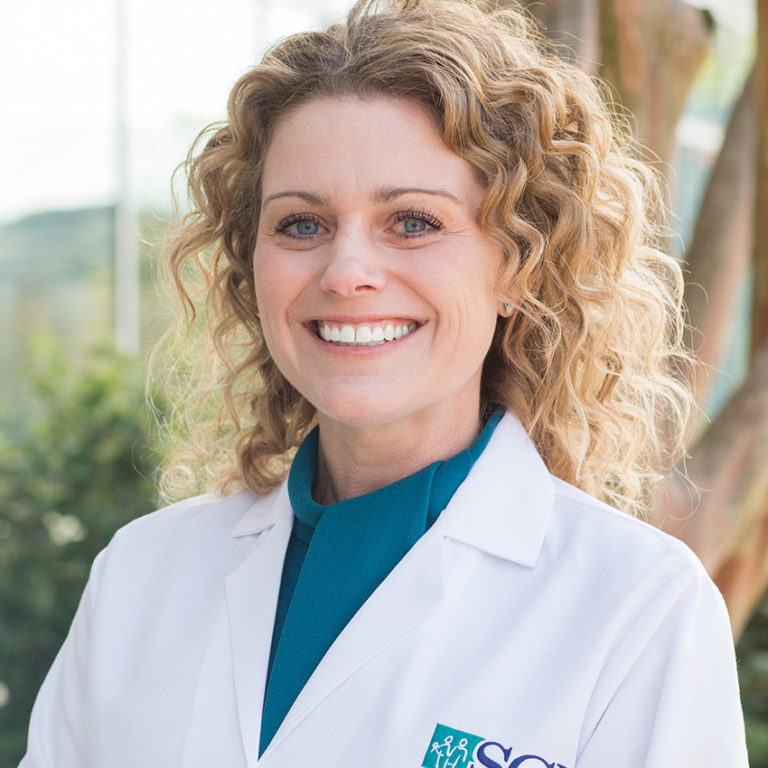
Medical contribution by Benjamin S. Harris, M.D., MPH

Benjamin S. Harris, M.D., MPH, is board certified in obstetrics and gynecology (OB/GYN) and reproductive endocrinology and infertility (REI). Dr. Harris is passionate about educating patients and helping them understand the concepts underlying their unique set of reproductive circumstances.
Filed Under: Treatment

November 8, 2023 by Shady Grove Fertility

Medical contribution by Benjamin S. Harris, M.D., MPH

Benjamin S. Harris, M.D., MPH, is board certified in obstetrics and gynecology (OB/GYN) and reproductive endocrinology and infertility (REI). Dr. Harris is passionate about educating patients and helping them understand the concepts underlying their unique set of reproductive circumstances.

During the in vitro fertilization (IVF) process, there are many reasons patients and their physicians may choose not to do a fresh embryo transfer. After an egg retrieval, any embryos that were created could be frozen for later use. Then, when you are ready, an embryo can be thawed and transferred to the uterus during a frozen embryo transfer (FET).  

Dr. Benjamin S. Harris, who sees patients at SGF Richmond’s Stony Point and Henrico Doctors’ – Forest locations, answers frequently asked questions about FETs. 

What is a frozen embryo transfer (FET)?

A frozen embryo transfer (FET) is a cycle in which the frozen embryos made during the IVF process are thawed and are then transferred back into uterus. 

When can I do an FET cycle?

Frozen embryos remain viable well over 10 years or more after the initial freeze. You may do an FET cycle following an unsuccessful fresh IVF cycle. Or you and your physician may not have done a fresh transfer to begin so that you could ensure your body was ready for an FET.  

What is the typical FET process?

A FET cycle will take approximately 6 to 8 weeks. A cycle typically begins with 2 to 4 weeks of daily birth control pills to suppress the normal ovarian cycle, as it would lead to ovulation. After the course of birth control, you will need a baseline assessment involving bloodwork and ultrasound. Depending on the test results, your physician may instruct you to begin estrogen (pills or patches), oral medication (such as Femara), or injections (such as FSH) to build the uterine lining.  

After a designated period of time on the hormonal medication, you will return for bloodwork and a transvaginal ultrasound lining check. If the lining check demonstrates that your hormone levels are appropriate and your endometrial lining has thickened, your physician will likely instruct you to add daily injections or vaginal suppositories of progesterone to your medication regimen. Your nurse will then confirm an FET date and you will come in for your transfer several days later. Estrogen and progesterone supplementation continue after the transfer. Typically, a blood pregnancy test is checked 10 days after the embryo transfer. If you are pregnant, then hormone supplementation will continue until 10 weeks. If you are not pregnant, then your provider team will provide instructions to discontinue supplements in preparation for another cycle.  

What are the success rates for frozen embryo transfers? 

The success rates of an FET cycle are comparable to fresh IVF cycles — and can often result in a higher success rate because of the opportunity to optimize the lining of the uterus before implantation and progesterone levels, among other reasons. Both fresh and frozen cycles have the same primary indicator for success: the maternal age at the time of embryo freezing.  

Many patients wait several years between the initial freeze of their embryos and attempting a subsequent FET cycle. Any patient, no matter the amount of time between embryo freezing and thawing, can expect nearly the same potential for success as they would expect with a fresh IVF cycle.  

What are the benefits of frozen embryo transfers over a fresh (stimulated) cycle?

  • Genetic testing  
    • A major benefit of FETs is that it allows for preimplantation genetic testing to take place. Genetic testing can look for chromosomal abnormalities that may lead to miscarriage or genetic disorders.  
  • Less medication 
    • Instead of stimulation medication, patients use estrogen and progesterone to thicken the lining of their uterus in preparation for the embryo transfer to allow implantation. Since the stimulation phase was done in a prior cycle, there is also no egg retrieval requiring anesthesia. 
  • Less stress 
    • FET cycles are often less stressful than fresh cycles because factors like stimulation response, egg development, and embryo growth were considered during the fresh cycle. Shady Grove Fertility only freezes high quality blastocyst-stage embryos, giving patients a significant chance of success with an FET cycle. Cycles are also more predictable with fewer cycle cancellations.  

How do I schedule an FET?  

If you’re ready to proceed with a frozen embryo transfer, contact your local Shady Grove Fertility office and set up an appointment with your physician and nurse to discuss a potential FET cycle. During this time, they will review your records with you to ensure the necessary medical testing and screening is current. 

Schedule an Appointment

Editor’s Note: This post has been updated for accuracy and comprehensiveness as of November 2023.

Filed Under: Treatment Tagged With: Frozen embryo transfer (FET)

July 5, 2023 by Shady Grove Fertility

Your ovarian reserve is an important assessment of your fertility potential. When discussing ovarian reserve, it is important to recognize there are two pieces to assess – quantity (how many are left) and quality (how good are they).  

Quantity (which is often referred to as the “egg supply”) is the number of potential eggs that remain in your ovaries at any given time.  Women are born with all the eggs they will ever have, around 1 to 2 million, and as a woman ages the number of eggs in her ovaries decline. By the time a woman reaches menopause, as few as a couple hundred may remain. 

Quality is another important component of the ovarian reserve. Quality is dependent mostly on a woman’s age. As a woman ages, so do the eggs that remain in her ovaries. This is why is it harder to conceive and why women have higher rates of miscarriage with increasing age.   

“My patients often ask about their egg supply at their first visit. They want to know if I can tell them if their eggs are ‘healthy’ enough to have a baby,” shares Dr. Candice B. O’Hern (Perfetto). “I advise them that we do have ways to assess your egg quantity, but quality is not something we can test for (outside of knowing your age).”  

Here are 10 things you should know about your ovarian reserve: 

Factors that Impact Egg Supply

1. Age is the biggest factor affecting egg supply. 

This is true for all women: the quality and quantity of your egg supply decreases with age. You are born with all the eggs you will ever have, and your body does not have the ability to produce more eggs. In addition, there are not currently any available treatments to increase the quantity of your egg supply (although we all hope there will be one day).  

Maintaining a healthy lifestyle, as well as adding appropriate supplements such as PNV, Coenzyme Q10, Melatonin and Fish oil may help boost the quality of your eggs.  

  • CoQ10 may boost mitochondrial function and work as an antioxidant, which may improve the quality of eggs (200 mg, 3x daily) 
  • Melatonin may boost antioxidants, encourage ovarian function and aid in sleep (3mg each evening) 
  • Fish oil (EPA/DHA) may help produce higher quality eggs and help reproductive function in advanced maternal age (1200-1500mg EPA + DHA daily, do not exceed 3000 mg/day). 
2. Other factors also affect the quantity and quality of eggs. 

While age is the most important factor, the quantity and quality of the eggs available is may be affected by: 

  • Primary ovarian insufficiency (rare, but can occur secondary to genetic, autoimmune or unknown causes)  
  • Health issues such as autoimmune disorders, inflammatory conditions, cancer treatment or surgery that involves the ovaries 

Testing egg supply 

3. Currently there are two types of tests used to help determine the status of your ovarian reserve. 

The first type is bloodwork. On cycle day 2-3, you can have your Follicle Stimulating Hormone (FSH)/Estradiol level and an Anti-Müllerian hormone (AMH) level drawn.  

The second type is a transvaginal ultrasound. It is often performed on the third day of your cycle as well. The ultrasound allows your physician to count the number of small follicles in your ovaries (antral follicle count, AFC).  

When evaluating your egg supply, your doctor will look at the results of these tests together to get a complete picture of your ovarian reserve. 

4. Ovarian reserve testing is a key part of an initial infertility evaluation. 

If you see a fertility specialist, your doctor will include ovarian reserve testing in your evaluation. 

5. You can ask also your OB/GYN provider to check your egg supply during a routine annual exam. 

Regardless of your age, you can request ovarian reserve testing (most often an AMH level) during an annual visit with your OB/GYN provider. Testing can help younger women (those in their 20s and early 30s) know what their ovarian reserve is compared to other women their age. Although it does not predict “fertility” and is only an assessment of egg quantity – it is incredibly useful if a female is interested future family planning.  

6. Most insurance plans cover ovarian reserve testing. 

Because egg testing is part of an infertility evaluation, most insurance companies will cover the cost. Coverage of fertility treatment will vary based on your insurance provider and plan. Check with your insurance provider to see what is covered. 

Available treatment and resources 

7. Treatment is available for women with low ovarian reserve. 

Even with a decreased egg supply, there are successful treatments options available to help you conceive. Depending on your age, partner status, family planning goals and the complete infertility evaluation – you may be offered a range of treatment options. Those may include medicated intrauterine insemination cycles (IUI), in vitro fertilization (IVF), egg freezing and donor egg. Your doctor will help you balance the least complex treatment option with the greatest chances of success based on your goals.  

8. Egg freezing is now a reality for many women. 

For women whose ovarian reserve may be beginning to decline, or for those who are not planning on conceiving in the near future, egg freezing can help preserve future family building options. Advances in egg freezing technology have greatly increased success rates for getting pregnant by freezing, thawing, and fertilizing eggs. 

9. Time is of the essence. 

“I tell my patients, and I encourage my OB/GYN colleagues to share with their patients, that your treatment success depends on your age and reserve,” shares Dr. O’Hern. “If you get tested and find you have a low ovarian reserve you should not wait to see a fertility specialist. The younger you are, the higher your chance of success.”  

10. Resources are available to help you be proactive about your fertility. 

Reference our resource library to access a wealth of fertility information, including egg supply. 

Medical contribution by Candice B. O’Hern (Perfetto), M.D.

Candice B. O’Hern (Perfetto), M.D., is board certified in obstetrics and gynecology (OB/GYN) as well as reproductive endocrinology and infertility (REI). Dr. Perfetto received her medical degree from Georgetown University School of Medicine in Washington, D.C.

Schedule an Appointment

To learn more about testing your egg supply or to schedule a new patient appointment, please call our New Patient Center at 877-971-7755. 

Editor’s Note: This article was originally published in August 2015 and has been updated for accuracy and comprehensiveness as of July 2023.

Filed Under: Treatment Tagged With: Egg freezing

April 12, 2023 by Shady Grove Fertility

Fertility treatments can be complex and often require patients to make many decisions. One of the toughest questions for patients undergoing in vitro fertilization (IVF) and donor egg treatment is “How many embryos should I transfer?” This is an important question, and we understand why patients might struggle for the right answer. 

For starters, some patients might want twins! The idea of building a family with only one round of treatment sounds enticing. Another reason is that patients want to try to optimize their chances of success. Nobody wants a cycle to fail, and transferring more than one embryo may seem like the logical way to increase the chance of success. Lastly, fertility treatment is expensive and the idea of having to find the funds to repeat a treatment cycle can seem overwhelming. 

The goal at Shady Grove Fertility (SGF) is to help patients achieve a pregnancy and to optimize the odds of delivering a healthy baby. The best way to do this is to transfer one embryo at a time. The care team at Shady Grove Fertility has taken on the mission of educating patients about the real risks that occur more often with a multiple pregnancy and encouraging the use of elective single embryo transfer (eSET) in patients with a good prognosis for pregnancy.  

Single embryo transfers have led to a substantial decrease in the rates of – and risk from – multiple pregnancy among women using their own eggs, as well as women using donor eggs, without any decrease in pregnancy rates. 

What is elective single embryo transfer (eSET)? 

 eSET is elective single embryo transfer, a process by which one good quality blastocyst embryo is transferred back to the patient. The embryos that survive to the blastocyst stage of development are more likely implant and develop. Blastocyst embryos have a much higher chance of implanting than other embryos, therefore fewer embryos are required to achieve a pregnancy. 

“When you choose eSET, you are giving yourself the best possible chance for a safe pregnancy and a healthy baby,” explains Robert Stillman, M.D., Shady Grove Fertility’s Medical Director Emeritus. “Now we can confidently tell an increasing proportion of our patients that they won’t be sacrificing their chances of pregnancy to achieve that peace of mind and safety for their baby.” 

Reducing risks of in vitro fertilization (IVF) 

While some individuals and couples needing fertility treatment may see double embryo transfers as a way to increase the chances of having more than one child, there are risks for the pregnant person and babies associated with a multiple pregnancy. 

“There is a misconception that IVF commonly leads to twins or multiples,” shares Dr. Quinton Katler, SGF Atlanta physician, whose recent research addresses the decline in twin pregnancies from IVF. “While that may have been true in the mid-1990s, we have witnessed improvements in laboratory practices and treatment protocols that now place single embryo transfers as the standard of care, which still maintains high pregnancy rates. Our goal is for singleton pregnancies, as this reduces the complications that come with multiples.”   

Since 2005, when the eSET initiative became commonplace at Shady Grove Fertility, pregnancy rates continue to rise while the rate of twins continues to decline.  

Learn more about SGF’s single embryo transfer success rate. 

SGF financial programs support single embryo transfers 

It has been shown that patients who have insurance coverage for IVF or donor egg transfer fewer embryos per cycle since their fears of being unsuccessful and having to pay for another cycle are lessened. When insurance is not available, Shady Grove Fertility’s financial programs can help minimize the psychological and economic pressures on patients. 

For instance, in the Shared Risk 100% Refund Program, for one fixed fee, patients may attempt up to six IVF cycles or donor egg treatment. If the treatments do not result in a delivery, the patients will receive a 100% refund of the fee (some exclusions apply). Since Shared Risk also includes any subsequent frozen embryo transfer cycles, patients in the Shared Risk Program have demonstrated they are more likely to transfer a single embryo because all is not riding on the one cycle. Armed with the knowledge that additional cycles may be attempted with no additional cost relieves pressure from the “number of embryos to transfer” decision. 

Patient-centered care at SGF 

At SGF we take a patient-centered approach to fertility care backed by evidence-based practices. Every patient has a different circumstance and individualized treatment plan. If you have questions about how many embryos to transfer, please discuss with your physician.  

Medical contributions by:
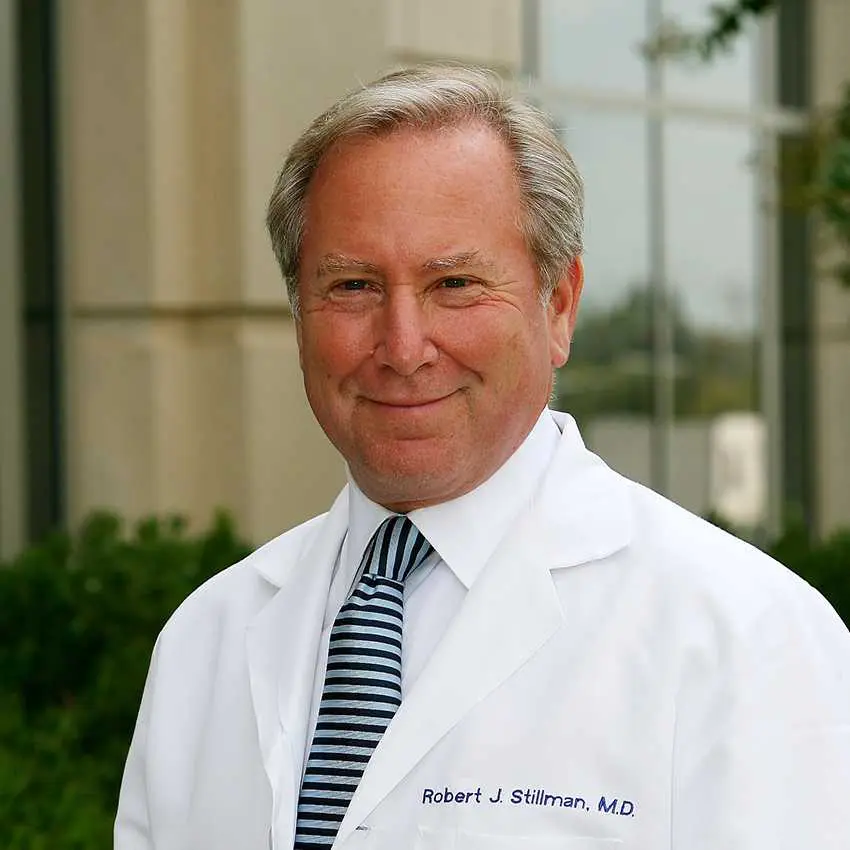
Robert J. Stillman, M.D.
Medical Director Emeritus
Quinton Katler, M.D., M.Sc. 
Lab Director, SGF Atlanta

For more information or to schedule an appointment with one of our physicians, please call our New Patient Center at 888-761-1967 or submit this brief form. 

Schedule Appointment

Editor’s note: This article was originally published in October 2014 and has been updated for accuracy and comprehensiveness as of April 2023.

Filed Under: Treatment

March 31, 2023 by Shady Grove Fertility

NBC4 anchor Jummy Olabanji recently sat down with SGF physicians Dr. Kate Devine and Dr. Nicole Doyle to learn more about their recent clinical study published in the Journal of American Medical Association (JAMA).  

NBC4 shares:  

Recent research suggests that a popular test that tens of thousands of women have done in the hopes of improving their chances of getting pregnant during IVF treatments is likely not worth the pain or expense for most patients. 

More than 750 women took part in the trial, undergoing an endometrial receptivity analysis, or ERA, test. During the test, doctors take a biopsy of the endometrial lining of a woman’s uterus and the sample is then analyzed to predict the best time for transferring an embryo. 

“We all very much hoped that this was going to be a test that would help women achieve their goal of family more efficiently, and, unfortunately, we did not find that. But it’s good news still in that we are able to help patients avoid cost, time, discomfort,” Devine said. 

“The data showed that the addition of an ERA did not increase the rate of live birth compared to a standard embryo transfer,” Dr. Nicole Doyle said. 

Doyle said families going through artificial reproductive technology want to try anything they can, but trials like this can help physicians guide patients to the right decisions. 

“Sometimes, you know, it’s not about adding on all these tests that are costly, invasive and time consuming. Sometimes it’s just a matter of trying again, you know, pick yourself up and trying again. So I just push them through the next transfer and after three, the majority of them are successful,” she said. 

See the full story on NBC 4’s website.

Learn more about ERA.

Filed Under: Treatment Tagged With: Dr. Kate Devine, Dr. Nicole Doyle

August 15, 2022 by Shady Grove Fertility

You asked for it, ladies! With payments as low as $200/month, Shady Grove Fertility’s new financial package for egg freezing offers a discount, and includes long-term storage to help you afford egg freezing.

Given the advances made in egg freezing technology, Shady Grove Fertility has seen an 83% growth in their egg freezing program since 2013, and numbers of women choosing this viable option continue to rise. The popularity of egg freezing at Shady Grove Fertility is largely contributed to continuous innovation that is increasing success rates; transparent, published success rates; and a variety of affordable financial programs.

New SGF Financial Program to Afford Egg Freezing

Due to the increasing demand from women who realize age’s impact on their biological clock, Shady Grove Fertility created a discounted financial program that brings egg freezing to preserve future fertility within reach for more women. The newest program provides women with yet another option to reach their future family building goals. The newest option for egg freezing candidates is a discount financial program that offers cycles as low as $200/month depending on credit and length of term, plus a partial refund on storage for women who choose to thaw/use their eggs early. There are no eligibility requirements in order to participate, and the monthly rate is based on credit history and length of term through Fertility Finance. For women who choose additional cycles, further discounts apply.

Additional Aspects to Consider

It is important to consider that outside lab testing and medications are not included in this cost. The cost of medication is determined by the patient’s response to medications which will vary, and can cost a few thousand dollars per cycle. Some insurance companies do cover the cost for medications.

Decision vs. Cost

When it comes to egg freezing, there are many unknowns—will it work, how do I know it’s for me, and is it worth the cost? An SGF physician would consult with you following your baseline testing (ovarian reserve testing) that measures your current fertility and advise you on the need, timing, and quantity of eggs to freeze based on your desire to have one, two, or three children in the future.

If you decide to pursue freezing your eggs, there are different programs and options to consider based on how many eggs you desire to freeze, as well as how many cycles may be required to reach that quantity of eggs. SGF’s evidence-based practice guidelines for egg freezing advise women ages 37 and younger freeze 15 to 20 mature eggs, and women 38 to 40 freeze 25 to 30 mature eggs.

Schedule An Egg Freezing Appointment 

Other SGF Programs to Help You Afford Egg Freezing

Insurance Coverage

SGF participates with over 30 insurance companies, and thankfully the majority of those 30+ companies provide coverage for baseline fertility testing and the follow up consultation. In fact, 90 percent of patients who have insurance have full or partial coverage for this testing and consultation.

Assure Fertility

There are two options with our Assure Fertility program: Assure 20 and Assure 30. These programs guarantee either a certain number of eggs or cycles, whichever comes first. Both programs include the cost of monitoring appointments, the egg retrieval, and cryopreservation. Financing is also available for both Assure 20 and Assure 30. In order to participate in this program, a woman must have favorable ovarian reserve and complete all cycles by the age of 41.

Assure 20

With the Assure 20 program, people with a favorable ovarian reserve and the ability to freeze eggs by age 41 can complete up to 4 egg freezing cycles or reach 20 mature eggs, whichever comes first. Should a patient reach 20 mature eggs or wish to discontinue egg freezing cycles following their first cycle, we’ll issue a partial refund. 

Assure 30

With the Assure 30 program, people with a favorable ovarian reserve and the ability to freeze eggs by age 41 can complete up to 5 egg freezing cycles or reach 30 mature eggs, whichever comes first. Should a patient reach 30 mature eggs or wish to discontinue egg freezing cycles following their first or second cycle, we’ll issue a partial refund. 

Money shouldn’t be the barrier for women who wish to freeze their eggs, which is why SGF offers various financial programs. We can back up our technology and approach with published success rate data and help women to take the guesswork and uncertainty out of their reproductive potential in the future.

Schedule An Egg Freezing Appointment 

To learn more about egg freezing and the new financial options or to schedule an appointment, call 1-877-411-9292 to speak with a new patient liaison.

Editor’s Note: This blog was originally published in July 2017, but was updated for accuracy in August 2022.

Filed Under: Treatment Tagged With: Egg freezing

  • « Go to Previous Page
  • Page 1
  • Page 2
  • Page 3
  • Page 4
  • Page 5
  • Interim pages omitted …
  • Page 46
  • Go to Next Page »

Company

  • About SGF
  • About US Fertility
  • Our Doctors
  • Fertility Equity
  • Careers
  • Newsroom
  • SGF College Scholarship
  • Contact Us
  • Voice Your Feedback

Treatments

  • Egg Freezing
  • Intrauterine Insemination (IUI)
  • In Vitro Fertilization (IVF)
  • Frozen Embryo Transfer (FET)
  • LGBTQIA+ Family Building
  • Shared Risk 100% Refund Program
  • All Treatments

Resources

  • Patient Portal
  • Online Bill Pay
  • Library
  • Support Groups & Events

Locations

  • California
  • Colorado
  • Delaware
  • Florida
  • Georgia
  • Maryland
  • North Carolina
  • Pennsylvania
  • Texas
  • Virginia
  • Washington, D.C.

2026 Shady Grove Fertility

  • Policies & Notices
Also of interest
  • In Vitro Fertilization IVF
  • Fertility Tests
  • Research Publications