• Skip to primary navigation
  • Skip to main content
  • Skip to footer
Shady Grove Fertility
  • Become an Egg Donor
  • Referring Physicians
  • 1-888-761-1967
  • Schedule Appointment
  • Get Started
        • Get Started
          • Causes of Infertility
          • Fertility Tests
          • When to Seek Help
          • Find a Doctor
          • Preconception and prenatal vitamins 
          • Schedule an Appointment
        • Personalized Care For
          • Single Parents
          • LGBTQIA+ Family Building
          • People with Cancer
          • Known Genetic Diseases
          • Egg Donors
  • Treatments
        • Fertility
          • Timed Intercourse
          • Ovulation Induction
          • Intrauterine Insemination (IUI)
          • In Vitro Fertilization (IVF)
          • Frozen Embryo Transfer (FET)
        • Donation & Surrogacy
          • Donor Sperm
          • Donor Egg
          • Donor Embryo
          • Gestational Carrier
          • LGBTQIA+ Family Building
          • Single Parents
          • Find a Donor
        • More Treatments
          • Center for Male Fertility
          • Egg Freezing
          • OncoFertility
          • Preimplantation Genetic Testing
          • MIGS
          • All Fertility Treatments
  • Resources
    • Resource Library
    • Events Calendar
    • Patient Stories
    • Mental Health
    • Wellness Center
  • Insurance & Savings
    • Insurance & Benefits
    • Shared Risk 100% Refund Program
    • 100% Refund for Donor Egg
    • Discounts
    • Egg Freezing Costs
    • Financing & Grants
    • Clinical Trials
  • About
    • Find a Doctor
    • About SGF
    • Our Care Team
    • Advanced Practice Providers
    • Fertility Equity
    • Philanthropy
    • Newsroom
    • Careers
    • Contact Us
    • Voice Your Feedback
  • Locations
        • Find a Location
        • California
        • Colorado
        • Delaware
        • Florida
        • Georgia
        • Maryland
        • North Carolina
        • Pennsylvania
        • Texas
        • Virginia
        • Washington, D.C.
        • Chile
        • International & Out of State
        • SGF at Walter Reed National Military Medical Center
  • Patient Hub
    • Online Bill Pay
    • Patient Forms
    • Patient Portal
  • Call your care team
  • Become an egg donor
  • Referring physicians
  • search-icon
  • Schedule appointment 1-888-761-1967

Home / For Patients

For Patients

August 20, 2025 by Andrea Mathis

Shady Grove Fertility is introducing a new medication protocol that makes the IVF and egg freezing process more affordable, more comfortable, and less complex—while still delivering excellent outcomes. Now available across all SGF locations, the Medroxyprogesterone Acetate (MPA) protocol uses oral medications and requires fewer monitoring appointments, saving patients both time and money.  

What is the MPA protocol?

The Medroxyprogesterone Acetate – or MPA protocol – is an alternative to the traditional GnRH antagonist protocol used during ovarian stimulation. Both protocols aim to prevent premature ovulation during the stimulation phase of an IVF or egg freezing cycle.  

  • Traditional GnRH antagonist protocols rely on injectable medications (GnRH antagonists) administered mid-stimulation to prevent a premature luteinizing hormone (LH) surge. Patients typically have 5-7 monitoring appointments.  
  • MPA protocols use an oral medication—Medroxyprogesterone Acetate (Provera)—instead of injections to achieve the same goal. Patients can expect 1-3 fewer monitoring appointments than the GnRH antagonist protocol.  

Who is eligible?   

MPA protocols are appropriate for patients who are: 

  • Undergoing egg freezing, or 
  • Pursuing IVF with a plan to freeze all embryos 
  • Not planning a fresh transfer in the same cycle as stimulation and egg retrieval 

Why this change benefits patients 

Adopting the MPA protocol delivers a better overall patient experience while maintaining the same high standards for clinical outcomes. 

Benefits include: 

  • Same great outcomes. Multiple studies—including high-quality randomized controlled trials—show no difference in egg quality, embryo development, or pregnancy rates compared to antagonist protocols. 
  • Lower medication costs. On average, patients may save $2,500 per cycle. 
  • Fewer injections. Patients can expect ~7 fewer injections per cycle. 
  • Fewer clinic visits. With 1–3 fewer monitoring appointments, patients save time and reduce logistical stress. 
  • Simplified schedule. All medications are taken once daily in the evening, making the protocol easier to follow. 

Backed by data 

A growing body of peer-reviewed literature and SGF’s own internal data supports the use of MPA protocols as a safe, effective alternative for freeze-all cycles. Across patient groups, outcomes have been consistent with those seen in traditional antagonist protocols. While research on lower responders is ongoing, no safety concerns have emerged in this population. 


What to expect with the MPA protocol 

  • Medication: Patients take 10 mg of oral MPA once daily in the evening, alongside standard gonadotropin injections. 
  • Trigger timing: MPA is continued until the night of the trigger injection. 
  • Monitoring: Follows standard protocols, with potential for fewer visits based on response. 
  • Flexibility: Compatible with most downregulation methods (OCPs, EPP, cold start) and trigger options (Lupron, hCG, or dual trigger). 

At SGF, we’re committed to delivering exceptional outcomes while improving the overall patient experience. The MPA protocol reflects our ongoing effort to reduce cost and complexity in fertility treatment.  

If you have questions about how the MPA protocol may benefit you or how it is implemented at your local SGF clinic, please don’t hesitate to reach out. 

Schedule Appointment

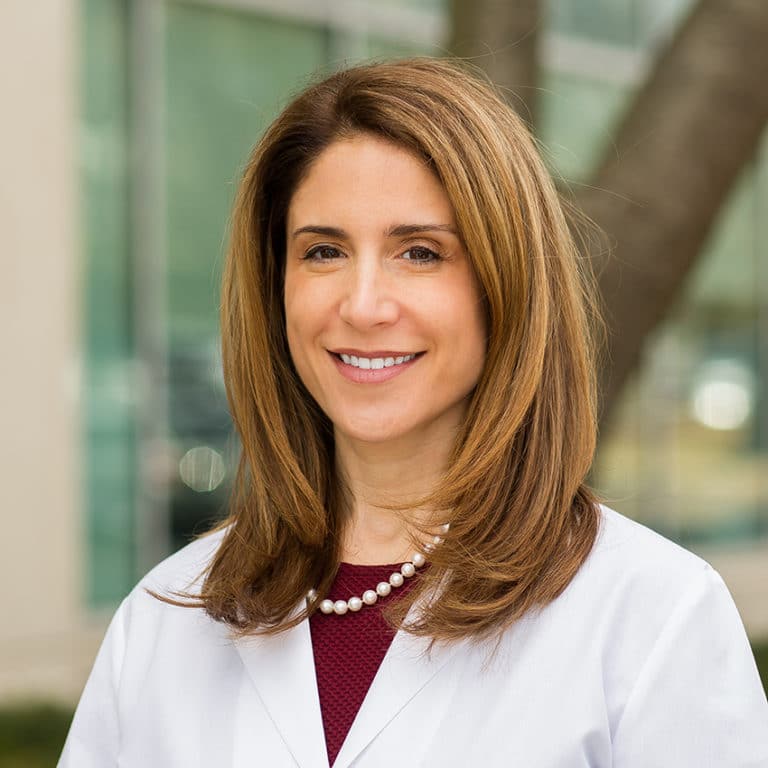
Medical contribution by Kate Devine, M.D.

Kate Devine, M.D., FACOG, is board certified in obstetrics and genecology and reproductive endocrinology and infertility. She is active in fertility research, publishing on topics ranging from fibroids to egg freezing for fertility preservation. She continues her research goals and advancing those of Shady Grove Fertility as the director of research for the practice.
Filed Under: For Patients, General, Insurance & Savings, Treatment

June 4, 2025 by Andrea Mathis

What California Senate Bill 729 means for your fertility journey 

Update (May 2025): California Senate Bill 729 (SB 729) will now take effect on January 1, 2026, instead of the originally planned July 2025 date. This delay gives patients and providers more time to prepare. SGF will continue to share updates and help you make the most of your current and future fertility coverage. 

Expanded insurance coverage for IVF and fertility treatment starts in 2026  

Big changes are coming to fertility coverage in California. As of January 1, 2026, Senate Bill 729 (SB 729) will require most small- and large-group health insurance plans to cover both the diagnosis and treatment of infertility, including in vitro fertilization (IVF). 

This law marks a major step forward for reproductive access across the state. 

Should I wait until 2026 to start fertility treatment?   

While it might be tempting to hold off until your insurance kicks in, age remains the biggest factor impacting fertility. Waiting could limit your options or affect your success rates. 

We recommend meeting with a fertility specialist now to: 

  • Understand your fertility potential 
  • Complete important diagnostic testing 
  • Create a treatment plan that works for your goals and timeline

If you’re eligible for expanded coverage in 2026, we’ll help you align your plan accordingly—but getting answers today puts you in control.  

What is Senate Bill (SB 729)? 

Senate Bill 729 is a new California law requiring many insurance plans to include comprehensive fertility care. This includes:  

  • Diagnosis and treatment of infertility (including IVF) 
  • Up to three completed egg retrievals 
  • Unlimited embryo transfers, based on clinical guidelines 

The bill also updates the definition of infertility to be more inclusive, supporting access for: 

  • LGBTQIA+ individuals 
  • Single parents 
  • Others who may have previously been excluded from fertility benefits 

Read more

How SGF supports California patients 

SGF offers a full range of services to meet your needs, including: 

  • IVF and IUI 
  • Fertility testing and diagnostics 
  • LGBTQIA+ family-building 
  • Egg, sperm, and embryo freezing 
  • Egg and sperm donation 
  • Embryo screening and genetic testing 
  • Gestational carrier services 

What if you’re not covered by SB 729? 

Not everyone will immediately benefit from the new law—some smaller plans and out-of-state employers may not be affected. Our financial educators are well-versed in the different insurance plans and can help determine if you have coverage. And if not, SGF offers several financial programs to help ease the cost of fertility treatment: 

  • Shared Risk 100% Refund for IVF or Donor Egg – includes up to 6 retrievals and unlimited frozen embryo transfers. If you don’t take home a baby, you get a full refund. 
  • Assure Fertility for Egg Freezing – includes multiple egg retrievals for a set cost. 
  • Multi-cycle discounts 
  • Income-based discounts 
  • Financing available with monthly payment options 

Ready to move forward? 

Expanded insurance benefits are on the way—and our team is here to help you make the most of them. Whether you’re just beginning or already planning treatment, we invite you to connect with one of our specialists to learn more about your options. 

Schedule Appointment
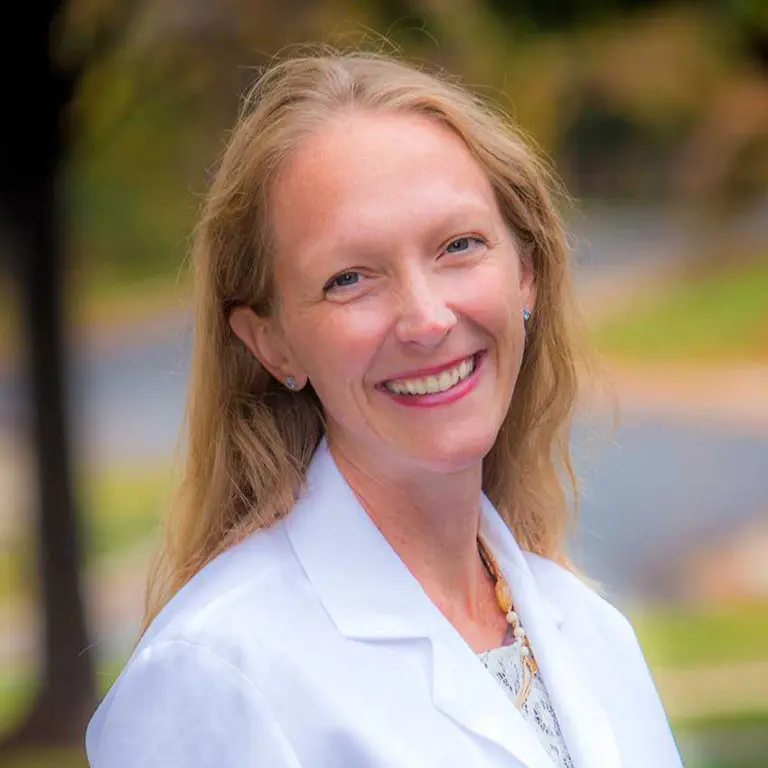
Medical contribution by Alexander Quaas, M.D., Ph.D. 

Alexander Quaas, M.D., Ph.D., is board certified in obstetrics and gynecology (OB/GYN) as well as reproductive endocrinology and infertility (REI). Dr. Quaas completed his residency in OB/GYN at Brigham and Women’s / Massachusetts General Hospital in the Harvard Integrated OB/GYN Residency Program. He completed his REI fellowship at the University of Southern California in Los Angeles.  

Filed Under: For Patients, General, Insurance & Savings

May 22, 2025 by Andrea Mathis

Eating disorders can have lasting effects on your reproductive health. Recent research1 indicates those with a history of eating disorders are more likely to experience challenges with conception.  

Fertility challenges related to a history of eating disorders are common. A fertility specialist can help you understand how past or current eating behaviors may be influencing your reproductive health. SGF providers work with you to create a care plan that supports both your physical and emotional well-being  while focusing on your family-building goals.  

The connection between eating disorders and fertility  

Female fertility is impacted by overall physical health, a dynamic balance of hormones, ovarian function and uterine function, all of which can be disrupted by disordered eating. 

Eating disorders such as anorexia nervosa, bulimia, and avoidant/restrictive food intake disorder (ARFID) can cause: 

  • Oligo-ovulation, irregular release of an egg 
  • Anovulation, or the absence of ovulation 
  • Amenorrhea, missing periods
  • Low estrogen levels 
  • Low body weight or BMI 
  • Disruptions to the hypothalamic-pituitary-ovarian (HPO) axis the hormonal system that regulates fertility 

Even if you’re not currently experiencing symptoms—or are in recovery—these effects can persist and may impact your ability to conceive. 

What if I’ve recovered? 

Recovery from an eating disorder is a powerful step toward reclaiming your health. Still, it’s important to know that your fertility might not bounce back right away. 

Some people may regain their menstrual cycles after recovery, while others may continue to experience subtle changes due to irregular ovulation. These outcomes are not a reflection of how well you’ve recovered—just of how complex the body’s systems can be. 

In addition to fertility, the menstrual cycle is an indicator of hormonal health. If your menses are irregular or light, you may not be getting enough estrogen to support your bone, brain, or vascular health. 

If you’ve ever had an eating disorder or struggled with disordered eating behaviors, it’s worth checking in with a fertility specialist—even if you’re not trying to conceive right now. 

What to expect when you see a fertility specialist  

A fertility consultation is a low-pressure, informative visit that can provide valuable insight into your reproductive health. During your appointment, your provider may recommend: 

  • Hormone testing to assess ovarian function 
  • Ultrasound imaging to evaluate your ovaries and uterus 
  • Discussion of your menstrual history, lifestyle, and family-building goals 

If you’re actively trying to conceive, your specialist can work with you to create a personalized treatment plan that supports your physical and emotional health. 

If you’re planning ahead, they can walk you through options like egg freezing or fertility preservation. 

Fertility care that supports your full health journey 

Disordered eating is a medical condition, and it deserves to be considered as part of your whole health picture. 

Fertility care should be compassionate, respectful, and personalized. Our team works closely with mental health professionals and registered dietitians to ensure that your care plan honors your unique history and your future goals. 


Take the next step

If you’ve had an eating disorder or are currently managing one, talk with a fertility specialist about your reproductive health. Understanding your body’s needs now can help you feel more confident about your next steps—whenever you’re ready.


Schedule Appointment

The National Eating Disorders Association provides resources to help those affected by eating disorders.  

  1. Equip. (2024, March 26). Fertility and eating disorders: Survey finds patients triggered, untreated, and unsupported. Equip Health. https://equip.health/articles/news-and-research/fertility-survey 

dr. kendall-rauchfuss orlando fertility physician
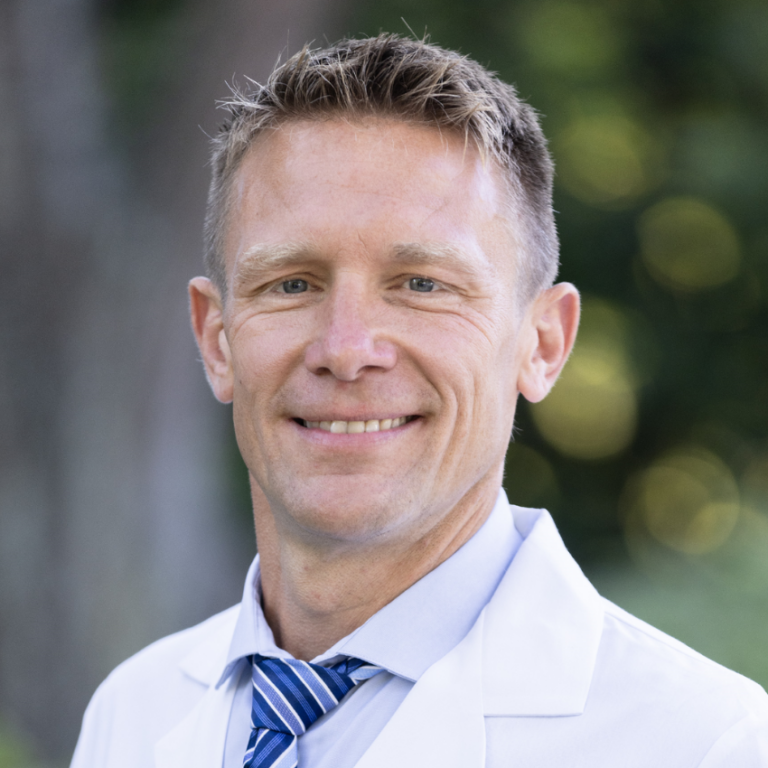
Medical contribution by Lauren Kendall-Rauchfuss, M.D.

Lauren Kendall-Rauchfuss, M.D., FACOG, completed her residency in Obstetrics and Gynecology at the prestigious Mayo Clinic in Rochester, Minnesota, where she also completed her fellowship in Reproductive Endocrinology and Infertility. Dr. Kendall-Rauchfuss brings her expertise, warmth, and dedication to SGF Orlando, where she is eager to help patients achieve their dreams of building a family. 

Filed Under: For Patients, General

February 17, 2025 by Andrea Mathis

Shady Grove Fertility reproductive endocrinologist Dr. Melanie Ochalski sat down with FOX43 News in York, Pennsylvania, to discuss to discuss the growing trend of egg freezing among Millennial and Gen Z women. As more individuals delay parenthood for career, personal, or medical reasons, fertility preservation is becoming an essential part of family planning. 

Watch the full story here: Freezing fertility for the future | Health Smart | fox43.com

Medical contribution by Melanie Ochalski, M.D.

Melanie Ochalski, M.D. is board certified in obstetrics and gynecology and reproductive endocrinology and infertility. Dr. Ochalski has published numerous peer-reviewed scientific manuscripts and review articles in many leading scientific journals, and has been invited to present at national meetings. She sees patients at SGF’s Lancaster and York, PA offices.

Learn more about fertility preservation

Article

The egg freezing cycle in 5 steps

Article

Egg freezing facts, from a fertility specialist 

Article

New Financial Option to Help More Women Afford …

Article

Egg Freezing: Give Yourself a Gift for the …

Filed Under: For Patients, Get Started Tagged With: Egg freezing, In the news

November 19, 2024 by Shady Grove Fertility

Shady Grove Fertility’s new Orlando location will be opening its doors at 265 East Rollins Street, Suite 10100, in December 2024! The SGF team will safely and successfully transport all cryopreserved gametes to the new location, where they will be stored within certified, state-of-the-art technology in the new lab. Rigorous, standardized precautionary protocols will be followed by SGF staff to ensure seamless transportation. 

You will be kept informed by your clinical care team regarding any pertinent information you need to know. If you have questions about the process, we recommend discussing this directly with your physician. 

SGF’s Orlando location offers a full-service embryology laboratory and is equipped with the latest technology to give patients every advantage on their journey to conceive, including HEPA-filtered clean air ventilation systems, heated work stations that simulate the In Vivo (Latin for “within the living”) environment, anti-vibration tables that prevent harm to specimens should the table shake, highly sophisticated inverted microscopes to better evaluate embryo growth and development, and advanced incubators and media, to name a few.   

FAQ

A: No. Many studies have proven that there is no difference in success rates between cryopreserved embryos that have remained at the same location for the entire duration of storage versus those which have moved during their lifespan.

A: SGF is committed to following thorough protocols when moving all specimens. SGF has one of the most stringent, long-standing chains of custody protocols in the industry that was developed and continuously refined over the last 30 years.  

The system uses three unique identifiers along with two embryologists independently confirming the provenance of the sperm, eggs, and embryos in each case. Additionally, chain of custody at SGF is maintained using an electronic witnessing system, RI Witness. Developed by CooperSurgical, RI Witness is an assisted reproductive technology (ART) management system. This technology enables every sperm, egg, embryo, test tube, and petri dish to be electronically connected to the specific patient.  

If you have questions about this process, we recommend discussing this directly with your physician. 

Filed Under: For Patients

July 9, 2024 by Shady Grove Fertility

Looking to switch fertility providers or get a second opinion? Shady Grove Fertility (SGF) is dedicated to making your transfer of care as seamless as possible. Here are three easy steps you should take if you’re ready to start your family-building journey with SGF! 

1. Get your medical records 

To obtain a full picture of your health history, as well as previous testing and treatments, it’s imperative that your new care team has a copy of your medical records. Due to patient privacy laws, most providers have a formal process for records requests. Once the request is received, it can take several days or weeks for a provider to fulfill, so that’s why we recommend this as a first step in transferring your care. If you have questions about the request process, we suggest first reaching out to your current provider for details. In some cases, SGF may be able to assist in that outreach as well. 

2. Schedule a new patient appointment 

With your insurance information in hand, you can schedule an appointment by filling out a scheduling form on the SGF website or by calling 888-761-1967 to speak with one of our new patient liaisons. 

For your convenience, we offer virtual or in-person new patient consultations. We understand that sometimes timing is tight, and our patients want to be seen as soon as possible. As such, while it is ideal for the care team to have your medical records in advance, it is not required. We want our patients to feel empowered to schedule their first appointment and move forward in their fertility journey without delay. 

Learn more information on scheduling and what to expect during your first appointment.

3. Transfer previously frozen materials  

If you have previously frozen eggs, sperm, or embryos that you want to use in future treatments, you will need to have them transported to an SGF lab. 

To start, patients should obtain the embryology report from their current or former provider, and if applicable, the IVF stimulation spreadsheet. 

Patients will then have a video consultation with an SGF physician, who will assign a nurse to work with you through the process. Patients will also be assigned a financial counselor and a clinical coordinator.  

All outside frozen embryos must be approved for acceptance by SGF’s risk management team, comprised of physician and lab directors. This process typically takes 1 to 3 months.  

When to switch providers 

Deciding where to go for family-building care can be a big decision. In some cases, there are valid reasons you may be considering moving your treatment to another fertility practice. If your current provider closes a location, SGF can help manage your transfer of care and guide you along the way in your new treatment plan. SGF has nearly 50 locations to choose from for virtual or in-person consults.  

There are also instances where a patient may seek a second opinion. Although physicians are medical experts, patients should never feel pushed into procedures that aren’t right for them or be afraid to ask about options that they feel might work. Patients should feel confident in the abilities and intentions of their chosen doctor. If they don’t, it’s time to get a second opinion. 

Filed Under: For Patients

  • Page 1
  • Page 2
  • Go to Next Page »

Company

  • About SGF
  • About US Fertility
  • Our Doctors
  • Fertility Equity
  • Careers
  • Newsroom
  • SGF College Scholarship
  • Contact Us
  • Voice Your Feedback

Treatments

  • Egg Freezing
  • Intrauterine Insemination (IUI)
  • In Vitro Fertilization (IVF)
  • Frozen Embryo Transfer (FET)
  • LGBTQIA+ Family Building
  • Shared Risk 100% Refund Program
  • All Treatments

Resources

  • Patient Portal
  • Online Bill Pay
  • Library
  • Support Groups & Events

Locations

  • California
  • Colorado
  • Delaware
  • Florida
  • Georgia
  • Maryland
  • North Carolina
  • Pennsylvania
  • Texas
  • Virginia
  • Washington, D.C.

2026 Shady Grove Fertility

  • Policies & Notices
Also of interest
  • In Vitro Fertilization IVF
  • Fertility Tests
  • Research Publications