
• Skip to primary navigation
  • Skip to main content
  • Skip to footer
Shady Grove Fertility
  • Become an Egg Donor
  • Referring Physicians
  • 1-888-761-1967
  • Schedule Appointment
  • Get Started
        • Get Started
          • Causes of Infertility
          • Fertility Tests
          • When to Seek Help
          • Find a Doctor
          • Preconception and prenatal vitamins 
          • Schedule an Appointment
        • Personalized Care For
          • Single Parents
          • LGBTQIA+ Family Building
          • People with Cancer
          • Known Genetic Diseases
          • Egg Donors
  • Treatments
        • Fertility
          • Timed Intercourse
          • Ovulation Induction
          • Intrauterine Insemination (IUI)
          • In Vitro Fertilization (IVF)
          • Frozen Embryo Transfer (FET)
        • Donation & Surrogacy
          • Donor Sperm
          • Donor Egg
          • Donor Embryo
          • Gestational Carrier
          • LGBTQIA+ Family Building
          • Single Parents
          • Find a Donor
        • More Treatments
          • Center for Male Fertility
          • Egg Freezing
          • OncoFertility
          • Preimplantation Genetic Testing
          • MIGS
          • All Fertility Treatments
  • Resources
    • Resource Library
    • Events Calendar
    • Patient Stories
    • Mental Health
    • Wellness Center
  • Insurance & Savings
    • Insurance & Benefits
    • Shared Risk 100% Refund Program
    • 100% Refund for Donor Egg
    • Discounts
    • Egg Freezing Costs
    • Financing & Grants
    • Clinical Trials
  • About
    • Find a Doctor
    • About SGF
    • Our Care Team
    • Advanced Practice Providers
    • Fertility Equity
    • Philanthropy
    • Newsroom
    • Careers
    • Contact Us
    • Voice Your Feedback
  • Locations
        • Find a Location
        • California
        • Colorado
        • Delaware
        • Florida
        • Georgia
        • Maryland
        • North Carolina
        • Pennsylvania
        • Texas
        • Virginia
        • Washington, D.C.
        • Chile
        • International & Out of State
        • SGF at Walter Reed National Military Medical Center
  • Patient Hub
    • Online Bill Pay
    • Patient Forms
    • Patient Portal
  • Call your care team
  • Become an egg donor
  • Referring physicians
  • search-icon
  • Schedule appointment 1-888-761-1967

Home / Treatment / Page 2

Treatment

January 21, 2025 by Shady Grove Fertility

The American Society for Reproductive Medicine (ASRM) released updated guidelines regarding subclinical hypothyroidism. In alignment with these recommendations, Shady Grove Fertility has made a pivotal shift in how we approach thyroid health during the fertility journey. Keep reading to learn about the impact on fertility testing at SGF.

What is subclinical hypothyroidism? 

People experiencing subclinical hypothyroidism have an elevated thyroid-stimulating hormone (TSH) level with normal thyroid hormone levels (free T4). It has often been debated whether this condition affects fertility or pregnancy outcomes. Erring on the side of caution, practices routinely included thyroid testing as part of baseline fertility evaluations, as abnormal TSH levels were thought to potentially impair conception or pregnancy. 

What do the new ASRM guidelines say? 

The new ASRM guidelines provide clear evidence that routine thyroid testing in asymptomatic individuals — those without a personal or family history of thyroid disease or clinical signs — is not necessary. Here are the key takeaways: 

  1. Limited evidence of impact on fertility: The data do not support that mild elevations in TSH adversely affect the chances of conception or pregnancy outcomes in most infertile individuals. 
  2. Targeted testing is more effective: Testing should be reserved for individuals with symptoms of thyroid dysfunction, a known history of thyroid disease, or specific risk factors. 
  3. Reducing unnecessary interventions: Treating mild TSH elevations in patients without symptoms has not been shown to improve fertility outcomes and may lead to unnecessary treatment or stress. 

How will this change fertility testing at SGF? 

In alignment with the research, SGF will no longer include routine thyroid testing as part of baseline fertility evaluations for asymptomatic patients. Instead, we will adopt a more targeted approach to ensure that testing is performed only when there are clinical indications, such as a personal or family history of thyroid disease, symptoms of thyroid dysfunction (e.g., fatigue, weight changes, or sensitivity to cold), or other risk factors, such as autoimmune conditions. 

What does this mean for you? 

If you’re beginning your fertility journey at SGF, this change underscores our commitment to personalized, evidence-based care. Here’s how it benefits you: 

  • Streamlined testing: By avoiding unnecessary tests, we simplify the evaluation process, saving time and resources. 
  • Reduced anxiety: For many patients, an elevated TSH result can cause unnecessary worry. With this change, we focus only on clinically significant findings. 
  • Improved outcomes: By adhering to guidelines grounded in robust research, we ensure that your care is optimized for the best possible results. 

A focus on what matters most 

“We understand that fertility care is deeply personal, and every decision matters. By adopting the latest ASRM guidelines, we reaffirm our commitment to delivering care that is not only cutting-edge but also compassionate and patient-focused,” shares Micah J. Hill, D.O. “These updates ensure that your journey with SGF is rooted in the most current scientific understanding, free from unnecessary interventions, and tailored to individual needs.” 

If you have questions about these changes or your specific care plan, our team is here to help. We encourage you to reach out to your SGF physician or care team to discuss any concerns or next steps. 
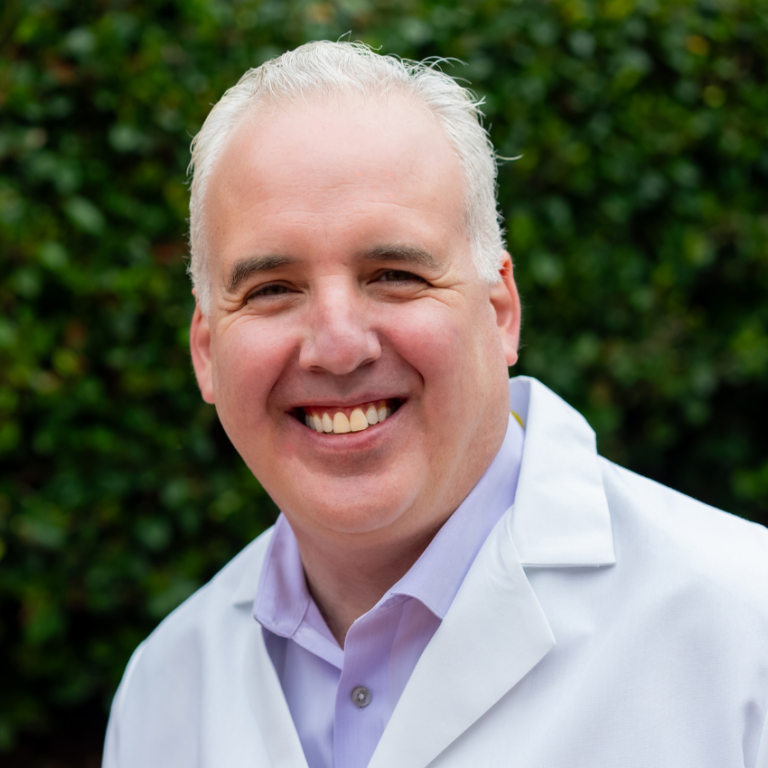


micah hill fertility physician rockville maryland
Medical contribution by Micah J. Hill, D.O.  

Micah J. Hill, D.O., is board certified in Obstetrics and Gynecology (OB/GYN) as well as Reproductive Endocrinology and Infertility (REI). Dr. Hill completed his residency in OB/GYN at Tripler Army Medical Center, Honolulu, Hawaii. He then completed his fellowship in REI at the National Institutes of Health in Bethesda, Maryland. 
Filed Under: General, Treatment

July 18, 2024 by Shady Grove Fertility

When a patient comes in for fertility treatment, we aim to inform them about all aspects of their potential treatment and care through fact sheets, emails, and articles , and — most importantly of all — a direct dialogue with their primary physician and nurse. 

But there is some wisdom that your Shady Grove Fertility team cannot impart because it comes from first-hand patient experience — from other patients who have walked in your shoes. For the unexpected and surprising experiences, SGF patients share 9 things no one else will tell you about fertility treatment.  

1. You may find yourself second-guessing everything in the beginning.

“At the beginning of my fertility treatment cycle, it felt like there were many steps, and as a result, many possible missteps. After hearing the medication regimen and the frequency of administering medications, it felt a little overwhelming. I was so worried I would do something wrong. The first night was nerve-wracking, to say the least! But as each day went on, I was surprised at how comfortable and confident I got with each medication. I quickly became the expert that my friends would come to when they started their cycles.” –Sarah

Treatment takeaway: 
A common theme that comes up with our patients is second-guessing:

  • Am I giving myself the right amount of medication?
  • Did I take the medication at the right time?
  • Did I forget to do something important?
  • Should I be eating differently?
  • Should I be feeling something right now?
  • Are my ovaries supposed to feel bigger? (Yes)

While these seem like inevitable questions, rest assured that your nurse and doctor will always be there to help answer your questions and address your concerns. It’s completely normal to ask many questions.

2. The egg retrieval is easy, but everyone recovers at a different pace.

“I was not that worried about starting fertility treatment, but as the egg retrieval grew closer, I found myself becoming nervous. I had never been under sedation before and I wasn’t sure what to expect. The procedure itself took about 20 minutes, and when I woke up, I felt surprisingly great! But while I’d been so focused on the procedure, I hadn’t given much thought to what recovery would be like. My nurse told me I could return to work the next day, so I expected to wake up feeling good to go. Overall, I was fine, but I definitely felt some discomfort, like a sensation of fullness. Two days later, I was as good as new.” –Charlotte

Treatment takeaway:
Most women feel fine the day after their egg retrieval, but it’s important to recognize that everyone recovers at a different pace. Some women will share similar feelings as Charlotte, with some residual discomfort. 

Some women may also experience nausea due to the anesthesia. These are completely normal reactions to a surgical procedure. If you have any concerning symptoms in the days following your procedure, it’s best to call your nurse or doctor. 

3. Taking a cycle off is not a bad thing.

“Sometimes, having to take a cycle off is a blessing in disguise. In our case, we had to take 6 months off for medical reasons. We embraced this time together. We took long weekends, started a brunch routine, and really enjoyed being married. While we were disappointed to learn we’d have to take a break, looking back now, we think it really saved our sanity and possibly our relationship.” –Deirdre

Treatment takeaway:
While being told that it’s best to take some time off or to skip treatment for a cycle can be difficult, our physicians have your best interest in mind. Taking some time off between cycles allows you the time to reconnect with yourself both physically and emotionally. 

Fertility treatment can be an emotional journey. Giving your mind and body a break and allowing yourself time to return to a few normal routines can be a positive experience that may offer you a different frame of mind when starting treatment again. 

4. You are expected to have a full bladder for the embryo transfer…which can lead to unintended consequences.

“Going into the embryo transfer, I followed my nurse’s instructions and drank 16 to 20 ounces of water. But what no one told me, or maybe I just didn’t pay attention to, was that this appointment would be different from all of the monitoring appointments. This appointment would be done with the traditional ultrasound, the type most people are familiar with from TV and movies. I was also not expecting the amount of pressure they would have to apply directly to my bladder in order to see the uterus. Midway through the procedure, I realized that I probably wasn’t going to make it through the transfer without peeing on the table. Needless to say, it happened and I was really embarrassed!” –Marianne

Treatment takeaway:
While most examinations require a transvaginal (internal) ultrasound, the embryo transfer requires an external abdominal ultrasound. Therefore, you must come to your appointment with a full bladder. The full bladder creates an acoustical window that allows the physician to visualize what’s below the bladder: the uterus. 

This makes it possible for the physician to then guide the catheter into the uterus for the embryo transfer. As Marianne discovered, the pressure required to visualize the uterus during the transfer can create an unintended consequence: peeing on the table. According to our clinical staff, she is not alone, and this occurs on average 1 to 2 times per week. So please, don’t feel embarrassed! 

5. Your embryo cannot fall out. We promise.

“After my embryo transfer, I became nervous about what I could or could not do. I wanted to run some errands, but to be honest, I was worried that the embryo might fall out if I moved around too much! While some activities like intercourse were off the table, the doctor assured me to go and have a carefree afternoon. I guess she was right because my husband and I went to lunch and did a ton of shopping that afternoon, and two weeks later we found out that we were pregnant!” –Sophia

Treatment takeaway: 
Many patients call their nurse after the transfer — worried that their embryo may fall out, possibly while going to the bathroom. We assure you that this is not possible, as the embryo is in a much smaller space than you may realize. As one physician said, “It’s like a grain of sand in a peanut butter sandwich.” 

Patients who pursue intrauterine insemination (IUI) are often concerned that sperm will fall out after the IUI is performed. But just like patients who experience an embryo transfer, your genetic materials aren’t going anywhere! Sperm will remain in the uterus. 

6. Believe in the power of what’s possible.

“When I first started treatment, I really wanted to be in control of every detail. It was super overwhelming. I was able to ask a ton of questions, which helped me to understand the process. But, after a while, I realized the importance of looking at the bigger picture. I learned that nothing is impossible if you focus on an overall goal instead of tasks associated with a goal.”–Megan  

Treatment takeaway: 
At SGF, we believe in the power of what’s possible. Your dream of becoming a parent is within reach and we encourage our patients to believe just as much as we do. While there might be some ups and downs along the way, we find ways to overcome those challenges with you. You are never alone in this process, and we are here to support you every step of the way. 

7. No matter how you feel about needles, you will likely become comfortable with them.

“Before starting my fertility treatment, I hadn’t had too many shots, let alone have to worry about giving them to myself! In the beginning, I was nervous, but I quickly grew more comfortable with each shot. By the time the cycle was complete, I couldn’t help but feel a sense of empowerment! I was finally able to take control of our situation, and do something that was actively helping my husband and I have the family of our dreams.” –Elizabeth

Treatment takeaway: 
Understandably, many people hate needles — hate the thought of them, the look of them, hate everything about them. But our patients were all pleasantly surprised at how tiny the needles were and considered themselves to be injection experts by the end of their treatment journeys. When you know that the needles will help you have a baby, they become far less scary. 

8. All sense of modesty will go out the window.

“At first, I was pretty nervous about privacy. Everybody I knew who was in fertility treatment was already comfortable about the world of “down there.” It wasn’t an attitude I could really understand. SGF did a good job at making me comfortable — with dim lighting in the ultrasound rooms and drapes — it seemed that by the end of my cycle, I had become as carefree as my friends were. Even when talking with other friends who were going through treatment, I was surprised at how open I became about my experiences.” –Kelly 

Treatment takeaway: 
At SGF, we have tremendous respect for your privacy. We do everything possible to make sure you feel as comfortable as possible during your exams and procedures. 

9. Fertility treatment doesn’t stop when you have a positive pregnancy test.

“When I first started seeing Dr. Levens, I thought he would help me get pregnant and I would quickly go back to my OB/GYN. I was not expecting to stay under his care for the first 8 weeks of my pregnancy! To be honest, I had grown so close to my nurse and the team at SGF that going back to my OB/GYN was harder than I thought it would be.” –Jessica

Treatment takeaway: 
Patients are often surprised to discover that a positive pregnancy test does not signal the end of their treatment. Once your embryo transfer is complete, we will continue to monitor your progress for the first 8 weeks of your pregnancy through several beta pregnancy tests (we are checking for at least a 66% increase in the beta level at each appointment), along with ultrasounds to detect a heartbeat. After 8 weeks, patients are referred back to their OB/GYN for the recommended prenatal care. 

Everyone has a unique fertility treatment path, but it’s always comforting to know that other people have experienced similar things, whether they’re awkward, scary, funny, or joyful. Our social media communities on Facebook and Instagram are wonderful places to connect with past and current patients to share stories and tips as well as offer words of hope and encouragement.

Sorry, no medical team available right now!

Schedule an Appointment

Editor’s Note: This post was originally published in August 2017 and has been updated for accuracy and comprehensiveness as of July 2024. 

Filed Under: Treatment Tagged With: Frozen embryo transfer (FET)

April 10, 2024 by Shady Grove Fertility

Embryo grading plays a pivotal role in the success of in vitro fertilization (IVF). Understanding the science behind embryo grading can empower patients with valuable insights into the potential of each embryo. 

“At Shady Grove Fertility, our seasoned embryologists employ advanced techniques and expertise to carry out accurate embryo grading,” shares Dr. Anne Hutchinson, who provides patient care at SGF’s Newark, Delaware, location. “By meticulously evaluating the embryos’ characteristics, we provide our patients with important information about their embryos’ quality, guiding them in making informed decisions about their treatment plan.”  

What is embryo grading? 

Embryo grading is a detailed evaluation process that assesses the quality and developmental potential of embryos created during IVF. Our skilled embryologists employ specific criteria to assign grades based on the appearance and developmental stage of each embryo. 

Embryo grading is vital in the IVF journey as it aids our embryologists in selecting embryos for transfer. By choosing high-quality embryos, the chances of successful implantation and pregnancy significantly improve. This process also helps reduce the risk of multiple pregnancies, as transferring fewer, high-quality embryos can lead to safer and more successful outcomes. 

How are embryos graded?  

Embryo grading typically involves the assessment of three main factors: 

  1. Cell number and division: The number of cells and how evenly they divide are crucial indicators of embryo health. Embryos that divide consistently and have an appropriate number of cells at specific stages are often assigned higher grades. 
  1. Fragmentation: Fragmentation refers to the presence of small, irregular pieces of cellular material within the embryo. Lower levels of fragmentation are associated with higher-quality embryos. 
  1. Symmetry: Symmetry is a measure of how well the cells are organized within the embryo. Well-organized cells with uniform shapes contribute to a higher grade. 

Understanding the grades: 

At SGF, we use a letter system for our embryo grading. For example, a top-quality embryo may be graded as “AA,” indicating optimal development and minimal abnormalities. As the grades progress, the developmental potential may be slightly compromised. The first letter assesses the inner cell mass (ICM), which has the potential to develop into a baby, and the second letter represents the trophectoderm (TE), which has the potential to become the placenta.  

  • AA or AB: Excellent quality embryos with higher chances of successful implantation. 
  • BB or BC: Good quality embryos with moderate chances of success. 
  • CC or lower: Lower quality embryos with a reduced likelihood of successful implantation. 

The role of grading in the IVF process: 

“At Shady Grove Fertility, we understand the importance of embryo grading in fertility treatments,” shares Dr. Hutchinson. “Our experienced team of embryologists employs advanced techniques and expertise to assess and grade embryos. By providing patients with detailed information about embryo grades, we assist them in making informed decisions, enhancing their chances of a successful outcome.” 

It is important to note that while embryo grading can help offer guidance, it is a subjective process. For the most reliable information on embryos, your physician may recommend preimplantation genetic testing.   

For more information on embryo grading and the IVF process, talk with your care team.  
Schedule Appointment

Sorry, no medical team available right now!

Filed Under: Treatment Tagged With: In vitro fertilization (IVF)

March 22, 2024 by Shady Grove Fertility

Some women diagnosed with infertility look back at the years they spent preventing pregnancy with hormonal birth control and question, “Can birth control cause infertility?” 

Contrary to a popular myth, the pill has no negative impact on fertility. However, it is easy to understand why there are myths about birth control pills causing infertility as some women experience a delay in resuming ovulation and menses following prolonged birth control use. For some women it may take months after stopping birth control for their menses to return. 

“When you’re on the pill, you essentially have an artificial menstrual cycle,” explains  Alexandra Gannon, M.D., who cares for patients at SGF’s Fairfax and Fair Oaks, Virginia, locations.  “That artificial cycle can mask an underlying ovulatory problem. Changes in your body, like fluctuations in body fat content or stress that could affect a woman’s cycle, are often masked by birth control pills.”  

What type of menstrual cycle irregularities might be masked by birth control pills?

One of the benefits of taking the pill is a predictable menstrual cycle. Women often know exactly when their body will start to menstruate. However, when on the pill, it may mask irregularities in the menstrual cycle that could make conception more difficult once off the pill. Irregularities may include a shorter than normal, longer than normal, or absent cycle. Birth control pills may even mask prolonged menstrual bleeding, which is bleeding that lasts longer than 5 to 7 days. 

How do birth control pills work?

Most birth control pills use synthetic hormones that are similar to those produced in the female body—estrogen and progesterone. These hormones work together to prevent ovulation by signaling to the brain to decrease production and release of follicle-stimulating hormone (FSH) and luteinizing hormone (LH). FSH and LH are vital in the maturation and ovulation of eggs during a typical menstrual cycle. 

The estrogen and progesterone from the birth control pills also cause the uterine lining and cervical mucous to become suboptimal for conception to take place.  The pills work in multiple ways simultaneously to achieve contraception. 

When should I stop taking birth control pills if I am trying to conceive?

Whether you have been on the pill for 6 months or 10 years, many women resume a normal menstrual cycle within 1 to 2 months after stopping birth control pills. Once you go off of the pill, your body should go back to ovulating. If your menstrual cycle doesn’t resume within 2 months of stopping birth control, contact your Gynecologist. 

If a woman under the age of 35 has been unable to conceive after 1 year after discontinuing use of birth control, or if a woman 35 years or older has been trying to conceive for 6 months without getting pregnant, she should consult a fertility specialist. 

Why do infertility patients need to take birth control pills?

It may seem counterintuitive, but birth control pills are widely used during infertility treatment. For example, before starting in vitro fertilization (IVF), many women will take birth control pills to sync follicles in their ovaries prior to starting medications. 
 
“When you’re doing IVF, you want to recruit as many follicles as possible (the fluid sacs in the ovaries that contain the eggs),” shares Dr. Gannon. “If you don’t have the initial suppression of your ovaries from birth control pills, some follicles may start to grow before you’re ready to start injections. The pill provides the necessary synchronization among follicles, ultimately increasing the number of mature eggs retrieved.”  

“We also use the pill to time the start of a treatment cycle, particularly if you don’t have regular periods,” explains Dr. Gannon. 

Why do women who are freezing their eggs to preserve their future fertility need to take birth control pills?

Similar to women undergoing infertility treatment, women who want to freeze their eggs will use birth control pills to help time the start of their cycle and help follicles grow at the same rate. Birth control pills can also be used to manipulate your cycle based on when you want the egg retrieval to take place. 

For women who have been on birth control pills for many years and want to freeze their eggs, it may be recommended that you stop the pill for a short period of time prior to undergoing an egg freezing cycle. In these cases, the ovaries may be over-suppressed from the prolonged pill use and relieving the ovaries of that suppression allows for a more robust response to injections. 

Learn more about freezing your eggs.

Editor’s note: This blog was originally published in August 2016, and has been updated for accuracy and comprehensiveness as of March 2024.

Schedule Appointment
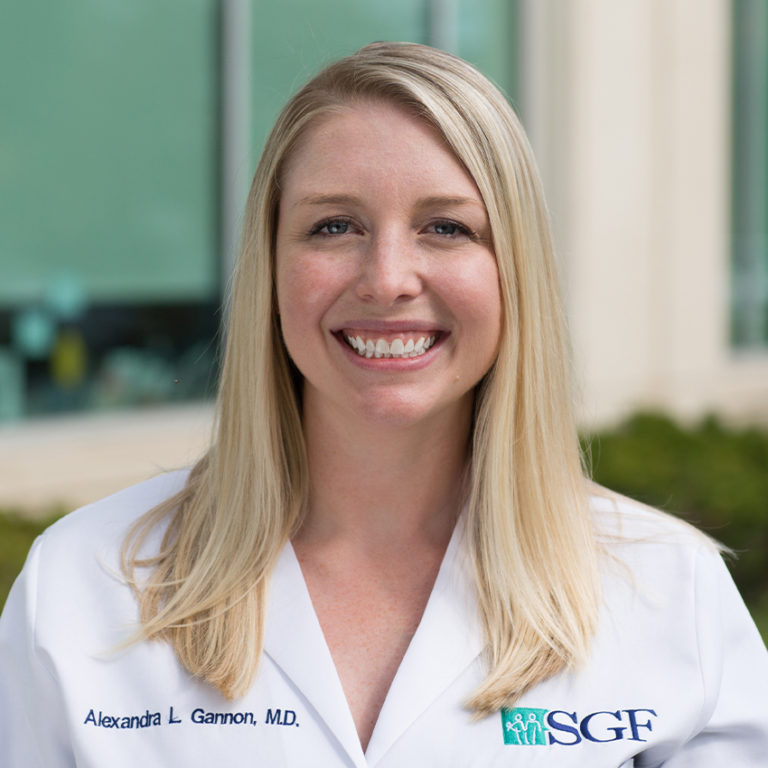
Medical contribution by Alexandra Gannon, M.D. 

Alexandra Gannon, M.D., is board certified in obstetrics and gynecology (OB/GYN) and reproductive endocrinology and infertility (REI). Dr. Gannon earned her medical degree from University of Oklahoma College of Medicine in Oklahoma City. She then completed her residency in OB/GYN at Wake Forest School of Medicine in Winston-Salem, North Carolina.

Filed Under: Treatment

February 22, 2024 by Shady Grove Fertility

Many people assume that infertility treatment always leads to in vitro fertilization (IVF). In reality, the most advanced fertility interventions are reserved for only a relatively small number of patients and are rarely the first course of treatment. With fertility care, most patients will begin with low-tech treatment and a plan that is individualized according to the underlying cause of their disorder.   

“At Shady Grove Fertility, we believe in a stepped-care approach to treatment, starting with the simplest, most affordable low-tech fertility treatment options first and moving up to more advanced treatments only if needed,” shares SGF physician Dr. Grace W. Graham.  

For the following common infertility diagnoses, it is often best to start with low-tech fertility treatment.   

Ovulatory disorder 

One common cause of infertility is ovulatory dysfunction. It affects as many as 40% of infertile women and the disorder has a spectrum ranging from irregular ovulatory cycles to complete lack of ovulation. The treatment for this common disorder involves medication, taken orally for 5 to 7 days, or injected. We typically use oral Clomiphene Citrate (Clomid) or Letrozole for ovulation induction, or injectable gonadotropins when indicated. The goal of these medications is to stimulate the growth and maturation of eggs which culminates in the ovulatory event.   

A fertility specialist will advise the couple on the optimal time for sexual intercourse, to increase the chances of pregnancy. For this, a variety of means are used, ranging from intercourse on alternate days around the expected day of ovulation, to monitoring the progression of the cycle with vaginal ultrasounds and blood tests for more precise timing.   

Many women with ovulatory dysfunction will respond to treatment and the chances of pregnancy will approach those of the standard population. 

Male factor

Another relatively common cause of infertility is that due to male factor infertility, meaning that the sperm count or motility (the number of actively moving sperm) may be decreased or the morphology (the shape of the sperm) could be abnormal.   

Male factor is a cause of infertility in 40 to 50 percent of couples. The Center for Male Fertility at Shady Grove Fertility offers a range of services including basic evaluation and testing to help determine the best treatment options.  

Many times, it is quite possible to use low-tech treatment to address male factor infertility, such as intrauterine insemination (IUI). This simple procedure introduces the sperm inside of the uterus at the time of ovulation. The process is quick and painless. It is done in the office and patients may resume their normal activities immediately after. 

Unexplained infertility 

About 30 percent of infertility diagnoses are unexplained, meaning the underlying cause cannot be precisely determined with the tests available. These patients are said to have unexplained infertility. In these cases, the initial stages of treatment are also relatively simple and are a combination of Clomiphene Citrate (or an injectable medication) to help eggs grow, along with IUI.  By increasing the number of eggs available for fertilization, and increasing the concentration of sperm that encounter eggs, the chances of pregnancy can be increased.

When to schedule an appointment with a fertility specialist 

“Rarely are two cases of infertility exactly the same,” shares Dr. Graham. “That’s why it’s important to undergo a consultation with a fertility specialist and complete a comprehensive infertility evaluation before making any assumptions on the type of treatment necessary.”  

For women younger than 35 with regular periods, we recommend scheduling an appointment when you’ve had 12 months of unprotected intercourse without conception.  For women ages 35 to 39, we recommend seeing a fertility specialist after 6 months of unprotected intercourse without conception. For women 40 and older, we recommend seeing a specialist right away if pregnancy is desired. 

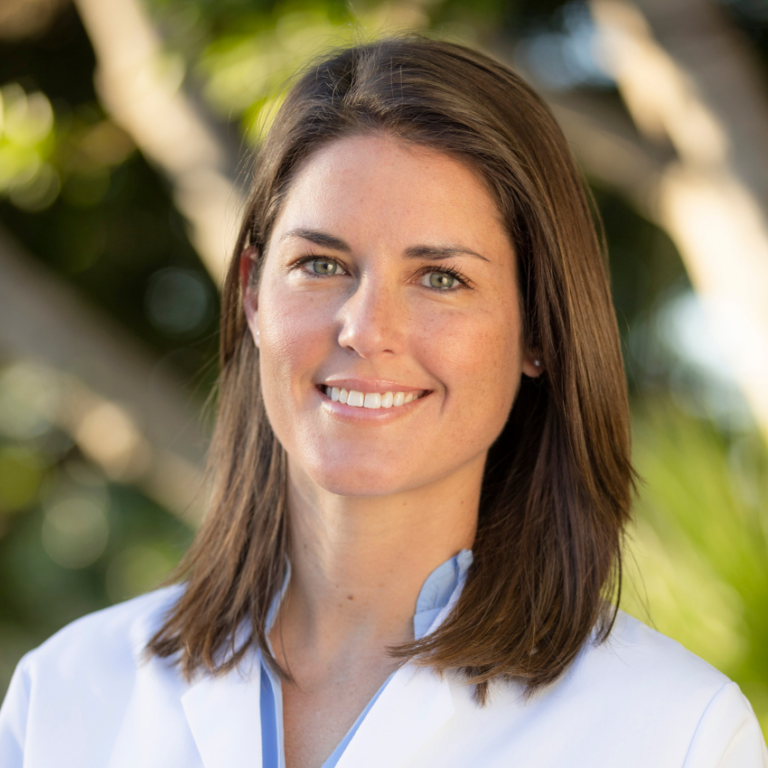
Medical contribution by Grace W. Graham, D.O. 

Grace W. Graham, D.O., is board certified in obstetrics and gynecology (OB/GYN). Dr. Graham completed her residency in OB/GYN at Vanderbilt University Medical Center in Nashville, Tennessee. From there, she trained in Reproductive Endocrinology (REI) at the National Institutes of Health in Bethesda, Maryland.  
Schedule Appointment

Editor’s Note: This article was originally published in May 2012, and has been updated for content accuracy and comprehensiveness as of February 2024.

Filed Under: Treatment Tagged With: Intrauterine insemination (IUI)

February 1, 2024 by Shady Grove Fertility

Third-party reproduction refers to the process of using donated eggs, sperm, embryos or a gestational carrier to help individuals and couples achieve their family-building goals. SGF is a trusted leader in third-party reproduction and provides patients with the treatment needed to find success in growing their families.  

“At SGF, we walk alongside our patients and are proud to make parenthood possible in different ways,” shares SGF physician Dr. Joseph Doyle. “By practicing evidence-based, compassionate reproductive care, we can make personalized treatment plans so that patients can overcome barriers in their family-building journeys.”   

Growing a family via donor sperm, donor eggs, or donor embryos  

Donor sperm  

If patients experience infertility due to a complete lack of sperm, they can often still achieve a pregnancy using donor sperm. SGF refers patients to national certified sperm banks where donors are appropriately screened, and the sperm is quarantined for safety.

Donor sperm is commonly used by: 

  • Single female patients  
  • Same-sex female couples 
  • Heterosexual couples with severe male factor infertility 

After patients select the donor the cryobank sends the frozen sperm sample directly to SGF, where we will thaw and analyze the sperm in our andrology laboratory. From there, patients undergo intrauterine insemination (IUI) or an in vitro fertilization (IVF) cycle using the donated sperm. Additional frozen sperm specimens, if purchased, will be kept at the cryobank for future use. 

Co-IVF, also known as Reciprocal IVF 

Same-sex female couples may opt to undergo Co-IVF treatment, in which both partners are involved in the treatment process. One partner may use their eggs, along with donor sperm, to create embryos, and the other partner will undergo the embryo transfer and carry the pregnancy.  

Donor egg  

Donor egg treatment is defined as an IVF cycle in which a person uses another person’s eggs (the donor) rather than their own. 

Donor egg treatment is commonly needed by: 

  • Patients unable to use their own eggs 
  • Same-sex male couples 
  • Single male patients  

SGF is among the leading providers of donor egg treatment in the United States, with more than 12,000 babies born from donor eggs. SGF is one of only a few centers that recruits, selects, and prescreens (medically, psychologically, and genetically) its own ready-to-cycle egg donors prior to making them available on the donor registry. SGF offers both fresh and frozen donor eggs.  

Donor embryo 

Becoming the recipient of a donated embryo is a unique and cost-effective alternative to start or grow a family. By using a donated embryo, individuals and couples who might not otherwise have been able, can experience the joys of pregnancy, childbirth, and parenthood. 

Donor embryo treatment is a great option for:  

  • Single female patients who have decreased ovarian function, premature ovarian failure, or genetic abnormalities.  
  • Couples that need donor egg and/or sperm 

SGF offers patients the ability to receive donated embryos from either a known (direct) donor that previously cycled at SGF and has opted to donate their embryos to a known recipient, or an unidentified donor that previously cycled at SGF and has graciously donated their remaining embryos. 

Growing a family via a gestational carrier 

In the case of a gestational carrier, the person carrying the pregnancy is in no way biologically or genetically related to the child they are carrying. Intended parents working with a gestational carrier will undergo the IVF process for egg retrieval or use donor eggs. The egg and the sperm — either from an intended parent or donor sperm — will then be fertilized in the lab and embryos will be frozen. Once a gestational carrier is identified and cleared to proceed, the patient’s physician will transfer the embryo to the gestational carrier. 

A great option for:  

  • Patients who do not have a uterus 
  • Patients with medical conditions that make pregnancy unsafe  
  • Patients who have experienced recurrent pregnancy loss 
  • Same sex male couples  
  • Single male patients 

Requirements for being a gestational carrier 

ASRM recommends gestational carriers meet the following criteria: 

  • Between the ages of 21 and 45 
  • Has had a successful term pregnancy, and are in good overall health
  • Has no more than 5 previous vaginal deliveries or 2 previous cesarean deliveries 
  • Has ideally completed their own family 

Learn more about third-party reproduction 

“Whether using donor eggs, donor sperm, donor embryos, or working with a gestational carrier, SGF provides evidence-based care leading to successful outcomes for families grown in many different ways,” shares Dr. Doyle.  

Visit Shady Grove Fertility’s comprehensive resource library for more information on third-party reproduction. To schedule an appointment with a fertility specialist, call SGF’s New Patient Center at 1-877-971-7755 or complete this brief form.       

joseph doyle rockville maryland fertility specialist
Medical contribution by Joseph Doyle, M.D.

Joseph Doyle, M.D., is board certified in obstetrics and gynecology and reproductive endocrinology and infertility. Dr. Doyle is a member of the American Society for Reproductive Medicine, for which he has developed education modules and served as an ad hoc reviewer, and the Society for Reproductive Endocrinology and Infertility. He sees patients at SGF’s Rockville, Maryland office. 

Schedule an Appointment

Filed Under: Treatment

  • « Go to Previous Page
  • Page 1
  • Page 2
  • Page 3
  • Page 4
  • Interim pages omitted …
  • Page 46
  • Go to Next Page »

Company

  • About SGF
  • About US Fertility
  • Our Doctors
  • Fertility Equity
  • Careers
  • Newsroom
  • SGF College Scholarship
  • Contact Us
  • Voice Your Feedback

Treatments

  • Egg Freezing
  • Intrauterine Insemination (IUI)
  • In Vitro Fertilization (IVF)
  • Frozen Embryo Transfer (FET)
  • LGBTQIA+ Family Building
  • Shared Risk 100% Refund Program
  • All Treatments

Resources

  • Patient Portal
  • Online Bill Pay
  • Library
  • Support Groups & Events

Locations

  • California
  • Colorado
  • Delaware
  • Florida
  • Georgia
  • Maryland
  • North Carolina
  • Pennsylvania
  • Texas
  • Virginia
  • Washington, D.C.

2026 Shady Grove Fertility

  • Policies & Notices
Also of interest
  • In Vitro Fertilization IVF
  • Fertility Tests
  • Research Publications