
• Skip to primary navigation
  • Skip to main content
  • Skip to footer
Shady Grove Fertility
  • Become an Egg Donor
  • Referring Physicians
  • 1-888-761-1967
  • Schedule Appointment
  • Get Started
        • Get Started
          • Causes of Infertility
          • Fertility Tests
          • When to Seek Help
          • Find a Doctor
          • Preconception and prenatal vitamins 
          • Schedule an Appointment
        • Personalized Care For
          • Single Parents
          • LGBTQIA+ Family Building
          • People with Cancer
          • Known Genetic Diseases
          • Egg Donors
  • Treatments
        • Fertility
          • Timed Intercourse
          • Ovulation Induction
          • Intrauterine Insemination (IUI)
          • In Vitro Fertilization (IVF)
          • Frozen Embryo Transfer (FET)
        • Donation & Surrogacy
          • Donor Sperm
          • Donor Egg
          • Donor Embryo
          • Gestational Carrier
          • LGBTQIA+ Family Building
          • Single Parents
          • Find a Donor
        • More Treatments
          • Center for Male Fertility
          • Egg Freezing
          • OncoFertility
          • Preimplantation Genetic Testing
          • MIGS
          • All Fertility Treatments
  • Resources
    • Resource Library
    • Events Calendar
    • Patient Stories
    • Mental Health
    • Wellness Center
  • Insurance & Savings
    • Insurance & Benefits
    • Shared Risk 100% Refund Program
    • 100% Refund for Donor Egg
    • Discounts
    • Egg Freezing Costs
    • Financing & Grants
    • Clinical Trials
  • About
    • Find a Doctor
    • About SGF
    • Our Care Team
    • Advanced Practice Providers
    • Fertility Equity
    • Philanthropy
    • Newsroom
    • Careers
    • Contact Us
    • Voice Your Feedback
  • Locations
        • Find a Location
        • California
        • Colorado
        • Delaware
        • Florida
        • Georgia
        • Maryland
        • North Carolina
        • Pennsylvania
        • Texas
        • Virginia
        • Washington, D.C.
        • Chile
        • International & Out of State
        • SGF at Walter Reed National Military Medical Center
  • Patient Hub
    • Online Bill Pay
    • Patient Forms
    • Patient Portal
  • Call your care team
  • Become an egg donor
  • Referring physicians
  • search-icon
  • Schedule appointment 1-888-761-1967

Home / Diagnosing Infertility / Page 9

Diagnosing Infertility

March 15, 2016 by Shady Grove Fertility

When first considering or starting fertility treatment, many questions abound. What type of treatment is best, will it work, how will I afford it, how can I fit treatment info my life? Our Getting Started video captures some of the common patient questions and concerns and helps to set minds at ease.

Other common questions patients ask as they consider starting fertility treatment:

Do I need a referral to be seen at Shady Grove Fertility or begin infertility treatment?

While Shady Grove Fertility does not require a referral from your OB/GYN or primary physician to be seen in our office, your insurance provider may. If you are not sure if you will need a referral, a general rule of thumb is the following: HMO plans from any provider, along with United Healthcare’s MDIPA and Optimum Choice and Kaiser, will likely require a referral in order for the consultation to be covered. If you are not sure or want to verify what your plan requires prior to scheduling an appointment, call your insurance company directly or call 1.877.971.7755 to speak with a New Patient Center team member who can help determine if you need a referral. Shady Grove Fertility participates with over 30 insurance providers and each office has a financial counselor dedicated to helping patients navigate their insurance coverage and financial options.

What is included in the diagnostic testing?

After an initial consultation with a physician, you will be instructed to call your nurse on the first day of your cycle—defined as the first day of full menstrual flow—to schedule an appointment for day 3 hormone testing. During the appointment, your medical team will test several hormones including anti-Müllerian hormone (AMH), luteinizing hormone (LH), and follicle-stimulating hormone (FSH). Together, these hormones, along with the results from an antral follicle count obtained from an transvaginal ultrasound of the ovaries, tell your physician the quantity of eggs remaining in your ovarian reserve.

A hysterosalpingogram (HSG) will also be performed, which is an x-ray dye test of the Fallopian tubes that will verify that your uterus and tubes are clear of obstructions.

In addition to these tests, if there is a male partner, he will need to have a semen analysis. Based on the results of the initial diagnostic testing, your physician will be able to recommend which treatment plan will be most successful for you.

What is morning monitoring? What happens during monitoring visits?

Think of your morning monitoring visits as a check-up to take note of your treatment’s progress. You have about 4 to 6 monitoring visits from day 3 to day 14 of your treatment cycle. Monitoring visits are in the early morning, usually between 7:00 a.m. and 9:30 a.m. depending on the office. The visits last about 20 to 30 minutes, during which a medical assistant will draw your blood and a provider will complete a transvaginal ultrasound to see how your follicles are developing. Results for the blood tests will be sent to your medical team that afternoon and you will likely receive a call from your nurse with an update including any changes, if any, to your medication protocol.

Can male partners be tested in a Shady Grove Fertility office?

Yes, all Shady Grove Fertility offices have semen analysis services. In 40 percent of couples that are having trouble conceiving, male factor infertility is the contributing issue. Therefore, testing the male partner is a critical piece in determining a patient’s treatment path. The male patient can collect a sample at home and bring it to the office or the collection can be obtained in one of our offices (select offices only).

Do patients typically start with in vitro fertilization (IVF)?

No. After a patient has had their initial baseline testing and bloodwork, a treatment plan is created and, if medically indicated, we would start with intrauterine insemination (IUI) treatment, which is considered a basic, or low-tech, treatment option. Studies have shown that after three or four IUIs, it becomes less likely for this approach to be successful. In the event severe male factor infertility or a blockage in the Fallopian tubes is found, it would likely suggest moving straight to IVF.

Another factor to consider is insurance coverage. Some plans will require a certain number of IUIs before moving on to IVF. Others will cover a certain number of IUIs, in which case many patients may exhaust that option before starting an alternate treatment. Your financial team will verify your benefits and determine what your unique plan requires. Then you, your medical team, and financial team will work together to determine the best course of action.

What is the time frame between diagnostic testing and starting fertility treatment?

Patients will come in for the initial consultation to meet their physician and review medical history. From that point, it typically takes about 4 to 8 weeks until treatment will begin. This time frame is dependent on several factors, including where you are currently in your cycle and what testing has previously been completed.

If a patient is overweight and has a high body mass index (BMI), would you have them lose weight before starting fertility treatment?

Maybe; it depends on the individual patient’s BMI and infertility treatment plan. While we want both our male and female patients to be in a healthy weight range, the ability to move forward with treatment is mainly dependent on the female partner’s BMI. For patient safety, we require a BMI of 44 or less when starting an IUI cycle and 40 or less for IVF. Studies have found that weight can drastically impact the ability to conceive, and even a modest 5 to 10 percent weight loss can help to increase the chances of conceiving. If you need help losing weight, your physician can recommend a nutritionist to help determine a weight loss program.

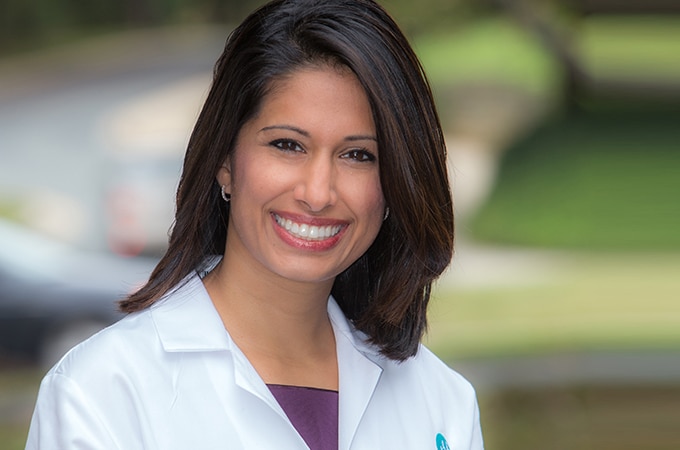
 If you are considering starting fertility treatment at any of Shady Grove Fertility’s 22 offices throughout Maryland, Pennsylvania, Virginia, and Washington, D.C., please speak with one of our New Patient Liaisons at 877-971-7755 or click here to schedule an appointment.

Filed Under: Diagnosing Infertility

March 9, 2016 by Shady Grove Fertility

Polycystic ovary syndrome (PCOS) is a common cause of female infertility. In fact, one in eight women have PCOS but only 50 percent know it. About.com asked some of the top reproductive endocrinologists across the nation to answer the most common PCOS questions they receive from patients. Representing Shady Grove Fertility, Isaac Sasson, M.D., of SGF’s Chesterbrook, Bala Cynwyd, and Chadds Ford, PA offices, was selected to participate.

According to Dr. Sasson, these are among the most common PCOS questions he receives:

What’s in those follicles and should I be worried there are so many?
Answer: A follicle is a fluid-filled sac that contains one egg and the cells that prepare the embryo for early embryo development. In women with PCOS, the ovary does not produce all of the hormones in the necessary sequence for an egg to fully mature. The follicles may start to grow and then stop, or simply not grow at all. Because of the imbalance of sex hormones, and with the eggs inside the follicles not growing, the follicles (mistakenly called cysts) stay small through the entire cycle. “Without follicular growth, ovulation does not occur and the ovary does not produce the critical hormone progesterone, which is important in maturing the uterine lining. This can result in an irregular menstrual cycle or, in some cases, no cycle at all, which is an early indicator of PCOS,” says Sasson.

What is the real challenge with PCOS?
Answer: The real challenge with PCOS is getting the eggs to grow. We often use medications such as clomiphene citrate (Clomid or Serophene) for women with PCOS to help one or two follicles grow in size and induce ovulation. There should not be a concern about the number of follicles a woman   produces from these medications. “From a fertility perspective, having too many follicles is a fantastic problem to have,” commented Sasson. “This ultimately means there will be more eggs to work with,” he adds.

What happens after the follicles grow?
Answer: Once the follicles have grown, Dr. Sasson recommends starting with timed intercourse or intrauterine insemination (IUI). The typical success rates for IUI are about 15 to 25 percent per cycle, with higher chances among younger women. While many patients have success with more basic, “lower-tech” methods, a patient may require several treatment cycles to achieve a pregnancy. If still unsuccessful, moving on to another treatment option such as injectable medication or in vitro fertilization (IVF) may be necessary to achieve a pregnancy.

About.com also asked other reproductive endocrinologists about blood clots passed with periods, worry and difficulty concentrating, metformin, carb cravings, and more.

PCOS is very common and many patients with PCOS go on to have children either with or without the help of treatment. If you have PCOS and are trying to conceive and have had 3 to 4 rounds of Clomid, we recommend seeing a specialist.  To get more of your PCOS questions answered or to schedule an appointment with one of our 34 reproductive endocrinologists, please call our New Patient Center at 1-877-971-7755 or click to schedule an appointment.

Filed Under: Diagnosing Infertility Tagged With: Causes of infertility

March 3, 2016 by Shady Grove Fertility

Dr. Shannon M. Clark, high-risk-pregnancy expert, founder of babiesafter35.com and contributor to the Washington Post article.


Even though 5 years seems like a short amount of time, a woman’s fertility after 35 is Typically, a pregnancy is considered high risk when a woman is over the age of 35 or of “advanced maternal age.” Shannon M. Clark, M.D., an obstetrician/gynecologist (OB/GYN) and high-risk-pregnancy expert, never imagined she would have fertility problems of her own. In the recent Washington Post article, “I’m a high-risk-pregnancy expert. So why didn’t I worry about my own fertility?” the 42-year-old physician describes her struggle to get pregnant after countless failed fertility treatments. Despite the number of women who successfully have children and start their family later in life, Clark reveals the hidden reality of how difficult it can be for women of advanced maternal age to conceive.

According to Clark and the Centers for Disease Control and Prevention (CDC): “the average age of first-time mothers in the United States rose from 24.9 in 2000 to 26.3 in 2014. While this is partially a result of a decline in births to teenage mothers, it’s also because the share of first births to women age 35 and over rose by 23 percent.”

“I was used to achieving my goals. Why would I fail at this?”

As a practicing OB/GYN, Clark describes her constant interactions with patients who are older mothers and older first-time mothers, who, despite being of “advanced maternal age,” are still having successful pregnancies.

“Like many of my patients, I was healthy, educated, had traveled the world, and was finally ready to settle down and pursue the next phase of my life,” recalls Dr. Clark. Not unlike many women, Clark claims to have been in denial after seeing so many women have successful pregnancies later in life both naturally and through fertility treatments, “I should have known better, and perhaps somewhere deep inside, I did. I just assumed I’d be one of them. I was used to achieving my goals. Why would I fail at this?” But after 2 years of trying multiple fertility treatment options, she realized that 40 was not the new 30 when it came to fertility.

Fertility after 35 Treatment Options

Forty percent of infertility is considered female infertility (the other 60 percent is from male factor , unknown, and combined male and female), and a large contributing factor of female infertility is the age of a woman’s eggs. Advanced age impacts both the quantity and quality of a woman’s eggs, which naturally decreases and declines with time. As eggs age, they also become more resistant to fertilization, resulting in lower pregnancy rates, and tend to have more frequent chromosomal abnormalities, such as Down syndrome, which makes miscarriages more likely.

While in vitro fertilization (IVF) and donor egg treatment are reliable and successful options, earlier diagnosis and treatment is better. No matter why pregnancy is delayed for women, their biological clock affects how many quality eggs are released in a woman’s ovaries, and the changes accelerate significantly around the age of 35. Clark encourages women who are waiting until later to attempt pregnancy to be mindful that there is no guarantee, even with advanced fertility treatments and despite promising success rates.

Egg Freezing Captures a Woman’s Current Fertility

Fertility after 35 is an even more complex situation for women who might not be in a relationship or ready to conceive (either naturally or through advanced fertility treatment). Women trying to beat the biological clock are limited with their options—either freeze eggs or wait. Luckily, more women are considering egg freezing as a proactive option. While menopause and premature ovarian failure can affect a woman’s supply, egg freezing helps ensure the possibility that women have a backup plan and can use their own eggs and have biological children when the timing is right.

At Shady Grove Fertility we know many women feel the pressure to beat their biological clock. Our Egg Freezing Program has demonstrated success in thawing frozen eggs, with strong survival, fertilization, and embryonic development, creating a reliable option for women who are concerned about the biological clock.

Clark leaves readers with this advice:

A child is a miracle. No one knows better than I just how true that statement is. Yet I urge women delaying childbearing for any reason to look beyond the headlines about maternal age. Yes, there are many women who get pregnant naturally later in life, and yes, there are many options for becoming pregnant through fertility treatments. But women need to be mindful that there is no guarantee. I never thought I would be a statistic, and I caution women on my path never to assume that their journey toward a family will be seamless. If having children is in your master plan, please consider your options early.

To learn more about fertility after 35 or egg freezing benefits, or for more information about Shady Grove Fertility’s exclusive egg freezing financial programs, call 1-877-411-9292 to speak with one of our New Patient Center Liaisons, fill out this form to schedule an appointment, or register for one of our upcoming patient educational events.

Filed Under: Diagnosing Infertility Tagged With: Advanced maternal age

February 24, 2016 by Shady Grove Fertility

Written by Andrea Reh, M.D

PCOS Questions from Patients Answered by Dr. Andrea Reh

Polycystic ovary syndrome (PCOS) is the most common ovulatory disorder that’s caused by hormonal imbalances that prevent ovulation—the body’s process of producing and releasing an egg from the ovary.  Even though it is a common disorder, there are many PCOS questions from women who think they have PCOS, or women who may have already been diagnosed. For answers to some of the concerns or common PCOS questions, Dr. Andrea Reh shares some insight:


What exactly is PCOS?

A key indicator of PCOS is an abnormal menstrual cycle. The cycles can be irregular, which is defined as occurring greater than 5 weeks apart or absent altogether. However, not every woman with irregular or absent menstrual cycles will have PCOS. It’s important that your physician rules out other causes of irregular menstrual cycles first, before giving the diagnosis of PCOS.

Aside from irregular menstrual cycles, other symptoms of PCOS might include high androgens—male hormones such as testosterone. Signs of high androgens can manifest as acne and/or excess facial or body hair. Some women with PCOS may be obese and some might not. There is no one size fits all for PCOS.

What are the causes of PCOS?

Another common PCOS question is “What are the causes?” The cause of PCOS is not entirely understood. There is a genetic component to this condition as women are more likely to develop the condition if her mother or sister has it. It is also known that PCOS is associated with abnormal insulin metabolism, such that women with PCOS have a higher risk of developing diabetes. The dysfunction in the body’s ability to process sugars can disrupt anovulation (lack of ovulation)—increasing the amount of male hormones and leading to obesity.

How do you know if you have PCOS?

A woman’s menstrual cycle is the best indicator to diagnosing PCOS. If you have irregular or absent menstrual cycles, then a physician would first test for other causes of irregular menstrual cycles by checking thyroid and prolactin levels and another common condition known as late onset congenital (present at birth) adrenal hyperplasia. A physician will then look at a ultrasound (sonogram) or physical symptoms such as acne or hair growth to make the diagnosis. There are, however, other conditions that may look similar on an ultrasound to PCOS, so there is no one single test that can confirm or exclude the diagnosis.

What is the treatment for PCOS?

Treatment for PCOS depends on whether you are trying to conceive. If you are trying to get pregnant, the first step is optimizing your health. If you are overweight, weight loss and dietary control is recommended to get to a normal body weight. For patients who are obese, weight loss may restore menstrual cycles and allow for ovulation to occur.

For patients with diabetes or pre-diabetes (borderline diabetes), getting your blood sugar under control is the first priority. This can help reduce PCOS and optimize your health before pregnancy. Adjunctive medications such as Metformin or glucophage can be helpful for glucose control and weight loss, and may restore ovulation for some patients.

Once these factors have been optimized, if cycles do not resume, then the next step would be to proceed with fertility medications to induce ovulation. Medications such as letrozole or clomiphine citrate (Clomid, Serophene) are pills taken for 5 days at the beginning of a cycle. Patients are then monitored closely to see if they are responding to the medications, which will allow physicians to estimate when they will ovulate. For most patients, oral medications are all that is needed to induce ovulation. However, if these do not work, then your physician may recommend moving on to daily subcutaneous (under the skin) injections to induce ovulation under close supervision.

It may take time to determine the right medication, but with the proper medication and monitoring, it will be possible to induce ovulation. Once we’re able to induce ovulation, you’ll have timed intercourse at home or undergo an intrauterine insemination (IUI) at the office. Assuming there are no other factors for the couple’s infertility, once ovulation is induced, most women are able to get pregnant within 3 to 6 cycles of treatment.

In vitro fertilization (IVF) is also an effective treatment for PCOS, but is usually only considered for those patients who have had failed attempts of these consecutive approaches, or if IVF is indicated for other unrelated reasons.

To learn more about diagnosing and treatment options for women and to learn more about the common PCOS questions, please speak with one of our New Patient Liaisons at 1-877-971-7755 or click to schedule an appointment.

Filed Under: Diagnosing Infertility Tagged With: Causes of infertility

February 18, 2016 by Shady Grove Fertility

Endometriosis Awareness Month

To shed light on endometriosis and the women who suffer from it, the month of March commemorates Endometriosis Awareness Month. As Lena Dunham described the mystery of her menstrual pain over the years and the inability of countless physicians to accurately diagnose the condition, millions of other women share that experience.

Creator of HBO series Girls, opens up about her battle with endometriosis to encourage other women and raise awareness.

Lena Dunham, actress, writer, and creator of the HBO series Girls, postponed press for the show’s sixth season because of symptoms caused by an endometriosis diagnosis. Endometriosis is a condition in which endometrial tissue grows outside the uterus. During a woman’s menstrual cycle the displaced endometrium “sheds” blood and tissue, which can cause inflammation and eventually scaring due to the blood having nowhere to go.

“I am currently going through a rough patch with the illness and my body (along with my amazing doctors) let me know, in no certain terms, that it’s time to rest,” the actress wrote in an Instagram post.

Lena Dunham, an outspoken advocate for endometriosis awareness, wrote in her 2014 memoir that ever since she started having period pain, doctors would often misdiagnosis her symptoms. She expressed that every uncertain answer caused her to doubt her pain.
“From the first time I got my period, it didn’t feel right,” she confesses. “The stomachaches began quickly and were more severe than the mild-irritant cramps seemed to be for the blonde women in pink hued Midol commercials.”

Dunham has since found the proper treatment and underwent a laparoscopic surgery, which removed scar tissue from the uterus and any other organs affected.

Endometriosis Affects Over 5 Million Women


The most devious aspect of endometriosis is that it is hard to diagnosis. Although it is one of the most common gynecological diseases, a third of the 5.5 million women who are affected by endometriosis are often symptom free. But many deal with painful and heavy periods, pelvic pain, and urinary and gastrointestinal problems on a regular basis.

Endometriosis and Fertility

Women who have been given an endometriosis diagnosis are prone to have scaring around their Fallopian tubes, which could prevent pregnancy. If your OB/GYN or Reproductive Endocrinologist diagnoses early stage endometriosis and does not detect tubal blockage or damage, then many physicians will say you can try on your own for a few cycles. However, if you have an advanced stage of endometriosis or known tubal blockage, we advise you speak with a fertility specialist as soon as you’re ready to build a family.

On March 19, 2016, men and women around the world will march in the Worldwide EndoMarch. Organizers have also planned Yellow Tutu Tea Parties, a virtual component to the EndoMarch where participants can host “tea parties” and are encouraged to post five photos by 5 PM to the World EndoMarch Facebook page in order to be eligible for various prizes. While yellow tutus and tea are suggested, the organization wants potential hosts and guests to understand that neither is mandatory for a tutu party!

If you have severely painful periods, are having trouble conceiving, and/or have been diagnosed with endometriosis, it may be time to speak with a Reproductive Endocrinologist. A Shady Grove Fertility New Patient Liaison is available to answer your questions and schedule a consultation with a physician. Call 877-971-7755 or click to schedule an appointment.

Filed Under: Diagnosing Infertility Tagged With: Endometriosis

December 17, 2015 by Shady Grove Fertility

Shady Grove Fertility believes in cultivating a sustainable community through resources like Glow, a free app and fertility forum that is helping patients manage the clinical aspects of their treatment inside and outside their doctor’s office.

In 2014 we partnered with Glow to provide our patients with a comprehensive resource that not only helps them track their fertility testing and treatment, but fosters engagement with one another through Q&As.

Shady Grove Fertility’s Dr. Shruti Malik Sparks Conversation on Glow Fertility Forum

Last week, during Glow’s “The Doctor is in” fertility forum, Dr. Shruti Malik of the Fair Oaks, VA, office hosted a live Q&A session on IVF and IUI treatment. The reproductive endocrinologist, who specializes in polycystic ovary syndrome (PCOS), male factor infertility, and ovarian aging, interacted with 20+ Glow users and over 500 viewers who were considering IVF and IUI treatment.

Many  had questions about how their health could impact the effectiveness of fertility treatment, the advantages of taking ovulation medicine before undergoing IUI and IVF treatments, and the rates of secondary infertility among women who have children.
You can read the most popular questions and answers below:

  • Q: “For a woman who has PCOS and ovulates every month, what would be the causes of her not getting   pregnant? She has a period each month and no visual cyst. Would it just be the hormonal imbalance that PCOS causes?”-Kai
    • A: In women with regular ovulation or no history of infertility, chances of conception are 15 to 20 percent per month. Most couples would conceive within 6 months. If a woman hasn’t conceived and has a regular cycle within 12 months (or 6 months for women over 35), it’s best to seek testing to see if anything else is contributing a couple’s infertility.-Dr. Malik
  • Q: “How many rounds of clomid (with ovulation) should be done before an IUI should be considered? Do you recommend using Preed or other fertility friendly lubricants to make up for the reduced cervical mucus if using clomid? Thank you so much for your help!”-Alie
    • A: Clomid is reasonable without IUI for anovulatory infertility. For unexplained infertility, IUI is often recommended since clomid alone doesn’t significantly increase the chance of pregnancy. Of course, every woman’s response is different and it’s best to talk to your doctor after two to three cycles. Preseed is a great lubricant if a woman has discomfort but doesn’t affect cervical mucus. Clomid can thicken the mucus and make sperm transit more difficult so IUI can bypass that.-Dr. Malik
  • Q: “What is the success rate for IUI with clomid for someone with PCOS?” -Kayleigh
    • A: In most women with anovulatory infertility alone, clomid is an excellent starting option. In women who respond (ovulate) with clomid, 50 percent will conceive within the first few cycles. Some women with PCOS who do not ovulate with clomid may also respond well to letrozole. In young patients, it’s reasonable to consider another couple cycles with clomid but best to talk to your doctor about what he/she recommends.-Dr. Malik
  • Q: “If I’ve already had one great amazing healthy baby, why am I having such a hard time getting pregnant again? Is this normal?”-Jessica
    • A: Secondary Infertility is very common and understandably very frustrating. Several factors can cause it including the effect of age on ovarian function, tubal patency, and uterine changes or male factor infertility. If you’ve been having unprotected intercourse for over 12 months (6 months if over 35), I would make an appointment with a specialist to see if it’s reasonable to consider treatment.-Dr. Malik

Community Building and its Importance on Fertility Awareness

Dr. Malik also suggested that patients should make sure they are at a healthy body weight for optimal success and pregnancy outcomes, and reiterated how long partners should try to conceive before seeking a specialist.

At Shady Grove Fertility, we know that accessibility to medical advice by leaders in the fertility community, including our physicians, can help more families achieve their dreams of parenthood. Make sure to check the Glow app’s fertility forum, featuring Dr. Malik’s weekly Q&A sessions, as well as a variety of forums, discussions, and other helpful resources.

Click to read the entire Want to boost (or reduce) your chance of getting pregnant? There’s an app for that article. You can download the Glow app here, or on iTunes.

If you would like to schedule an appointment with a fertility specialist, please speak with one of our New Patient Liaisons at 877-971-7755.

Filed Under: Diagnosing Infertility Tagged With: Secondary infertility

  • « Go to Previous Page
  • Page 1
  • Interim pages omitted …
  • Page 7
  • Page 8
  • Page 9
  • Page 10
  • Page 11
  • Interim pages omitted …
  • Page 21
  • Go to Next Page »

Company

  • About SGF
  • About US Fertility
  • Our Doctors
  • Fertility Equity
  • Careers
  • Newsroom
  • SGF College Scholarship
  • Contact Us
  • Voice Your Feedback

Treatments

  • Egg Freezing
  • Intrauterine Insemination (IUI)
  • In Vitro Fertilization (IVF)
  • Frozen Embryo Transfer (FET)
  • LGBTQIA+ Family Building
  • Shared Risk 100% Refund Program
  • All Treatments

Resources

  • Patient Portal
  • Online Bill Pay
  • Library
  • Support Groups & Events

Locations

  • California
  • Colorado
  • Delaware
  • Florida
  • Georgia
  • Maryland
  • North Carolina
  • Pennsylvania
  • Texas
  • Virginia
  • Washington, D.C.

2026 Shady Grove Fertility

  • Policies & Notices
Also of interest
  • In Vitro Fertilization IVF
  • Fertility Tests
  • Research Publications