
• Skip to primary navigation
  • Skip to main content
  • Skip to footer
Shady Grove Fertility
  • Become an Egg Donor
  • Referring Physicians
  • 1-888-761-1967
  • Schedule Appointment
  • Get Started
        • Get Started
          • Causes of Infertility
          • Fertility Tests
          • When to Seek Help
          • Find a Doctor
          • Preconception and prenatal vitamins 
          • Schedule an Appointment
        • Personalized Care For
          • Single Parents
          • LGBTQIA+ Family Building
          • People with Cancer
          • Known Genetic Diseases
          • Egg Donors
  • Treatments
        • Fertility
          • Timed Intercourse
          • Ovulation Induction
          • Intrauterine Insemination (IUI)
          • In Vitro Fertilization (IVF)
          • Frozen Embryo Transfer (FET)
        • Donation & Surrogacy
          • Donor Sperm
          • Donor Egg
          • Donor Embryo
          • Gestational Carrier
          • LGBTQIA+ Family Building
          • Single Parents
          • Find a Donor
        • More Treatments
          • Center for Male Fertility
          • Egg Freezing
          • OncoFertility
          • Preimplantation Genetic Testing
          • MIGS
          • All Fertility Treatments
  • Resources
    • Resource Library
    • Events Calendar
    • Patient Stories
    • Mental Health
    • Wellness Center
  • Insurance & Savings
    • Insurance & Benefits
    • Shared Risk 100% Refund Program
    • 100% Refund for Donor Egg
    • Discounts
    • Egg Freezing Costs
    • Financing & Grants
    • Clinical Trials
  • About
    • Find a Doctor
    • About SGF
    • Our Care Team
    • Advanced Practice Providers
    • Fertility Equity
    • Philanthropy
    • Newsroom
    • Careers
    • Contact Us
    • Voice Your Feedback
  • Locations
        • Find a Location
        • California
        • Colorado
        • Delaware
        • Florida
        • Georgia
        • Maryland
        • North Carolina
        • Pennsylvania
        • Texas
        • Virginia
        • Washington, D.C.
        • Chile
        • International & Out of State
        • SGF at Walter Reed National Military Medical Center
  • Patient Hub
    • Online Bill Pay
    • Patient Forms
    • Patient Portal
  • Call your care team
  • Become an egg donor
  • Referring physicians
  • search-icon
  • Schedule appointment 1-888-761-1967

Home / Donor egg / Page 4

Donor egg

April 30, 2015 by Shady Grove Fertility


By Mia Joelsson, LCSW/LCSW-C

“Worry does not empty tomorrow of its sorrow. It empties today of its strength.” – Corrie Ten Boom

Everyone worries sometimes. And infertility is an experience that lends itself easily to worry. There are just so many aspects of infertility to worry about:

  • Can we/I afford the treatment?
  • How will I survive the two week wait?
  • Are the shots going to hurt?
  • What if I have to see another pregnant friend or coworker?
  • Will my partner be able to understand how I feel about all of this?
  • What if I have side effects from the treatments?
  • And the BIG ONE…..what if this never works out for me?

So, why do people worry? 

Worry is a very normal, natural process that we all experience. There are many common reasons we worry:

  • To try to find a solution to a problem
  • To try to prevent ourselves from overlooking something important
  • To avoid being surprised by something negative
  • To try to be responsible or prepared
  • To prevent something scary from happening
  • And so on …

Can worry be a good thing?

Absolutely. Worry can be productive and useful in certain situations. If worry is productive in nature and we can use it to move quickly toward action that solves a problem, then it can be useful to worry a bit. For example: if you are planning a trip and feel worried about making it to the airport on time, or getting directions to the hotel and packing the right items, then you are experiencing productive worry and the worry will be useful in preparing well for your trip. Productive worry during infertility treatment might lead you to follow through with your nurse about a question you have about your protocol, or preparing a list of questions to discuss with your doctor at your next consultation.

How do I know if I’m worrying too much?

In contrast to productive worry, unproductive worry is less useful and often unhealthy for us.  Unproductive worry involves dwelling on possible negative outcomes, worrying until you have complete control of the situation, and feeling unable to tolerate any amount of uncertainty.

Worrying about questions that have no answers (“Why is this happening to me?”), assuming that the worst-case scenario will always happen to you (“I will be the only person I know who never gets to have a baby”), or consistently rejecting potential solutions because they aren’t perfect (“If I don’t have X mature follicles this cycle, there’s no way this is going to work”) are unproductive types of worry.

If you are worrying most of the day, nearly every day each week, AND the worry is causing considerable distress and impairing your ability to function in your daily life, it’s probably time to address it.

How can I stop worrying so much?

Let’s think of it as trying to reduce worry in healthy ways, or even to “worry better.” Here are some really good (and fun!) ways to work on identifying and reducing worry:

“Worry Time:” Assign yourself a mandatory “worry time” each day where you will set a timer for 20 minutes and think or write about your worries until the time is up. At all other times of the day, when worries pop up, remind yourself that you will have time to worry later at your designated “worry time” and write down a quick note to remind yourself to worry about this issue. Then distract yourself with other activities and wait until your “worry time.” What this helps to do is reduce the amount of time you spend worrying and its potential invasiveness into your thoughts so that you can remain productive and focused the rest of the day.

Identify and challenge negative thoughts: We all have constant thoughts running through our minds that we aren’t even aware of. When we feel frequently worried, these thoughts often have a very negative tone. Here are some examples of negative thought patterns:

  • Thinking in all-or-nothing terms (“Either I get pregnant this cycle or it will never happen.”)
  • Catastrophic thoughts (“If I ever get pregnant, I’m sure I’ll have a miscarriage.”)
  • Over-generalizing (“I’ll never be able to be around other pregnant people.”)
  • Discounting positive outcomes (“So what if I had a good retrieval? That doesn’t mean this is going to work.”)
  • Fortune telling (“I’ll never have a baby.”)

When you notice these themes popping up in your thinking, work on gently examining the thoughts and ask yourself the following questions:

  1. Is this thought true or logical?
  2. Is this thought helping me right now?
  3. Is there another way of thinking about this?

By putting these thoughts into true perspective, you can help to reduce their negative impact.

Practice mind-body techniques: Practicing yoga, meditation, mindfulness, guided imagery, and deep breathing daily can help you feel what is happening in your body. Try to engage in mini-mindfulness sessions every day. Choose something you do several times a day and mindfully “tune in” deeply to the activity. Setting reminders on your phone might help you remember to do it regularly. Some smartphone apps to try are Calm, Headspace, and The Mindfulness App. Repetitive, quiet activities like knitting and coloring have also been shown to help with reducing worry since they focus your mind on the task at hand.

Prioritize self-care: We all know we should take good care of ourselves, but experiencing a profound stressor like infertility can make it challenging to remember the basics. Make it a priority to eat healthy, exercise regularly, get enough sleep, drink lots of water, utilize your support network, set healthy boundaries with others, and connect meaningfully with your partner. This foundation will allow you extra emotional energy to manage the stress of infertility.

Try therapy and/or a support group: Having a confidential place to feel heard and get your feelings out can be really important. Therapy and support groups can also help you normalize your worries and find new ways to cope better with your situation. Visit this link for more information about finding emotional support: https://www.shadygrovefertility.com/support.

Worry is a normal response to infertility. Using these tools should help you manage your worry about the journey ahead.

Mia Joelsson is a licensed clinical social worker in Pennsylvania and Maryland. She has a special interest in working with individuals and couples facing reproductive challenges of infertility, pregnancy, pregnancy loss, and postpartum adjustment. Joelsson is passionate about helping “infertility graduates” who are adapting to the new realities of pregnancy and parenting after struggling with infertility. She sees clients primarily in Shady Grove Fertility’s Harrisburg, PA, office.

References:

Leahy, R.L. (2005).  The Worry Cure:  Seven Steps to Stop Worry from Stopping You.  New York:  Random House.

Blitzer, B. (2011). The Infertility Workbook:  A Mind-Body Program to Enhance Fertility, Reduce Stress, and Maintain Emotional Balance. Oakland, CA: New Harbinger Publications.

If you would like to learn more about Shady Grove Fertility’s support services or to schedule an appointment, please speak with one of our New Patient Liaisons at 877-971-7755.
Filed Under: Treatment Tagged With: Donor egg, Shared donor egg

April 28, 2015 by Shady Grove Fertility

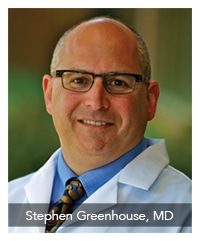
Medical contribution by: Stephen J. Greenhouse, M.D.

When choosing a fertility center, it’s important to research the many different options available to you. Finding a center relatively close to your home; a center that values patient care; and a center that has reproductive endocrinologists with extensive experience, are all very important components of the decision-making process. But the most important factor to research often comes down to the center’s infertility success rates. By learning a few simple points, you’ll be able to determine what infertility success rates really mean, without needing an advanced degree in statistics.

Reporting Infertility Success Ratesgraphs and charts

In 1992, Congress passed the Fertility Clinic Success Rate and Certificate Act—endorsed by the American Society for Reproductive Medicine (ASRM) and the Society for Assisted Reproductive Technology (SART)—which requires clinics to collect and make public the results of assisted reproductive technology (ART) treatments including in vitro fertilization (IVF), frozen embryo transfer (FET), and donor egg treatment. On SART’s website, you can view infertility success rates for individual fertility centers and also view the national data summary, which depicts the national average, based upon data from every fertility center in the country.

  • View Shady Grove Fertility’s Infertility Success Rates

Learn the Appropriate Lingo

Before viewing infertility success rate data, it’s helpful to learn the terminology associated with reporting assisted reproductive technology.

Initiated cycle: An initiated cycle refers to the start of medications with the intent to proceed with in vitro fertilization (IVF) treatment.

  • Example: The center had 4,900 initiated cycles in 2013.
  • Explanation: As patients can go through multiple cycle attempts within 1 year, it’s worth remembering that the number here does not mean 4,900 individual patients. It is merely the amount of IVF cycles that a center initiated and may or may not have continued forward.

Cancellation: Unfortunately, some cycles will have to be cancelled before an egg retrieval can occur. This is usually due to a poor response to medication. It’s in the best interest of the patient to cancel the cycle rather than continue to egg retrieval if a positive outcome is unlikely. Age can also be a factor that affects how well a woman’s body responds to the medicinal stimulation.

Eggs after retrieval.

Retrieval: An egg retrieval is the actual attempt to obtain eggs from the ovarian follicles. In order to get to the stage of embryo transfer (in which a physician places a fertilized embryo into the woman’s uterus), a successful retrieval must occur.

  • Example: The center had 4,900 initiated cycles, but only performed 4,400 egg retrievals.
  • Explanation: The missing egg retrievals are due to cycle cancellation.

Transfer: An embryo transfer is the placement of one or more embryos back into the uterus. Transfer can only occur after fertilization between the retrieved eggs and sperm has taken place in the lab and the embryo is given 5 days to develop, ideally into a blastocyst.

  • Example: The center performed 4,400 egg retrievals but only performed 3,900 embryo transfers.
  • Explanation: Why is there a discrepancy here? Unfortunately, some embryos do not develop to the point of transfer. The physician and embryologist want the highest quality embryos for transfer, and if they’re not developing properly in the lab, they are unlikely to properly develop in utero. Another reason a transfer may not occur is due to genetic testing. Genetic testing affords couples the ability to ensure that they do not pass certain diseases and disorders onto their offspring. Thus, sometimes genetic testing reveals that an embryo is abnormal, and therefore the physician would not schedule a transfer. Finally, egg and embryo freezing would also mean that a transfer would not take place. Women who electively freeze their eggs may return one day, but for now the intention is to preserve their eggs for the future, not for immediate transfer. For other women, the physician may perform a freeze-all cycle, in which the patient elects to freeze all of the embryos, rather than transfer. Among other reasons, this most commonly occurs if a woman’s progesterone levels are too high leading up to transfer, which has been shown to increase the potential for miscarriage. By freezing the embryos and then waiting to transfer when progesterone levels have returned to a normal level, women are afforded the best possible chance to conceive.
  • Extending Your Fertility Treatment: Frozen Embryo Transfers (FETs)

Clinical pregnancy: A clinical pregnancy refers to the identification of a pregnancy sac in the uterus—not just a positive pregnancy test.

  • Example: Out of 3,900 embryo transfers, the center had 1,800 clinical pregnancies in 2013.
  • Explanation: That seems like a very significant drop, and probably rather alarming to patients new to fertility treatment. It’s important to think about the natural rate of fertility each month: women under the age of 35—who are trying to conceive on their own—only have a 15 percent chance of conceiving each month, which declines each month after 4 to 5 months of trying. After trying for 2 years, the chance of conception each month drops to approximately 1 percent. Not every egg will become a pregnancy, and that statistic holds true for fertility treatment as well. While the physicians and embryologists do everything in their power to help patients build their families, there is an element of ‘nature’ at play here, not just science. It’s important to also remember the 15 percent chance of naturally conceiving each month when you view success rates. Even the best centers only show success rates that range from 40 to 60 percent. So while at first glance, that may not seem very high, it really is impressive when you think about the natural rate of conception being only 15 percent in any given month.
  • Understanding Infertility Success Rates Infographic

Miscarriage: Unfortunately, miscarriages are common for both women going through fertility treatment and women who conceive without assistance. In fact, it is estimated that 1 in 4 pregnancies result in a miscarriage, sometimes even before the woman realizes she is pregnant. Given the occurrence of miscarriages, it’s important to look at a fertility center’s ongoing pregnancy/live birth delivery rate.

Ongoing pregnancy/live birth rate: The ongoing pregnancy/live birth rate represents the number of patients who have delivered a baby or are still pregnant. This number will always be lower than the clinical pregnancy rate due to the possibility of miscarriage. The ongoing pregnancy/live birth delivery rate is the most important number to Shady Grove Fertility, as we define success in the same way you do—taking home a baby.

How do fertility centers calculate infertility success rates?

Success rates can vary for many reasons. The age of the female partner (as mentioned earlier) is the most important factor when women are using their own eggs. As women age, success rates decline, particularly over the age of 35. This decline is partially due to a woman’s reduced chance of getting pregnant through ART (and without ART) as she gets older, but it is also due to the higher risk of miscarriage associated with increasing age, especially over 40. Evidence of age’s effect on pregnancy rates is undeniable, especially when viewing donor egg treatment success rates: the eggs that a donor recipient uses are from a woman who donated her eggs in her 20s to early 30s, leading to much higher success rates.

  • When Should You See a Fertility Specialist?

Success rates can also vary based on the number of embryos transferred. Transferring more embryos at one time does not increase the chance of live birth significantly, but it can increase the risk of a multiple pregnancy. At Shady Grove Fertility, we advocate for single embryo transfer (eSET) in good prognosis patients, because the risks associated with multiple pregnancy (twins, triplets, etc.) are too great on the health of the mother and the babies. The ideal fertility center maintains high success rates while transferring the fewest amount of embryos. At Shady Grove Fertility, we have been successful at reducing multiple pregnancies over time, due to our practice of eSET.

  • To eSET or Not to eSET?

As SART says on their website, “It is important to note that patient characteristics vary among programs; therefore, success rates should not be used to compare treatment centers.” Additionally, success rates are important, but they can vary greatly between individuals, with many patients requiring several treatment cycles to have a baby.

When researching a center, it is important for one to evaluate a combination of outcomes—delivery/live birth rate per initiated cycle, implantation rate, rate of multiples, and the average number of embryos transferred. The time it can take to become pregnant is a major concern for couples who are struggling with infertility. Thus, it’s important to view a center’s ongoing pregnancy/live birth rate in comparison to the initiated cycle rate. If a center has a high ongoing pregnancy/live birth rate, it’s an important indicator of how effectively a center can help you to conceive. Before deciding on a treatment center, we recommend that you schedule a consult with a physician so that he/she can help you interpret the success rates as they apply to your medical profile and history.

If you would like to learn more about infertility success rates or would like to schedule an appointment, please speak with one of our New Patient Liaisons at 877-971-7755.

Filed Under: Treatment Tagged With: Donor egg, Elective single embryo transfer (eSET), Frozen embryo transfer (FET)

November 6, 2014 by Shady Grove Fertility

“1 in 8 couples will struggle with infertility, and while the causes may vary, there are ways to make those dreams come true.”

ABC27 in Harrisburg, Pennsylvania recently interviewed Shady Grove Fertility patients Stephanie and Kenny Myers about their experience with donor egg treatment. Stephanie and Kenny began their family in their 20s and had their first son, Gavin. Soon after, they began trying for their second child, but they experienced unexpected adversity, with Stephanie having five miscarriages and ultimately having to remove both ovaries. The couple was devastated, but their physician, Dr. Melissa Esposito of Shady Grove Fertility’s Harrisburg, PA office, was able to give them hope:

“When using donor egg treatment, we can transfer one embryo and have a 55-65% success rate. For some of our patients, it’s so sad to see what they’ve gone through for years and years, feeling so hopeless and helpless. But with donor egg, you’re then able to help make their dreams come true.”

Stephanie and Kenny began looking for a donor on SGF’s donor database. They selected a woman who had very similar features to Stephanie. After the donor’s eggs were retrieved, a single embryo was transferred to Stephanie. She became pregnant with her second son and he was born in January. “It was the best feeling in the world,” said Stephanie.

Donor Egg Treatment: The Great Equalizer

Donor egg treatment is needed by women who are unable to use their own eggs to conceive, but are still able to carry a child in their uterus. While women in their 20s and 30s may need donor egg treatment, it becomes more common as women increase in maternal age, as a woman’s ovarian reserve decreases in quantity and quality. In SGF’s Donor Egg Program, donors are between the ages of 21 and 32 and have been thoroughly screened, both medically and psychologically. When a patient (known as the recipient) selects a donor from our database, she gives herself the greatest opportunity for a successful pregnancy due to a donor’s young age – which should yield better quality eggs and a greater quantity of eggs. The Donor Egg Program has the highest of all success rates in our In Vitro Fertilization (IVF) Program.

  • Read an in-depth look at donor egg treatment at SGF
  • View 2013 success rates for the Donor Egg Program

If you have been having trouble conceiving or would like to learn more about donor egg treatment, please call our new patient liaisons at 877-971-7755 or click to schedule an appointment.

Filed Under: General Tagged With: Donor egg

October 15, 2014 by Shady Grove Fertility

In vitro fertilization (IVF) has helped tens of thousands of couples conceive for over 35 years. For many women though, using their own eggs for treatment is not possible. When this diagnosis occurs, egg donation is the most effective treatment option: it allows a woman to carry her child and offers the highest pregnancy rates of any fertility treatment.

Recently, the Huffington Post article “Would You Donate Your Eggs to a Couple Who Couldn’t Conceive?” explored the various reasons why couples use donated eggs. We wanted to provide a deeper clinical background for the five key reasons from the original article:

  1. Advanced maternal age.
    Female fertility naturally begins declining in the early 20s, but conception rates remain high into the 30s. By a woman’s mid-30s, the decline accelerates, reaching minimal pregnancy potential by the age of 45. In addition, women over 35 have an increased risk of miscarriage and/or genetic abnormalities in their children as a result of age-dependent changes in egg quality. While it is possible for women to conceive naturally using their own eggs after the age of 42, it is the exception, not the rule. Generally, women ages 44+ use donor eggs for fertility treatment.
  2. Women who have premature ovarian failure or menopause.
    Premature ovarian failure (early menopause) is a condition in which menopause occurs before the age of 40. Women who develop early menopause usually have run out of eggs in their ovaries. The cause of premature ovarian failure is generally unknown. However, there are a few reasons why the ovaries may stop producing eggs at an early age. Exposure to certain chemicals or medical treatments can damage or destroy the ovaries. These may include chemotherapy and radiation therapy. Autoimmune diseases such as rheumatoid arthritis are sometimes also associated with early menopause, because the immune system forms antibodies that attack and damage the ovaries. Heredity can also play a role: some genetic disorders lead to early menopause.
  3. Women who have poor egg reserves.
    Decreased ovarian reserve occurs when a woman is producing eggs of a lower quality. These women tend to have a poor egg yield and generally poor fertility treatment outcomes when using their own eggs.
  4. “Gay male couples who require both an egg donor and a gestational carrier to have a child.”
    Egg donation has provided gay male couples with the ability to have a child (born by gestational carrier) that will have genetic material from one or both members of the couple.
  5. Unknown.

If a couple is undergoing fertility treatment and is unsuccessful after a few rounds of IVF, the next recommendation is for the couple to use donor egg treatment.

Egg donors afford couples the opportunity to have a family, regardless of diagnosis or situation. Often, by the time a couple undergoes donor egg treatment, they have already attempted several unsuccessful cycles using their own eggs. Women who donate their eggs offer a piece of hope for those who may feel hopeless.

If you are considering egg donation but have questions about the process, please contact sgfdonorliaisons@sgfertility.com. If you would like to apply to become an egg donor, please complete the initial application. 


Filed Under: Treatment Tagged With: Donor egg

September 12, 2014 by Shady Grove Fertility

The Washington Post, NPR and Kaiser Health News explored if sharing the risk can help tame the cost of infertility treatment. “Infertility treatment is a numbers game in some respects: How many treatments will it take to conceive a child? And how much can you afford?”

While some insurance companies are providing more fertility treatment coverage, many patients don’t have sufficient benefits to cover the cost. This article looks at how patients are managing the cost of fertility treatment whether it be through self-pay financial programs, specifically looking at Shady Grove Fertility’s Shared Risk 100% Refund Guarantee for IVF or Donor Egg, or through new options like Glow First.

  • Read the NPR Story
  • Liz & Geoff enrolled in Shared Risk to conceive. Ready their story.

Shared Risk 100% Refund Guarantee for IVF or Donor Egg

First introduced by Shady Grove Fertility in 1993, Shared Risk offers patients undergoing IVF or donor egg treatment a simple guarantee: take home a baby or 100% of your money. When Shared Risk was first introduced many patients thought it was too good to be true but after nearly two decades of success – and over 8,000 new families – the program continues to grow and provide men and women with a financial safety net when considering fertility treatment. In fact, about 82 percent of Shared Risk participants will go on to take home a baby.

The Shared Risk 100% Refund Guarantee Includes:

  • Up to 6 cycles of IVF or donor egg Treatment for a flat fee
  • Embryo cryopreservation
  • Unlimited frozen embryo transfers resulting from the fresh IVF or donor egg cycles
  • Cycle Monitoring: This is defined as bloodwork and ultrasounds completed during the stimulated IVF cycle.  

Glow First

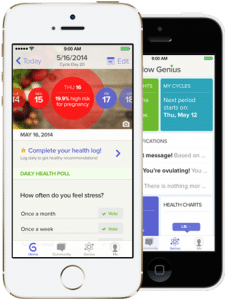
Another other the article reviewed was Glow, a new and innovative app that launched in August 2013. Offers patients two things: first, it is a free mobile application available for iOS users (iPhone, iPad, etc) offering women the ability to track and provide them with insights about their reproductive health. By having women track their ovulation, Glow will be able to inform women and their partners of their fertility window and their changes of conception.

Secondly, along with the app, users can apply to take part in Glow First, a not-for-profit fund for couples just starting their fertility journey. Participants contribute $50 per month over the course of ten months. This money goes into a pool what will be divided equally amongst any participants who did not achieve a natural pregnancy after ten months while using the Glow app. The first group that began contributing in October 2013 has just ended. Roughly 50 people participated, according to the company. The payout to those who didn’t become pregnant was $1,800.

Read the NPR Story

If you are ready to schedule an appointment at Shady Grove Fertility, please speak with one of our New Patient Liaisons at 877-971-7755.

 

Filed Under: Insurance & Savings Tagged With: Donor egg, In vitro fertilization (IVF), Shared Risk 100% IVF Refund Program

July 2, 2014 by Shady Grove Fertility

In case you missed it, last week Simon Kipersztok, M.D. of our Waldorf, MD office hosted an online Getting Started with Infertility Treatment Webcast for current and prospective patients interested in learning more about infertility treatment and the financial options available at Shady Grove Fertility. In addition to the presentation, Dr. Kipersztok took questions from the audience on topics ranging from diagnostic testing and treatment to insurance coverage and financial programs. Here are some of the questions from the audience.

Q: What will happen during the initial appointment if I don’t have any baseline tests completed at the time of the appointment?

A: Patients that come to see me have varying levels of the initial work-up completed prior to their initial appointment. At the consultation, we will review the tests that have been completed and what is still needed to help us determine an accurate diagnosis and ultimately the right infertility treatment plan. Once we know what is needed your nurse will be will be able to coordinate the remaining tests. It is important to bring paperwork, such as the new patient packet our New Patient Center mailed after scheduling the consultation and a copy of any fertility related medical records from other physicians. Learn more about fertility testing.

Q: Will my spouse have to complete a semen analysis? Do you treat male factor infertility? How?

Male infertility occurs with 40 to 50 percent of couples experiencing infertility, making a semen analysis a vital part of a fertility assessment. As far as scheduling the semen analysis, your nurse can help to arrange the appointment for your partner. Collection can be completed at home; it is requested to abstain from ejaculation for 3 to 5 days prior to the analysis to obtain accurate results.

If male factor infertility is present, depending on the severity, the treatment options vary from IUI to IVF or the use of donor sperm. We also co-manage patient care with fertility focused urologists to help with procedures such as aspirations.

Normal Semen Analysis

Abnormal Semen Analysis

Q: I am scheduled to have an HSG. I hear it is painful and uncomfortable. What can I expect?

A: The majority of the time, if a hysterosalpingogram (HSG) is painful it is due to a blockage in the fallopian  tubes. When no blockage is present, the discomfort is minimal. Speak to your doctor about taking a over-the-counter pain medicine, such as ibuprofen, 30 to 60 minutes before the procedure to prevent or reduce pain during the test. We encourage you to complete the HSG at one of Shady Grove Fertility’s certified radiologic facilities. While on site, our team of infertility specialists will perform the exam and interpret the results. Read more about Dispelling the HSG Myths.

Q: I don’t have insurance, what options are available for me?

A: Shady Grove Fertility offers a variety of cost savings programs when insurance is not available. Financial options such as Shared Risk, Shared Help, and the Multi-Cycle program can help make treatment more affordable for patients. There are also financing options that allow patients to make monthly payments towards the cost of fertility treatment. Lean how you can save on infertility treatment.

Q: Are IVF and IUI the same thing?

A: No, IUI (intrauterine insemination) is a low-tech in-office procedure whereby a concentrated specimen of washed sperm is placed in the uterus through a catheter. The procedure is done at your local Shady Grove Fertility office and takes one to two minutes. It is not painful and does not require anesthesia. Success rates for IUI treatment are dependent on the age of the woman and diagnosis.

IVF (in vitro fertilization) is a process where the ovaries are stimulated to grow multiple follicles which are removed directly from the ovary once they are of a certain size and maturity. Once in the embryology laboratory, fertilization occurs with the partner’s sperm to produce embryos. Three to five days later an embryo is transferred back to the uterus. Similar to IUI treatment, the success rates associated with IVF are dependent on the age of the female partner. Find our more about infertility treatment options.

Q: What are the side effects associated with infertility treatment for women? On average, how long will the whole process take?

A: The majority of side effects from infertility treatment are a result of stimulation medication that can even occur in the most basic treatment options. Common side effects include bloating, minor cramping, and hormonal changes. The intensity and type of side effects that present themselves, if any, will vary patient to patient.

Treatment time varies from patient to patient, but the average cycle takes six to eight weeks.

Q: Have you had many patients that have had a previous tubal ligation? What are the options for these patients?

A: Yes, we have many patients that come to us after having their ‘tubes tied’ – or medically referred to as a tubal  ligation – that want another child. If she had a tubal reversal and the tubes are still open, it may recommend to start with IUI treatment, but if a reversal hasn’t been performed, IVF will most likely be recommended.

When treating women with a previous tubal ligation, most specialists will recommend IVF depending on the age of the women and the number of children desired. Furthermore, if there are other factors present that might impact her ability to conceive – such as male factor – IVF will more than likely be recommended. We advise all patients considering a reversal or IVF to research the cost and success rates for tubal reversal compared to the cost and success rates of IVF.

Q: How likely is it to have multiple births when undergoing IVF or donor egg treatment?

A: When undergoing IVF treatment – either with your own eggs or donated eggs – the risk of multiples increases with the number of embryos transferred. Shady Grove Fertility continues to be a national pioneer in electing to transfer a single embryo, known as eSET. The sole purpose of eSET is to reduce the risk of multiples without reducing the chances of success. The risk of twins with eSET is less than two percent, no different than the chances of multiples during unassisted conception. In the case of donor egg treatment, transferring two embryos increases the chances of multiples significantly – to approximately 50 percent.

Watch the Getting Started with Infertility Treatment Webcast with Dr. Simon Kipersztok.

If you have questions regarding infertility treatment or would like to schedule a new patient appointment, please call our New Patient Center at 877-971-7755 or click to schedule an appointment.

Filed Under: Diagnosing Infertility Tagged With: Donor egg, Hysterosalpingogram (HSG), In vitro fertilization (IVF), Intrauterine insemination (IUI)

  • « Go to Previous Page
  • Page 1
  • Page 2
  • Page 3
  • Page 4
  • Page 5
  • Page 6
  • Interim pages omitted …
  • Page 9
  • Go to Next Page »

Company

  • About SGF
  • About US Fertility
  • Our Doctors
  • Fertility Equity
  • Careers
  • Newsroom
  • SGF College Scholarship
  • Contact Us
  • Voice Your Feedback

Treatments

  • Egg Freezing
  • Intrauterine Insemination (IUI)
  • In Vitro Fertilization (IVF)
  • Frozen Embryo Transfer (FET)
  • LGBTQIA+ Family Building
  • Shared Risk 100% Refund Program
  • All Treatments

Resources

  • Patient Portal
  • Online Bill Pay
  • Library
  • Support Groups & Events

Locations

  • California
  • Colorado
  • Delaware
  • Florida
  • Georgia
  • Maryland
  • North Carolina
  • Pennsylvania
  • Texas
  • Virginia
  • Washington, D.C.

2026 Shady Grove Fertility

  • Policies & Notices
Also of interest
  • In Vitro Fertilization IVF
  • Fertility Tests
  • Research Publications