• Skip to primary navigation
  • Skip to main content
  • Skip to footer
Shady Grove Fertility
  • Become an Egg Donor
  • Referring Physicians
  • 1-888-761-1967
  • Schedule Appointment
  • Get Started
        • Get Started
          • Causes of Infertility
          • Fertility Tests
          • When to Seek Help
          • Find a Doctor
          • Preconception and prenatal vitamins 
          • Schedule an Appointment
        • Personalized Care For
          • Single Parents
          • LGBTQIA+ Family Building
          • People with Cancer
          • Known Genetic Diseases
          • Egg Donors
  • Treatments
        • Fertility
          • Timed Intercourse
          • Ovulation Induction
          • Intrauterine Insemination (IUI)
          • In Vitro Fertilization (IVF)
          • Frozen Embryo Transfer (FET)
        • Donation & Surrogacy
          • Donor Sperm
          • Donor Egg
          • Donor Embryo
          • Gestational Carrier
          • LGBTQIA+ Family Building
          • Single Parents
          • Find a Donor
        • More Treatments
          • Center for Male Fertility
          • Egg Freezing
          • OncoFertility
          • Preimplantation Genetic Testing
          • MIGS
          • All Fertility Treatments
  • Resources
    • Resource Library
    • Events Calendar
    • Patient Stories
    • Mental Health
    • Wellness Center
  • Insurance & Savings
    • Insurance & Benefits
    • Shared Risk 100% Refund Program
    • 100% Refund for Donor Egg
    • Discounts
    • Egg Freezing Costs
    • Financing & Grants
    • Clinical Trials
  • About
    • Find a Doctor
    • About SGF
    • Our Care Team
    • Advanced Practice Providers
    • Fertility Equity
    • Philanthropy
    • Newsroom
    • Careers
    • Contact Us
    • Voice Your Feedback
  • Locations
        • Find a Location
        • California
        • Colorado
        • Delaware
        • Florida
        • Georgia
        • Maryland
        • North Carolina
        • Pennsylvania
        • Texas
        • Virginia
        • Washington, D.C.
        • Chile
        • International & Out of State
        • SGF at Walter Reed National Military Medical Center
  • Patient Hub
    • Online Bill Pay
    • Patient Forms
    • Patient Portal
  • Call your care team
  • Become an egg donor
  • Referring physicians
  • search-icon
  • Schedule appointment 1-888-761-1967

Home / General / Page 19

General

January 26, 2017 by Shady Grove Fertility

For many couples, trying to get pregnant is one of the most exciting journeys of their lives. You daydream about what your nursery will look like, spend hours on baby name websites, and find yourselves obsessing over things like what kind of changing table to buy. It’s one of those moments in life when you can actually feel a new chapter beginning.

For some couples, however, something more serious starts to overshadow the excitement. For some couples, many couples actually, it is a struggle to become pregnant.

The first thing to know is that many encounter unexpected challenges on their way to starting a family. Difficulty conceiving or carrying a baby to term is a common problem. In the United States alone, 7.3 million women have gone through some form of fertility treatment.

But when should you seek fertility help? And what should you do to maximize your chances of getting pregnant? Some women delay seeking fertility help because they don’t know the answers to these tricky questions.

The importance of seeking fertility help early cannot be underestimated. Here are just a few reasons why seeking early fertility help will be beneficial:

1. Your Age

“I tell my patients all the time, maternal age is the single most important indicator of fertility potential. As you get older, getting pregnant becomes more difficult. As a result, the amount of time you should try conceiving on your own before seeking a fertility consultation depends on your age,” advises Shady Grove Fertility board certified reproductive endocrinologist, Jason G. Bromer, M.D. of our Frederick, MD office.

If you’re under 35 years of age and have a regular period, it’s reasonable to try for a year of unprotected intercourse before you seek fertility help.

  • If you’re between 35 and 39, you should only try for 6 months before reaching out for help.
  • If you’re 40 years or older of age, a fertility center should be part of your planning from the start. You shouldn’t wait to schedule a consultation.

“Age is even more critical for women who have known issues that could impact fertility. If you experience irregular cycles, have painful periods or have any known gynecological issues that might affect fertility, you should pursue a fertility evaluation right away,” Dr. Bromer adds.

“No matter your age, if you’ve been trying to conceive on your own for a year or more but haven’t been successful, you have less than a 2 percent chance of success each month if you don’t reach out for support,” reminds Dr. Bromer.

Bottom line: Trying longer isn’t the answer. Getting a simple fertility workup is best.

“By tailoring your family planning to the unique aspects of your age, you can minimize the possibility of surprises and delays,” says Dr. Bromer.

2. Your Emotional Wellbeing

A 2016 survey of over 1,000 SGF patients revealed that 65 percent said they wish they had seen a fertility specialist sooner.

To bring that home, most of us feel as if we have a degree of control over the important aspects of our lives. Couples dealing with infertility often feel a loss of control when it comes to growing their family. And this absence can take its emotional toll.

“The desire to regain control is one of the reasons why nearly 50 percent of the couples who come to us for support don’t wait for an OB/GYN referral before doing so,” explains Dr. Bromer. (Most insurance plans and self-pay do not require a referral in order to see a fertility specialist at SGF.)
And while nothing can entirely eliminate the emotional sting associated with infertility, many couples find some relief in getting answers. They’re able to identify underlying problems possibly preventing conception and can get on a path to parenthood. After all, knowledge is power, and a fertility specialist can provide it.

“I often find myself reminding my patients, you will experience uncertainty when dealing with infertility. But by developing a deeper knowledge of what’s going on in your body sooner, you can reduce this uncertainty and the potential emotional strain of a longer journey toward pregnancy,” says Dr. Bromer.

Schedule an Appointment

3. Decreased Cost of Conception

Another benefit of early intervention is reduced cost. Once you discover you may face challenges becoming pregnant, the sooner you explore your options the less expensive the process is likely to be.

“For women who are older, it may be to bypass some of the less invasive—and often less expensive—treatments and be more aggressive in their attempts at conception,” says Dr. Bromer.

“Similarly, couples who are already quite emotionally taxed by their attempts at conception often elect to move on to the options that, while more expensive, have a higher success rate,” Bromer adds.

Both of these factors result in a higher cost of conception.

If you’re hesitating to explore seeking fertility help out of worry over cost, remember that delaying likely will result in a higher cost of care, and Shady Grove Fertility has many affordable solutions to make treatment more accessible, in addition to 30+ insurance plans in our network.

4. Improved Overall Health

The inability to become pregnant can result from an untreated—and, commonly, undiagnosed—medical condition. While some conditions only impact fertility, others will have an effect on other facets of your life as well.

“Thyroid disease, for example, commonly makes itself known as we begin our efforts in understanding a woman’s fertility struggles. Generally presenting in women in their late 20s and early 30s, thyroid disease’s side effects can include fatigue, muscle weakness, and weight gain.
By treating this disease, which we would have discovered sooner had the individual not delayed treatment, we can reduce or even eliminate these side effects. At the same time, we can enhance a woman’s ability to become pregnant,” explains Dr. Bromer.

5. Greater Likelihood of Successful Fertility Preservation

Getting older doesn’t necessarily have to mean giving up your dreams of parenthood anymore. Now, women can opt to preserve their fertility through egg freezing.

“If you delay seeking fertility help, you don’t just miss your window for conception, you also miss your window to potentially preserve your fertility for later by freezing your eggs. So even if you’re not ready to become a parent right now, you can still benefit from seeking fertility help by freezing your eggs. Doing so means the likelihood of achieving the goal of parenthood will become greater if and when you decide you’re ready,” Dr. Bromer advises.
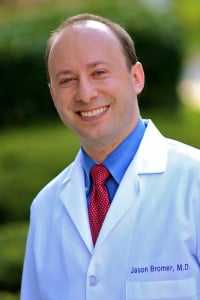
Medical contribution by Jason G. Bromer, M.D. of Shady Grove Fertility’s Frederick, MD office.

Schedule an Appointment

Early intervention offers the best chances of success, so let us help you get started. To learn more about our simple fertility evaluation or to schedule an appointment, please call our New Patient Center and one of our New Patient Liaisons will happily assist you. Please call 1-877-971-7755 or click to complete this simple form.
Filed Under: General

January 3, 2017 by Shady Grove Fertility

When it comes to fertility, there are many smart ways to prepare yourself and your body for pregnancy. However, trying to conceive might not be as simple as stopping birth control pills and conception can take much longer than many women expect. While getting pregnant may be easy for some couples, the reality is, infertility is a pervasive public health issue that affects an estimated one in eight couples.

Although there has certainly been a significant rise in the number of fertility stories in the news over the last few years, it remains a topic that isn’t talked about at cocktail parties or among friends. It’s still very much a topic shrouded in darkness. That lack of discussion in an open forum has created a vacuum in our society filled with a plethora of myths and exaggerations about fertility and fertility treatment, despite the media’s focus.

At Shady Grove Fertility, we take a holistic approach to treatment and believe that education and information are two crucial components for couples starting on their fertility journey. Below are 11 common fertility myths and the real facts behind them.

Fertility Myth #1: It’s easy to get pregnant.

Many people are surprised to learn that a healthy couple 35 and under has a maximum 20 percent chance of getting pregnant each month. The woman needs to be at the peak of ovulation in her menstrual cycle where the endometrial lining is thickest. The sperm then must do a lot of work and make it through many barriers to just reach the egg. Once the sperm does reach the egg there are no guarantees it will fertilize, or implant. Timing and conditions must be just right.

Couples 35 and younger who have been trying for 1 year without any success should seek the advice of an expert, and couples over 35 should try for 6 months and then see a specialist if conception has not occurred.

Fertility Myth #2: Infertility is just more common today.

Although certainly a topic that is predominantly discussed privately among couples and their physicians, there has been a strong uptick in coverage of fertility in popular culture. This doesn’t mean that infertility is more common, it’s just being talked about more. Reality stars and celebrities have discussed their fertility problems publicly and new technologies like egg freezing have brought the topic of fertility and age into the public sphere as major companies offer egg freezing to their female employees.

Fertility Myth #3: It’s a “woman problem.”

Typically, the causes of infertility break down like this: 40 percent is female factor, 40 percent is male factor, 10 percent will have a combination of male and female factor, and the final 10 percent of infertility causes remains unexplained. With female patients 35 and younger, the causes for infertility tend to be PCOS (polycystic ovary syndrome), tubal or pelvic issues, endometriosis, and family history. As part of the preliminary workup to determine treatment men will submit a semen sample to analyze the sperm’s motility (how fast it’s moving), shape, and sperm count. Common causes of male infertility tend to be from prior surgery, infection, or a problem present at birth.

Fertility Myth #4: I can wait until I’m 40.

The most important consideration and predictor of success is a woman’s age. Around age 35 the quality and quantity of a woman’s egg supply will begin to sharply diminish. Women are born with all the eggs they will ever have and once a month an egg will be released. If it isn’t fertilized by sperm regular menstruation will occur. Sometimes we hear from women nearing or over 40 that they exercise regularly, don’t smoke, and don’t partake in drinking alcohol or recreational drug use. While all of that contributes to a healthy lifestyle, that is ultimately not the way to determine fertility at 40 or after.

Fertility Myth #5: It won’t make a difference if I lose weight.

Besides age, body mass index (BMI) is one of the most important factors that can affect fertility. Repeated studies have shown that overweight men and women are more successful conceiving naturally after losing even a small amount of weight. Being overweight can pose health risks for the mother and the baby including gestational diabetes and an increased chance of heart disease. Overweight women also have a higher rate of miscarriage.

Fertility Myth #6: IVF is the only form of treatment.

Many couples are surprised to find out that there is a spectrum of treatment options that does not begin with the most medically invasive procedure, in vitro fertilization (IVF).  After a couple undergoes the diagnostic testing to determine the cause (or causes) that are contributing to their inability to conceive, the physician will recommend a course of treatment that oftentimes will begin with what’s usually referred to as low-tech or basic treatments. These include timed intercourse with an oral medication such as Clomid (Clomid is a prescription drug that helps the growth of a mature egg). If that protocol does not result in a successful pregnancy, the next step is intrauterine insemination (IUI). This is an in-office procedure where healthy sperm is directly injected into a woman’s uterus. It takes just minutes and the patient can return to her regular activities afterwards.

Fertility Myth #7: Fertility treatment always results in multiples.

For many years fertility experts were not able to examine the quality of embryos created during the IVF process. With a high level of uncertainty physicians would typically transfer two and sometimes more than two embryos in hopes of successful implantation. And yes, multiple births were more common. Today, technology allows embryologists and physicians to examine embryos much more carefully and select with confidence the one or two that we believe will implant and result in a successful pregnancy. At Shady Grove Fertility we’ve pioneered and are leading proponents of elective single embryo transfer, or eSET. Studying all embryos that have reached the blastocyst stage (when the cells are multiplying at a healthy level and the embryo continues to grow) we have drastically decreased the number of multiples and raised the number of healthy singletons born, thereby reducing the risks to both baby and mother.

Fertility Myth #8: I already have a child so I don’t have a problem with fertility.

Knowing the greatest detriment to a woman’s fertility is age, it only makes sense that secondary infertility is an important factor women should be aware of when trying for a second, or third child. For couples 35 and younger we recommend trying to conceive for 1 year before seeing a specialist, and for couples 35 and up, trying for 6 months. Besides age, other causes of secondary infertility include an internal complication because of the previous pregnancy, weight gain, and male factor (also due to age).

Fertility Myth #9: Birth control decreases fertility.

Yes, it is obvious that for women NOT wanting to get pregnant, birth control is a valuable tool. However, in some cases we will begin a patient’s treatment protocol with a 2 to 4-week dose of birth control pills, which has shown to improve the outcome of treatment. For example, for women with PCOS, a short period on birth control can suppress testosterone and LH levels. Birth control can help prevent ovaries from making a single dominant follicle instead of many follicles to create multiple eggs.

Fertility Myth #10: Treatment is too expensive.

We all agree that fertility treatment costs should be reduced and at Shady Grove Fertility we offer comprehensive financial counseling to every patient. The good news is that approximately 70 percent of patients have some level of insurance coverage for testing and treatment, depending on the carrier. Almost all patients have at least some coverage for the initial consultation with a physician. SGF also proudly offers our Shared Risk 100% Refund Program. Eligible patients receive up to six in vitro fertilization (IVF) or donor egg cycles and any subsequent frozen embryo transfers (FETs) for one flat fee. In the event the attempts are unsuccessful, the patient may be eligible for a 100% refund. SGF also offers the Shared Help plan, which provides discounts for most costs associated with testing and treating infertility.

Fertility Myth #11: Every fertility center is the same.

It is very important for anyone considering fertility treatment to do a bit of homework. The most important factors prospective patients should look for in a fertility center are the center’s success rates, and more specifically the delivery rate. The pregnancy rate is not analogous to the rate of live births. Second, look at the physicians’ experience and expertise. Find out if they are recognized as upstanding members and participants in the medical community and whether the center is active in research. Convenience should be on your checklist as well. During treatment, regular monitoring is necessary and traveling long distances every other day for up to a week will only add to your stress level.

If you are struggling to conceive, don’t wait to schedule an appointment with a fertility specialist. The earlier you seek help, the sooner you will be on the road to parenthood.

Medical Contribution by: Dr. Paulette Browne of SGF’s Fair Oaks, VA location.

Schedule an Appointment

To learn more about fertility myths or to schedule an appointment, please call our New Patient Liaisons at 1-877-971-7755 or click here.

Filed Under: General

October 25, 2016 by Shady Grove Fertility

You might be wondering if getting pregnant will be easy and you have a multitude of questions about what to look for when it comes to weight, supplements, and fertility tests. Dr. Stephanie Beall, M.D., Ph.D. of our Columbia, MD and Towson, MD offices, addresses questions about factors that may impact your ability to get pregnant.

Can weight have a negative impact on getting pregnant?

Weight can definitely affect fertility. The risk of miscarriage and stillbirth is higher and pregnancy is more complicated as weight increases. This could be due to hormonal imbalances or ovulation problems due to an increase in insulin. At the same time, being underweight can also affect your fertility. Women with an underweight BMI are most likely not receiving the necessary amount of nutrients for healthy ovulation, and therefore face complications in getting pregnant.

Should I take fertility supplements if I want to get pregnant?

Supplements can be very helpful if the right one is chosen. When choosing a nutritional supplement, it’s important to consider factors such as ingredients, safety, quality, and price. Shady Grove Fertility is proud to recommend Luminary Vitamins and Theralogix to offer high-quality, evidence-based nutritional supplements patients can trust. 

How do I know when it’s time to stop trying on my own and see a specialist?

If you’ve been having unprotected intercourse without conception for 1 year and you’re younger than 35, it’s time to see a specialist; if you’re 35 to 40, it’s time to see a specialist after 6 months; if you’re over 40, it’s time to see a specialist after 3 months. Two important items of note: firstly, you’ll notice that the definition of “trying to conceive” doesn’t mention frequency of intercourse or timing of intercourse, whether you’re using ovulation predictor kits, tracking your temperature, etc. It only mentions if you’re having unprotected intercourse. Therefore, for a couple who is having regular, unprotected intercourse, regardless of whether they are “trying” or not is effectively “trying to conceive.” Secondly, there are early warning signs that warrant the need for a woman to see a specialist sooner, such as irregular or absent menstrual cycles, two or more miscarriages, painful periods, history of pelvic surgery, or diagnosis of endometriosis.

How come my fertility evaluation came back normal and I still can’t get pregnant?

About 10 percent of couples with infertility have normal testing and never find out why. While frustrating, unexplained infertility can be treated with treatment usually starting with “low-tech” options like Clomid or intrauterine insemination (IUI). If unsuccessful, you may need to consider more advanced treatments like in-vitro fertilization (IVF). At SGF, we take a stepped-care approach to treatment starting with low-tech treatment first before we consider moving you to in vitro fertilization (IVF). In fact, more than 50 percent of the treatments performed at SGF are low-tech. IVF can be a very effective treatment for unexplained infertility.

Do genetics play a role in fertility?

Yes, genetics can definitely play a role. There are certain genetic factors that can be passed down from mother to daughter that can impact your ability to get pregnant. We recommend genetic screening when planning for pregnancy that test for more than 100 different diseases and syndromes. Even if you’re healthy and never had a family member with a known disease, you could still be a carrier of a genetic mutation that could make getting pregnant more difficult and put your future offspring at risk, which makes screening all the more important when you’re considering getting pregnant.

Schedule an Appointment


Filed Under: General

October 18, 2016 by Shady Grove Fertility

We’re closer than you think! In 2014, we had more babies born than the next 20 closest fertility clinics, combined, so we’re thrilled to announce the opening of two new satellite locations in Northern Virginia: Haymarket and Dulles-Aldie!

The increasing demand for convenient access to world-class fertility care throughout Northern Virginia is what prompted the opening of our new full-service Arlington, VA office and two new satellite locations in Haymarket and Dulles-Aldie. With this expansion, we are able to provide more accessibility to our patients and offer an array of fertility services to people in this region.


Naveed Khan, M.D.

The Dulles-Aldie satellite office is located in the Stone Springs Hospital Center between Chantilly and Middleburg in Loudoun County. Dr. Naveed Khan will be seeing patients for new consults and follow up visits upon its opening in early November. All other appointments, such as monitoring and testing, will be held at our full service office in Leesburg, VA. Dr. Khan comments, “We expanded our services to our patients in southern Loudoun County where we are seeing a population boom and a demand to make access to fertility care more convenient.”

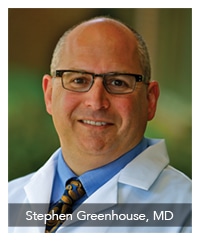
Stephen Greenhouse, M.D.

Our second satellite office in Haymarket is located at Novant Medical Center. Dr. Stephen Greenhouse will be seeing patients for new consults and follow- up visits upon its opening in early November. All other appointments, such as monitoring and testing, will be held at Dr. Greenhouse’s primary office location in Fair Oaks, VA, just a short drive away from Haymarket. “We are looking forward to establishing a closer relationship with the Haymarket community. We feel that providing fertility care closer to home will reduce the time demands and stress that is associated with fertility treatment,” commented Dr. Greenhouse.

Why We’re Expanding at Shady Grove Fertility

Our mission at Shady Grove Fertility is to provide our patients with access to affordable yet highly specialized and personalized fertility care. With the expansion of our Virginia offices, we can do just that. Dulles-Aldie and Haymarket are both growing markets with an influx of new hospitals, housing, and jobs.

Your First Appointment at our Center

Your first appointment at Shady Grove Fertility is just a conversation, nothing intimidating, and one of the most important steps in your fertility journey. With new easily accessible locations, we are bringing highly specialized fertility care to you. With Shady Grove Fertility’s unique financial programs such as our Shared Risk 100% Refund Guarantee and Shared Help Programs, we aim to make treatment affordable and accessible to all. Plus, more than 90 percent of our patients have insurance coverage for their physician consult, and more than 70 percent have at least some coverage for diagnostic testing and treatment.

View Our Fertility Clinics In:

  • Virginia
  • Maryland
  • Pennsylvania
  • Washington, D.C.
Schedule an Appointment

To learn more about our fertility clinics in Dulles-Aldie and Haymarket, call 1-877-971-7755 to schedule your appointment today. 

Filed Under: General

October 7, 2016 by Shady Grove Fertility

The Zika virus is a relatively new concern for women and couples who are currently pregnant or trying to conceive. Due to the many unknowns about Zika and its relative newness in the United States, many people are unsure if they should be waiting to conceive. Shady Grove Fertility’s Executive Senior Medical Officer, Dr. Eric Widra, provided updated guidelines and recommendations based on recent information published by the Centers for Disease Control and Prevention (CDC). These recommendations are very conservative and suggest most women do not need to delay pregnancy. Proactive methods to prevent exposure along with acknowledgement of the risks are important during this time.

What is the Zika virus?

Zika is a virus that has been known for many years in Central and South America.  It typically causes mild flu-like symptoms and, until recently, was considered unimportant from a public health perspective.  It can be transmitted from person to person by mosquito bites and sex.  In the last year, it has been linked to severe birth defects including microcephaly, if contracted during pregnancy. It has also been linked to a rare consequence of viral infections known as Guillain Barré syndrome.

Where has Zika occurred?

The list of areas where Zika infections caused my mosquitos has occurred is maintained by the CDC.

There have been questions about going to a country where Zika is endemic, not epidemic, and the risk of such travel.  The CDC reviews the difference between endemic and epidemic Zika, along with the Zika risk in countries with endemic Zika.  While the risk of getting Zika in countries where Zika is endemic is likely lower than in countries where Zika is epidemic, it is not zero.  Patients planning on becoming pregnant should consider postponing nonessential travel to these areas and if they do choose to travel there they should strictly follow steps to prevent mosquito bites and protect themselves against sexual transmission of Zika virus.

Countries where Zika is endemic:

  • Southeast Asia
    • Brunei, (Myanmar), Cambodia, Indonesia, Laos, Malaysia, Maldives, Philippines, Thailand, Timor-Leste (East Timor), Vietnam

Countries outside Southeast Asia where Zika is endemic:

  • Africa
    • Angola, Benin, Burkina-Faso, Cameroon, Central African Republic, Côte d’Ivoire, Egypt, Ethiopia, Gabon, Guinea-Bissau, Kenya, Liberia, Mali, Mozambique, Niger, Nigeria, Senegal, Sierra Leone, Somalia, Tanzania, Togo, Uganda, Zambia
  • Asia
    • Bangladesh, India, Pakistan
  • Pacific Islands
    • Easter Island, Vanuatu

Recommendations for Women Who are Pregnant:

For women who are currently pregnant:

  • Avoid travel to any Zika-affected areas.
  • If you must travel to an affected area, practice careful mosquito bite prevention.
  • If a male sexual partner has traveled to an affected area, he should use condoms during vaginal, oral, or anal sex for the duration of the pregnancy to avoid sexual transmission of the virus.
  • If a pregnant woman is exposed to Zika, with or without symptoms, she should be tested.

Recommendations for Men and Women Who are Trying to Conceive:

For men and women planning or trying to conceive:

  • Avoid travel to any Zika-affected areas.
  • If you must travel to an affected area, practice careful mosquito bite prevention.
  • For men who must travel to a Zika-affected area, we recommend strong consideration of sperm cryopreservation prior to travel. If engaging in sexual activity in an affected area, condoms should be used during vaginal, oral, or anal sex.
  • For men and women with a diagnosis of Zika, both should wait 6 months from the event to try and conceive. Avoid intimate sexual contact or use condoms for the 6 months
  • For men and women with possible exposure to Zika through travel or sexual intercourse but no symptoms, they should be tested for the Zika virus. If the testing is negative wait 8 weeks from the event and repeat testing. If the testing remains negative, you may proceed with treatment or attempting pregnancy.

Testing for Zika

Testing is now available for men and women who have been in an area with active transmission of the Zika virus.  It is recommended that both men and women be tested and observe the waiting periods as outlined above before trying to conceive.  Testing, while available, may not be universally available, and the cost is not universally covered by insurance.  Please talk with your doctor or healthcare provider.

While it is time for concern, we certainly don’t think it is time for panic, just sensible acknowledgement of the risks. For the most up-to-date information, please visit the CDC website. 

Schedule A New Patient Appointment

If you are concerned about the Zika virus and pregnancy and experiencing infertility, please call Shady Grove Fertility’s new patient center at 1-877-971-7755.

Editors Note: This post was originally published in June 2016 and has been updated for accuracy and comprehensiveness as of June 21, 2017

Filed Under: General

September 1, 2016 by Shady Grove Fertility

With so many resources available to help you keep track of your fertility, including mobile apps such as GLOW, many men and women are finding more online avenues to discuss their concerns and get the answers to their fertility questions. Being proactive about your reproductive health combined with seeking the expertise of a fertility specialist can put you on the path to parenthood.

On average, it takes a couple 5 to 7 months to conceive, so if you’ve only been off birth control for a few months, there may not be a need to be concerned. However, if more time passes and you haven’t conceived, it is important to know when to reach out to a specialist.

When to See a Fertility Specialist

At Shady Grove Fertility, in accordance to national guidelines, if you’re a female under the age of 35 and have not conceived after 12 months of unprotected sex, we recommend you see a fertility specialist. If you’re over the age of 35, we recommend seeing a specialist after 6 months of unprotected sex if conception has not occurred.

However, if you have irregular periods or no period at all, it may mean you are not ovulating, making it very difficult, if not impossible, to conceive on your own. While there are many reasons why you may miss your period, ovulatory disorders are a common cause of infertility for women. If you have irregular menstrual cycles, we recommend you speak with a fertility doctor if you’re looking to conceive.

No matter if you have been actively trying to conceive or not, couples having unprotected sexual intercourse for more than 6 or 12 months, depending on the age, should seek a fertility consult. You can read more of our frequently asked questions about conception here.

There are many variables that play into the whole process of getting pregnant. Scheduling to see a fertility doctor at Shady Grove Fertility is just a conversation, to give you the knowledge you need to make informed decisions about your options and timeline.

If you decide to pursue treatment, both partners need to be evaluated. This involves a detailed medical history for both plus bloodwork, ovarian reserve testing, ultrasound, and hysterosalpingogram (HSG) for the female, and a semen analysis  for the male.

What medical conditions warrant seeing a fertility specialist earlier?

The more proactive you can be in seeking treatment earlier, the better your chances of success. Conditions that warrant seeing a fertility specialist earlier include:

  • The absence of a menstrual cycle
  • If the male is having trouble achieving or maintaining an erection
  • Complex medical conditions
  • Genetic disorders that may affect the couple’s ability to conceive
  • Two or more miscarriages
  • History of sexually transmitted infections, or STIs (formerly known as sexually transmitted diseases, STDs)
  • Endometriosis
  • Polycystic ovary syndrome (PCOS)
  • Family history or previous diagnosis of premature menopause
  • Recent diagnosis of cancer or other condition with invasive therapies

How to Find a Fertility Specialist

A few ways you can get started is to connect with your primary care physician, OB/GYN, or urologist for a recommendation. Talk to your friends, or contact the American Society for Reproductive Medicine or RESOLVE: The National Infertility Association for referrals to specialists in your area. Nearly half of our patients are self-referred, and nearly 96 percent of our patients would refer Shady Grove Fertility to a friend or family member. This is a positive sign that people are educating themselves and feeling empowered enough to find and request the evaluations they need to make good treatment choices.

At Shady Grove Fertility, we offer treatment services in Maryland, Pennsylvania, Virginia, and Washington, D.C. With 35 reproductive endocrinologists, we’ve celebrated 40,000 births over our 25 year history. You can trust that our accessibility and experience will give you the answers you desire.

The primary message we wish to convey to people trying to get pregnant is to seek an early consultation for a fertility assessment. Initial infertility evaluations are relatively simple and may, in fact, uncover a diagnosis that requires more specialized care in order for successful pregnancy to occur. Finding out potential problems early puts more time on your side.

What questions should you ask a Fertility specialist?

It can be difficult for even the most prepared couple to know the right questions to ask your doctor when discussing fertility. Some questions you might consider may include:

  • Why haven’t I been able to conceive?
  • How is my age affecting my ability to conceive?
  • What kinds of tests do I need?
  • Will you order a semen analysis for my partner?
  • How much experience do you have treating infertility patients?

Make the Most of Your First Fertility Consult

Your first fertility consult will provide you with the tools and information that you will need to move forward on your journey, as well as the team that will help you through the process and be with you every step of the way. In order to get the most out of this experience, don’t forget to bring your records and other important clinical documents (see the appointment checklist).

Schedule Today

If you’re having trouble starting or growing your family, choose a national leader. Call 1-888-761-1967 to speak with one of our New Patient Liaisons and schedule an appointment.

Filed Under: General

  • « Go to Previous Page
  • Page 1
  • Interim pages omitted …
  • Page 17
  • Page 18
  • Page 19
  • Page 20
  • Page 21
  • Interim pages omitted …
  • Page 46
  • Go to Next Page »

Company

  • About SGF
  • About US Fertility
  • Our Doctors
  • Fertility Equity
  • Careers
  • Newsroom
  • SGF College Scholarship
  • Contact Us
  • Voice Your Feedback

Treatments

  • Egg Freezing
  • Intrauterine Insemination (IUI)
  • In Vitro Fertilization (IVF)
  • Frozen Embryo Transfer (FET)
  • LGBTQIA+ Family Building
  • Shared Risk 100% Refund Program
  • All Treatments

Resources

  • Patient Portal
  • Online Bill Pay
  • Library
  • Support Groups & Events

Locations

  • California
  • Colorado
  • Delaware
  • Florida
  • Georgia
  • Maryland
  • North Carolina
  • Pennsylvania
  • Texas
  • Virginia
  • Washington, D.C.

2026 Shady Grove Fertility

  • Policies & Notices