• Skip to primary navigation
  • Skip to main content
  • Skip to footer
Shady Grove Fertility
  • Become an Egg Donor
  • Referring Physicians
  • 1-888-761-1967
  • Schedule Appointment
  • Get Started
        • Get Started
          • Causes of Infertility
          • Fertility Tests
          • When to Seek Help
          • Find a Doctor
          • Preconception and prenatal vitamins 
          • Schedule an Appointment
        • Personalized Care For
          • Single Parents
          • LGBTQIA+ Family Building
          • People with Cancer
          • Known Genetic Diseases
          • Egg Donors
  • Treatments
        • Fertility
          • Timed Intercourse
          • Ovulation Induction
          • Intrauterine Insemination (IUI)
          • In Vitro Fertilization (IVF)
          • Frozen Embryo Transfer (FET)
        • Donation & Surrogacy
          • Donor Sperm
          • Donor Egg
          • Donor Embryo
          • Gestational Carrier
          • LGBTQIA+ Family Building
          • Single Parents
          • Find a Donor
        • More Treatments
          • Center for Male Fertility
          • Egg Freezing
          • OncoFertility
          • Preimplantation Genetic Testing
          • MIGS
          • All Fertility Treatments
  • Resources
    • Resource Library
    • Events Calendar
    • Patient Stories
    • Mental Health
    • Wellness Center
  • Insurance & Savings
    • Insurance & Benefits
    • Shared Risk 100% Refund Program
    • 100% Refund for Donor Egg
    • Discounts
    • Egg Freezing Costs
    • Financing & Grants
    • Clinical Trials
  • About
    • Find a Doctor
    • About SGF
    • Our Care Team
    • Advanced Practice Providers
    • Fertility Equity
    • Philanthropy
    • Newsroom
    • Careers
    • Contact Us
    • Voice Your Feedback
  • Locations
        • Find a Location
        • California
        • Colorado
        • Delaware
        • Florida
        • Georgia
        • Maryland
        • North Carolina
        • Pennsylvania
        • Texas
        • Virginia
        • Washington, D.C.
        • Chile
        • International & Out of State
        • SGF at Walter Reed National Military Medical Center
  • Patient Hub
    • Online Bill Pay
    • Patient Forms
    • Patient Portal
  • Call your care team
  • Become an egg donor
  • Referring physicians
  • search-icon
  • Schedule appointment 1-888-761-1967

Home / Diagnosing Infertility / Page 12

Diagnosing Infertility

May 7, 2015 by Shady Grove Fertility

Medical contribution by Stephanie Beall, M.D., Ph.D.

Stephanie Beall, M.D., Ph.D.

Many people have heard of in vitro fertilization (IVF), a commonly used fertility treatment. Some people erroneously assume that IVF is the only form of fertility treatment, without realizing that most patients do not begin their treatment journey with this approach. Most patients actually start with a low-tech treatment option, such as timed intercourse or intrauterine insemination (IUI). Regardless of where you start your journey, if it involves IVF, let the information in this fact sheet be your guide.

What is IVF?

In the simplest terms, IVF is a procedure in which a physician will remove one or more eggs from the ovaries that are then fertilized by sperm inside the embryology lab. IVF is the most successful treatment a couple can do using their own eggs and sperm (or donor sperm). IVF has become mainstream, widely accepted, and continues to grow, due to significant technological advances.

  • Read Shady Grove Fertility’s IVF Success Rates
  • Understanding Success Rates

Who Needs IVF?

There are many types of diagnoses that may lead to patients undergoing IVF. Here are some of the most common indications for IVF treatment:

  • Fallopian tube damage/tubal factor: In order to treat significant tubal damage, surgical repair or IVF (which bypasses the fallopian tubes) are the available treatment options. Your physician and your individual medical history can help determine the best course of action for your diagnosis.
  • Male factor infertility: In nearly 40 percent of infertility cases, the diagnosis is male factor infertility. The cause of male factor is often unknown, but some problems have been identified, including sperm production disorders, abnormalities of the reproductive tract, difficulty with erections or ejaculation, endocrine and immune disorders. Intracytoplasmic sperm injection (ICSI) has made significant strides for patients with male factor infertility. Learn more below.
  • Endometriosis: Endometriosis may be effectively treated with either surgery or IVF depending on the severity of endometriosis and other factors that could impact the chance of pregnancy.
  • Age-related infertility: As a woman ages, her ovarian reserve (egg supply) will decrease, with egg quality also negatively impacted. In many cases, this reduced ovarian function can be overcome through the use of IVF.
  • Unexplained infertility: Approximately 10 percent of couples will have no identifiable cause of infertility after completing a comprehensive evaluation. IVF is often successful, even if more conservative low-tech treatments have previously failed.
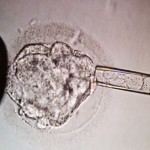
Embryo biopsy

Genetic abnormalities: For patients who are at risk for passing to their children a genetic disorder, preimplantation genetic diagnosis (PGD)—in which a few cells are removed from an embryo and tested for genetic disorders—can provide information about which embryo(s) the physician should transfer back to the female partner. IVF has created the ability to perform PGD, as fertilization of the embryos occurs in the lab. Additionally, for patients who experience recurrent pregnancy loss or have repeated unsuccessful IVF cycles, preconception genetic screening (PGS) provides the opportunity to discover if the underlying cause may exist on the genetic level.

What is the Timeline for an Average IVF Cycle?

In a normal ovulation cycle, one egg matures per month. The goal of an IVF cycle is to have many mature eggs available, as this will increase the chances of success with treatment. In order for there to be more than one egg available, stimulation of the ovaries needs to occur.

Part I: Stimulation of the Ovaries

In the stimulation phase of an IVF cycle, a patient will use injectible medications for approximately 8 to 14 days to stimulate the ovaries to produce eggs. Follicle-stimulating hormone (FSH) and luteinizing hormone (LH), both produced naturally within the body, comprise the medications. During the stimulation phase, patients will come into the office roughly 7 to 8 times for morning monitoring. Monitoring allows the physician to track the progress of the cycle and adjust medication dosages as needed. During a monitoring appointment, the patient will undergo an ultrasound and bloodwork:

  • The transvaginal ultrasound measures the growth of the egg-containing follicles and the thickness of the uterine lining, both of which should be increasing throughout the stimulation phase.
  • A nurse or clinical assistant will draw blood at each appointment to measure estrogen and progesterone levels. This level is another indicator of the growth and maturation of the eggs, and it rises as the follicles grow.

On the afternoon of a monitoring appointment, the patient can expect a phone call from her nurse with updates, including any changes in medication dosing and to coordinate the next monitoring appointment.
The Trigger Shot
The trigger shot is the final step in the stimulation phase of treatment. Depending on the patient’s individual protocol, she will either have a human chorionic gonadotropin (hCG) or Lupron trigger shot. This shot helps the developing eggs to complete the maturation process and sets ovulation in motion. Timing is very important here, as the physician must perform the egg retrieval prior to the expected time of ovulation.

Part II: Egg Retrieval

Eggs under the microscope.

A physician will perform your egg retrieval procedure at one of Shady Grove Fertility’s ambulatory surgery centers (ASC) in Rockville, MD, Towson, MD, or Chesterbrook, PA. On the morning of your egg retrieval, a physician will meet with you before the procedure to review your protocol. You will also meet with an anesthetist, who will review your medical history and will administer the IV fluid you will receive prior to the start of the procedure to induce sleep.

  • Obtaining the sperm: If patients are using a fresh sperm sample, a lab technician will come to accept the sample. If you are using a frozen sperm sample or donor sperm collected at a previous date, the technician will verify those details with you. Our andrology lab will clean and prepare the sperm, so that the healthiest sperm are brought together with the eggs for fertilization (after the physician performs the egg retrieval).
  • Obtaining the eggs: The egg retrieval itself takes about 20 to 30 minutes. During the procedure, the physician will guide a needle into each ovary to remove the egg-containing fluid in each follicle. The physician utilizes an ultrasound during the procedure to see where to guide the needle. Recovery will take about 30 minutes and patients are able to walk out on their own, though someone will need to drive them home since they had been under anesthesia.
  • What to Expect the Day of Your Egg Retrieval (Video)

Part III: Fertilization

After the egg retrieval, the embryologist will sort and prepare the eggs and sperm. There are two ways that fertilization can take place: conventional insemination or ICSI. The physician and patient will discuss which method to use based on sperm quality; this is traditionally planned in advance. In some cases, the embryologist may see that semen parameters for conventional insemination are not being met, so she/he will recommend the switch to ICSI to produce the greatest chance of success. Your clinical team will let you know if they recommend an unanticipated ICSI procedure.

  • Conventional insemination: For conventional insemination, the embryologist takes the prepared sperm sample and isolates the healthiest sperm. He/she will then incubate this sperm with the eggs in a Petri dish. This gives the egg and sperm the opportunity to find one another and fertilize.

ICSI
  • ICSI: There are many reasons why an embryologist might use ICSI, but the predominant cause is severe male factor infertility. ICSI provides patients the ability to isolate one healthy sperm for insemination. During ICSI, the egg and sperm don’t find one another as in conventional insemination; instead, an embryologist injects a single healthy sperm into the cytoplasm, or center, of each egg. ICSI has become one of the most incredible advances in fertility treatment, as it makes fertilization possible in even the most severe male factor infertility cases.
  • Part IV: Embryo Development

    Embryo development

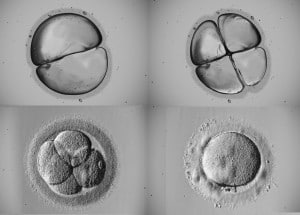
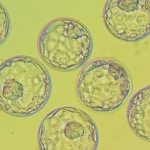
    Embryo development begins after fertilization. An embryologist examines each developing embryo every morning for the following 5 to 6 days. The goal is to see progressive development, with a four-cell embryo on day 2 and an eight-cell embryo on day 3. After the eight-cell stage, rapid cell division continues and the embryo enters into what is called the blastocyst stage at day 5 or 6. It is your physician’s goal to transfer the highest-quality embryo or embryos to give patients the greatest chance of reproductive success.

    • Why SGF recommends elective single embryo transfer (eSET)

    Part V: Embryo Transfer

    Blastocysts

    The embryo transfer is a simple procedure that only takes about 5 minutes to complete. There is no anesthesia or recovery time needed. When your nurse schedules your transfer, she will notify you and provide instructions on when to arrive and how to prepare. You need to have a full bladder for the procedure. It’s important to drink the specific amount of liquid recommended 30 to 40 minutes ahead of time.

    You will review your cycle with the physician and the number of embryos recommended for transfer. The embryologist will load the transfer catheter in the embryology lab with the embryo; upon entering the patient’s room, the embryologist will again confirm the patient’s last name and the number of embryos in the catheter. The physician will insert the catheter into the uterus and push the embryo through with a small amount of fluid. An external abdominal ultrasound provides visual guidance to the physician throughout the procedure via a monitor.

    Once the physician transfers the embryo, he/she will slowly remove the catheter. Since the embryo is invisible to the naked eye, the embryologist will then examine the catheter under a microscope in the lab to ensure that the embryo was released. The nurse will give you instructions for the following two weeks until it’s time for the beta pregnancy test.

    • Navigating the two week wait (TWW)

    Part VI: The Beta Pregnancy Test

    Two weeks after the embryo transfer, a nurse or clinical assistant will perform a blood pregnancy test. This test is frequently called a “beta” because it measures the beta chain portion of the hCG hormone emitted by the developing embryo.

    Though many patients are tempted to take an at-home pregnancy test, we caution against it, as these tests can render false positives or negatives. There is nothing inherently wrong with at-home pregnancy tests, but in the instance of IVF, the blood test is more accurate and reliable. Earlier, we spoke about the trigger shot, which can either be Lupron or hCG. If you have an hCG trigger shot, it may remain in the blood and show up on an at-home pregnancy test, possibly rendering a false positive. The urine test cannot discern the difference between the hCG in the trigger shot or the hCG seen elevated during a pregnancy. It’s better to wait the two weeks (though we definitely know how hard it is) and have the beta pregnancy test.

    Affording IVF Treatment with the Shared Risk 100% Refund Guarantee Program
    Our Shared Risk 100% Refund Guarantee Program financially insures you against the risk of not being successful. In this program, you elect to pay a flat fee that covers up to six cycles of IVF treatment. If you do not take home a baby as a result of those cycles (and the transfer of any frozen embryos), 100 percent of the fee is refunded, preserving your resources for other family building options (some exclusions may apply).

    • 100% Shared Risk Refund Guarantee for IVF and Donor Egg [Video]
    • Read Sara and Kevin’s Patient Journey

    At Shady Grove Fertility, we understand the financial considerations that go into the decision to begin—or continue—fertility treatment. As part of our efforts to make treatment more affordable, we participate with more than 30 insurance providers. While many patients have some form of insurance coverage for treatment, or live in a location that has coverage provided by mandate, we recognize that there are many without sufficient coverage or insurance benefits. With that in mind, SGF developed additional financial programs to help ease the cost of treatment.

    If you would like to learn more about IVF or to schedule an appointment, please speak with one of our New Patient Liaisons at 877-971-7755.

    Filed Under: Diagnosing Infertility Tagged With: Advanced maternal age, Endometriosis, Unexplained infertility

    April 9, 2015 by Shady Grove Fertility

    Medical contribution by Wende Allen, PA-C

    Wende Allen, PA-C

    If you’ve begun the process to evaluate the cause of your infertility, no doubt you are concerned about the testing that will be required. In particular, the hysterosalpingogram (HSG) may be the test you are most dreading. Possibly, well-intended friends and family have shared their experiences in crisp detail. You’ve gone to Google for reassurance only to stumble upon blogs from other patients who have not had a good experience and are all too happy to discuss and embellish it. Actually, now you are more anxious than before.

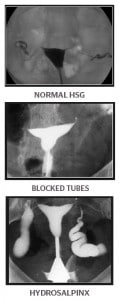
    We perform a hysterosalpingogram (HSG) routinely for patients having difficulty conceiving because it is an excellent test used for three primary reasons:

    • to see if a patient’s fallopian tubes are open
    • to assess whether the uterus has normal shape
    • to ensure the cavity is not affected by fibroids, polyps, or scar tissue

    The HSG requires the assistance of a certain type of x-ray called a fluoroscopy. At Shady Grove Fertility’s Rockville and Towson offices, we have an x-ray room dedicated to these procedures. An experienced mid-level provider (PA-C or CRNP) or a physician, both of whom are specially trained in advanced gynecological procedures, will perform your procedure. The provider will explain your results immediately following the procedure, and your physician will review these images as part of your medical file.

    What exactly happens during an HSG?

    The provider will place a speculum into the vagina, in the same manner as if you were having a Pap smear. He or she will cleanse the cervix with an antiseptic solution before placing a small, flexible catheter approximately 1 inch into the cervical canal, where it rests against the cervix.  The clinician will pass a small amount of dye through the catheter, filling the uterine cavity and then filling the fallopian tubes. Fluoroscopy is a “live” x-ray that allows us to watch as the dye is traveling through the tubes. The tubes are considered open when spillage of dye occurs at the end of the tubes. This means that the dye has escaped the tube, which tells us that your tube should be able to “pick up” your ovulated egg. Often times, this takes less than 1 minute, with less than 3 teaspoons of dye.

    The practitioner gently infuses the dye into the cavity and, although some cramping may occur as the uterine cavity distends with this fluid, it is usually less than menstrual cramping. I’ve found that the patients who comment on intense cramping usually do so because of tubal blockage. If the dye cannot pass through the tube, there is increased pressure at the point of the blockage. By the time a patient expresses discomfort, we’ve recognized the problem, removed the catheter, and there is immediate relief. Again, all of this takes 1 minute or less. And to reduce the cramping, it is our practice at SGF to advise patients to take Ibuprofen or similar over-the-counter nonsteroidal anti-inflammatory drugs (NSAID) 1 hour prior to the procedure.

    Is there a risk for complications?

    Complications are exceptionally rare. As a precautionary measure, we ask patients who are considered at an increased risk for an infection—those with prior history of pelvic inflammatory disease or known dilated tubes—to start an antibiotic prior to the procedure to reduce this risk. We also instruct patients not to have intercourse or use tampons for 24 hours. Occasionally, patients will experience spotting a few days following and this is completely normal. A potentially serious, but very rare, complication can result if you are allergic to the contrast dye. If you have had any allergic reaction to prior contrast dye (as used with a CT scan, IVP) you need to notify your physician so that he or she can prescribe medications to reduce your risk for a reaction.

    When will I get my results?

    The practitioner performing your procedure will review your images with you immediately and will provide you with your preliminary results. We will send the images to your electronic medical record so that your physician may review them in a timely manner.

    How long will this procedure take?

    Most of the waiting occurs prior to the actual procedure when patients are reviewing the consent form and providing us with a urine sample for a pregnancy test. Therefore, we ask that patients arrive 30 minutes prior to their scheduled appointment time. The actual procedure—from prepping the cervix to infusing the contrast—usually takes less than 5 minutes.

    Should I not try to get pregnant this month?

    We instruct patients to refrain from intercourse for 24 hours to reduce the risk for an infection. However, we do not discourage attempting pregnancy this month.

    Will the radiation damage my ovaries and eggs?

    At Shady Grove Fertility, we take special care during the HSG to use the lowest radiation dose possible while capturing the best images for evaluation. Radiation exposure from these small doses is not known to injure ovarian tissue and there have been no demonstrated ill effects from this radiation, even if conception occurs in the same month.

    If I don’t want an HSG, is there another test to evaluate my tubes?

    The alternative to an HSG is called chromotubation, which is a laparoscopic procedure that involves surgery and general anesthesia. During the surgery, the practitioner will infuse the dye into the uterine cavity through a catheter and watch the dye as it travels through your fallopian tubes and spills out into the pelvic cavity, confirming that the tube(s) is open. This procedure involves abdominal incisions and increased discomfort, surgical risks, and costs, and is not usually suggested as a first-line test to evaluate the patency of the tubes. The HSG has the advantage, not only of being a lower risk, lower cost procedure, but will enable your physician to also evaluate the uterine cavity for abnormal shape or filling defects such as myomas, polyps, or adhesions. A laparoscopy cannot evaluate the inside of the uterus.

    Patient Testimonials

    “I had the HSG procedure done about an hour ago and I must say it wasn’t as bad as I thought. In fact, honestly, it was quite painless for me. It was similar to getting an annual Pap smear, minus the dye being injected. My test was normal and my tubes were open, no blockage. I hadn’t read any blog sites prior to the procedure, and I’m very glad that I didn’t. From reading some of the comments, you would freak yourself out. Every woman’s body is different; therefore our bodies will react differently. I don’t want everyone reading and thinking this test is so HORRIFIC, when it wasn’t. It was really quick.”—Myra

    “I had a HSG done yesterday morning in Rockville. I was really worried going into it because of all the negative comments regarding the pain, but am happy to report that it was painless and over pretty quickly. The PA and x-ray tech were really comforting, and informed me of everything they were doing, and it was over before I realized. Thanks to the PA and x-ray tech for making it quick and painless!”—Cynthia

    “I just had my HSG performed by Wende Allen (she is wonderful, by the way) 1 hour ago. After reading all the horror stories on the internet, I was so nervous! It was nothing at all. Like a regular OB exam but a little bit longer. My tubes were clear. You might feel something if your tubes are blocked. But please, don’t stress yourself, don’t read all the stories online, and relax. You are in good hands, so you will be fine anyway!!!”—Tanya

    “I had this test done early this week, and I had watched and read a lot of stories on how painful this procedure was. Needless to say that I was terrified once I got to the hospital to get the test done. The nurses were really nice and the doctor explained everything. The test was not painful at all. I had worked myself up for nothing. I’m sure everyone is different, but I took three Aleves an hour before the procedure and didn’t feel a thing. I guess I was blessed with a good doctor.”—Ana

    “I freaked myself out about the HSG procedure after reading others’ experiences online. I know everyone is different but just wanted to share that my experience was definitely, “Wow, that was not so bad.” It didn’t hurt at all going in and then I felt a little bit of pain on the right side—not so much a sharp pain but more just pressure. It was certainly not unbearable and I just kept thinking about how much I wanted a baby and that once I get pregnant, any discomfort I have to go through will be worth it. I left the office feeling silly for worrying so much about the procedure… So if you have one of these tests scheduled, my advice is to not worry too much about it. It was no big deal for me and hopefully will be the same for you. Best of luck!”—Mallory

    So, if the prospect of having a HSG causes your hands to sweat and your heart to palpitate, please recognize that you are not alone. But if your experience is similar to most, you will quickly exclaim, “That wasn’t so bad.” The HSG may sound complicated, but it is actually a very simple and often quick test that provides valuable information in a matter of a few minutes or less. And the best part? It rarely causes the severe discomfort you might expect or have read from Dr. Google.

    If you would like to learn more about the HSG and the initial infertility work-up, or if you would like to schedule an appointment, please speak with one of our New Patient Liaisons at 877-971-7755.

    Filed Under: Diagnosing Infertility

    April 2, 2015 by Shady Grove Fertility

    By Tara Simpson, Psy.D.

    Tara Simpson, Psy.D.

    Every person follows their own process in working through fertility struggles. Each individual and each couple has a unique journey in getting “through” it. Thankfully, we can feel united with others who also have dealt with–or are dealing with–infertility diagnoses. The experience of infertility can make you want to seek out other people who understand the emotional, medical, and physical aspects of it.

    While there are commonalities in relating to others who have struggled with fertility, there are also differences that can make even the shared experience seem isolating. Approximately one in five couples who are struggling to conceive will experience unexplained infertility, despite completing a full infertility work-up. It is hard enough to have a reason to attribute to having trouble conceiving, but NOT having a reason has inherent liabilities and difficulties. You may feel different from other couples with infertility who know the cause of their problem and are concentrating their efforts and energy on finding the best treatment for that identifiable issue.

    The Quest to Know Why

    The following statements are often made by women and men coping with an unexplained infertility diagnosis:  “I am so healthy yet feel so defective.” “I have beautiful eggs/embryos, my fallopian tubes are clear, the hormone levels are fine, and/or my sperm count is good, yet pregnancy is still not happening.” “So many tests and exams, but there is still no answer.” “If I/we could just find an answer then it could be fixed.”

    It starts to become essential to know WHY and the belief becomes that if you just knew why then it would be better. This leaves a never-ending quest for “the” reason, which demands a great deal of mental and physical energy.  Finding THE answer becomes the focus and we can often lose ourselves in that quest.

    The common belief in society is that if you work hard enough, you can get what you want. Yet fertility difficulties, despite your best effort, time, and attempts at treatment, sometimes don’t always yield overt answers to the question of “why?” Trying to find a reason can be time-consuming, financially draining, and emotionally exhausting. The emotional response to hearing “there is no apparent reason for your infertility” is often one of hopelessness and frustration.
    Well-meaning friends and family members may start sending you articles about some cutting-edge treatment or state-of-the-art fertility clinics. The underlying message is that if you go to the “right” clinic or the “right” doctors, they will find out what is wrong and fix it. Or you may be told you are too “stressed” or too “uptight,” which only makes you feel more uptight and stressed.

    “You may feel you are entering a state of limbo.”

    Facing an unexplained reason for not conceiving a pregnancy can often result in feelings of sadness, helplessness, and anger. The realization that one has had to struggle to get pregnant can result in a sense of a loss of innocence. More specifically, most people assume that when they decide to have a baby that they just will. It is believed that wanting to get pregnant is a conscious choice and when it doesn’t happen we can feel bewildered, cynical, and/or confused.

    Guilt can also become a pervading feeling. Some of these guilt feelings may go unspoken because of previous reproductive health choices, because you believe you took so long to even begin trying to have children, or because you are convinced that your anxiety and obsession with your infertility may be complicating it further. People often feel as if they have failed as a man/woman and/or husband/wife. The difficulties can be generalized to the individual or couple as “I/we are a failure.”

    You may feel you are entering a state of limbo. One of the most challenging aspects of struggling with infertility is the ambiguity. It is difficult to be in a situation in which we have no control and have no idea how long that out of control feeling will even last. You may feel stuck–unable to grieve and get on with other options because you hold onto the hope that the cause of your infertility will be revealed in the next test or treatment. Your sadness may intensify as time passes and you find no medical or emotional resolution.

    It can be essential to figure out what we CAN control. No one likes to feel as if they are in a never-ending state of medical free fall. We can control our body in how we treat it while going through infertility treatment. Acupuncture, massage, yoga, meditation, exercise, and an overall healthy lifestyle makes our body, and the mind, its most optimal, in order to tolerate that small aspect of our bodies that we seemingly don’t feel like we can control.

    We can also control our mood by talking with others who understand, or at the very least those who will validate or support our thoughts and feelings. Support groups and counseling can help you process your thoughts and feelings to make you feel more in control of your emotions as you proceed forward or take a break.

    You are not a failure—there just fails to be an answer as to why you are having difficulty conceiving. There is a big difference between the two.

    Dr. Tara Simpson is a licensed psychologist in Maryland. Her special interests include providing counseling to individuals with issues related to reproductive health, including infertility and pregnancy loss/miscarriage. Dr. Simpson sees clients in her Towson, MD and Columbia, MD private practice offices.

    If you would like to learn more about Shady Grove Fertility’s support groups or to schedule an appointment, please speak with one of our New Patient Liaisons at 877-971-7755.

    Filed Under: Diagnosing Infertility Tagged With: Causes of infertility, Unexplained infertility

    March 17, 2015 by Shady Grove Fertility

    Medical contribution by Jeffrey L. McKeeby, M.D.

    Experiencing a miscarriage, or pregnancy loss, can be a very traumatic time, and harder still when a couple experiences multiple miscarriages. Studies have shown that miscarriages occur in nearly 1 in 4 pregnancies—often before a woman even knows she is pregnant. However, when a woman experiences multiple miscarriages, there may be more to the story.

    What is recurrent pregnancy loss?

    Recurrent pregnancy loss—often called recurrent miscarriage—is defined as two or more consecutive clinical pregnancy losses before 20 weeks gestation. It is important to consider clinical pregnancies rather than biochemical pregnancies, as biochemical pregnancies are usually not included in a diagnosis of recurrent pregnancy loss:

    • Clinical Pregnancy: A pregnancy that can be seen via ultrasound, typically as early as 5 to 6 weeks gestation, or 1 to 2 weeks after a missed period.
    • Biochemical Pregnancy: A pregnancy that has only been detected via hormone testing (urine or blood) prior to the loss.

    How common is recurrent pregnancy loss?

    A single miscarriage is very common, occurring in nearly 25 percent of all pregnancies. Recurrent pregnancy loss is seen less frequently. According to the American Society for Reproductive Medicine, less than 5 percent of women will experience 2 consecutive miscarriages, and only 1 percent will experience 3 or more.1

    Where can my partner and I find emotional support after a miscarriage?

    While miscarriage happens within the woman’s body, the emotional pain happens to both partners. It is important to know you are not alone when it comes to miscarriage or recurrent pregnancy loss. At Shady Grove Fertility, our patients—men and women alike—find support via online communities like our Facebook page (with over 16,000 members) or free, local support groups.
    Beyond that, we encourage patients to take the appropriate steps in order to grieve the loss in ways that work for them. Our psychological support team offers these tips to help patients overcome the grief and take steps towards healing and building their families:

    • Find a safe space to express your feelings. If you are feeling angry, find a private room to yell or a pillow to punch.
    • If you find it difficult, give yourself a break from attending baby showers or spending a lot of time with pregnant friends.
    • Educate yourself about miscarriage through reading materials and talking with medical professionals.
    • Be your own advocate. Become proactive on your own behalf within the healthcare system by asking questions, bringing up concerns with your medical team, bringing a support person along with you to your medical appointments.
    • Acknowledge your pregnancy in some way. This can take many shapes, including: writing about your pregnancy and loss experience, putting together a memory book and including important dates from your pregnancy, planting a tree or creating something in memory of your child, naming the baby, or purchasing something such as a necklace or bracelet with special charms.
    • As a couple or individually, become actively involved in a grief and loss support group, attend a mind/body relaxation group, treat yourself to massage, Reiki, or some other complementary treatments.

    For some couples, understanding more about recurrent pregnancy loss—how it’s diagnosed, its causes, treatments, and outcomes—provides hope. Therefore, we offer the following information.

    How is recurrent pregnancy loss diagnosed?

    Due to the nature of recurrent pregnancy loss, many couples may not immediately seek help to treat this condition, as they are able to conceive. However, the underlying cause of the miscarriages should be addressed.  Some couples experience infertility as both delayed conception and recurrent loss.

    As part of the initial fertility work-up at Shady Grove Fertility, all women undergo a blood hormone test, an ultrasound, and hysterosalpingogram (HSG). These diagnostic tests help the physician determine if there are hormonal imbalances or anatomic abnormalities. In the case of multiple miscarriages, these tests may determine the cause of the miscarriages.

    If a couple does experience multiple miscarriages, it may be advised that they perform genetic testing to determine if there are chromosomal abnormalities that may be causing the miscarriages. Autoimmune testing for the female partner is also recommended.

    What causes recurrent pregnancy loss and how can it be treated?

    There are many factors that may lead to recurrent pregnancy loss, including genetic, anatomic, and medical conditions, as well lifestyle factors.

    • Genetic Conditions: Miscarriages occurring within the first 3 months of pregnancy are often due to genetic abnormalities in the embryo or fetus. It is commonly seen that there is an extra or missing chromosome.
      • Treatment options: A physician may recommend preimplantation genetic screening (PGS) with in vitro fertilization (IVF) treatment. This allows the medical team to screen all available embryos and determine which have abnormalities and which are cytogenetically normal.
    • Anatomic Problems:  The shape and size of a woman’s uterus may affect her ability to carry a pregnancy. If a woman’s uterus is too small due to a septum (a band of tissue formed inside the uterus), or fibroids are found in or around the uterus, a miscarriage may result.
      • Treatment options: Depending on the nature of the anatomic problem, surgery may be recommended.
    • Medical Conditions: There are many medical conditions not directly related to a woman’s reproductive health that could lead to miscarriages, including: thyroid disease, diabetes, hormonal imbalances, certain immune system conditions, and blood-clotting conditions.
      • Treatment options: A physician may need to treat these medical conditions prior to or in conjunction with infertility treatment.
    • Lifestyle Factors: Smoking, certain recreational drugs, excessive alcohol, excessive caffeine, and being overweight have all been linked to an increased risk of recurrent pregnancy loss.
      • Treatment options: Many couples experience a decreased risk of miscarriage when certain lifestyle factors, such a smoking, are addressed.

    How does age affect the risk of miscarriage?

    Although the overall incidence of miscarriage is 1 in 4 pregnancies, this increases as a woman ages. For women over the age of 40, the rate of miscarriage climbs to 1 in 3 pregnancies.1 Most often, this increased risk is linked to genetic abnormalities. For women under the age of 35, the chance of miscarriage due to genetic abnormalities is 10 to 15 percent; however, the rate of miscarriage due to genetic abnormalities rises to over 50 percent in women over the age of 40.2

    Women who previously had children who are now experiencing miscarriages due to advancing maternal age would fall under the category of secondary infertility. Secondary infertility accounts for nearly half of all infertility cases in the United States.

    • Treatment options: The best course of treatment for advancing maternal age is often through donor egg. While the woman’s eggs may be decreasing in quality, her uterus is often still able to carry a healthy pregnancy to term.

    If I experience recurrent pregnancy loss, will I ever be able to carry a healthy baby to term?

    For many women, the answer is yes. Even after multiple miscarriages, the majority of women will be able to conceive and carry a pregnancy to term with proper treatment and medical care. For those experiencing recurrent pregnancy loss, Shady Grove Fertility’s Shared Risk 100% Refund Guarantee Program may be a good option. Under Shared Risk, patients receive up to six cycles of IVF treatment and any subsequent frozen embryo transfers (FETs) for one flat fee. In the event the patient does not take home a baby, SGF provides a full refund. There may be additional expenses for genetic testing incurred that are not refundable and some exclusions do apply. It’s best to speak with one of our financial counselors for program details.

    There are many resources available to you and your partner if you are experiencing recurrent pregnancy loss. By attending support groups, speaking with our psychological support team, or even looking through online forums or communities like Facebook, you will know that you are not alone.

    If you are ready to speak with a physician, you can call our New Patient Center at 888-761-1967 or schedule an appointment here.

    References

    1. ASRM Patient Fact Sheet: Recurrent Pregnancy Loss. Available at: http://www.asrm.org/FACTSHEET_Recurrent_Pregnancy_Loss/ (Accessed: 13 March 2015).
    2. ASRM Fact Sheet and Information Booklets: What is recurrent pregnancy loss (RPL)?Available at: http://www.reproductivefacts.org/factsheet_what_is_recurrent_pregnancy_loss/ (Accessed: 13 March 2015).

    Filed Under: Diagnosing Infertility

    February 12, 2015 by Shady Grove Fertility

    In the past few years, the market has become flooded with apps that promise to help women become pregnant. Some clinicians would suggest that fertility apps have significant value because they often make women more aware of their cycles and encourage healthy habits before conception.

    Veronica Rosales-Beck, Dr. Eric Levens, and Jummy Olabanji of WJLA: ABC7 News.

    Jummy Olabanji from WJLA: ABC7 News recently interviewed Eric D. Levens, M.D., of Shady Grove Fertility’s Annandale, VA office to discuss the growing fertility app trend and how it can help patients become pregnant. Dr. Levens explained how apps can be very helpful tools, as they can provide electronic reminders and other functions to help women better understand their bodies.

    Dr. Levens’ patient, Veronica, was also interviewed for this story, as she used technology before beginning fertility treatment and continued to use it throughout treatment as well. Veronica knew from a very young age that she had polycystic ovary syndrome (PCOS), which meant that she had irregular periods (among other symptoms). She used an app called iPeriod by Winkpass to help her track her cycle in an attempt to discover when she was ovulating. Veronica said, “I realized that being proactive about it and having information ready when it was time to have my baby would be key.”

    While using this app, Veronica began communicating with other women via a forum and decided to create a private group on Facebook for other women going through similar experiences. Since August 2013, 75 percent of the members of this support community have successfully conceived, including Veronica, who now has a two-month old son, Marcelo.

    The Top Trending Apps on the Market

    Apps have the ability to help women form communities like Veronica did, help them get healthy, and become more aware of their cycles. Here is a rundown of some of the largest trending apps on the market, many of which recently appeared on FoxNews.com:

    1. Glow

    The Glow app tracks your menstrual cycle, basal body temperatures, and ovulation; reminds you when you’re fertile; and includes daily health tips.
    Unique feature: The Glow Genius feature provides you with personalized insights about you and your body to optimize your fertility. Available on iOS and Android

    2. Fertility Friend

    Fertility Friend has an advanced ovulation calculator, menstrual calendar, fertility chart, and period tracker. The app also includes education, advanced tools and tips, and forums where you can speak with others who are trying to conceive.
    Unique feature: Fertility Friend offers personal, timely insights and will alert you to your ovulation date and the best dates to conceive. Available on iOS and Android

    3. Wink

    Wink is an oral fertility thermometer by Kindara that rapidly and accurately records your basal body temperature, which can tell you when you are fertile and when you are not.
    Unique feature: Wink syncs with Kindara’s fertility app that lets you track your menstrual cycle, cervical fluid, and sexual activity. Available for iOS and Android

    4. Ovia Fertility

    The Ovia fertility app by Ovuline can help you track your personal cycle data. It has an ovulation calculator and calendar, expert articles on conception and fertility, predictions and support for irregular periods.
    Unique feature: Unlike many fertility apps, Ovia also features a “not trying to conceive” mode. Available for iOS and Android

    5. Daysy

    Daysy is a basal body thermometer and computer that tracks your cycle, analyzes your data over time, and uses statistics to help you discover your fertility window. The daysyView app helps you access your data, view charts, and share your information with your partner.
    Unique feature: Daysy, which suggests an accuracy rate of 99.3 percent, is all natural and side-effect free. App available for iOS

    6. KNOWHEN

    The KNOWHEN Saliva Fertility Monitor is a handheld mini-microscope that monitors a woman’s ovulation using a single drop of saliva. The app provided with the monitor has a calendar with your ovulation results in order to help you keep track of your fertility cycle.
    Unique feature: KNOWHEN claims that it has 98 percent clinically-proven accuracy and has been FDA-cleared. Available for iPhone and on the web

    7. ONDO

    ONDO is a basal thermometer that sends your daily basal body temperature straight to your smartphone via the Ovatemp app. The app can also track your period, cervical fluid, and sexual activity.
    Unique feature: ONDO has fertility coaching programs with tips on nutrition, exercise, and lifestyle that are personalized to optimize your health and fertility. Available for iOS

    A Valuable Resource for Women’s Health

    While apps cannot guarantee conception, they can be a valuable resource for

    • helping you to know your body better
    • giving you a sense of control in the conception process
    • providing you with advice and personalized information for keeping an active lifestyle while trying to get pregnant

    It’s important to remember that apps, though a valuable tool, cannot treat infertility. If you are younger than 35 years old and have been trying to conceive for more than one year, between 35-40 and trying for 6 months, or over 40 and have been trying for 3 months, we recommend that you see a fertility specialist.

    If you would like to receive more information about fertility treatment or if you would like to schedule an appointment with a fertility specialist, please speak with one of our New Patient Liaisons at 877-971-7755.

    Filed Under: Diagnosing Infertility

    December 18, 2014 by Shady Grove Fertility

    Medical Contribution by Ricardo A. Yazigi, M.D.

    Dr. Ricardo Yazigi of SGF’s Bel Air and Towson, MD offices.

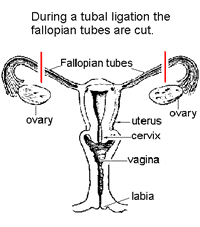
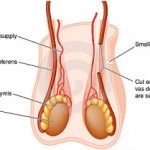
    Each year, a number of couples ask their doctor about reversing a tubal ligation (female) or a vasectomy (male), which are both permanent sterilization procedures. In such cases, the specialist will evaluate each individual’s situation and will determine whether other alternatives to recover fertility may be more desirable. Frequently, the option of in vitro fertilization (IVF) is part of the discussion.


    The Reversal Process

    Tubal ligation and vasectomy are relatively simple procedures performed in a minimally invasive fashion.  In contrast, their reversal is a more complex matter and the surgery takes longer and is more invasive. In some instances, the original sterilization procedure has removed enough tissue to make the reversal procedure impossible. In other instances, after the procedure is performed, the fallopian tube (in the case of the female) or the vas deferens (in the case of the male) closes over time and the individual can become infertile again.

    One particular risk of a tubal reversal is that of a tubal pregnancy, a situation that may put the patient at serious risk and needs to be addressed immediately. One issue with a vasectomy reversal is that it may take as long as three to six months for the sperm numbers to return to levels normal enough to produce a pregnancy. Another matter related to both procedures is that many times the couples want only one more child. Therefore, the concern about future birth control arises again after birth, and many resort to a repeat permanent sterilization procedure.

    The Benefits of Choosing IVF

    The age of the female is a crucial element in the decision for a tubal reversal or vasectomy reversal. At the peak of her fertility years, a woman’s chances to conceive are 20% to 25% each month and young fertile couples may take up to one year to conceive. But as the woman ages, the chance of pregnancy per month decreases considerably. This is where the alternative of IVF becomes relevant.

    Success rates with IVF have increased considerably over the last few years. Now, women of all ages have higher chances of pregnancy with IVF than trying to conceive on their own. At 35 years and under, the chances of conception with IVF may be over 55% per attempt, which is twice the monthly chance of an average couple having regular sexual activity. In their forties, those chances may be around 20% to 25%, similar to the natural chances decades earlier. Furthermore, IVF produces immediate results and the long months of trying for pregnancy after tubal or vasectomy reversal are no longer necessary. And very importantly, contrary to people’s perception, multiple pregnancies can be kept down to a minimum with IVF.

    For males who have had a prior vasectomy and choose to go through IVF instead of a reverse vasectomy, sperm is obtained for IVF directly from the epididymus (a procedure known as PESA) or the testicle (a procedure known as TESA) through a small needle, under local anesthesia. These procedures only take a few minutes and are relatively simple.

    Thus, if the female in the couple is in her late thirties or older; if the interest is to have only one more child; or if the couples’ desire is to achieve pregnancy soon, IVF becomes a better choice than a tubal or vasectomy reversal.

    If you would like to schedule an appointment with a fertility specialist, please speak with one of our New Patient Liaisons at 877-971-7755.

    Filed Under: Diagnosing Infertility Tagged With: Tubal disease

    • « Go to Previous Page
    • Page 1
    • Interim pages omitted …
    • Page 10
    • Page 11
    • Page 12
    • Page 13
    • Page 14
    • Interim pages omitted …
    • Page 21
    • Go to Next Page »

    Company

    • About SGF
    • About US Fertility
    • Our Doctors
    • Fertility Equity
    • Careers
    • Newsroom
    • SGF College Scholarship
    • Contact Us
    • Voice Your Feedback

    Treatments

    • Egg Freezing
    • Intrauterine Insemination (IUI)
    • In Vitro Fertilization (IVF)
    • Frozen Embryo Transfer (FET)
    • LGBTQIA+ Family Building
    • Shared Risk 100% Refund Program
    • All Treatments

    Resources

    • Patient Portal
    • Online Bill Pay
    • Library
    • Support Groups & Events

    Locations

    • California
    • Colorado
    • Delaware
    • Florida
    • Georgia
    • Maryland
    • North Carolina
    • Pennsylvania
    • Texas
    • Virginia
    • Washington, D.C.

    2026 Shady Grove Fertility

    • Policies & Notices
    Also of interest
    • In Vitro Fertilization IVF
    • Fertility Tests
    • Research Publications