
• Skip to primary navigation
  • Skip to main content
  • Skip to footer
Shady Grove Fertility
  • Become an Egg Donor
  • Referring Physicians
  • 1-888-761-1967
  • Schedule Appointment
  • Get Started
        • Get Started
          • Causes of Infertility
          • Fertility Tests
          • When to Seek Help
          • Find a Doctor
          • Preconception and prenatal vitamins 
          • Schedule an Appointment
        • Personalized Care For
          • Single Parents
          • LGBTQIA+ Family Building
          • People with Cancer
          • Known Genetic Diseases
          • Egg Donors
  • Treatments
        • Fertility
          • Timed Intercourse
          • Ovulation Induction
          • Intrauterine Insemination (IUI)
          • In Vitro Fertilization (IVF)
          • Frozen Embryo Transfer (FET)
        • Donation & Surrogacy
          • Donor Sperm
          • Donor Egg
          • Donor Embryo
          • Gestational Carrier
          • LGBTQIA+ Family Building
          • Single Parents
          • Find a Donor
        • More Treatments
          • Center for Male Fertility
          • Egg Freezing
          • OncoFertility
          • Preimplantation Genetic Testing
          • MIGS
          • All Fertility Treatments
  • Resources
    • Resource Library
    • Events Calendar
    • Patient Stories
    • Mental Health
    • Wellness Center
  • Insurance & Savings
    • Insurance & Benefits
    • Shared Risk 100% Refund Program
    • 100% Refund for Donor Egg
    • Discounts
    • Egg Freezing Costs
    • Financing & Grants
    • Clinical Trials
  • About
    • Find a Doctor
    • About SGF
    • Our Care Team
    • Advanced Practice Providers
    • Fertility Equity
    • Philanthropy
    • Newsroom
    • Careers
    • Contact Us
    • Voice Your Feedback
  • Locations
        • Find a Location
        • California
        • Colorado
        • Delaware
        • Florida
        • Georgia
        • Maryland
        • North Carolina
        • Pennsylvania
        • Texas
        • Virginia
        • Washington, D.C.
        • Chile
        • International & Out of State
        • SGF at Walter Reed National Military Medical Center
  • Patient Hub
    • Online Bill Pay
    • Patient Forms
    • Patient Portal
  • Call your care team
  • Become an egg donor
  • Referring physicians
  • search-icon
  • Schedule appointment 1-888-761-1967

Home / Diagnosing Infertility / Page 13

Diagnosing Infertility

December 9, 2014 by Shady Grove Fertility

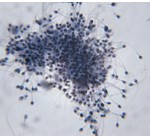
While women are born with all of the eggs that they will ever have, men continually produce sperm throughout their entire lives. This quantitative disparity means that a woman’s ovarian reserve depletes over time, with women having no eggs left by the time menopause is reached, while men are able to have children into their 70s and 80s. Additionally, a woman’s egg quality decreases with age, which is a leading cause of infertility. But what about men? They may continue to produce sperm, but does the quality of that sperm decrease as they get older? Recent studies have suggested that quality does decrease, which has led some men to begin freezing their sperm for future preservation.

Fox News: “Older guys’ sperm really is worse, study says”

In this article from Fox News, a recent sperm-aging study by the University of Otago was highlighted. In this study, which was a review of 90 studies from more than 30 countries, scientists confirmed that there are “consistent age-related declines” in the quantity of semen, the health of sperm, and sperm’s ability to perform. While the research did not say at what specific age sperm starts declining, it mentioned that other studies have found consistent deterioration for certain sperm traits after men turn 35 or 40. According to Dr. Naveed Khan of Shady Grove Fertility’s Leesburg office, these studies hold promise, but they are not conclusive and are still relatively new.

The main test that is used by physicians to analyze sperm is a semen analysis, which can tell a physician the volume of ejaculate, the number of sperm in your semen (your sperm count), whether they are normal (their morphology), and how well they swim (their motility). For men whose semen analysis results are abnormal, parenthood is still possible, as it only takes one healthy sperm to fertilize an egg. Procedures such as intracytoplasmic sperm injection (ICSI) can be used when performing IVF if the sperm has low motility or if there is a low sperm count. During ICSI, a single sperm is injected directly into the center of each egg by an embryologist.

There are no validated tests at this time, though, that can give any additional clinical information regarding the quality of sperm.

  • Read about how men can practice healthy habits to improve their chances of conception

The Boston Globe: “Why have more men chosen to freeze their sperm?”
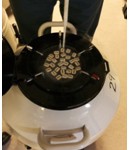
In The Boston Globe’s recent article about the rising rate of men who freeze their sperm for fertility preservation, the quality of aging sperm is again discussed, but the issue of genetic mutation is also raised. In 2012, the journal Nature published a study that found that older fathers may play a bigger role in passing on mutations that can lead to developmental problems, such as autism and schizophrenia.

Due to this study and others like it, some men have begun to freeze their sperm for future usage, whether it’s because they’ve gotten divorced or they don’t currently have a romantic partner. While freezing is an option, it is unknown how long the frozen sperm can stay viable. If a 30-year-old man freezes his sperm and wants to have a child at 60, that sperm may no longer be usable.

Despite this trend, Dr. Khan says, “While there are some recent studies that show an association with aging sperm and autism and schizophrenia, they have yet to establish a cause and effect relationship. More studies will be needed.”

Further Research is Still Necessary

Men produce millions of new sperm every day and are able to reproduce well into their 70s. The egg, though, plays the much wider role in human reproduction and has verifiably been seen to be effected by age, as the quantity and quality does ultimately decrease. Thus, until more conclusive qualitative testing is available, a giant push for male sperm freezing is not yet necessary, nor is undue concern about sperm quality beyond what is seen in a semen analysis.

If you have questions regarding factors that may affect male fertility or would like to schedule a new patient appointment, please call our New Patient Center at 877-971-7755 or click to schedule an appointment.

Filed Under: Diagnosing Infertility

November 25, 2014 by Shady Grove Fertility

There are always new articles popping up about what a woman can do to enhance her fertility potential. These enhancements run from the medical – eating healthy, exercising, having an ideal BMI – to the more superstitious – eating exotic fruits and nuts or standing on your head after sex. What’s often left out of this conversation though is what the male partner should be doing to prepare for conception. While the man will not be carrying the baby, his sperm will help to create that baby – and if his sperm are not healthy, male infertility may arise.

The Fox News article titled “Preventing male infertility: 12 natural ways to make healthy sperm” covers a variety of tips to help men have the most optimal fertility potential, recommending everything from eating pomegranate to wearing loose-fitting underwear. Since men produce new sperm every day, lifestyle changes have been shown to increase sperm quality. Here are some suggestions from the physicians at Shady Grove Fertility:

Reversing Male Infertility: Make Physical Fitness and Healthy Eating a Priority

As with women who have fertility complications from being under or overweight, men suffer from similar complications. Abnormal semen parameters (i.e. low sperm counts and low sperm motility) have been seen to increase with obesity. Overweight men have been found to have decreased levels of testosterone and elevated levels of estrogen, an issue that may impair signals from the brain that regulate sperm development. Overweight men are also at risk for impaired spermatogenesis, the process by which sperm are formed, due to increased scrotal temperatures. By maintaining a healthy diet and staying active, these potential risks can be alleviated.

It’s Time to Kick that Smoking Habit for Good

Smoking cigarettes can cause a decrease in the three main factors that determine a man’s sperm quality: sperm count, morphology, and motility. Studies have shown that damage is not necessarily permanent and may vary by the quantity and length of smoking history. A man’s fertility rate can completely return to normal within a year of quitting smoking.
Other drugs, including marijuana, have shown to decrease sperm counts, according to Dr. Ricardo Yazigi. “About 33 percent of chronic users will have low sperm counts… [men] should avoid use when trying to get pregnant.” Read more about the impact of drug use on male fertility.

Ease Back on Alcohol Consumption

Excessive consumption of alcohol in men has been seen to have an impact on fertility in several studies. Men who consume large quantities of alcoholic drinks (five or more) may have lowered testosterone levels and reduced sperm quality and quantity. Alcohol is also linked to impotence in men. It has been shown, though, that reducing the amount of alcohol consumed can quickly reverse these side effects.

Too Much Heat Can be Dangerous

Sperm counts and sperm quality may be affected by frequent or long visits to saunas, steam rooms, and hot tubs. This exposure to the heat does not have a permanent impact on sperm though, and sperm should return to normal quality and quantity within a few months of discontinuing sauna stays. Additionally, men should be wary of common household ‘heats’ like resting their laptops over their pelvic region – an issue that can easily be resolved by using a laptop lap board or cooling pad.

Male Infertility Improved with Lifestyle Changes and Sperm Regeneration

While there are many unknown factors that can cause male infertility, the aforementioned lifestyle tips have been shown to make a remarkable difference in men whose habits are affecting their fertility. It is beneficial for any man who is trying to conceive with his partner to keep a healthy lifestyle: minimizing alcohol intake, quitting smoking, and eating healthy and exercising.

The fact that men produce millions of new sperm every day makes it highly beneficial to men who want to alter their lifestyle habits. Sperm take about 74 days to mature, which means that men who do make lifestyle changes only need to wait about three months before seeing improvements in sperm quality and increasing your chance for reproductive success.

If you have questions regarding factors that may affect male fertility or would like to schedule a new patient appointment, please call our New Patient Center at 877-971-7755 or click to schedule an appointment.

Filed Under: Diagnosing Infertility Tagged With: Sperm production disorders

October 20, 2014 by Shady Grove Fertility

by Nicole Holovach, RD – Dietitian at Pulling Down the Moon

Nicole Holovach, RD

For the majority of the population, folic acid and folate are the same thing – a nutrient found in food and prenatal vitamins that helps prevent neural tube defects in babies. While the terms are often used interchangeably, there is an important distinction between the two. Folate is a B vitamin found in foods like dark leafy greens, lentils, beans, eggs, sunflower seeds, and liver. Folic acid is the synthetic form of folate. It is only found in fortified foods and supplements and must be converted to the active form within the cell. Humans are unable to make their own folate, so we have to get it from food or supplements.

Most prenatal vitamins contain folic acid because it’s less expensive, more stable, and more of it is absorbed than folate. But there are several factors that affect conversion of folic acid to the active form. Under normal dietary conditions, absorbed folic acid is converted into an active form used by the body. Age, environmental factors, a defect in the converted gene, and certain drugs can all play a part in how effectively folic acid is converted.

  • Vitamins and Supplements for Fertility and a Healthy Pregnancy
  • More from Nicole: Does the Paleo Diet for PCOS Work?

Folate for PCOS Patients

In certain clients, I may have them switch to a prenatal with folate, or add a folate supplement, depending on their health issues. For my clients with polycystic ovary syndrome (PCOS), I now have a reason to potentially add a folate supplement.

A recent study showed that folate, the active form, has beneficial effects on metabolic profiles in women with PCOS. The study was a randomized controlled trial, considered the “gold standard” of research. In the study, 5 mg of folate supplementation, compared with 1 mg and a placebo, resulted in better glucose metabolism and better cholesterol lab values in women with PCOS.

The average prenatal vitamin has between 600-1000mcg (1 mg) of folic acid or folate, so to reach 5 mg another supplement may be needed. While folate is more difficult to find over-the-counter than folic acid, high-end vitamin stores and health food stores may sell folate supplements.

While there is little risk associated with folate supplementation, it is recommended to speak with your physician before taking folate for PCOS or any other supplement.

References:
http://www.ncbi.nlm.nih.gov/pubmed/24828019

Learn more about nutrition, call 888-604-7525 or schedule an appointment online.

If you would like to schedule an appointment with a fertility specialist, please speak with one of our New Patient Liaisons at 877-971-7755.

This article was submitted as a guest writer. The opinions expressed in the article do not necessarily represent the opinions of Shady Grove Fertility Center.

Filed Under: Diagnosing Infertility

October 1, 2014 by Shady Grove Fertility

Each year, over seven million women in the United States struggle with infertility. Many of these women may wait months or even years to decide to seek out help. In a recent survey conducted by Shady Grove Fertility on its website and Facebook page, 85% of all respondents said that if they had to do it all over again, they would have sought out fertility treatment sooner. Would you have? Three Shady Grove Fertility patients discuss their paths to parenthood and provide insight on why they feel it’s important to see a specialist sooner rather than later.

“Do Your Research”

Soon after Holli and Robert Webb were married, they decided to start a family. Both in their early 20s, neither Holli nor Robert thought they were going to have a problem getting pregnant. They were a young and active couple who didn’t have any known health issues that would contribute to not being able to conceive.

After a couple of years of not conceiving on their own, Holli consulted her gynecologist who told her that, since they were young there was nothing to be worried about.

“I remember him telling me, ‘Don’t worry. Keep trying. You are a young and fertile couple and it will happen,’” said Holli. “He didn’t feel that we needed to seek out a specialist, rather we would just need to keep trying on our own.”

Shady Grove Fertility recommends that couples under the age of 35 seek out a specialist after a year of unsuccessful unprotected intercourse while couples over the age of 35 should seek help after six months. For Holli, it was now approaching four years with no success and she was ready to take that next step.

“It was frustrating for both of us month after month with no success,” she said. “And it was really hard being around friends and co-workers who were getting pregnant and having babies.”

Following six unsuccessful cycles of Intrauterine Insemination with clomiphene at their first fertility center, Holli and Robert were told that due to their unexplained infertility diagnosis, In Vitro Fertilization was their only option. The couple decided to seek a second opinion. They had heard through some acquaintance good things about Shady Grove Fertility’s Frederick office and Dr. Melissa Esposito, so they made an appointment.

Click to View Our Getting Started VideoThe couple was impressed with the Center and Dr. Esposito, most notably the time that she spent with them explaining the process, testing and what to expect at Shady Grove Fertility – information they did not receive previously.

“Neither of us had any in-depth fertility testing performed until we got to Shady Grove Fertility,” said Holli. “It was a bit overwhelming at first because they were so thorough, but we were both glad that we took the time to go through process.”

And by going through the testing process Holli was given a definitive answer to her “unexplained” infertility – Polycystic Ovary Syndrome (PCOS).

“It was frustrating to learn that I had PCOS because none of my other doctors ever investigated to see if that was an issue,” she explains. “In fact, one of my doctors specifically told me that it wasn’t likely that I had PCOS and not to worry about it.”

Dr. Esposito decided to start Holli on a metformin – an oral medication that helps reduce the amount of insulin some PCOS patients produce thus resulting in normal follicle growth. After just one cycle, Holli successfully conceived and is now just weeks away from delivery of her first child.

“I met Dr. Esposito believing that I was going to have to go through an invasive IVF process and it turned out that with a little bit of medication I was able to conceive on my own,” said Holli. “I can’t tell you how much I appreciate Dr. Esposito and my nurse Allison [Catalani] for all they did for me. They really cared for me during the whole process and were always there to discuss my questions and concerns following my appointments.”

With her fertility journey nearing the end, Holli provides some important insight for couples who may be struggling to decide whether its time for them to see a specialist.

“Do your research and don’t take no for an answer,” Holli advises. “If you feel something is wrong with your body, take control and seek the help and answers you need to move forward. That is the best advice I could give anyone who is currently, or may be, in the same situation my husband and I were in.”

“Seek Out Treatment Sooner Rather Than Later”

Much like Holli and Robert, Renee and James McMichael started trying to build a family shortly after they were married. The couple tried for 10 month to conceive when something strange happened to Renee – she stopped getting her period.

Through some testing, Renee’s OB found that her blood hormone levels were off, but the HSG he ordered for her came back normal. Renee says that he immediately ruled out that PCOS was a factor in her inability to conceive, but he didn’t have a definitive answer as to why she wasn’t getting pregnant.

“He didn’t have an answer for what was wrong and he didn’t offer a solution,” said Renee. “He was very vague in what the next steps were. He told me, ‘you can try this or you can try that’ but at that time I needed someone who was more definitive and guiding. I knew something was wrong with my body and I wanted to find out what that was and fix it.”

“PCOS,” she explains. “From the blood work and ultrasound evaluation Dr. Sagoskin knew right away that I had PCOS. I was very impressed by the thoroughness of the evaluation and how my doctor and nurse wanted a definitive answer on what was wrong with me.”Knowing about Shady Grove Fertility’s reputation from working in health care in Montgomery County, Renee decided to research the Center online. She made an appointment with Dr. Arthur Sagoskin in SGFC’s Rockville location and, following her initial appointment and fertility work-up, was surprised by her diagnosis.

Renee successfully conceived on her second cycle of IUI with clomiphene, and she and her husband James just celebrated the birth of their son. She says that she is grateful for the care and attention that she received at Shady Grove Fertility and would recommend for women who know that there is a problem to take matters into their own hands and find a solution.

“I can’t thank Dr. Sagoskin and my nurse [Krystal Lewis] enough for helping us achieve our dream of parenthood,” said Renee. “I would encourage anyone who may be having trouble getting pregnant not to wait. See a fertility specialist, get evaluated and understand what’s going on so that you can get the proper treatment.”

“Go Get A Fertility Work Up And Stop Stressing Out”

Since the age of 17, Julia Mortensen-Moran knew that she was going to have trouble conceiving a pregnancy on her own. After going through a laparoscopy to remove tissue and cysts, a result of her severe endometriosis, her physician explained that he didn’t think she would ever be able to have children.

“I was devastated when I heard him say that,” Julia said. “It’s not every woman’s dream to become a mother, but it was one of mine.”

After marrying her husband Ringo at the age of 34 and knowing that they wanted a family, the couple met with Julia’s OB to discuss their options and whether she could conceive and carry a pregnancy. Looking back at that consultation, Julia wishes more women got the advice that her physician gave her that day.

“He advised us not to spend a year, or even six months, trying to conceive on our own,” Julia said. “He told us, ‘just go straight to see a fertility specialist.’”

After a total of eight failed IUI cycles at two different fertility centers, as well as a second laparoscopy to remove additional cysts that had formed, Julia and Ringo didn’t know what next step to take. Confused and frustrated, it was a radio ad that revived hope for the couple.

“I remember hearing Shady Grove Fertility’s ad on the radio, so I decided to call and make an appointment,” Julia explained.

After reviewing Julia’s medical history and the results from her initial work-up, Dr. Paulette Brown in Shady Grove Fertility’s Fair Oaks office recommended that the couple try In Vitro Fertilization (IVF). Dr. Browne hypothesized that Julia’s endometriosis may have played a role in fertilization during her previous IUI attempts, and felt that they may have more success by retrieving the eggs, fertilizing them outside the body, and transferring them back. Dr. Browne was right because after just one cycle, Julia was pregnant.

“I thank Dr. Browne every day for her decision to move forward with an IVF cycle,” said Julia. “If we had done IVF sooner we may have had a child quicker, but my daughter is truly an amazing miracle. I wouldn’t trade the experience I went through for anything.”

Julia explains that while she knew for a long time she was going to have trouble conceiving, she feels that anyone who is struggling to get pregnant should seek out help and see a specialist sooner rather than later. “I tell people that no matter if you have been trying for three months, six months or a year or more to go get a fertility work-up and stop stressing out.”

Do you have questions about whether its the right time for you to see a fertility specialist? If so, please call 888-761-1967 to speak with one of our specially trained patient liaisons who can help answer all of your questions and schedule an appointment for you with one of our physicians.

Filed Under: Diagnosing Infertility

October 1, 2014 by Shady Grove Fertility

Most patients in a fertility expert’s office are there because they have problems getting pregnant. For some, the problem isn’t so much getting pregnant as staying that way. Embryologists and reproductive specialists are inherently well-versed in diagnosing and treating the causes of recurrent pregnancy loss or miscarriage.
“Depending on how you define recurrent miscarriage,” says Dr. Jeff McKeeby, “I would estimate that at least three percent of couples are going through this experience. Because we’re following our patients from such an early point in their pregnancy, it’s likely that we see a greater percentage of miscarriage than in the general population.”
Until recently, miscarriage was referred to as “recurrent” if a woman experienced pregnancy loss three times or more. Now, partly due to advanced knowledge among reproductive medicine practitioners, women are typically advised to be seen for recurrent miscarriage (sometimes also called recurrent pregnancy loss, or RPL) after only two such events.
The term “miscarriage” is generally used to describe loss of a pregnancy up to 20 weeks gestation, most often in the initial 12 weeks or first trimester. Such spontaneous losses usually occur either because the embryo or fetus is not developing normally and/or other processes, such as implantation of the pregnancy within the wall of the uterus, are going awry.
“About half the time, we don’t find anything wrong,” McKeeby says regarding the diagnosis of miscarriage causes.


Establishing a cause when possible

While more is known today about very early pregnancy and miscarriage, Dr. McKeeby says that the causes with which his patients present initially are somewhat dependent on the referring practice. “There are some that are generally accepted, and there are some things that people believe may be causes but are hard to prove,” he explains. The most agreed-upon causes of recurrent loss are :

  • chromosomal abnormalities in the parents
  • having a condition that puts the woman at risk for abnormal blood clotting, such as having anti-phospholipid antibodies
  • anatomic abnormalities such as uterine malformations, for example, uterine septum
  • cervical incompetence (a factor in miscarriages occurring in second trimester or later)

More debatable causes include:

  • endocrine disorders, like polycystic ovarian syndrome or luteal phase deficiency
  • autoimmune problems besides anti-phospholipid antibodies
  • sperm quality problems
  • infections
  • stress and environmental factors

Maternal age should be considered in the list of potential causes simply because statistically, women in their 40’s and older are documented as a group as having more chances of miscarriage.
“Most miscarriages, regardless of whether they recur or not, are due to chromosomal abnormalities, and the vast majority of those are due to either random chance [in the embryonic development process] or advancing maternal age,” McKeeby states.

Hope in the Form of Treatment

So while the actual starting point, the cause, of any individual miscarriage, may be hard to determine in many cases, women who’ve experienced such loss can do more than simply shrug their shoulders and hope for the best the next time around.
“Many of these problems can indeed be treated either prior to or very early in subsequent pregnancies,” assures Dr. McKeeby.
For example, if testing on the woman has indicated a thrombophilia disorder — a condition related to blood clotting — injections of a drug called Lovenox (a low molecular-weight heparin, or blood thinner) could be started at the first signs of pregnancy. If an anatomical condition existed, surgical correction could be performed prior to getting pregnant again.
McKeeby says, though, that miscarriage is so common, it’s not irresponsible for a patient or her OB to wait until a second loss before seeking possible causes. It’s appropriate to avoid over-testing and possibly rendering false test results with resulting over-treatment.
“We recommend evaluation after a second miscarriage,” he says, “because after two losses, your chances of another miscarriage are about 25 percent. After three losses, the chance is 30 percent. So since we’re not talking about a significant difference between those numbers, it makes sense to go ahead and start looking for things that may be correctable before a subsequent conception.”
Also, Dr. McKeeby and many other practitioners feel that asking a couple to wait for evaluation until after a third loss is insensitive. He says that in the past few years, the majority of patients coming to Shady Grove Fertility now for recurrent miscarriage are referred after their second loss.

Highest Tech Intervention

One situation that requires a higher-tech approach to answering the needs of women with recurrent pregnancy loss is in the case of what is called “balanced translocation,” a term referring to parents in which their chromosomes have missing or incorrectly located pieces. Men and women with such genetic occurrences almost never have any resulting conditions or symptoms that would clue them in on their chromosomal structure. Usually, they learn about it after having a blood karyotype — a picture of how one’s chromosomes are arranged – performed, and often following a miscarriage.
“In these cases, the risk of recurrence is somewhere between two and 10 percent, depending on random chance and on the gender of the parent who has the balanced translocation.” Dr. McKeeby explains that preimplantation genetic diagnosis, or PGD, can provide the answer that these patients need to have a healthy pregnancy and baby. PGD is basically a cellular biopsy and DNA analysis of an embryo created through in vitro fertilization, or IVF. In fact, the two main reasons for utilizing PGD is recurrent pregnancy loss and recurrent IVF failure.
“The most important thing in genetic testing is to try and do a karyotype on the pregnancy that is lost,” McKeeby says, “not only on the parents.”

Healthy Babies are the Norm

As disheartening as it is to experience even one miscarriage, and certainly more than that, the best news is that your chances are much greater at success in future pregnancies.
“If you find something that’s significant and you treat it,” explains McKeeby, “or you don’t find anything wrong, you have about a 70 to 75 percent chance of a successful pregnancy after that. Even if you’ve had four or five miscarriages, your odds with either a treated condition or no cause found are still around 68 percent for successful subsequent pregnancies.”
A lot of his job is reassuring patients — referred to as a “tender loving care” approach — that their chances for having a healthy baby are very good. Recurrent miscarriage patients in the Shady Grove Fertility practice receive the attention from staff and access to calming ultrasounds that they need to feel confident.

The Reality is Encouraging

Dr. McKeeby stresses that women who read about the details of miscarriage, its diagnosis and treatment, should avoid fretting that it may be their personal issue. While women in their 40’s do have higher chances of miscarriage, even they should not approach conception feeling initially worried. Younger women, in particular, have less statistical cause for concern. All women who are hoping to conceive should actively control the very important lifestyle factors — nutrition, folic acid intake, and maintaining optimal health — that can have a greater impact on their pregnancy chances.
“Patients should feel reassured overall that it’s far more likely they’ll have a successful pregnancy and healthy baby.”


Filed Under: Diagnosing Infertility

October 1, 2014 by Shady Grove Fertility

How do you know you are infertile?  That’s a question that many of our patients ask themselves after they’ve been trying on their own without any success.  The only surefire way to find out what’s causing you not to conceive (or stay pregnant), is to be tested.

Testing is simple and fast and often starts at your OB/GYN. If you choose to do testing at Shady Grove Fertility, our in-house testing allows for patients to have a diagnosis generally in less than 4-6 weeks, depending on where you are in your cycle. All of our blood work is completed on-site at our laboratory facilities and results are available within 24 hours. The results of other tests, like ultrasounds, are available right away.

Fortunately, insurance almost always covers the cost of a patient’s diagnostic screening tests, which can be a road block for many patients. We have found that 90% of our  patients have insurance coverage for their initial fertility work-up, making treatment more accessible.

When to Seek Evaluation

Couples often wonder how long they should try on their own before seeking a professional evaluation. Patients under the age of 35 should be evaluated after one year of trying to conceive unsuccessfully while those over the age of 35 should be seen after six months.  Patients over the age of 40 should see a fertility specialist to assist with conception as soon as possible. Additionally women with pre-existing conditions such as PCOS, irregular periods or multiple miscarriages may choose to seek an evaluation sooner.

The Basic Infertility Work-up

Today’s basic infertility work-up has been streamlined and only includes a few tests. Over the years, many tests have slowed the diagnostic process and have proven to be of little benefit for most couples. Eliminating these tests allows for a more rapid work-up. The following 4 factors may be helpful to your physician in determining the correct diagnosis and ultimately selecting an individualized treatment plan for you.

  1. A Detailed Patient History
  2. Ovarian Function Testing
  3. HSG
  4. Semen Analysis

Detailed Patient History

A Detailed patient history is one of the most important tools for diagnosing infertility. The age of the female patient is particularly important. Additional information gathered includes: how long the couple has been trying to conceive, the female’s menstrual history, any previous pregnancy losses, and history of any previous surgery on the ovaries or uterus.

Lifestyle factors such as weight and smoking are also considered. Extremes in weight, both overweight and underweight, can affect a woman’s reproductive function. Similarly, smoking has been shown to reduce pregnancy rates and increase miscarriage. Alcohol and substance abuse may also be discussed.

Ovarian Function

When considering ovarian function, your physician will evaluate ovarian reserve as well as ovulatory status.  Ovarian reserve refers to the number and condition of the woman’s eggs in her ovaries. In most cases, the more eggs a woman has, the better her chances of success. Ovulation is the process whereby an egg matures and is released each month during a woman’s menstrual cycle. If a woman has an ovulatory disorder that prevents her from releasing an egg each month, her chances of pregnancy are significantly reduced.

A group of blood tests gives information about ovarian reserve.  These tests are commonly called “Day 3 Blood Work” because they are drawn between the 2nd and 4th day of your cycle, usually on the 3rd day. Day 3 Blood Work provides measurements of the following 3 hormones:

FSH – Follicle Stimulating Hormone is a pituitary hormone that stimulates the growth of the ovarian follicle which contains the egg. Elevated FSH levels may indicate a decrease in egg quality or number or ovarian reserve.

E2 – Estradiol is a hormone made by the follicle which helps stimulate the lining of the uterus or endometium where the embryo implants. Estradiol production is higher during the reproductive years.

LH – Luteinizing Hormone helps cause the ovary to produce estrogen and to release a mature egg (ovulation).
TSH and Prolactin are often measured at the time of day 3 testing.

TSH- Thyroid Stimulating Hormone is a pituitary hormone which helps evaluate thyroid function to determine the presence of an over or underactive thyroid which can impact ovulation.

Prolactin- A hormone produced by the pituitary that plays an important role in preparing the breasts, during pregnancy, for nursing. An inappropriate elevation at times other than pregnancy may interfere with normal ovulation

Determining the levels of these hormones is a good first step in evaluating a woman’s ovarian function, but normal results do not always mean the patient has a good ovarian reserve. Therefore, an ultrasound is performed to provide what is called an “antral follicle count.” During the ultrasound, the eggs that are seen in the patient’s ovaries on that day can be visualized and counted. This provides a more concrete assessment of the woman’s ovarian reserve.

Tubal and Uterine Anatomy

A Hysterosalpingogram or HSG is a quick test that uses x-ray technology to assess the health of the uterus and fallopian tubes, which are vital to achieving pregnancy. The HSG is the best, least-invasive test of its kind. The HSG procedure takes about 3 minutes start to finish to complete and most women equate the discomfort to menstrual cramps. Patients often fear this test because they have heard that it can be painful. However, our experienced clinicians perform over 2500 HSGs each year, and most patients find that it is over before they even know it started.

“I CRIED for days before the test, on the way to the test, and throughout the whole test because of the horrid things I heard about how painful it would be…. the Dr. probably thought I was crazy! I am such a wimp and I seriously felt NOTHING! 🙂 Thanks SG!” – Jackie
An HSG is usually scheduled between days 5 and 12 of a woman’s menstrual cycle. During the exam, a small, flexible catheter (much thinner than a coffee stirrer) is inserted through the opening of the cervix and into the uterine cavity. A small amount of dye, about three teaspoons, is passed through the catheter, slowly filling the patient’s uterine cavity and then filling the fallopian tubes.

The physician or physician assistant watches the fluid move from the uterus into the fallopian tubes and into the abdominal cavity using X-ray imaging. The dye reveals the shape and lining of the uterus and, if it passes freely into the abdominal cavity, it shows that the fallopian tubes are open. Usually, this process takes less than a minute. Many women have said they think the experience is somewhat similar to having a pap smear.

HSGs are performed in Shady Grove Fertility’s Rockville and Towson locations. The specialist performing the test reviews the resulting films with patients and lets them know right away whether the test is normal or abnormal. Results are also reviewed in more detail by the patient’s physician once the test is complete.

Semen Analysis

A semen analysis is a simple, low-cost test that should have a place in every couple’s fertility work-up. Couples are often surprised to hear that 40% of all infertility cases are caused by a male factor diagnosis.

There are several factors that are examined in a semen analysis. The first is the volume of the sample, which should be at least 2cc’s, which is just under half of a teaspoon. Besides sperm, semen contains amino acids, enzymes and several other secretions made by the male reproductive system. If the volume of ejaculate is low, that can mean the sample may be lacking in these important secretions that aid in the fertilization process. It could also signal a blockage or other issue in the semen’s pathway.

Next is the concentration of sperm, what people commonly call the “sperm count.” A low concentration can signal a problem with the testicles or male hormones that is preventing the testicles from making enough sperm.

The motility or movement of the sperm is another important factor. If it is low, that can affect the ability of the sperm to reach female reproductive tract and find the egg.

Finally, morphology is an important component of a semen analysis, especially when done for an infertility diagnosis. Morphology looks at the percentage of normally-shaped sperm in the sample. The head of the sperm is the part that penetrates and fertilizes the egg. If these are misshapen, it may mean they do not contain the proper enzymes or other materials that are necessary to complete fertilization.

The results of the semen analysis are most commonly graded on one of two scales – the World Health Organization (WHO) scale or what is called the “Kruger or Strict Morphology” scale. Shady Grove Fertility uses the Kruger Strict Morphology scale because it improves our ability to detect potential problems with fertilization of eggs. These criteria establish what is considered a healthy range and the sample is then compared against this range.

Our andrologists and embryologists work with samples every day doing fertility treatments like IVF. They know what to look for, not just related to the Kruger Strict scale, but in terms of all the other secretions and enzymes that make up a healthy sample.

Many patients find peace of mind in having a diagnosis from the results of their work up. All of our physicians work with their patients to review the results of their work-up and determine a unique individualized plan of treatment that the patients are comfortable, with, makes financial sense, and will yield the greatest possible success. Don’t let another month of the unknown go by again. Schedule an appointment and get your work-up started today!

For more information or to schedule an appointment with one of our physicians, please speak with one of our friendly New Patient Liaisons by calling 888-761-1967.

Filed Under: Diagnosing Infertility

  • « Go to Previous Page
  • Page 1
  • Interim pages omitted …
  • Page 11
  • Page 12
  • Page 13
  • Page 14
  • Page 15
  • Interim pages omitted …
  • Page 21
  • Go to Next Page »

Company

  • About SGF
  • About US Fertility
  • Our Doctors
  • Fertility Equity
  • Careers
  • Newsroom
  • SGF College Scholarship
  • Contact Us
  • Voice Your Feedback

Treatments

  • Egg Freezing
  • Intrauterine Insemination (IUI)
  • In Vitro Fertilization (IVF)
  • Frozen Embryo Transfer (FET)
  • LGBTQIA+ Family Building
  • Shared Risk 100% Refund Program
  • All Treatments

Resources

  • Patient Portal
  • Online Bill Pay
  • Library
  • Support Groups & Events

Locations

  • California
  • Colorado
  • Delaware
  • Florida
  • Georgia
  • Maryland
  • North Carolina
  • Pennsylvania
  • Texas
  • Virginia
  • Washington, D.C.

2026 Shady Grove Fertility

  • Policies & Notices
Also of interest
  • In Vitro Fertilization IVF
  • Fertility Tests
  • Research Publications