
• Skip to primary navigation
  • Skip to main content
  • Skip to footer
Shady Grove Fertility
  • Become an Egg Donor
  • Referring Physicians
  • 1-888-761-1967
  • Schedule Appointment
  • Get Started
        • Get Started
          • Causes of Infertility
          • Fertility Tests
          • When to Seek Help
          • Find a Doctor
          • Preconception and prenatal vitamins 
          • Schedule an Appointment
        • Personalized Care For
          • Single Parents
          • LGBTQIA+ Family Building
          • People with Cancer
          • Known Genetic Diseases
          • Egg Donors
  • Treatments
        • Fertility
          • Timed Intercourse
          • Ovulation Induction
          • Intrauterine Insemination (IUI)
          • In Vitro Fertilization (IVF)
          • Frozen Embryo Transfer (FET)
        • Donation & Surrogacy
          • Donor Sperm
          • Donor Egg
          • Donor Embryo
          • Gestational Carrier
          • LGBTQIA+ Family Building
          • Single Parents
          • Find a Donor
        • More Treatments
          • Center for Male Fertility
          • Egg Freezing
          • OncoFertility
          • Preimplantation Genetic Testing
          • MIGS
          • All Fertility Treatments
  • Resources
    • Resource Library
    • Events Calendar
    • Patient Stories
    • Mental Health
    • Wellness Center
  • Insurance & Savings
    • Insurance & Benefits
    • Shared Risk 100% Refund Program
    • 100% Refund for Donor Egg
    • Discounts
    • Egg Freezing Costs
    • Financing & Grants
    • Clinical Trials
  • About
    • Find a Doctor
    • About SGF
    • Our Care Team
    • Advanced Practice Providers
    • Fertility Equity
    • Philanthropy
    • Newsroom
    • Careers
    • Contact Us
    • Voice Your Feedback
  • Locations
        • Find a Location
        • California
        • Colorado
        • Delaware
        • Florida
        • Georgia
        • Maryland
        • North Carolina
        • Pennsylvania
        • Texas
        • Virginia
        • Washington, D.C.
        • Chile
        • International & Out of State
        • SGF at Walter Reed National Military Medical Center
  • Patient Hub
    • Online Bill Pay
    • Patient Forms
    • Patient Portal
  • Call your care team
  • Become an egg donor
  • Referring physicians
  • search-icon
  • Schedule appointment 1-888-761-1967

Home / Diagnosing Infertility / Page 14

Diagnosing Infertility

October 1, 2014 by Shady Grove Fertility

Jennifer Donnell is a bright, bubbly woman who speaks with a gentle southern accent and laughs easily and often. She’s the kind of person that could cheer you up no matter how bad your day was going. So, it comes as a surprise when she talks about the doubts that plagued her through her years of trying to conceive. She says, “Oh, I wasn’t the type who had hope all along that everything would work out. No way. I always saw myself as ‘the girl who can’t get pregnant’.”

Jennifer has Polycystic Ovarian Syndrome (PCOS), an ovulation disorder that is one of the most common causes of female infertility. While many women with PCOS are able to conceive with the help of their gynecologist and oral medication, those who aren’t sometimes face a longer journey. Jennifer’s journey spanned six years of starts and stops, and she had plenty of difficulties along the way.

Jennifer’s story is inspirational – not because she pole-vaulted over obstacles with determined optimism – but because she found a way to succeed.

An Unexpected Wedding Guest

A month before her wedding to her husband, Mark, when she was 24, Jennifer got her diagnosis of PCOS. She laughs, “Great timing, right?” When most women would be happily obsessing about seating arrangements and flowers, Jennifer was anxiously scouring the Internet for information about PCOS. She says, “I was obsessing, reading all these websites and stories and I just thought, that’s it, I can’t have kids.” Fortunately, Mark was a calm voice of reason. “Mark told me not to worry so much. He said we would figure it out together.”

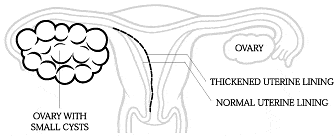
Polycystic Ovarian Syndrome (PCOS) is the most common ovulatory disorder, and is caused by a hormonal imbalance in which women produce too much luteinizing hormone (LH) and not enough follicle stimulating hormone (FSH). High levels of LH cause the body to produce too much estrogen. High levels of estrogen can cause the endometrial tissue in the uterus to get very thick, which can lead to heavy and/or irregular periods. FSH is the hormone that’s responsible for stimulating the growth of follicles in the ovaries. If a woman lacks FSH for a long time, her follicles will not mature and release eggs, resulting in infertility.

At the time, Jennifer and Mark lived in North Carolina, and, believing there was an immediate need to get pregnant due to her PCOS, she started treatment with her gynecologist a few months after the wedding. Jennifer’s OB prescribed Metformin, a common treatment for PCOS, and Clomid, a drug that induces ovulation. Jennifer did not conceive after three months of trying on the medications. She recalls, “My doctor had said, ‘you’re young, you’ll get pregnant in no time’ but through the three cycles, I never even ovulated.”

While she was disappointed that she didn’t get pregnant, she sensed that something else was wrong too. “I realized we weren’t doing it for the right reasons,” she explains. “We really weren’t ready for kids yet. I just wanted to know that I could do it.” The newlyweds decided that they should take their time and just enjoy being married, so they decided to put fertility concerns aside for a while.

Finding Shady Grove Fertility

Three years later, the couple moved to the DC area. It was when they started to talk about having children again that Jennifer heard an ad for Shady Grove Fertility on the radio and decided to call. She felt that plenty of time has passed since her previous treatment experience, and she knew what she wanted. “I wanted information, and I wanted to know my options,” she said. “But most importantly, I didn’t want to be given false hope.”

Jennifer and Mark met with Dr. Paulette Browne in Shady Grove Fertility’s Fair Oaks, Va office. Neither had ever been to a doctor’s appointment where all they did was talk. “Dr. Brown started writing all this stuff down and drawing fallopian tubes and ovaries, and I just said, ‘wait, explain this me in English’,” Jennifer says with her infectious laugh. “And she did!”

Jennifer said that she never felt rushed, and she got all the information she wanted. “The thing I appreciated most about Dr. Browne was that she didn’t tell me how easy it was gonna be. She just said, ‘here’s what I think you should do, and if that doesn’t work then we’ll move onto the next option.'”

Jennifer started treatment with two rounds of Intrauterine Insemination (IUI). Because of her PCOS, her treatment protocol called for low dose injectionable fertility medication which resulted in longer-than-usual treatment cycles. “I started to dread my monitoring appointments because it seemed like every time I came in my estrogen levels were too low or something else was wrong.” She says her nurse, Jane Wills, was her saving grace; “My nurse, Jane, is about the nicest person I’ve ever met. She always wanted to answer my questions. She always wanted to help. I felt that she truly cared about me.”

But after two failed IUI cycles, Jennifer again felt the disappointment of not conceiving. “Those negative results really stung,” she says. “Even though Dr. Browne had talked about doing three cycles, I just knew I couldn’t go through with the disappointment of failing a third time. Dr. Browne recommended that we should consider moving to In Vitro Fertilization (IVF).”

Once again, Jennifer listened to her inner voice and applied the brakes. “I felt like I needed to get some control back, so I decided to take another year off from treatment. I was only 27, and if the next step was to do IVF then I was going to do everything I could to be ready for it.” Once again, Mark supported her decision.

Focusing on Her Health

Jennifer’s insight this time around was that she wanted to focus on her PCOS during the break from fertility treatment. She sought out a nutritionist to help her make dietary changes and lose weight. The nutritionist encouraged her to audition for a new web-based TV show called, The PCOS Challenge. The show would follow several women working with a team of experts to make lifestyle changes related to PCOS.

Jennifer jumped at the opportunity. She says, “I knew the opportunity would provide me with expert advice from a trainer, a nutritionist and a mental health counselor in my journey to prepare myself for the next stage of treatment.” After submitting a video that described her challenges with PCOS and what she hoped to gain from being a part of the show, she was chosen.
Jennifer says that The PCOS Challenge was intense, taking up all her free time for several months, but her dedication paid off. She was eating differently, working out regularly, and learning a ton from the show’s experts. She continued taking Metformin and prenatal supplements, and she started getting her period regularly again. She also met other women with PCOS who were struggling with fertility issues. “Several of the women were worried about getting pregnant, and I felt good that I had information I could share with them.”

The Key to Success

Just after she finished The PCOS Challenge, she returned to Shady Grove Fertility to start IVF treatment. The lifestyle changes she learned through the process of The PCOS Challenge paid off as her first IVF cycle was successful. Jennifer and Mark welcomed a healthy baby boy to their family in April 2011. Jennifer credits a lot of her success to the support of everyone at Shady Grove Fertility.

“When you have a ‘syndrome’ like PCOS, you start to feel like a chart, like a statistic,” she said. “But, everyone at Shady Grove Fertility always made me feel so special. Everyone knew my name and they all wanted to help me reach my dream of parenthood.”
Considering she saw herself as the “girl who can’t get pregnant,” it’s safe to say, she got more than she ever expected.
For more information or to schedule an appointment with one of our physicians, please speak with one of our friendly New Patient Liaisons by calling 888-761-1967.

Filed Under: Diagnosing Infertility

October 1, 2014 by Shady Grove Fertility

If you are a woman with irregular periods, it’s probably something you’ve been dealing with since long before you were ready to have children. Now that you’re trying to get pregnant, those irregularities, which used to be just an annoyance, can become more anxiety provoking.
“Many patients I see don’t know what’s going on with their periods,” says Dr. Melissa Esposito of Shady Grove Fertility’s Frederick office. “They are anxious when they come into my office, and they think they won’t be able to conceive.”

The reason women worry is because menstruation is tied to ovulation. Ovulation is the process whereby the ovary releases a mature egg every month which, under the right circumstances, may be fertilized. This process is crucial for conception to take place. No egg, no pregnancy. But Dr. Esposito says problems with ovulation are common and not an insurmountable obstacle to pregnancy.

“I reassure my patients that we can usually figure it out,” she says. “There’s always a reason why ovulation has ceased or become irregular. Once we know the reason, we can almost always treat it. If there are no other causes of infertility present, such as blocked tubes or an abnormal semen analysis, almost all of these patients can achieve pregnancy.”

In fact, women with ovulation disorders often have successful outcomes with simple treatments like lifestyle changes and oral medications. Even if they need to do more advanced treatments like IVF, they have a very high rate of success. For women under the age of 37, the success rates are 55-60% per IVF cycle, even with the transfer of only one excellent quality embryo at a time.

Ovulation 101

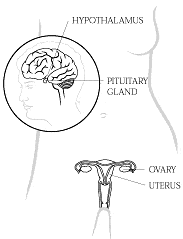
To understand ovulation disorders, it helps to first look at how a normal ovulation cycle occurs. Women are born with a finite number of eggs, each inside its own egg follicle. The eggs exist inside the ovaries, which are controlled by hormones produced by the pituitary gland, namely Follicle Stimulating Hormone (FSH) and Luteinizing Hormone (LH).

FSH is the hormone responsible for stimulating one follicle each month to start developing a mature egg. Once the follicle reaches about 2cm in size and is secreting a certain amount of estrogen, the pituitary gland then sends out a surge of the other hormone, LH, which results in the mature egg being released from the follicle.

If ovulation is not occurring in a regular, timed fashion, it is likely that the ovaries and the pituitary gland are not communicating correctly.

Identifying the Problem

“We always look closely at thyroid function,” says Dr. Esposito, “because the thyroid gland works closely with the pituitary gland in reproduction.” Hypothyroidism, a condition in which the thyroid gland does not make enough thyroid hormone, tends to be the thyroid abnormality seen most commonly in women.Simple blood tests are the most effective method for finding the cause of this miscommunication. All women being diagnosed for infertility do the same battery of tests that check the levels of hormones important to fertility. Within the results are some of the common causes of ovulatory dysfunction.

“When the thyroid is not keeping up with the metabolic demands of the body,” says Dr. Esposito, “patients will often have cycle irregularity as well as symptoms such as cold intolerance, weight gain, hair loss and fatigue. This is very easily treated with thyroid hormone replacement.”
“We also check prolactin levels with a blood test,” Dr. Esposito adds. Prolactin is the hormone that, among many other functions, primes the breasts for breastfeeding. If a woman’s prolactin level is high even in a non-pregnant state, it can cause cycle irregularity.

These patients may also have an MRI done of the pituitary gland since patients with an elevated prolactin level can also have a small collection of cells in the pituitary gland called an adenoma. “These are normal prolactin secreting cells that grow into a hyperfunctioning unit and cause prolactin elevation and irregular cycles,” explains Dr. Esposito. “This can also easily be treated with medication.”

In addition to these tests, a detailed medical history will help round out the picture of the patient. Dr. Esposito says questions related to symptoms like acne, facial hair and weight gain are particularly important in diagnosing the most common ovulatory disorder, Polycystic Ovary Syndrome (PCOS). “The symptoms of PCOS are very bothersome to women, but they often don’t realize they are connected to the ovulation disorder until I ask them about these particular symptoms.” says Dr. Esposito.

Getting a Complete Picture of Fertility

Women with ovulation disorders often assume that it is the sole cause of their infertility. In fact, studies have shown that many of these women have additional causes of infertility, including a male factor for infertility within the couple.

“Before you start down the road of fertility treatment, it’s really important to do a complete infertility workup, including testing of the male partner,” says Dr. Esposito. “If we get you ovulating again, only to find out that you have blocked fallopian tubes or your partner has a low sperm count, then just ovulating won’t work for you.”

Included in the complete workup is a semen analysis for the male partner and an HSG for the female partner. An HSG is a test that uses x-ray technology to show the health and shape of the uterus and fallopian tubes. An ultrasound is also standard for the female partner with hormone testing to get an idea of the health of her eggs and ovaries. “We also recommend a series of genetic blood tests as well,” adds Dr. Esposito.

Because there are a number of different causes of ovulation disorders, there isn’t a single treatment that works for everyone. Below, the most common ovulatory disorders and their treatments are described.

Polycystic Ovary Syndrome (PCOS)

PCOS is the most common ovulatory disorder, affecting 85% of women with ovulatory dysfunction. PCOS patients have an abnormal imbalance of the hormones FSH and LH that are secreted from the pituitary gland. These patients will often have very infrequent and irregular periods. They can also have acne and hair growth on the face, chin, chest and abdomen. This is the result of LH hypersecretion from the pituitary gland throughout the cycle.

Due to the fact that there is either very infrequent ovulation or no ovulation, there can be a very dense collection of small egg follicles, or cysts, on the ovaries that look like pearls. Each of these small follicles produces some estrogen, and that estrogen can act on the uterine lining to cause it to become thick. This, in combination with the fact that it does not undergo a regular shedding every month, can cause women to have very irregular bleeding and even anemia.

Another problem related to PCOS is insulin resistance. The insulin problem can result in unexplained weight gain and obesity. While many people consider obesity to be a main symptom of the disorder, 1/3 of women with PCOS are a normal weight.

Treating PCOS

If there are no other causes of infertility, such as low sperm count or blocked tubes, women with PCOS can start treatment with a simple oral medication and timed intercourse.

The medication most commonly used is Clomiphene, also called Clomid. Clomiphene is an antiestrogen and as a result of taking it, there is an increased production of FSH and LH from the pituitary gland causing the development of one or more egg follicles. While the patient is taking Clomid, bloodwork and ultrasound are used to monitor the progress of the follicles. Once the follicles reach a certain size, an injection of a medication that causes ovulation is given, and the patient can be told the best time to have intercourse to achieve pregnancy. Monitoring is always done to help time the cycle precisely and to help decrease the risk of multiple pregnancy. After fertilization attempts, progesterone may be taken by the patient to support a possible pregnancy.
“If the couple does a few cycles of Clomid alone without success, then we would likely recommend adding an injectable form of the FSH hormone. The injectables can add strength to the cycle,” says Dr. Esposito. “If the timed intercourse cycles are not working or the couple has any issues with their semen analysis, then we would recommend Intrauterine Insemination or IUI.”

With IUI, the semen sample can be specially prepared in a process called “washing” so that only the healthiest sperm are placed into the top of the uterus. This is timed to occur a few hours before ovulation occurs so that the sperm are waiting there for the egg to be released. The typical success rates with ovulation induction and IUI are about 15% – 20% per cycle with higher chances among younger women and lower chances for older women.

Dr. Esposito adds, “While many of our patients have success with the lower tech methods, if IUI is not successful within about 3-4 cycles, then it may be necessary to move on to In Vitro Fertilization (IVF).” At Shady Grove Fertility, patients with ovulatory disorders, including PCOS, have a 55% chance of successfully having a baby per IVF cycle if they are less than 37 years old with a normal ovarian reserve.

Regardless of their treatment path, PCOS patients who are obese can increase their chances of pregnancy by losing weight. “Losing just 5-10% of body weight has been shown to markedly improve the chances of pregnancy,” says Dr. Esposito. Some doctors prescribe a drug called Metformin for these patients, which increases the body’s response to insulin. Treating glucose intolerance and losing weight has the added benefit of reducing a patient’s long-term risk for diabetes and heart disease.

Hypothalamic Amenorrhea

While many women with PCOS are overweight, women who are underweight often suffer from another ovulatory disorder calledHypothalamic Amenorrhea, which accounts for about 10% of ovulatory disorders. “These women don’t have the body fat necessary to sustain ovulation every month,” says Dr. Esposito.

If a woman has a very small amount of body fat or is severely underweight, the body perceives itself to be starving and shuts down all non-essential bodily functions, reproduction included. In this case, the hypothalamus, an area at the base of the brain that regulates the pituitary gland, stops producing and releasing the hormone GnRH or Gonadotropin Releasing Hormone. GnRH is responsible for the release of FSH and LH, hormones critical to ovulation. Due to the fact that GnRH is either not being produced or being produced in negligible amounts, the LH and FSH from the pituitary gland are often undetectable when checked on blood tests.

Any type of chronic stress that results in low body fat, such as an eating disorder, excessive exercise, narcotic abuse or chronic disease can lead to Hypothalamic Amenorrhea.

Treating Hypothalamic Amenorrhea

Like PCOS patients, women with Hypothalamic Amenorrhea can also use lifestyle changes to improve their chances of pregnancy. “If the woman stops over-exercising or gains weight, ovulatory function may return to normal on its own,” says Dr. Esposito. However, lifestyle changes can be difficult for patients to achieve and take time, so there is a balance between the increase in fertility due to the weight change and the loss of fertility that occurs with aging. Also, even if patients do gain weight, they may never restore ovulatory function.

Another way to treat this condition is to give the patient the FSH and LH hormones that her body is not producing. A cycle of timed intercourse or IUI with injectable medications is often successful for these patients. Like patients with PCOS, 3 cycles of IUI with injectables would be recommended before moving on to more complicated treatments like IVF.

“Once we treat the hormone imbalance,” says Dr. Esposito, “women with Hypothalamic Amenorrhea have an excellent chance of getting pregnant.”

Hyperprolactinemia

A smaller group of women have a disorder in which the pituitary gland produces excessive amounts of the hormone prolactin. Prolactin normally circulates in the blood in small amounts in women who are not pregnant and in large amounts during pregnancy and right after birth.

Hyperprolactinemiacan cause irregular or no ovulation, resulting in infertility.

One of the most common causes of hyperprolactinemia is a benign tumor growing on the pituitary gland – the gland that produces prolactin. Other causes of excess prolactin production may be an underactive thyroid (hypothyroidism) or certain medications the patient may be taking. Sometimes, the cause is unknown.

Treating Hyperprolactinemia

“Thyroid conditions are fairly easy to treat with medication,” says Dr. Esposito, “and once it’s treated, the amount of prolactin in the blood may go back to a normal level.” If the patient has a benign tumor on her pituitary gland, or the cause of the hyperprolactinemia is unknown, treatment with medication can reduce the prolactin levels. This medication usually causes pituitary tumors to shrink as well.

“Just like other ovulation disorders, once we get the woman ovulating, she has the same chance as anyone else to get pregnant,” says Dr. Esposito. In this case, the treatment recommendations would be similar to the ones given to women with other ovulatory disorders – start with low tech treatments with medications and move up to more advanced treatment if those cycles are unsuccessful.

“Again,” says Dr. Esposito, “if the ovulatory disorder is the only problem the couple has, then their chances for pregnancy are very good.”

Pregnancy is on the Horizon

If you are one of the thousands of women with irregular periods or problems with ovulation, seeing a fertility specialist can give you confidence and hope. When you have an accurate diagnosis, you’ll be able to create a treatment plan with multiple avenues for success.

“Once women with ovulatory disorders learn why they are having trouble conceiving and what we can do to help, they feel a lot more positive about their chances of getting pregnant,” says Dr. Esposito. “The important thing is to see a fertility specialist for a complete diagnosis and get started with treatment as soon as possible.
 
If you have more questions about ovulatory disorders or would like to schedule your new patient appointment, please call 1-888-761-1967 or click here.

Filed Under: Diagnosing Infertility

October 1, 2014 by Shady Grove Fertility

 
There is a common path that many couples follow on their way to fertility treatment. It starts with the woman talking to her OB/GYN about the fact that it is taking longer than she expected to get pregnant. Often the doctor will order some tests for her and start a simple oral medication as a first line treatment.

The problem is that 40-50% of couples with infertility have a male factor contributing to their difficulty conceiving. So, many times, treatments that only help the female side of the equation are unsuccessful. This can increase the frustration and anxiety of couples, as they spend several more months trying with no success.

Shady Grove Fertility’s physicians always suggest including the male partner right from the start. “I always recommend a semen analysis at the first appointment,” says Dr. Howard McClamrock of Shady Grove Fertility’s Baltimore Harbor Office. “Patients shouldn’t start any kind of treatment without knowing the result of a semen analysis.”

Men are sometimes wary of being tested. They might be uncomfortable with the process or afraid to see the results, but the semen analysis is a fast, simple test that is crucial to getting on the right treatment path.

Plus, men can be reassured that whatever the results are, there is help for them. “We can help the vast majority of men,” says Dr. McClamrock, “nearly all of them.”

TESTING FOR MALE FACTOR INFERTILITY

All that is required for a semen analysis is for the male to provide a semen sample. While many SGFC offices have collection rooms, samples are encouraged to be collected at home. Results are available within 3 to 5 business days and can be obtained from either your Shady Grove Fertility doctor or a referring physician. The majority of Shady Grove Fertility’s full-service locations provide semen analysis services Monday through Friday by appointment.

Once a patient has provided a sample, several factors are examined:

  1. Volume – Besides sperm, semen contains amino acids, enzymes and several other secretions made by the male reproductive system. If the volume of ejaculate is low, that can mean the sample may be lacking in these important secretions that aid in the fertilization process. It could also signal a blockage or other issue in the semen’s pathway.
  2. Concentration – This is what people commonly refer to as the “sperm count.” A low concentration can signal a problem with the testicles or male hormones that is preventing the testicles from making enough sperm.
  3. Motility – The movement of the sperm is another important factor. If it is low, it can affect the ability of the sperm to reach the female reproductive tract and find the egg.
  4. Morphology – This item refers to the shape of the sperm in the sample. The head of the sperm is the part that penetrates and fertilizes the egg. If these are misshapen, it may mean they do not contain the proper enzymes or other materials that are necessary to complete fertilization.

NO SPERM OR NO SEMEN

Sometimes, the semen sample looks normal but under the microscope, it is revealed that there are no sperm present. This can be the result of a blockage of the ducts that carry the sperm from the testes to the penis and is called obstructive azoospermia.

“Some men with obstructive azoospermia are missing the tube that carries the sperm to the urethra, called the vas deferens,” says McClamrock. “This can be confirmed by a physical examination.” More than half of these men are carriers of Cystic Fibrosis (CF), so their doctors will order genetic testing to determine whether that is the cause.

Shady Grove Fertility suggests genetic testing to all couples undergoing fertility treatment, so they will know if they are carriers of some of the more common genetic conditions like CF. If both partners are carriers of a genetic disease, their embryos can be screened for the condition before transfer so that their children do not inherit the disease.

In more rare cases, a man may not be able to produce a sample because he cannot ejaculate. This can be caused by a medical problem called retrograde ejaculation, in which the semen is discharged backwards into the urinary bladder, rather than forwards.

In about 5% or less of the cases, additional procedures have to be performed to enable examination and use of a man’s sperm. Whatever the cause, an inability to produce a sperm sample during the routine semen analysis is no cause for panic. “There are usually healthy sperm in the testes, we just have to get them,” says Dr. McClamrock. “We have several procedures that can recover the sperm so they can be used for fertilization.”

RETRIEVING SPERM

One such procedure is called Percutaneous Epidydimal Sperm Aspiration or Testicular Sperm Extraction (PESA and TESE). In this procedure, a needle is inserted into the testicle and fluid or tissue are withdrawn. The fluid is then inspected under a microscope and healthy sperm are extracted from it.

If PESA or TESE is unsuccessful in retrieving sperm, a second option may be to do a Testicular Biopsy. In this procedure, a needle is used to remove a small sample of tissue from the testes. The tissue is then inspected under a microscope and any healthy sperm found are extracted from it.
These procedures sound painful, but they are done under local or general anesthesia and shouldn’t be uncomfortable for the patient. The procedures are performed by urologists in one of Shady Grove Fertility’s Ambulatory Surgery Centers and most patients return to work the following day. Shady Grove also has Urologists on staff for consultation or treatment if needed.

TREATMENT FOR MILD CASES

Once a semen sample is collected and analyzed, a treatment plan can be created. If the semen analysis reveals a slight problem with one of the factors listed above, the couple may be diagnosed with a mild form of male factor infertility. “In the case of mild forms of male factor infertility, we usually suggest that the couple start treatment with IUI,” says Dr. McClamrock. IUI or Intrauterine insemination is a much simpler, lower-tech form of treatment than In Vitro Fertilization (IVF).
IUI is helpful in cases of male factor infertility because the sperm sample is specially prepared before it is placed in the uterus. In a process called “washing,” the semen sample is transferred into a tube and placed in a centrifuge where it is spun so that the sperm with the best shape and motility are concentrated at the bottom. These sperm, which are the healthiest in the sample, are separated out and prepared for placement in the uterus. This allows for more motile sperm to get closer to the egg for fertilization.

The female partner often prepares for the insemination by taking fertility medications that cause ovulation and prepare the uterine lining for pregnancy. At a time near ovulation, a speculum is inserted into the vagina, and a soft, thin catheter is then placed through the cervix and into the uterus. The washed sperm is introduced into the uterus through the catheter. This procedure takes only a few minutes, is not painful and does not require anesthesia, IUIs are provided at your local office.

“If a couple does 3 cycles of IUI and doesn’t get pregnant,” says Dr. McClamrock, “then we would usually suggest they move onto IVF, often with ICSI, even if the male factor infertility is mild.”

ICSI IS THE ANSWER FOR MANY PATIENTS

ICSI, which is short for Intracytoplasmic Sperm Injection, is a process in which an embryologist injects a single, healthy sperm into the cytoplasm, or center, of each egg. This process of fertilization only requires one healthy sperm per egg. ICSI is one of the most incredible advances in fertility treatment because it allows for fertilization even in cases of severe male factor infertility.

“For several decades physicians have tried to help men with male factor infertility. Treatment for male factor infertility was revolutionized some years ago with the introduction of ICSI,” says Dr. McClamrock. “ICSI is the answer for almost every male factor problem.”

To use ICSI, the couple must undergo In Vitro Fertilization (IVF). For IVF, the female has daily injections of fertility medications, for several days, which result in the maturation of many eggs inside her ovaries and prepare her uterine lining for pregnancy. Once the follicles containing the eggs have grown to a sufficient size, an egg retrieval procedure is performed. When the mature eggs are taken to the laboratory, the embryologist will perform ICSI and fertilize each egg individually. After  5-6 days of development, the best embryo will be transferred into the woman’s uterus where it has the chance to implant and develop into a pregnancy.

YOUR CHANCES ARE GOOD

Guys aren’t jumping at the chance to get their semen analyzed, but it’s a painless, simple test that is critical to fertility treatment – and the earlier you know the results, the better your chances of success.

“If you wait too long, the aging process can start to create difficulties on the female side, even where there were none before. Then, treatment becomes more complicated,” says Dr. McClamrock. “If all you have is male factor infertility, then we’re going to be able to help you, and the treatment most likely will be fairly easy.”

No man wants to find out that he has male factor infertility. The good news is that there are so many effective ways to treat it that it shouldn’t prevent him from becoming a dad.
Editor’s note: This blog was originally published in October 2014, and updated for accuracy and comprehensiveness as of November 2020.

Schedule an Appointment

To schedule a virtual consultation with an SGF physician, please call our New Patient Center at 1-888-761-1967 or submit this brief form.

Filed Under: Diagnosing Infertility

October 1, 2014 by Shady Grove Fertility

For those who struggle to accomplish the common experience of pregnancy, the hand they’re played by life seems stacked against them. That’s just how it felt for Sally and her husband.

The couple knew they would encounter some challenges getting pregnant. First, there was the fact that Sally’s husband had a voluntary contraceptive vasectomy following the birth of his second child from a previous marriage. Accordingly, he underwent a surgical vasectomy reversal. Four months later, with a lot of cycle charting to confirm Sally was ovulating like clockwork, they learned that the vas reversal was unsuccessful.

They were diagnosed with male-factor infertility.

Wasting no time, the couple headed straight for IVF at a clinic near their home in Pennsylvania. Sally had chosen the clinic because of their overall success statistics. She conceived during the first IVF attempt, but miscarried early in the pregnancy. A second IVF cycle, another early miscarriage, and genetic testing revealed that Sally has what is known as a balanced translocation.

Now, they were dealing with male and female factors that would stand in the way of their creating the child they longed to have.

Balanced translocation (BT) refers to a condition in which parts of chromosomes are misarranged. In Sally’s case, her 9th and 16th chromosomes are switched. BT doesn’t usually result in any malformations for the carrier (in this case, Sally, and also her mother, it was learned when her parents were tested, too,) but BT often results in embryos that are not viable, therefore, in pregnancies that end in early miscarriage.

“It was so disheartening,” Sally recalls. “When I first started charting my cycle and before we found out the vasectomy reversal hadn’t worked, we felt very positive about getting pregnant.” Now, with the knowledge that she had a genetic condition that could result in further miscarriages, the task of getting pregnant seemed, well, like a test.

The Things We’ll Do

Through an Internet group for others with balanced translocations, Sally started exploring their options for treatment. Preimplantation Genetic Diagnosis (PGD) sounded promising, but her fertility specialist didn’t feel the technology was solid enough to warrant the extra expense of the procedure for the couple. He recommended continuing IVF with “aggressive transfers of lots of embryos” to boost Sally’s chances at creating one good embryo.

PGD is performed as a part of an In Vitro Fertilization cycle where multiple eggs are produced, retrieved from the ovaries and fertilized. At their earliest stage of development, one or two cells are removed from each embryo and analyzed in the PGD Laboratory to determine which embryos are free of genetic abnormalities.

Ironically, though Sally’s field of employment was Human Resources and benefits, the couple had no insurance coverage for infertility because her husband’s vasectomy was voluntary. Without PGD, they were looking down a long, expensive road of paying entirely out of pocket for what amounted to taking blind chances at getting around her genetic situation. With PGD, they could at least be able to tell if the embryos they were creating were normal before transferring them into Sally’s uterus.

Then a friend who was knowledgeable about BT suggested they look into Shady Grove Fertility, even though the nearest office was over two and a half hours away.

“She insisted I see Dr. Michael Levy,” remarks Sally. “And I couldn’t believe the difference in atmosphere between my previous clinic and Shady Grove Fertility. It was like night and day in terms of personal attention. I loved my previous RE, too, but I didn’t like the system. When we started at Shady Grove Fertility, one of the first things I noticed was that when I called, I talked to real staff — not voicemails — and later on, I always knew which individuals to speak with along the way in our treatment.”

“People who knew me at the time, but especially those who’d never gone through what he had, were asking me if I was crazy, deciding to make that drive. I didn’t expect them to understand.”

The Things It Takes To Move Forward

With renewed hope, Sally and her husband proceeded to a third IVF cycle, first at SGFC, this time using PGD to help select the right, healthy embryos to transfer.

The diagnosis of BT made them ineligible for the Shady Grove Shared Risk Refund Program, but Dr. Levy helped the couple by providing their services at a discounted rate. Calling it “such a blessing,” Sally now says that without the personalized financial assistance, plus the use of Capital One’s health care financing program, they “couldn’t have even considered going forward with treatment.”
To say they were disappointed when yet another pregnancy ended in miscarriage is an understatement.

“By now, we thought we were doing every possible thing right,” Sally says. “There was no definitive reason found for that loss.” Still they persevered and tried again.

In their fourth attempt at having a baby with IVF, their second using PGD, three healthy-appearing embryos were transferred and, again, Sally was pregnant. This time, to counteract a possible mild clotting problem, she used the injectable blood-thinner Lovenox to increase the likelihood of this pregnancy succeeding.

One of the three embryos implanted and stuck around for 37 relatively and happily uneventful weeks, at which time Sally’s first child was born in early 2008.

“I remember Dr. Levy remarking that one of the embryos looked ‘like it should be in a textbook’, it was so perfect,” the proud mother smiles. No longer working outside her home, Sally says, “We tried and tried so hard to have this little guy, I’m going to just be a mom and enjoy him.”

Filed Under: Diagnosing Infertility

October 1, 2014 by Shady Grove Fertility

Research, experience and analysis of treatment data are helping us deepen our knowledge and evolve our testing of ovarian reserve. We know now that using day 3 FSH alone can be an inaccurate predictor of fertility potential, especially in younger women with elevated day 3 FSH, and that a much clearer picture emerges when antral follicle count (AFC), day 3 FSH levels and the patient age are combined. This new insight has resulted more individualized treatment protocols and better outcomes for many of our patients.

Testing Ovarian Reserve

There are a number of tests that infertility specialists can use to assess the female partner’s “ovarian reserve” during an infertility evaluation. The term “ovarian reserve” refers to what remains of oocyte number and function after the natural effects of aging and depletion. We use this important information to define prognosis of the treatment options and select the treatment medication protocols. As we know, women are born with their full complement of oocytes at birth and do not make more, unlike men who continue to make new sperm through much of life.

A woman’s ovary is programmed to lose many oocytes through atresia throughout her reproductive years, even starting pre-pubertally and continuing on until menopause, when the ovaries are essentially devoid of these germ cells. As the female progressively ages, not only does her oocyte count deplete more rapidly, but also the chromosomes within the oocytes (which have been arrested in a delicate mid-meiotic division) become more prone to chromosomal anomalies. This leads to increasing embryo aneuploidy from the aging oocytes, and is, of course, the reason for the recommendations for pre-natal genetic testing in pregnancy when over 35 years old. In addition, increases in infertility rates and in miscarriages accelerate at ages 35-39, with much greater problems thereafter. Spontaneous pregnancy after the age of 45 is very unusual.

The degree and speed of ovarian aging is specific to the patient and is partially genetically predetermined. Although several environmental factors, e.g. cigarette smoking, chemotherapy, certain medications, and drug use can accelerate ooctye atresia and aneuploidy, unfortunately there is nothing we can do to improve or delay it. Our therapeutic regimens and medications are designed to stimulate the maturation of more eggs in a cycle of therapy by rescuing them from atresia and in this way can help the couple maximize the use of a larger cohort of eggs/embryos from what oocytes remain.

Evolution in Ovarian Reserve Testing

The two best tests we currently use to determine ovarian reserve are the antral follicle count (AFC)and the day 3 FSH concentration. We also look at day 3 estradiol and LH levels for adjunctive information and, in older patients we may add the Clomid Challenge Test. This latter dynamic test can be used to unveil underlying decreases in ovarian reserve just as a Cardiac Stress Test can be used in addition to a resting EKG. Additional tests of ovarian reserve are being evaluated, such as serum Inhibin and Anti Mullerian Hormone testing, but we will discuss the two most commonly in use today for our patients: the AFC and day 3 FSH.

While the antral follicle count has recently been shown to be an excellent predictor of fertility potential, combined with the day 3 FSH they complement each other in helping us predict outcomes and protocols for our patients. The antral follicles are the 2-10mm follicles within the ovarian stroma that represent the next waves of ovulation and can be visualized on a day 3 tranvaginal ultrasound. In general, the more antral follicles we visualize, the better prognosis for the patient. We like to see at least 10 follicles between both ovaries. If we see less, we know that we will need to alter our prognosis for the patients and recommend more aggressive treatment protocols. If we see many more (i.e. PCOS patient), then more conservative dosing protocols are warranted, even in IVF.

The day 3 FSH concentration has repeatedly been shown to be a significant predictor of ovarian reserve. We know that an elevated baseline day 3 FSH level indicates a poor prognosis and lower response to ovarian stimulation in patients over 35. But is this also true in a patient in her 20’s or early 30’s? More recent evidence has led to an evolution in our discussions with patients as we have learned that the day 3 FSH has different predictive value in the younger infertility patients compared with those older.

Younger Age “Trumps” Elevated Day 3 FSH in Predicting Treatment Outcome

We know that age and FSH are both independent predictors of ovarian reserve, and the chart below of three different age patients, each with a normal FSH or each with an elevated FSH, may illustrate this.

Patient Age :303540
Day 3 FSH :777
Day 3 FSH :141414

In the above examples, the 30-year-old patient with an FSH of 7 has the best prognosis and the 40-year-old with an FSH of 14 the worst. But the 40 y/o with an FSH of 7 has a poorer prognosis than the 30 y/o with that same FSH, due to the independent effect of age and FSH. Likewise, the prognosis for 30 y/o with the elevated FSH is not what it might be at her same age with a normal FSH, but what we have learned from experience is that this younger patient’s prognosis, despite the elevated FSH, is still quite good. To achieve that prognosis might require a stronger stimulation protocol to her ovaries, as she would likely respond less vigorously to medication with fewer eggs. Thus, age is somewhat protective for most young patients, even with moderately elevated FSH levels.

Aggressive Ovarian Stimulation Helps Younger Patients with Elevated FSH

The first study to address what is summarized above was a study by Esposito et al. where we found that elevated FSH levels best predicted poor pregnancy outcomes in women older than 35 years of age. But we also found that younger patients with elevated FSH had a higher chance of cycle cancellation due to poor response, but that if we stimulated them more aggressively in the IVF cycle with more aggressive treatment protocols, they could have a reasonable chance of becoming pregnant. More studies have come out supporting this.

The bottom line for day 3 FSH testing seems to be the following: Moderately elevated FSH levels in younger patients likely means fewer oocytes in the ovaries but, since the patient is young, the egg quality may still be good. A good AFC helps predict a better outcome for her. Elevated FSH levels in older patients, especially when combined with lower AFC, are more of a concern as they are correlated to poorer oocyte quality in the fewer number of oocytes available. Older patients with elevated FSH levels are best served statistically by the use of donor eggs.

In Summary

Thus, experience and data are helping us evolve our testing of ovarian reserve, especially using AFC plus day 3 FSH levels plus the patient age. This has led to more accurate individualized prognosis for outcomes and better-individualized treatment protocols. In the next few years, Ovarian Reserve assessment may also include new tests and continued evolution in how we interpret them to better counsel and treat our patients.

Filed Under: Diagnosing Infertility

October 1, 2014 by Shady Grove Fertility

While most men perceive that infertility is mainly a woman’s problem, male factor is the primary cause in 40% of all infertility cases, while an additional 10% of cases can be attributed to both male and female infertility factors. Through dependable diagnosing procedures and advances in treatment technology, Shady Grove Fertility has helped numerous men overcome male factor infertility and become fathers. In fact, Shady Grove Fertility patients with a male factor diagnosis have a clinical pregnancy rate of 62% per cycle.

Shady Grove Fertility physician Melissa Esposito, MD explains that obtaining a complete and reliable semen analysis during a couple’s infertility evaluation is a critical first step in the process. This simple test allows Shady Grove Fertility clinicians to examine the semen sample in a number of different ways, offering insight into the likelihood of male factor infertility.

“A semen analysis is a fast, simple test that uncovers a wealth of information,” Dr. Esposito says. “We need a complete picture of the health of the couple to be able choose the most effective treatment.”

Collecting A Sample

Shady Grove Fertility’s Andrology Center is the largest male infertility testing laboratory in the U.S., performing more than 20,000 semen analyses and sperm washes for IUI per year. The Center processes and evaluates samples from both SGFC patients and patients who have been sent to the Center by more than 750 referring physicians. Results are usually available to the patient and their physician 3-to-5 week days following their appointment.

“The advantage to having the semen analysis done at Shady Grove Fertility is that we look at everything in the sample,” Dr. Esposito said. “We have over 30 expert andrologists and embryologists who work with semen samples every day and know what to look for, not just in the sperm, but also in terms of all the other secretions and enzymes that make up a healthy sample.”
All 14 of Shady Grove Fertility’s full-sevice locations provide semen analysis services Monday through Friday by appointment only. While many SGFC offices have collection rooms, samples are encouraged to be collected at home. To help ensure the most accurate analysis, the following should be followed:

  • Three to five days of abstinence from ejaculation prior to collecting for analysis.
  • Fresh semen samples are to be collected via masturbation only.
  • Samples are to be collected in a dry, polypropylene container with a lid (containers can be obtained from your SGFC office or any pharmacy).
  • Lubricants are prohibited as they may interfere with sperm motility.
  • Samples collected at home should be delivered to our office within two hours of collection, and the container should be shielded from extreme hot or cold temperatures.

Analyzing Sperm

Once a patient has provided a semen sample, there are several factors that are examined in asemen analysis.

First is the volume of the sample. “We want to see at least 2cc’s of fluid in a sample,” explains Dr. Esposito. Besides sperm, semen contains amino acids, enzymes and several other secretions made by the male reproductive system. If the volume of ejaculate is low, that can mean the sample may be lacking in these important secretions that aid in the fertilization process. It could also signal a blockage or other issue in the semen’s pathway.

Next is the concentration of sperm, or what people commonly call the “sperm count.” A low concentration can signal a problem with the testicles or male hormones that is preventing the testicles from making enough sperm.

The motility, or movement of the sperm, is another important factor. If it is low, it can affect the ability of the sperm to reach the female reproductive tract and find the egg.

Finally, morphology is an important component of a semen analysis, especially when done for an infertility diagnosis. Morphology looks at the percentage of normally shaped sperm in the sample. The head of the sperm is the part that penetrates and fertilizes the egg. If these are misshapen, it may mean they do not contain the proper enzymes or other materials that are necessary to complete fertilization.

Dr. Esposito explains that “having an abnormal result in any one of these areas can impair the fertility process.”

Scoring the Results

The results of the semen analysis are most commonly graded on one of two scales – the World Health Organization (WHO) scale, or the “Kruger Strict” scale. Shady Grove Fertility uses Kruger Strict because it includes criteria for morphology, which is an important factor in diagnosing infertility. These criteria establish what is considered a healthy range for factors like sperm concentration and motility.

Dr. Esposito explains that the criteria used at Shady Grove Fertility are so important to an accurate semen analysis, that she will many times ask a patient to repeat the semen analysis even if they have already done a semen analysis with an urologist.

“If the analysis they show me does not include morphology, I will have them repeat it, because I have seen cases where everything was normal except morphology,” says Dr. Esposito. “Additionally, if the initial semen analysis shows anything abnormal I will have them do a second one to make sure the results are correct.”

Factors That May Affect Sperm Quality

There are many risk factors that may affect the health and quantity of sperm including:

  • Smoking
  • Excessive consumption of alcohol
  • Use of anabolic steroids, cocaine, heroine or other recreation drugs
  • Sexually Transmitted Diseases (STD)
  • Hot baths & saunas
  • Being underweight or overweight
  • Exposure to environmental toxins
  • Genetic conditions such as:
    • Sperm production disorders that lead to many sperm being abnormal in shape or unable to move well.
    • Immune system disorders caused by men developing antibodies to their own sperm which may attack and weaken the sperm.
    • Anatomical or structural problems in which there are no sperm in the ejaculate, however, the testes may still be producing sperm.

Finding the Good Ones

For men who have low or weak sperm, andrologists can examine the sample and choose good looking sperm for fertilization. For those with no sperm, there are several procedures that can attempt to recover healthy sperm.

One procedure is called Percutaneous Epidydimal Sperm Aspiration or Testicular Sperm Extraction (PESA and TESE). In this procedure, a needle is inserted into the testicle and fluid is withdrawn. The fluid is then inspected under a microscope and healthy sperm are extracted from it.

If PESA or TESE is unsuccessful in retreiving sperm, a second option may be to do a Testicular Biopsy. In this procedure, a needle or knife is used to remove a small sample of tissue from the testes. The tissue is then inspected under a microscope and any healthy sperm found are extracted from it.

“Most men squirm when hearing the descriptions of these procedures, but they are done with local or general anesthesia and are not painful to the patient,” says Dr. Esposito, “And they have proven successful at helping men with male factor conceive children.”

Getting Pregnant

Depending on the severity of the male factor, the physician may recommend simple treatments such as sperm washing for Intrauterine Insemination (IUI) or advanced treatments such as In Vitro Fertilization (IVF) with or without Intracytoplasmic Sperm Injection (ICSI), the process of inserting a single sperm into the egg.

Intrauterine Insemination (IUI) is a process whereby a concentrated specimen of sperm is placed in the uterus. The sperm sample is specially prepared in the andrology lab in a procedure commonly known as “sperm washing”. This creates a final sample that consists of the most active sperm available from the original sample.

IVF with or without ICSI may be required to overcome a male factor that has not responded to less intensive therapy. Once the egg has been injected with the sperm, the embryologist will observe the egg, and if fertilization occurs and the embryo matures properly, it will be transferred into the female’s uterine cavity usually 3-to-5 days after fertilization.

Encouraging Advancements

Men may be fearful of finding out their diagnosis, but it’s important to know that male factor is one of the most successfully treated forms of infertility. All that is needed is one good sperm to fertilize the egg. With a reliable semen analysis, our physicians can create a treatment option for nearly anyone.

“There are so many advances in male fertility. It’s really incredible,” says Dr. Esposito, “There are many, many different ways that couples with male factor infertility can be helped.”

Medical expert for this story: Melissa Esposito, MD – SGFC Frederick, MD office

For more information or to schedule an appointment with one of our physicians, please speak with one of our friendly New Patient Liaisons by calling 888-761-1967.

Filed Under: Diagnosing Infertility

  • « Go to Previous Page
  • Page 1
  • Interim pages omitted …
  • Page 12
  • Page 13
  • Page 14
  • Page 15
  • Page 16
  • Interim pages omitted …
  • Page 21
  • Go to Next Page »

Company

  • About SGF
  • About US Fertility
  • Our Doctors
  • Fertility Equity
  • Careers
  • Newsroom
  • SGF College Scholarship
  • Contact Us
  • Voice Your Feedback

Treatments

  • Egg Freezing
  • Intrauterine Insemination (IUI)
  • In Vitro Fertilization (IVF)
  • Frozen Embryo Transfer (FET)
  • LGBTQIA+ Family Building
  • Shared Risk 100% Refund Program
  • All Treatments

Resources

  • Patient Portal
  • Online Bill Pay
  • Library
  • Support Groups & Events

Locations

  • California
  • Colorado
  • Delaware
  • Florida
  • Georgia
  • Maryland
  • North Carolina
  • Pennsylvania
  • Texas
  • Virginia
  • Washington, D.C.

2026 Shady Grove Fertility

  • Policies & Notices
Also of interest
  • In Vitro Fertilization IVF
  • Fertility Tests
  • Research Publications