• Skip to primary navigation
  • Skip to main content
  • Skip to footer
Shady Grove Fertility
  • Become an Egg Donor
  • Referring Physicians
  • 1-888-761-1967
  • Schedule Appointment
  • Get Started
        • Get Started
          • Causes of Infertility
          • Fertility Tests
          • When to Seek Help
          • Find a Doctor
          • Preconception and prenatal vitamins 
          • Schedule an Appointment
        • Personalized Care For
          • Single Parents
          • LGBTQIA+ Family Building
          • People with Cancer
          • Known Genetic Diseases
          • Egg Donors
  • Treatments
        • Fertility
          • Timed Intercourse
          • Ovulation Induction
          • Intrauterine Insemination (IUI)
          • In Vitro Fertilization (IVF)
          • Frozen Embryo Transfer (FET)
        • Donation & Surrogacy
          • Donor Sperm
          • Donor Egg
          • Donor Embryo
          • Gestational Carrier
          • LGBTQIA+ Family Building
          • Single Parents
          • Find a Donor
        • More Treatments
          • Center for Male Fertility
          • Egg Freezing
          • OncoFertility
          • Preimplantation Genetic Testing
          • MIGS
          • All Fertility Treatments
  • Resources
    • Resource Library
    • Events Calendar
    • Patient Stories
    • Mental Health
    • Wellness Center
  • Insurance & Savings
    • Insurance & Benefits
    • Shared Risk 100% Refund Program
    • 100% Refund for Donor Egg
    • Discounts
    • Egg Freezing Costs
    • Financing & Grants
    • Clinical Trials
  • About
    • Find a Doctor
    • About SGF
    • Our Care Team
    • Advanced Practice Providers
    • Fertility Equity
    • Philanthropy
    • Newsroom
    • Careers
    • Contact Us
    • Voice Your Feedback
  • Locations
        • Find a Location
        • California
        • Colorado
        • Delaware
        • Florida
        • Georgia
        • Maryland
        • North Carolina
        • Pennsylvania
        • Texas
        • Virginia
        • Washington, D.C.
        • Chile
        • International & Out of State
        • SGF at Walter Reed National Military Medical Center
  • Patient Hub
    • Online Bill Pay
    • Patient Forms
    • Patient Portal
  • Call your care team
  • Become an egg donor
  • Referring physicians
  • search-icon
  • Schedule appointment 1-888-761-1967

Home / Dr. Paulette Browne

Dr. Paulette Browne

March 23, 2023 by Shady Grove Fertility

In order to assess a woman’s reproductive function, patients at SGF complete what is known as day 3 testing. Day 3 testing consists of bloodwork and an ultrasound that are completed on the third day of a menstrual cycle. We spoke with Dr. Anthony Imudia to answer all your day 3 testing questions.

What does day 3 testing measure? 

The blood drawn is used to measure various hormone levels that help determine if you are ovulating as well as your ovarian reserve (or egg supply). Day 3 hormone testing measures: 

  • E2 (estrogen): E2 is the main female reproductive hormone that is secreted from the ovary and stimulates follicle growth as well as prepares the uterine lining for implantation. 
  • FSH (follicle-stimulating hormone): FSH is released from the brain and stimulates the ovary to mature an egg. 
  • LH (luteinizing hormone): LH is integral in the final maturation and release of a mature follicle. 
  • AMH (anti-Müllerian hormone): AMH indicates the size of ovarian reserve. AMH is secreted by the small antral follicles found in the ovaries at the start of the menstrual cycle. 
  • Other: Additional hormone tests may be performed to assess general health and cycle regularity. 

At the same visit we will perform a baseline transvaginal ultrasound to measure the ovaries, uterus, and ovarian activity through an antral follicle count (AFC). 

When are the results of day 3 testing available? 

Day 3 test results often are available the same day. 

What does the day 3 testing show? 

Day 3 testing provides your physician with valuable information about the current status of your reproductive potential. The hormone levels show how easily your brain and ovaries work to mature an egg each month and provide insight into the egg quality. The ultrasound images help to assess the anatomy of the uterus and ovaries; while the antral follicle count helps assess ovarian activity. 
 
This information, along with your age and medical history, will help to determine the need for any additional testing and help your care team to formulate a treatment plan. Your fertility treatment plan is tailored to your medical situation with the goal of balancing high success rates with ease and affordability. 

How do I know when it’s day 3? 

Day 3 is considered the third day of your menstrual cycle (which is the third day of menstrual bleeding). 
 
Check in with your SGF Care team about how to identify your cycle day 1.  

How do I schedule day 3 testing? 

On day 1 of your cycle, please contact your local office to schedule an appointment for day 3 testing. If your day 3 falls on a weekend or holiday, you may need to visit a different location to complete the testing.  

Does my insurance cover day 3 testing?

Many health insurance groups cover day 3 testing as routine diagnostic workups. Please check with your individual health insurance provider. 

Will I need this test every day 3? 

No. Typically, day 3 testing is completed annually, usually at the start of a workup or treatment cycle. 

What happens if my day 3 testing isn’t normal? 

Normal will vary. While most day 3 testing is a good reassurance of reproductive potential, there are times when the values are not within the expected range. Depending on the findings, your physician may wish to repeat testing in a subsequent month, complete more sophisticated testing of ovarian function, or make treatment recommendations based on those results. 
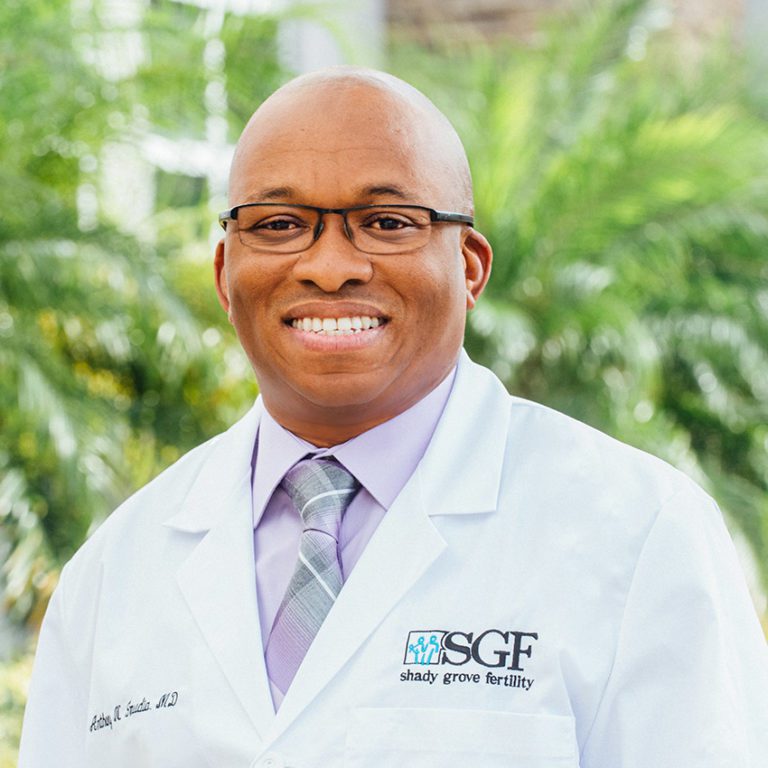
Medical contribution by Anthony N. Imudia, M.D.

Anthony Imudia, M.D., is board certified in obstetrics and gynecology and reproductive endocrinology and infertility. He is currently the Division Director and Fellowship Director, Division of Reproductive Endocrinology and Infertility, USF Morsani College of Medicine. Dr. Imudia sees patients at SGF’s Wesley Chapel and Tampa – Westshore, Florida offices.

Editor’s Note: This post was originally published in May 2016 and has been updated for accuracy and comprehensiveness as of March 2023.

Schedule Appointment

To learn more about day 3 testing or to schedule a new patient consult please call our New Patient Center at 1-877-971-7755 or fill out this brief form.
Filed Under: Diagnosing Infertility Tagged With: Dr. Paulette Browne

April 6, 2018 by Shady Grove Fertility

Medical Contribution by Paulette Browne, M.D.

Paulette Browne, M.D., of SGF’s Fair Oaks, VA location, is double board certified in reproductive endocrinology and infertility, and obstetrics and gynecology. Dr. Browne recently hosted a webinar about what your menstrual cycle says about your fertility, and helped address common questions and concerns.

Join the next Q&A Webinar, or take advantage of another SGF educational event, in person or online. View our events calendar to learn more.

Q: Can maintaining a healthy weight help regulate my cycle?

Dr. Browne: Yes, maintaining a healthy weight is very important and can help regulate your cycle. Being underweight or overweight can result in fertility issues and ovulation issues.

Q: Ovulation predictor kits are supposed to give you 2 days for peak ovulation, but my tests constantly read positive. What does that mean?

Dr. Browne: Ovulation predictor kits are measuring LH. LH is a signal from the brain that causes ovulation. Some women have chronically elevated LH either because of low ovarian reserve or, more commonly, from polycystic ovary syndrome (PCOS) when the LH is elevated due to insulin problems. For people who have positive LH at all times, it really makes sense to see a fertility doctor to get a better sense of whether you have an ovulatory issue.

Q: My cycle is regular when I’m on birth control. Does that mean when I go off the pill, I should expect to maintain this regular cycle?

Dr. Browne: Actually, the birth control pill is artificially regulating your cycle, so if you go off the pill and your cycles are irregular, it may point to some issue that can be fixed with fertility treatment. Just because you go off the pill doesn’t mean your cycles are going to remain regular.

Q: Can I look at my mom or sister’s cycle to help indicate if my cycle will be normal?

Dr. Browne: There are some genetic issues that could be similar in siblings or parents, but I would say that most cyclic abnormalities are individual and by looking at your siblings or mother’s menstrual cycle does not help to predict yours.

Q: My period comes the same time every month, but it’s varies in length between 3-5 days. Is this normal?

Dr. Browne: This does sound very normal. It’s a regular timed menstrual cycle and the number of days of bleeding may just be adjusted by how well the lining built up that month.

Q: If only the first day of your period is painful, might this be a sign of endometriosis?

Dr. Browne: Yes, it’s very possible. Some people just have menstrual cramps and it’s a sign of your uterus trying to expel the blood in the uterus and it may be normal. But, it’s certainly possible to have just one painful day of your period and it could be endometriosis.

Watch: SGF’s New On-Demand Webinar, Getting Pregnant with Endometriosis

Q: How do you determine the start of your cycle? Is it when you start spotting or the first day of your flow?

Dr. Browne: We do call the first day of the cycle the “first day of full flow” and not the spotting. The first day of full flow is usually when the progesterone has dropped sufficiently enough to cause the lining to shed.

Q: If I’m under 35 and have had 2 miscarriages in 12 months, should I see a specialist?

Dr. Browne: I would highly recommend you see a specialist if you’ve had 2 miscarriages in 12 months. Anyone who has had two miscarriages even over years would fit our definition of having what’s called recurrent pregnancy loss. There are things that we could look for that might be causing recurrent pregnancy loss that we can treat. We can also assist in trying to reduce the risk of a further miscarriage.

Q: It sounds like I have PCOS, since I rarely get my period. How would a doctor know if I have PCOS? How would they treat it?

Dr. Browne: PCOS is what’s called a clinical diagnosis and it’s really diagnosed by listening to the patient and their symptoms. We ask about cycle irregularity, acne, and hair growth. There are some tests that evaluate if someone has PCOS, but actually, the clinical history is probably more important than the blood tests. If you do have PCOS, we treat it by utilizing medications to make the body ovulate, so we get around these ovulation issues.

To watch our On-Demand Webinar on PCOS, click here. During this free, on-demand event, viewers will learn about the symptoms of PCOS, the role they play when trying to conceive, and treatment options that are available to help women overcome their infertility caused by this condition.

Schedule an Appointment

To schedule an appointment with Dr. Browne or any of our SGF physicians, please call our New Patient Center at 888-761-1967 or fill out this brief form.

Filed Under: General Tagged With: Dr. Paulette Browne, Menstrual cycle

August 16, 2013 by Shady Grove Fertility

CNN Story Recap: A family from Iowa was looking to grow their family through adoption when they heard about embryo adoption. Intrigued, they looked into the process, and found that embryo adoption would be a perfect match. Knowing that not all the embryos might result in a healthy pregnancy, the couple decided to put back two embryos. Today, the happy couple is pregnant with triplets.

What is embryo adoption?

In some cases, men and women that have gone through the IVF or donor egg process, might have unused embryos after treatment. In which case, there is a decision to make: freeze and save the embryos for future use, discard the embryos, or donate them.

Is embryo adoption really adoption?

No. In most states, adoption only refers to the placement of a child after birth. Legal agreements are established to oversee the process of embryo donation to help protect the recipient parent’s relationship with the child. However, according to Dr. Paulette Browne of Shady Grove Fertility’s Fair Oaks, VA office, “this is solely dependent on the family law and family judges in each state. This could potentially leave the intended parents unprotected if the genetic parents change their minds in the future.”

Does Shady Grove Fertility allow for embryo adoption?

SGF patients that have unused embryos are welcome to donate them if they no longer would like to store them and do not want to discard the embryos.

SGF does not accept the use of adopted embryos in our laboratories. In addition to the potential legal matters, there is significant screening necessary to use donated/adopted eggs, sperm and embryos. Often times, genetic parents won’t go through the appropriate screening because at the point in time in which the embryos were created, they themselves were the intended parents.

Egg donors and sperm donors go through extensive screening to ensure the health of any resulting child as well as the woman carrying the pregnancy.  This screening is required by law.

Would you like to learn more about embryo adoption?

If you are interested in placing your embryos for adoption, please contact the National Embryo Donation Center or Night Light’s Snowflakes® Program.

If you would like to schedule an appointment to discuss your fertility treatment options, please speak with one of our New Patient Liaisons at 877-971-7755.

Filed Under: General Tagged With: Donor egg, Donor embryo, Donor sperm, Dr. Paulette Browne, In vitro fertilization (IVF)

October 30, 2012 by Shady Grove Fertility

The Washington Post and Super Doctors have announced their 2012 list – and many of Shady Grove Fertility’s physicians have been recognized!
The annual Super Doctors list is selected by peers and through independent research from Key Professional Media. Physicians were asked to nominate one or more colleagues (excluding themselves) they would choose in seeking medical care.  The nominated physicians were evaluated on several factors and narrowed down. While all of our physicians deliver the highest level of care and patient satisfaction, here are the Shady Grove Fertility physicians that made the 2012 list:

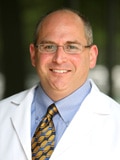
Dr. Paulette BrowneDr. Frank ChangDr. Stephen Greenhouse
Paulette E. Browne, MD
Fair Oaks, VA
Biography
Schedule Appointment
Frank E. Chang, MD
Rockville, MD
Biography
Schedule Appointment
Stephen J. Greenhouse, MD
Fair Oaks, VA
Biography
Schedule Appointment
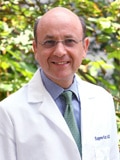
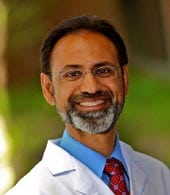
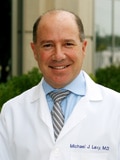
Eugene Katz, MDDr. Naveed KhanMichael Levy, MD
Eugene Katz, MD
Baltimore, MD
Biography
Schedule Appointment
Naveed Khan, MD
Leesburg, VA
Biography
Schedule Appointment
Michael J. Levy, MD
Rockville, MD
Biography
Schedule Appointment
Dr. Abraham MunabiDr. David Saffan
Howard D. McClamrock, MD
Baltimore, MD
Biography
Schedule Appointment
Abraham K. Munabi, MD*
Wyomissing, PA
Biography
Schedule Appointment
*Listed in the PA editions of Super Doctors
David S. Saffan, MD
Annandale, VA
Biography
Schedule Appointment
Dr. Robert StillmanDr. Eric Widra
Arthur W. Sagoskin, MD
Rockville, MD
Biography
Schedule Appointment
Robert J. Stillman, MD
Rockville, MD
Biography
Schedule Appointment
Eric A Widra, MD
Washington, DC
Biography
Schedule Appointment

If you would like to schedule a fertility consult with one of these Shady Grove Fertility physicians, pleasee call 1-877-971-7755 or click here to learn more.

Filed Under: General Tagged With: Dr. Eugene Katz, Dr. Frank Chang, Dr. Howard Mcclamrock, Dr. Michael Levy, Dr. Naveed Khan, Dr. Paulette Browne, Dr. Stephen Greenhouse

Company

  • About SGF
  • About US Fertility
  • Our Doctors
  • Fertility Equity
  • Careers
  • Newsroom
  • SGF College Scholarship
  • Contact Us
  • Voice Your Feedback

Treatments

  • Egg Freezing
  • Intrauterine Insemination (IUI)
  • In Vitro Fertilization (IVF)
  • Frozen Embryo Transfer (FET)
  • LGBTQIA+ Family Building
  • Shared Risk 100% Refund Program
  • All Treatments

Resources

  • Patient Portal
  • Online Bill Pay
  • Library
  • Support Groups & Events

Locations

  • California
  • Colorado
  • Delaware
  • Florida
  • Georgia
  • Maryland
  • North Carolina
  • Pennsylvania
  • Texas
  • Virginia
  • Washington, D.C.

2026 Shady Grove Fertility

  • Policies & Notices
Also of interest
  • In Vitro Fertilization IVF
  • Fertility Tests
  • Research Publications