
• Skip to primary navigation
  • Skip to main content
  • Skip to footer
Shady Grove Fertility
  • Become an Egg Donor
  • Referring Physicians
  • 1-888-761-1967
  • Schedule Appointment
  • Get Started
        • Get Started
          • Causes of Infertility
          • Fertility Tests
          • When to Seek Help
          • Find a Doctor
          • Preconception and prenatal vitamins 
          • Schedule an Appointment
        • Personalized Care For
          • Single Parents
          • LGBTQIA+ Family Building
          • People with Cancer
          • Known Genetic Diseases
          • Egg Donors
  • Treatments
        • Fertility
          • Timed Intercourse
          • Ovulation Induction
          • Intrauterine Insemination (IUI)
          • In Vitro Fertilization (IVF)
          • Frozen Embryo Transfer (FET)
        • Donation & Surrogacy
          • Donor Sperm
          • Donor Egg
          • Donor Embryo
          • Gestational Carrier
          • LGBTQIA+ Family Building
          • Single Parents
          • Find a Donor
        • More Treatments
          • Center for Male Fertility
          • Egg Freezing
          • OncoFertility
          • Preimplantation Genetic Testing
          • MIGS
          • All Fertility Treatments
  • Resources
    • Resource Library
    • Events Calendar
    • Patient Stories
    • Mental Health
    • Wellness Center
  • Insurance & Savings
    • Insurance & Benefits
    • Shared Risk 100% Refund Program
    • 100% Refund for Donor Egg
    • Discounts
    • Egg Freezing Costs
    • Financing & Grants
    • Clinical Trials
  • About
    • Find a Doctor
    • About SGF
    • Our Care Team
    • Advanced Practice Providers
    • Fertility Equity
    • Philanthropy
    • Newsroom
    • Careers
    • Contact Us
    • Voice Your Feedback
  • Locations
        • Find a Location
        • California
        • Colorado
        • Delaware
        • Florida
        • Georgia
        • Maryland
        • North Carolina
        • Pennsylvania
        • Texas
        • Virginia
        • Washington, D.C.
        • Chile
        • International & Out of State
        • SGF at Walter Reed National Military Medical Center
  • Patient Hub
    • Online Bill Pay
    • Patient Forms
    • Patient Portal
  • Call your care team
  • Become an egg donor
  • Referring physicians
  • search-icon
  • Schedule appointment 1-888-761-1967

Home / Dr. Eric Levens

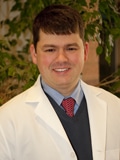
Dr. Eric Levens

September 12, 2011 by Shady Grove Fertility

Dr. Ricardo Yazigi

by Dr. Eric Levens
Almost daily, I get questions about polycystic ovary syndrome (PCOS) and what the diagnosis means for fertility and overall health. PCOS remains the most common endocrine disorder in women of reproductive age. It affects approximately 5 -10 percent of the population and consists of a group of symptoms.

In order to be diagnosed with PCOS, a woman must have two out of three findings:

  1. Enlarged ovaries with multiple resting follicles
  2. Increased male hormones in the blood, balding, acne, or excess hair growth
  3. Absent or irregular menstrual cycles.

It’s important to remember that no single criteria is sufficient to make the diagnosis.

> Read “What is Polycystic Ovary Syndrome (PCOS)?”

How can PCOS affect me?

There are several important facets of PCOS to consider. The first has to deal with immediate fertility concerns. Other concerns include the long-term health consequences of PCOS and their impact on the health of a pregnancy. Today, we’ll focus on the fertility aspects.

Because the ovaries are not producing a follicle containing an egg each month (and sometimes no follicle is produced at all), without assistance, achieving a pregnancy can be very difficult, if not impossible. Oral fertility medications like clomiphene, which have been available for more than 50 years, continue to be widely used to produce an ovarian follicle containing an egg. Clomiphene acts by blocking the action of estrogen in the brain (the hypothalamus and pituitary). As a result, there is an increased production of follicle stimulating hormone (FSH) causing the development of one or more follicles.

> Read “What Happens in Your First Visit to a Fertility Doctor?”

Timed intercourse or intrauterine insemination (IUI) can then be scheduled around the development of the follicle(s), provided that the Fallopian tubes are open and the sperm counts are normal. The typical chances for success are about 15 – 25 percent per cycle with higher chances among younger women and lower chances for older women. In the end, several treatment cycles may be required to achieve a pregnancy and, if this process is not successful, then moving on to another treatment such as injectable medications or IVF may be necessary.

I hope that this information helps you better understand PCOS and what’s required, for many women with this condition, to achieve pregnancy.

> Read “Diagnosing & Treating PCOS?”

Filed Under: General Tagged With: Dr. Eric Levens

July 25, 2011 by Shady Grove Fertility

Dr. Ricardo Yazigi

by Dr. Eric Levens

Almost daily in my clinical practice, and on Facebook, we get questions about polycystic ovary syndrome (PCOS) and what the diagnosis means for fertility and overall health. PCOS remains the most common endocrine disorder in women of reproductive age. It affects approximately 5 -10% of the population and consists of a group of symptoms.

In order to be diagnosed with PCOS, a woman must have two out of three findings:

  1. Enlarged ovaries with multiple resting follicles
  2. Increased male hormones in the blood, balding, acne, or excess hair growth
  3. Absent or irregular menstrual cycles.

It’s important to remember that no single criteria is sufficient to make the diagnosis.
There are several important facets of PCOS to consider. The first has to deal with immediate fertility concerns. Other concerns include the long-term health consequences of PCOS and their impact on the health of a pregnancy.

> Diagnosing & Treating PCOS

PCOS & Your Fertility

Because the ovaries are not producing a follicle containing an egg each month (and sometimes no follicle is produced at all), without assistance, achieving a pregnancy can be very difficult, if not impossible. Oral fertility medications like clomiphene, which have been available for more than 50 years, continue to be widely used to produce an ovarian follicle containing an egg. Clomiphene acts by blocking the action of estrogen in the brain (the hypothalamus and pituitary — learn more in a previous entry “What Happens in Your First Visit to a Fertility Doctor?”). As a result, there is an increased production of follicle stimulating hormone (FSH) causing the development of one or more follicles.

Timed intercourse or intrauterine insemination (IUI) can then be scheduled around the development of the follicle(s), provided that the Fallopian tubes are open and the sperm counts are normal. The typical chances for success are about 15 – 25% per cycle with higher chances among younger women and lower chances for older women. In the end, several treatment cycles may be required to achieve a pregnancy and, if this process is not successful, then moving on to another treatment such as injectable medications or IVF may be necessary.

> SGF Patient Conquers The PCOS Challenge

Hopefully this information helps you better understand PCOS and what’s required, for many women with this condition, to achieve pregnancy. I wish you the best in the pursuit of a fertile future.

Filed Under: General Tagged With: Dr. Eric Levens, Intrauterine insemination (IUI)

February 17, 2011 by Shady Grove Fertility

Dr. Ricardo Yazigi

by Dr. Eric Levens

Ready for a fertility fact? Forty percent of women with fertility problems aren’t regularly producing an egg that can be fertilized (anovulation).

The vast majority of problems with ovulation are accounted for by a condition known as polycystic ovary syndrome (PCOS). Other fertility problems resulting in irregular menstrual cycles include ovarian failure or inadequate signals from the brain that control the menstrual cycle (hypothalamic dysfunction).

To get a better sense of potential underlying fertility problems, at my initial fertility evaluations I often ask “Are your periods regular?” and “How far apart are your cycles?” I want to get a sense of how frequently ovulation is occurring.

The typical menstrual cycle is between 24 and 35 days. When menstrual cycles are irregular in duration or outside this normal range, this frequently indicates a problem regularly producing an egg.

Today, there are many high-tech devices lining pharmacy aisles, all designed to predict ovulation (some even have digital smiley faces). Nevertheless, few tests are as important and as simple as a thorough menstrual history. Denoting when your menstrual cycle begins on a calendar is as simple as it comes and I encourage patients to bring these calendars with them to their initial consultation if their cycles are in question.

In a 2003 study by Malcolm in the journal Obstetrics and Gynecology, the authors reported that a normal menstrual cycle predicted ovulation 99 percent of the time.

While I frequently use high-tech solutions to solve many fertility problems, it’s just as important today as ever to remember to listen to a patient’s history. It may tell more about the underlying problem than any test.

Once again, I want to thank you for reading my blog and best of luck achieving a fertile future.

Filed Under: General Tagged With: Dr. Eric Levens, Menstrual cycle

January 31, 2011 by Shady Grove Fertility

Dr. Ricardo Yazigi

by Dr. Eric Levens

Claims abound that nutritional supplements will improve our health are constantly in the headlines. While nutritional supplements may provide some health benefits including pregnancy-related outcomes, nutritional supplements may not be as safe as they would seem, especially when considering early fetal development.

I frequently get asked about vitamins with respect to fertility. Many patients are surprised to learn that excessive vitamin intake may result in serious medical conditions and have been associated with fetal malformations. This is especially the case for fat-soluble vitamins (A, D, E and K). In general, additional nutritional supplementation outside of a standard prenatal vitamin is not necessary. A typical prenatal vitamin will provide sufficient vitamins and minerals for a healthy early pregnancy. The amount of vitamin A, for example, in standard prenatal vitamins (4,000 to 5,000 IU) is considered the maximum recommended dose before and during pregnancy.1

Another concern with nutritional supplements is that numerous supplements have been found to contain contaminants such as toxic plant materials, heavy metals and even prescription medications, to name a few. These compounds pose serious potential consequences for a developing fetus. Prior to 1994, dietary supplements (vitamins, minerals, amino acids, and botanicals) were considered food additives and thus were required to demonstrate safety prior to product marketing. Since the passage of the Dietary Supplement Health and Education Act, supplements are now presumed to be safe until shown otherwise. Relaxed Federal regulation, largely unknown by consumers and physicians alike, has created an environment in which hazardous supplements may be produced with little product liability. To date, more than 140 contaminated products have been identified, but this likely represents only a small proportion of the total contaminated products available today.2

There has been little conclusive research demonstrating a benefit of nutritional supplements for fertility or early fetal development. A notable exception is folic acid. Folic acid has been shown to reduce the incidence of a specific birth defect known as neural tube defects by as much as 36 percent.1 As a result, the Centers for Disease Control and Prevention and my former agency, the US Public Health Service, recommend that women of reproductive age take 0.4 mg of folic acid daily before conception and during the first trimester. For women with a prior history of a pregnancy affected by a neural tube defect and for women taking anti-seizure medications, 4 mg (10 times the amount) of folic acid in the months in which conception is attempted and for the first trimester is expected to reduce this risk by a remarkable 80 percent.

Nutrition is an essential component of preconception care for all patients. The combination of a well-balanced, varied diet that is consistent with a woman’s food preferences and a standard prenatal vitamin should be sufficient to meet the dietary needs of a developing pregnancy.

Please feel free to write comments on this blog and as always, I wish you the best in your pursuit of a fertile future.

References:
1. American College of Obstetricians and Gynecologists. (2007). Guidelines for perinatal care. Elk Grove Village, IL
2. Cohen, P. A. (2009). “American roulette — contaminated dietary supplements.” N Engl J Med 361(16): 1523-1525.

Filed Under: General Tagged With: Dr. Eric Levens, Vitamins & supplements

December 10, 2010 by Shady Grove Fertility

Dr. Ricardo Yazigi

by Dr. Eric Levens

As we continue into the holiday season, it is important to take a look at the lifestyle choices we make each day. Modifiable lifestyle practices such as diet, weight, alcohol, and caffeine consumption, have an important impact on your chances of not only have a child but having a healthy child.

Awareness of the potential implications of these factors, particularly during early fetal development (week 3 to week 8 of pregnancy), provides an opportunity to prevent adverse pregnancy outcomes.

Diet

Fertility rates are clearly decreased among over- and underweight women. Obese (BMI > 35) and underweight (BMI < 19) women have a two- to four-fold increase in the amount of time that it takes to achieve conception.1 Moreover studies have consistently shown that fertility treatments are less successful at the extremes of body weight; however, by normalizing weight, a woman increases her chances of pregnancy and live birth.

> Find out your BMI

While body weight has been shown to impact pregnancy outcomes, there is little data to suggest that restrictive diets, such as vegetarian or low-fat diets, improve fertility. A well-balanced diet along with a prenatal vitamin containing folic acid is essential to a healthy pregnancy.

It is critical that women who are pregnant or trying to conceive take steps to avoid bacterial infections such as salmonella, campylobacter and listeria, and limit methyl mercury consumption which may cause adverse pregnancy outcomes.

Some foods to avoid while pregnant or pursuing pregnancy:

  • Unwashed fruits & vegetables
  • Soft cheeses
  • Unpasteurized milk
  • Undercooked meats (including sushi)
  • Raw eggs
  • Coldwater fish (including shark, swordfish, mackerel)
  • Tuna (limit to two 85 gram meals per week)

Alcohol

The effect of alcohol on female fertility has not been clearly delineated. Some studies suggest that alcohol consumption adversely affects female fertility. One study of more than 7,000 women noted that the risk of infertility was increased nearly 60% among those women who consumed more than two alcoholic drinks per day.2

As a result, alcohol consumption should be limited when attempting conception and should stop altogether during pregnancy, as there is no safe level of alcohol consumption that has been established.

Caffeine

Most evidence has suggested that moderate caffeine consumption, one to two cups of coffee per day, before or during pregnancy does not adversely impact pregnancy outcomes or fertility chances. However, caffeine consumption of more than five cups of coffee per day has been associated with a 45% decrease in pregnancy. Moreover, miscarriage is increased among women who consume more than two cups of coffee per day.

In the end, there are important modifiable dietary considerations when attempting conception and in early pregnancy. Recognizing these dietary factors should help to improve your chances of a fertile future.

References:
  1. Hassan, M. A. and S. R. Killick (2004). “Negative lifestyle is associated with a significant reduction in fecundity.” Fertil Steril 81(2): 384-392.
  2. Eggert, J., H. Theobald, et al. (2004). “Effects of alcohol consumption on female fertility during an 18-year period.” Fertil Steril 81(2): 379-383.

Filed Under: General Tagged With: Dr. Eric Levens

November 18, 2010 by Shady Grove Fertility

by Dr. Eric Levens

So let’s get started at the beginning! Many people are surprised to learn that infertility is a medical disease, defined as the inability to conceive after 12 months of unprotected intercourse (after 6 months for women ≥35 years of age).

For many having difficulties conceiving, one of the greatest hurdles is making the first step: Scheduling an appointment to see an infertility specialist. This is understandable, given so few other events in life are so deeply personal and, no-doubt, fundamental to our sense of self as our ability to reproduce.

As a result, making that first appointment to see an infertility doctor often seems like a gigantic leap. If you’re contemplating taking this step, it might be comforting to know the things that would likely occur at your first visit.

Your First Visit: What Happens?

Infertility may be the result of many different conditions, all ending up in that same frustrating situation: no pregnancy. To get a better understanding of your individual condition, some initial testing may be required.

For some women, it may be that ovulation (producing an egg) isn’t occurring on a regular basis. This may be the result of several conditions such as polycystic ovary syndrome (PCOS) or be due to an accelerated or age-related depletion of the eggs in the ovary. For others, ovulation may be occurring regularly, but the Fallopian tubes are blocked which means the ovulated egg isn’t getting fertilized by sperm in the tube. Another very common cause of infertility is that there are insufficient numbers of normal sperm to achieve a pregnancy.

At your initial visit, your physician wants to determine whether there are things in your or your partner’s history that may herald an underlying medical condition that is presenting as infertility that may require further evaluation. The next steps can be largely broken down into evaluating the following: 1) the ovaries; 2) the Fallopian tubes; 3) the sperm count.

Checking Your Ovaries

Without bogging you down with too many details, ovarian function is controlled by an area of the brain called the pituitary. The pituitary produces several hormones, but the one most critical to fertility is follicle stimulating hormone (FSH). This hormone stimulates the ovary to develop a follicle that contains an egg. If FSH is elevated too early in the menstrual cycle, it may indicate that the ovary is having a hard time responding to this signal. One way to test the function of the ovary is to determine the FSH hormone on day 3 of the menstrual cycle along with assessing the amount of estrogen (produced by the ovary) in the blood.

These hormones give an indication of how the ovaries are functioning, something we refer to as the “ovarian reserve” which is the quality of the pool of eggs within the ovary.

Checking Your Fallopian Tubes

Another important test is called a hysterosalpingogram. While this test may sound intimidating, it is simply an x-ray of the outline of the uterine cavity (where implantation of an embryo occurs) and the Fallopian tubes to determine if the tubes are open. If the Fallopian tubes are blocked, then in vitro fertilization (IVF) would likely be the most successful option for achieving pregnancy.

Checking His Semen

A semen analysis is another important component of the initial evaluation to determine whether there is a male partner component resulting in infertility and if so, whether it is treatable. Fortunately, with the development of techniques in the last two decades, the sperm from men with some of the most severe sperm abnormalities can be used to achieve a pregnancy. Once the results of these tests are available, an Infertility specialist can recommend an appropriate treatment for you.

Filed Under: General Tagged With: Dr. Eric Levens, In vitro fertilization (IVF), Semen analysis

Company

  • About SGF
  • About US Fertility
  • Our Doctors
  • Fertility Equity
  • Careers
  • Newsroom
  • SGF College Scholarship
  • Contact Us
  • Voice Your Feedback

Treatments

  • Egg Freezing
  • Intrauterine Insemination (IUI)
  • In Vitro Fertilization (IVF)
  • Frozen Embryo Transfer (FET)
  • LGBTQIA+ Family Building
  • Shared Risk 100% Refund Program
  • All Treatments

Resources

  • Patient Portal
  • Online Bill Pay
  • Library
  • Support Groups & Events

Locations

  • California
  • Colorado
  • Delaware
  • Florida
  • Georgia
  • Maryland
  • North Carolina
  • Pennsylvania
  • Texas
  • Virginia
  • Washington, D.C.

2026 Shady Grove Fertility

  • Policies & Notices
Also of interest
  • In Vitro Fertilization IVF
  • Fertility Tests
  • Research Publications