• Skip to primary navigation
  • Skip to main content
  • Skip to footer
Shady Grove Fertility
  • Become an Egg Donor
  • Referring Physicians
  • 1-888-761-1967
  • Schedule Appointment
  • Get Started
        • Get Started
          • Causes of Infertility
          • Fertility Tests
          • When to Seek Help
          • Find a Doctor
          • Preconception and prenatal vitamins 
          • Schedule an Appointment
        • Personalized Care For
          • Single Parents
          • LGBTQIA+ Family Building
          • People with Cancer
          • Known Genetic Diseases
          • Egg Donors
  • Treatments
        • Fertility
          • Timed Intercourse
          • Ovulation Induction
          • Intrauterine Insemination (IUI)
          • In Vitro Fertilization (IVF)
          • Frozen Embryo Transfer (FET)
        • Donation & Surrogacy
          • Donor Sperm
          • Donor Egg
          • Donor Embryo
          • Gestational Carrier
          • LGBTQIA+ Family Building
          • Single Parents
          • Find a Donor
        • More Treatments
          • Center for Male Fertility
          • Egg Freezing
          • OncoFertility
          • Preimplantation Genetic Testing
          • MIGS
          • All Fertility Treatments
  • Resources
    • Resource Library
    • Events Calendar
    • Patient Stories
    • Mental Health
    • Wellness Center
  • Insurance & Savings
    • Insurance & Benefits
    • Shared Risk 100% Refund Program
    • 100% Refund for Donor Egg
    • Discounts
    • Egg Freezing Costs
    • Financing & Grants
    • Clinical Trials
  • About
    • Find a Doctor
    • About SGF
    • Our Care Team
    • Advanced Practice Providers
    • Fertility Equity
    • Philanthropy
    • Newsroom
    • Careers
    • Contact Us
    • Voice Your Feedback
  • Locations
        • Find a Location
        • California
        • Colorado
        • Delaware
        • Florida
        • Georgia
        • Maryland
        • North Carolina
        • Pennsylvania
        • Texas
        • Virginia
        • Washington, D.C.
        • Chile
        • International & Out of State
        • SGF at Walter Reed National Military Medical Center
  • Patient Hub
    • Online Bill Pay
    • Patient Forms
    • Patient Portal
  • Call your care team
  • Become an egg donor
  • Referring physicians
  • search-icon
  • Schedule appointment 1-888-761-1967

Home / Get Started / Page 2

Get Started

January 23, 2025 by laurenvastine

Shady Grove Fertility reproductive endocrinologist Dr. Nicole Marchetto sat down with WGAL News in Lancaster, PA to discuss when individuals and couples who want to build their family should consider a consultation with a fertility specialist, based on factors like age, how long they’ve been trying to conceive, and other medical conditions or circumstances that would warrant an immediate consult. Dr. Marchetto also talked about what patients can expect at their first appointment. 

Watch the full story here: When should couples see a fertility specialist?
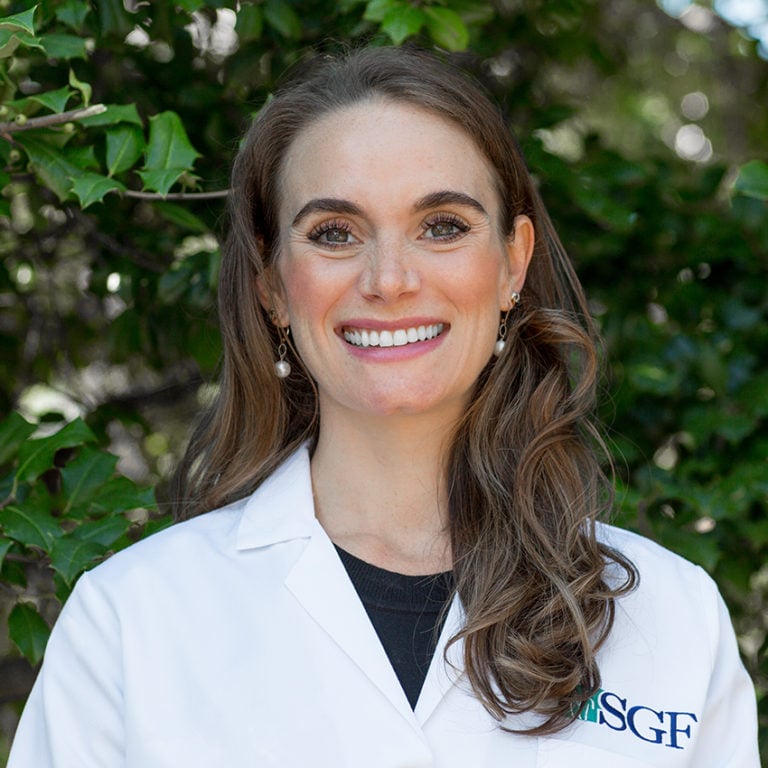
Medical contribution by Nicole M. Marchetto, M.D., MPH

Nicole M. Marchetto, M.D., MPH, is board certified in Obstetrics and Gynecology (OB/GYN) and Reproductive Endocrinology and Infertility (REI). Dr. Marchetto earned her medical degree from Drexel University College of Medicine in Philadelphia, Pennsylvania.


Learn more about when to get started

Article

5 sure signs you need to see a …

Advice for Those Considering or Beginning Fertility Treatment

Article

Advice for Those Considering or Beginning Fertility Treatment

11 Facts About Infertility

Article

11 Facts About Infertility

Article

5 must-know facts about your fertility if you’re …

Filed Under: Get Started Tagged With: Getting started, In the news

April 26, 2024 by Shady Grove Fertility

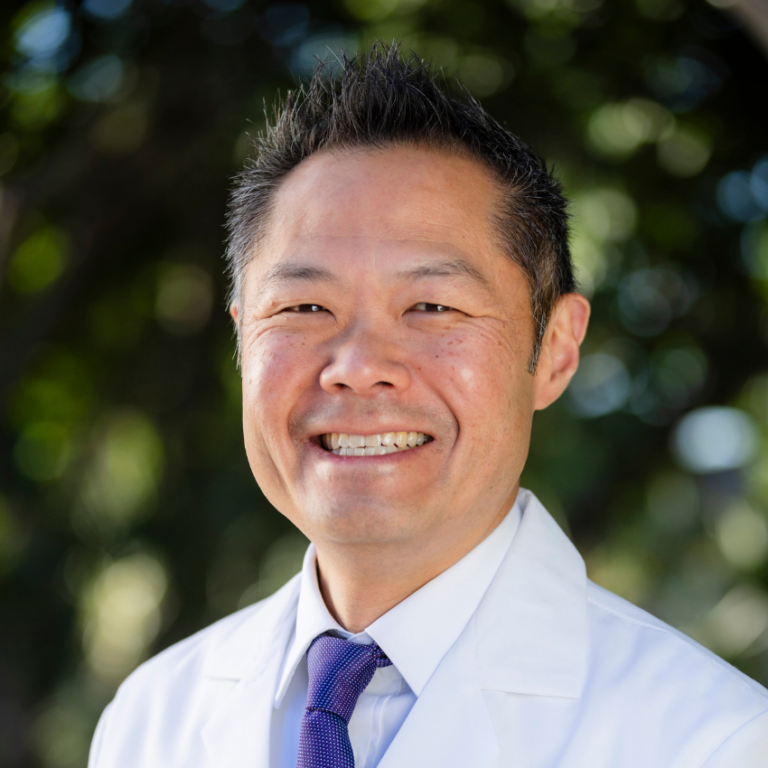
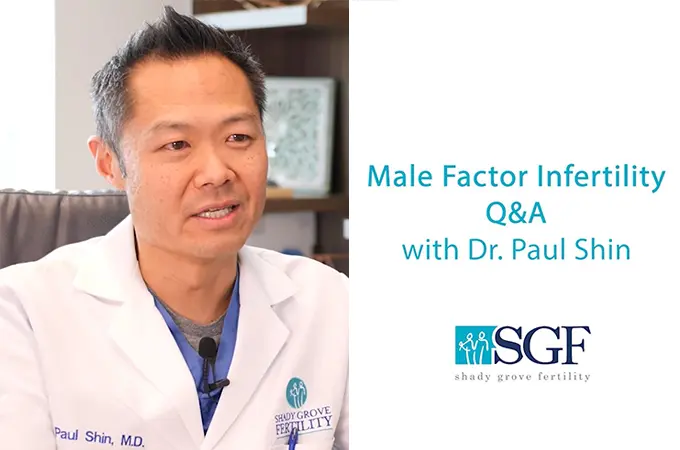
Shady Grove Fertility reproductive urologist Dr. Paul Shin sat down with the TODAY Show’s Savannah Sellers to discuss male factor infertility, how common it is, what treatments are available, and why men shouldn’t be afraid to seek testing.

Watch the full story here: What is male factor infertility, and how can it be treated? (today.com)

Medical contribution by Paul R. Shin, M.D.

Paul R. Shin, M.D., is board certified in urology. As director of reproductive urology, Dr. Shin optimizes treatment outcomes for patients affected by male factor infertility.

Learn more about male factor infertility

Article

[VIDEO] SGF Reproductive Urologist, Dr. Paul Shin, Hosts …

Male Feature Image

Article

Diagnosing and overcoming male factor infertility

Article

Improve sperm count: sperm quality checklist

When to Seek Help

When to Seek Help

Filed Under: Get Started Tagged With: Dr. Paul Shin, In the news, Male factor infertility

March 19, 2024 by Shady Grove Fertility

Shady Grove Fertility’s York, Pennsylvania location recently celebrated its one-year anniversary since opening its doors in early 2023. Over the course of the first year, the practice saw more than 400 patients. Dr. Melanie Ochalski sat down with Fox43 News to discuss the growing need for fertility care in South Central Pennsylvania.

Watch the full story here: Fox 43: Infertility clinic sees over 400 patients in a year

Medical contribution by Melanie Ochalski, M.D.

Melanie Ochalski, M.D. is board certified in obstetrics and gynecology and reproductive endocrinology and infertility. Dr. Ochalski has published numerous peer-reviewed scientific manuscripts and review articles in many leading scientific journals, and has been invited to present at national meetings. She sees patients at SGF’s Lancaster and York, PA offices.

Learn more about getting started

Causes of Infertility

Fundamental

Causes of Infertility

When to Seek Help

When to Seek Help

common infertility diagnoses and low tech treatments

Article

Common infertility diagnoses and low-tech options 

Male Feature Image

Article

Diagnosing and overcoming male factor infertility

Filed Under: Get Started Tagged With: Dr. Melanie Ochalski, In the news

December 21, 2023 by Shady Grove Fertility

When people think about how weight affects their health, they focus on diseases and disorders. Diabetes, heart disease, and thyroid dysfunction aren’t the only health concerns that can exist though. Physicians have found that body mass index (BMI) can have a profound effect on a person’s fertility. Both men and women can be affected by their BMI when trying to conceive, whether they are underweight or overweight. SGF physician, Nancy Durso, M.D., who sees patients at SGF’s Fredericksburg, Virginia, office, provides information and resources for patients concerned about how their BMI might affect their fertility.

What is body mass index?

Body mass index (BMI) is a number calculated from your weight and height that roughly correlates to the percentage of your total weight that comes from fat (as opposed to muscle, bone, or organs). The higher a person’s BMI, the higher the percentage of fat in his or her body. If your BMI is under 18.5, you might be underweight. Between 18.5 and 24.9, you are in the normal BMI range for your height. A BMI over 25 is considered overweight, and over 30 is considered obese.

Calculate your BMI

Does BMI affect fertility?

There are numerous potential complications for overweight women trying to get pregnant including:

  • Lower response to medication used to regulate or initiate ovulation.
  • Greater need for carefully titrated dosing of medication, especially in patients with polycystic ovaries (PCO).
  • Greater frequency of over-response and the risk of over-stimulation and/or multiple pregnancies in response to medications used to induce ovulation. And if a multiple pregnancy is conceived, there are greater obstetrical complications in patients with excessive BMI than in multiple pregnancies in patients with a normal BMI.
  • More complicated IVF cycles (besides those complications listed above) including
    • Fewer eggs retrieved
    • Greater technical difficulty retrieving eggs with greater risk of bleeding or injury
    • Greater difficulty with embryo transfer in visualizing the uterus and accomplishing the embryo transfer effectively
    • Lower embryo implantation rates
    • Lower IVF success rates
    • Higher miscarriage rates

At Shady Grove Fertility, patients must have a BMI of less than 40 before initiating an IVF or egg freezing cycle and a BMI less than 50 before initiating an ovulation induction, intrauterine insemination (IUI), or frozen embryo transfer cycle.

Maintaining a healthy weight 

There is a strong correlation between a woman’s BMI and her fertility potential. While not every woman who is underweight or overweight will have difficulty conceiving, there are many who do. For a woman’s reproductive system to function properly, a healthy amount of fat needs to be present. Women who are underweight lack the appropriate amount of fat needed for reproduction, causing their bodies to ovulate infrequently or not at all. Even the smallest weight gain can help restart the reproductive system. 

Overweight women can experience insulin resistance, which makes managing a healthy weight difficult. Unbalanced insulin levels may cause the ovaries to produce an excess amount of male hormones and stop releasing eggs, which makes conception challenging. It’s important not to forget about your partner. Overweight men have shown to have abnormal semen, which may attribute to low sperm count and low sperm motility (movement). 

Your SGF physician will discuss with you the importance of your weight as part of the overall review of your medical records and history. We will use this information and, when necessary, we will have a discussion on the serious impact of being underweight or overweight on your general health as well as your fertility care. SGF’s Wellness Center can provide nutritional services for patients who need to work toward their ideal weight for optimal fertility outcomes. 

Learn more about SGF’s Wellness Center

Medical contribution by Nancy Durso, M.D.

Nancy M. Durso, M.D., FACOG, is board certified in obstetrics and gynecology and reproductive endocrinology and infertility. She loves to help individuals and couples achieve their goal of pregnancy and parenthood. She currently sees SGF patients at the Fredericksburg, Virginia office.

Schedule Appointment

Editor’s Note: This article was originally published in September 2021 and has been updated for content accuracy and comprehensiveness as of December 2023.

Filed Under: Get Started Tagged With: Weight + infertility

January 23, 2023 by Shady Grove Fertility

When it comes to getting pregnant, there are many sex tips out there that supposedly increase your chances of conception. We’ve asked Dr. Ali Gannon to help us bust the most common trying-to-conceive (TTC) sex myths so you can focus your efforts on medically proven tips verified by a fertility specialist. So, let’s get candid – let’s talk about TTC sex.

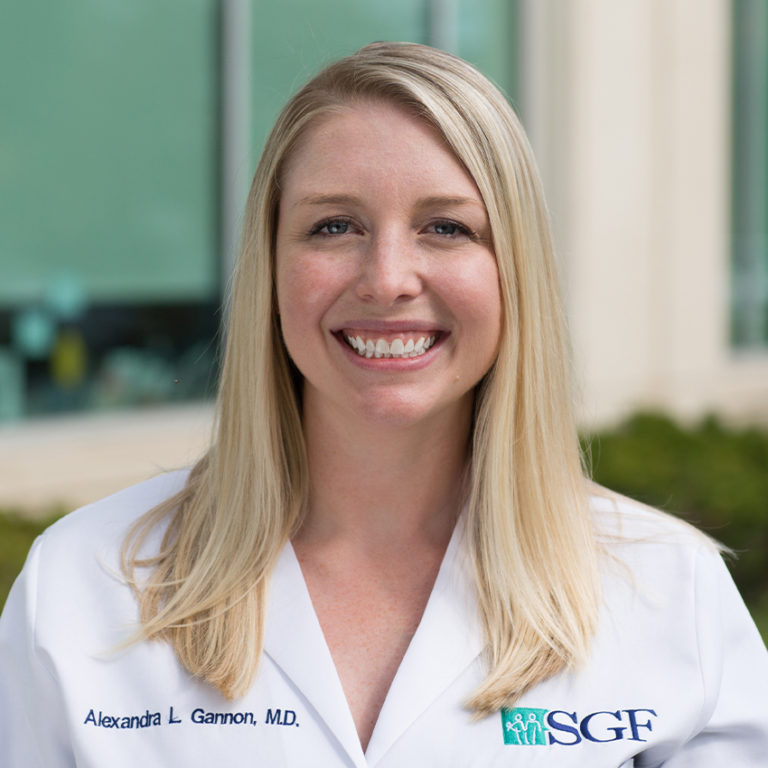
Medical contribution by Alexandra Gannon, M.D. 

Alexandra Gannon, M.D., is board certified in obstetrics and gynecology (OB/GYN) and reproductive endocrinology and infertility (REI). Dr. Gannon earned her medical degree from University of Oklahoma College of Medicine in Oklahoma City. She then completed her residency in OB/GYN at Wake Forest School of Medicine in Winston-Salem, North Carolina.

1. TTC Sex Frequency

Fertility Myth: Having sex too frequently can hurt male fertility, so slow down the pace.

Physician Fact Checked: It’s the opposite. When it comes to understanding how TTC sex frequency impacts sperm concentrations and motility, the American Society for Reproductive Medicine (ASRM) published guidelines explaining that:

  • Daily ejaculations showed no impact on concentration and motility
  • 2-day abstinence intervals showed no impact on concentration and motility
  • 5-day abstinence interval showed a decline in concentration and motility

Women with regular menstrual cycles can increase their likelihood of conception with a single act of intercourse during the fertile window. Keep in mind, fertile windows aren’t a one-size-fits-all calendar and vary among women.

Try this instead: Rather than focusing on frequency, turn your attention toward pinpointing your fertile window and ovulation. Ovulation predictor kits are a great way to read when you’re ovulating during your fertile window because it detects the luteinizing hormone (LH).

2. Ovulation

Fertility Myth: Women have reached their peak fertility on the 14th day of their cycle.

Physician Fact Checked: Not exactly, because women’s cycles can vary. A general rule of thumb is that your fertile window is 6 days leading up to ovulation. The golden days for getting pregnant are the 2-3 days leading up to ovulation.

Try this instead: Let’s say you have a 28-day cycle: you’re most likely ovulating anywhere from days 14 to 16. Knowing that your fertile window begins 6 days leading up to ovulation, we recommend having sex with your partner starting on as early as day 9 of your cycle, depending on your peak ovulation day. ASRM guidelines tell us that there’s a 9.4% probability of pregnancy from a single act of intercourse on day 12.

3. Sex Positions

Fertility Myth: Sex positions matter, particularly ones that offer deeper penetration.

Physician Fact Checked: Not exactly. Any position where sperm dispenses into the vagina is a great position. There’s no conclusive evidence at this time pointing toward certain positions being better than others when TTC. Sperm can reach the cervical canal mere seconds following ejaculation regardless of position.

Try this instead: When you have baby-making on the mind, it’s better to stick to positions that are within your comfort zone rather than running the risk of TTC sex fatigue.

Schedule Appointment

4. Post-Sex Wind Downs

Fertility Myth: Laying down or holding in your pee after sex will help you get pregnant faster.

Physician Fact Checked: Please, get up and go pee after intercourse – do whatever it is you need to do because there is no scientific evidence to support that laying down or holding in your urine increases your chances of getting pregnant.

After the male partner ejaculates into the cervix, it only takes minutes for sperm to reach the Fallopian tubes. Sperm are fast swimmers, and they can survive in a woman’s uterus for up to 5 days. Meanwhile, an egg can only become fertilized between 12 to 24 hours after being released from the ovary.

Try this instead: Timing is quite literally a science, so make sure you calculate your fertile window accurately.

5. Lubricants

Fertility Myth: You need a “fertility friendly” lubricant to get pregnant.

Physician Fact Checked: For complete and full disclosure, you don’t need a “fertility friendly” lubricant to get pregnant. Let’s get real, vaginal dryness is a real thing and sometimes sex is painful. So rather than putting yourself in an uncomfortable situation, let lubricants be your friend.

Try this instead: If you need to use a lubricant, “fertility friendly” lubricants containing hydroxyethyl cellulose are a smart option, but they’re not your only option. You can also reach for the mineral or canola-based lubricants. Check with your fertility specialist about recommended water-based lubricants.

6. Female Orgasms

Fertility Myth: Having a female orgasm increases your odds of getting pregnant.

Physician Fact Checked: If you experience a female orgasm during TTC sex, more power to you, but it won’t help you get pregnant faster. Although female orgasm may promote sperm transport, there is no known relationship between orgasm and fertility.

Try this instead: Keep an eye out for cervical mucus (or discharge) that appears when you and your partner are in the groove or anticipating ovulation. The probability of conception is highest when slippery, clear discharge is present. A study found that pregnancy rates were highest (roughly 38%) when sex happened on these peak mucus days.

7. Feeling Pregnant Shortly After Sex

Fertility Myth: You may be able to “feel pregnant” shortly after having sex.

Physician Fact Checked: It can take several days after sex for fertilization and implantation to occur. Spotting and increased discharge after sex is perfectly normal but they don’t indicate pregnancy. It can take up to 6 days following intercourse for the sperm and egg to combine and create a fertilized egg. Add on an additional 3 to 4 days for the fertilized egg to successfully implant within the uterine lining.

Try this instead: Implantation of the fertilized egg along the uterine lining typically occurs anywhere from 6 to 12 days after sex. Keep an eye out for any pregnancy symptoms like spotting or cramping after then. Don’t be alarmed if you don’t experience symptoms very early on – that’s perfectly normal, too.

8. TTC When You’re Age 35+

Fertility Myth: Women who are age 35 and older need to switch up their approach to sex to better their chances of conception.

Physician Fact Checked: This is not true. How you have sex at any age will not affect your pregnancy outcomes. One of the biggest factors that indicate fertility is the number of eggs in a woman’s ovarian reserve at any given age. The number and quality of eggs in a woman’s ovarian reserve slowly declines with age, with a steeper decline beginning around age 35. This combination of reduced egg quality and decreased ovarian reserve is why the rate of conception lowers over time.

Try this instead: Because age is such a critical fertility factor, it’s important to act fast. Testing your follicle-stimulating hormone (FSH) and anti-Müllerian hormone (AMH) levels will provide insight into your current ovarian reserve. While these basic fertility tests reveal egg counts, they can’t assess egg quality. Egg quality is largely a reflection of age.

9. Family History

Fertility Myth: Both my parents come from large families, so I should be able to get pregnant easily.

Physician Fact Checked: Genetics certainly play a part, but there’s more to it. This rate of change in a woman’s ovarian reserve is partially predetermined by genetics. Women with a family medical history of early menopause have a higher chance to begin the fertility decline at a younger age.

Try this instead: If you’re having trouble with conceiving, be your biggest advocate and seek help. Being proactive about your fertility and family planning will help you save valuable time and energy in the long run.

10. Seeking Help

Fertility Myth: You just need to relax, and pregnancy will come.

Physician Fact Checked: You are most in tune with your body, and if you feel like something is wrong, you have nothing to lose with seeking help.

Try this instead: A fertility specialist will assume infertility is present when a woman is:

  • Under 35 with regular cycles, unprotected intercourse and no pregnancy after 1 year
  • 35 to 39 with regular cycles, unprotected intercourse and no pregnancy after 6 months
  • 40 or over with regular cycles, unprotected intercourse and no pregnancy, more immediate evaluation and treatment are warranted

There are other factors that play into infertility like preexisting conditions or male-factor infertility. But just know that you are not alone – 1 in 6 couples struggle with infertility. If you think it’s taking longer than it should to become pregnant, schedule an appointment with one of our fertility specialists by completing this brief form or calling 1-888-761-1967.

Schedule Appointment

Editor’s Note: This post was originally published in September 2021 and has been updated for accuracy and comprehensiveness as of January 2023.

Filed Under: Get Started Tagged With: Relationships

July 7, 2022 by Shady Grove Fertility

What does it mean to ‘try to conceive’ (TTC)? When couples are ready to start a family – there can be many questions. Some of the most common question are: “When is my fertile window?”; “How often do we need to have intercourse?” and “How long should it take?”. Confusion or misconceptions can delay the chance of conceiving and many couples underestimate how long they have actually been ‘trying’.  

SGF Pennsylvania physician, Brianna Schumacher, M.D., M.S.C.R, who sees patients at SGF’s Chesterbrook, Pennsylvania, office provides insight into what it means to TTC and when to see a fertility specialist to optimize your chances at achieving a pregnancy.

How a fertility specialist defines trying to conceive 

Trying to conceive (TTC) is defined as having unprotected intercourse. Many patients have a different definition of what TTC means in comparison to the clinical definition. The definition of TTC does not include the use of ovulation predictor kits, temperature charts, mucus, or any other methods – it is strictly have unprotected intercourse without preventing pregnancy. 

How long does it take the average couple to conceive?  

Each month there is a 15-20% chance of conceiving. Out of 100 fertile couples, 50% will conceive after 6 months of unprotected intercourse. The chances of pregnancy drops in half after the first 6 months until 1 year when the chances of conceiving without fertility treatment is 1-2% going forward. 

If I am TTC, what can I do to optimize success?  

Knowing when you are ovulating is the key to understanding when you are most likely to conceive. The chance of conception is highest during: 

  • The 24 hours when ovulation is occurring 
  • The 24 hours prior to ovulation 
  • A few days leading up to ovulation 

A person’s chance of conceiving decreases after ovulation occurs. However, intercourse on the exact day of ovulation is not crucial for pregnancy. Both sperm and egg can survive in the body for a period of time — meaning the egg waits for the sperm and the sperm waits for the egg. A woman with regular menstrual cycles — at roughly the same time every month — will generally ovulate 12 to 14 days before menstruation. Intercourse about once or twice a week is likely to result in a pregnancy within 6 or 7 months. For couples who have intercourse less frequently, it’s best to concentrate sexual activity every other day for 3-4 times during ovulation. Frequent intercourse during ovulation or through the entire month is not necessary for conception and may become taxing on the body and on the relationship.

How do I find my fertile window?  

Your fertile window is generally 3-5 days leading up to ovulation and ends on the day of ovulation. Ovulation predictor kits, cervical mucus, and basal body temperature tracking can all help pinpoint your fertile windows to increase your chances of getting pregnant. 

If I was on birth control for a long time, how long should I expect it to take for my cycles to be back to normal? 

As a rule, a woman should expect a menstrual period after discontinuing oral contraceptives or other hormonal contraceptives. Fertility returns soon after. Because it is an exception rather than the rule, a woman whose menstruation does not resume following the discontinuation of contraceptives should consult her doctor rather than wait, in order to investigate the reason. 

What should I do if I am not pregnant after 1 year of TTC?  

Infertility is the inability to conceive after 1 year of unprotected intercourse. However, because the window of time to have children starts closing at 35 years of age – women who are 35 years of age and older should be evaluated after 6 months of TTC. For women who are close to 40 years – more immediate evaluation and treatment are warranted as the window to conceive rapidly closes after the age of 40.   

If you are TTC and have not found success within these time frames, you should see a fertility specialist. You may want to speak to a fertility specialist sooner if you are having irregular periods or have previously been diagnosed with a condition that could affect your fertility such as endometriosis or PCOS.     

“Many of our patients delay seeking treatment because they have a misunderstanding of what trying to conceive means,” shares Dr. Schumacher. “We encourage any couple that has been having unprotected intercourse for more than one year to move swiftly in seeking an early consult and diagnosis, which can lead to the best outcomes and highest pregnancy rates.” 

If I stop trying to conceive, will I get pregnant?  

Those outside the infertility community often suggest couples stop ‘trying’ and ‘just try to relax’ or offer stories of their friends who became pregnant after adopting or when they stopped TTC. There is no physiological reason to explain this phenomenon. Many women with previously diagnosed unexplained infertility may be able to conceive spontaneously. However, if someone has been diagnosed with infertility in the past – the likelihood they will need treatment for a future pregnancy is very high.   

Medical contribution by Brianna Schumacher, M.D.

Brianna Schumacher, M.D., is board certified in obstetrics and gynecology and reproductive endocrinology and infertility. Dr. Schumacher is an advocate for early fertility diagnosis and treatment, as well as egg freezing for women to preserve their fertility for future family building options. She sees patients in SGF’s Chesterbrook, Pennsylvania, office.

Schedule Appointment

Editor’s Note: This article was originally published in February 2016, and has been updated for content accuracy and comprehensiveness as of July 2022.

Filed Under: Get Started

  • « Go to Previous Page
  • Page 1
  • Page 2
  • Page 3
  • Page 4
  • Interim pages omitted …
  • Page 16
  • Go to Next Page »

Company

  • About SGF
  • About US Fertility
  • Our Doctors
  • Fertility Equity
  • Careers
  • Newsroom
  • SGF College Scholarship
  • Contact Us
  • Voice Your Feedback

Treatments

  • Egg Freezing
  • Intrauterine Insemination (IUI)
  • In Vitro Fertilization (IVF)
  • Frozen Embryo Transfer (FET)
  • LGBTQIA+ Family Building
  • Shared Risk 100% Refund Program
  • All Treatments

Resources

  • Patient Portal
  • Online Bill Pay
  • Library
  • Support Groups & Events

Locations

  • California
  • Colorado
  • Delaware
  • Florida
  • Georgia
  • Maryland
  • North Carolina
  • Pennsylvania
  • Texas
  • Virginia
  • Washington, D.C.

2026 Shady Grove Fertility

  • Policies & Notices
Also of interest
  • In Vitro Fertilization IVF
  • Fertility Tests
  • Research Publications