• Skip to primary navigation
  • Skip to main content
  • Skip to footer
Shady Grove Fertility
  • Become an Egg Donor
  • Referring Physicians
  • 1-888-761-1967
  • Schedule Appointment
  • Get Started
        • Get Started
          • Causes of Infertility
          • Fertility Tests
          • When to Seek Help
          • Find a Doctor
          • Preconception and prenatal vitamins 
          • Schedule an Appointment
        • Personalized Care For
          • Single Parents
          • LGBTQIA+ Family Building
          • People with Cancer
          • Known Genetic Diseases
          • Egg Donors
  • Treatments
        • Fertility
          • Timed Intercourse
          • Ovulation Induction
          • Intrauterine Insemination (IUI)
          • In Vitro Fertilization (IVF)
          • Frozen Embryo Transfer (FET)
        • Donation & Surrogacy
          • Donor Sperm
          • Donor Egg
          • Donor Embryo
          • Gestational Carrier
          • LGBTQIA+ Family Building
          • Single Parents
          • Find a Donor
        • More Treatments
          • Center for Male Fertility
          • Egg Freezing
          • OncoFertility
          • Preimplantation Genetic Testing
          • MIGS
          • All Fertility Treatments
  • Resources
    • Resource Library
    • Events Calendar
    • Patient Stories
    • Mental Health
    • Wellness Center
  • Insurance & Savings
    • Insurance & Benefits
    • Shared Risk 100% Refund Program
    • 100% Refund for Donor Egg
    • Discounts
    • Egg Freezing Costs
    • Financing & Grants
    • Clinical Trials
  • About
    • Find a Doctor
    • About SGF
    • Our Care Team
    • Advanced Practice Providers
    • Fertility Equity
    • Philanthropy
    • Newsroom
    • Careers
    • Contact Us
    • Voice Your Feedback
  • Locations
        • Find a Location
        • California
        • Colorado
        • Delaware
        • Florida
        • Georgia
        • Maryland
        • North Carolina
        • Pennsylvania
        • Texas
        • Virginia
        • Washington, D.C.
        • Chile
        • International & Out of State
        • SGF at Walter Reed National Military Medical Center
  • Patient Hub
    • Online Bill Pay
    • Patient Forms
    • Patient Portal
  • Call your care team
  • Become an egg donor
  • Referring physicians
  • search-icon
  • Schedule appointment 1-888-761-1967

Home / General / Page 3

General

March 4, 2024 by Shady Grove Fertility

Egg freezing is becoming more popular for women as they look to buy more time to create the family of their dreams and more employers see the benefit of offering fertility coverage to their health plans. Dr. Erika Johnston-MacAnanny sat down with NBC 12 in Richmond, Virginia, to talk about how it works and why the number of women choosing to freeze is increasing.

Watch the full story here: 12 On Your Side: Women opt to freeze eggs to extend option to have children naturally
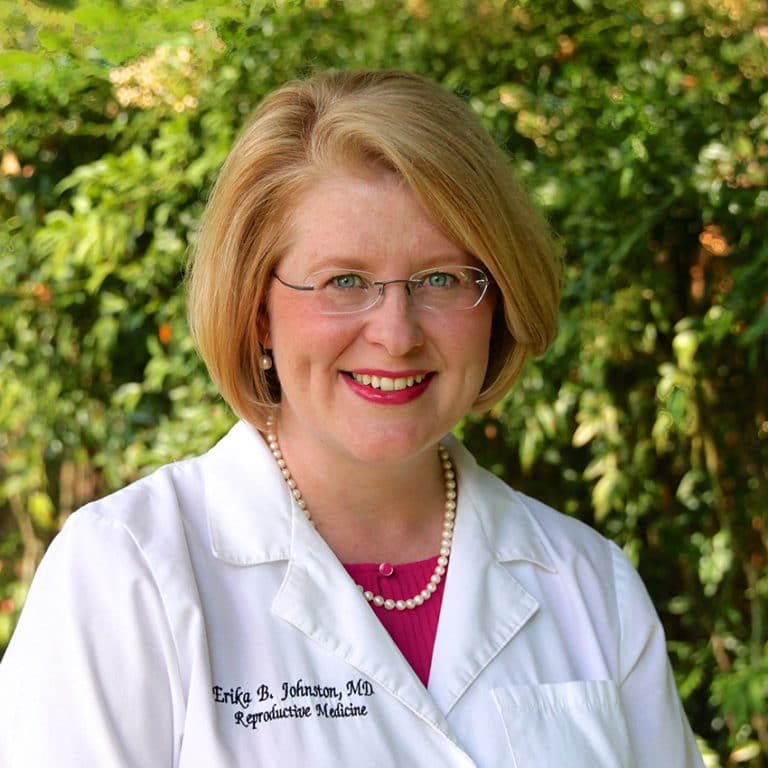
Medical contribution by Erika B. Johnston-MacAnanny, M.D.

Erika Johnston-MacAnanny, M.D., FACOG, is board certified in both obstetrics and gynecology and reproductive endocrinology and infertility. Dr. Johnston-MacAnanny sees SGF patients in the Richmond – Stony Point and Richmond – Henrico Doctors’ – Forest locations.

Learn more about egg freezing

Egg Freezing Costs

Fundamental

Egg Freezing Costs

Article

22 egg freezing facts

Article

6 Egg Freezing Questions Answered | Shady Grove …

Article

10 things to know about your egg supply …

Filed Under: General Tagged With: Dr. Erika Johnson-MacAnanny, Egg freezing, In the news

November 10, 2023 by laurenvastine

Please find frequently asked questions and answers below regarding the transition process, cryogenic tissue storage, patient care, and financial considerations. 

RMA of New York is widely recognized as a national leader in state-of-the-art reproductive medicine and serves as the Division of Reproductive Endocrinology and Infertility at the Icahn School of Medicine at Mount Sinai. 

Led by an integrated team of physicians and scientists with extensive reproductive endocrinology, infertility, and embryology training and experience, RMA of New York has garnered much attention and recognition for its extensive research portfolio and high IVF success rates.

For over 20 years, the physicians at RMA of New York have consistently been distinguished as Top Doctors and Super Doctors by Castle Connolly and New York Magazine. Headquartered in Manhattan, RMA of New York has fertility clinics located throughout Manhattan, Brooklyn, Westchester, and Long Island.

US Fertility, the nation’s largest partnership of physician-owned and physician-led top-tier fertility practices, along with Ovation Fertility, a national network of premier IVF laboratories, are united under a shared mission to deliver the joy of parenthood through advanced reproductive medicine and innovative science. 

To date, US Fertility and Ovation Fertility practices have helped more than 225,000 individuals and couples build their families using assisted reproductive technology. US Fertility supports over 200 physicians by leveraging collective expertise, driving innovation, and by providing advanced solutions that streamline and enhance the delivery of exceptional patient care. Together with a growing suite of life science services, US Fertility is expanding access to the highest quality reproductive health care across over 100 clinic locations and 32 IVF laboratories.

SGF New York and RMA of New York have joined forces to create a stronger and more comprehensive practice aimed at benefiting our patients in various ways. This partnership is geared towards improving access to high-quality care, advancing scientific research, elevating the patients experience, and ultimately improving outcomes for all! By combining our expertise and resources, we can provide a more holistic and innovative approach to healthcare, ensuring our patients receive the best possible support throughout their journey.

All SGF New York’s current physicians, Drs. Anate Brauer, Stephanie Brownridge, Phillip Romanski, and Robert Setton, as well as the SGF New York clinical, embryology, and laboratory teams, are combining with RMA of New York to further expand care throughout the greater New York metro area. Current SGF New York patients will have the option to continue their care with their current SGF New York physician at one of RMA of New York’s 16 locations throughout Manhattan, Brooklyn, Westchester, and Long Island or transition their care elsewhere. 

Yes, the SGF NY clinical and administrative team members are also joining RMA of NY. We operate with a collaborative team approach, so while you may also work with other nurses on your doctor’s team, rest assured that we are all here to support you through your journey.

At RMA of New York, our locations offer a comprehensive range of services to ensure a seamless fertility experience. You can meet with team members from various departments and our state-of-the-art facilities provide a comfortable and welcoming environment. We aim to make your experience as comfortable as possible, from consultations to blood work and beyond.

  • RMA of New York – East Side: 635 Madison Avenue (IVF Lab On-Site)
  • RMA of New York – West Side: 200 West 57th Street
  • RMA of New York – Downtown: 594 Broadway
  • RMA of New York – Brooklyn – Albee Square (IVF Lab On-Site)
  • RMA of New York – Brooklyn – Borough Park
  • RMA of New York Westchester – Mount Kisco (IVF Lab On-Site)
  • RMA of New York Westchester – White Plains
  • RMA of New York Westchester – Poughkeepsie

Here at SGF New York we want to make this transition as easy, straightforward, and seamless for you. We have streamlined the process with two easy steps to remain with your current SGF New York physician and transition your care to RMA of New York: 

  1. You will receive an email in the coming weeks from Engaged MD – in this email you will be prompted to complete a Medical Records Release form. By completing this release, we will be able to transfer your records to RMA of New York and begin your onboarding, remaining under your current physician’s care.

    If you have cryopreserved specimen(s) (eggs, sperm, and/or embryos) at SGF New York, Engaged MD will send you a second consent form. By completing this second consent we can begin the process of transferring your frozen specimen(s) to RMA of New York.
  2. After completing the Medical Records Release form for both partners if applicable, please be on the lookout for an email from RMA of New York to access your new “My Reproductive Portal.” You will need you to set up a portal account, which will be used as a resource throughout your treatment with RMA.

Yes, all frozen embryos, sperm or eggs will be transferred to RMA of New York cryogenic storage facilities. In this case, SGF New York and RMANY will work together to provide a seamless transfer of cryogenic tissue between our NY facilities. You may alternatively decide to move their specimens to the long-term storage facility of your choice. 

All frozen embryos, eggs and sperm will be transferred to RMA of New York’s cryogenic storage facilities or an alternative long-term storage facility of your choice. 

Throughout your entire experience with SGF New York, you will be kept informed by your clinical care team regarding any pertinent information you need to know. If you have questions about this process, we recommend discussing this directly with your physician.  

If you choose to continue your care with your current SGF New York physician, you will not incur any additional expense to relocate your frozen gametes from SGF New York to RMA of New York.

If you choose to take your fertility care elsewhere, you will be responsible for associated transportation costs and storage fees as quoted by that facility.

RMA of New York will honor the storage fees you were accustomed to at SGF NY for 2024. RMANY bills patients every 6 months for storage. You will receive a customized storage letter in the coming weeks with more information and a link to complete a credit card authorization.

RMA of New York will ensure seamless transfer of care and gamete and embryo relocation. Patient care is our highest priority and of the utmost importance.

Contact the SGF New York lab team by email at rmany-sgfny-ivflab@usfertility.com.

Contact the SGF New York lab team by email at rmany-sgfny-ivflab@usfertility.com.

No. Many studies have proven that there is no difference in success rates between cryopreserved embryos that have remained at the same location for the entire duration of storage versus those which have moved during their lifespan.

SGF is committed to following thorough protocols when moving all specimens. SGF has one of the most stringent, long-standing chains of custody protocols in the industry that was developed and continuously refined over the last 30 years.  

The system uses three unique identifiers along with two embryologists independently confirming the provenance of the sperm, eggs, and embryos in each case. Additionally, chain of custody at SGF is maintained using an electronic witnessing system, RI Witness. Developed by CooperSurgical, RI Witness is an assisted reproductive technology (ART) management system. This technology enables every sperm, egg, embryo, test tube, and petri dish to be electronically connected to the specific patient.  If you have questions about this process, we recommend discussing this directly with your physician. 

Patient Care FAQ

Dr. Brauer will see patients for consultation and follow up in the RMA of New York Madison location. Patients will continue to have the option to see their physicians virtually as well as in person. 

 Dr. Brownridge will see patients for consultation and follow up in the RMA of New York Westside location. Patients will continue to have the option to see their physicians virtually as well as in person.

Dr. Romanski will see patients for consultation and follow up in the RMA of New York Madison location. Patients will continue to have the option to see their physicians virtually as well as in person.

Dr. Setton will see patients for consultation and follow up in the RMA of New York Brooklyn location. Patients will continue to have the option to see their physicians virtually as well as in person.

Former SGF New York patients will now have four locations to choose from for procedures. All procedures previously performed at SGF New York will now occur at RMA of New York. Procedures will take place at the Madison Avenue and Brooklyn locations for NYC, in Melville for Long Island patients, and at the Mount Kisco clinic and laboratory for those in Westchester, NY.

This remains a discussion between you and your physician, as each patient’s case is unique.

Financial Considerations FAQ

Upon becoming established as a new patient at RMANY, you will have the option to speak with a dedicated RMANY financial counselor about your insurance status and RMANY’s financial programs. 

All current accepted SGF New York insurance carriers are also accepted by RMANY, including: 

  • Aetna 
  • Cigna 
  • Emblem Health (GHI) 
  • Blue Cross Blue Shield
  • United Healthcare (excludes Navigate & Compass) 
  • United Medical Resources  
  • Oxford 
  • New York Hotel Trade Council
  • Progyny

The Financial Team at RMA of New York offers guidance and resources to help you navigate coverage and financing options and make the process of paying for your treatment easier. 

We understand that transitioning from SGF NY to RMA of New York may raise financial questions. Our priority is to support our patients in making informed decisions the best suit their needs. While there are some cost variations between SGF and RMA of New York, we are committed to providing transparent pricing and the necessary support to help you navigate this transition. You will have a dedicated Financial Counselor who will help you understand the cost of your treatment.

Yes, current Shared Risk pricing will be honored at RMA of New York.

Insurances may require new authorizations at the start of every year regardless of the change from SGF to RMANY. This might cause a slight delay in initiating treatment, however we work to obtain these authorizations as quickly as possible. Please be aware of this possibility. 

Any prepayments made while a patient of SGF New York will be honored as you transition your care to RMA of New York.

Yes. RMA of New York offers a variety of different financing programs for patients. The Financial Team at RMA of New York is available to walk you through various options.

Please reach out to your care team with any additional questions.

Filed Under: General

October 12, 2023 by Shady Grove Fertility

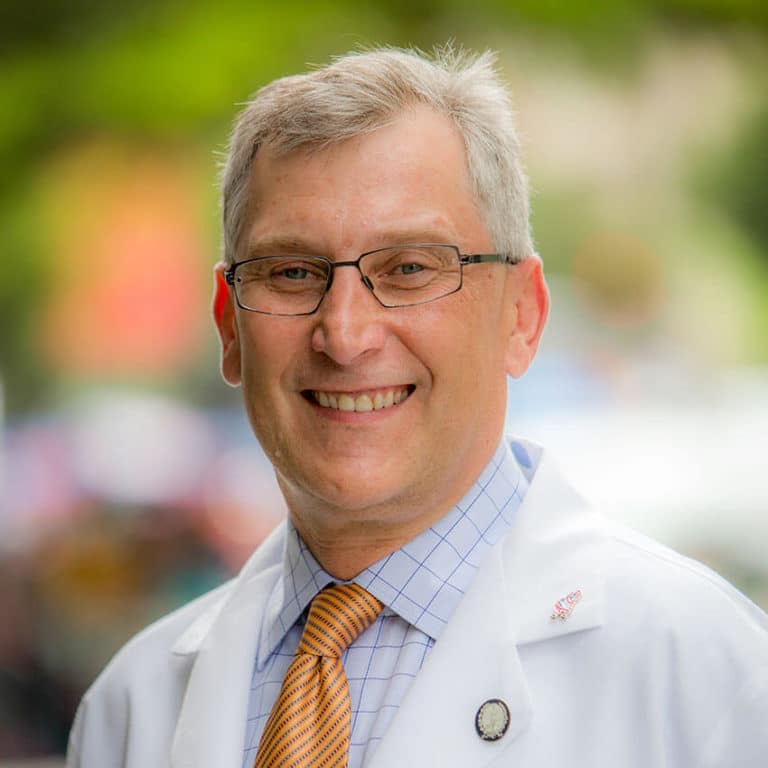
Medical contribution by Eric A. Widra, M.D.

Eric A. Widra, M.D., is the Executive Senior Medical Officer for Shady Grove Fertility and the associate director of the Combined Federal Fellowship in Reproductive Endocrinology and Infertility—a post-graduate training program for future leaders in this subspecialty, operated through the National Institutes of Health, Walter Reed National Military Medical Center, and Shady Grove Fertility.

Vitamin D, also known as the “sunshine vitamin,” is produced in the skin in response to sunlight exposure and can also be consumed through food and supplements. 

What most people may not know is that a person’s vitamin D status may affect their fertility. We recently interviewed SGF’s Executive Senior Medical Officer, Dr. Eric Widra, to discuss how vitamin D may impact female fertility. 

What is vitamin D?

Vitamin D3 (cholecalciferol) is the main form of vitamin D; It is in the skin, and it can be found in some food and nutritional supplements. Prescription vitamin D is vitamin D2 (ergocalciferol). In general, research shows that we metabolize vitamin D3 more efficiently than vitamin D2.1

Given enough time in the sun, most of us can make all the vitamin D we need. However, many women do not get enough sun exposure to maintain a normal vitamin D level throughout the year. Few foods are naturally rich in vitamin D, so it is also difficult to get enough vitamin D from your diet.

Other factors also affect vitamin D status. For instance, if you are overweight or have dark skin, you may be at risk for vitamin D deficiency. For these and other reasons, many women trying to conceive are likely to be low in vitamin D.

How is vitamin D linked to fertility?

According to Dr. Widra, “The data on vitamin D and natural fertility as well as success during fertility treatment is mixed. There are some studies showing that being vitamin D replete improves success rates in both in vitro fertilization (IVF) as well as transfer of frozen donor egg embryos. Other studies have not demonstrated that connection.”

Although the data for vitamin D and fertility is not conclusive, it could be worth reaching out to your primary care physician for testing. Several studies have found that vitamin D blood levels of 30 ng/mL or higher are associated with higher pregnancy rates.2-5 Two studies found that among populations of mostly Caucasian and non-Hispanic white women, those with a normal vitamin D level were four times more likely to get pregnant through IVF compared to those who had a low vitamin D level.3-4 Another study found that donor egg recipients with a normal vitamin D level had higher pregnancy rates than those with a low vitamin D level.6

A recent meta-analysis investigated whether vitamin D blood levels are associated with live birth rates in women undergoing fertility treatments. It found that women with a level greater than 30 ng/mL had higher live birth rates than women with lower vitamin D levels.7

Is vitamin D also important during pregnancy?

Vitamin D may also improve the odds of having a healthy pregnancy. Studies have linked vitamin D deficiency during pregnancy with an increased risk of preterm birth, gestational diabetes, preeclampsia (very high blood pressure during pregnancy), and bacterial vaginosis. 8-11

So, continuing a vitamin D supplement once pregnant is good for both mom and baby. Research has shown that taking 2,000 – 4,000 IU of vitamin D is safe and effective in achieving a normal vitamin D level for pregnant women and preventing vitamin D deficiency in newborns. 12-13

“Our opinion is that given the simplicity and safety of treatment with vitamin D, the low cost associated with it, we should err on the side of having patients use vitamin D as they go through fertility treatment and enter pregnancy. For any medical intervention, you need to weigh the potential benefits against the risks and costs. The risks and costs are so low for vitamin D that any potential benefit is worth considering,” explains Dr. Widra. 

When should I see a fertility specialist?

Nutritional supplements can be an important complement to your fertility treatment but they do not replace fertility evaluation and care. You should have your fertility evaluated if you are under 35 years old and have been having unprotected intercourse without conception for 1 year, after 6 months if you are between the ages of 35-39, and more immediate evaluation and treatment are warranted if you are 40 and over. Women should consult their reproductive endocrinologist before beginning any vitamin regimen.

Shady Grove Fertility is proud to recommend Luminary Vitamins and Theralogix to offer high-quality, evidence-based nutritional supplements patients can trust. 

Related Content:

Prepare Your Body for a Healthy Pregnancy
The Importance of Folic Acid 

Schedule an Appointment

To schedule a virtual consultation with an SGF physician, please call our New Patient Center at 1-888-761-1967 or submit this brief form.

REFERENCES:

  1. Houghton and Vieth. Am J Clin Nutr. 2006; 84(4):694-7.
  2. Paffoni et al. J Clin Endocrinol Metab. 2014; 99(11):E2372-6.
  3. Ozkan et al. Fertil Steril. 2010; 94:1314-19
  4. Rudick et al. Hum Reprod. 2012; 27(11):3321-7.
  5. Garbedian et al. CMAJ. 2013;1(2):E77-82.
  6. Rudick et al. Fertil Steril. 2014; 101(2):447-52.
  7. Chu et al. Hum Reprod. 2018; 33(1):65-80.
  8. Bodnar et al. Obstet Gynecol. 2015; 125(2):439-47.
  9. Zhang et al. Nutrients. 2015; 7(10):8366-75.
  10. Baca et al. Ann Epidemiol. 2016; 26(12):853-857.
  11. Bodnar et al. J Nutr. 2009; 139:1157-61.
  12. Hollis et al. J Bone Miner Res. 2011; 26(10):2341-57.
  13. Rodda et al. Clin Endocrinol (Oxf). 2015; 83(3):363-8.

Filed Under: General

October 12, 2023 by Shady Grove Fertility

Medical contribution by Eric A. Widra, M.D.

Eric A. Widra, M.D., is the Executive Senior Medical Officer for Shady Grove Fertility and the associate director of the Combined Federal Fellowship in Reproductive Endocrinology and Infertility—a post-graduate training program for future leaders in this subspecialty, operated through the National Institutes of Health, Walter Reed National Military Medical Center, and Shady Grove Fertility.

Dr. Eric Widra, Executive Senior Medical Officer for Shady Grove Fertility, examines fertility in your 20s, 30s, and 40s—including potential obstacles and ways to boost your fertility.

Getting Pregnant in Your 20s

From a biological perspective, your 20s represent the decade in which you have the greatest fertility potential. You have the highest chance of getting pregnant naturally each month: 20 to 25 percent. The risk of chromosomal abnormalities is low, as is the chance of miscarriage. That being said, women in their 20s can still experience infertility. While egg quality is not usually an issue for women of this age, it is possible that a woman could have a decreased ovarian reserve (egg supply), abnormalities of the fallopian tubes or uterus, or a male partner with a low sperm count.

  • Pregnancy Risks in Your 20s
    This is generally a very safe time of life to have children. The risks of miscarriage and pregnancy complications are at their lowest.
  • Ways to Boost Fertility
    Younger women may still have bad habits from their high school or college days. It’s important to maintain a normal BMI, intake the proper nutrients, and limit alcohol and caffeine if you are trying to become pregnant. Smoking is a definite no-no for anyone trying to conceive.

Read more: Prepare Your Body for a Healthy Pregnancy
Read more: Does Drinking Affect Your Fertility?

  • When to Seek Treatment
    For women in their 20s, Shady Grove Fertility recommends women try to conceive for 1 year before seeking the help of a fertility specialist. However, if there are known fertility factors present, a fertility specialist should be consulted sooner. “In fact, if you aren’t getting your period at all or if your cycles are longer than every 35 days, seek help immediately,” says Dr. Widra. “Talk to your doctor if you have a family history of early menopause or a known history of pelvic abnormalities, sexual dysfunction, or any other medical conditions that might affect fertility, including your partner’s medical problems, which may affect his sperm count.”

Getting Pregnant in Your 30s

A woman in her 30s has an approximately 15 to 20 percent chance of getting pregnant each month. Fertility will gradually decline throughout the 30s, with the greatest decline coming after the age of 35.

  • Pregnancy Risks in Your 30s
    According to the American Society for Reproductive Medicine, women in their 30s have an increased risk of miscarriage because the quality and quantity of the egg supply will decrease. Women in this age range also often have greater emotional stressors because they feel an added pressure to become pregnant, often because they are afraid of having trouble conceiving.
  • Ways to Boost Fertility
    As with women in their 20s, women in their 30s should maintain a normal BMI when trying to conceive. If a woman has been on a birth control pill for over 5 years, she should also plan to stop it before trying to conceive. “The vast majority of women will revert to their historical cycle pattern and fertility as soon as they stop,” says Dr. Widra. Thus, you shouldn’t have to stop taking birth control too far in advance before trying to conceive, but you should consult with your gynecologist.
  • When to Seek Treatment
    For women between the ages of 30 and 34, they should try to conceive on their own for 1 year before coming to see a fertility specialist; women 35 and 39 should try to conceive on their own for about 6 months. If you have any of the aforementioned risk factors though (lack of menstruation, low sperm count, tubal disease), you should see a specialist sooner. Time can be more important for women in their 30s due to aging. “The real issue with aging is that the opportunity to help couples declines rapidly with age, and time becomes more valuable,” says Dr. Widra.

Getting Pregnant in Your 40s

A woman in her 40s has a less than 5 percent chance of becoming pregnant on her own each month. For a woman age 45 to 49, the chance of pregnancy with her own eggs becomes as low as 1 percent. But hope can exist in the form of donor egg treatment or if a woman froze her eggs at a younger age.

  •  Pregnancy Risks in Your 40s
    Due to the decline in quality and quantity of eggs, obstetrical risks increase with age, such as gestational diabetes, hypertension, chromosomal abnormalities, etc.
  • Ways to Boost Fertility
    While factors relating to age cannot be changed, maintaining a healthy lifestyle is very important for women in their 40s. Having a normal BMI, getting plenty of sleep each night, and limiting stress are important. Many women have found that yoga, acupuncture, exercise, and other holistic health therapies can help reduce stress and keep them healthy: mentally, physically, and spiritually.
  • When to Seek Treatment
    Women in their 40s have the same treatment options available to them as women in their 20s and 30s (intrauterine insemination [IUI] and in vitro fertilization [IVF] to name a few), but the chances of success go down when using their own eggs, unless they froze them at a younger age. While pregnancy with your own eggs can be possible in your early 40s, donor egg treatment may become a more important option. You will carry the child, but the egg will come from a woman in her 20s or early 30s, greatly increasing your chances of pregnancy by circumventing the biological clock.

Read more: Donor Egg Treatment FAQ
Read more: Getting Pregnant in Your 40s

For women in their 40s, Shady Grove Fertility recommends seeing a fertility specialist right away to have diagnostic testing performed.

LEARN: Improving Your Fertility Health
WATCH: Weight and Fertility On-Demand Webinar

Editor’s Note: This post was originally published in June 2015 and has been updated for accuracy and comprehensiveness as of October 2020.

Schedule an Appointment
To schedule a virtual consultation with an SGF physician, please call our New Patient Center at 1-888-761-1967 or submit this brief form.

Filed Under: General

July 19, 2023 by Shady Grove Fertility

You don’t necessarily need to stop your fitness routine during fertility treatment, but you may consider making some mindful modifications. Shady Grove Fertility physician Dr. Jaimin Shah encourages his patients to keep up with their regular workouts with a few modifications and exceptions if their bodies are feeling up for remaining active throughout fertility treatment. We spoke with Dr. Shah about all things exercise and fertility. 

What activities can I do during fertility treatment?  

During fertility treatment, trust your comfort levels for activity and check in with your physician for their recommendations. This might not be the best time to kick off a brand-new workout routine but if you are already comfortable and consistent with activity, you are welcome to keep it up as your body allows. It’s possible there will be some days you aren’t feeling up to being active, and that is okay too.   

“The best recommendation I have for patients is to listen to their bodies throughout the treatment cycle to guide their levels of activity,” shares Dr. Shah. “There are many low-impact activities that you may find helpful throughout treatment like walking, stationary weights, leisurely cycling, and stretching.”  

What concerns are there about exercising during fertility treatment?  

The main concern surrounding activity during treatment such as in vitro fertilization (IVF) is ovarian torsion, which is an uncommon but serious condition that causes the ovary and sometimes the fallopian tube to twist on the tissues that support them. During IVF, the ovaries are much larger than usual due to growing more follicles than a regular menstrual cycle, so the risk for ovarian torsion, while still rare, is increased.  

While exercising during fertility treatment, keep the growing ovaries in mind. Consider skipping a high-intensity workout or other activities that ask your body to twist or go upside down.  

How long should you refrain from working out after an embryo transfer? 

For the first 24 hours after an embryo transfer, your physician may have certain activity restrictions. Every case is unique, so please check in with your physician for their guidance.  
 
In many cases, you will be asked to do 24 hours of “couch rest” after the embryo transfer – take the day off, put your feet up, and rest as much as possible.  

After the first 24 hours, you may need to continue to take it easy for an additional three to four days. You can go back to work and lead your normal life, but strenuous exercise, chores, and even sexual relations and intercourse should be avoided. 

“Once an embryo is transferred into the uterus, it usually takes a day or so to attach to the uterine wall,” shares Dr. Shah. “The embryo and the uterine lining have receptors that are made to find each other. When they meet, they stick to each other. So, take it easy after a transfer, but rest assured, implanted embryos won’t just unstick because of your exercise routine.”  

Should other lifestyle adjustments be made during fertility treatment?  

While it’s very important to have healthy lifestyle habits while pregnant, these same behaviors are just as important when you’re trying to conceive. During fertility treatment, you should eliminate risky behaviors like excessive drinking and smoking of any kind. You should also make sure your physician is aware of any prescription medications you are taking.  

Visit Shady Grove Fertility’s comprehensive resource library for more information surrounding your fertility and family-building care. To schedule a consult with a fertility specialist, call SGF’s New Patient Center at 1-877-971-7755 or complete this brief form.     

Schedule Appointment
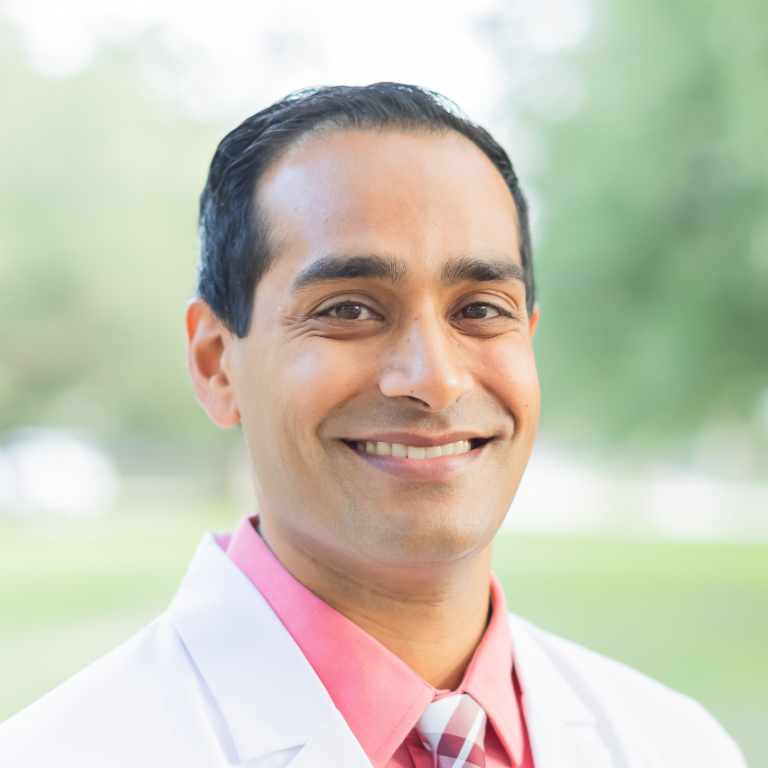
Medical contribution by Jaimin S. Shah, M.D.

Jaimin S. Shah, M.D., is board certified in obstetrics and gynecology (OB/GYN) and reproductive endocrinology and infertility (REI). He completed his residency training in OB/GYN at the McGovern Medical School in Houston, Texas. During this time, Dr. Shah was inspired by a patient diagnosed with breast cancer and found working with a reproductive endocrinologist (REI) to help preserve the patient’s future fertility a fulfilling experience.

Filed Under: General

February 27, 2023 by Shady Grove Fertility

Once an egg-freezing patient is ready to conceive, questions may come to mind about what steps to take next. SGF Atlanta’s Dr. Valerie Libby, a fertility specialist who chose to freeze her eggs while pursuing her career, answers questions and provides advice for those with frozen eggs in storage who are now ready to start trying to build their family.  

When you are ready to start trying to conceive and have frozen eggs, Dr. Libby provides the following steps:  

1. Consider your current age versus your age when your eggs were frozen. 

Age is the number one indicator of female fertility. The chances of miscarriage and chromosomal abnormalities increase with age. Egg freezing postpones that ticking biological clock, though, so if you froze your eggs at a much earlier age, it might be best to use your frozen egg to increase chances of a successful pregnancy. Talk with your physician about your age-related risk of miscarriage and chromosomal abnormalities versus your age when you froze your eggs.  

If you and your physician decide it is best to use your frozen eggs to optimize success, it will then be time to create embryos. 

2. Schedule an appointment  

The first step to using frozen eggs would be to schedule an appointment with your SGF physician to discuss your course of treatment, timeline, and how many eggs to thaw. If you plan to create embryos with a male partner, they will need to attend the consultation. 

3. Have your partner complete male fertility testing (if applicable) or begin finding donor sperm 

A male fertility evaluation involves a full medical history and physical. A thorough review of any childhood medical issues, ongoing medical treatments, current medications, as well as sexual functioning can often reveal risk factors for male factor fertility problems. Male fertility testing requires a simple semen analysis, a non-invasive, low-cost test of a semen sample to assess the sperm’s ability to fertilize an egg. 

Single women and same-sex female couples may be proceeding with using donor sperm to fertilize frozen eggs. You can arrange for sperm through one of several national certified sperm banks where donors are appropriately screened, and the sperm is quarantined. Learn more about donor sperm, here.  

4. Complete genetic carrier screening  

SGF recommends pre-pregnancy genetic carrier screening. Genetic screening enables you to examine your genetic background for recessive genes that could possibly affect your future children.   

5. Fertilize eggs with sperm and consider PGT-A testing  

When you are ready to use your frozen eggs, either some or all your eggs will be thawed and then fertilized using intracytoplasmic sperm injection (ICSI). ICSI is necessary as the coating that surrounds the egg is hardened when it’s frozen. This process involves selecting a single sperm and injecting it into the egg for it to fertilize. 

You may also consider Preimplantation Genetic Testing for Aneuploidies (PGT-A) testing. PGT-A testing looks for chromosomal abnormalities which may lead to miscarriage or genetic disorders. Learn more about genetic testing for embryos, here.  

6. Prepare for an embryo transfer  

Dr. Libby recommends you start taking prenatal vitamins and Vitamin D3 when you are getting ready for an embryo transfer.  

When you are ready for an embryo transfer, in our standard protocol, you will begin taking estrogen to thicken the endometrial lining – preparing your uterus for the embryo to implant and grow. When the lining is thick, you start progesterone. After you have been on progesterone, we transfer the embryo inside the uterus. 

The embryo transfer is a simple procedure that takes about 5 minutes to complete. There is no anesthesia or recovery time needed following an embryo transfer and patients are able to watch the procedure right on their ultrasound screen, witnessing the journey of their embryo in real-time. This can be a very special moment.  

Egg freezing can help create flexibility in future family planning. SGF has seen a major increase in egg-freezing cycles in recent years and has been proud to be a part of important fertility preservation conversations. 

Schedule Appointment
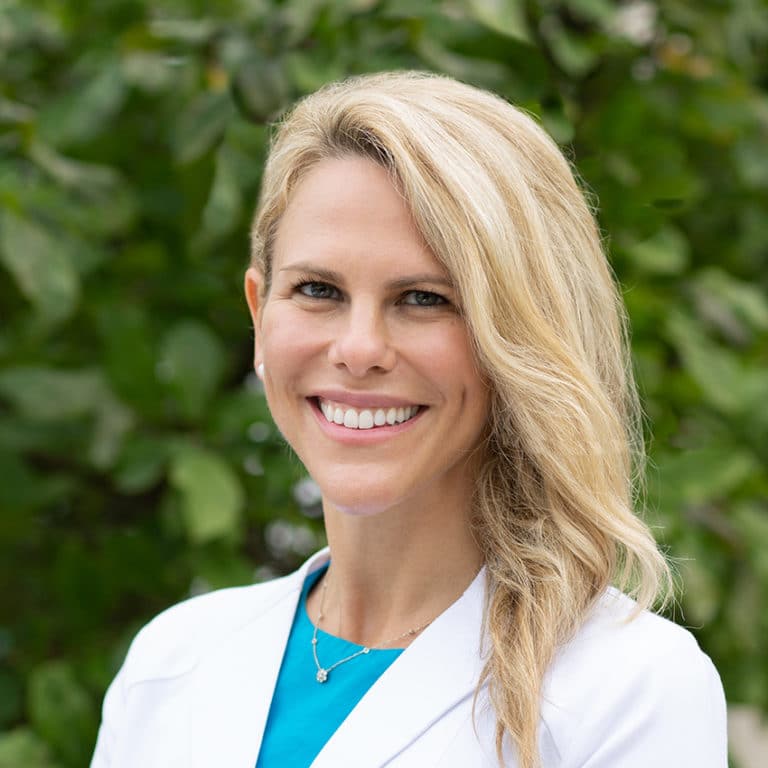
Medical contribution by Valerie Libby, M.D., MPH

Valerie Libby, M.D., MPH, FACOG, earned her medical degree from the University of Texas Health Science Center at San Antonio. She graduated from the University of Texas at Austin Honors Program studying Psychology and Spanish. She then earned a Masters in Global Public Health from George Washington University where she served as a fellow in Kenya for the Global Health Service.

Filed Under: General

  • « Go to Previous Page
  • Page 1
  • Page 2
  • Page 3
  • Page 4
  • Page 5
  • Interim pages omitted …
  • Page 46
  • Go to Next Page »

Company

  • About SGF
  • About US Fertility
  • Our Doctors
  • Fertility Equity
  • Careers
  • Newsroom
  • SGF College Scholarship
  • Contact Us
  • Voice Your Feedback

Treatments

  • Egg Freezing
  • Intrauterine Insemination (IUI)
  • In Vitro Fertilization (IVF)
  • Frozen Embryo Transfer (FET)
  • LGBTQIA+ Family Building
  • Shared Risk 100% Refund Program
  • All Treatments

Resources

  • Patient Portal
  • Online Bill Pay
  • Library
  • Support Groups & Events

Locations

  • California
  • Colorado
  • Delaware
  • Florida
  • Georgia
  • Maryland
  • North Carolina
  • Pennsylvania
  • Texas
  • Virginia
  • Washington, D.C.

2026 Shady Grove Fertility

  • Policies & Notices
Also of interest
  • In Vitro Fertilization IVF
  • Fertility Tests
  • Research Publications