• Skip to primary navigation
  • Skip to main content
  • Skip to footer
Shady Grove Fertility
  • Become an Egg Donor
  • Referring Physicians
  • 1-888-761-1967
  • Schedule Appointment
  • Get Started
        • Get Started
          • Causes of Infertility
          • Fertility Tests
          • When to Seek Help
          • Find a Doctor
          • Preconception and prenatal vitamins 
          • Schedule an Appointment
        • Personalized Care For
          • Single Parents
          • LGBTQIA+ Family Building
          • People with Cancer
          • Known Genetic Diseases
          • Egg Donors
  • Treatments
        • Fertility
          • Timed Intercourse
          • Ovulation Induction
          • Intrauterine Insemination (IUI)
          • In Vitro Fertilization (IVF)
          • Frozen Embryo Transfer (FET)
        • Donation & Surrogacy
          • Donor Sperm
          • Donor Egg
          • Donor Embryo
          • Gestational Carrier
          • LGBTQIA+ Family Building
          • Single Parents
          • Find a Donor
        • More Treatments
          • Center for Male Fertility
          • Egg Freezing
          • OncoFertility
          • Preimplantation Genetic Testing
          • MIGS
          • All Fertility Treatments
  • Resources
    • Resource Library
    • Events Calendar
    • Patient Stories
    • Mental Health
    • Wellness Center
  • Insurance & Savings
    • Insurance & Benefits
    • Shared Risk 100% Refund Program
    • 100% Refund for Donor Egg
    • Discounts
    • Egg Freezing Costs
    • Financing & Grants
    • Clinical Trials
  • About
    • Find a Doctor
    • About SGF
    • Our Care Team
    • Advanced Practice Providers
    • Fertility Equity
    • Philanthropy
    • Newsroom
    • Careers
    • Contact Us
    • Voice Your Feedback
  • Locations
        • Find a Location
        • California
        • Colorado
        • Delaware
        • Florida
        • Georgia
        • Maryland
        • North Carolina
        • Pennsylvania
        • Texas
        • Virginia
        • Washington, D.C.
        • Chile
        • International & Out of State
        • SGF at Walter Reed National Military Medical Center
  • Patient Hub
    • Online Bill Pay
    • Patient Forms
    • Patient Portal
  • Call your care team
  • Become an egg donor
  • Referring physicians
  • search-icon
  • Schedule appointment 1-888-761-1967

Home / General / Page 4

General

December 8, 2022 by Shady Grove Fertility

An endometrial receptivity analysis (ERA) has the goal of identifying the perfect time, or window of implantation, to transfer an embryo for better live birth rates. ERA was initially developed for patients with recurrent implantation failure, and then became available for all IVF patients. But as this test evolved into an optional add-on for all IVF patients, we stopped and asked ourselves: Who benefits from ERA testing? 

The test’s manufacturer, Igenomix, recently worked with Nicole Doyle, M.D., Ph.D. and a team of SGF researchers to conduct the largest randomized trial of its kind to better understand the effectiveness of ERA within the entire IVF patient population.   

Given the study’s new findings, which were published in Journal of the American Medical Association (JAMA), let’s evaluate what ERA testing is and what the latest research says about ERA testing

What is ERA testing?  

An ERA is a diagnostic test that seeks to identify an individualized time for embryo transfer. ERA analyses whether the endometrium (the lining of the uterus) is receptive or non-receptive to an embryo that is ready to implant, based on what genes are expressed throughout each phase of the menstrual cycle.   

How does ERA testing work? 

Let’s first examine why ERA was created. In unassisted reproductive physiology, an embryo does not implant into the uterine lining right away. After fertilization, it spends about three days in the Fallopian tube, where it then travels to the uterus, and takes a few more days before it implants.  

“With fertility treatment, we try to mimic the concept of natural physiology and transfer the embryo after it has developed for about a week in the embryology lab,” explains Dr. Doyle. “However, the optimal time for transfer is still unknown. When we transfer a genetically normal embryo at the ‘perfect time,’ the chance for live birth is about 60-65%, so there’s definitely room for improvement.” 

The embryo transfer is performed at the same time for all women. However, it has been suggested that a proportion of women are not receptive to an embryo that is trying to implant at standard transfer timing. These women may benefit from a more targeted transfer at an earlier or later time. 

ERA classifies the menstrual cycle into five phases: 

  • Pre-receptive phase: Before the window of implantation 
  • Early receptive phase: Nearing the ideal window of implantation 
  • Receptive phase: Ideal window of implantation 
  • Late receptive phase: Window of implantation is closing  
  • Post receptive phase: The window of implantation has closed 

The goal of ERA is to determine an individual’s personal window of implantation. With ERA, physicians can isolate a patient’s unique receptive phase down to a specific, six-hour window. 

How to prepare for an ERA  

The ERA cycle takes about four weeks to complete from initial testing to when results are available. The cycle itself takes about 16 days, then allow an additional 14 days to receive results.  

An ERA cycle is performed the same way a patient prepares for a frozen embryo transfer (FET). However, rather than performing an actual embryo transfer, an endometrial biopsy is performed. The biopsy assesses whether the uterine lining would have been receptive if an embryo transfer was performed.  

What can patients expect during the ERA testing process? 

  1. Estrogen) pills are taken for 10 days, or until the lining measures at least 7mm and Estrogen levels are adequate. 
  1. Progesterone is then prescribed for 6 days. Receptivity to implantation depends on the length of time exposed to progesterone. 
  1. A subset of patients may benefit from longer or shorter timelines of progesterone exposure. 
  1. An endometrial biopsy is performed, and the lab then analyzes tissue samples for more than 200 genes to predict the best time to transfer the embryo into the uterus.  
  1. The FET protocol and length of progesterone exposure is then adjusted to align with the most optimal time to transfer an embryo. 

What does the latest research say about the value of ERA testing? 

Our recent in-house study was designed to investigate whether or not fertility specialists should individualize embryo transfer windows for all IVF patients. For standard embryo transfers at SGF, our doctors transfer an embryo after 123 +/- 3 hours of progesterone. It’s important to note that embryo transfer protocols between practices and even physicians can vary. 

“For this study, we randomized 767 good prognosis patients into a study group and control group*,” explains Dr. Doyle. “The study group included patients who underwent ERA testing and transferred an embryo according to the ERA recommendation. The control group also underwent ERA testing, but then followed SGF’s standard embryo transfer protocol.” 

SGF’s findings revealed that in a population of good prognosis IVF patients, ERA appears to have no superiority over standard frozen embryo transfer and does not result in improved transfer outcomes: 

  • Study group: 59% 
  • Control group: 62% 

“We had hoped for better results, but from a cost-benefit, ERA testing is not worth it,” Dr. Doyle reported to the New York Times in a December 2021 article on ERA study findings for good prognosis IVF patients without a history of recurrent implantation failure. 

When is ERA testing recommended? 

The clinical trial did not assess ERA in a recurrent implantation failure (RIF) patient population and therefore cannot comment on the utility of ERA for this particular group of patients. However, patients with RIF represent only a very small fraction of all IVF patients. 

“It is important to emphasize that we cannot assess the benefit of ERA for patients with recurrent implantation failure,” explains Dr. Doyle. “We still need a clinical trial to evaluate if ERA is a beneficial adjunct for this particular patient population. When it comes to counseling patients, we are discussing the data from our clinical trial and will ultimately respect the patient’s wishes.” 

Ultimately, since no universal recommendation criteria exist, the decision to proceed with an ERA cycle will be one made by the physician and the patient after thorough counseling.  

Why did my physician recommend ERA testing for me?

SGF is dedicated to practicing evidence-based fertility care. As a national leader in fertility research, SGF is one of the only private practice fertility centers in the nation to employ a full-time dedicated research team. Research in reproductive medicine is constantly evolving and the most recent findings will now help guide SGF physicians in counseling their patients going forward. In the past, no such data was available, which was a major motivation for the study. 
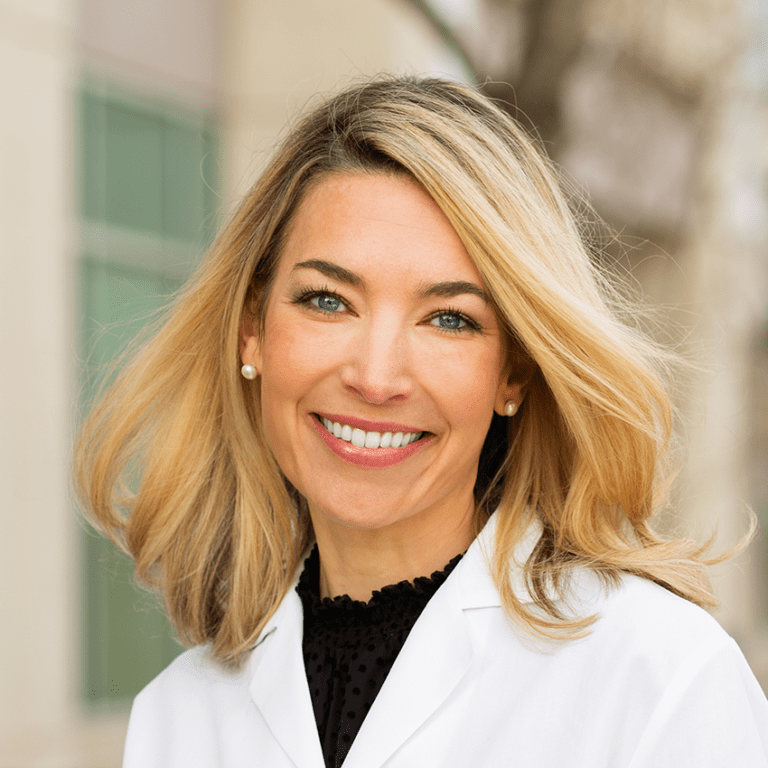
Medical contribution by Nicole P. Doyle, M.D., Ph.D.

Nicole P. Doyle, M.D., Ph.D., FACOG, is board certified in obstetrics and gynecology and reproductive endocrinology and infertility. Dr. Doyle’s clinical interests include diminished ovarian reserve, in vitro fertilization, oocyte donation, and fertility preservation. She sees SGF patients in the Fairfax, Virginia office.

Schedule Appointment

Editor’s Note: This post was originally published in March 2022 and has been updated for accuracy and comprehensiveness as of December 2022.
Filed Under: General Tagged With: In vitro fertilization (IVF)

July 7, 2022 by Shady Grove Fertility

The fertility window is described as the most fertile period during a women’s menstrual cycle in which intercourse may lead to a pregnancy. This window is centered around ovulation and speaks to the egg’s short life span of 12-24hrs. When Shady Grove Fertility opened in the 90s, many infertility patients were using “old school” methods to determine whether ovulation occurred, such as Basal body temperature (BBT) charts. As of today, BBT charts are considered an unsophisticated measure, and have since been replaced with simple scientific tests that can quickly and more accurately predict ovulation. SGF Houston physician, Janet Bruno-Gaston, M.D., who see patients at SGF’s Houston – Memorial City and Houston – Texas Medical offices, provides facts about BBT and how you should be measuring your fertility.  

What is basal body temperature and is it accurate? 

Following ovulation, there is a characteristic change in a women’s BBT by 1°C. The most fertile period during the menstrual cycle occurs directly before ovulation. Using BBT requires patients to retrospectively outline when to be most sexually active. For those of you who have tried charting your basal body temperature, you know the routine. Tracking your basal body temperature can have some unrealistic expectations such as remembering to have a thermometer by your bedside, having an undisturbed night of sleep, or not going to the bathroom throughout the night.  

While charting your basal body temperature is sometimes suggested by some physicians or online “experts,” and a biphasic (demonstrated temperature increase) may indicate ovulation, the BBT method is inherently inaccurate and can be anxiety-provoking.  

What other methods are used to determine your fertility window? 

Prior to ovulation the brain releases luteinizing hormone (LH) that triggers the release of an egg from the ovary. The LH surge typically occurs 12-36 hrs before ovulation. This provides a more accurate assessment of the fertility window and informs patients when it is most important to be sexually active. The most common methods used to determine the LH surge are ovulation predictor kits and serum blood levels. 

Ovulation predictor kits

Ovulation predictor kits can be purchased over the counter and use urinary test strips to detect a rise in LH levels. We recommend that couples are sexually active on the day of the LH surge and the day after to optimize chance of pregnancy for that cycle. Additionally, your fertility specialist may monitor your cycle more closely with transvaginal ultrasound and laboratory testing to determine the maturation of a egg in your ovaries and ovulation using serum blood levels. 

Your menstrual cycle   

The menstrual cycle is an important vital sign that reflects the health of your reproductive system. For women with irregular cycles, ovulation predictor kits may not be reliable and I recommend early evaluation with a fertility specialist as you may need additional testing.  

“As I always tell my patients – when dealing with infertility, we might not always have a diagnosis and cure, but the testing gives us a direction to formulate a treatment plan to optimize the potential to become pregnant,” shares Dr. Bruno-Gaston. “Once your diagnosis is established, a treatment plan will be tailored to suit your personal situation. The recommended approach will depend on your age, diagnosis, the duration of infertility, any previous treatments, and your personal preferences.” 

Remember to always communicate with your physician, your nurse, and any of our staff with questions and concerns along the way. 

Technology within the fertility world has made great strides over the last 20 years and will continue to progress over the years to come. Our goal as doctors and scientists is to continue to provide improvements on old school techniques, like basal body temperature, to lead to higher success for you, our patients. 

Medical contribution by Janet Bruno-Gaston, M.D., MSCI

Janet Bruno-Gaston, M.D., MSCI, is board certified in obstetrics and gynecology and in reproductive endocrinology and infertility (REI). Dr. Bruno-Gaston received her medical degree from Morehouse School of Medicine, where she was recognized as a Community Health Honors Scholar for her work with health care disparities.  

Schedule Appointment

Editor’s Note: This article was originally published in May 2011 and has been updated for content accuracy and comprehensiveness as of July 2022.

Filed Under: General

July 7, 2022 by Shady Grove Fertility

At Shady Grove Fertility (SGF), we believe in a stepped-care approach to treatment, starting with the simplest, most affordable low-tech fertility treatment options first and moving up to more advanced treatments only if needed. 

More than half of all the treatment cycles we do are considered low-tech and many patients find success with this route. Oftentimes, it makes sense to start with the low-tech treatment, but when fertility treatment doesn’t initially work, it becomes a question of when to consider moving forward to advanced fertility treatment to increase the chances of conception?  

While IVF is one of the most successful fertility treatments ever created and has the highest per cycle success rate, many patients who pursue treatment at SGF will be able to achieve a pregnancy with less intensive treatment option. 

Dr. John R. Crochet Jr., M.D., an SGF Houston physician, who sees patients at SGF’s Houston’s Beaumont and Clear Lake offices, shares insights of when to take the next steps in your fertility treatment plan.  

“Many individuals and couples delay seeking fertility treatment because they are intimidated by advanced fertility treatments,” shares Dr. Crochet. “We want patients to know that low-tech fertility treatment options can be an affordable and effective first step for those trying to conceive.”  

When to seek help from a fertility specialist 

The first question most couples ask if they are having trouble conceiving is: When should we seek help from fertility specialist? The easiest way to answer this question is to look at the accepted guidelines based on the age of the female partner, in instances of opposite-sex couples.   

SGF recommends seeing a fertility specialist if a woman is: 

  • Under 35 with regular cycles, unprotected intercourse and no pregnancy after 1 year 
  • 35 to 39 with regular cycles, unprotected intercourse and no pregnancy after 6 months 
  • 40 or over with regular cycles, unprotected intercourse and no pregnancy, more immediate evaluation and treatment are warranted 

If there are other known conditions or you are experiencing irregular periods, you should seek help from a fertility specialist sooner. LGBTQIA+ individuals and couples and those interested in pursuing single parenthood are encouraged to seek help from a fertility specialist when they are ready to learn more about their family-building options.  

Some patients will start by talking with their OB/GYN, but it’s also perfectly fine to schedule a consult with a fertility specialist.  

“When you start your fertility journey, we’ll begin with a basic fertility workup that includes testing for both partners,” shares Dr. Crochet. “From there, we’ll be able to chart a path for your fertility treatment that will optimize your chances of success and could likely begin by exploring low-tech fertility treatment options.”  

When to get started with Clomid or Letrozole  

Most patients have the option of starting with low-tech forms of fertility treatment. In fact, many patients start with oral medications (i.e. Clomid or letrozole) while still under the care of their OB/GYN. These treatments don’t have the high success rates associated with in vitro fertilization (IVF) but they are simpler and much more affordable. 

When oral medications are not working, though, it could be time to take another step in your fertility treatment journey.  

“If we look at the data, we see that after 3 to 4 cycles of oral medications, the success rates drop off dramatically, even if the woman is ovulating. If she is over 35 or the couple’s infertility is unexplained, the data show that they should move on even sooner,” shares Dr. Crochet. “In fact, it’s actually been shown that it is more cost-effective to switch to more advanced treatments like IVF rather than continuing with Clomid.” 

When to take the next step in your fertility treatment plan 

After oral medications or speaking with their OB/GYN, the next step is visiting a fertility specialist, but that doesn’t mean jumping right into IVF. Depending on the patients’ diagnoses and age, there are still several steps a fertility specialist might recommend before IVF.  

For example, patients might continue oral medications and intrauterine insemination (IUI) but add injectable medications. One thing that will change when you work with a fertility specialist is that you will be monitored with ultrasound and bloodwork throughout the stimulation phase of whichever treatment you do. That way, you and your physician will know if the medications are having the desired effect. 

If a treatment cycle does not result in a pregnancy, the patient will meet with their physician to review how the cycle went and how to proceed.   

In addition to one-to-one conversations with physicians, patients are also provided opportunities to speak with their nurse, professional counseling staff, and make use of SGF’s resource library and free, fertility events.  

When to move forward to IVF  

“Ultimately patients will make the decision on what to do moving forward with their treatment. I always provide the patient information on their cycle, the success rates, and data that we have which helps them to make the most informed decision,” offers Dr. Crochet. “If a pregnancy is not achieved within a few cycles of oral medication or IUI, we can review those cycles together and decide when to move on to IVF.”  

IVF is the most successful treatment a couple can do using their own eggs and sperm. IVF is also one of the few treatment options where success rates have gone up over time due to technological advances. Women under the age of 35 have a 50% chance of getting pregnant on their first cycle. However, about 59% of women undergoing IVF will have remaining high-quality embryo(s) to freeze for a subsequent frozen embryo transfer (FET). 

SGF also offers innovative financial plans to help make fertility treatment more affordable, including the Shared Risk 100% Refund Program.  

When to move forward to donor egg treatment 

Some patients, especially those who are over 40 or have other medical conditions that reduce the quality of their eggs, go straight to donor egg treatment. For most patients, however, the move is a result of not having success with IVF. 

For these patients, it can be a hard transition, especially if they are younger,” says Dr. Crochet, “but the upside is that their chances of success can jump to over 50% when they move to donor eggs.” 

For women unable to conceive using their own eggs, donor eggs allow for a woman to carry a child that is genetically linked to the male partner. Donor egg treatment also offers the highest pregnancy and delivery rates of any fertility treatment because the donated eggs come from women between the ages of 21 and 32 which coincides with these women’s peak fertility. Patients using donor eggs at Shady Grove Fertility have a 51% live birth rate with each transfer. 

Extensive personal and medical histories are provided on every donor. Once a donor is chosen, the cycle is quite simple for the donor egg recipient. You will take medications that prepare your uterine lining for pregnancy. The male partner will provide a semen sample that will be used to fertilize the donor eggs. Once the embryos are ready, an embryo transfer will take place. 

Bringing home a baby 

When mapping out a treatment plan, it helps to focus on the end goal — bringing home a baby.  

Along the way, your physician will guide you with evidence-based recommendations for the needs of your family, and the SGF community will be there to support you in whatever decisions you make.  

“For people struggling to conceive, we encourage you to reach out to a fertility specialist at SGF so we can help build the family of your dreams,” shares Dr. Crochet. “We’ll take our patient-centered approach of stepped-care treatment to optimize your chances of success.”   

Medical contribution by John R. Crochet, Jr., M.D.  

John R. Crochet, Jr., M.D., is board certified in obstetrics and gynecology (OB/GYN) as well as reproductive endocrinology and infertility (REI). Dr. Crochet received his medical degree from the University of Texas Medical Branch in Galveston. He then completed his residency in OB/GYN at the University of Texas Southwestern Medical Center in Dallas where he received commendations for his teaching and was recognized for excellence in laparoscopic and endoscopic surgery and ultrasonography.

Schedule Appointment

Editor’s Note: This article was originally published in April 2021, and has been updated for content accuracy and comprehensiveness as of July 2022.

Filed Under: General

July 5, 2022 by Shady Grove Fertility

For many patients who pursue fertility treatments, especially for intrauterine insemination (IUI) or in vitro fertilization (IVF), a common ritual becomes visits for morning monitoring during your treatment cycle. The goals of these sometimes-frequent appointments are to make necessary mid-course adjustments to your treatment protocol and to determine the best timing for ovulation or egg retrieval by monitoring estrogen levels and follicle size. This helps us achieve the best possible outcome for you while avoiding potential complications. 

What is involved leading up to monitoring?  

There are common initial steps in your fertility journey with Shady Grove Fertility – initial consultation with a physician, meeting with the nurse clinician nurse, initial Day 3 blood work, ultrasound, HSG, and semen analysis. Some of these tests may have been done prior to coming to see an SGF physician and can be incorporated without repeating. 

Once a treatment plan has then been decided upon by your physician, the new protocol begins. This visit is very important because it provides your physician with baseline readings of hormone levels as well as an opportunity to view the uterus and ovaries via ultrasound. 

“The ultrasound provides us with a view of the shape and musculature of the uterus, ability to see if there are any cysts present, and a visualization of the uterine lining,” explains Alex Polotsky, M.D., medical director of SGF Colorado, who sees patients at our Denver office. “Additionally, egg cells should be ‘immature’ and the follicles at a ‘resting state’.” 

Typical baseline blood hormone levels prior to the start of medication for IUI & IVF should be:

  • Estrogen – < 50pg/ml
  • Human chorionic gonadotropin (hCG) – < 1 mIu/ml 
  • Progesterone – < 1ng/ml

Once your physician has reviewed the results of your blood work and ultrasound, you will receive a phone call from your nurse to confirm your medication protocol and to make an appointment for your next monitoring appointment. 

How many monitoring appointments do I need? 

The amount of monitoring necessary is tailored to each patient. A patient who is using oral ovulation stimulation medication such as clomiphene citrate (Clomid)  or letrozole (Femara) with an IUI or timed intercourse cycle may require only 2 to 3 monitoring sessions, whereas patients using injectable medications in conjunction with either an IUI or IVF may need to be seen up to 7 times in a 2 week period. 

“The number of times we bring a patient in for monitoring is usually related by the strength of the medication in their treatment protocol,” shares Dr. Polotsky. “Patients who are on lower strength stimulation drugs such as Clomid or Femara may need to be monitored less frequently. In contrast, patients on stronger, injectable medications need to be watched much closer to adjust the dose of medication being given for safety and effectiveness.  Safety is paramount as we want to make sure patients have appropriate response. The so-called “Goldilocks Rule” is a good way to describe – we want just the RIGHT response, not too much and not too little.

What is the ideal follicle size and uterine lining to begin treatment?

At each visit, our physicians look for a balance between hormone levels and ovarian response. Since the hormone estrogen is the prime factor in both increasing follicle size and building up the uterine lining, making sure that levels continue to rise throughout the cycle is a key factor. 

We look for the follicles and uterine lining to grow at an appropriate rate. So, if we see a patient with too high a response to the medication, then we will adjust it to slow them down some, while we will increase the medication for a patient who may be responding at a slower rate. 

At that first monitoring appointment, the patient’s ovaries should be non-active or “resting” meaning that none of the follicles have begun maturing. As medication is introduced, the follicles will begin to grow, roughly an average of 2 mm per day during the later stages of stimulation. The increase of estrogen levels within the blood provides hormonal evidence that the follicles within the ovaries are maturing. 

“The rate of follicular growth is dependent on the phase of the stimulation cycle,” explained Dr. Polotsky. “Early on, follicular growth may be minimal, but once the follicle(s) have committed to ‘active’ growth, then they may grow 1-3 mm per day.” 

How many follicles should my ovaries be producing? 

The number of follicles produced is dependent on the treatment option. For women who are utilizing an IUI cycle, physicians will look to keep the number of follicles lower to avoid the risks of multiple pregnancy, while in a more controlled IVF cycle a woman may produce a greater number of follicles because we can limit the number of embryos transferred later on. 

“The expected number of follicles is dependent on many factors, primarily age and overall ovarian reserve,” said Dr. Polotsky. “The definition of a ‘good’ number of follicles varies from patient to patient and is based on their individual treatment protocol and type of stimulation they are undergoing.”

What is the ideal follicle size to trigger ovulation? 

“The maturity of an egg in the follicle is in part reflected by the follicular size; on average, the ideal follicular size is 18 to 20 millimeters or larger, depending on the type of medications used,” explains Dr. Polotsky. 

The increasing estrogen level is also responsible for building the uterine lining. An optimal measurement of thickness for the implantation of a fertilized egg is greater than 7 mm and preferably greater than 8 mm, regardless of the type of treatment one undergoes. 

When the lead follicle(s) reach about 20mm in size, the estrogen is rising and the uterine lining is a thickened ‘feather pattern’ in a medicated cycle, it is time to administer HCG, or, for some patients undergoing IVF, Lupron. The HCG (or Lupron) brings about the final important phases of maturation of the egg in the follicle, as well as ovulation for an IUI cycle or to plan the proper timing for the egg retrieval in an IVF cycle. It is at this time that the follicle, the estrogen it is producing, and the responding uterine lining should all be working together to create the best environment for the introduction of a fertilized egg. 

Monitoring at Shady Grove Fertility

By frequently checking the important variables in a fertility treatment cycle through these monitoring visits, we can provide the patient with the best chances of achieving their goals of successfully conceiving a healthy pregnancy and ultimately delivering a healthy baby, whether through IUI or IVF. 

doctor alex polotsky shady grove fertility colorado
Medical contribution by Alex Polotsky, M.D.

Alex Polotsky, M.D., M.Sc., FACOG, is board certified in obstetrics and gynecology and reproductive endocrinology and infertility. He is the Medical Director for SGF Colorado. Dr. Polotsky sees patients at SGF Colorado’s Denver office.

Schedule Appointment

Editor’s Note: This article was originally published in 2021 has been updated for content accuracy and comprehensiveness as of July 2022.

Filed Under: General

June 9, 2022 by Shady Grove Fertility

Getting pregnant after a miscarriage can be an emotionally daunting hurdle, given that nearly 1 in 4 pregnancies end in miscarriage. There are often many feelings of sadness, and just as many questions about why this happened and how to move forward. While disappointing, patients should not be discouraged as most people who have experienced a pregnancy loss are able to achieve a successful pregnancy.  

Some people may feel that they need time to heal from a miscarriage — both physically and emotionally— and others may be ready to start trying again right away. There is no right or wrong way to feel! Before moving forward, SGF Houston physician, Dr. Janet Bruno Gaston, explains what you need to know about getting pregnant after a miscarriage. 

What is the leading cause of miscarriages? 

Understanding the reason for your miscarriage can help determine whether you may be at an increased risk for recurrent pregnancy loss). Up to half of miscarriages can be linked to a predisposing factor, with genetic abnormalities in the fetus as the leading cause of miscarriages. People with the following known factors are at a higher risk of having another miscarriage

  • Structural abnormalities- anatomical malformations affecting reproductive organs   
  • Hormonal imbalances- thyroid dysfunction 
  • Infection-cervicitis, endometritis, pelvic inflammatory disease  
  • Medical conditions- uncontrolled diabetes  
  • Auto-immune disorders- certain blood clotting conditions  

Will I have another miscarriage? 

It is entirely natural that this might be your first concern. According to the American Society for Reproductive Medicine (ASRM), only about 5% of couples will have 2 miscarriages and only about 1% will experience 3 or more miscarriages. Recurrent pregnancy loss is a medical condition defined as 2 or more consecutive clinical pregnancy losses before 20 weeks gestation.  

Following a miscarriage, how long should I wait before trying to conceive again? 

We strongly encourage taking medical precautions and discussing next steps with your physician before trying to conceive following a miscarriage. At a minimum, you should not have intercourse until you have fully stopped bleeding. Generally, intercourse is not recommended for 2 weeks following a miscarriage in order to prevent infection.   

If you get pregnant immediately after your miscarriage, you may have some difficulty dating the pregnancy — or even knowing that you’re pregnant. Consider using an ovulation predictor kit, and regularly testing yourself for pregnancy until your period returns, as it is possible for some women to get pregnant before receiving their next period.  

When should I seek fertility assistance? 

It’s important to understand that a miscarriage does not necessarily mean that you will have fertility difficulties. However, if you think something may be wrong, talk to your doctor. A reproductive endocrinologist can test you for common fertility problems and offer helpful treatment options for you to consider.  

A few other reasons to reach out to a fertility specialist following a miscarriage include: 
  • You have suffered 2 or more first or second trimester miscarriages. 
  • A structural or hormonal problem caused the miscarriage. 
  • Your period does not return within 60 days of your miscarriage. 
  • You experience a hemorrhage or infection after suffering a miscarriage. 

A miscarriage can lead to an overwhelming sense of disappointment, but for those who have experienced one, do not be discouraged. Because there are a multitude of underlying factors, early intervention can offer greater chances of success and reduce the likelihood of a future pregnancy loss. 

Medical contribution by Janet Bruno-Gaston, M.D., MSCI

Janet Bruno-Gaston, M.D., MSCI, is board certified in obstetrics and gynecology and in reproductive endocrinology and infertility (REI). Dr. Bruno-Gaston received her medical degree from Morehouse School of Medicine, where she was recognized as a Community Health Honors Scholar for her work with health care disparities.  

Schedule Appointment

Filed Under: General

May 19, 2022 by Shady Grove Fertility

Medical contribution by Kara Khanh-Ha D. Nguyen, M.D., MPH

Kara Nguyen, MD, MPH, FACMG, FACOG, is board certified in obstetrics & gynecology, reproductive endocrinology and infertility, and medical genetics. Her professional areas of expertise include oncofertility, preimplantation genetic diagnosis, polycystic ovary syndrome, in vitro fertilization, donor egg, donor embryo, and fertility preservation.

When it comes to a woman’s fertility, or ability to get pregnant, there are many misconceptions about fertility health, trying to conceive, and when to consider seeing a fertility specialist. At Shady Grove Fertility, we know it’s important to educate people about their natural fertility, so they can make informed decisions about when it might be time to consider a fertility specialist if pregnancy has been unsuccessful. 

Dr. Kara Nguyen shares five facts you should know about your fertility when trying to get pregnant. 

1. Natural pregnancy rates are about 15 to 20 percent per cycle.

Most couples do not achieve pregnancy the first month they actively try to conceive. If there are no major barriers — such as blocked Fallopian tubes, underlying medical conditions, or low sperm counts — 90% of couples achieve pregnancy after 1 year of trying.  

When a female reaches their 20s, the chances of becoming pregnant naturally each cycle is only about 15-20% each month. That number declines gradually through a female’s 20s and early 30s. Once in their mid-to-late 30s and 40s, the natural pregnancy rate drops to less than 10%. 

2. Infertility is common.

While most couples where the female partner has regular cycles and is age 35 or younger will achieve a pregnancy within the first year of unprotected intercourse, 1 in 6 couples will have difficulty conceiving. The underlying reasons for infertility can be categorized under female factor, male factor, or a combination of both.  

When there is a condition preventing a successful pregnancy that testing cannot identify, unexplained infertility is diagnosed. Unexplained infertility occurs in about 10% of couples.  

“Be cautious of comparing your infertility experiences to others because there is not a one-size-fits-all treatment protocol or diagnosis,” explains Dr. Nguyen. “It is common also for couples to have no past family history of fertility issues. For this reason, it is always best to be your own advocate and discuss your fertility early on with your primary care provider, OB/GYN, or directly with a fertility specialist to get quick answers.” 

3. Timing sexual intercourse is not exact.

A normal menstrual cycle lasts from 21 to 35 days, with the fertile window occurring 6 days prior to ovulation. Plan to have sexual intercourse during this timeframe for the best chances of success for a natural pregnancy.  

It is a common misconception that frequent ejaculation lowers male fertility, but what it can do is add to the overall stress of trying to conceive. Having intercourse every 1 to 2 days during this time will help maximize your fertility within a given cycle. If you are using home ovulation predictor kits, having intercourse once at the time of the surge is sufficient.

However, females with irregular menstrual cycles will have more difficulty determining their fertile window. There are several methods and tools you can use to pinpoint when you’re ovulating based on your menstrual cycle, but let’s first weigh the pros and cons of each: 

  • Using basal body temperature
    • Pro: The production of progesterone potentially increases the basal body temperature.  
    • Con: Body temperatures will only increase after ovulation, so you can completely miss your fertile window by relying on this method. 
  • Home ovulation predictor kits
    • Pro: These kits useful for people with regular menstrual cycles 
    • Con: These kits are highly unreliable for people with irregular cycles due to hormonal imbalances like polycystic ovary syndrome, which affects about 5 million females in the United States of reproductive age. 
  • Lubricants
    • Pro: Lubricants can aid in the pleasure of sexual intercourse  
    • Con: Some lubricants can lower sperm motility, such as mineral oil, canola oil, or hydroxyethylcellulose-based lubricants. 

4. You do not need to wait to see a fertility specialist.

Couples today are much more aware of infertility issues than in the past. Many have friends or family who have struggled with infertility and may not be open to discussing these experiences. It is also more important for females to be aware of their fertility, especially with more people choosing to start their families later in life. 

The recommended guidelines for when to see a fertility specialist are:  

  • Under 35 with regular cycles, unprotected intercourse, and no pregnancy after 1 year 
  • 35 to 39 with regular cycles, unprotected intercourse, and no pregnancy after 6 months 
  • 40 or over with regular cycles, unprotected intercourse, and no pregnancy, more immediate evaluation and treatment are warranted

There are also some warning signs that signal the need to see a fertility specialist sooner such as irregular menstrual cycles, a history of endometriosis, other hormonal imbalances, a history of extensive abdominal surgeries, and more. A fertility specialist will provide patients with an individualized treatment approach based on simple diagnostic testing that informs patients of the cause of their infertility. 

5. Beware of claims that certain foods and herbal therapies can improve fertility.

We may hear advice from people with good intentions and those who had “good experiences” with certain foods, products, or herbs. Everything from pineapple core to Mexican insects to bone broths has been suggested to boost “fertility.”  

Claims from vitamin companies also suggest they can help improve egg or sperm quality. Many products are unregulated, which makes purity, dosing, and effectiveness highly questionable. Some commonly used herbal remedies such as dong qi, black cohosh, red clover, and St. John’s wort, which may be taken for other conditions, may be detrimental if trying to achieve pregnancy and can interfere with fertility medications.  

It is important to let your doctor know of all supplements that you take. Just because it is herbal and natural doesn’t make it safe in all situations. 

Do you suspect infertility is present?  

To learn more or to schedule an appointment with one of our physicians, please contact our New Patient Center at 1-877-971-7755 or complete this simple form

Schedule an Appointment

Editor’s Note: This post has been updated for accuracy and comprehensiveness as of May 2022.  

Filed Under: General

  • « Go to Previous Page
  • Page 1
  • Page 2
  • Page 3
  • Page 4
  • Page 5
  • Page 6
  • Interim pages omitted …
  • Page 46
  • Go to Next Page »

Company

  • About SGF
  • About US Fertility
  • Our Doctors
  • Fertility Equity
  • Careers
  • Newsroom
  • SGF College Scholarship
  • Contact Us
  • Voice Your Feedback

Treatments

  • Egg Freezing
  • Intrauterine Insemination (IUI)
  • In Vitro Fertilization (IVF)
  • Frozen Embryo Transfer (FET)
  • LGBTQIA+ Family Building
  • Shared Risk 100% Refund Program
  • All Treatments

Resources

  • Patient Portal
  • Online Bill Pay
  • Library
  • Support Groups & Events

Locations

  • California
  • Colorado
  • Delaware
  • Florida
  • Georgia
  • Maryland
  • North Carolina
  • Pennsylvania
  • Texas
  • Virginia
  • Washington, D.C.

2026 Shady Grove Fertility

  • Policies & Notices
Also of interest
  • In Vitro Fertilization IVF
  • Fertility Tests
  • Research Publications