• Skip to primary navigation
  • Skip to main content
  • Skip to footer
Shady Grove Fertility
  • Become an Egg Donor
  • Referring Physicians
  • 1-888-761-1967
  • Schedule Appointment
  • Get Started
        • Get Started
          • Causes of Infertility
          • Fertility Tests
          • When to Seek Help
          • Find a Doctor
          • Preconception and prenatal vitamins 
          • Schedule an Appointment
        • Personalized Care For
          • Single Parents
          • LGBTQIA+ Family Building
          • People with Cancer
          • Known Genetic Diseases
          • Egg Donors
  • Treatments
        • Fertility
          • Timed Intercourse
          • Ovulation Induction
          • Intrauterine Insemination (IUI)
          • In Vitro Fertilization (IVF)
          • Frozen Embryo Transfer (FET)
        • Donation & Surrogacy
          • Donor Sperm
          • Donor Egg
          • Donor Embryo
          • Gestational Carrier
          • LGBTQIA+ Family Building
          • Single Parents
          • Find a Donor
        • More Treatments
          • Center for Male Fertility
          • Egg Freezing
          • OncoFertility
          • Preimplantation Genetic Testing
          • MIGS
          • All Fertility Treatments
  • Resources
    • Resource Library
    • Events Calendar
    • Patient Stories
    • Mental Health
    • Wellness Center
  • Insurance & Savings
    • Insurance & Benefits
    • Shared Risk 100% Refund Program
    • 100% Refund for Donor Egg
    • Discounts
    • Egg Freezing Costs
    • Financing & Grants
    • Clinical Trials
  • About
    • Find a Doctor
    • About SGF
    • Our Care Team
    • Advanced Practice Providers
    • Fertility Equity
    • Philanthropy
    • Newsroom
    • Careers
    • Contact Us
    • Voice Your Feedback
  • Locations
        • Find a Location
        • California
        • Colorado
        • Delaware
        • Florida
        • Georgia
        • Maryland
        • North Carolina
        • Pennsylvania
        • Texas
        • Virginia
        • Washington, D.C.
        • Chile
        • International & Out of State
        • SGF at Walter Reed National Military Medical Center
  • Patient Hub
    • Online Bill Pay
    • Patient Forms
    • Patient Portal
  • Call your care team
  • Become an egg donor
  • Referring physicians
  • search-icon
  • Schedule appointment 1-888-761-1967

Home / General / Page 2

General

December 18, 2024 by laurenvastine

A recent study conducted by the research team at SGF and presented at the 2024 ASRM Congress and Expo has provided some reassuring news about weight changes during egg retrieval cycles for patients undergoing IVF or egg freezing. 

“Setting accurate expectations is key,” says Cassandra Roeca, M.D., SGF Colorado reproductive endocrinologist and research contributor. “This study allows us to give patients clear, data-backed information about what to expect, helping them feel more in control. By understanding what factors contribute to weight changes, we can offer more personalized care and ensure that our patients are well-supported throughout their treatment.”  

Will I gain weight during fertility treatment? 

The research looked at over 22,000 cycles of ovarian stimulation, examining how patients’ weight fluctuated before and after an egg retrieval. On average, patients gained about 1.4 pounds, but this varied quite a bit, with some losing up to 5 pounds and others gaining as much as 15 pounds. 

Certain factors were linked to a higher likelihood of weight gain including having a lower initial body mass index (BMI) and retrieving a larger number of eggs. The study also found that patients who developed ovarian hyperstimulation syndrome (OHSS) tended to gain more weight and took longer to return to their normal weight. 

The retrospective cohort study, Evaluation of Mean Changes in Weight During and After Ovarian Stimulation, was presented at this year’s ASRM Scientific Congress & Expo. Learn more about ASRM 2024.  

How long will it take for my body to go back to normal after fertility treatment? 

The good news is that this weight gain is usually temporary, and most patients return to their normal weight within two weeks of egg retrieval. “We hope this new research gives patients peace of mind,” adds Dr. Roeca. “Knowing that any weight gain during treatment is typically modest and temporary can help reduce stress and improve your overall experience.”  

By understanding what might happen to your body during an egg retrieval cycle, you can better plan ahead and stay in control of your health.  

Tips for managing weight during ovarian stimulation 

While the study shows that weight changes are usually minor and temporary, it’s natural to want to feel your best during fertility treatments. Here are a few tips to help manage any weight fluctuations: 

  1. Stay hydrated Drinking enough water helps reduce bloating and keeps your body functioning optimally during treatment. 
  1. Eat balanced meals Focus on whole foods like fruits, vegetables, lean proteins, and healthy fats, which can help you feel energized and maintain a steady weight. 
  1. Gentle movement Light exercise, like walking or cycling, can improve circulation and help with any discomfort or bloating. 
  1. Talk to your doctor If you’re concerned about weight changes or feel uncomfortable, don’t hesitate to bring it up during your appointments. Your care team can provide personalized advice. 

Take the next step 

Fertility treatments can be an emotional and physical rollercoaster but having the right information can make all the difference. If you’re concerned about how your body might change during ovarian stimulation, this study offers reassuring news: any weight changes are usually minor and short-lived, helping you focus on what really matters — your path to parenthood. 
Schedule Appointment
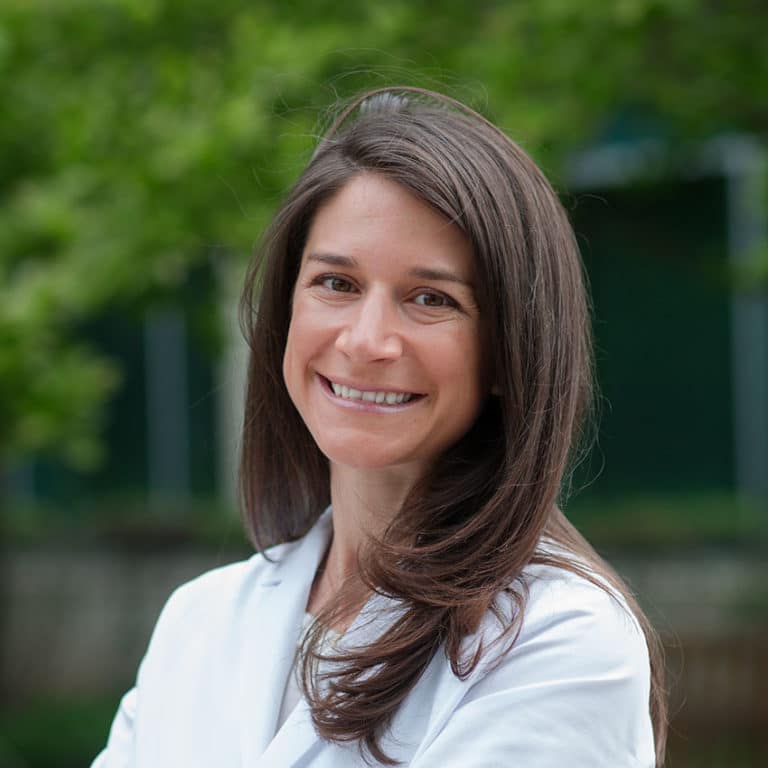
doctor cassandra roeca shady grove fertility colorado
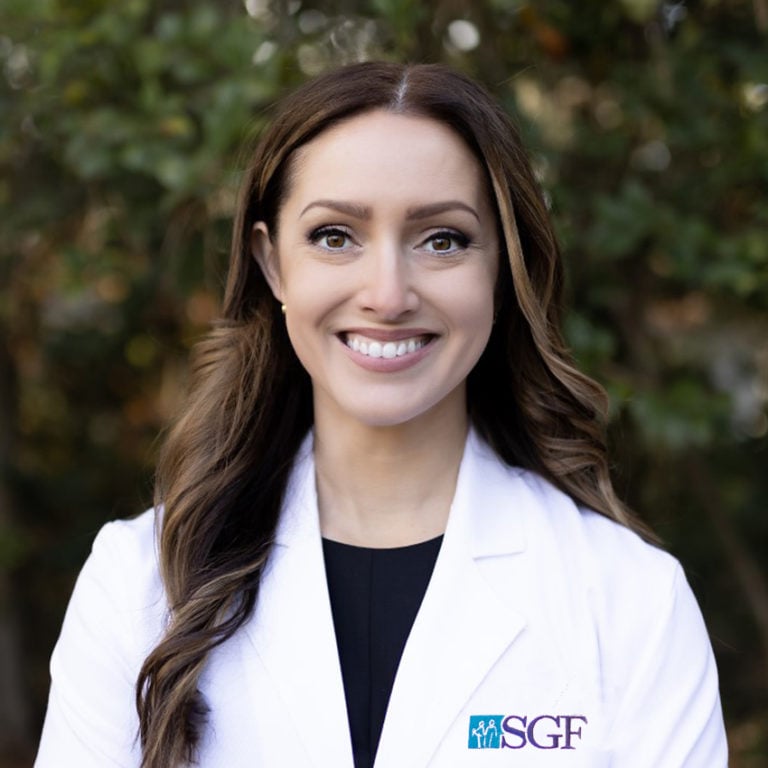
Medical contribution by Cassandra Roeca, M.D.

Cassandra Roeca, M.D., is board certified in obstetrics and gynecology and reproductive endocrinology and infertility. Dr. Roeca is passionate about fertility preservation in patients with cancer or medical diagnoses that place them at risk of infertility. She sees patients at SGF’s Denver, Colorado office.

Filed Under: General

October 18, 2024 by laurenvastine

Understanding your fertility options is essential to making informed decisions that support your family-building goals. Intrauterine insemination (IUI) and in vitro fertilization (IVF) are two common fertility treatments that have helped many individuals and couples hoping to grow their families. While both treatments aim to achieve pregnancy, they differ in approach, cost, and success rates. Fertility specialist, Sally Vitez, M.D., helps explain the differences between IUI and IVF to help you navigate your fertility journey with confidence and compassion. 

What is IUI? 

Intrauterine insemination (IUI) is a relatively simple and less invasive fertility treatment. During an IUI, sperm is collected, washed, and then directly placed into the uterus around the time of ovulation. This procedure increases the chances of sperm reaching and fertilizing an egg, making it a good option for couples dealing with mild male infertility, unexplained infertility, or ovulation disorders. Patients can expect to take Clomid for 5 to 7 days typically starting on day 3 of their menstrual cycle. Additionally, the physician may prescribe an Ovidrel injection prior to the IUI to trigger the egg release.  

Why choose IUI? 
  • Less invasive: IUI is a less invasive procedure compared to IVF, involving a brief procedure typically done in a monitoring room and most often does not require any pain medication.  
  • Fewer medications: During an IUI cycle, medications to help stimulate ovulation or assist with uterine lining may be administered; however, this course of medication is often smaller compared to an IVF cycle.  
  • Lower cost: Due to the less invasive nature and fewer medications, IUI is more affordable than IVF.  
  • Quicker to start: IUI cycles can often be started more quickly, with less preparation time than IVF. 
Considerations: 
  • Lower success rates: An IUI cycle is generally attempting to achieve pregnancy rates similar to the standard chances of conception in each month if infertility weren’t a factor. This makes IUI ideal as a first-line treatment for many; however, may not be suited  for older women or those with more complex fertility issues. 
  • Multiple cycles: Similar to non-assisted conception where it can take several months to become pregnant, it may take several IUI cycles to achieve pregnancy, which can be emotionally and financially taxing. 

What is IVF? 

In vitro fertilization (IVF) is a more advanced fertility treatment where eggs are retrieved from the ovaries and fertilized with sperm in a laboratory. The resulting embryo(s) are then transferred to the uterus. IVF is often recommended for couples with more complex infertility issues, such as blocked fallopian tubes, severe male infertility, or genetic concerns. 

Why choose IVF? 
  • Higher success rates: IVF generally offers higher success rates compared to IUI, particularly for those with more complicated fertility challenges. 
  • More control: During an IVF cycle, one or two embryos may be transferred back to the patient. This allows the embryology and physician team to select the most viable embryos as well as the option for genetic testing to ensure the healthiest embryos are transferred. 
  • Flexibility: IVF can be tailored to individual needs, including options like using donor eggs or sperm, surrogacy, or using previously frozen eggs or embryos. 
  • Overcoming obstacles: For couples facing physical barriers like tubal issues or severe male infertility, IVF may be the most effective option. 
Considerations: 
  • More invasive: IVF involves daily injections, egg retrieval, and embryo transfer. 
  • Higher cost: Both the medications and procedure costs for an IVF are often more expensive than those required with an IUI.  
  • Emotional and physical demands: The process can be physically and emotionally demanding, requiring support from healthcare providers, partners, and loved ones. 

Which fertility treatment is right for you? 

Your fertility specialist at SGF will help you understand the best options based on your unique situation, but here are some general guidelines: 

  • IUI may be right if: You’re dealing with mild infertility issues, prefer a less invasive approach, and are comfortable with a potentially lower success rate. In some cases, your insurance coverage may also require IUI cycles prior to moving to other treatment.  
  • IVF may be right if: You’re facing more complex infertility challenges, have tried IUI without success, or seeking the higher success rates and flexibility that IVF offers. 

Compassionate care on your fertility journey 

At SGF, we understand that navigating infertility can be an emotional and challenging experience. Whether you choose IUI or IVF, we’re here to support you every step of the way with compassionate care and personalized treatment plans. Remember, there’s no one-size-fits-all approach to fertility, and we’re committed to helping you find the path that feels right for you. Your dreams of starting or growing your family are within reach, and we’re honored to be part of your journey. 

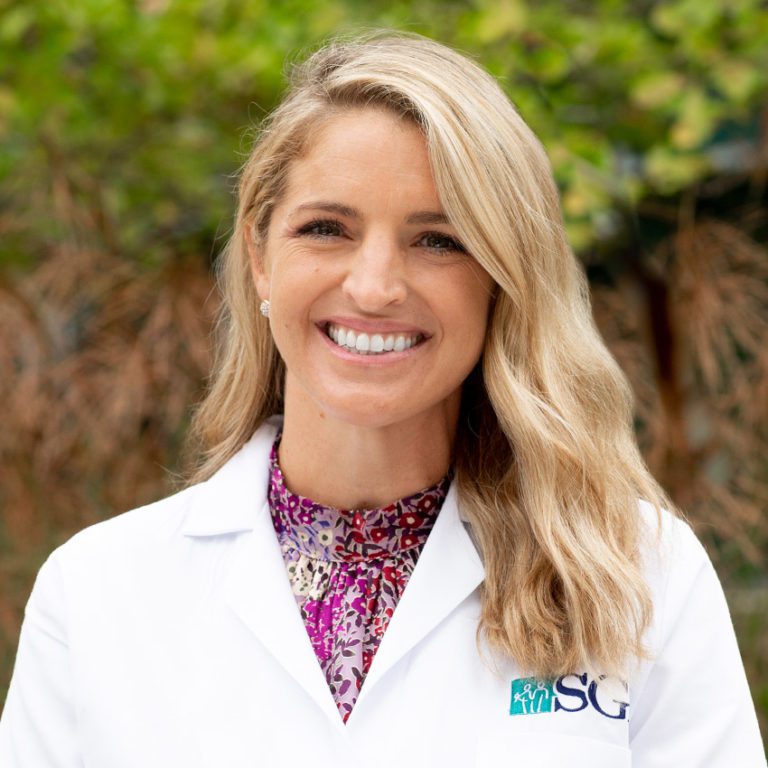
sally vitez fertility physician chesterbrook pa
Medical contribution by Sally F. Vitez, M.D. 

Dr. Vitez’s is board certified in obstetrics and gynecology (OB/GYN) and reproductive endocrinology and infertility (REI). Her research interests include male fertility, preimplantation genetic testing, the impact of obesity and optimizing fertility treatment outcomes. She is a member of the American Society for Reproductive Medicine (ASRM).  

Schedule Appointment

Filed Under: General

September 3, 2024 by laurenvastine

For patients experiencing recurrent early pregnant loss or repeated failed implantations, there is often a common misbelief that the maternal immune system is killing the embryo when it is trying to implant and the root cause of this is due to what are called natural killer cells (aka NK cells).  
 
There are two types of NK cells and they both have important – and distinct – roles in the fertility journey. Let’s break down the facts versus fiction when it comes to NK cells. 

What are NK cells? 

NK cells can be found in two areas: in the uterus, called uterine NK cells, and additionally in the blood stream, called peripheral NK cells.  

Peripheral NK cells 

The cells in the blood are the ones that earned the name – they are indeed “killers” as they fight off cancer cells and cells that have been infected by viruses.   

Uterine NK cells 

Uterine NK cells are quite different. They do not fight off viruses and cancer cells. Uterine NK cells have different receptors along their wall that make them completely distinct from the peripheral NK cells found in the blood. This means when you have your blood drawn to test for NK cells, this is testing for peripheral NK cells and not uterine NK cells.  

What are uterine NK cells’ function? 

Fact: Research shows that uterine NK cells do not kill embryos.  

Uterine NK cells are actually very important to remodeling and shaping the spiral arteries, which bring blood supply to the developing embryo, and thus have an important role in building a healthy placenta. 

“I live in Florida, so let’s use this easy analogy: when the ocean hits the sand, it starts to recede,” shares Rachel Sprague, M.D., who cares for patients in SGF’s St. Petersburg, FL location. “So, if you want to make a little tidal pool on the beach, you’ll need to make a canal through the sand that connects the ocean to the tidal pool – and you need to make the canal narrow enough for the ocean water pressure to push through and make the canal deep enough so it the water does not just pull back into the ocean. If you do not make that canal just right, it will not bring the water correctly from the ocean to your tidal pool. This is how I describe the uterine NK cells – they help carve the path for exchange of oxygen and nutrients from the uterus to baby.” 

Do uterine NK cells cause recurrent early pregnancy loss? 

The concern around recurrent early pregnancy loss and repeated failed implantation is that the uterine NK cells are actually malfunctioning rather than over-functioning.  By malfunctioning, they are not doing a good job at remodeling the blood flow (i.e. building the canal through the sand), leading to poor development of the placenta and putting the pregnancy at risk.  

“Does the maternal immune system have a role in pregnancy and implantation?” asks Dr. Sprague “Yes. But is the answer destroying these uterine NK cells? It is more complex than that. And we see that when we look at immunosuppressive options that block the maternal immune system — they do not work as well as we would hope.”  

Such therapies such as corticosteroids, IVIG, Granulocyte-colony stimulating factor, intralipids, intrauterine hCG, and low dose naltrexone are some of those medications that have been given routinely to patients in an aim to block the maternal immune system. However, these therapies lack any robust evidence that they are truly helpful, and on top of that, many studies also show that these therapies can have the reverse effect, leading to increased pregnancy loss. More importantly, as the studies are small, we lack import safety information for mother and baby. 

What is the solution? 

We are still learning more about how to modulate these cells – meaning, we are trying to teach them how to work better rather than to block their actions.  But we still need more time, effective studies, and safety information before we truly know how to do this.  

In the meantime, there are very good studies that support the idea that success is in the hands of the embryo. 

“Each embryo, just like each person, is very different,” shares Dr. Sprague. “And when we continue to transfer healthy embryos, success goes up and up and up. Thus, find the right embryo and this leads to our end goal of the right baby for you.” 

rachel sprague fertility physician sgf
Medical contribution by Rachel Sprague, M.D.

Rachel Sprague, M.D., earned her medical degree from the University of Florida College of Medicine. It was during this time that her interest in reproductive medicine came to light when she was exposed to the concept of in vitro fertilization and the intricacies of early pregnancy. The interest intensified throughout her clinical rotations where she experienced first-hand the bond between patients and their physicians.

Schedule an Appointment

Filed Under: General

June 25, 2024 by Shady Grove Fertility

One of the most common questions OB/GYN’s have for their patients is “When was the first day of your last period?” The answer to this question may feel like part of the usual routine at your annual OB/GYN appointment. If you have been trying to conceive without success, the answer could provide important insight into factors central to the menstrual cycle and conception such as hormonal imbalances and ovulation.

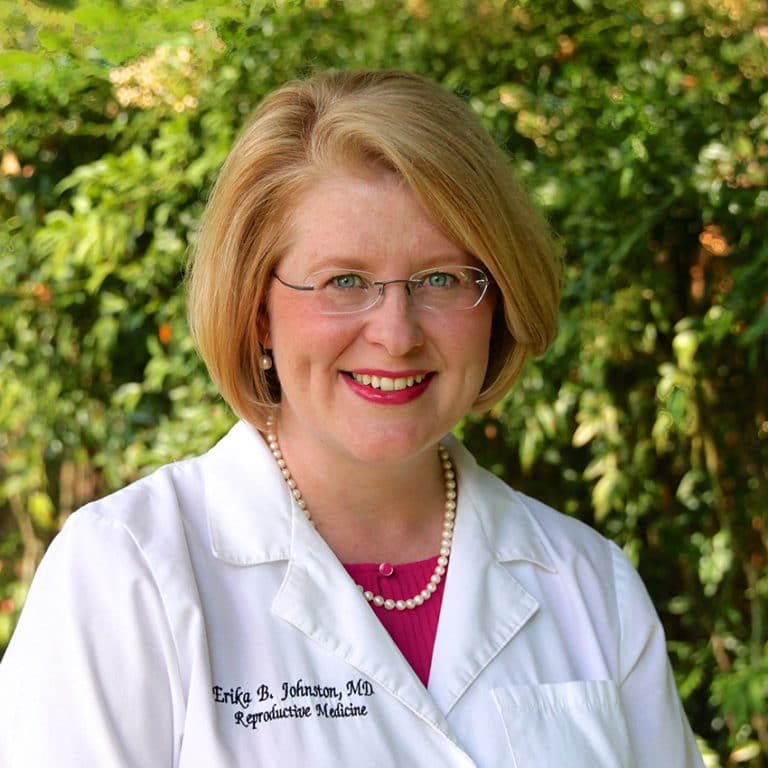
Dr. Erika B. Johnston-MacAnanny, a fertility specialist at SGF Richmond, explains the menstrual cycles, outlines what they might indicate for your fertility potential, and provides insight into what this tells your doctor about your reproductive health.  

Medical contribution by Erika B. Johnston-MacAnanny, M.D.

Erika Johnston-MacAnanny, M.D., FACOG, is board certified in both obstetrics and gynecology and reproductive endocrinology and infertility. Dr. Johnston-MacAnanny sees SGF patients in the Richmond – Stony Point and Richmond – Henrico Doctors’ – Forest locations.

What is a menstrual cycle?

Hint, it is more than just your period. 

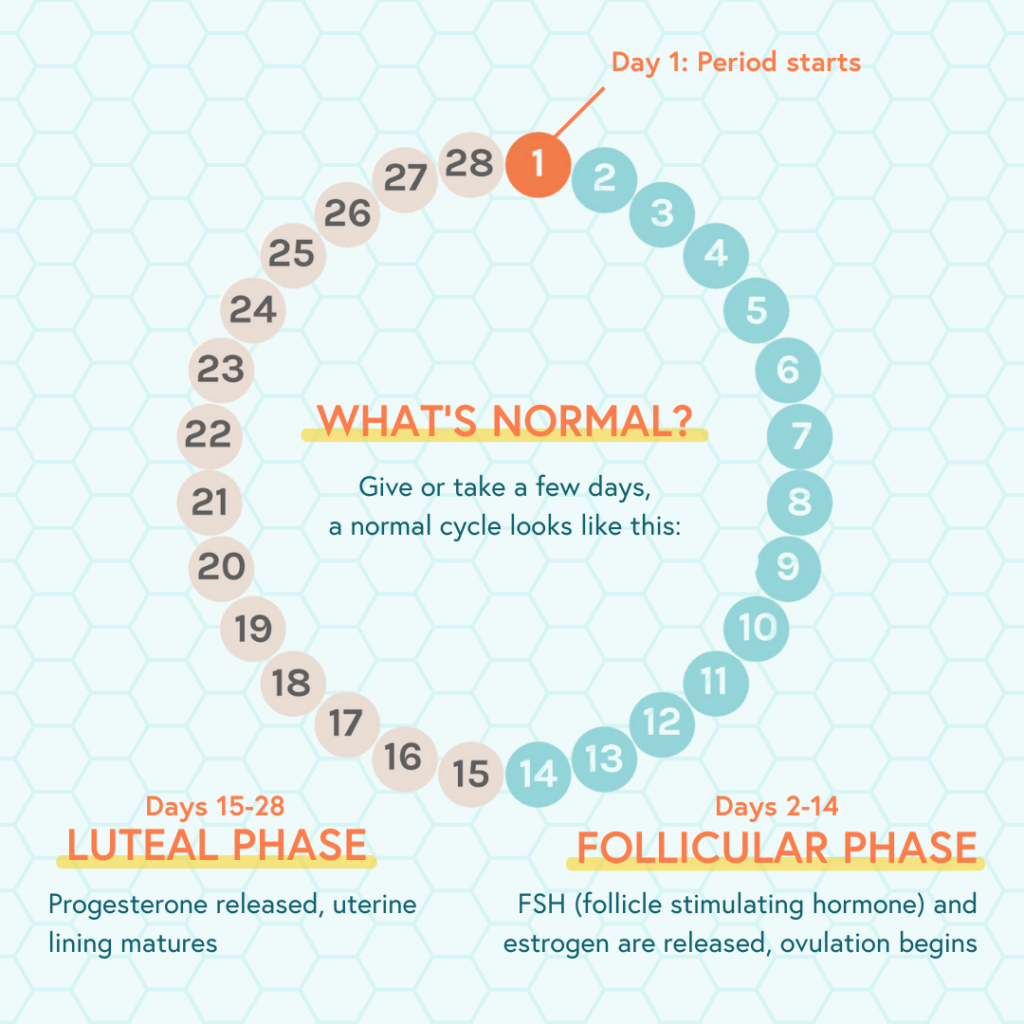
The menstrual cycle is a series of changes a woman’s body goes through each month where the ovary releases an egg and the uterus prepares for pregnancy. The cycle can be divided into two phases: the follicular phase and the luteal phase. 

The first day of your periodis day 1 of your cycle and the start of the follicular phase.  Patients note this as the first day they see full flow menstrual blood.  During this phase, follicle stimulating hormone (FSH), is released from the brain to stimulate the development of a single dominant follicle which contains one egg. During its maturation, granulosa cells which line the follicle release estrogen (also known scientifically as estradiol) which stimulates growth and thickening of the uterine lining. The follicular phase concludes at the start of ovulation – the process of releasing a mature egg from the dominant follicle. The length of the follicular phase is variable between individuals, resulting in most variations of total cycle length.   Patients with low ovarian reserve may note a shortened follicular phase whereas women with polycystic ovarian syndrome may have an extended follicular phase. 

The luteal phase starts after ovulation and continues until the onset of the next menses. During this phase, the ovary releases progesterone which transforms the uterine lining and opens the window of implantation – the time during which the embryo can attach to the uterus. If pregnancy does not occur, the progesterone levels drop and bleeding occurs as the lining is shed. The luteal phase is usually between 12-14 days. 

Does the length of a menstrual cycle matter?

The length of a menstrual cycle is determined by the number of days from the first day of bleeding to the start of the next menses. The length of your cycle, while not on any form of birth control, can be a key indicator to hormonal imbalances and whether or not ovulation is occurring in a predictable manner. Hormonal imbalances can affect if and when ovulation occurs during your cycle. Without ovulation, pregnancy cannot occur naturally. 

is my period normal infographic

Normal menstrual cycle:

Days: 24 to 35 days

Ovulation Indicator: Regular cycles indicate that ovulation has occurred

What do normal cycles tell your doctor? Cycles of a normal length suggest regular ovulation and that all of the sex hormones are balanced to support natural conception.

Short menstrual cycle:

Days: Less than 24 days

Ovulation indicator: Ovulation may not have occurred or occurred much earlier than normal

What do short cycles tell your doctor? Shortened cycles can be an indication that the ovaries contain fewer eggs than expected. This is typically a pattern seen in the years leading up to perimenopause. Alternatively, a short cycle could indicate that ovulation is not occurring. If blood work confirms this to be the case, conception without assistance can be more difficult.

What causes a shorter cycle? As a woman ages, her menstrual cycle shortens. Our eggs are a nonrenewable resource, we cannot grow more.  As the remaining number of eggs available in the ovary decreases, their quality also declines. These dysfunctional ovaries lose their ability to effectively communicate with the brain. Additionally, the brain needs to release more follicle stimulating hormone (FSH) to stimulate these abnormal eggs to mature and typically does so even in the luteal phase prior to the cycle being tracked, resulting in a shortened follicular phase and early ovulation.  

As a result, the dominant follicle is ready for ovulation earlier in the follicular phase and produces a shorter cycle length. In addition, sometimes bleeding can occur even when ovulation does not occur, which may appear as shortened and irregular cycles

Learn about fertility testing

Long or irregular menstrual cycle:

Days: More than 35 days

Ovulation indicator: Ovulation is either not occurring or occurring irregularly

What do longer cycles tell your doctor? Longer cycles are an indicator that ovulation is not occurring regularly, which can make conception difficult.

What causes long menstrual cycles? Longer cycles are caused by a lack of regular ovulation. During a normal cycle, the fall of progesterone leads to  bleeding. If a follicle does not mature and ovulate, progesterone is never released, and the lining of the uterus continues to build in response to unopposed estrogen. The lining gets so thick that it becomes unstable until it eventually sheds and bleeding occurs. This bleeding can be unpredictable, and oftentimes very heavy and lasts a prolonged period.  Heavy flow may result in health conditions such as low blood count, or anemia, for the patient. 

There are many causes of oligo-ovulation, the medical term used to describe when ovaries do not grow a dominant follicle and release a mature egg on a regular basis.  Polycystic ovary syndrome (PCOS), the most common cause for oligo-ovulation, is a syndrome resulting from disordered brain communication and stimulation from the anterior pituitary. This can result in an imbalance in the sex hormones and failure to grow a dominant follicle and unpredictable or absent ovulation. In addition, irregularities with the thyroid gland or elevations of the hormone prolactin can disrupt the brain’s ability to communicate with the ovary and result in anovulation.  The latter conditions are typically treated with oral medication to correct the hormonal imbalance. 

Schedule Appointment

When menstrual bleeding lasts more than 5-7 days:

Days: More than 7 days

Ovulation indicator: It is possible that there is a hormonal problem resulting in a delay in follicular growth or a structural problem in the uterus making the lining unstable.

What do longer cycles tell your doctor? Prolonged bleeding tells your doctor that the ovary is not responding to the brain signals to grow a lead follicle. This can be a sign of a delayed or absent ovulation. Alternatively, there may be something disrupting the lining of the uterus.

What causes long periods of bleeding? There are many causes of prolonged bleeding. From a hormonal perspective, what stops a woman’s period is estrogen from the growing follicle. If follicular growth is not occurring regularly, then prolonged and irregular bleeding can occur. Intermenstrual bleeding or prolonged bleeding may be caused by structural problems like polyps, fibroids, cancer, or infection within the uterus or cervix. In these situations, should an embryo enter the uterus, implantation can be compromised resulting in lower pregnancy rates or an increased chance of a miscarriage. Although rare, a problem with blood clotting can also cause prolonged bleeding and this requires evaluation and care by a specialist.

What if I never menstruate? 

Days: Rarely or Never

Ovulation indicator: Ovulation may not be occurring

What does a lack of menstruation tell your doctor? Either ovulation is not occurring or there is something blocking menstrual blood flow. The patient will have difficultly conceiving without intervention.

What causes cycles to stop occurring? When a woman does not have a period, this can be caused by a failure to ovulate. Hypothalamic amenorrhea is a potential cause, as well as any of the hormonal imbalances that can cause irregular cycles can also stop the cycles completely.  It is common for women who are considered underweight or overweight by the body mass index (BMI) standards to stop having a cycle. The body requires a certain level of body fat for reproduction and menstrual cycles to occur, and many women who are able to gain or lose weight will see the return of a more predicatble menstrual cycle. 

There are several other causes that should be evaluated as well. If a woman has never had menstrual bleeding, there may have been a problem with the normal development of the uterus or the vagina. If a woman had menstrual cycles previously, but then stopped, this could be due to a problem with the uterus itself, like scar tissue inside the cavity, or may be due to premature menopause. If the uterus has not formed or if menopause has occurred, pregnancy is not possible. If the absence of menses is due to scar tissue inside the uterus, then this scar tissue will need to be removed as it can interfere with implantation. 

If you do not have a normal menstrual cycle, no matter the amount of time you have been trying to conceive, you should be evaluated by a specialist. Irregular or absent ovulation makes conception very difficult without intervention. 

For women with regular cycles, you should see a fertility specialists if you are:   

  • Under 35 with regular cycles, unprotected intercourse and no pregnancy after 1 year 
  • 35 to 39 with regular cycles, unprotected intercourse and no pregnancy after 6 months 
  • 40 or over with regular cycles, unprotected intercourse, more immediate evaluation and treatment are warranted 

Editor’s Note: This post was originally published in October 2014 and has been updated for accuracy and comprehensiveness as of June 2024.

For more information about your menstrual cycle or to schedule an appointment with one of our physicians, please speak with one of our New Patient Liaisons at 877-971-7755 or fill out this brief form.

Filed Under: General

June 24, 2024 by Shady Grove Fertility

SGF Carolinas Medical Director, Jennifer Mersereau, M.D., gave Spectrum News an inside look at the IVF lab and explains the science behind the many different treatment options offered to fertility patients. 

Watch the full story here: N.C. doctor is witness to advance of fertility treatments (spectrumlocalnews.com)

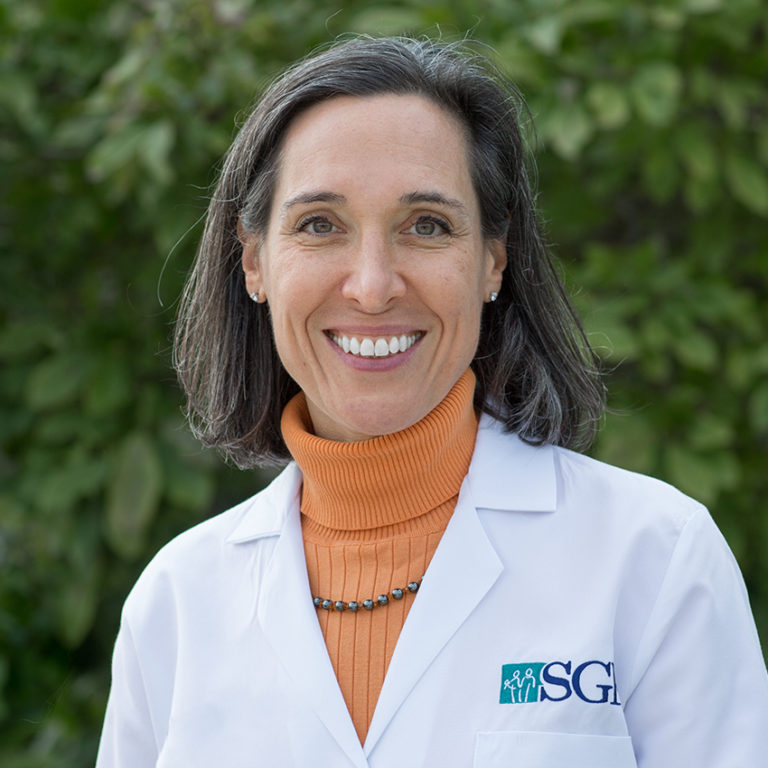
Medical contribution by Jennifer E. Mersereau, M.D., MSCI 

Jennifer E. Mersereau, M.D., MSCI, is board certified in obstetrics and gynecology (OB/GYN) as well as reproductive endocrinology and infertility (REI). Dr. Mersereau received her medical degree from the University of Pittsburgh School of Medicine. Following her passion for women’s healthcare, she then completed her residency in OB/GYN at the Feinberg School of Medicine at Northwestern University in Chicago, Illinois, where she also earned her Master of Science in Clinical Investigation. From there, Dr. Mersereau completed her REI fellowship at the University of California in San Francisco, California.  

Learn more about advanced fertility treatment

In Vitro Fertilization (IVF)

In Vitro Fertilization (IVF)

5 Common Questions About Affording Infertility Treatment

Article

5 Common Questions About Affording Infertility Treatment

Article

5 sure signs you need to see a …

Advice for Those Considering or Beginning Fertility Treatment

Article

Advice for Those Considering or Beginning Fertility Treatment

Filed Under: General Tagged With: Dr. Jennifer Mersereau, In vitro fertilization (IVF)

March 5, 2024 by Shady Grove Fertility

Elective egg freezing is done for a number of reasons – from wanting to prioritize a career to waiting for the right partner – and is becoming more mainstream. According to the most recent data, egg freezing cycles nationwide increased by 30% from 2020 to 2021. Dr. Leah Bressler talks with WRAL in Raleigh, North Carolina, about the trend and why it’s surging in popularity with Millennial and Gen Z women.

Watch the full story here: WRAL News: ‘I was really worried I would not have that dream’: Surge in women freezing their eggs

leah bressler md shady grove fertility
Medical contribution by Leah Bressler, M.D., M.P.H.

Leah Bressler, M.D., M.P.H., is board certified in obstetrics and gynecology (OB/GYN) as well as reproductive endocrinology and infertility (REI). She grew up in Clinton, North Carolina and attended UNC Chapel Hill as a Morehead scholar. Dr. Bressler earned her medical degree from Harvard Medical School while also completing her Master’s in Public Health. She then completed her residency in OB/GYN at Northwestern University Feinberg School of Medicine and Cook County Hospitals in Chicago, Illinois. From there, Dr. Bressler completed her REI fellowship at the University of North Carolina at Chapel Hill.  

Learn more about egg freezing

Egg Freezing Costs

Fundamental

Egg Freezing Costs

Article

22 egg freezing facts

Article

6 Egg Freezing Questions Answered | Shady Grove …

Article

10 things to know about your egg supply …

Filed Under: General Tagged With: Dr. Leah Bressler, Egg freezing, In the news

  • « Go to Previous Page
  • Page 1
  • Page 2
  • Page 3
  • Page 4
  • Interim pages omitted …
  • Page 46
  • Go to Next Page »

Company

  • About SGF
  • About US Fertility
  • Our Doctors
  • Fertility Equity
  • Careers
  • Newsroom
  • SGF College Scholarship
  • Contact Us
  • Voice Your Feedback

Treatments

  • Egg Freezing
  • Intrauterine Insemination (IUI)
  • In Vitro Fertilization (IVF)
  • Frozen Embryo Transfer (FET)
  • LGBTQIA+ Family Building
  • Shared Risk 100% Refund Program
  • All Treatments

Resources

  • Patient Portal
  • Online Bill Pay
  • Library
  • Support Groups & Events

Locations

  • California
  • Colorado
  • Delaware
  • Florida
  • Georgia
  • Maryland
  • North Carolina
  • Pennsylvania
  • Texas
  • Virginia
  • Washington, D.C.

2026 Shady Grove Fertility

  • Policies & Notices
Also of interest
  • In Vitro Fertilization IVF
  • Fertility Tests
  • Research Publications