
• Skip to primary navigation
  • Skip to main content
  • Skip to footer
Shady Grove Fertility
  • Become an Egg Donor
  • Referring Physicians
  • 1-888-761-1967
  • Schedule Appointment
  • Get Started
        • Get Started
          • Causes of Infertility
          • Fertility Tests
          • When to Seek Help
          • Find a Doctor
          • Preconception and prenatal vitamins 
          • Schedule an Appointment
        • Personalized Care For
          • Single Parents
          • LGBTQIA+ Family Building
          • People with Cancer
          • Known Genetic Diseases
          • Egg Donors
  • Treatments
        • Fertility
          • Timed Intercourse
          • Ovulation Induction
          • Intrauterine Insemination (IUI)
          • In Vitro Fertilization (IVF)
          • Frozen Embryo Transfer (FET)
        • Donation & Surrogacy
          • Donor Sperm
          • Donor Egg
          • Donor Embryo
          • Gestational Carrier
          • LGBTQIA+ Family Building
          • Single Parents
          • Find a Donor
        • More Treatments
          • Center for Male Fertility
          • Egg Freezing
          • OncoFertility
          • Preimplantation Genetic Testing
          • MIGS
          • All Fertility Treatments
  • Resources
    • Resource Library
    • Events Calendar
    • Patient Stories
    • Mental Health
    • Wellness Center
  • Insurance & Savings
    • Insurance & Benefits
    • Shared Risk 100% Refund Program
    • 100% Refund for Donor Egg
    • Discounts
    • Egg Freezing Costs
    • Financing & Grants
    • Clinical Trials
  • About
    • Find a Doctor
    • About SGF
    • Our Care Team
    • Advanced Practice Providers
    • Fertility Equity
    • Philanthropy
    • Newsroom
    • Careers
    • Contact Us
    • Voice Your Feedback
  • Locations
        • Find a Location
        • California
        • Colorado
        • Delaware
        • Florida
        • Georgia
        • Maryland
        • North Carolina
        • Pennsylvania
        • Texas
        • Virginia
        • Washington, D.C.
        • Chile
        • International & Out of State
        • SGF at Walter Reed National Military Medical Center
  • Patient Hub
    • Online Bill Pay
    • Patient Forms
    • Patient Portal
  • Call your care team
  • Become an egg donor
  • Referring physicians
  • search-icon
  • Schedule appointment 1-888-761-1967

Home / Male factor infertility

Male factor infertility

March 27, 2025 by aliwilliams

Male fertility plays a crucial role in conception, with sperm quality being a key factor. Nutrition and lifestyle choices significantly influence sperm health and understanding the best dietary and lifestyle practices can help improve fertility outcomes. Here’s how to optimize male fertility through diet and lifestyle changes. 

Factors affecting sperm quality 

Several factors can impact sperm production, motility, and overall fertility: 

  • Oxidative stress: A buildup of free radicals that damage sperm cells. 
  • Lifestyle choices: Smoking, vaping, illicit drug use, and excessive alcohol consumption. 
  • Obesity and poor diet: A BMI over 30 can negatively affect hormone balance and sperm quality. 
  • Environmental pollutants: Exposure to toxins can impair fertility. 
  • Advanced age and chronic diseases: Conditions like diabetes and cancer can reduce sperm function. 
  • Varicocele: Enlarged veins inside the scrotum that impact sperm production. 
  • Elevated testicular temperature: Caused by factors like frequent hot baths or tight clothing. 

10 key nutrients for male fertility 

  1. Zinc (11 mg daily)
    • Supports testosterone metabolism and sperm health.
    • Best sources: Beef, lamb, shrimp, oysters, lentils, chickpeas, pumpkin seeds, cashews, low-fat yogurt.
  2. Vitamin C (90 mg daily)
    • Acts as an antioxidant to protect sperm from damage.
    • Best sources: Citrus fruits, strawberries, bell peppers, kiwi, broccoli, kale.
  3. Vitamin D (1,000 – 2,000 IU daily)
    • Linked to improved sperm motility and blood sugar regulation.
    • Best sources: Wild salmon, sardines, fortified dairy, eggs, sunlight exposure.
  4. Folate (400 mcg daily)
    • Essential for DNA synthesis and sperm health.
    • Best sources: Leafy greens, asparagus, avocado, broccoli, beans, lentils, fortified grains.
  5. Omega-3 Fatty Acids (1,000 mg daily)
    • Supports blood flow to testicles and improves sperm motility.
    • Best sources: Salmon, tuna, sardines, anchovies, walnuts, omega-3 enriched eggs.
  6. Selenium (55 mcg daily)
    • Vital for sperm development and function.
    • Best sources: Brazil nuts (1-2 per day), liver, cod, halibut, salmon, tuna, eggs, shrimp, turkey.
  7. Lycopene
    • Antioxidant that may improve sperm quality.
    • Best sources: Tomatoes, watermelon, papaya, red bell peppers, asparagus, red cabbage.
  8. CoQ10 (100-200 mg daily)
    • Enhances sperm motility and quality.
    • Best sources: Meat, poultry, nuts.
  9. Vitamin E (15 mg daily)
    • Antioxidant that supports sperm count and motility.
    • Best sources: Almonds, sunflower seeds, leafy greens, avocado, egg yolk, salmon, trout.
  10. L-Carnitine
    • Supports sperm health and energy production.
    • Best sources: Meat, fish, poultry, avocado, beans.

Dietary and lifestyle recommendations for male fertility 

  1. Prioritize a nutrient-dense diet
    • Eat whole, real foods rich in vitamins, minerals, and antioxidants.
    • Balance meals with protein, healthy fats, and non-starchy vegetables.
    • Choose whole grains, legumes, and fiber-rich carbs to regulate blood sugar.
  2. Include healthy fats
    • Opt for monounsaturated and omega-3 fats from olive oil, avocados, nuts, and seeds.
    • Avoid trans fats from fried foods and highly processed vegetable oils.
  3. Limit inflammatory foods
    • Reduce intake of sugar, alcohol, processed foods, and trans fats.
    • Focus on anti-inflammatory foods like leafy greens, berries, nuts, and fish.
  4. Maintain a healthy weight
    • Obesity can reduce testosterone levels and sperm count.
    • Aim for regular exercise and a balanced diet to support hormone health.
  5. Exercise in moderation
    • Engage in moderate-intensity activities like brisk walking, jogging, and resistance training.
    • Avoid excessive endurance training, which may lower testosterone levels.
  6. Minimize environmental toxins
    • Choose organic produce to reduce pesticide exposure.
    • Limit exposure to plastics, industrial chemicals, and pollutants.
  7. Consider supplements
    • While food is the best source of nutrients, multivitamins and specific antioxidants may help.
    • Recommended brands:
      • Luminary Vitamin Create for Men (male fertility formula)
      • Luminary Vitamin Thrive for Men (daily multivitamin)
      • Theralogix Conception XR Motility
      • Theralogix CoQ10
      • Theralogix Solo Daily Multivitamin
      • Nordic Naturals Omega-3 Fish Oil (vegan option available)

Improving male fertility takes a comprehensive approach, incorporating nutrient-rich foods, healthy lifestyle habits, and targeted supplementation. Since sperm take approximately 70 days to mature, it’s important to commit to these changes for at least three months before expecting noticeable improvements. 

Schedule Appointment
Medical contribution by Cori Tanrikut, M.D.

Cigdem (“Cori”) Tanrikut, MD, FACS, is board certified in urology. Her research endeavors include assessing how lifestyle and medications may impact male reproductive health, sperm banking trends, and sperm-related factors. Dr. Tanrikut optimizes treatment outcomes for patients affected by male factor infertility.

Nutritional contribution by Meghan Sylvester

Sources:

  • Steiner AZ, Hansen KR, Barnhart KT, Cedars MI, Legro RS, Diamond MP, Krawetz SA, Usadi R, Baker VL, Coward RM, Huang H, Wild R, Masson P, Smith JF, Santoro N, Eisenberg E, Zhang H; Reproductive Medicine Network. The effect of antioxidants on male factor infertility: the Males, Antioxidants, and Infertility (MOXI) randomized clinical trial. Fertil Steril. 2020 Mar;113(3):552-560.e3. doi: 10.1016/j.fertnstert.2019.11.008. Epub 2020 Feb 25. PMID: 32111479; PMCID: PMC7219515.
  • Jenkins T, Aston K, Carrell D, DeVilbiss E, Sjaarda L, Perkins N, Mills JL, Chen Z, Sparks A, Clemons T, Chaney K, Peterson CM, Emery B, Hotaling J, Johnstone E, Schisterman E, Mumford SL. The impact of zinc and folic acid supplementation on sperm DNA methylation: results from the folic acid and zinc supplementation randomized clinical trial (FAZST). Fertil Steril. 2022
  • Jan;117(1):75-85. doi: 10.1016/j.fertnstert.2021.09.009. Epub 2021 Oct 14. PMID: 34656303. Salvio G, Cutini M, Ciarloni A, Giovannini L, Perrone M, Balercia G. Coenzyme Q10 and Male Infertility: A Systematic Review. Antioxidants (Basel). 2021 May 30;10(6):874. doi: 10.3390/antiox10060874. PMID: 34070761; PMCID: PMC8226917.
Filed Under: Get Started Tagged With: Male factor infertility, Vitamins & supplements

April 26, 2024 by Shady Grove Fertility

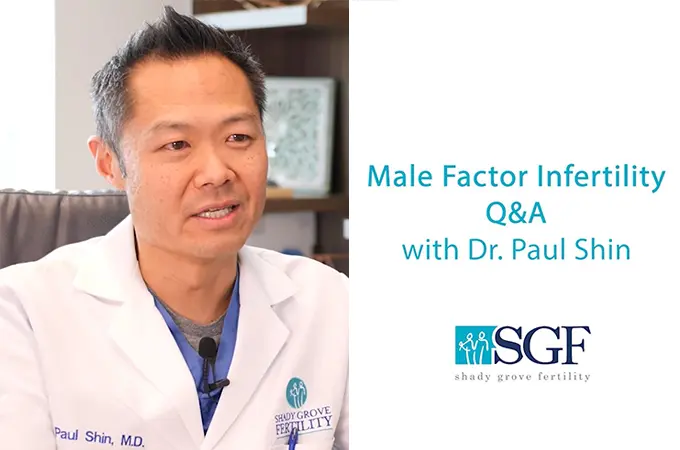
Shady Grove Fertility reproductive urologist Dr. Paul Shin sat down with the TODAY Show’s Savannah Sellers to discuss male factor infertility, how common it is, what treatments are available, and why men shouldn’t be afraid to seek testing.

Watch the full story here: What is male factor infertility, and how can it be treated? (today.com)

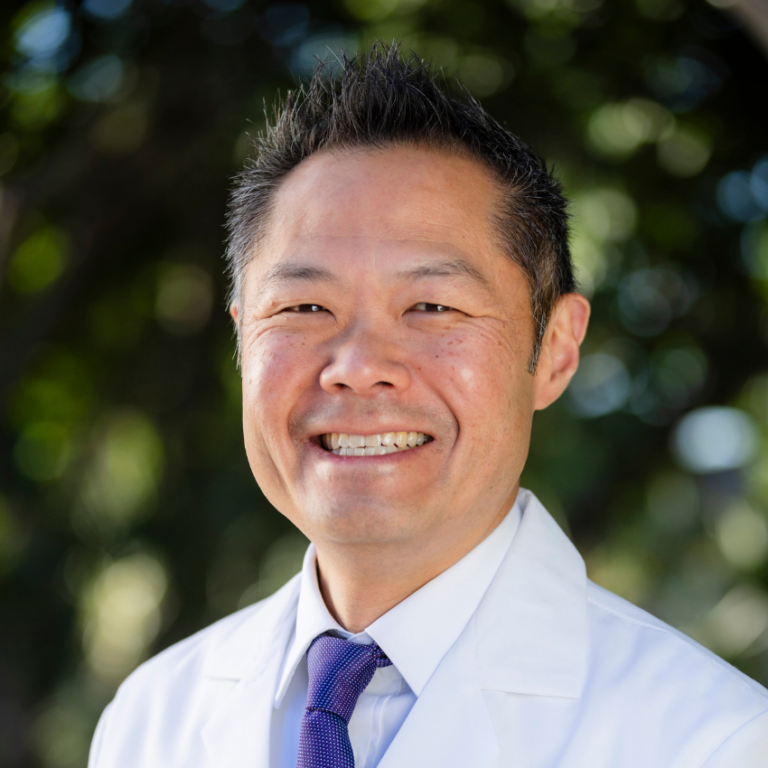
Medical contribution by Paul R. Shin, M.D.

Paul R. Shin, M.D., is board certified in urology. As director of reproductive urology, Dr. Shin optimizes treatment outcomes for patients affected by male factor infertility.

Learn more about male factor infertility

Article

[VIDEO] SGF Reproductive Urologist, Dr. Paul Shin, Hosts …

Male Feature Image

Article

Diagnosing and overcoming male factor infertility

Article

Improve sperm count: sperm quality checklist

When to Seek Help

When to Seek Help

Filed Under: Get Started Tagged With: Dr. Paul Shin, In the news, Male factor infertility

February 27, 2024 by Jacqui Behler

April 25, 2025 @ 12:00 pm – 1:00 pm

Did you know that 40 to 50 percent of all infertility cases are due to male factor infertility? SGF’s Center for Male Fertility offers an integrated care model involving in-house urologists and reproductive endocrinologists to provide comprehensive male and female infertility services.

Male factor infertility can impact your ability to conceive, and reproductive urologist, Dr. Jessica Marinaro, will discuss how to improve conception outcomes for both partners before, during, and after treatment.

Following the presentation, Dr. Marinaro will host a live Q&A session with viewers.

Can’t attend? Register anyway! We will send you a link to the recorded event.

Three key things you’ll learn when you register for our free male fertility webinar:  
  • Causes of male factor infertility
  • What a semen analysis measures and how to improve sperm quality
  • Treatment options for male factor infertility and success rates
Medical contribution by Jessica A. Marinaro, M.D. 

Jessica A. Marinaro, M.D., is a board-certified urologist with sub-specialty expertise in male infertility and microsurgery. Dr. Marinaro graduated with distinction from the University of Virginia in Charlottesville, Virginia, and earned her medical degree from Virginia Commonwealth University in Richmond, Virginia.

What is National Infertility Awareness Week® (NIAW)?
  • NIAW is a yearly initiative founded by RESOLVE: The National Infertility Association to encourage people to act as their own infertility advocates and to educate legislators and the public about the impact of infertility.
  • Visit our events calendar to check out all special events for NIAW – happening April 21 through April 26
  • Shady Grove Fertility is a proud partner of RESOLVE and dedicated to supporting patients coping with infertility

Filed Under: Get Started Tagged With: Causes of infertility, Getting started, Male factor infertility

September 27, 2021 by grafikdev1

Be Proactive About Your Sperm Quality

There are always new articles popping up about what a woman can do to enhance her fertility potential. These enhancements run from the practical—eating healthy, exercising, having an ideal body mass index (BMI)—to the more superstitious—eating exotic fruits and nuts or standing on your head after sex. What’s often left out of this conversation, though, is what the male partner should be doing to prepare for conception. While the man will not be carrying the baby, male infertility may arise if your sperm count is low or the sperm have motility (movement) issues.

The fact that men produce millions of new sperm every day makes it highly beneficial to men who want to alter their lifestyle habits. Sperm take about 72 days to mature, which means that if you make healthy lifestyle changes you only need to wait about 3 months before seeing improvements in sperm quality, which increases your chances for reproductive success.

Here are some frequently asked questions about how you can be proactive about your sperm quality:

Does Being Overweight Affect Male Infertility?

Absolutely. As with women who have fertility complications from being underweight or overweight, men suffer from similar complications. By maintaining a healthy diet and staying active, though, you can alleviate these potential risks. Abnormal semen parameters (i.e., low sperm counts and low sperm motility) increase with obesity. If you are overweight, you may have decreased levels of testosterone and elevated levels of estrogen—an issue that may impair signals from the brain that regulate sperm development. Overweight men are also at risk for impaired spermatogenesis, the process by which the body forms sperm, due to increased scrotal temperatures. If you are overweight or obese, talk with your physician about ways to get healthy. Even modest weight loss can make a big difference.

Do Smoking And Recreational Drugs Affect Sperm Quality?

Yes, significantly. Smoking cigarettes can cause a decrease in the three main factors that determine a man’s sperm quality: sperm count, shape (morphology), and motility. The good news—studies have shown that damage from smoking is not necessarily permanent and may vary by the quantity and length of smoking history. In general, your fertility rate can completely return to normal within 1 year of quitting smoking.

Other drugs, including marijuana, have been shown to decrease sperm counts. About 33 percent of chronic users will have low sperm counts and you should definitely avoid use when trying to get pregnant.

Does The Rate Of Alcohol Consumption In Men Matter?

Yes. Just as alcohol consumption matters in women, it also matters in men. Excessive consumption of alcohol in men has shown to impact fertility in several studies. Men who consume large quantities of alcohol (five or more drinks per day) may have lowered testosterone levels and reduced sperm quality and quantity. Alcohol is also linked to erectile dysfunction (also called ED or impotence), which is defined as the inability to maintain an erection firm enough for sexual intercourse. However, by reducing the amount of alcohol you consume, you can quickly reverse these effects.

Does Excessive Heat Near My Genitals Cause Sperm Problems?

Unequivocally, yes. If you frequently use saunas, steam rooms, hot tubs, or even hot stoves such as in a commercial kitchen, your sperm count can be affected. This exposure to heat does not have a permanent impact on sperm though, and sperm should return to normal quality and quantity within a few months of discontinuing excessive heat exposure. Additionally, you should be wary of common household ‘heats’ like resting your laptop on your lap—an issue that you can easily resolve by using a lap board or cooling pad.

What If I’m Taking A Low T (Testosterone) Medication, What Do I Need To Know?

Low T, or low testosterone, occurs when a man has testosterone levels that are below normal levels. While some men do have this condition, the vast majority do not; however, advertising would have you believe otherwise. In the British Medical Journal’s European Male Ageing Study, they found that low T (which they defined as a combination of sexual symptoms and measured testosterone level) was found in only 0.1 percent of men in their 40s, 0.6 percent in their 50s, 3.2 percent in their 60s, and 5.1 percent of men in their 70s.

Pharmaceutical companies have taken advantage of men’s concerns about low T by zeroing in on low energy, a drop in sexual interest, and other symptoms as potential symptoms. While these symptoms may, indeed, have an underlying cause that needs attention, the cause is not necessarily low T, and you should always consult your physician before trying any medication. What does this have to do with fertility? Researchers have found low T medications can cause a low sperm count, creating the exact opposite effect of what was intended.

By proactively addressing these lifestyle changes, you can make a remarkable difference not only in your overall health but also in your fertility and sperm quality.

Filed Under: Diagnosing Infertility Tagged With: Male factor infertility

September 27, 2021 by grafikdev1

The fundamental building block of male fertility is the sperm cell. Often thought of as a “lean, mean racing machine,” sperm cells are essentially concentrated packets of genetic material (DNA) with a propeller designed to get them to the egg. The mature sperm cell, however, is an endpoint. It takes almost 2.5 months of timed development to produce a single sperm cell.

Sperm are initially formed in small microscopic tubes within the testicle called seminiferous tubules. As an organ, the testicle is designed to produce two things: sperm and testosterone or “T” (the male sex hormone). Hence, the cell population inside the testicle is composed of three basic types of cells:

  • Germ cells – “sperm producing” cells
  • Sertoli cells – “nursing cells” that foster the growth and development of immature/early stage sperm
  • Leydig cells – “testosterone producing” cells

The primary impulse for the testicle to produce both testosterone and sperm actually originates from the brain, and specifically the pituitary gland. Follicle-stimulating hormone (FSH) and luteinizing hormone (LH) are released from the pituitary into the blood and trigger sperm and testosterone development, respectively. Testosterone is immediately released into the blood and is readily available for use.

Once sperm cells are made, they begin the long process of maturation, which takes, on average, 72 days to complete. This concept plays a central role in defining therapy for men with fertility issues. The fact that men produce millions of new sperm every day makes it highly beneficial to men who want to alter their lifestyle habits. Knowing that sperm take about 72 days to mature, men who do make lifestyle changes only need to wait about 3 months before seeing improvements in sperm quality and increasing your chance for reproductive success.

The maturation process for sperm continues as they wind their way through the seminiferous tubules and into a slender, worm-like appendage outside the testicle called the epididymis. This gland, in turn, becomes the vas deferens, and sperm is carried out to the scrotum, up through the groin, into the pelvis, and ultimately into the prostate gland.

The prostate gland and seminal vesicles produce the fluid released during orgasm and ejaculation called semen.

Filed Under: Diagnosing Infertility Tagged With: Male factor infertility

September 27, 2021 by grafikdev1

Male Fertility Supplements

In up to 5 out of 10 couples having trouble conceiving, a comprehensive fertility work-up will find the presence of male infertility. Certain nutrients have been shown to improve sperm quality while others have been shown to improve sperm motility (movement).

Shady Grove Fertility is proud to recommend Luminary Vitamins and Theralogix to offer high-quality, evidence-based nutritional supplements patients can trust. 

Order From Luminary Vitamins

Nutrients To Improve Sperm Quality

Studies have shown that, in many instances, a problem with sperm quality may be due to high levels of oxidative stress in the semen.1-3 Oxidative stress is a condition in which harmful molecules called free radicals damage the sperm. Antioxidants are the body’s natural defense against oxidative stress. Not surprisingly, many studies have shown that taking certain antioxidants in supplement form may reduce the levels of oxidative stress thereby helping to improve sperm quality.

Antioxidants—specifically vitamin E, vitamin C, selenium, lycopene, and zinc—have shown benefit in protecting sperm and thereby potentially improving male fertility.4-9

Studies have also shown that supplementation with nutrients such as folic acid can improve sperm count and potentially male fertility.10 Folic acid erves as a “methyl donor” in our cells, and is critically important for DNA synthesis.

(Note: Semen analyses performed at Shady Grove Fertility look at several parameters used to evaluate the number of sperm found in the semen and their overall condition. While our analyses currently do not measure the levels of oxidative stress, male fertility supplements with antioxidants can potentially help to lower levels of oxidative stress.)

Nutrients To Improve Sperm Motility

In addition, certain nutrients may also help improve sperm motility, the ability for the sperm to swim. This is especially important for couples who are trying to conceive naturally, or those undergoing intrauterine insemination (IUI).Here are some key details:

CoQ10 and L-carnitine 

Two nutrients—CoQ10 and L-carnitine—play a vital role in cellular energy production. Several studies have shown that supplementation with these nutrients can help improve sperm motility.11-13

Vitamin D

Maintaining a normal vitamin D level has also been linked to better sperm motility.14

When Is A Male Fertility Supplement Appropriate?

If the results of a semen analysis are completely normal, then a man does not need a male fertility supplement. However, some men who have abnormalities seen on their semen analysis may benefit from nutritional supplementation. For couples undergoing in vitro fertilization (IVF) or IVF with intracytoplasmic sperm injection (ICSI), an inexpensive antioxidant supplement such as ConceptionXR Reproductive Health Formula may be recommended. This specially designed preconception vitamin and mineral supplement supports the nutritional needs of a man to promote normal sperm function and support male fertility. ConceptionXR contains high-dose antioxidants (vitamins C, E, and selenium) and other nutrients designed to reduce oxidative stress in the semen, enhance sperm function, and protect sperm DNA.* Antioxidants have been shown to enhance fertilization and pregnancy rates during in vitro fertilization (IVF).15

For couples trying natural conception or undergoing IUI, antioxidants plus other nutrients that support better sperm motility such as ConceptionXR Motility Support Formula may help increase their chances of success.This specially designed preconception vitamin and mineral supplement supports the nutritional needs of a man to promote normal sperm function and motility. ConceptionXR Motility Support contains antioxidants (vitamins C, E, and selenium) to reduce oxidative stress in the semen, protect sperm DNA, and promote normal sperm function PLUS 1000 mg L-carnitine and additional vitamin D3 to promote sperm motility. *

Stage-specific gummies designed by fertility doctors

Explore Luminary Vitamins
References:
  1. Dada et al. Oxidative stress and sperm DNA quality in couples experiencing recurrent IVF failure. Fertil Steril. 2012; 98(3): S247.
  2. Kao et al. Increase of oxidative stress in human sperm with lower motility. Fertil Steril. 2008; 89(5): 1183-90.
  3. Saleh et al. Negative effects of increased sperm DNA damage in relation to seminal oxidative stress in men with idiopathic and male factor infertility. Fertil Steril. 2003; 79(3):1597-1605.
  4. Akmal et al. Improvement in human semen quality after oral supplementation of vitamin C. J Med Food. 2006; 9(3):440-2.
  5. Geva et al. The effect of antioxidant treatment on human spermatozoa and fertilization rate in an in vitro fertilization program. Fertil Steril. 1996; 66(3):430-4.
  6. Suleiman et al. Lipid peroxidation and human sperm motility: protective role of vitamin E. J Androl. 1996; 17(5):530-7.
  7. Moslemi and Tavanbakhsh. Selenium-vitamin E supplementation in infertile men: effects on semen parameters and pregnancy rate. Int J Gen Med. 2011;23(4):99-104.
  8. Gupta et al. Lycopene therapy in idiopathic male infertility–a preliminary report. Int Urol Nephrol. 2002; 34:369-72.
  9. Hunt et al. Effects of dietary zinc depletion on seminal volume and zinc loss, serum testosterone concentrations, and sperm morphology in young men. Am J Clin Nutr. 1992; 56(1): 148-57.
  10. Wong et al. Effects of folic acid and zinc sulfate on male factor subfertility: a double-blind, randomized, placebo-controlled trial. Fertil Steril. 2002; 77(3):491-8.
  11. Balercia et al. Coenzyme Q10 treatment in infertile men with idiopathic asthenozoospermia: a placebo-controlled, double-blind randomized trial. Fertil Steril. 2009; 91(5):1785-92.
  12. Nadjarzadeh et al. Effect of Coenzyme Q10 supplementation on antioxidant enzymes activity and oxidative stress of seminal plasma: a double-blind randomised clinical trial. Andrologia.2014; 46(2):177-83.
  13. Lenzi et al. Use of carnitine therapy in selected cases of male factor infertility: a double-blind crossover trial. Fertil Steril. 2003; 79(2):292-300.
  14. Blomberg, Jensen et al. Vitamin D is positively associated with sperm motility and increases intracellular calcium in human spermatozoa. Hum Reprod. 2011; 26(6):1307-17.
  15. Tremellen et al. A randomised control trial examining the effect of an antioxidant (Menevit) on pregnancy outcome during IVF-ICSI treatment. Aust NZ Journal Obstet Gynaecol. 2007; 47(3): 349-54.

Filed Under: Get Started Tagged With: Male factor infertility

  • Page 1
  • Page 2
  • Go to Next Page »

Company

  • About SGF
  • About US Fertility
  • Our Doctors
  • Fertility Equity
  • Careers
  • Newsroom
  • SGF College Scholarship
  • Contact Us
  • Voice Your Feedback

Treatments

  • Egg Freezing
  • Intrauterine Insemination (IUI)
  • In Vitro Fertilization (IVF)
  • Frozen Embryo Transfer (FET)
  • LGBTQIA+ Family Building
  • Shared Risk 100% Refund Program
  • All Treatments

Resources

  • Patient Portal
  • Online Bill Pay
  • Library
  • Support Groups & Events

Locations

  • California
  • Colorado
  • Delaware
  • Florida
  • Georgia
  • Maryland
  • North Carolina
  • Pennsylvania
  • Texas
  • Virginia
  • Washington, D.C.

2026 Shady Grove Fertility

  • Policies & Notices
Also of interest
  • In Vitro Fertilization IVF
  • Fertility Tests
  • Research Publications