
• Skip to primary navigation
  • Skip to main content
  • Skip to footer
Shady Grove Fertility
  • Become an Egg Donor
  • Referring Physicians
  • 1-888-761-1967
  • Schedule Appointment
  • Get Started
        • Get Started
          • Causes of Infertility
          • Fertility Tests
          • When to Seek Help
          • Find a Doctor
          • Preconception and prenatal vitamins 
          • Schedule an Appointment
        • Personalized Care For
          • Single Parents
          • LGBTQIA+ Family Building
          • People with Cancer
          • Known Genetic Diseases
          • Egg Donors
  • Treatments
        • Fertility
          • Timed Intercourse
          • Ovulation Induction
          • Intrauterine Insemination (IUI)
          • In Vitro Fertilization (IVF)
          • Frozen Embryo Transfer (FET)
        • Donation & Surrogacy
          • Donor Sperm
          • Donor Egg
          • Donor Embryo
          • Gestational Carrier
          • LGBTQIA+ Family Building
          • Single Parents
          • Find a Donor
        • More Treatments
          • Center for Male Fertility
          • Egg Freezing
          • OncoFertility
          • Preimplantation Genetic Testing
          • MIGS
          • All Fertility Treatments
  • Resources
    • Resource Library
    • Events Calendar
    • Patient Stories
    • Mental Health
    • Wellness Center
  • Insurance & Savings
    • Insurance & Benefits
    • Shared Risk 100% Refund Program
    • 100% Refund for Donor Egg
    • Discounts
    • Egg Freezing Costs
    • Financing & Grants
    • Clinical Trials
  • About
    • Find a Doctor
    • About SGF
    • Our Care Team
    • Advanced Practice Providers
    • Fertility Equity
    • Philanthropy
    • Newsroom
    • Careers
    • Contact Us
    • Voice Your Feedback
  • Locations
        • Find a Location
        • California
        • Colorado
        • Delaware
        • Florida
        • Georgia
        • Maryland
        • North Carolina
        • Pennsylvania
        • Texas
        • Virginia
        • Washington, D.C.
        • Chile
        • International & Out of State
        • SGF at Walter Reed National Military Medical Center
  • Patient Hub
    • Online Bill Pay
    • Patient Forms
    • Patient Portal
  • Call your care team
  • Become an egg donor
  • Referring physicians
  • search-icon
  • Schedule appointment 1-888-761-1967

Home / Treatment / Page 7

Treatment

February 17, 2020 by Shady Grove Fertility

joseph doyle rockville maryland fertility specialist
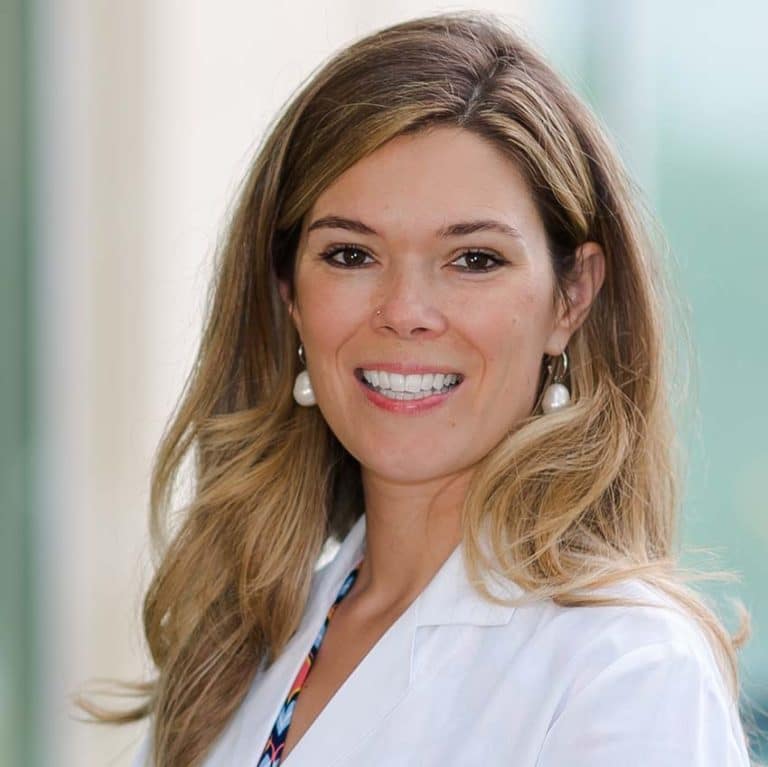
Medical contribution by Joseph Doyle, M.D.

Joseph Doyle, M.D., is board certified in obstetrics and gynecology and reproductive endocrinology and infertility. Dr. Doyle is a member of the American Society for Reproductive Medicine, for which he has developed education modules and served as an ad hoc reviewer, and the Society for Reproductive Endocrinology and Infertility. He sees patients at SGF’s Rockville, Maryland office. 

The tick-tock of the biological clock has long been a source of stress for women who envision children in their futures. Thanks to advancements in reproductive science, women who want children (just not right now) have options. Through egg freezing, a snooze alarm of sorts is set to take off some of the pregnancy-now pressure off, allowing women to pursue family growth plans when they’re ready to do so.

The concept of egg freezing isn’t a new one. In fact, the first baby conceived using a frozen egg was born over 30 years ago, in 1986. But much has changed since this procedural first. At Shady Grove Fertility alone, we have seen an increase in the number of women seeking egg freezing since 2013. If you’re considering preserving your fertility via egg freezing, fully exploring the likely outcomes of the procedure is a solid, first step.

Dr. Joseph Doyle of our Rockville, MD office regularly works with patients who want to freeze their eggs, guiding them through the egg retrieval and preservation process and again when they are ready to thaw and fertilize their preserved eggs. Today, he walks us through some of the egg-freezing-related statistics that potential patients should consider when deciding when and if to pursue this procedure.

Why are so many more women freezing their eggs than ever before?

Dr. Doyle: While egg freezing has been possible for quite some time, it’s only recently become more commonplace. These days, more women are likely to have friends, family members, or coworkers who have undergone egg cryopreservation, thereby increasing the likelihood of consideration and interest.

To that end, it wasn’t until recently that our SGF team started promoting egg freezing. We want what’s best for the women who come to us and didn’t want to push them towards egg freezing until we had a dependable number of thaw outcomes that made us confident in this procedure as a viable fertility preservation option.

What’s the ideal age for egg freezing?

Dr. Doyle: We recommend that women consider egg freezing in their mid-thirties. It’s essential not to wait too long to initiate the freezing process, as the older you get, the more eggs you’ll need to freeze to get the same probability of pregnancy. We also caution patients against freezing eggs too early as the earlier you freeze, the less likely you are to end up using your frozen eggs.

How long do women usually wait before returning to use their eggs?

Dr. Doyle: Our data suggests that women are waiting, on average, 2-4 years after freezing their eggs before returning to use them. However, we need to view this data contextually. While we have frozen eggs for nearly 2,000 patients, around 498 patients have returned to thaw their eggs so far. As more of these women return to use their eggs, we expect the average time between egg freezing and egg use to continue to increase.

What is the likelihood that I will be able to have a baby using my frozen eggs?

Dr. Doyle: Freezing your eggs does not guarantee that you will be able to have a baby one day, but it does offer you a good chance of growing your family when you’re ready. Your chance is particularly strong if you follow suggested freezing guidelines, including freezing between 15 and 30 eggs—the exact number depends on your age.

Our data shows that women under the age of 38 have a 70 to 80 percent likelihood of taking home a baby if they freeze between 15 and 20 eggs. We’ve also found that 84 percent of all frozen eggs will survive our thawing process. And, of the surviving eggs, 71 percent will become successfully fertilized.

Another way of looking at this is the likelihood of a live birth per egg thaw cycle. Reviewing our statistics for women under 38 years old, between 40 to 45 percent of women will have a live birth if they thaw 8 to 9 eggs. At first glance, this may seem low, but it’s important to keep in mind that this figure represents your rate of success per thaw cycle, not your rate of success per batch of frozen eggs. We typically do not thaw all of the eggs a patient has frozen at once. Though there are different strategies in approaching this, we [generally] thaw around 10 eggs per round.

What if I want more than one baby?

Dr. Doyle: The primary goal of egg freezing is to ensure the birth of one healthy child; however, we certainly have had individuals who have had more than one child using their frozen eggs. In fact, 38 percent of all SGF egg-freezing patients end up with extra embryos each thaw cycle. Patients with additional embryos have, on average, three additional embryos that they can freeze and use for later attempts at pregnancy.

Is there any guarantee I’ll end up with a baby?

Dr. Doyle: While there is no guarantee you’ll be able to have a baby — even if you freeze your eggs — we do offer a financial guarantee to our patients through our Shared Risk 100% Refund Program for Returning Egg Freezing Patients.

As we have continued to gather data daily on egg thawing, we have grown increasingly confident in this procedure. And we back this confidence with a money-back guarantee, a program that we call Shared Risk. Patients who participate in our Shared Risk 100% Refund Program can receive their money back should their attempts at having a child using their frozen eggs prove unsuccessful. As with any SGF treatment plan, our goal is for you to take home a baby, and we do everything we can to help you grow your family—when the timing is right for you.

Schedule An Egg Freezing Appointment 

To learn more about egg freezing or to schedule an appointment, call 1-877-411-9292 to speak with a new patient liaison.

This post was originally published in August 2017 and has been updated for accuracy and comprehensiveness as of February 2020. 
Filed Under: Treatment Tagged With: Egg freezing

February 13, 2020 by Shady Grove Fertility

Medical contribution by Brianna Schumacher, M.D.

Brianna Schumacher, M.D., is board certified in obstetrics and gynecology and reproductive endocrinology and infertility. Dr. Schumacher is an advocate for early fertility diagnosis and treatment, as well as egg freezing for women to preserve their fertility for future family building options. She sees patients in SGF’s Chesterbrook, Pennsylvania, office.

The power to have children when the timing is right, not when their biological clock dictates, is the reason thousands of women have decided to freeze their eggs. Egg freezing, a technique in which a reproductive endocrinologist removes eggs from the ovaries and then freezes them, has revolutionized how and when women can have children. The technology that allows women to preserve their fertility has changed the course of reproductive health and leaves women feeling more empowered and less anxious.

Shady Grove Fertility’s Egg Freezing Program offers women the chance to test their ovarian reserve (number of eggs remaining in the ovaries) and use those results to have a thoughtful, tailored, discussion to determine if egg freezing is a good fit for them. Egg freezing is a streamlined approach that includes a physician consultation, various financial options, and more importantly, promising pregnancy rates when they return to use their eggs. Once eggs are frozen, they remain that way indefinitely and are available to thaw at any point. The benefits of egg freezing are more than just having frozen eggs – it is freedom from the biological clock.

Dr. Brianna Schumacher, who sees patients in SGF’s Chesterbrook and Philadelphia offices, reveals the top five reasons to freeze your eggs.

Here are the Top Five Reasons to Freeze Your Eggs:

  • Eggs supply is limited. Women are born with all the eggs we will ever have. We are born with about a million and by the time we go through menopause – there are almost no eggs left. Peak fertility is in our early 20s when pregnancy rates are approximately 25% each month. For women in their 30s, pregnancy declines to 15 percent each month, and by the time we are entering our 40s, pregnancy rates are on average 5% per month. While early menopause and premature ovarian failure can also affect egg supply, egg freezing helps ensure the possibility that you will be able to use your own eggs and have biological children.
  • Egg quality diminishes as women age. As women age, the percentage of eggs in the ovaries that have the correct number of chromosomes decreases. This percentage is what is referred to as ‘egg quality’ . We do not have a way to ‘test’ the eggs, but we do know that maternal age is a good estimate. For women at 35 years of age, we estimate half of the eggs are already abnormal and by the time we hit 40 years of age, only a quarter of the remaining eggs can result in a baby. Because eggs stay the age at which they were frozen, freezing eggs at a younger age ensures a larger portion of eggs are normal when you are ready to have your family.
  • Egg freezing allows you to have it all. For many, having a career and being a mother are of equal importance. Some women choose to pursue having a family first and come back to a career; others want to establish a career prior to having children.  With egg freezing, women can choose to pursue career and relationship goals and once comfortable, come back to motherhood. The process can allow you to find a secure relationship, focus on your professional goals, and ultimately take control of your life by giving you a choice to get pregnant when the time is right, for you.
  • You will leave you with more than just frozen eggs. The pressure to beat the biological clock is felt by almost everyone. Many women have stated that after egg freezing, just knowing they are there lifts a large weight off their shoulders. One of the most common feelings we hear from our women is that it has provided them with the freedom to date without the pressure of the biological clock.
  • Egg freezing results in babies – in the right hands. Eggs (single cells) are more fragile than embryos (hundreds of cells). As a result, freezing and thawing eggs is more complicated and requires experienced embryologists. The technology took much longer to perfect, but now many fertility clinics have the experience and results to show for it. Today, we have many happy women who have used frozen eggs to complete their family – and the numbers are increasing exponentially every day. A word of caution – not every fertility clinic has equal outcomes. Take time to research and find a clinic in your area that has good ‘egg thaw’ rates and can give an estimate of how many pregnancies have resulted from eggs they have frozen.  In this case, generally bigger is better – larger clinics are more experienced and have better outcomes.

Editor’s Note: This post was originally published in February 2016 and has been updated for accuracy and comprehensiveness as of February 2020.

Schedule an Appointment

To learn more about egg freezing benefits or to schedule an appointment with Dr. Schumacher, call 1-877-411-9292 to speak with one of our New Patient Center Liaisons, fill out this form to schedule an appointment, or register for one of our upcoming patient educational events.

Filed Under: Treatment Tagged With: Egg freezing

February 10, 2020 by Shady Grove Fertility

Every egg freezing story is unique and this is Kara’s journey.

Kara is a 36 year Fairfax, VA native living in Arlington, VA. Long-term relationships, good advice, family support, and a plan brought her to Shady Grove Fertility to freeze her eggs. Kara sat down with SGF following her first two cycles to share more about her egg freezing story in hopes of inspiring other women to do the same. Here’s what Kara had to share:

How did you learn about egg freezing?

Kara: “My 20s were for fun and career and I knew my 30s would be for getting married and having kids. I always knew I wanted to be a mom someday. Two years ago, when I was 34, my dad’s cousin, who is an OB/GYN, recommended I test my AMH. With his advice I tested my AMH (which was good) and went to my OB/GYN at Capital Women’s Care and asked, ‘I’m 34, what do I need to know about egg freezing?’ My OB/GYN advised, if I wasn’t trying to have a baby by 36 I should freeze my eggs. That became my plan. When long-term relationships didn’t work out, I looked at egg freezing at a very serious level. At 36, I tested my AMH again and it was good, so I decided to freeze my eggs.”

Was paying for egg freezing something that you were concerned with?

Kara: “No—the money my parents set aside for my wedding is being used to pay for my egg freezing cycles and I enrolled in the Assure 20 financial program. It was difficult at first, but when it came to having to choose between a baby and marriage, if I were to only be able to have one of the two in this life, I would always choose baby. This helped me make peace with using money from the wedding fund.”

How was the actual egg freezing cycle?

Kara: “During my first round I was definitely more nervous; I had some bloating, but nothing serious. But the second round, you don’t even notice you’re doing it—it’s easy. I had no cramping, no emotional side effects, and I was able to do the medications on my own. There’s something about being alone in your apartment with a syringe that makes you feel like a real woman.”

What was the hardest part of the process?

“The hardest part once you get past the first few days of shots, for me, it was not being able to work out for 4 weeks. I’m really active and enjoy high levels of exercise, so during this time that caused a little more stress—there was no physical outlet. I found that challenging but if you’re not super active it won’t impact you as much.”

What for you has been the biggest benefit of freezing?

“I hope to never have to use these eggs, but knowing they are there provides me with peace of mind—it’s kind of like a savings account. I’m one of those proactive people who wants to make sure things work out in this life.”

What has dating been like?

I dated two different guys while going through my last two cycles. My last boyfriend was really supportive of it and provided emotional support throughout the medication portion. But it hasn’t caused anyone to pause. It’s also a good dating tactic—if they are good with it, we can get dessert, if not, get the check.”

What is your biggest advice?

“Do it. You’ll have a harder time accepting not being a mom than accepting freezing your eggs. You want to extend the option of being a future mom instead of limiting it.”

If you’re interested in sharing your egg freezing story, or if you would like to schedule an egg freezing appointment, call 1-877-411-9292. 

Filed Under: Treatment Tagged With: Egg freezing

February 6, 2020 by Shady Grove Fertility

2018 marked the year former First Lady, Michelle Obama, opened up about her own infertility struggles in her personal memoir that, after 15 days, became the best-selling book of 2018 in the United States.

In the book, described by Obama as her “deeply personal experience,” Obama shared of feeling “lost and alone” after suffering a miscarriage 20 years ago and eventually undergoing in vitro fertilization (IVF) treatment to have her daughters, Malia and Sasha. At the time, Obama was in her mid-30s and expressed how “the biological clock is real” and “egg production is limited.”

Obama continued, “I think it’s the worst thing that we do to each other as women … not share the truth about our bodies and how they work and how they don’t work,” a statement that has since struck a very real cord with many women.

“I’m so thankful to our former First Lady for elevating the conversation of miscarriage, loss, and infertility to the level of importance it deserves. It’s encouraging to see the increasing rate of black women now seeking infertility care,” says Dr. Desireé McCarthy-Keith, a board certified reproductive endocrinologist who sees patients in SGF Atlanta’s Atlanta-Northside and Alpharetta locations.

“Too often black women don’t seek care at the same rate as white women, but infertility can impact anyone, regardless of their race,” added McCarthy-Keith. “And while we are still a long way away from equality when it comes to the number of black women who seek care compared to white women, Michelle Obama shedding an important light, and igniting more women to take action, is definitely a step in the right direction.”

SGF is now reporting a larger share of women self-reporting as black, African, or African-American, that are going through IVF treatment—a previously underserved population when it comes to electing fertility treatment.

“I cannot encourage my sisters of color enough to reach out, make the call, heed the warning signs, and get help. You do not have to suffer in silence. Infertility is a real medical condition, and there are outstanding treatments available that can help almost any woman conceive who seeks appropriate help early,” added McCarthy-Keith.

When comparing treatment data from SGF’s mid-Atlantic fertility centers from January 1 to June 30, 2018, to the same time period in 2019, the share of black women starting treatment grew 50 percent faster compared to treatment rates as a whole.

“Michelle Obama’s openness along with other prominent celebrities such as Gabrielle Union, sparked a national conversation about equity in women’s healthcare for black women along with a need to break the taboos in the black community about infertility, something we should all be grateful for,” added McCarthy-Keith.

In a survey of over 1,000 women published by Women’s Health Magazine and Oprah Magazine in 2018, black women were less likely to talk with their friends, family, or doctors, compared to their white counterparts. The lack of conversation doesn’t impact the support of black women on their path to parenthood, but the likelihood that they will seek the needed medical care to grow their families.

McCarthy-Keith continues, “Many black women are seeking to end the silence around infertility in their communities, creating groups for women of color having access to resources, inspiration, and encouragement.” She further states that this type of sisterhood is invaluable. “For Michelle Obama to speak about that in her book was so refreshing and empowering for all of us.”

“I think that black women just have to understand that we’re here and we’re part of this conversation,” said McCarthy-Keith in a recent Good Morning America interview. “We deserve to be here. We’re worthy of all the technology and advancement that everyone is taking advantage of.”
Ten percent of women in the United States, ages 15 to 44, have difficulty getting pregnant or staying pregnant, according to the Centers for Disease Control and Prevention (CDC). And for women of color, the numbers are even higher.

When asked to describe the reasons behind the fertility gap as it relates to race, McCarthy-Keith added, “Well, we know that black women have a higher incidence of uterine fibroids and by the time a black woman is 50 years old, about 80 percent of us will be diagnosed with fibroids. Depending on the size and location of the fibroid, that can definitely impact a woman’s fertility as well as increase her risk of miscarriage and pregnancy complications.”

McCarthy-Keith added, “There’s also a higher incidence of obesity and being overweight in the African-American community and for black women, when you look at the statistics of obesity in our community, they are truly alarming. The most recent statistics show that about 55 percent of black women are obese in this country, and if you combine that with obese and overweight, it’s almost two-thirds of us. Overweight and obesity can increase the risk for chronic diseases and can also lower a woman’s fertility and increase her risk of pregnancy complications. When we look at studies of women who go through fertility treatments, we see that African-American women are more likely to wait longer or have longer durations of infertility before they even seek evaluation, and so by the time they come in for treatment, often they are older, which is also a factor that can lower their chance of success once they get to the fertility treatments.”

McCarthy-Keith also attributes the discrepancy to cultural differences, as women of color appear to have more difficulty speaking about infertility, “The initial campaigns promoting IVF just did not include us,” she told Good Morning America. “They usually contained images of middle-class white women so if you didn’t see yourself in those images, you didn’t feel like they were targeting the treatments for you.”

“In studies that have been done, doctors picked a middle-class white woman as the most likely to be infertile,” she said. “So, if physicians also do not have the understanding of what a fertility patient looks like, then it changes how we counsel our patients. Doctors may be more likely to tell a black woman to just keep trying.”

“[Obama] was so genuine and it shows that infertility touches everyone –- you can be black, white, high-income, low-income or First Lady, none of that matters.” added McCarthy-Keith. “Women brave enough to speak on their own situations, it’s empowering for all of us to hear that.”

Schedule an Appointment

To learn more about how SGF or to schedule a consult with a physician to discuss options for overcoming infertility, call our New Patient Center at 888-971-7755 or fill out this brief online form.

Filed Under: Treatment

January 24, 2020 by Shady Grove Fertility

SGF is home to the largest Donor Egg Program in the country, and patients from all over the world turn to us when they are seeking an egg donor. Each year, we work with thousands of women donors who are interested in helping people become parents through egg donation.

This year marks an especially significant practice milestone, with 8,000 babies born from donor egg at SGF. We would not be able to celebrate this momentous occasion if it weren’t for our egg donors.

While we are proud of this new milestone, 8,000 donor egg babies born holds a more substantial meaning. It means there are 8,000 more mothers in the world who held their newborn’s tiny hand as he fell asleep in their arms. It means there are 8,000 more fathers who heard their daughter coo the word “Dada.” It means 8,000 more stories can be told.

With this milestone comes a thank you to someone else. A thank you to all of the women who decided to donate their eggs. Without the incredible generosity of our egg donors, priceless moments like this could not be celebrated. Each woman in the program has made a wish come true.

One of our Ireland patients shared her message of gratitude for her egg donor:

“Thank you a million, million, million times for giving him, and us, life. Thank you for the better life we have being his parents. Thank you for allowing for us to be Santa, have birthday parties, and be called ‘mom and dad.’ Thank you for the opportunity to see life through the eyes of our child; the hugs, the love, the chaos, the crisis over a missing toy and the messy car… we love it all. Honestly, we couldn’t love and cherish him any more than we do. We are proud to be his parents.”

SGF physicians and patients say “thank you” to all of our past, present and future egg donors. Egg donors make parenthood possible.

Apply

Filed Under: General, Treatment

January 10, 2020 by Shady Grove Fertility

Amy Schumer recently opened up on Instagram about freezing her eggs, and the physical and emotional toll it has taken on her body. The actress and comedian revealed that 8 months after giving birth to her son, Gene, she has decided to undergo the egg freezing process.

“I’m a week into IVF and feeling really run down and emotional,” Schumer posted to Instagram, along with a photo of her abdomen, bruised from her treatment. “If anyone went through it and if you have any advice or wouldn’t mind sharing your experience with me please do. My number is in my bio. We are freezing my eggs and figuring out what to do to give Gene a sibling.”

View this post on Instagram

I’m a week into IVF and feeling really run down and emotional. If anyone went through it and if you have any advice or wouldn’t mind sharing your experience with me please do. My number is in my bio. We are freezing my eggs and figuring out what to do to give Gene a sibling. ❤️

A post shared by @ amyschumer on Jan 9, 2020 at 1:24pm PST


During her pregnancy with Gene, Schumer openly discussed dealing with hyperemesis gravidarum, a condition characterized by persistent nausea and vomiting, weight loss, and dehydration. She’s also discussed a difficult delivery via C-section due to complications from endometriosis.
Followers on Instagram, who have also been through the fertility treatment process, were quick to offer advice and support to Schumer.

“It’s emotional and your hormones are a mess,” said one follower. “Rest and accept pampering and hugs.”

“You are already doing the most important thing,” wrote another. “Being open and vulnerable about a very difficult process.”

Dr. Anate Brauer, Director of IVF who sees patients in SGF New York’s Manhattan office, says freezing eggs or embryos is an option sometimes chosen by women looking to delay getting pregnant for medical or elective reasons.

“Women who are in their later thirties and want multiple children may feel pressured to move on to the next pregnancy right away due to decreasing pregnancy rates due to egg quantity and quality,” Brauer told TODAY Parents. “By freezing eggs or embryos, a woman can choose to delay having a second or third child without the stress of her ‘biological clock’ ticking while enjoying time with her firstborn.”

So, are Schumer’s feelings of being “run down and emotional” par for the IVF course?

Brauer says it depends on the patient.

“While most women feel generally unaffected by IVF medications, everyone is different and responds to medications differently,” said Brauer. “Some women feel completely normal. Some feel emotional. Some feel tired while others report feeling more energetic.”

“One common complaint towards the end of the stimulation cycle is bloating,” Brauer continued. “Although this is not linked to the medication specifically, rather pressure from growing eggs inside the ovaries, which is the goal of treatment.”

A Holistic Approach to Treatment

For many women, their stress levels may already be high when they are trying to conceive or begin treatment. When you begin fertility treatment, we strongly recommend patients join a support group. Some even find services such as acupuncture or massage offered at SGF’s Wellness Center to be helpful. While these alternative therapies are not necessarily intended to increase conception rates, they have helped many patients better manage the emotional stress of infertility and support them before and during treatment.

Our Facebook community of 30K strong is a wonderful way to connect with past and current patients and to share stories, tips, and offer words of hope and encouragement.

What Egg Freezing Patients Are Saying

“Egg freezing gives me the opportunity to hold onto my own self interests. I am realistic that the journey will not be perfect, but I do believe it will be better than not trying at all. And this is a better chance to be able to do things my way, as I continue to progress through the natural aging process.” – Radell Peischler, Former Shady Grove Fertility Egg Freezing Patient.

“Egg freezing is an investment in the future and probably the best one I’ve ever made. I no longer have to worry about my biological clock ticking as I rebuild my life. No matter how old I am if or when I decide to have another child, my eggs will always be 36. As my eggs wait to be thawed one day, medicine continues to advance, and the statistics continue to improve. How lucky are women to have this gift?! As I prepare for one more cycle, the only regret I have is that I didn’t freeze my eggs sooner.” – Rachel, Former Shady Grove Fertility Egg Freezing Patient.

Looking for more information? Watch our Egg Freezing On-Demand Webinar, available for viewing at your convenience.

Schedule A Fertility Consultation

Schedule An Egg Freezing Appointment

If you would like to learn more or schedule an appointment with an SGF physician, please speak with one of our New Patient Liaisons at 877-971-7755 or fill out this brief form.

Filed Under: Treatment

  • « Go to Previous Page
  • Page 1
  • Interim pages omitted …
  • Page 5
  • Page 6
  • Page 7
  • Page 8
  • Page 9
  • Interim pages omitted …
  • Page 46
  • Go to Next Page »

Company

  • About SGF
  • About US Fertility
  • Our Doctors
  • Fertility Equity
  • Careers
  • Newsroom
  • SGF College Scholarship
  • Contact Us
  • Voice Your Feedback

Treatments

  • Egg Freezing
  • Intrauterine Insemination (IUI)
  • In Vitro Fertilization (IVF)
  • Frozen Embryo Transfer (FET)
  • LGBTQIA+ Family Building
  • Shared Risk 100% Refund Program
  • All Treatments

Resources

  • Patient Portal
  • Online Bill Pay
  • Library
  • Support Groups & Events

Locations

  • California
  • Colorado
  • Delaware
  • Florida
  • Georgia
  • Maryland
  • North Carolina
  • Pennsylvania
  • Texas
  • Virginia
  • Washington, D.C.

2026 Shady Grove Fertility

  • Policies & Notices
Also of interest
  • In Vitro Fertilization IVF
  • Fertility Tests
  • Research Publications