
• Skip to primary navigation
  • Skip to main content
  • Skip to footer
Shady Grove Fertility
  • Become an Egg Donor
  • Referring Physicians
  • 1-888-761-1967
  • Schedule Appointment
  • Get Started
        • Get Started
          • Causes of Infertility
          • Fertility Tests
          • When to Seek Help
          • Find a Doctor
          • Preconception and prenatal vitamins 
          • Schedule an Appointment
        • Personalized Care For
          • Single Parents
          • LGBTQIA+ Family Building
          • People with Cancer
          • Known Genetic Diseases
          • Egg Donors
  • Treatments
        • Fertility
          • Timed Intercourse
          • Ovulation Induction
          • Intrauterine Insemination (IUI)
          • In Vitro Fertilization (IVF)
          • Frozen Embryo Transfer (FET)
        • Donation & Surrogacy
          • Donor Sperm
          • Donor Egg
          • Donor Embryo
          • Gestational Carrier
          • LGBTQIA+ Family Building
          • Single Parents
          • Find a Donor
        • More Treatments
          • Center for Male Fertility
          • Egg Freezing
          • OncoFertility
          • Preimplantation Genetic Testing
          • MIGS
          • All Fertility Treatments
  • Resources
    • Resource Library
    • Events Calendar
    • Patient Stories
    • Mental Health
    • Wellness Center
  • Insurance & Savings
    • Insurance & Benefits
    • Shared Risk 100% Refund Program
    • 100% Refund for Donor Egg
    • Discounts
    • Egg Freezing Costs
    • Financing & Grants
    • Clinical Trials
  • About
    • Find a Doctor
    • About SGF
    • Our Care Team
    • Advanced Practice Providers
    • Fertility Equity
    • Philanthropy
    • Newsroom
    • Careers
    • Contact Us
    • Voice Your Feedback
  • Locations
        • Find a Location
        • California
        • Colorado
        • Delaware
        • Florida
        • Georgia
        • Maryland
        • North Carolina
        • Pennsylvania
        • Texas
        • Virginia
        • Washington, D.C.
        • Chile
        • International & Out of State
        • SGF at Walter Reed National Military Medical Center
  • Patient Hub
    • Online Bill Pay
    • Patient Forms
    • Patient Portal
  • Call your care team
  • Become an egg donor
  • Referring physicians
  • search-icon
  • Schedule appointment 1-888-761-1967

Home / Treatment / Page 4

Treatment

July 14, 2022 by Shady Grove Fertility

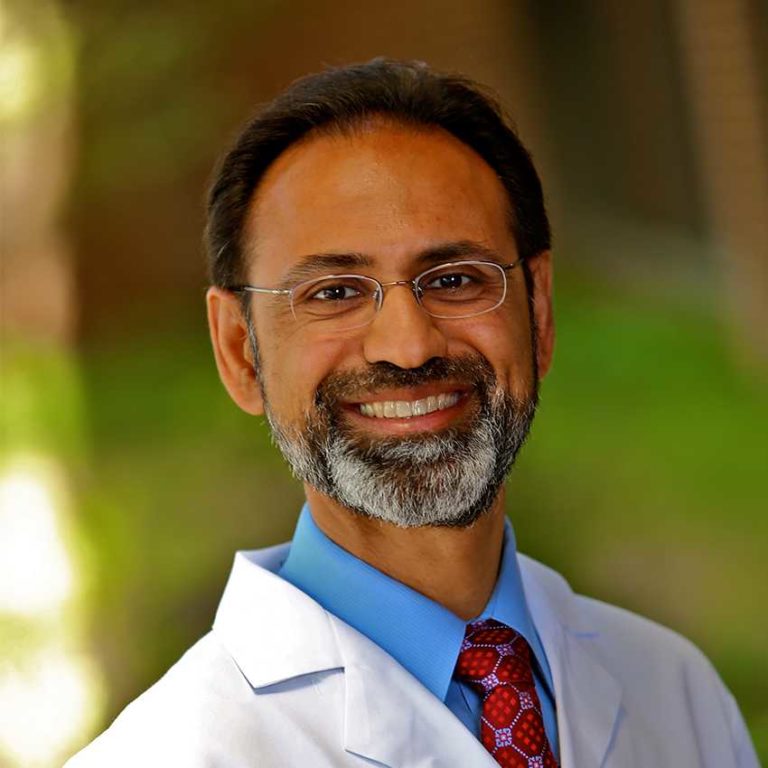
Shady Grove Fertility physician Tomer Singer, M.D., SGF New York Medical Director discusses the modern technological advancements in the field, what to expect during the egg freezing process, and why it’s a viable option for women who wish to preserve their fertility. 

Q: If I come in for a fertility testing during my period, do I have to start the egg freezing process right away, or do I have the option of waiting?

A: You are in complete control of your schedule. Typically, we do testing on day two or three of your menstrual cycle and then you meet with a physician for an in-person or via a telehealth call to go over the whole process which typically takes about 12-14 days. If you want to go right into treatment, or have a very busy schedule you may be prescribed birth control pills for few days/weeks to regulate your cycle as well as injectable medication to stimulate your ovaries and increase the number of eggs that your body will allow to mature.  

Q: Is it possible during the procedure for any of the eggs to be missed? And does that cause pain?

A: Our physicians utilize an ultrasound to guide the egg retrieval; so the chance for an egg to be missed is very small. 

Occasionally, liquid which is extracted during the procedure is released into the pelvis causing some pressure discomfort following the procedure and for couple of days thereafter  

Neither of these scenarios should cause severe pain for the patient. 

Q: If my eggs are stored at one of your locations, what type of security is in place? Will my eggs be safe?

A: Our SGF surgery centers are accredited centers (different accreditation agencies depending on the department of health requirement in each state) and every laboratory is protected by a firewall and other safety precautions including alarms, cameras, 24 hours video surveillance and the most advanced technological advancements. 

Q: What are the medication costs, and is it covered by insurance?

A: Medication cost varies, it ranges from $2,000 to $6,000 a cycle and it greatly depends on how your body will react to the medications. Age, body mass index (BMI), and ovarian reserve are all factors that contribute to the amount of medications you will need and the cost. Some insurances do cover medication, but it is dependent on the insurance plan. 

Q: How can you test for egg quality?

A: We can check using ovarian reserve testing (such as FSH and AMH blood tests), which evaluates hormone levels and determines the quantity and general egg quality; however; there is no true test to measure egg quality unless eggs were fertilized with sperm (of a partner or a sperm donor) and asses at the embryo stage (morphologically and chromosomally). 

Q: How quickly can I start treatment?

A: After your initial testing and physician consultation, you can begin treatment as soon as you are ready. 

Q: Do you recommend doing cycles back-to-back or could I take a break if needed?

A: While it is ideal to complete the first two cycles within 6 months to 1 year, it is OK to take a break as needed. It is time intensive and I encourage patients to have a few weeks in between to let their ovaries normalize. I certainly have patients who  travel nationally and internationally so we have seen many patients who completed 2-3 cycles back to back while others  finish one cycle and wait several months until the timing is favorable for them to cycle again. Whatever it takes to get that number we recommend, we could work within your parameters. 

Q: How long can eggs stay frozen before use?

A: The good news is that eggs can be frozen indefinitely with the new vitrification technology. However, our age cutoff for women returning to use their frozen eggs is a patient’s 51st birthday. 

Q: What makes SGF different than some of the other fertility centers who offer egg freezing?

A: The most important thing you should consider when choosing an egg freezing program is the experience the center has in thawing eggs and embryos, which can be seen in their success rates. The more experience the lab has had with thawing eggs as well as using the fast-freeze, vitrification technology, the better. 

Learn more about egg freezing at Shady Grove Fertility

Sorry, no medical team available right now!

Schedule Appointment

Editors Note: This post was originally published in March 2016 and has been updated for content accuracy and comprehensiveness as of July 2022.
 

Filed Under: Treatment Tagged With: Egg freezing

July 7, 2022 by grafikdev1

Given the attention “all-natural” consumables receive these days, it’s easy to wonder if there’s a more natural approach when it comes to in vitro fertilization (IVF) treatment. At Shady Grove Fertility, we do not offer an ‘all-natural’ IVF protocol, often called natural cycle IVF, because, simply put, it’s not the right thing to do for our patients.

Natural cycle IVF is a treatment similar to traditional, or stimulated, IVF, but without the use of medications to stimulate the ovaries to produce multiple eggs. It might sound appealing to those who dislike medications. The problem, though, is that these ‘natural cycles’ still require all the other costly and demanding aspects of traditional IVF. The frequent appointments, injections to trigger ovulation, surgical egg retrievals, and embryo development in the lab are all present in natural cycle IVF.

Yet, natural cycle IVF has unequivocally demonstrated a significantly lower rate of pregnancy than traditional IVF.

The physicians at Shady Grove Fertility simply can’t justify putting a patient through natural cycle IVF treatment with such a low chance of success. Therefore, we urge couples who are interested in natural cycle IVF to learn exactly what it is and compare the variables between different modalities that are truly the most important.

How natural cycle IVF differs from traditional IVF

During a normal monthly reproductive cycle, a single egg grows and matures inside an ovarian follicle. When a woman’s hormones reach a certain level, the mature egg is released and becomes available to be fertilized. In a stimulated IVF cycle, a woman takes medications for 9 to 12 days that stimulate both of her ovaries to grow and mature multiple egg follicles. During this stimulation phase, a physician will monitor the patient with ultrasounds and bloodwork to track the growth of the follicles until they reach a certain size.

A physician will then perform an egg retrieval procedure under anesthesia to remove the eggs from the follicles. They are then fertilized in the lab, where the embryos will grow until an embryologist can identify the best one(s) for transfer back into the woman’s uterus. Any high-quality embryos that are not transferred can be frozen for future use.

Since natural cycle IVF does not use medications to stimulate the ovaries, the cycle can only produce up to one mature egg at a time. Patients are monitored with ultrasounds and bloodwork to track the development of the single ovarian follicle so that it is not released (ovulated) by the body before it can be retrieved.

The patient then undergoes the same type of egg retrieval that is done in a stimulated IVF cycle to retrieve the egg from the single follicle. If the egg retrieval is successful, an attempt is made to fertilize the egg in the laboratory. If a viable embryo develops, a physician will transfer it back to the uterus.

Natural cycle IVF and a traditional IVF cycle look very similar in terms of the timeline and the procedures followed. The difference is just that the patient does not use medications to stimulate multiple egg development in a natural IVF cycle.

Before you make a decision about which treatment to pursue, investigate claims closely, especially if a center touts that a particular treatment approach is less stressful, less costly, and less risky. Ask how that treatment performs on your most important criteria—delivering a baby:

Compare success rates per cycle

At Shady Grove Fertility, when evaluating treatment options, we encourage you to look at success rates and ask questions until you truly understand the data. Be sure to compare apples to apples because, believe it or not, different centers can present statistics in misleading ways. Ask the hard questions, specifically, what are the pregnancy and live birth rates per initiated cycle? That way, you have a more realistic picture of their actual probability of taking home a baby.

Pregnancy and live birth rates for traditional IVF cycles are dramatically higher than natural cycle IVF. In fact, one may have to undergo three to four natural cycles in order to achieve a successful pregnancy—compared to one stimulated IVF cycle. One important element that influences this success rate is the retrieval of multiple mature eggs.

The main reason success rates for natural cycle IVF are so low is that, without the use of medications, there is a much higher chance of a cycle being cancelled at each stage. Many patients will prematurely ovulate, or an egg cannot be retrieved at the time of egg retrieval. And many others will have a cycle that doesn’t result in fertilization, and therefore, no embryo. The resultant delivery rate per initiated cycle for women 37 or under is low, and very low for women over 40. The rate of pregnancy is about the same as intrauterine insemination (IUI); however, IUI is much less costly and doesn’t require a surgical procedure. In general, IUI success rates are approximately 15 percent for women 37 and under and 5 to 10 percent in women order than 40.

The option to freeze extra embryos

In addition, patients doing natural cycle IVF do not have the possibility of freezing embryos, which nearly 50 percent of patients have after doing a traditional IVF cycle. Frozen embryos have the same pregnancy rates as fresh cycles of traditional IVF — without ovarian stimulation or egg retrieval and at a fraction of the cost of a new cycle. These embryos essentially provide a second or even third chance at pregnancy, all from a single traditional cycle of IVF. Additionally, we can perform genetic testing on frozen embryos.

Frozen embryos also provide you with the possibility of having additional children years later, from the same cycle. If you are in your 30s, age and embryo freezing should factor heavily into your decision. Simply put, frozen embryos are a way of stopping the aging process that can be so detrimental to fertility. This is not an option with natural cycle IVF.

Compare the financial cost of each cycle

While it’s easy to understand that natural cycle IVF costs less than a standard IVF cycle because it uses fewer medications, what’s critical to understand when comparing costs is that, from a value perspective, the choice is clear.

For the money you spend doing a traditional IVF cycle, your chances of pregnancy and live birth are far greater than with natural cycle IVF. 

In fact, your chances are better with one stimulated IVF cycle than they are with three or four cycles of natural cycle IVF. 

Add to that the possibility of having frozen embryos available at the end of a traditional cycle of IVF and its value becomes even greater.

Medications can certainly be costly, however, this is not the biggest expense associated with an IVF cycle. The biggest costs in an IVF cycle are the monitoring, egg retrieval, and laboratory costs. Maintaining a top-notch embryology lab with the latest equipment and highly trained staff is costly, but it’s critical to the success of IVF. Whether or not your IVF cycle is stimulated, you’ll still be relying heavily on the work of the embryology lab.

At Shady Grove Fertility, while we accept most major insurances, we’re aware that the cost of treatment can be a significant burden for the many patients without insurance coverage. That’s why we offer a number of financial programs that help patients afford treatment:

  • Shared Risk 100% Refund Program
  • Shared Help Discount Program
  • Multi-Cycle Discount Program for IVF
  • Financing

Fertility medications are also an expensive part of treatment, but many patients who don’t have coverage for fertility treatment do have coverage for some or all of their medications. If affording the medications is an issue, we ask that patients let us know. Shady Grove Fertility offers a Self-Pay Medication Discount Program, which can offer self-pay patients a combined discount of 25 percent off eligible medications from partner pharmacies.

In addition, patients at Shady Grove Fertility have a dedicated financial counselor who can help them get the most out of their insurance coverage and find the best path for affording treatment and medications.

Consider the risks

Undergoing ovarian stimulation with medications does carry one risk that is not experienced by patients doing natural cycle IVF. It is called ovarian hyperstimulation. Ovarian hyperstimulation happens when a woman’s body over-responds to the medications. This can cause fluid to build up in the abdomen and pelvis. In rare but severe cases, the condition can lead to more serious issues like blood clots. Mild cases of ovarian hyperstimulation typically resolve themselves. In more serious cases, a physician can remove the excess fluid in an outpatient procedure.

At Shady Grove Fertility, we only see severe ovarian hyperstimulation in about 1 percent of cases. It is very rare. The reason is that patients are monitored very closely throughout their ovarian stimulation. If there are any signs that a patient might be moving toward hyperstimulation, we can reduce the amount of medications she is taking to minimize it. Additionally, Shady Grove Fertility has protocols specifically designed to help reduce the risk of ovarian hyperstimulation.

Some patients may feel uncomfortable about the medications, but our physician can reassure them that numerous studies have shown that they are safe and effective.

Proponents of natural cycle IVF also tout that their patients avoid the risk of multiples—twins and triplets—because a physician transfers only one embryo into the uterus per cycle. While there is a chance that a single embryo could split into two on its own, transferring one embryo at a time is the best way to avoid high-risk multiple pregnancies. This is something that Shady Grove Fertility actively strives to do for traditional IVF cycles as well.

We work very hard to reduce the risk of multiples within our traditional IVF cycles by promoting eSET, elective single embryo transfer. In fact, Shady Grove Fertility has been a leader in the field in this area; patients using eSET and only transferring one embryo have a 1.7 percent chance of twins and a 0 percent chance of triplets.

Compare the emotional cost of each cycle

One of the claims from providers of natural cycle IVF is that it is less stressful because it doesn’t require as many injectable medications. It may be true that not having to handle the medications takes some stress out of the process, but you still have to do all of the morning monitoring appointments that a patient doing injections does. You also have to go through the egg retrieval, which many patients find to be the most daunting part of the cycle.

Many would argue that the stress level with natural cycle IVF might be higher because the chances of the cycle being cancelled are higher. You have to worry about premature ovulation or the possibility that there won’t be an egg to retrieve.

It is undeniable that fertility treatment is time-consuming and intensive. Shady Grove Fertility believes that the best way to make treatment less stressful is to provide individualized care in an ethical and supportive environment. Besides being given clear and honest information by our physicians, each patient has a dedicated nurse who is available to answer questions and provide resources. We provide an injections class that teaches patients about medications and reduces anxiety about administering them. Our Facebook community is active in supporting one another, and our Psychological Support Services staff provides free regional support groups as well as discussion groups and one-on-one and couples counseling.

The best chance of a child

Treatment decisions can be difficult when there are several options to consider. Patients need to weigh the factors that are most important to them and address their concerns with their medical care team. We encourage patients to ask the following questions with regard to choosing a treatment type:

  • What is the delivery rate per initiated cycle in your program?
  • How many cycles will I have to do to achieve a healthy birth?
  • How much will they cost?
  • Will I be able to save any embryos for another pregnancy when I am older?
  • Are you recommending this because you think I am a poor candidate for traditional IVF?

Discuss all the pros and cons of natural cycle IVF versus traditional IVF with your physician. We believe the choice will become clear. We encourage patients to look at the whole picture. Remember, your goal is to have a child. If you are going to do IVF, then a traditional cycle of IVF is, without a doubt, the most effective and efficient treatment available. It gives you the best chance of reaching their goal in the shortest amount of time.

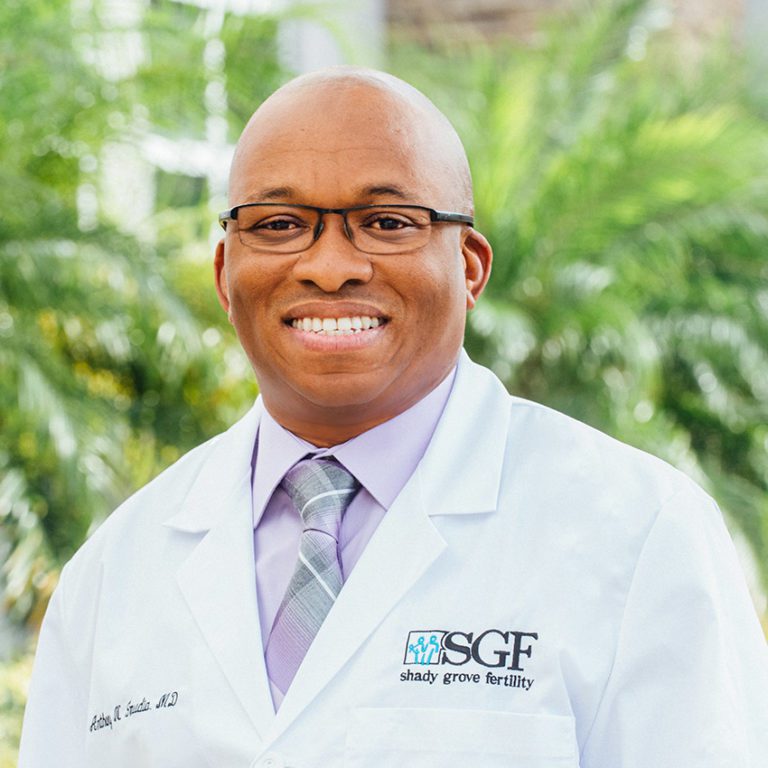
Medical contribution by Naveed Khan, M.D.

Naveed Khan, M.D., is board certified in obstetrics and gynecology and reproductive endocrinology and infertility. Dr. Khan has received several awards, including the Outstanding Chief Resident Award and Best Teaching Resident Recognition Award, both from the Lyndon B. Johnson Hospital, Department of OB/GYN, University of Texas, Houston Medical Center. He sees SGF patients at the Leesburg and Dulles-Aldie, Virginia, offices.

Schedule Appointment

Editor’s Note: This article was originally published in September 2021 and has been updated for content accuracy and comprehensiveness as of July 2022.
Filed Under: Treatment Tagged With: In vitro fertilization (IVF)

July 6, 2022 by Shady Grove Fertility

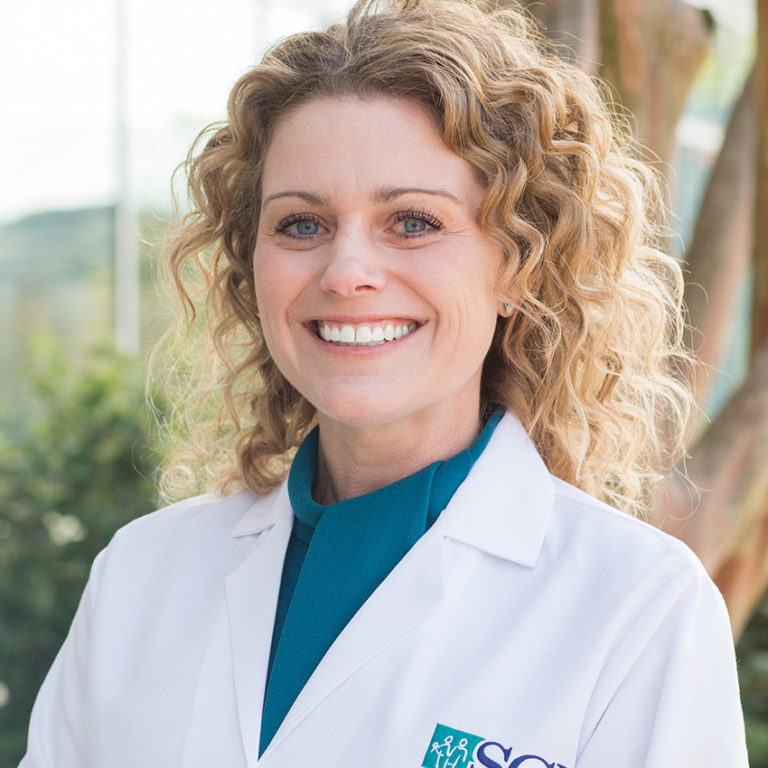
Egg freezing is a medical strategy to suspend fertility in time, preventing the decrease in quality and quantity that inevitably comes with age. Biology aside, the best time to have a baby is an incredibly personal decision and one that takes significant thought and consideration. Patients may choose to freeze their eggs for many reasons. Anthony Imudia, M.D., who sees patients at SGF’s Wesley Chapel and Tampa – Westshore, Florida offices provides the five steps in an egg freezing cycle.   
 
After completing ovarian reserve testing, the physician consultation, and deciding to move forward with egg freezing, patients work with their physician and nursing team to determine a timeline of when to start an egg freezing cycle. From birth control to the actual freezing of the eggs, the egg freezing cycle is comprised of 5 main steps: 

Step One: 

Birth Control: 2-3 weeks 

Birth control pills are used to help follicles grow at the same rate so that their subsequent stimulation can be synchronized but can also help with scheduling flexibility. Birth control pills enable us to  manipulate when the patient wants their ovarian stimulation and egg retrieval to be. Upon selecting a retrieval week, your SGF care team can work backwards to select a start date. 

Step Two: 

Egg Freezing Cycle Day 1: 10-12 days, 6-9 monitoring appointments 

Upon the start of your menstrual cycle, or after stopping birth control pills, patients will initiate daily injectable medications of the natural hormones follicle-stimulating hormone (FSH) and luteinizing hormone (LH). The medications are higher doses of hormones that replicate the natural hormones your body produces to mature one egg. The goal is to stimulate the growth and development of multiple eggs to freeze than what your body would do naturally.  

During this time, patients come to SGF for regular monitoring appointments, which include bloodwork and an ultrasound to ensure that follicles are growing appropriately and to change medication dosage, if necessary. This is about a 10–15-minute appointment that can be scheduled as early as 7:00 a.m. at many of the SGF offices. This enables patients to go to work as normal without disrupting your day.  

Because the medications are natural, there are no unique side effects; but because the ovaries are becoming larger, there may be abdominal discomfort or bloating. Similarly, estrogen levels are increased, so the patient may experience heightened PMS symptoms. 

Step Three: 

The Trigger injection 

At the end of the stimulation period, the patient will be instructed to take a trigger injection. This injection helps the eggs mature and prepares the body for the egg retrieval. 

Step Four: 

Egg retrieval 

Two days following the trigger injection, the patient goes to one of SGF’s procedure centers for the egg retrieval. This intra-vaginal procedure takes place while the patient is under IV sedation, so they are asleep and pain-free. Even though the procedure is relatively quick, because of the effect of anesthesia, it is required that someone is available to drive the patient home. This is the only day the patient would miss work. 

Step Five: 

Freezing the retrieved eggs 

Once retrieved, embryologists evaluate the eggs to determine which ones are matured and will freeze only the matured eggs. Eggs are frozen using vitrification, an ultra-rapid cooling process, and are then stored in liquid nitrogen for long-term storage. The patient is contacted the following day to let her know how many eggs were frozen. 7-14 days after the retrieval, the patient can expect to have their period. 

On average, each egg freezing patient completes two egg freezing cycles to reach the recommended number of eggs. Not every egg will result in a pregnancy when couples try to conceive on their own, and the same truth applies when you freeze your eggs. Thus, SGF recommends that women 37 or younger who have excellent ovarian reserve function freeze between 15 to 20 matured eggs. For women over 37, or women at any age with diminished ovarian function, we recommend freezing 25 to 30 eggs. This provides the patient with multiple attempts to conceive.  

Learn more about egg freezing
Medical contribution by Anthony N. Imudia, M.D.

Anthony Imudia, M.D., is board certified in obstetrics and gynecology and reproductive endocrinology and infertility. He is currently the Division Director and Fellowship Director, Division of Reproductive Endocrinology and Infertility, USF Morsani College of Medicine. Dr. Imudia sees patients at SGF’s Wesley Chapel and Tampa – Westshore, Florida offices.

Schedule An Egg Freezing Appointment 

Editor’s Note: This article was originally published in April 2018, and has been updated for content accuracy and comprehensiveness as of July 2022.
Filed Under: Treatment Tagged With: Egg freezing

July 5, 2022 by Shady Grove Fertility

Egg freezing is a personal decision which takes thought and consideration. The best way to make the decision to freeze your eggs is to have as much information as possible. Dr. Candice B. O’Hern Perfetto, who practices at SGF’s Texas Medical Center and Memorial City offices in Houston, Texas, provides the facts on egg freezing in a brief Q&A.  

What would be your advice to a woman considering egg freezing? 

Fertility preservation gives women flexibility in their future family planning.  It affords women the opportunity to preserve fertility at their current age while they focus on their personal or professional goals.  I encourage anyone who is considering it to consult with a fertility specialist. Your physician will discuss your family planning goals and assess your ovarian reserve. With this information s/he can help guide you through the egg freezing process, as well as inform you of your individual chance of success. Working with a physician to understand your fertility will help empower you to understand if you are a potential candidate for egg freezing.  

Does tobacco, drug, or alcohol use affect egg quality? Are there other dietary considerations for women considering this process? 

While there isn’t a prescribed fertility diet to improve egg quality or overall fertility, there are certain recommendations I offer my patients. First, it is recommend that anyone who is considering egg freezing or pregnancy improve their overall health by: quitting smoking, drinking alcohol and eliminate use of illegal substances. It is also important to maintain a healthy weight. This can be accomplished by focusing on a healthy diet filled with fruits, vegetables, complex carbohydrates and reduce excessive animal proteins, as well as getting regular exercise.   

How long can eggs be frozen before they’re not viable? 

The good news is that eggs can be frozen indefinitely with the current vitrification technology. However, our age cutoff for women returning to use their frozen eggs is a patient’s 51st birthday. 

What do you see as the future of egg freezing? 

At Shady Grove Fertility, we are constantly striving to improve our egg freezing outcomes and success rates. That being said, egg freezing technology has never been better and I would discourage anyone to “wait” for the future. If you are considering egg freezing, then this is the time for a consultation.  

While egg freezing seems common, what are things to look for when selecting a fertility center? 

Egg freezing continues to grow in popularity; however, compared to other fertility treatments there are less published studies and success rates vary widely. Patients look at many criteria when selecting a fertility provider including cost and convenience, but all women should be asking their provider for published success rates for egg freezing.  

Shady Grove Fertility is a leader in reproductive research and technological development — providing women who are contemplating freezing their eggs data, based on extensive, unique research, and significant experience in the process. 

Egg freezing success rates at Shady Grove Fertility

Medical contribution by Candice B. O’Hern (Perfetto), M.D.

Candice B. O’Hern (Perfetto), M.D., is board certified in obstetrics and gynecology (OB/GYN) as well as reproductive endocrinology and infertility (REI). Dr. Perfetto received her medical degree from Georgetown University School of Medicine in Washington, D.C.

Schedule Appointment

To learn more about egg freezing at Shady Grove Fertility or to schedule an appointment, call 1-877-411-9292 or submit this brief online form.

Editor’s Note: This article was originally published in August 2019, and has been updated for content accuracy and comprehensiveness as of July 2022.
Filed Under: Treatment Tagged With: Egg freezing

October 13, 2021 by Shady Grove Fertility

Each October, National Breast Cancer Awareness Month reminds us that around 700,000 people will be diagnosed with breast cancer — a diagnosis that breast cancer advocate and previvor, Allyn Rose, took courageous steps from becoming her and her future child’s fate. Upon her late mother’s request, Rose began her family-building journey by understanding how in vitro fertilization (IVF) and preimplantation genetic testing (PGT) could help reduce the likelihood of passing known genetic diseases to offspring. 

“In the last letter that my mother wrote to me before her passing from metastatic breast cancer at age 50, she warned me of my family’s predisposition to cancer and rare diseases, encouraging me to undergo in vitro fertilization (IVF) treatment to eliminate this disease,” says Rose, who is also a former Miss USA and Miss America contestant, model, and the recipient of the 21st Annual Congress on Women’s Health’s Advocacy Award and a Breast Cancer Summit Lifetime Achievement Award. 

Up to 10 percent of breast cancer cases are linked to an inherited gene mutation. Not only did Rose cope with the loss of her mother from breast cancer at a young age, but she also experienced the passing of her grandmother and great aunt from it, too. 

So, after years donning glamorous ensembles on big stages for Miss America and Miss USA, Rose traded in pageant for patient gowns as she underwent a preventative (prophylactic) double (bilateral) mastectomy to prolong her life. While Rose is not a carrier for the breast cancer gene, she is a carrier of a rare X-linked genetic mutation called Wiskott-Aldrich syndrome. Because of this genetic mutation, there would be a 50 percent chance that her future children would also become carriers of the disease.   

“I knew that my journey of preventive healthcare didn’t end with my mastectomy,” says Rose. “If I was taking steps to prolong my own life, it only made sense that I would do the same for my future children.” 

That is when our story with Rose began. In October 2019, Rose turned to SGF to help protect her future child from the same genetic diseases prevalent in Rose’s family tree.  

What is IVF with genetic testing of embryos?

In October 2019, Rose started documenting her IVF with PGT journey with Kate Devine, M.D., at our K Street office in Washington, D.C. Patients who also aspire to limit the passing of inherited genetic mutations like Rose can turn to SGF for: 

  • Screening for over 280 recessive gene mutations, including diseases such as cystic fibrosis, Tay-Sachs disease, and spinal muscular atrophy.  
  • Individualized testing for patients at risk for dominant gene mutations, such as breast cancer or inherited forms of colon cancer. 

“The thing I love about SGF, and what I think makes them stand out, is that a large number of their staff have undergone fertility treatments themselves,” shares Rose. “I really appreciated that because I felt like they actually understood what I was going through and when they told me that I would be okay – they meant it.” 

Rose followed the course of a standard IVF process from the initial screenings to the IVF injections to the egg retrieval. The point where her process diverged was the genetic testing of her embryos. Embryos, as tiny as they are, have a big genetic story that can be told through a biopsy. 

“Allyn’s story is a beacon of hope for women with increased cancer risk and other genetic risk factors,” says Dr. Devine. “IVF with PGT-M is a safe and reliable means of fertility treatment for people who want to reduce risk of known genetic mutations in their children.” 

Rose’s IVF success story

This past July, ironically on the 16th anniversary of the passing of Rose’s mother, Rose took to

In July 2020, on the 16th anniversary of the passing of Rose’s late mother, Rose took to Instagram with a heartfelt post about her pregnancy test results: 

“CYO and I are thrilled to announce that after 10 months of the roller coaster of IVF, I’m pregnant. The IVF journey doesn’t end here, but I’m an eternal optimist and look forward to introducing Baby Oertel to the world in 2021.” 

In a follow-up Instagram post, Allyn wrote, “… I hope it brings some hope to those of you in the middle of climbing what feels like an insurmountable hill — trying to conceive, or with work, or balancing life in general. There IS light at the end of the tunnel. Mine just happened to be of 2 VERY CLEAR lines and what the IVF community calls a “BFP” or BIG FAT POSITIVE!” 

Nearly two years after beginning their journey with SGF, Rose and her husband Christopher announced the birth of their daughter, Yve, on April 9, 2021. 

“It was an incredibly fulfilling experience welcoming my daughter into the world because it felt as if my journey had come full circle,” expresses Rose. “For the last 10 years, I’ve worked as an advocate in the breast cancer community. I’ve spent years speaking on the importance of long-term perspective and highlighting my choice to undergo a preventive mastectomy in order to prolong my life and to conceive via IVF removing my rare genetic disease from my family tree. Now, I can hold my daughter in my arms and see that it was all worth it. Everything that I’ve worked towards has finally come to fruition.” 

She continued to share, “Making the decision to pursue IVF with PGT is a very personal one, but I am a strong proponent of pursuing all options available in order to give children the best possible opportunity to thrive in life. We are so fortunate to live in a world where we can now reduce the inheritance of deadly genetic diseases via IVF. It’s such an incredible gift and I am fortunate to have had the opportunity to give my children a better outlook than I had.” 

Dr. Devine expresses her congratulations for Rose and her family, sharing, “I’m so happy that Allyn underwent treatment to reduce her own familial breast cancer risk and that she and that her baby girl is free of Wiskott-Aldrich gene mutations.”

Available oncofertility treatment at SGF

SGF is also dedicated to helping patients with cancer receive fertility preservation care. SGF has a specially trained team that works specifically with people with cancer to ensure the fertility preservation process before cancer treatment can be expedited in order that cancer treatment can quickly begin. The oncofertility team at SGF helps to guide patients through each step of the treatment process, from finding ways to afford treatment to the actual medical procedure. 

To learn more about SGF’s treatment options or to schedule an appointment, please call the New Patient Center at 1-888-761-1967 or complete this brief online form. 

Schedule Appointment

Filed Under: Treatment Tagged With: Cancer, Genetic testing, In vitro fertilization (IVF)

September 7, 2021 by grafikdev1

The decision to create your family with the assistance of third-party reproduction i.e., donor egg, donor sperm, or gestational surrogacy is a difficult one. Choosing this family building option ultimately involves grieving the loss of having a child who is genetically related to both or either of you, and/or grieving the loss of the experience of pregnancy and carrying your child. Once an individual or couple feels comfortable moving forward with third-party reproduction, the next decision involves whether to use a known or unidentified/previously unknown gamete donor or gestational carrier (GC). A known gamete donor or GC is a family member, friend, or acquaintance with whom the recipients or intended parents have a preexisting relationship.
Why Choose to Work With a Known Gamete Donor or GC?
There are numerous reasons why an individual or couple may consider building their family with the assistance of a known gamete donor or GC. First, in the case of egg and sperm donation, if the donor is a relative, there may be a sense of comfort in using gametes with some type of genetic link. A strong familial resemblance between the donor and recipient may also be an important factor in the decision. In a same-sex couple, the assistance of a family member as an egg or sperm donor can also allow for a genetic connection to both members of the couple. Other individuals find solace in maintaining a broad family connection and may wish to work with a brother-in-law as a sperm donor, or a sister-in-law as an egg donor or GC. When we include friends, as well as family members, the preference for a known arrangement may be a matter of trust; there is a perception that the donor or GC will provide greater and more accurate medical, educational and social history. It also creates an opportunity for the donor or GC to be known to the child, develop some form of a relationship with the child, and in the case of gamete donation, for the child to have access to updated health information. Finally, in some situations, the use of a known gamete donor or GC may decrease the cost of and/or the waiting time to receive treatment.
Who is an Appropriate Candidate to Be a Known Gamete Donor or GC? 
First, check with your treating physician to identify basic requirements for a known donor or GC. For example, your medical practice may have established a minimum and maximum age range for gamete donors and GCs. Likewise, most practices require that a GC has previously carried a pregnancy to term and delivered a child. This is related to important medical information obtained when a woman has experienced pregnancy, childbirth, and the postpartum adjustment period, as well as the ability to provide full informed consent since a potential GC cannot anticipate how it would feel to relinquish a child unless she has previously given birth. Before you ask or accept the offer of a family member or friend to help you create your family, you should have an idea of minimum qualifications.
Second, gamete donation and gestational surrogacy requires a significant commitment of time and often, emotional energy, on the part of the donor or GC. Prior to the initiation of treatment, there is usually a medical and psychosocial evaluation process. Speak with your doctor and the practice’s mental health professional to find out exactly what will be required of the donor or GC during the work-up and treatment process. Also be aware of the potential medical and psychological risks (e.g., perceiving the resulting offspring as their own (for donors); difficulty relinquishing the baby (for GCs) of treatment for a donor or GC. Before you decide to ask or accept the offer of a family member or friend to be a donor or GC, carefully consider whether it is realistic for that individual to commit to the process at the current time.
How Do I Ask?  
Obviously, it is far more comfortable for everyone when the friend or family member comes forward and offers to be a gamete donor or GC. Sometimes someone has made an offer in the past or even expressed a general statement such as, “if there is anything I can do to help you…” and thus, they have paved the way for you to now ask for their assistance. However, often there has been no such offer, or you may not even have been open with others about your family building plans or your struggles with infertility. The prospect of asking for such an important gift and the potential that the person will say “no”, can be anxiety-provoking and heighten feelings of vulnerability. What may work best for all parties is to write the proposed donor or GC a letter or email, allowing them and their spouse/partner the time and space to think about the request without feeling the pressure of an immediate response. The letter should make it easy for the potential donor or GC to decline the request. For example, you may include statements such as, “you don’t even need to respond to this if you don’t want to,” or “we understand if this is not something you are interested in pursuing and we just appreciate you taking the time to think about it.” You may wish to let them know other options you are considering e.g., an unidentified gamete donor or identifying a GC through an agency. The letter might also mention that the potential donor or GC could speak with a physician, a member of the donor team, or the practice’s mental health professional to obtain more information prior to making a decision.
It is important to prepare yourself for the possibility that the person you ask, or that person’s spouse/partner, may say “no”, either initially, or after they have had the chance to ask questions of medical or mental health personnel, or even after they have had a number of conversations with you. As mentioned previously, being a gamete donor or GC involves a commitment of time and emotional resources for both the collaborator and his/her spouse/partner and their family. There are also lifelong issues to consider. You only have one family, and good friends are not easily made; you do not want to do anything to harm those relationships. Try to keep in mind that whether the person you asked thought about the possibility briefly or for weeks, the fact is that they care enough about you to have even considered helping you on your journey. 
What Issues Should We Discuss?  
Most clinics require known donors, recipients, GCs and intended parents to participate in a psychosocial counseling and evaluation process with a mental health professional who has an expertise in the area of third-party reproduction. However, it can be helpful for you and your spouse/partner to discuss various treatment and lifelong issues with one another, as well as, with the gamete donor or GC and their spouse/partner, to determine whether this arrangement is the best way for you to create your family. Below are some questions for all parties to consider separately and with one another, regardless of whether the donor or GC volunteered or you asked for their assistance:
  • How might this arrangement affect the relationship between all parties? How may other family members or friends respond to this collaboration?
  • What are everyone’s expectations for treatment? For example, expectations each party has regarding the number of treatment cycles, the disposition of embryos for known gamete donation, and number of embryos transferred for a known GC arrangement, etc.
  • What are all participants’ feelings about whether, when, and how to disclose to a child born from the process? Also, to the children of the gamete donor or GC?
  • What are everyone’s expectations about the future role of the donor or GC in the child’s life (e.g. does the donor or GC desire to have a greater or lesser level of involvement in the child’s life than that with which you are comfortable?)
There needs to be an understanding and consensus on these, as well as other issues, for a known collaboration to be a positive experience for all of the parties, including any children born from the process or existing children.
How Do I Even Begin to Thank My Family Member or Friend for Such a Precious Gift?  
This is a common question and concern among individuals and couples who work with a known gamete donor or GC. Research tells us that friends and family members are usually motivated to help because of their relationship with you and their empathy for the difficulties you have had in achieving parenthood i.e., their motivation is altruistic. We have found that in general, donors and GCs appreciate being thanked. However, planning some type of thank you can also be integral to achieving a sense of closure for all parties. People often think about a “gift” as a means to thank a donor or GC. However, depending on the person and your relationship with them, a thoughtful note, or some type of thank you ritual (e.g., making a donation to a charity of their choice in their honor; an outing, spa day, or special trip) may be a more appropriate gesture.
In summary, building your family with the assistance of a known egg or sperm donor, or gestational carrier has implications for you, the donor or GC, their spouse/partner, and any resulting or existing children in each of the respective families. Taking the time to carefully consider the treatment and lifelong issues better prepares all parties for what can be an emotionally challenging, but rewarding process.
Contributed by: 
Erica Mindes, Ph.D.

Filed Under: Treatment Tagged With: Donor egg, Donor sperm, Gestational carrier & surrogacy

  • « Go to Previous Page
  • Page 1
  • Page 2
  • Page 3
  • Page 4
  • Page 5
  • Page 6
  • Interim pages omitted …
  • Page 46
  • Go to Next Page »

Company

  • About SGF
  • About US Fertility
  • Our Doctors
  • Fertility Equity
  • Careers
  • Newsroom
  • SGF College Scholarship
  • Contact Us
  • Voice Your Feedback

Treatments

  • Egg Freezing
  • Intrauterine Insemination (IUI)
  • In Vitro Fertilization (IVF)
  • Frozen Embryo Transfer (FET)
  • LGBTQIA+ Family Building
  • Shared Risk 100% Refund Program
  • All Treatments

Resources

  • Patient Portal
  • Online Bill Pay
  • Library
  • Support Groups & Events

Locations

  • California
  • Colorado
  • Delaware
  • Florida
  • Georgia
  • Maryland
  • North Carolina
  • Pennsylvania
  • Texas
  • Virginia
  • Washington, D.C.

2026 Shady Grove Fertility

  • Policies & Notices
Also of interest
  • In Vitro Fertilization IVF
  • Fertility Tests
  • Research Publications