
• Skip to primary navigation
  • Skip to main content
  • Skip to footer
Shady Grove Fertility
  • Become an Egg Donor
  • Referring Physicians
  • 1-888-761-1967
  • Schedule Appointment
  • Get Started
        • Get Started
          • Causes of Infertility
          • Fertility Tests
          • When to Seek Help
          • Find a Doctor
          • Preconception and prenatal vitamins 
          • Schedule an Appointment
        • Personalized Care For
          • Single Parents
          • LGBTQIA+ Family Building
          • People with Cancer
          • Known Genetic Diseases
          • Egg Donors
  • Treatments
        • Fertility
          • Timed Intercourse
          • Ovulation Induction
          • Intrauterine Insemination (IUI)
          • In Vitro Fertilization (IVF)
          • Frozen Embryo Transfer (FET)
        • Donation & Surrogacy
          • Donor Sperm
          • Donor Egg
          • Donor Embryo
          • Gestational Carrier
          • LGBTQIA+ Family Building
          • Single Parents
          • Find a Donor
        • More Treatments
          • Center for Male Fertility
          • Egg Freezing
          • OncoFertility
          • Preimplantation Genetic Testing
          • MIGS
          • All Fertility Treatments
  • Resources
    • Resource Library
    • Events Calendar
    • Patient Stories
    • Mental Health
    • Wellness Center
  • Insurance & Savings
    • Insurance & Benefits
    • Shared Risk 100% Refund Program
    • 100% Refund for Donor Egg
    • Discounts
    • Egg Freezing Costs
    • Financing & Grants
    • Clinical Trials
  • About
    • Find a Doctor
    • About SGF
    • Our Care Team
    • Advanced Practice Providers
    • Fertility Equity
    • Philanthropy
    • Newsroom
    • Careers
    • Contact Us
    • Voice Your Feedback
  • Locations
        • Find a Location
        • California
        • Colorado
        • Delaware
        • Florida
        • Georgia
        • Maryland
        • North Carolina
        • Pennsylvania
        • Texas
        • Virginia
        • Washington, D.C.
        • Chile
        • International & Out of State
        • SGF at Walter Reed National Military Medical Center
  • Patient Hub
    • Online Bill Pay
    • Patient Forms
    • Patient Portal
  • Call your care team
  • Become an egg donor
  • Referring physicians
  • search-icon
  • Schedule appointment 1-888-761-1967

Home / Treatment / Page 15

Treatment

April 24, 2018 by Shady Grove Fertility

Intrauterine insemination (IUI) and in vitro fertilization (IVF) treatments improve the possibility of pregnancy and childbirth, offering opportunities for family building to individuals and couples. However, some challenges may come along with these opportunities.

What to Expect: Common Emotional Responses During an IUI and IVF Cycle

Research has shown that patients perceive an IUI or IVF treatment cycle as moderate-to-very stressful. However, it’s important to remember that each person will experience the stress differently based upon his or her own personality and life experiences.

  • During IVF treatment, it’s common for mood to fluctuate over the course of the cycle, for both women and men. Feelings of anxiety and distress may increase as the cycle progresses from monitoring to retrieval to transfer.
  • For both IUI and IVF treatments, the 2 week waiting period is often felt as the most stressful time during the cycle.
    • Navigating the 2 Week Wait
  • If a treatment cycle is unsuccessful, it’s normal to experience feelings of grief, sadness, and disappointment.
    • Coping with Infertility
Schedule an Appointment

Tips for Coping with Your IUI or IVF Treatment Cycle

From humor to a desire to be prepared at every twist and turn, everyone will cope with the stresses and emotions of IUI and IVF treatment differently. SGF encourages their patients to download an app called FertiCalm. This app provides a variety of more than 500 custom coping options for over 50 specific situations that have the potential to cause distress throughout the family building journey. Here are some other tips to help you through this time:

  • Prior to starting your cycle, make a list of additional or lingering questions and schedule an appointment to ask your physician or nurse questions and discuss concerns.
  • • “An ounce of prevention is worth a pound of cure.” Scheduling a counseling session with a member of SGF’s Psychological Support Team will help prepare you for your treatment cycle.
    • Meet the SGF Psychological Support Team
  • Exercise is one of the best ways to alleviate stress but consult your doctor about maintaining your regular exercise routine during a treatment cycle.
  • Humor is a great coping mechanism—during your IUI or IVF cycle, plan to watch comedy films or TV shows, read a humorous book, or download your favorite stand-up segment.
  • Utilize relaxation exercises for example, breathing, guided imagery, mindfulness, and relaxation apps.
  • Use cognitive restructuring techniques to identify recurring negative thoughts about the cycle or about infertility, and reframe those thoughts into positive statements.
    • How to Manage Worry on Your Infertility Journey
  • Write it down. Research shows that writing about a stressful event can be therapeutic and reduce feelings of distress. And remember no one will be grading you—throw the rules of spelling and punctuation out the window.
  • Set aside 20 minutes each day to talk with your partner about the IUI or IVF cycle and limit your infertility talk to those 20 minutes.
  • Keep busy during the 2 week waiting period. Plan daily activities you enjoy doing, either by yourself or with your partner, to help fill the time.
  • Identify sources of social support you can rely on during the cycle, such as, friends or co-workers who have experienced infertility or IUI/IVF, internet support sites, or attend an SGF support group.
    • Sign up for a free SGF Support Group
  • Think about where you would like to be and who you would like to be with when you find out the results of the cycle.
  • Before starting the cycle, identify a plan B with your doctor. The plan may ultimately change, but this will give you something to hold on to should the cycle be unsuccessful.

Try out some of these tips for coping with your IUI or IVF treatment cycle. As the IUI or IVF cycle progresses, allow the treatment to take its course, and focus on ways to reduce feelings of stress and distress.

Watch our On-Demand Webinar on Low-Tech here. During this free, on-demand event, viewers will learn more about who is a good candidate for low-tech treatment, how ovulation induction (OI) and intrauterine insemination (IUI) work, and the success rates associated with these treatment options.

To learn more about coping with your IUI or IVF treatment cycle or to schedule an appointment with one of our 41 reproductive endocrinologists, please call 1-877-971-7755 or click here to complete this brief online form.

About the Author:

Erica Mindes, Ph.D., LCP is a Licensed Clinical Psychologist on the Counseling Staff at Shady Grove Fertility, and with the practice of Covington & Hafkin and Associates, seeing patients at offices in Northern Virginia and Richmond. She has conducted research and written on the psychological responses to infertility and infertility treatment, and recently co-authored the chapter, “Counseling Known Participants in Third-Party Reproduction” for Fertility Counseling: Clinical Guide and Case Studies. Dr. Mindes is a member of the American Society for Reproductive Medicine Mental Health Professional Group (MHPG) and serves on the MHPG Executive Committee.

Editors Note: This post was originally published in October 2017 and has been updated for accuracy and comprehensiveness as of April 2018.
Filed Under: Treatment

April 3, 2018 by Shady Grove Fertility

Popular website, Parents.com, featured SGF patient’s journey of getting pregnant with IUI treatment.

SGF patients Sarah and Jay Hudson looked forward to starting a family. But after several unsuccessful months of trying to conceive, Sarah was diagnosed with polycystic ovary syndrome (PCOS), a common ovulatory disorder that affects many women of reproductive age.

Anxious to make their dreams of having children a reality, the couple consulted with SGF’s own Joseph Doyle, M.D., in the Rockville, MD office. Dr. Doyle conducted a complete infertility work up to check if other factors, in addition to PCOS, may be impacting their infertility. What many people don’t realize is that male factor infertility accounts for nearly 40 to 50 percent of all infertility cases, which is why SGF tests both the male and female during an infertility work-up. Once a diagnosis is determined, the physician can devise an individualized treatment plan unique to your situation.

“He started me on Clomid and timed intercourse because he wanted to try the least invasive protocol, but one that he still thought could be successful,” says Sarah, 31.

Clomid is a commonly prescribed fertility medication that helps stimulate ovulation. The couple tried this method for 3 months without success. SGF believes in a stepped approach to treatment starting with the least invasive treatments first and then only moving on to more advanced treatment options if necessary.

The next step for the Hudsons was intrauterine insemination (IUI). Intrauterine insemination is the process whereby your physician will place a concentrated specimen of sperm in your uterus. IUI is commonly used for patients who have been diagnosed with unexplained infertility, mild male factor infertility, a cervical factor, or irregular or absent ovulation.

How does an IUI treatment cycle work?

“The treatment is stacked right on top of the patient’s regular cycle,” Dr. Doyle says. “They should be able to have one try each month.”

To help your physician time the IUI with when you will be ovulating, you’ll visit your local office every few days for monitoring appointments. At these appointments, bloodwork and ultrasound will help to monitor your estrogen levels, uterine lining, and egg (follicle) growth. The goal of these appointments is to make adjustments to your protocol and to determine the best timing for ovulation and the subsequent intrauterine insemination.

Do IUI treatment cycles require medication?

Clomid is also used in conjunction with IUI. Sometimes, in addition to Clomid, an injection of Ovidrel is recommended prior to the IUI to trigger the release of your egg to increase the ability to correctly time the insemination.

“We [use medication to] try to push the ovaries to produce more like two to three eggs. Our first thought there is that if the first egg doesn’t fertilize, maybe the second or third one will,” Dr. Doyle says. “Part of this is just a numbers game. We’re increasing the number of eggs and getting more sperm close to those eggs.”

“It felt like light cramping. It took maybe 5 minutes, plus the 10 minutes you lay down afterward. Like any doctor’s appointment, it’s the waiting in the waiting room that took longer,” Sarah says.

Dr. Doyle, who rarely does unmedicated IUIs, says that of the 15 percent of women who get pregnant via medicated IUI, 92 percent experience single gestation while about 8 percent become pregnant with multiples.

Why is the timing of the IUI so critical?

Our physicians generally perform IUIs 1.5 days after the trigger injection, which sets ovulation in motion. The exact timing of insemination is not critical to the exact time of ovulation. Both the sperm and the egg remain viable in the female genital tract for many hours, so the physician may time the insemination within a window of several hours around the time of ovulation. Following the IUI, you will take daily supplemental progesterone—usually in the form of a capsule inserted into your vagina twice a day—to support the endometrial lining of the uterus and implantation of the embryo.

Sarah says the post-IUI wait is the hardest part. “I definitely tried to keep my mind off of it and continue with business as usual because the more I got my hopes up, the sadder it was when it didn’t work.”

Watch: SGF’s New On-Demand Webinar, Low-Tech

IUI vs. IVF

IUI helps patients to achieve pregnancy rates closer to the natural per cycle chance of pregnancy for women in their age group who do not have infertility. If IUI is unsuccessful after a few cycles, it’s generally recommended to move on to more advanced treatment such as IVF.

It took Sarah and Jay Hudson three cycles of IUI to become pregnant. Now that she is expecting her baby’s arrival in June, Sarah says she is happy she started with a low-invasive treatment like IUI.

“I felt like Dr. Doyle made sure my treatment plan was right for me,” Sarah says. “I’m also happy because before starting treatment I had an intense fear of needles so moving right to IVF would have been really hard on me personally.”

While IUI is successful for many couples, IVF is sometimes the better alternative for fertility treatment depending on the age and diagnosis of the patient.

Sarah admits that she was fully prepared to try IVF if the IUI hadn’t worked. “IVF is, of course, more costly, but we could have cut some of the extra things out of the budget to afford treatment,” she says. “At the end of the day, we wanted to be parents and we were going to do whatever was necessary to make that dream a reality.”

Schedule an Appointment

To learn more about IUI treatment, or to schedule an appointment with a physician, please contact our New Patient Center at 1-877-971-7755 or click here to complete this brief form.

Filed Under: Treatment Tagged With: Intrauterine insemination (IUI)

March 27, 2018 by Shady Grove Fertility

China Global Television Network interviewed egg freezing expert, Dr. Naveed Khan of SGF’s Leesburg, VA and Dulles-Aldie, VA offices to discuss the advances in egg freezing and how the technology used to freeze eggs continues to increase in effectiveness. The network also took a sneak peek into SGF’s state-of-the-art IVF laboratory to understand the process behind egg freezing.

“In the beginning, success rates of eggs surviving from a freeze was only 10%, now over 80-90% of the eggs survive. This in part to a process called vitrification, which is a flash freezing of the eggs. Because of this technology, pregnancy rates with frozen eggs is just as good as fresh eggs,” says Khan.

Advances in Egg Freezing on the Rise

SGF has been freezing eggs using vitrification technology since 2009, and performs hundreds of cycles each year, giving us substantial experience with the process. SGF has seen an 83% growth in their egg freezing program since 2013, and the numbers of women choosing this viable option continue to rise. The popularity of egg freezing at SGF is largely contributed to continuous innovation that is increasing success rates; transparent, published success rates; and a variety of affordable financial programs.

When to Freeze Your Eggs

Women are born with all of the eggs they will ever have—a lifetime supply—generally around 1 to 2 million. As a woman ages, the number of eggs in her ovarian reserve slowly declines, with a steeper decline beginning around age 35. On average, the most optimal time to freeze is in your early to mid-30s while your fertility potential is still near its peak. However, at our practice, you can freeze your eggs between the ages of 30 and 40. Some women may need to freeze younger based on circumstances, while others may have more time. This is dependent on medical history and ovarian reserve function.

A clinician will consult with you following baseline testing and advise on the need, timing, and quantity of eggs to freeze based on your desire to have one, two, or three children in the future.

Is Egg Freezing Successful?

SGF is one of the only fertility centers in the U.S. with published egg freezing pregnancy data. With this information, women have a better idea of what to expect from their egg freezing cycles in regards to the probability of taking home one or more children based on her age and number of mature frozen eggs.

Based on this data, women ages 30 to 34 who freeze 30 eggs have above a 90 percent chance of taking home one baby, a 70 percent chance of taking home two babies, and about a 40 percent chance of taking home three babies.

Egg freezing can be a big decision, but it can also be an amazing gift to yourself. Having options in life is something that we all value. The process of egg freezing allows you to have the option of having a baby later in life, when you’re ready, without the pressure of a ticking biological clock.

Medical contribution by Naveed Khan, M.D.

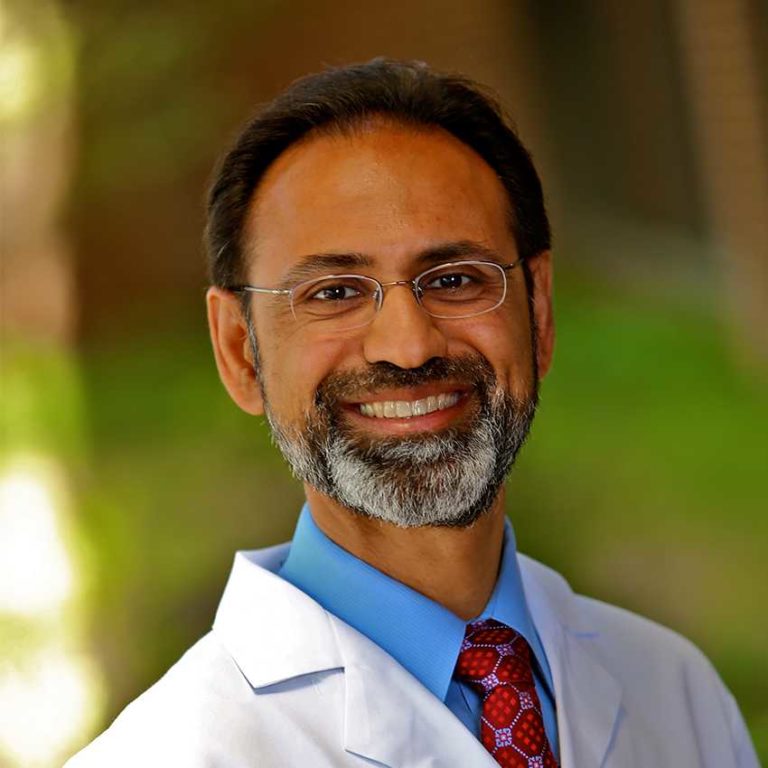
Naveed Khan, M.D., is board certified in obstetrics and gynecology and reproductive endocrinology and infertility. Dr. Khan has received several awards, including the Outstanding Chief Resident Award and Best Teaching Resident Recognition Award, both from the Lyndon B. Johnson Hospital, Department of OB/GYN, University of Texas, Houston Medical Center. He sees SGF patients at the Leesburg and Dulles-Aldie, Virginia, offices.

Schedule Appointment

To learn more about egg freezing or to schedule an appointment with Dr. Naveed Khan or any other SGF reproductive endocrinologist, please contact our New Patient Center at 1-877-971-7755 or complete our online form.

Filed Under: Treatment Tagged With: Egg freezing

February 22, 2018 by Shady Grove Fertility

It is an unfortunate reality that negative, scary headlines get readers’ attention, and it seems the number of negative headlines about egg donation have increased over the past several months. However, as the largest fertility center in the country, we think it’s important to correct some of the egg donation myths and misconceptions.

At Shady Grove Fertility, we have always focused on the egg donor and the recipient of the donor eggs as two independent patients to ensure they each receive the care they deserve. As a result, we have extensive procedures and protocols to ensure that egg donors are well-informed and well-prepared for their procedure.

Not only do egg donors receive information and preparation from our egg donor team, they are thoroughly screened to evaluate their fertility and receive U.S. Food and Drug Administration (FDA) genetic testing. Many donors express that they have benefited from the extensive medical testing that they receive, as it provides insights into their own fertility and health they would have otherwise been unaware of.

Egg Donation Myths

Many falsehoods are presented about egg donation under the guise of providing women with the information they may need to make a decision about donating to a family in need. Some of the common egg donation myths include:

  • Infertility is an unregulated field of medicine.
  • This is financially exploitative of vulnerable poor women by wealthy recipients and physicians.
  • There are major and frequent side effects of treatment.
  • There is off-label use of medications.

Egg Donation Myths: Infertility Regulations

Infertility is often regarded as one of the most regulated fields of medicine. In order to practice in this specialty, a physician has to complete a 4-year program in general obstetrics and gynecology and then proceed with a vigorous 3-year fellowship in reproductive endocrinology. These physicians then take a series of written and oral board examinations. There are less than 1,000 board certified reproductive endocrinologists in the country. Furthermore, all physicians go through extensive licensing requirements that are frequently updated.

Other infertility regulations include:

  • In vitro fertilization (IVF) practices are subject to many regulatory authorities that include the embryology laboratory being certified by the College of American Pathologists, the ambulatory surgical center certified by The Joint Commission, and the endocrine laboratories certified by the Clinical Laboratory Improvement Amendments (CLIA).
  • All of these organizations regularly inspect Shady Grove Fertility.
  • Shady Grove Fertility has membership in the Society for Assisted Reproductive Technology (SART)—whose mission it is to establish and maintain quality standards for assisted reproductive technology (ART)—and collaborates closely with the American Society for Reproductive Medicine.
  • Infertility is one of very few fields of medicine that is required to report the outcomes of procedures to the Centers for Disease Control and Prevention (CDC), including IVF and donor egg treatment.
  • In addition, the FDA regulates the selection and testing of egg donors. In the last 2 years we have had 14 inspections in the many offices we have in our region.

As a highly regulated field, patients—both egg donors and patients undergoing infertility treatment—can rely on our success rates and patient care protocols, and trust that they are in good hands.

Egg Donation Myths: Compensation

Egg donors are compensated for their time and efforts. The idea that egg donors can be paid up to $50,000 for one egg donation cycle (as stated in some of the more recent articles) is a falsehood.

Excessive compensation is frowned upon by almost every fertility practice in the country and most practices offer payment to a donor of between $5,000 and $10,000. Our program will not work with any egg donor from an agency who is paid more than $10,000, and the standard payment for Shady Grove Fertility egg donors is $8,000 maximum per cycle (donors are paid $7,000 for their first donation and earn more with each cycle, up to a lifetime six-cycle maximum), regardless of their characteristics or education.

There is no “average” egg donor at Shady Grove Fertility. Our donors come from all walks of life, with a wide range of educational backgrounds and professions, and also vary greatly in terms of physical traits. And no matter who the donor is, she will receive the same compensation.

Egg Donation Myths: Side-Effects and Research

There is frequent discussion about the studies of egg donors and if egg donation is really a safe choice.

Egg donation is a medical procedure, and there are potential complications as there are with any medical procedure. However, the rate of donors experiencing this type of side effect is extremely low.

In the past 10 years, we have had over 4,000 egg donations, and of those, six egg donors have had complications (a rate of 1 in 650) requiring 1 to 3 days of hospitalization—all of whom fully recovered.

Regarding the results of those 4,000 donations, over 5,000 pregnancies have been successfully achieved through the use of donated eggs thanks to our Shared Donor Egg Program, which allows donors to help up to three couples with a single donation.

Over the last 30 years, over 6 million babies have been born from over 20 million IVF cycles worldwide. In this extensive experience, no major long-term effects have been identified, despite many in-depth studies to evaluate the possibilities. About 30 percent of the women performed in vitro fertilization (IVF) due to a male fertility issue involving sperm—meaning the female had normal fertility as they did not have age- or egg-related fertility issues, and therefore had very similar profiles to egg donors.

It is implied that there are major and frequent side effects that donors are not privy to. In response to this criticism, Shady Grove Fertility conducted an extensive study of 400 egg donors that had performed treatment between 1999 and 2012. From the responses, we were able to analyze the motivations and understanding of the consent and egg donation process. We also asked whether they chose to donate multiple times and whether they would encourage family and friends to do it. Over 90 percent reported being very well informed and over 85 percent had done more than one cycle and would recommend family and friends to do it.

Egg Donation Myths: Safe Medications

A fourth criticism of egg donation is the off-label use of medication. On the surface this may sound like a concerning issue, but the reality is that FDA labels are typically restricted to a narrow use. The reality is that many drugs have a wider use; however, pharmaceutical companies are not motivated to go through additional FDA approval, which is extensive and will not be rewarded economically. The use of Lupron in infertility is a good example of this. Some articles highlight the fact that the side effects of Lupron include joint pain and osteoporosis. It is correct that, when used for greater than 6 months, osteoporosis may result. However, for both fertility patients and egg donors alike, Lupron is currently used for a single injection in egg donor cycles and in past years it was used for 10 days.

Shady Grove Fertility’s top priority is to be the guardian of our patients’ and donors’ health. Together with our patients, the collective goal is to create families, but this will never come at the expense of someone’s well-being.

SGF egg donors have helped build thousands of families in recent years, and qualified donors typically opt to donate at least twice.

Apply Today

If you would like to learn more about egg donation please call 1-877-Donate-Eggs.

Filed Under: Treatment Tagged With: Become an egg donor

February 14, 2018 by Shady Grove Fertility

Washington Post reporter, filmmaker, and patient of Shady Grove Fertility, takes us through an emotional journey in her quest to take charge of and be proactive about her fertility as she contemplates the important decision of, ‘should I freeze my eggs?’ Her story is captured through a short video docuseries that provides a heart-warming look at her very personable yet relatable journey of research, discovery, and soul-searching.


Dr. Kate Devine, Co-Director of Research and a reproductive endocrinologist at SGF’s K. Street location, is Nicole’s physician. Throughout the series Dr. Devine shares some very helpful information for any woman considering freezing her eggs, including a refresher on how a woman’s reproductive system works and what the ticking of our biological clock really means. “Because women are born with all the eggs they will have, many women think of egg freezing as a way to extend the biological clock, and in many ways that’s accurate,” says Dr. Devine.

As women age, their egg quantity will continue to decrease, and the quality will as well, which can impact one’s ability to conceive. “Chromosomal abnormalities exist when an egg has some other number than 23 chromosomes. If there is any other number, that is considered abnormal. Embryos that are abnormal will not implant or will result in a miscarriage,” adds Devine.

How do you know if you’re the right candidate to freeze your eggs?

In order for a woman to know if she is the right candidate for egg freezing, she will need to complete ovarian reserve testing, which will provide insights into her fertility potential. Nicole’s testing included a simple transvaginal ultrasound and bloodwork to measure various hormone levels. The transvaginal ultrasound counts the small resting (antral) follicles, which is a good predictor of the status of ovarian reserve. The bloodwork measures the FSH (follicle-stimulating hormone), which releases from the brain and stimulates the ovary to recruit and mature an egg. AMH (anti-Müllerian hormone) is the most accurate predictor of a woman’s egg supply. A higher AMH level would indicate a large amount of antral follicles and a strong ovarian reserve where as a lower value may show a decrease in the ovarian reserve.

Interpreting the Ovarian Reserve Testing Results

The results from ovarian reserve testing can help determine a treatment plan and if egg freezing is the right option. When women have a low ovarian reserve, this can often be due to advanced age but can sometimes happen for no known reason. “In Nicole’s situation, because her ovarian reserve was below average for someone 29 years of age, it would not be unreasonable for Nicole to consider preserving her fertility by freezing her eggs,” says Devine.

Making the Emotional Decision to Freeze My Eggs

Making the decision to freeze your eggs can be an emotional decision, but an empowering one. We’ve heard many women describe it as ‘giving a gift to myself.’ Having options in life is something that we all value. Egg freezing allows you to have the option of having a baby later in life, when you’re ready, without the pressure of a ticking biological clock. We make it possible and affordable to preserve your options for when you’re ready.

Making the Financial Decision to Freeze My Eggs

SGF understands the financial and time commitment involved in egg freezing, which is why we have dedicated financial programs designed exclusively for our patients to help make treatment affordable. Should a patient wish to freeze her eggs, there are two components of the total egg freezing cost: the cost of freezing eggs and the cost of using frozen eggs later to have a baby, should the need arise. The decision on how many eggs to freeze and how many cycles to pursue is entirely up to the patient, with guidance from her clinician. Egg freezing is often viewed as a ‘backup plan’ and not all women will need or use their frozen eggs. However, should you need or wish to use your frozen eggs, SGF has developed a 100% money-back guarantee program. Take home a baby or receive a 100% refund.

Does egg freezing really work?

SGF is one of the only fertility centers in the U.S. with published egg freezing pregnancy data from our own cases. In the February 2016 edition of the esteemed medical journal Fertility and Sterility, SGF’s research evaluated pregnancy rates of women who froze their eggs (for either elective or non-elective purposes). This is the largest study in the U.S. that provides pregnancy rates from frozen, non-donor eggs. With this new information, women have a better idea of what to expect from their egg freezing cycles in regard to the probability of taking home one or more children based on her age and number of mature frozen eggs.

What happens next?

Whether Nicole decides to freeze her eggs is a personal decision and one that will require her to weigh the pros and cons of moving forward with the process. We will check back with her this Spring to see what she decides.

Schedule an Appointment

A woman’s age is the single most important factor affecting fertility. Being proactive about your fertility will provide you with family building options for the future. The first step is to schedule an appointment with a SGF clinician to see if egg freezing is the right option for you.

Filed Under: Treatment Tagged With: Egg freezing

December 5, 2017 by Shady Grove Fertility

At the American Society of Reproductive Medicine 2017 Scientific Congress and Expo, physician-scientists at SGF presented findings from four different studies. One study that had significant insight was the use of progesterone during an FET cycle. This study demonstrated that vaginal progesterone replacement alone was less effective in helping to achieve ongoing pregnancy than cycles inclusive of injected progesterone for patients undergoing a frozen embryo transfers (FET).

Why did SGF conduct this study?

Shady Grove Fertility physicians witness first-hand the toll that intramuscular progesterone injections can take on their patients undergoing fertility treatments. “While many IVF centers across the world use vaginal progesterone for improved patient convenience and comfort, high quality data to evaluate the effectiveness of this treatment was not available,” says Dr. Kate Devine, the Co-Director of Research at Shady Grove Fertility and a key researcher on this study. “Therefore, SGF designed and implemented this study, which represents the largest prospective randomized control trial we have undertaken to date.”

The purpose of this three-armed study was to determine whether patients could achieve similar live birth rates without daily progesterone shots. The less painful, less invasive delivery methods researchers explored in this study were progesterone replacement via vaginal suppositories, as well as supplementation through the use of a combination of suppositories and injections.

Supplemental progesterone is used in many fertility treatment protocols, as its general function is to prepare the uterus for pregnancy. For this study, researchers focused on patients administering the hormone in preparation for an FET as well as to support early pregnancy following an FET.

How is progesterone used for an FET?

When women undergoing in vitro fertilization (IVF) receive a fresh embryo transfer immediately following follicle stimulation, their progesterone levels are naturally high. During a frozen embryo transfer, on the other hand, the patient’s follicles are not stimulated immediately before implantation and therefore progesterone levels are low. To improve chances of an ongoing pregnancy and live birth, physicians need to supplement progesterone for FET patients.

About the Study

Participants were placed randomly into one of three groups. The first group used only vaginal suppositories (Endometrin® 200 mg). The second group used only intramuscular injections (50 mg progesterone in oil), and the third group used vaginal suppositories (Endometrin® 200 mg) paired with an intramuscular injection every third day (50 mg progesterone in oil).

Based on the results, researchers discovered that the use of vaginal progesterone alone resulted in a one-third decrease in ongoing pregnancy rate.

What does this mean for patients?

These findings strongly suggested that vaginal progesterone alone is, in fact, inferior to the other two treatment arms that included progesterone injections. The original intent was to continue the study until data indicating how many live births each group had achieved was available, however, once it was demonstrated that vaginal progesterone alone yielded lower ongoing pregnany rates, investigators decided to discontinue this arm of the study.

Why research?

“The hope of the SGF investigators is that if the two continuing arms demonstrate equivalent live birth rates, the study will still result in an improved experience for patients undergoing FET, by providing the option of a protocol requiring two-thirds fewer injections,” comments Devine.

Research remains one of the key pillars at SGF. It is, after all, “the only way we can understand how to provide better treatment, improved care, and get more successful results,” says Kevin S. Richter, Ph.D., Co-Director of Research for Shady Grove Fertility.

Dr. Devine echoes these sentiments, saying, “We take research as a responsibility, given our size and the amount of data that we generate, to use this data to provide better treatment for our patients.”

Schedule an Appointment

 To learn more about this study, or to schedule an appointment with one of our physicians, click to schedule an appointment  or call our New Patient Center at 888-971-7755.

Filed Under: Treatment

  • « Go to Previous Page
  • Page 1
  • Interim pages omitted …
  • Page 13
  • Page 14
  • Page 15
  • Page 16
  • Page 17
  • Interim pages omitted …
  • Page 46
  • Go to Next Page »

Company

  • About SGF
  • About US Fertility
  • Our Doctors
  • Fertility Equity
  • Careers
  • Newsroom
  • SGF College Scholarship
  • Contact Us
  • Voice Your Feedback

Treatments

  • Egg Freezing
  • Intrauterine Insemination (IUI)
  • In Vitro Fertilization (IVF)
  • Frozen Embryo Transfer (FET)
  • LGBTQIA+ Family Building
  • Shared Risk 100% Refund Program
  • All Treatments

Resources

  • Patient Portal
  • Online Bill Pay
  • Library
  • Support Groups & Events

Locations

  • California
  • Colorado
  • Delaware
  • Florida
  • Georgia
  • Maryland
  • North Carolina
  • Pennsylvania
  • Texas
  • Virginia
  • Washington, D.C.

2026 Shady Grove Fertility

  • Policies & Notices
Also of interest
  • In Vitro Fertilization IVF
  • Fertility Tests
  • Research Publications