• Skip to primary navigation
  • Skip to main content
  • Skip to footer
Shady Grove Fertility
  • Become an Egg Donor
  • Referring Physicians
  • 1-888-761-1967
  • Schedule Appointment
  • Get Started
        • Get Started
          • Causes of Infertility
          • Fertility Tests
          • When to Seek Help
          • Find a Doctor
          • Preconception and prenatal vitamins 
          • Schedule an Appointment
        • Personalized Care For
          • Single Parents
          • LGBTQIA+ Family Building
          • People with Cancer
          • Known Genetic Diseases
          • Egg Donors
  • Treatments
        • Fertility
          • Timed Intercourse
          • Ovulation Induction
          • Intrauterine Insemination (IUI)
          • In Vitro Fertilization (IVF)
          • Frozen Embryo Transfer (FET)
        • Donation & Surrogacy
          • Donor Sperm
          • Donor Egg
          • Donor Embryo
          • Gestational Carrier
          • LGBTQIA+ Family Building
          • Single Parents
          • Find a Donor
        • More Treatments
          • Center for Male Fertility
          • Egg Freezing
          • OncoFertility
          • Preimplantation Genetic Testing
          • MIGS
          • All Fertility Treatments
  • Resources
    • Resource Library
    • Events Calendar
    • Patient Stories
    • Mental Health
    • Wellness Center
  • Insurance & Savings
    • Insurance & Benefits
    • Shared Risk 100% Refund Program
    • 100% Refund for Donor Egg
    • Discounts
    • Egg Freezing Costs
    • Financing & Grants
    • Clinical Trials
  • About
    • Find a Doctor
    • About SGF
    • Our Care Team
    • Advanced Practice Providers
    • Fertility Equity
    • Philanthropy
    • Newsroom
    • Careers
    • Contact Us
    • Voice Your Feedback
  • Locations
        • Find a Location
        • California
        • Colorado
        • Delaware
        • Florida
        • Georgia
        • Maryland
        • North Carolina
        • Pennsylvania
        • Texas
        • Virginia
        • Washington, D.C.
        • Chile
        • International & Out of State
        • SGF at Walter Reed National Military Medical Center
  • Patient Hub
    • Online Bill Pay
    • Patient Forms
    • Patient Portal
  • Call your care team
  • Become an egg donor
  • Referring physicians
  • search-icon
  • Schedule appointment 1-888-761-1967

Home / General / Page 9

General

April 27, 2021 by Shady Grove Fertility

Shady Grove Fertility nurses Karen Calabrese, R.N. and Elizabeth Zapp, R.N. discuss some of the common questions patients ask about the 2-week wait.

The 2-week wait before you have your beta (pregnancy test) can seem like an eternity. Each day seems longer than the last, and the question “Am I pregnant?” goes through your mind hundreds of times a day. One becomes hyper-aware of your body’s every sensation. We all sympathize and wish there was some medical way to make the time shorter or easier for you. We’ve gathered some commonly asked questions, gave our nurse educators the opportunity to answer them, and shared them with you in hopes that it helps during this important time.

What is the 2-week wait?

The 2-week wait is the period of time between the end of your fertility treatment cycle and beta hCG blood test—the test that determines whether or not you’re pregnant. It takes about 2 weeks from the time a fertilized egg implants in the uterine wall to start emitting enough of the hormone hCG (human chorionic gonadotropin) to be detected by a blood test. We sometimes call the test a “beta” because the test actually measures a beta chain portion of the hCG hormone molecule and is officially named a beta HCG test.

Can I take a home pregnancy test to see if I’m pregnant before my beta?

We recommend that you refrain from performing a home pregnancy test as they can render false results, either a false negative or false positive. A false positive result may be due to the fact that in many of our treatments, hCG, the same hormone that measures pregnancy, is given to “trigger” ovulation in many of our patients. Traces of the administered hCG can still be in your bloodstream and detectable by a test, even if implantation has not occurred.

A false negative might occur as a low level of hCG may be undetectable in a urine test despite a pregnancy starting, as home pregnancy tests are less sensitive than the blood hormone tests we use.

On average, about 2 weeks following your intrauterine insemination (IUI) or embryo transfer you will come back to our office for your pregnancy test. This test is done by blood draw and measures the hCG levels produced by the developing embryo. The most reliable pregnancy test is the blood test we perform in our offices.

What is happening to my body during the 2-week wait?

During this time, you may feel as if you are about to start your period. Your body has been through a lot and the medications you’re taking are designed to promote the optimal environment for pregnancy. You may experience some cramping, spotting or light bleeding, abdominal bloating, fatigue, and breast tenderness. While you may be slightly alarmed to experience some of these symptoms, they are normal and do not signify that you are or are not pregnant.

Please note, if after your treatment you feel excessive bloating, shortness of breath, chest pain, or lower abdominal pains, you may have ovarian hyperstimulation and should call your clinical team immediately.

Will I be taking medications during this time?

Yes. Most patients need to continue to take progesterone supplements in order to produce the same levels of hormones that would occur in early stages of pregnancy.

While most patients will supplement their progesterone via pill or vaginal insert, patients who are using donor egg or frozen embryos will use the injectable form of progesterone for their cycles.

Additionally, patients who undergo in vitro fertilization (IVF), donor egg, or frozen embryo transfers may also be prescribed estrogen supplements to help thicken and maintain the uterine lining.

Please do not stop taking these medications until you have been advised by your medical team to do so.

Can I continue my normal day-to-day activities during the 2-week wait?

We tell all of our patients to be cautious during their first 5 days after their treatment. We recommend that you refrain from strenuous physical activities as well as sexual activities during that time as they may cause uterine contractions that might impair the implantation process. There is also a greater risk during that time of ovarian issues arising since, for many patients, the ovaries are still slightly enlarged at that point.

After those first few days, you can start light aerobic activities such as yoga, swimming, moderate walking, and lightweight training on a stairmaster or elliptical trainer. Activities that can get your heart rate up, but are not demanding, are suggested rather than high-impact activities such as jogging or aerobics.

Do I need to adjust my diet during this time?

No special diet is required, but we recommend that you start making nutritional choices as if you’re already pregnant. This means eating well-balanced meals, no sushi or other raw or undercooked meats, avoiding high-mercury fish and soft cheeses, no alcohol, and continuing to take a preconception supplement.

  • Learn about the difference between preconception and prenatal vitamins.

Can I travel during the 2-week wait (or thereafter if pregnant)?

We prefer that patients avoid traveling for the first few days post-treatment, primarily so that you are close to our center for the examination should any problems develop. This also is true during and following the time of your pregnancy testing and ultrasound. Early pregnancy complications such as hyperstimulation, bleeding, or pain can occur and we would want you near your team for care. In addition, the rigors of travel, time zone changes, luggage, etc. leave you vulnerable to complications. Before you schedule travel during this period of time, check with your nurse and team to see what is advised.

If I am pregnant, how do you ‘count’ how far along we are?

As soon as it is determined that you are pregnant, we revert to the obstetrical counting/dating system. This is done to avoid using one set of dates from the time of an IUI or IVF versus another set of dates used by obstetricians. The OB doctors determine pregnancy dating to be from the last menstrual period, at least 2 weeks prior to ovulation. Obviously, we often know more about when ovulation may have occurred than they usually do, but for convention, we add 2 weeks to our dates to conform with the OB. As an example, if we know when ovulation was triggered and an IUI or IVF was performed, your beta might be 2 weeks thereafter. If it is positive, the OB would say you are 4 weeks pregnant, not 2, and therefore we do, too.

What are my next steps if I’m not pregnant?

If you are not pregnant, your nurse will advise you to stop your medications. You will have the opportunity to talk with your physician to review the past cycle and make a decision together about your next steps.

How long after a failed cycle can I do another cycle?

While your physician will determine the timing of a new cycle, it’s not always necessary to take time off between cycles unless otherwise directed. Many of our patients are able to begin their next treatment cycle immediately. For others, a cycle of rest may be recommended.

We know that these 2 weeks can be a very stressful time. Visit the SGF Facebook page if you’re looking for ways to help pass the time and get support from patients who understand what you are going through. If you have any questions, please don’t hesitate to call your nurse.

Reviewed and Updated: 2/21/2019
Filed Under: General

April 27, 2021 by Shady Grove Fertility

Sometimes it seems like trying to get pregnant is all about waiting. You’re waiting for your ovulation predictor kit to tell you it’s time to have sex. You’re waiting for the first possible day you can take a pregnancy test. Then, you’re waiting on the edge of your seats for the results.

Most women trying to conceive, whether it be naturally or with the aid of fertility treatment, have taken a pregnancy test at some point. Regardless of the method, be it a home pregnancy test or through a blood test at the fertility center, almost every woman is on pins and needles while waiting to learn when there are going to be a mother.

In the fertility world, the time between a pregnancy attempt and a pregnancy test is commonly called the ‘two week wait’. Why so long before testing? “The reason women should not take home pregnancy test until two weeks after possible conception is because several days are required for a fertilized egg to implant in the uterus and start emitting enough hormones to be detected by a pregnancy test.” explains Dr. Eric Levens, reproductive endocrinologist at Shady Grove Fertility’s Fairfax, VA office.

During the two weeks wait: your body

The best way to make decisions about what kinds of things to do and not do during this time is to act as if you’re already pregnant….because you may be.

In terms of nutritional choices, that means eating a well-balanced diet, avoiding foods that are not recommended during pregnancy like raw fish and soft cheeses and taking a preconception supplement daily. Avoid alcohol and caffeine as well as over-the-counter drugs that are not recommended during pregnancy.

In terms of physical activities, it’s a good idea to take it easy and try to be restful and relaxed. “Some of the recommendations we give fertility patients about physical activity could also be helpful to women trying on their own.” says Levens.

For example, we suggest that patients take it easy for three or four days after an insemination or embryo transfer to allow the embryo the best chance for implanting in the uterus. They can go back to work and lead their normal lives but strenuous exercise, chores and even sex should be avoided. Anything that causes uterine contractions could affect the implantation process.

After those few days, patients can go back to light aerobic activities like yoga, swimming or walking. It’s alright to get the heart rate up; they just need to avoid high impact activities like running.

“We also tell fertility patients that it’s best to avoid travel during the two week wait so that they’ll be near their doctor should any complications, like bleeding, arise.” says Levens. Also, many aspects of travel, such as time zone changes and carrying luggage, can stress a woman’s mind and body. If they have to travel, we ask patients to check with their medical team about what kinds of precautions they can take.

One recommendation specific to fertility patients is 24 hours of “couch rest” after an embryo transfer. Fertility patients are asked to take the day off, put their feet up and rest as much as possible the day after this procedure like an embryo transfer.

Fertility patients also continue to take medications throughout the two week wait to support the uterine lining and the development of the embryo.

During the two week wait: your mind

Probably the hardest thing about the two week wait is the hamster wheel your mind seems to be on – the endless stream of “what ifs” and the hyper alertness to every sensation in your body. This is where we could all use some real support and strategies for coping.

Here are some tips you can use to calm your mind:

  • Visit the Shady Grove Fertility Facebook page to get support and tips for passing the time from others who have been through it.
  • Try not to obsess about symptoms. Don’t spend all day online reading articles and chatboards about pregnancy symptoms. The hormones surrounding pregnancy attempts can produce feelings in your body that can be confusing – either making you think you are or aren’t pregnant. It’s impossible to divine the answer with intuition, so just resign yourself to waiting for the test results.
  • Treat yourself by spending time doing the things you enjoy the most: preparing a nice meal, going to the movies or curling up with a good book.
  • Try deep breathing as a calming technique. A few minutes of intentional breathing with your eyes closed can really lower your stress level and clear your mind.
  • Use positive thinking. If you’re anxious and, especially if you’ve been trying to get pregnant for a while, you may be having negative thoughts, like “The results are going to be negative. I’m never going to get pregnant.” When you hear yourself saying or thinking these kinds of things, try re-stating them as positive or neutral statements such as, “I don’t know the outcome yet, but I’ve done all I can to make it happen.”
  • Plan for the day you’ll get the results and for the days after. Knowing what comes next after either a negative or positive can help you avoid anxiety in the aftermath of your results.

The key thing is to remind yourself that you can’t control the outcome. You’ve done everything you can to make it happen, and now you just have to let go and let nature take its course.

The Pregnancy Test

“Both home pregnancy tests (HPTs) and pregnancy tests done at a lab measure the amount of human chorionic gonadotropin (hCG) being made by the developing embryo.” says Dr. Eric Levens. The home pregnancy test uses urine while the lab test uses blood. Home pregnancy tests work well when they are used on the right day, but the results of the blood test are always more accurate.

If you use a home pregnancy test, be sure to read all the instructions and try to use morning urine, which will be the most concentrated. HPTs usually tell consumers how accurate they are depending on the day you use them. For example, four days before the first day of your missed period, the HPT may only be 45% accurate.

The blood pregnancy test is frequently called a “beta.” That’s because the test actually measures a beta chain portion of the hCG hormone molecule and is officially named a “beta hCG” test.

Whereas a home pregnancy test only tells you positive or negative, a beta hCG test provides the level of hCG in the blood. This level is important to checking the growth of the embryo.

Fertility patients are advised not to use home pregnancy tests and to wait for the date they can have a beta test done. Home pregnancy tests can render false results for fertility patients, either negative or positive. A false positive can be the result of the fact that in many fertility treatments, hCG is given to “trigger” ovulation and may remain in the blood. A false negative might occur because a low level of hCG may be undetectable in a urine test despite a pregnancy starting.

When the test is positive

For women trying on their own, a positive home pregnancy test should be followed by a lab-drawn beta test ordered by their ob/gyn. Once the pregnancy is confirmed by the blood test, they should start regular obstetrics care with their doctor.

For fertility patients, the process happens under the care of their fertility specialist. “If the first beta test is positive, it will be repeated in 2 to 3 days. A blood hCG level over 100 is a good first result but many, many ongoing pregnancies start out with a beta hCG level below that number. Many people wrongly believe a high beta level means a multiple pregnancy, but a multiple pregnancy can only be confirmed by ultrasound.

We are looking for the level of hCG to increase 66% percent or more during that time. If it does, another beta will be ordered for 2-3 days later and the number should increase by 66% or more again. If all three betas indicate a pregnancy, then a vaginal ultrasound will be scheduled between the 6-8week mark of the pregnancy.” explains Dr Levens “At that time, we will be looking for a heartbeat and a gestational sac to confirm the pregnancy.”

“Most patients will continue to take hormone medications throughout this 8-week period to support the developing pregnancy.” says Dr. Levens. Generally your medical team will advise you individually on the duration of continuing medications. At the end of 8 weeks, the patient will be released back to her ob/gyn to begin normal prenatal care.

If the results are negative

When a woman gets a negative result on any pregnancy test, it’s disappointing. Often she wants to know how soon she can try again. In many cases, there is no need to wait and she can try again on her next cycle.

Fertility patients are instructed to stop their medications and consult with their care team. At this time patients can discuss what happened during their failed cycle and make a plan for their next steps. Try to stay positive and keep moving forward on your treatment plan, you are stronger than you think.

Even with fertility treatments such as IUI treatment, it’s usually not necessary to take time off. Most couples can start another cycle right away. IVF treatment, however, may require a slightly longer wait before starting another treatment cycle to allow the patient and physician to get ready for the next cycle. This period of time is usually a month or two.

Don’t wait too long before getting the help you need

Shady Grove Fertility’s physicians are committed to helping you conceive in the most efficient and cost-effective way possible.

When to seek help from an infertility specialist:

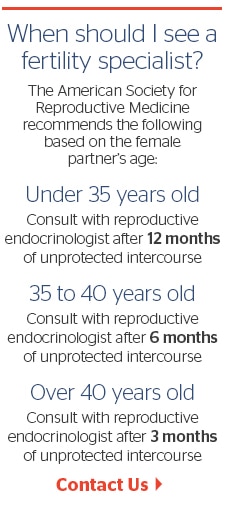
  • Under 35 with regular cycles, unprotected intercourse and no pregnancy after 1 year
  • 35 to 39 with regular cycles, unprotected intercourse and no pregnancy after 6 months
  • 40 or over with regular cycles, unprotected intercourse, more immediate evaluation and treatment are warranted

A patient who’s been unsuccessful after several cycles of the same treatment should speak with their physician about considering a more advanced form of fertility treatment.

Schedule an Appointment

If you are having trouble conceiving and would like to schedule an appointment, please speak with our New Patient Center by calling 1.888.761.1967 or complete this brief online form.

Filed Under: General

April 27, 2021 by Shady Grove Fertility

Over the past year, studies have emerged, and our own experience has confirmed, that anti-Müllerian hormone (AMH) testing is the best and most accurate predictor of a woman’s remaining ovarian reserve (the number of eggs remaining in the ovaries). As a result, the anti-Müllerian hormone test has become a standard of care at Shady Grove Fertility and a standard test used to determine a woman’s fertility.

Currently, there are several studies on AMH that are advancing our knowledge of its role in fertility. Some specific areas of research include: investigating AMH and its effects on ovarian responsiveness, using AMH in predicting treatment success, and correlating AMH levels in predicting the occurrence of menopause.

AMH & what it reveals about a woman’s fertility

What is AMH?
Anti-Müllerian hormone (AMH) is a hormone produced by the small immature follicles within the ovary. The AMH level is indicative of the size of the pool of follicles that remain. Therefore, in conditions where there are many immature follicles, the AMH level is high. As a woman grows older, and the pool of eggs decreases, the AMH level declines. Therefore, by the time a woman reaches menopause, AMH is undetectable.

How will be physician test my AMH level?
Your physician will measure your AMH level using a simple blood test. The level of AMH is fairly constant throughout a woman’s menstrual cycle; therefore, a big advantage of AMH is that your physician can measure it anytime during your cycle.

What does my AMH level reveal?
AMH blood levels are thought to reflect the size of the remaining egg supply; therefore, AMH is an early and reliable detector of ovarian function and your physician will use it to help predict how you will respond to fertility treatments or if egg freezing is a viable option.

AMH is usually the earliest indicator of a diminished ovarian reserve and reduced AMH levels can indicate a problem before an increase in baseline FSH is seen. Since AMH is one of the better predictors of ovarian reserve, physicians also use it to determine if egg freezing is a viable option. Your physician may order an AMH test in conjunction with FSH, estradiol, and an antral follicle count to give a more comprehensive evaluation of the quantity of your remaining eggs.

How do the results of my AMH level impact treatment?
Your physician will use AMH to evaluate not only a potential low response to stimulation medication, as is seen in patients with a decreased ovarian reserve, but also a possible over-response. AMH is a better predictor of an excessive response than a woman’s age, body mass index, or FSH level. Should a patient have a known high AMH level, the physician will tailor the stimulation protocol accordingly to allow for the best outcomes.

Can I test my AMH if I am on a contraceptive?
In a recent study, researchers found that women using continuous combined contraceptives, regardless of the route of administration (oral contraceptive pills, skin patches, or vaginal), had significantly lower AMH levels. Therefore, we would schedule this test on day 3 of your menstrual cycle and monitor which birth control you are taking, as some have a stronger impact on the AMH level than others.

What medical conditions affect an AMH level?
Women with polycystic ovary syndrome (PCOS) have a higher number of early antral follicles resulting in higher baseline AMH levels. Your physician may correlate your AMH levels to PCOS severity, as AMH tends to be higher in women with insulin-resistant PCOS.

Where can I have my AMH tested?
Your primary care physician, OB/GYN, or reproductive endocrinologist can order AMH testing as part of egg freezing testing. Due to AMH’s ability to identify a diminished ovarian reserve—even better than FSH—test results can give providers information earlier regarding a potentially serious fertility problem.

Filed Under: General

March 30, 2021 by Shady Grove Fertility

Medical contribution by Naveed Khan, M.D.

Naveed Khan, M.D., is board certified in obstetrics and gynecology and reproductive endocrinology and infertility. Dr. Khan has received several awards, including the Outstanding Chief Resident Award and Best Teaching Resident Recognition Award, both from the Lyndon B. Johnson Hospital, Department of OB/GYN, University of Texas, Houston Medical Center. He sees SGF patients at the Leesburg and Dulles-Aldie, Virginia, offices.

WARNING: Before you waste money on OTC test, you can get comprehensive answers from a fertility specialist—often at no cost.

In recent years, several at-home versions of common fertility diagnostic tests have been made available over-the-counter. These tests offer patients an affordable and convenient means to check their fertility at home. While there are some instances when these tests might be valuable, consumers should understand that an at-home test is not intended to replace the accurate testing conducted by your physician. “As we see more at-home testing options on the market, we’re concerned that patients may waste valuable time relying on at-home tests that may provide inaccurate or incomplete information,” explains Naveed Khan, M.D.

To help couples understand when at-home fertility testing is valuable versus when you should see your physician, Dr. Khan has explained the three different over-the-counter testing options.

At-home fertility test for female infertility: FSH tests

What does an FSH test look for?
An at-home follicle-stimulating hormone (FSH) test aims to tell users the status of their ovarian reserve, or the number of eggs remaining in the ovaries. FSH is secreted by the pituitary gland and stimulates the resting follicles inside the ovaries to develop and mature an egg for ovulation. Similar to your physician’s office, over-the-counter tests look at FSH levels on the third day of the menstrual cycle. If there is a healthy supply of follicles, the brain will not have to work as hard to recruit them, which results in a low FSH level. If you have fewer follicles, the brain will overcompensate, excreting higher levels of FSH in an effort to recruit the follicle.

Generally, how is an at-home FSH test administered?
Most at-home FSH tests are very similar to pregnancy tests administered at home. For easy testing, use a small cup to collect urine from the first urination of the day. Then dip the testing stick into the urine sample and place on a flat surface while the test results register. Depending on the test, this can take as long as 30 to 45 minutes. See the instructions paired with your at-home test for the best results.

Timing with this test is very important: all FSH testing—whether completed at home or with a physician—is to be completed on the third day of the menstrual cycle. The first day of full flow bleeding before 3:00 p.m. is considered to be day 1.

How does an FSH at-home fertility test provide an assessment?
The test evaluates the FSH levels found in the urine, returning a result of normal or elevated. If the test results are found to be elevated, it could indicate a potential decrease in ovarian function.

Are the results accurate?

  • The results provide a general range as opposed to the specific number that a physician is able to obtain from a standard blood test. This range does not take into consideration your age, which has a big impact when determining the effect a higher value will have on your ability to conceive.
  • FSH levels can vary from month to month, making it possible to be given a false or unreliable result. If a woman with a high FSH level takes an at-home FSH test in a month when the FSH level is skewing low, the results may appear normal. When looking at FSH, a physician would also order tests evaluating the antral follicle count (AFC), estradiol (E2), and anti-Müllerian hormone (AMH) levels. These tests, used in conjunction with FSH, offer a true look into the status of the ovarian reserve.
  • At-home FSH tests are not accurate when taken while on a hormonal contraceptive like birth control pills. It is suggested to stop any hormonal contraception for at least 60 days prior to using an at-home FSH test.
  • While this test does provide some insight into potential ovarian reserve, it does not evaluate the numerous other causes of female infertility, ranging from ovulatory disorders to fallopian tube blockages.

At-home fertility test for female infertility: ovulation predictor kits

What does an ovulation predictor kit look for?
After an egg is developed and matured, a surge in luteinizing hormone (LH)—released by the pituitary gland—causes the follicle to break open, releasing the mature egg into the fallopian tube. This process is known as ovulation. Determining the exact time of ovulation, especially for women with irregular cycles, can help take the guesswork out of knowing the best time to conceive. For this reason, ovulation predictor kits (OPK) can be very helpful. For many patients, ovulation predictor kits start out as a timing tool, but if ovulation never comes, they can quickly turn it into a home diagnostic test, potentially indicating an ovulatory disorder such as polycystic ovary syndrome (PCOS).

Generally, how is an at-home ovulation predictor test administered?
This test is also similar to a pregnancy test administered at home, meaning it uses hormone levels found in urine to determine the outcome. Collect a small amount of urine, then dip the testing stick into the sample and place on a flat surface while the test results appear. Depending on the test, this usually takes only a few minutes. There are several factors that can impact your test results, so consider these when testing:

  • First urine sample of the day is not necessary when taking the test, but since this test will likely be repeated for several days, it is suggested to administer the test at the same time each day.
  • An excess intake of water and fluids can dilute the LH level found in the urine; try to limit the intake of fluid a few hours prior to taking the test.

For best results, see the instructions paired with your test.

Determining when to start taking ovulation predictor tests is an important part of the test. Generally, it is advised to identify the average length of your cycle to time the appropriate day to initiate testing. If your cycle is irregular, finding the right time to start can be difficult. Many OPKs would advise users to start using the test strips around day 9 of your cycle, considering day 1 to be the first day of full menstrual flow. Consult your test for a chart that can help to identify the most ideal time to start testing for ovulation.

How does the at-home fertility test provide an assessment?
The test looks for above normal levels of LH in the user’s urine. Once an elevated level is determined, the test will yield a positive reading. This suggests that the user is close to ovulation and should plan intercourse within the next 24 to 48 hours to increase the chances of conception.

Are the results accurate?

  • Patients currently taking Clomid can use ovulation predictor kits, but keep in mind that Clomid can affect the length of your cycle, and as a result, you will likely need to take several more days of tests before the LH surge will occur.
  • The length of time from the start of a detectable LH surge to the descent of the spike can occur within a 24 hour period, making it possible to have a LH surge between tests. It may appear that the surge prior to ovulation never occurred, when it reality it has, leading to inaccurate results and poor timing of intercourse.
  • Women with PCOS can have difficulty with OPKs for many reasons. Increased androgens, or male sex hormones, can cause the time between periods to be longer than normal, or periods and ovulation to not occur at all. As a result, women that don’t realize they have PCOS could find OPKs a costly test requiring significantly more testing strips than a woman with a normal cycle. Another reason why women with PCOS may have difficulty with OPKs is because they often have consistently elevated LH levels, possibly indicating ovulation when it really is not occurring. Consistently “positive” results would indicate that OPKs might not work for you, and a conversation with your OB/GYN would be a logical next step.

At-home fertility test for male infertility: semen analysis

What does a semen analysis look for?
A surprising 40 to 50 percent of all infertility cases are caused by male factor infertility. Luckily, the evaluation for male factor infertility is one of the easiest tests to complete in the entire infertility work-up. A comprehensive semen analysis evaluates the quantity and quality of the male partner’s sperm, specifically looking at factors including sperm count, morphology (size and shape), and motility (the number moving in a forward progression). Semen analysis results that fall below the 2010 World Health Organization (WHO) standards indicate male factor infertility.

Generally, how is an at-home semen analysis test administered?
Semen testing at home starts with the collection of a semen sample, preferably via masturbation. Allowing the semen sample to sit for 20 minutes allows for the sample to thin, making administration of the test easier. At-home tests call for a small amount of semen to be drawn up into a syringe and then ejected into a “well” on the test. Several minutes later, the answers will register on the test. This test is slightly more involved than a urine based test, so for this reason, it is important to carefully read the instructions provided with your test.

While this test can be completed at any point in the month, abstaining from ejaculation for 2 to 5 days prior to the test is necessary for the best results.

How does the at-home fertility test work?
At-home semen analysis kits determine the number of sperm in the ejaculate by testing the level of SP-10— a protein compound found on the surface of the head of a sperm cell—found in the sample. . The greater the concentration of SP-10, the greater the number of sperm in the sample, with an excess of 20 million yielding a positive result. Low levels of SP-10 return a negative result, indicating a sperm count of less than 20 million.

Are the results accurate?

  • At-home tests provide insight into the number or quantity of sperm count, however they do not evaluate the quality. While a sample may have over 20 million sperm—indicating a suitable count—if the sperm are not normally shaped or moving in a forward progression, they will likely be unable to fertilize an egg, resulting in male factor infertility.
  • A reliable and accurate semen count is only available when performed in a laboratory by a trained andrologist that counts the individual sperm from a portion of the sample.

Is at-home fertility testing a viable option?

“There are some cases when at-home fertility testing can be insightful, but they should not be considered a replacement for the tests traditionally completed at your doctor’s office,” explains Dr. Khan. The results from fertility testing administered at home should never trump the standard America Society for Reproductive Medicine (ASRM) recommendations for when to seek a complete infertility work-up. For example, even if fertility tests completed at home do not indicate a potential problem, a complete evaluation with a physician should not be delayed. If a woman under the age of 35 hasn’t conceived after 1 year of unprotected intercourse, or 35 years and older after 6 months, she should consult with a fertility specialist. A comprehensive fertility evaluation can only be completed by a physician, usually a reproductive endocrinologist.

For couples that have been trying to conceive for less than the recommended ASRM timeframe, testing their fertility at home can be helpful for many reasons explains Dr. Khan. “For the couple that has been trying to conceive for 6 months but expected pregnancy to occur within the first 3, taking an at-home fertility test may help to put their minds at ease.” He goes on to explain, “The human reproductive system is not efficient. Women have about a 20 percent chance of conception each month, so it might take a little longer than expected.”

At-home fertility tests can also help patients if they return unexpected results, like a high FSH level, ovulation that never occurs, or a low sperm count. It is likely that without the at-home tests, the couple would have waited several months before realizing there was ever a problem. Unexpected results from an at-home fertility test warrant a conversation with their OB/GYN or fertility specialist. The reality is, these tests are not 100 percent accurate, but it’s better to be safe than sorry.

With at-home fertility testing becoming more widely available over-the-counter, we recognize that many people are going to try them. If these tests are used as per our suggested guidelines, they can help put couples at ease or alert them earlier to a problem they wouldn’t have known existed. If infertility persists and conception does not occur within the ASRM recommended time frame, it is important to schedule a full infertility evaluation with a fertility specialist.

Looking for more information on diagnosing infertility, fertility testing and how to get started?

Editor’s note: This blog was originally published in August 2015, and has been updated for accuracy and comprehensiveness as of February 2021.

Schedule an Appointment

To schedule a virtual consultation with an SGF physician, please call our New Patient Center at 1-888-761-1967 or submit this brief form.

Filed Under: General

January 22, 2021 by Shady Grove Fertility

Medical contribution by Anish A. Shah, M.D., MHS

Anish Shah, M.D., MHS, is board certified in obstetrics and gynecology and reproductive endocrinology and infertility. Dr. Shah sees SGF patients at our Stony Point and Henrico locations in Richmond, VA.

If you’ve begun the process to evaluate the cause of your infertility, no doubt you are concerned about the testing that will be required. In particular, the HSG may be the test you are most dreading. Possibly, well-intended friends and family have shared their experiences in crisp detail. You’ve gone to Google for reassurance only to stumble upon blogs from other patients who have not had a good experience and are all too happy to discuss and embellish it. Unfortunately, now you are more anxious than before.

What is the HSG?

The Hysterosalpingogram (HSG) is performed routinely for patients having difficulty conceiving because it is an excellent test not only to see if a patient’s Fallopian tubes are open, but to assess whether the uterus has normal shape and make sure the cavity is not affected by fibroids, polyps or scar tissue. More recently, a large study from the Netherlands published in 2017 in the New England Journal of Medicine studied 1,000 women with unexplained infertility who underwent HSG.  It found that HSG improved pregnancy rates after doing the HSG possibly by flushing debris from the Fallopian tubes.  When doing an HSG, a liquid called contrast is injected into the uterus. Contrast is different from dye in that dye is a colored substance that cannot be picked up on x-rays, whereas contrast can be seen on x-rays. Contrast can also be oil-based or water-based.  The study found 38% higher subsequent live birth rate in the oil-based group and 28% higher subsequent live birth rate in the water-based group.  This was the first time it has been proven that the water-based contrast improved live birth rates.   This finding is even more significant for you to know because in the United States, we cannot use oil-based contrast because of the risk of having spontaneous severe allergic reaction leading to death.  Hence, oil-based contrast is banned by the FDA.

The HSG requires the assistance of a certain type of x-ray called a fluoroscopy. At Shady Grove Fertility, we have an x-ray room dedicated to these procedures. We also perform these procedures at our hospital x-ray facilities. It may sound complicated, but it is actually a very simple and often quick test that provides valuable information in a matter of a few minutes or less. And the best part? It rarely causes the discomfort you might expect.

What to expect during the HSG

A speculum is inserted into the vagina, similar to getting your annual pap smear. The cervix is cleansed with an antiseptic solution, and a small flexible catheter (much thinner than a coffee stirrer) is inserted through the opening of your cervix and into the uterine cavity. A small amount of contrast is passed through the catheter, filling the uterine cavity and then filling the Fallopian tubes. Fluoroscopy is a “live” x-ray that allows us to watch as the contrast is traveling through the tubes. The tubes are considered open when spillage of contrast occurs at the end of the Fallopian tubes. This means that the contrast has escaped the tube and thus your Fallopian tube should be able to “pick up” your ovulated egg. Often, this takes less than a minute, with less than 3 tsp of contrast. The amount of x-ray exposure is similar to the amount you receive from a dental x-ray.  This procedure is not toxic to the ovaries or any other organs along with your overall health.

Related Content: Hysterosalpingogram (HSG): What To Expect

Even though this may be a step that patients dread, we often will tell the patients prior to the procedure they will be “pleasantly surprised”. The contrast is gently infused into the cavity and although some cramping may occur as the uterine cavity distends with this fluid, it is usually less than menstrual cramping. At Shady Grove, we use a special “low pressure catheter”, that most HSG facilities do not use, that results in significantly lower discomfort from the procedure compared to many other practices.  This unique system distinguishes us from other places and is another reason people do not feel the discomforts others complain about in the Internet.

We’ve found that the patients who comment on intense cramping usually do so because of tubal blockage. If the contrast cannot pass through the Fallopian tube, there is increased pressure at the point of the blockage. By the time a patient expresses discomfort, we’ve recognized the problem, the catheter is removed and there is immediate relief. Again, all of this takes a minute or less. And to reduce the cramping, it is our practice at SGF to advise Ibuprofen or similar over the counter non-steroidal anti-inflammatory product 1 hour prior to the procedure on a full stomach.

Are there any complications with HSGs?

Complications are exceptionally rare. We advise our patients to refrain from intercourse for 24 hours after the procedure to avoid infection. No antibiotic is recommended prior to the procedure.  However, if a Fallopian tube is seen to be enlarged and/or blocked or the contrast is seen abnormally absorbed, we will prescribe antibiotics to avoid infection. Rarely, less than 1%, people can develop a severe pelvic infection after the procedure.  Any fevers post-procedure, you must let your doctor know immediately. Occasionally, patients will experience spotting a few days following. A potentially serious complication can result if you are allergic to the contrast. If you have had any allergic reaction to prior contrast (as used with a CT scan, or IVP) you need to notify your physician to determine if it is still safe to proceed and if you require additional medications prescribed prior to the procedure to reduce your risk for a reaction.

So, if the prospect of having a HSG causes your hands to sweat and your heart to palpitate, please recognize that if you are like most of our patients, you will quickly jump off the table exclaiming “that really wasn’t so bad”.

Editor’s Note: This blog was originally published in February 2011, and has been updated for accuracy and comprehensiveness as of January 2021.

Schedule Appointment

To schedule a virtual consultation with an SGF physician, please call our New Patient Center at 1-888-761-1967 or submit this brief form.

Filed Under: General

January 15, 2021 by Shady Grove Fertility

Medical contribution by Rebecca J. Chason, M.D.

Rebecca J. Chason, M.D., FACOG, is board certified in obstetrics and gynecology and reproductive endocrinology and infertility. Dr. Chason serves on the women’s health council at Anne Arundel Medical Center and is a member of the Academic Affairs Committee for the department of OB/GYN’s and will serve as core faculty for the developing residency programs. She sees patients at SGF’s Annapolis, Maryland office.

The leading cause of female infertility—affecting nearly 25 percent of infertile couples—is a problem with ovulation, also known as an ovulatory disorder. When a woman has problems with ovulation, she may ovulate irregularly, infrequently or even not at all. The most common cause of ovulation dysfunction is polycystic ovary syndrome (PCOS). But why does a problem with ovulation affect female fertility? How do you even know if you are ovulating? Most importantly of all, can these conditions be treated?

What is ovulation and how can I tell if I am ovulating?

Ovulation is vitally important to becoming pregnant, as this is when the ovary releases an egg. During a woman’s monthly menstrual cycle, ovulation usually occurs around day 14, though the exact timing can vary among women or even from month to month. The day of ovulation and the 2 – 3 days just prior to ovulation are the best times to try to conceive. It’s during this time that the ovary will release the egg, which is then picked up by the Fallopian tube. Upon having intercourse, sperm will swim up the cervix, through the uterus, and into the Fallopian tube to reach the egg for fertilization.

One of the best signs of regular ovulation is a regular menstrual cycle. In addition, if you are ovulating, you may experience pelvic cramping or discomfort, a change in vaginal discharge, and/or a change in your basal body temperature (your body’s lowest temperature in a 24-hour period, often taken upon waking). An ovulation predictor kit can help detect ovulation by measuring luteinizing hormone (LH) in your urine. An LH surge (shown by a high level of LH in your urine) means that you will probably ovulate within the next 12 to 24 hours. If your cycle is irregular or if you rarely or never get a menstrual cycle, then you likely have a problem with ovulation. If you test your urine every day during your mid-cycle and do not detect an LH surge, you also may not be ovulating. In these situations it may be more difficult to determine when you are ovulating, making it harder to plan conception.

How are ovulatory disorders diagnosed?

Your menstrual history is very important to your physician when it comes to diagnosing possible ovulatory disorders. If you have regular cycles, it’s unlikely that you are not ovulating. But if your cycles are irregular, testing will be needed to diagnose whether or not there is a problem with ovulation.  You may need one or more of the following tests:

  • FSH blood level: This blood test measures the amount of follicle-stimulating hormone (FSH) in your blood. This helps measure ovarian reserve, meaning the number of eggs that you have in storage.
  • Progesterone (P4) blood level: The P4 test measures the amount of progesterone in your blood to determine if ovulation has occurred.
  • Ultrasound: An ultrasound is a scan that uses high-frequency sound waves to see if follicles in your ovaries are developing. Physicians also use ultrasound to evaluate ovarian function. For example, PCOS has a classic appearance on ultrasound.

What are the most common problems with ovulation and how can they be treated?

Anovulation: This is a disorder in which eggs do not develop properly or are not released from the follicles of the ovaries, signifying that ovulation is not occurring. Women with this disorder may not menstruate for several months. Others may menstruate even though they are not ovulating. While anovulation may result from PCOS, ovarian insufficiency (inadequate number of eggs), hormonal imbalances, eating disorders, and other medical disorders, it may also be unexplained.

Oligo-ovulation: This is a disorder in which ovulation doesn’t occur on a regular basis. The menstrual cycle may be longer than the normal cycle of 21 to 35 days.

  • Course of Treatment: If you are not ovulating, your physician will likely prescribe a medication to stimulate ovulation depending on the underlying cause. If you decide to take medication to ovulate, your physician will monitor you carefully to see if and when you are ovulating. Monitoring usually involves ultrasounds and blood tests.

Polycystic Ovary Syndrome (PCOS): PCOS is a disorder in which the ovaries produce excessive amounts of male hormones and develop many small cysts. These hormonal imbalances can prevent ovulation. PCOS is associated with insulin resistance and obesity, abnormal hair growth on the face or body, and acne. PCOS is the most common form of ovulatory disorder.

Learn more in PCOS: The Big Picture

  • Course of Treatment: For PCOS,
Polycystic ovaries (on the left) and non-polycystic ovaries (on the right).

treatment will depend on your specific needs. Obesity may make the condition worse, so losing weight may help improve the hormonal imbalance. Regardless of weight as a factor, your physician will ultimately prescribe medication to stimulate ovulation. He or she may also prescribe other medications such as hormones or medications to treat women who have insulin resistance, in order to improve irregular or heavy periods and other symptoms.

Hypothalamic dysfunction: The two hormones responsible for stimulating ovulation occurrence each month–FSH and LH–are produced by the pituitary gland in a specific pattern during the menstrual cycle. Excess physical or emotional stress, a very high or low body weight, or a recent substantial weight gain or loss can disrupt this pattern and affect ovulation. The main sign of hypothalamic dysfunction is irregular or absent periods and often low estrogen levels.

  • Course of Treatment: Hypothalamic dysfunction treatment will depend on the cause, but the most common treatment is medication to replace the FSH and LH hormones. Infrequently, a pituitary tumor may be present, in which case it can be treated with medication or surgery if necessary.

An excess of prolactin: The pituitary gland can produce excess amounts of prolactin (hyperprolactinemia), which reduces estrogen production and may cause infertility. This is usually a problem with the pituitary gland, but it can be related to medications you may be taking for another disease.

  •  Course of Treatment: Physicians typically prescribe medication to treat hyperprolactinemia. As with other conditions, though, there may be different causes (i.e., tumor, medication use) that lead to hyperprolactinemia, which would lend itself to different courses of treatment.

Though problems with ovulation can cause infertility, they are also very common, making them easier to treat. Shady Grove Fertility physicians know what to look for and are well versed in the types of medication and treatment options that can help overcome the problem and help you to become pregnant.

Editor’s Note: This blog was originally published in March 2015, and has been updated for accuracy and comprehensiveness as of January 2021.

Schedule an Appointment

To schedule a virtual consultation with an SGF physician, please call our New Patient Center at 1-888-761-1967 or submit this brief form.

References:
Staff, M. C. (2013) ‘Female infertility Causes.’ Mayo Clinic. Available at: http://www.mayoclinic.org/diseases-conditions/female-infertility/basics/causes/con-20033618 (Accessed: 5 March 2015).

Filed Under: General

  • « Go to Previous Page
  • Page 1
  • Interim pages omitted …
  • Page 7
  • Page 8
  • Page 9
  • Page 10
  • Page 11
  • Interim pages omitted …
  • Page 46
  • Go to Next Page »

Company

  • About SGF
  • About US Fertility
  • Our Doctors
  • Fertility Equity
  • Careers
  • Newsroom
  • SGF College Scholarship
  • Contact Us
  • Voice Your Feedback

Treatments

  • Egg Freezing
  • Intrauterine Insemination (IUI)
  • In Vitro Fertilization (IVF)
  • Frozen Embryo Transfer (FET)
  • LGBTQIA+ Family Building
  • Shared Risk 100% Refund Program
  • All Treatments

Resources

  • Patient Portal
  • Online Bill Pay
  • Library
  • Support Groups & Events

Locations

  • California
  • Colorado
  • Delaware
  • Florida
  • Georgia
  • Maryland
  • North Carolina
  • Pennsylvania
  • Texas
  • Virginia
  • Washington, D.C.

2026 Shady Grove Fertility

  • Policies & Notices
Also of interest
  • In Vitro Fertilization IVF
  • Fertility Tests
  • Research Publications