• Skip to primary navigation
  • Skip to main content
  • Skip to footer
Shady Grove Fertility
  • Become an Egg Donor
  • Referring Physicians
  • 1-888-761-1967
  • Schedule Appointment
  • Get Started
        • Get Started
          • Causes of Infertility
          • Fertility Tests
          • When to Seek Help
          • Find a Doctor
          • Preconception and prenatal vitamins 
          • Schedule an Appointment
        • Personalized Care For
          • Single Parents
          • LGBTQIA+ Family Building
          • People with Cancer
          • Known Genetic Diseases
          • Egg Donors
  • Treatments
        • Fertility
          • Timed Intercourse
          • Ovulation Induction
          • Intrauterine Insemination (IUI)
          • In Vitro Fertilization (IVF)
          • Frozen Embryo Transfer (FET)
        • Donation & Surrogacy
          • Donor Sperm
          • Donor Egg
          • Donor Embryo
          • Gestational Carrier
          • LGBTQIA+ Family Building
          • Single Parents
          • Find a Donor
        • More Treatments
          • Center for Male Fertility
          • Egg Freezing
          • OncoFertility
          • Preimplantation Genetic Testing
          • MIGS
          • All Fertility Treatments
  • Resources
    • Resource Library
    • Events Calendar
    • Patient Stories
    • Mental Health
    • Wellness Center
  • Insurance & Savings
    • Insurance & Benefits
    • Shared Risk 100% Refund Program
    • 100% Refund for Donor Egg
    • Discounts
    • Egg Freezing Costs
    • Financing & Grants
    • Clinical Trials
  • About
    • Find a Doctor
    • About SGF
    • Our Care Team
    • Advanced Practice Providers
    • Fertility Equity
    • Philanthropy
    • Newsroom
    • Careers
    • Contact Us
    • Voice Your Feedback
  • Locations
        • Find a Location
        • California
        • Colorado
        • Delaware
        • Florida
        • Georgia
        • Maryland
        • North Carolina
        • Pennsylvania
        • Texas
        • Virginia
        • Washington, D.C.
        • Chile
        • International & Out of State
        • SGF at Walter Reed National Military Medical Center
  • Patient Hub
    • Online Bill Pay
    • Patient Forms
    • Patient Portal
  • Call your care team
  • Become an egg donor
  • Referring physicians
  • search-icon
  • Schedule appointment 1-888-761-1967

Home / In vitro fertilization (IVF) / Page 2

In vitro fertilization (IVF)

October 27, 2021 by Shady Grove Fertility

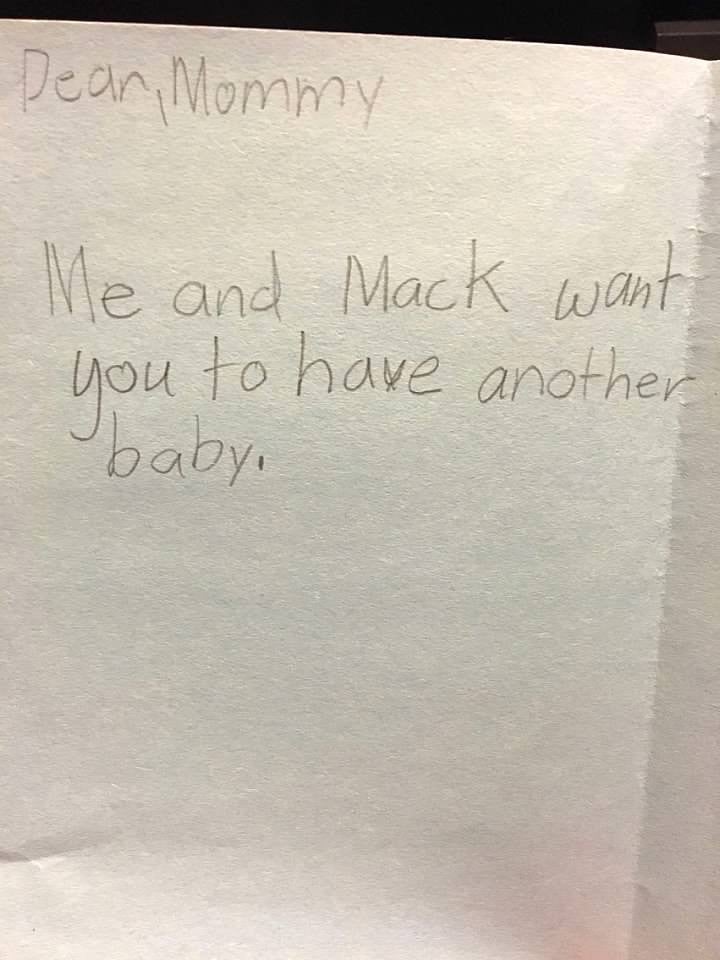
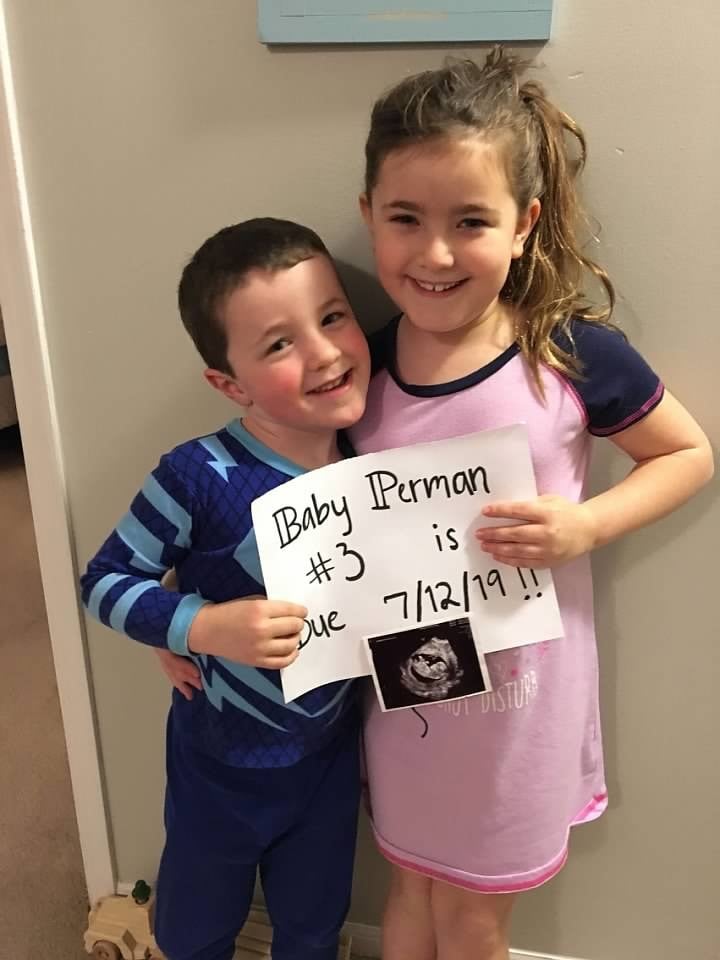
Shana Perman, PA-C, never thought about working in the field of reproductive medicine and infertility until she went through IVF treatment herself to grow her family. Her career choice is a reflection of her personal story — understanding the roller coaster of emotions, cycles, diagnoses, and treatment paths that culminate into a family-building journey. Shana cares because she has been there. Here is her story: 

When I started my job as a physician assistant at Shady Grove Fertility, I was 13 weeks pregnant with my second child, who I turned to SGF to help me conceive through IVF. I was blissful, nervous, nauseated, and ever cognizant of my growing baby bump. The truth is, it is somewhat awkward to be pregnant when you work in the field of infertility.  

When I first meet patients, many have endured countless negative pregnancy tests, miscarriages, or failed treatment cycles. Many are struggling with feelings of isolation, battling their biological clocks, believing that they arrived late to the fertility party, or that they were forced into infertility for reasons beyond their control. Some are single women, same-sex couples, couples with cancer, or possess genetic abnormalities. The last person they want to meet is a healthcare provider whose round belly represents what seems unreachable. 

But, like my patients, I personally have a profound understanding of the crazy human experience that is fertility treatment. Professionally, I have in-depth knowledge about what actually happens in a fertility practice to make it work — from the office to the embryology lab, to all the amazing staff behind the scenes who help make each patient’s journey come to life. I am part of the one in eight [couples] — or more than seven million people — affected by infertility. 

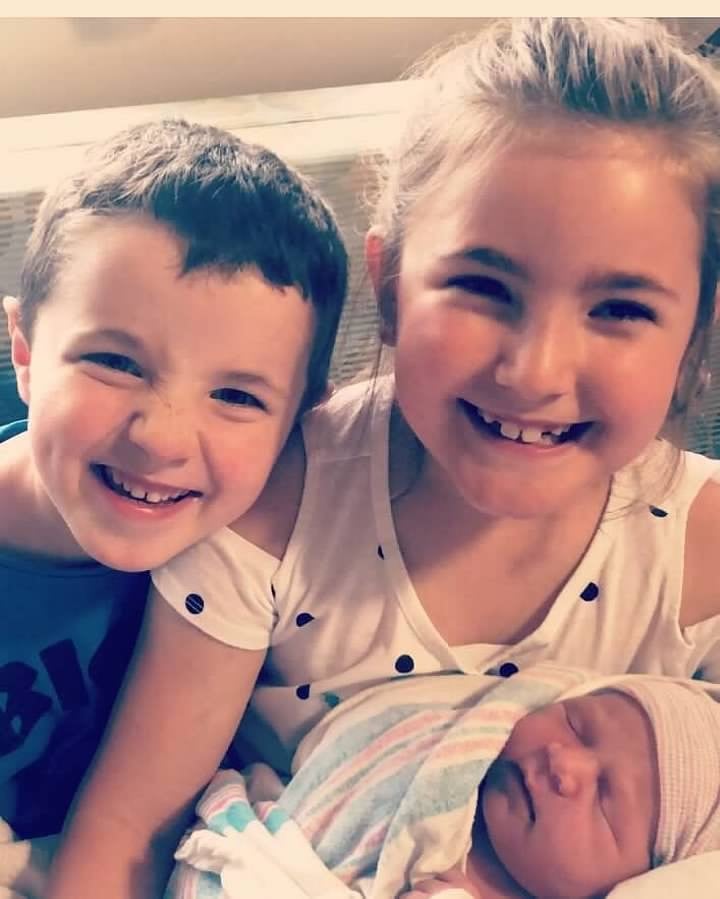
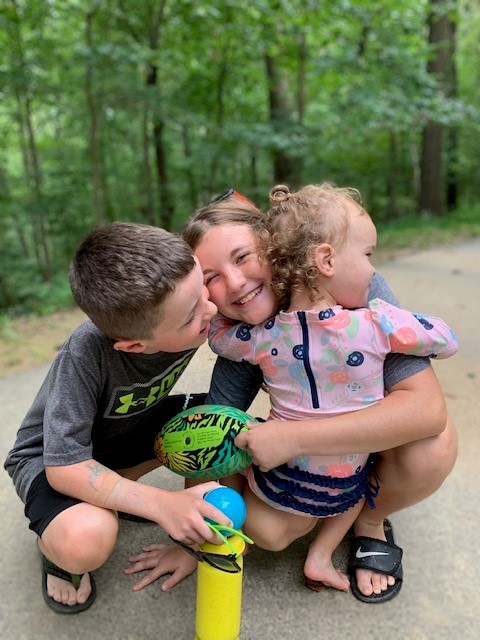
My husband and I faced various unexpected struggles in our journey to build a family, but finally met success (three times) with IVF. IVF was life-altering for us; it made us parents and it led me to change professional specialties — from neonatal intensive care to infertility. I love being part of a collaborative healthcare team that provides personalized medical care to those facing infertility.  

Daily, I perform ultrasound monitoring, early OB ultrasounds, intrauterine inseminations, and mock embryo transfers, among other services. I counsel and care for patients. I share my story with my patients, offering hope and possibility. Modern medicine has made possible treatments to help most people achieve their goal of parenthood, including myself. 

I’m grateful that I get to be a part of my patients’ journeys. No one wants to be a part of the club that needs fertility treatment, but my personal experience gives me passion and purpose in what I do — and I wouldn’t trade it for anything. 
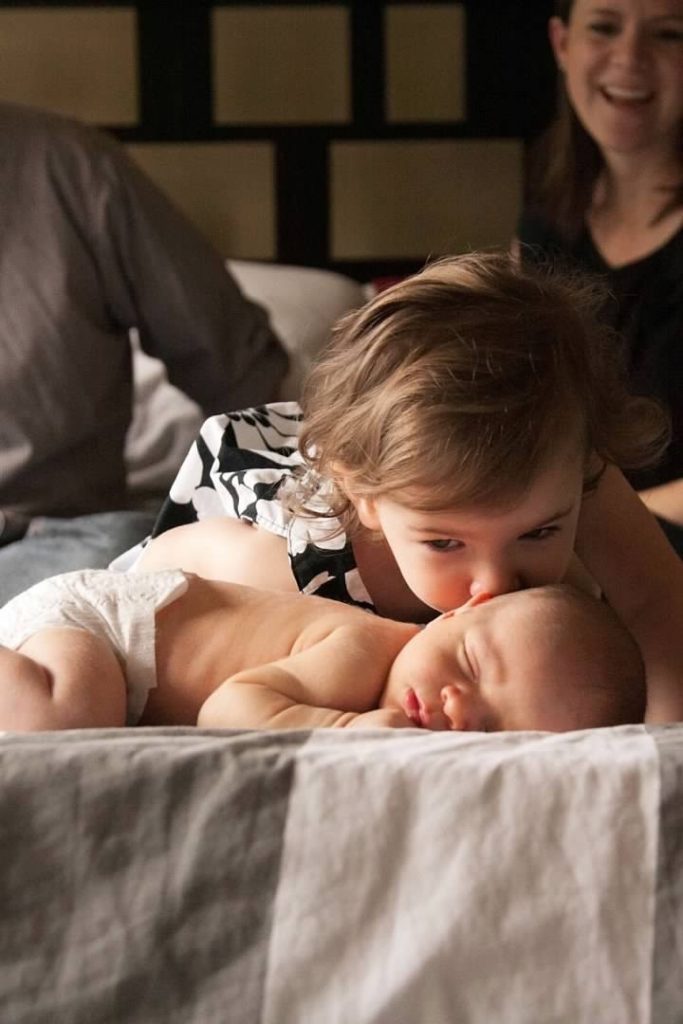
Shana Perman, P.A.-C’s story was originally published on the Philadelphia College of Osteopathic Medicine’s website. 
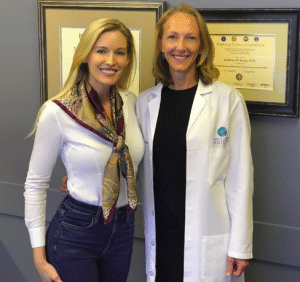
Filed Under: Your Care Team Tagged With: In vitro fertilization (IVF)

October 13, 2021 by Shady Grove Fertility

Each October, National Breast Cancer Awareness Month reminds us that around 700,000 people will be diagnosed with breast cancer — a diagnosis that breast cancer advocate and previvor, Allyn Rose, took courageous steps from becoming her and her future child’s fate. Upon her late mother’s request, Rose began her family-building journey by understanding how in vitro fertilization (IVF) and preimplantation genetic testing (PGT) could help reduce the likelihood of passing known genetic diseases to offspring. 

“In the last letter that my mother wrote to me before her passing from metastatic breast cancer at age 50, she warned me of my family’s predisposition to cancer and rare diseases, encouraging me to undergo in vitro fertilization (IVF) treatment to eliminate this disease,” says Rose, who is also a former Miss USA and Miss America contestant, model, and the recipient of the 21st Annual Congress on Women’s Health’s Advocacy Award and a Breast Cancer Summit Lifetime Achievement Award. 

Up to 10 percent of breast cancer cases are linked to an inherited gene mutation. Not only did Rose cope with the loss of her mother from breast cancer at a young age, but she also experienced the passing of her grandmother and great aunt from it, too. 

So, after years donning glamorous ensembles on big stages for Miss America and Miss USA, Rose traded in pageant for patient gowns as she underwent a preventative (prophylactic) double (bilateral) mastectomy to prolong her life. While Rose is not a carrier for the breast cancer gene, she is a carrier of a rare X-linked genetic mutation called Wiskott-Aldrich syndrome. Because of this genetic mutation, there would be a 50 percent chance that her future children would also become carriers of the disease.   

“I knew that my journey of preventive healthcare didn’t end with my mastectomy,” says Rose. “If I was taking steps to prolong my own life, it only made sense that I would do the same for my future children.” 

That is when our story with Rose began. In October 2019, Rose turned to SGF to help protect her future child from the same genetic diseases prevalent in Rose’s family tree.  

What is IVF with genetic testing of embryos?

In October 2019, Rose started documenting her IVF with PGT journey with Kate Devine, M.D., at our K Street office in Washington, D.C. Patients who also aspire to limit the passing of inherited genetic mutations like Rose can turn to SGF for: 

  • Screening for over 280 recessive gene mutations, including diseases such as cystic fibrosis, Tay-Sachs disease, and spinal muscular atrophy.  
  • Individualized testing for patients at risk for dominant gene mutations, such as breast cancer or inherited forms of colon cancer. 

“The thing I love about SGF, and what I think makes them stand out, is that a large number of their staff have undergone fertility treatments themselves,” shares Rose. “I really appreciated that because I felt like they actually understood what I was going through and when they told me that I would be okay – they meant it.” 

Rose followed the course of a standard IVF process from the initial screenings to the IVF injections to the egg retrieval. The point where her process diverged was the genetic testing of her embryos. Embryos, as tiny as they are, have a big genetic story that can be told through a biopsy. 

“Allyn’s story is a beacon of hope for women with increased cancer risk and other genetic risk factors,” says Dr. Devine. “IVF with PGT-M is a safe and reliable means of fertility treatment for people who want to reduce risk of known genetic mutations in their children.” 

Rose’s IVF success story

This past July, ironically on the 16th anniversary of the passing of Rose’s mother, Rose took to

In July 2020, on the 16th anniversary of the passing of Rose’s late mother, Rose took to Instagram with a heartfelt post about her pregnancy test results: 

“CYO and I are thrilled to announce that after 10 months of the roller coaster of IVF, I’m pregnant. The IVF journey doesn’t end here, but I’m an eternal optimist and look forward to introducing Baby Oertel to the world in 2021.” 

In a follow-up Instagram post, Allyn wrote, “… I hope it brings some hope to those of you in the middle of climbing what feels like an insurmountable hill — trying to conceive, or with work, or balancing life in general. There IS light at the end of the tunnel. Mine just happened to be of 2 VERY CLEAR lines and what the IVF community calls a “BFP” or BIG FAT POSITIVE!” 

Nearly two years after beginning their journey with SGF, Rose and her husband Christopher announced the birth of their daughter, Yve, on April 9, 2021. 

“It was an incredibly fulfilling experience welcoming my daughter into the world because it felt as if my journey had come full circle,” expresses Rose. “For the last 10 years, I’ve worked as an advocate in the breast cancer community. I’ve spent years speaking on the importance of long-term perspective and highlighting my choice to undergo a preventive mastectomy in order to prolong my life and to conceive via IVF removing my rare genetic disease from my family tree. Now, I can hold my daughter in my arms and see that it was all worth it. Everything that I’ve worked towards has finally come to fruition.” 

She continued to share, “Making the decision to pursue IVF with PGT is a very personal one, but I am a strong proponent of pursuing all options available in order to give children the best possible opportunity to thrive in life. We are so fortunate to live in a world where we can now reduce the inheritance of deadly genetic diseases via IVF. It’s such an incredible gift and I am fortunate to have had the opportunity to give my children a better outlook than I had.” 

Dr. Devine expresses her congratulations for Rose and her family, sharing, “I’m so happy that Allyn underwent treatment to reduce her own familial breast cancer risk and that she and that her baby girl is free of Wiskott-Aldrich gene mutations.”

Available oncofertility treatment at SGF

SGF is also dedicated to helping patients with cancer receive fertility preservation care. SGF has a specially trained team that works specifically with people with cancer to ensure the fertility preservation process before cancer treatment can be expedited in order that cancer treatment can quickly begin. The oncofertility team at SGF helps to guide patients through each step of the treatment process, from finding ways to afford treatment to the actual medical procedure. 

To learn more about SGF’s treatment options or to schedule an appointment, please call the New Patient Center at 1-888-761-1967 or complete this brief online form. 

Schedule Appointment

Filed Under: Treatment Tagged With: Cancer, Genetic testing, In vitro fertilization (IVF)

April 6, 2021 by grafikdev1

Give yourself a medal whether or not you win the Grand Prix. Give yourself credit for your motivation, determination, and tenacity in going through an IVF cycle. You need to find every way possible to nurture and stroke yourself and your relationship.
One of the positive sides of infertility is that most couples improve their marriages and become stronger as a couple. Keep a sense of humor about your experiences. No matter how tough things get, you can always find something funny about it. Laughing together is good for your mental health and the health of your relationship.
Most of all, remember the love and respect you have each other – and that you have tried your best.
This is the ninth and final installment in a series of articles entitled “The IVF Race.” Read the rest of the articles in this series for suggestions in helping you finish the IVF race feeling like a champion, no matter where you place.
Previous articles from this series:
The IVF Race: A Grand Prix
The IVF Race: Maps & Terrains
The IVF Race: The Racing Team
The IVF Race: The Plan
The IVF Race: The Schedule
The IVF Race: Coping
The IVF Race: Goal Markers
The IVF Race: Bumps & Detours
Contributed by: 
Sharon N. Covington, MSW, LCSW-C
Director, Psychological Support Services
Related Resources
The IVF Race: A Grand Prix

Article

The IVF Race: A Grand Prix

The IVF Race: Maps & Terrain

Article

The IVF Race: Maps & Terrain

The IVF Race: The Racing Team

Article

The IVF Race: The Racing Team

The IVF Race: The Plan

Article

The IVF Race: The Plan

The IVF Race: The Schedule

Article

The IVF Race: The Schedule

The IVF Race: Coping

Article

The IVF Race: Coping

The IVF Race: Goal Markers

Article

The IVF Race: Goal Markers

The IVF Race: Bumps & Detours

Article

The IVF Race: Bumps & Detours

Filed Under: Emotional Support Tagged With: Emotional support, In vitro fertilization (IVF), Sharon Covington

April 6, 2021 by grafikdev1

The most successful Grand Prix drivers prepare for bumps in the road or detours along the route. To finish this IVF race, you should also plan for possible changes and difficult times during your cycle – such as the waiting period after transfer and the day you will get the results. Expect the unexpected, as changes are frequently made in the cycle because of everyone’s unique medical situation. There are possibilities for failure at every step of the cycle, from an unacceptable clinical history to possible pregnancy loss.
The two-week waiting period between transfer and receiving the results of the pregnancy test is often described as the most difficult part of the cycle. You need to plan to keep busy, find ways to pamper yourself, and use your support system for dealing with the feelings. You will also need to consider where you will be when you receive the results (probably not at work) and whether you want to hear the news together.
To allow some time to deal with the results, you may want to consider fibbing to family and friends by saying that you will not be hearing the results until a few days after the results are actually in. Realize that if you are unsuccessful in achieving a pregnancy, you cannot get away from the sadness, loss, and disappointment that are part of the grieving process.
Finally, know that you did everything possible to have a positive outcome, and that a failure in the cycle does not mean that you are a failure.
This is the eighth installment in a series of articles entitled “The IVF Race.” Read the rest of the articles in this series for suggestions in helping you finish the IVF race feeling like a champion, no matter where you place.
Previous articles from this series:
The IVF Race: A Grand Prix
The IVF Race: Maps & Terrains
The IVF Race: The Racing Team
The IVF Race: The Plan
The IVF Race: The Schedule
The IVF Race: Coping
The IVF Race: Goal Markers
Related Resources
The IVF Race: A Grand Prix

Article

The IVF Race: A Grand Prix

The IVF Race: Maps & Terrain

Article

The IVF Race: Maps & Terrain

The IVF Race: The Racing Team

Article

The IVF Race: The Racing Team

The IVF Race: The Plan

Article

The IVF Race: The Plan

The IVF Race: The Schedule

Article

The IVF Race: The Schedule

The IVF Race: Coping

Article

The IVF Race: Coping

The IVF Race: Goal Markers

Article

The IVF Race: Goal Markers

The IVF Race: Bumps & Detours

Article

The IVF Race: Bumps & Detours

Additional articles in this series:
The IVF Race: Credit for Completion
Related Resources
The IVF Race: Credit for Completion

Article

The IVF Race: Credit for Completion

Contributed by: 
Sharon N. Covington, MSW, LCSW-C
Director, Psychological Support Services

Filed Under: Emotional Support Tagged With: Emotional support, In vitro fertilization (IVF), Sharon Covington

April 6, 2021 by grafikdev1

Just as a race car driver plans his strategy by goal makers along the raceway, it is important for you to be looking ahead as you prepare for IVF – and to consider your limits as you begin the process. Think about the number of cycles you are willing to be involved in infertility treatment.
Look ahead to the end of the cycle and have a plan about what you will do if you are not successful at this time. Remember, that with each cycle new information is learned and that it helps knowing what you will do next.
Consider exploring other family building options – such as adoption – which will give you some control and provide information for future decision making.
This is the seventh installment in a series of articles entitled “The IVF Race.” Read the rest of the articles in this series for suggestions in helping you finish the IVF race feeling like a champion, no matter where you place.
Previous articles from this series:
The IVF Race: A Grand Prix
The IVF Race: Maps & Terrains
The IVF Race: The Racing Team
The IVF Race: The Plan
The IVF Race: The Schedule
The IVF Race: Coping
Related Resources
The IVF Race: A Grand Prix

Article

The IVF Race: A Grand Prix

The IVF Race: Maps & Terrain

Article

The IVF Race: Maps & Terrain

The IVF Race: The Racing Team

Article

The IVF Race: The Racing Team

The IVF Race: The Plan

Article

The IVF Race: The Plan

The IVF Race: The Schedule

Article

The IVF Race: The Schedule

The IVF Race: Coping

Article

The IVF Race: Coping

The IVF Race: Goal Markers

Article

The IVF Race: Goal Markers

The IVF Race: Bumps & Detours

Article

The IVF Race: Bumps & Detours

Additional articles in this series:
The IVF Race: Bumps & Detours
The IVF Race: Credit for Completion
Related Resources
The IVF Race: Bumps & Detours

Article

The IVF Race: Bumps & Detours

The IVF Race: Credit for Completion

Article

The IVF Race: Credit for Completion

Contributed by: 
Sharon N. Covington, MSW, LCSW-C
Director, Psychological Support Services

Filed Under: Emotional Support Tagged With: Emotional support, In vitro fertilization (IVF), Sharon Covington

April 6, 2021 by grafikdev1

Grand Prix drivers know what helps them drive their best during the race. You, too, will need to identify coping mechanisms that will assist you as an individual and as a couple in dealing with the stress of IVF. Know your own and your partner’s styles for dealing with stress – and what has helped you both to cope in the past.
For example, women may need to talk and receive support from others; while men may prefer to be involved in a an activity or hobby to cope. Learning how to accept differences in the way each of you handles and deals with your feelings can reduce conflict.
In addition, consistent exercise is one of the best ways to alleviate feelings of stress, anxiety, and depression. Stress management classes – as well as listening to relaxation tapes regularly – can also aide in handling the feelings couples experience during IVF.
This is the sixth installment in a series of articles entitled “The IVF Race.” Read the rest of the articles in this series for suggestions in helping you finish the IVF race feeling like a champion, no matter where you place.
Previous articles from this series:
The IVF Race: A Grand Prix
The IVF Race: Maps & Terrains
The IVF Race: The Racing Team
The IVF Race: The Plan
The IVF Race: The Schedule
Related Resources
The IVF Race: A Grand Prix

Article

The IVF Race: A Grand Prix

The IVF Race: Maps & Terrain

Article

The IVF Race: Maps & Terrain

The IVF Race: The Racing Team

Article

The IVF Race: The Racing Team

The IVF Race: The Plan

Article

The IVF Race: The Plan

The IVF Race: The Schedule

Article

The IVF Race: The Schedule

The IVF Race: Coping

Article

The IVF Race: Coping

The IVF Race: Goal Markers

Article

The IVF Race: Goal Markers

The IVF Race: Bumps & Detours

Article

The IVF Race: Bumps & Detours

Additional articles in this series:
The IVF Race: Goal Markers
The IVF Race: Bumps & Detours
The IVF Race: Credit for Completion
Related Resources
The IVF Race: Bumps & Detours

Article

The IVF Race: Bumps & Detours

The IVF Race: Credit for Completion

Article

The IVF Race: Credit for Completion

Contributed by: 
Sharon N. Covington, MSW, LCSW-C
Director, Psychological Support Services

Filed Under: Emotional Support Tagged With: Emotional support, In vitro fertilization (IVF), Sharon Covington

  • « Go to Previous Page
  • Page 1
  • Page 2
  • Page 3
  • Page 4
  • Interim pages omitted …
  • Page 12
  • Go to Next Page »

Company

  • About SGF
  • About US Fertility
  • Our Doctors
  • Fertility Equity
  • Careers
  • Newsroom
  • SGF College Scholarship
  • Contact Us
  • Voice Your Feedback

Treatments

  • Egg Freezing
  • Intrauterine Insemination (IUI)
  • In Vitro Fertilization (IVF)
  • Frozen Embryo Transfer (FET)
  • LGBTQIA+ Family Building
  • Shared Risk 100% Refund Program
  • All Treatments

Resources

  • Patient Portal
  • Online Bill Pay
  • Library
  • Support Groups & Events

Locations

  • California
  • Colorado
  • Delaware
  • Florida
  • Georgia
  • Maryland
  • North Carolina
  • Pennsylvania
  • Texas
  • Virginia
  • Washington, D.C.

2026 Shady Grove Fertility

  • Policies & Notices
Also of interest
  • In Vitro Fertilization IVF
  • Fertility Tests
  • Research Publications