
• Skip to primary navigation
  • Skip to main content
  • Skip to footer
Shady Grove Fertility
  • Become an Egg Donor
  • Referring Physicians
  • 1-888-761-1967
  • Schedule Appointment
  • Get Started
        • Get Started
          • Causes of Infertility
          • Fertility Tests
          • When to Seek Help
          • Find a Doctor
          • Preconception and prenatal vitamins 
          • Schedule an Appointment
        • Personalized Care For
          • Single Parents
          • LGBTQIA+ Family Building
          • People with Cancer
          • Known Genetic Diseases
          • Egg Donors
  • Treatments
        • Fertility
          • Timed Intercourse
          • Ovulation Induction
          • Intrauterine Insemination (IUI)
          • In Vitro Fertilization (IVF)
          • Frozen Embryo Transfer (FET)
        • Donation & Surrogacy
          • Donor Sperm
          • Donor Egg
          • Donor Embryo
          • Gestational Carrier
          • LGBTQIA+ Family Building
          • Single Parents
          • Find a Donor
        • More Treatments
          • Center for Male Fertility
          • Egg Freezing
          • OncoFertility
          • Preimplantation Genetic Testing
          • MIGS
          • All Fertility Treatments
  • Resources
    • Resource Library
    • Events Calendar
    • Patient Stories
    • Mental Health
    • Wellness Center
  • Insurance & Savings
    • Insurance & Benefits
    • Shared Risk 100% Refund Program
    • 100% Refund for Donor Egg
    • Discounts
    • Egg Freezing Costs
    • Financing & Grants
    • Clinical Trials
  • About
    • Find a Doctor
    • About SGF
    • Our Care Team
    • Advanced Practice Providers
    • Fertility Equity
    • Philanthropy
    • Newsroom
    • Careers
    • Contact Us
    • Voice Your Feedback
  • Locations
        • Find a Location
        • California
        • Colorado
        • Delaware
        • Florida
        • Georgia
        • Maryland
        • North Carolina
        • Pennsylvania
        • Texas
        • Virginia
        • Washington, D.C.
        • Chile
        • International & Out of State
        • SGF at Walter Reed National Military Medical Center
  • Patient Hub
    • Online Bill Pay
    • Patient Forms
    • Patient Portal
  • Call your care team
  • Become an egg donor
  • Referring physicians
  • search-icon
  • Schedule appointment 1-888-761-1967

Home / Intracytoplasmic sperm injection (ICSI)

Intracytoplasmic sperm injection (ICSI)

May 22, 2014 by Shady Grove Fertility

Isaac Sasson, MD

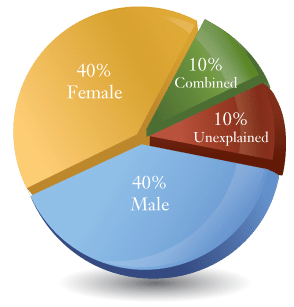
When couples are having trouble conceiving, the first instinct for many is to look to the woman for a cause. “The reality is that 40 to 50 percent of all infertility can be contributed to the male partner, making it important to complete a comprehensive semen analysis in addition to testing the female partner.” explains Isaac Sasson, M.D., Ph.D., of the Chesterbrook, PA office. Luckily, advances in fertility treatment over the past two decades have made male factor infertility one of the most treatable forms of infertility.

Simple Test to Determine Male Factor Infertility
A simple semen analysis can provide insight to the overall quality of a male’s sperm. The results can identify infertility and point physicians in the direction of the cause. At Shady Grove Fertility, a specially trained andrologist, using the most recent World Health Organization (WHO) standards for semen analysis, reviews each sample paying close attention to four parameters:

  • Volume: “Semen is made up of sperm, amino acids, sugars,enzymes, and several other secretions made by the male reproductive system.” says Dr Sasson. Ideally there should be at least 1.5 milliliter. If the volume of ejaculate is low, the sample may be lacking in these important components that are critical in reproduction. It may also signal a blockage in the ejaculatory system that can obstruction semen transport.
  • Count: Concentration – commonly referred to as “sperm count” – tells physicians the number of sperm within the semen. A healthy concentration will contain more than 20 million sperm per milliliter. A low sperm count can signal a problem with sperm production. This can arise from a problem in the testicle, the hormones that regulate sperm production, an underlying genetic disorder, or exposure to medication or environmental factors.
  • Motility: Motility refers to the sperm’s ability to move. In a healthy sperm sample, at least 40 percent of sperm are moving. Should the motility fall below this threshold, the ability for the sperm to reach the female reproductive tract and find the egg can be compromised.
  • Morphology: Sperm morphology pertains to the percentage of sperm that are of a normal size and shape. Sperm shape reflects DNA content within the sperm. Abnormally shaped sperm are unable to fertilize an egg or produce a viable embryo. Ideally, more than 4% of sperm should be normal in shape.

Click here to schedule a Semen Analysis>

Read Jeremy’s Story: Infertility from a man’s point of view

Treating Male Factor Infertility

Once male factor infertility is identified, depending on the severity, there are several treatment options available to overcome male factor infertility.

  • Intrauterine Insemination (IUI): This low tech treatment option is used for mild forms of male factor infertility or when using donor sperm. This affordable option can be performed in any  of our full service offices and does not require sedation or anesthesia. Prior to the procedure, an andrologist will wash and concentrate the semen sample keeping only the strongest swimming sperm, which will then be placed directly into the uterus.  The procedure is painless and takes less than 5 minutes to perform. Men can collect at home and women can return their daily routine after the procedure.
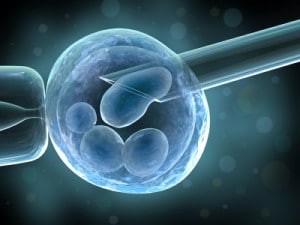
  • In Vitro Fertilization with Intracytoplasmic Sperm Injection (ICSI): “When lower tech options are not successful or the male factor is severe the next option to consider is IVF with ICSI which allows a single sperm to be injected directly into the female partner’s eggs inside the embryology laboratory.” explains Dr. Sasson. Depending on the age of the female patient this option can more than double the changes of success seen with IUI resulting in up to a 53 percent delivery rate.

In some rare cases, there will be no sperm in the ejaculate. There are several options to consider when that is the case:

  • Surgical Sperm Retrieval: These are procedure include PESA, TESE, or testicular biopsy. These procedures are done under local or general anesthesia, are not painful, and have a quick recovery. During a PESA/ TESE, a needle is inserted into the testicle and fluid is withdrawn. The fluid is then inspected under a microscope and healthy sperm are extracted from it and used to in the embryology lab to fertilize the retrieved eggs. In rare cases, a testicular biopsy can be performed in which a small sample of tissue is extracted from the testes. The tissue is then inspected under a microscope and any healthy sperm are isolated and used during IVF with ICSI. The surgically retrieved sperm can be frozen and used in subsequent treatment cycles if needed.  These options have proven very successful at helping men with a severe male factor build their family.

Read Jennifer & Mike’s donor sperm treatment story on page 8

Donor Sperm: Donor sperm is also the only option for many single women, women in same sex relationship, and women whose male partner is experiencing severe male factor infertility with no available sperm. Use of donor sperm it is more common that you might have thought. In 2013, at Shady Grove Fertility, approximately  20 percent of all IUI treatment cycles used donor sperm.

“For patients seeking an anonymous donation there are several national certified sperm banks we recommend.” says Dr. Sasson.  When considering donor sperm, the educated consumer should be wary that not all sperm banks are equal. It is recommended that the following screening and protocols have been performed by the sperm bank:

  • Testing for infectious diseases, such as HIV and Hepatitis, prior to collection and again after a 6 month quarantine of the semen.
  • Genetic disease for conditions such as cystic fibrosis and sickle cell anemia.
  • Sperm quality determined by a semen analysis.

At Shady Grove Fertility, we recommend the following certified sperm banks:

  • Xytex Cryo
  • California Cryobank
  • European Sperm Bank USA
  • Fairfax Cryobrank

When using the sperm of a known donor FDA regulations call for the same screening and quarantine of the semen prior to use.

To learn more about male factor infertility and the available treatment options call one of our knowledgeable new patient center liaisons to schedule a consultation with one of Shady Grove Fertility’s physicians, please call 877-971-7755 or click here to schedule an appointment.

Filed Under: Diagnosing Infertility Tagged With: Donor sperm, In vitro fertilization (IVF), Intracytoplasmic sperm injection (ICSI), Intrauterine insemination (IUI)

October 15, 2013 by Shady Grove Fertility

Cutting Edge Fertility Technologies and Clinical Research Outcomes to be Presented by Shady Grove Fertility Physicians and Scientists at the American Society of Reproductive Medicine Meeting in Boston October 12-17th

The outlook for patients suffering from infertility continues to brighten year over year, thanks to the thousands of professionals who dedicate their lives to improving outcomes for fertility treatment.  The range of their expertise and influence goes beyond the obvious from doctors, nurses, and researchers to business experts, pharmaceutical companies, advocacy organizations and of course, patients themselves. Even Silicon Valley technology companies have jumped on board in an effort to make fertility care more successful, affordable and accessible for more people across the United States.

This week, more than 10,000 of these individuals, representing all facets of reproductive medicine are gathered to learn and share the very latest research and technology; information and ideas at the 69th Annual Meeting for the American Society for Reproductive Medicine in Boston.

Shady Grove Fertility continues to play a leading role in ongoing clinical research and leadership in practice policy at the national level.  Below is a summary of the contributions being recognized at the ASRM Annual Meeting this week.

Abstracts, Posters and Oral Presentations

Thirteen clinical studies conducted by Shady Grove Fertility physicians and scientists, and some in conjunction with the Department of Reproductive Endocrinology at Walter Reed and the National Institutes of Health, were accepted for presentation at the 2013 ASRM Annual Meeting.  A few highlights:

SGF Studies Demonstrate Improved Outcomes Using Vitrification to Freeze Embryos Yielding Higher Thaw Rate, Increased Pregnancy and Delivery Rates and Reduced High Order Multiples.

A majority of SGF research was focused on reviewing outcomes from blastocyct vitrification cycles. The process of vitrification, or flash freezing, of blastocycst embryos remains on the forefront of clinical practice due to its thaw survival rate and improved pregnancy outcomes compared to older embryo cryopreservation techniques.  New findings about positive increases in thaw rates and pregnancy outcomes helps practitioners and patients alike make informed decisions to transfer fewer embryos, and often just one, which result in lower multiple births and healthier pregnancy and birth for mother and baby.

Relationship between Endometrial Lining Thickness and Pregnancy Rates

This year, researchers explored the thickness of the endometrial lining in relation to IVF outcomes in three studies.  The first was a retrospective analysis of 4,086 treatment cycles focusing on the relationship between peak endometrial lining thickness and live birth rates in patients undergoing assisted reproductive technology. The second study looked at the same segment of patients to determine the role race/ethnicity may play in endometrial thickness and decreased success rates.  Finally, the last study explored the relationship between endometrial thickness and treatment outcomes in patients with endometriosis.

Emergency ICSI Results in Favorable Clinical Pregnancy Rates

This study showed that when eggs do not fertilize with conventional insemination (placing sperm directly on top of the egg), emergency or rescue ICSI (intracytoplasmic sperm injection) can be used to fertilize the oocyte. During ICSI, embryologists select one healthy sperm to inject into the egg. Adding ICSI when fertilization has not occurred has resulted in favorable pregnancy rates for patients.

Donor Sperm IUI – One vs Double IUI

Success rates using donor sperm with one intrauterine insemination (IUI) are comparable to success rates with two inseminations, which is standard practice. While not groundbreaking new technology, these important findings will make future donor inseminations cycles more cost-effective for patients without compromising success rates.

SGF Physicians Contribute to the 2013 ASRM Annual Meeting

Michael J. Levy, MD, Founder, Shady Grove Fertility, presented Rethinking a Positive Outcome: Applying Innovative and Advanced Technological Strategies to an audience of over 350 people at an EMD Serono Symposia event.

Eric A. Widra, MD, Medical Director, Shady Grove Fertility is a member of the Executive Counsel and Practice Committee Chair for the Society for Assisted Reproductive Technology.

Eric D. Levens, MD, Reproductive Endocrinologist, Shady Grove Fertility, is a member of the Executive Counsel and Membership Committee Chair for the Society for Assisted Reproductive Technologies.

Kevin S. Richter, PhD, Research Director, Shady Grove Fertility, is dedicated year round to research studies that find ways to improve outcomes for patients.

Many physicians and clinical team members made these research studies possible, including, Gilbert Mottla, MD, Robert  Stillman, MD, Joseph Osheroff, MD, Jeffrey McKeeby, MD, Michael Tucker, PhD, Jim Graham, Valerie Cholewczynski, Taer Han, Josh Lim, Kristine Milne, and Sharon Shipley.

To learn more about ongoing research being conducted at Shady Grove Fertility visit https://www.shadygrovefertility.com/research.

If you would like to discuss your fertility options or to schedule an appointment at Shady Grove Fertility, please speak with one of our New Patient Liaisons at 877-971-7755.

Filed Under: About SGF Tagged With: Intracytoplasmic sperm injection (ICSI)

August 7, 2012 by Shady Grove Fertility

SGF Nurse

A couple weeks ago we celebrated the birthday of the first baby born through successful IVF treatment. Today we take a look back to appreciate all the advances IVF treatment has had in the last 34 years.  From the first success in a town in Great Britain, IVF has resulted in 5 million births worldwide!

Improvements in IVF Treatment

Stimulating Medications and Trigger Injections

Pharmaceutical companies are continually working to improve medications for fertility and IVF treatment. Over time, medications have been developed to stimulate the ovaries to induce the maturation of more than one egg.  Additionally, trigger injections to improve timing and final egg maturation have been developed, in addition to other medications as Lupron and Ganirelix.  These medications have proven invaluable in the overall improvement of the success of an IVF cycle.
In the early days of IVF, intramuscular injections were administered at fertility center offices.  Today, many patients may administer subcutaneous injections to themselves at home.

> Learn more about Understanding Fertility Medication.

Finding More Diagnoses than Blocked Tubes

While the early IVF cases were for women with tubal issues, other diagnoses were excluded.  Today, endometriosis, male factor, advanced reproductive age, ovulatory dysfunctions, and unexplained infertility can be overcome with the help of IVF.

Improved Culture Media

The first IVF cases were done with 4 and 5 day transfers, without the assistance of sequential media (the stuff in the petri dish) that could nourish the embryo over these important few days. Today, patients typically have a Day 5 transfer, with culture media designed to assist the early embryos in their growth and development.

Surgical Technique

In early IVF treatment, it was common to transfer the embryo into the fallopian tubes; however, nowadays, most embryo transfers are directly into the uterus.

Attention to Lab Factors

ICSI, or intra-cytoplasmic sperm injection, is done for those ‘severe male factor’ cases with either limited sperm, or sperm of poor morphology or motility.  In ICSI, a single normal sperm is injected into the egg itself, to promote fertilization.  This technique was pioneered and developed in the early 1990s.

Another advancement that recently has helped improved IVF treatment is vitrification, the new technique to freeze eggs and embryos has extended the success and use of IVF cycles.  This improved ‘fast freeze technique’ is now standard in most clinics, though only in the last several years. See Shady Grove Fertility’s success rates with vitrification.

Pre-Screening

AFC and AMH -These newer ovarian reserve tests give informative data to help with protocol selection and patient counseling.

PGD – Pre-genetic screening or disease testing can help identify embryos that carry a genetic disease, or aneuploidy.  This can help in transferring unaffected embryos. Read our Genetic Screening Q&A.

Support

Psychological support groups exist to help address questions, needs, and concerns as one goes through infertility.  Support groups are an inestimable source of comfort and help, and assist those who go through fertility treatment along their journey. Shady Grove Fertility offers support groups in several locations (view calendar).

Resolve is a national nonprofit group that supports those individuals and families on their fertility journey.

CAM (complementary and alternative medicine, or integrative medicine) is a class of treatment modalities (acupuncture, massage, yoga, herbal supplements, vitamins, among others) to assist in fertility treatment successes.

> Learn more about Complementary Medicine at Pulling Down the Moon.

IVF Treatment – 34 Years Later

The last thirty-four years has seen the development and fine-tuning of many different medications, techniques and support to help the 1 in 8 couples who will experience infertility in their lifetime.  These advancements have occurred because caring, focused and knowledgeable people have striven to improve the experience and success of infertility treatments.

To schedule a New Patient Appointment with Shady Grove Fertility please call 1-877-971-7755 or click here.

Filed Under: Treatment Tagged With: In vitro fertilization (IVF), Intracytoplasmic sperm injection (ICSI), Medication

March 22, 2011 by Shady Grove Fertility

Dr. Ricardo Yazigi

by Dr. Naveed Khan, MD

Men often ask me this question when they visit for their initial consultation.  “But I feel fine”, “There is nothing wrong with me!” or “I’ve had a child before, so I don’t need one”- these are also common responses when men are asked to have their sperm tested. And they may be correct, but it is important to check. It is sometimes surprising to couples that roughly 40% of the time, infertility lies with the male.

SGF Nurse

During basic fertility testing, men are required to submit a sperm sample for analysis. By comparison, women must undergo blood work, ultrasounds, and radiology tests. So gents, how bad can one test be?

The semen analysis is used to check for any male factor fertility issues that can contribute to a couples’ infertility.  Regardless of whether a man has previously fathered a child, the semen analysis still needs to be performed since we all age and our bodies change.  A man may not display any clinical symptoms of infertility, so measures must be taken to assure that all bases are covered. After all, we do treat patients as couples.

Some of the parameters that are checked in a semen analysis include:  volume, sperm count, motility (movement), and morphology (shape) of the sperm.  It can detect abnormalities or the existence of infection that is producing white blood cells in the semen. It can also determine the maturity of the sperm being produced.  Most men collect the semen via ejaculation into a clean sample cup which can either be obtained from any one of our office locations or at most pharmacies.  Additionally, sterile latex free condoms can also be used. Following ejaculation, the entire condom is placed into the collection container.

Prior to producing a sample, a man should ideally abstain from ejaculation 2-3 days prior to collection for the actual test, but never more than 5 days.  From the time of collection, the patient has about 60-90 minutes to get the specimen to the office for analysis. It is best not to expose the sample to extreme temperatures, which is often achieved by transporting the specimen container in close contact with the body to maintain a stable temperature.

Once a specimen is delivered for analysis to our andrology lab, results are often available for the physician within 3-5 business days. It is imperative to understand that the individual parameters of a semen analysis can vary significantly, so it is not uncommon to have more than one test performed. If the results of the analysis show abnormal levels, it may indicate the need for further testing of hormones and genetics. Sometimes it warrants a visit to a fertility urologist who specializes in assisting with male infertility.

The silver lining is that today there are very effective treatments for male factor infertility, many of which we offer at Shady Grove Fertility.  Some of these treatment options include intrauterine insemination (IUI) and in vitro fertilization with intracytoplasmic sperm injection (ICSI). ICSI is achieved by infusing a single sperm with a woman’s egg to ensure fertilization.

> Learn more about ICSI

It often comes as a shock to many men that the prevalence of male infertility is so frequent; probably because it isn’t a topic eagerly discussed amongst men, or couples even. But in keeping with our goals to treat patients as couples, it is very important to know exactly what a couple is dealing with in order to make the most effective and optimal treatment plan possible, so men – have no fear. By contributing in this small fashion, we can help both you and your partner have the family you both desire.

Filed Under: General Tagged With: In vitro fertilization (IVF), Intracytoplasmic sperm injection (ICSI), Intrauterine insemination (IUI), Semen analysis

Company

  • About SGF
  • About US Fertility
  • Our Doctors
  • Fertility Equity
  • Careers
  • Newsroom
  • SGF College Scholarship
  • Contact Us
  • Voice Your Feedback

Treatments

  • Egg Freezing
  • Intrauterine Insemination (IUI)
  • In Vitro Fertilization (IVF)
  • Frozen Embryo Transfer (FET)
  • LGBTQIA+ Family Building
  • Shared Risk 100% Refund Program
  • All Treatments

Resources

  • Patient Portal
  • Online Bill Pay
  • Library
  • Support Groups & Events

Locations

  • California
  • Colorado
  • Delaware
  • Florida
  • Georgia
  • Maryland
  • North Carolina
  • Pennsylvania
  • Texas
  • Virginia
  • Washington, D.C.

2026 Shady Grove Fertility

  • Policies & Notices
Also of interest
  • In Vitro Fertilization IVF
  • Fertility Tests
  • Research Publications