• Skip to primary navigation
  • Skip to main content
  • Skip to footer
Shady Grove Fertility
  • Become an Egg Donor
  • Referring Physicians
  • 1-888-761-1967
  • Schedule Appointment
  • Get Started
        • Get Started
          • Causes of Infertility
          • Fertility Tests
          • When to Seek Help
          • Find a Doctor
          • Preconception and prenatal vitamins 
          • Schedule an Appointment
        • Personalized Care For
          • Single Parents
          • LGBTQIA+ Family Building
          • People with Cancer
          • Known Genetic Diseases
          • Egg Donors
  • Treatments
        • Fertility
          • Timed Intercourse
          • Ovulation Induction
          • Intrauterine Insemination (IUI)
          • In Vitro Fertilization (IVF)
          • Frozen Embryo Transfer (FET)
        • Donation & Surrogacy
          • Donor Sperm
          • Donor Egg
          • Donor Embryo
          • Gestational Carrier
          • LGBTQIA+ Family Building
          • Single Parents
          • Find a Donor
        • More Treatments
          • Center for Male Fertility
          • Egg Freezing
          • OncoFertility
          • Preimplantation Genetic Testing
          • MIGS
          • All Fertility Treatments
  • Resources
    • Resource Library
    • Events Calendar
    • Patient Stories
    • Mental Health
    • Wellness Center
  • Insurance & Savings
    • Insurance & Benefits
    • Shared Risk 100% Refund Program
    • 100% Refund for Donor Egg
    • Discounts
    • Egg Freezing Costs
    • Financing & Grants
    • Clinical Trials
  • About
    • Find a Doctor
    • About SGF
    • Our Care Team
    • Advanced Practice Providers
    • Fertility Equity
    • Philanthropy
    • Newsroom
    • Careers
    • Contact Us
    • Voice Your Feedback
  • Locations
        • Find a Location
        • California
        • Colorado
        • Delaware
        • Florida
        • Georgia
        • Maryland
        • North Carolina
        • Pennsylvania
        • Texas
        • Virginia
        • Washington, D.C.
        • Chile
        • International & Out of State
        • SGF at Walter Reed National Military Medical Center
  • Patient Hub
    • Online Bill Pay
    • Patient Forms
    • Patient Portal
  • Call your care team
  • Become an egg donor
  • Referring physicians
  • search-icon
  • Schedule appointment 1-888-761-1967

Home / Endometriosis / Page 2

Endometriosis

February 18, 2016 by Shady Grove Fertility

Endometriosis Awareness Month

To shed light on endometriosis and the women who suffer from it, the month of March commemorates Endometriosis Awareness Month. As Lena Dunham described the mystery of her menstrual pain over the years and the inability of countless physicians to accurately diagnose the condition, millions of other women share that experience.

Creator of HBO series Girls, opens up about her battle with endometriosis to encourage other women and raise awareness.

Lena Dunham, actress, writer, and creator of the HBO series Girls, postponed press for the show’s sixth season because of symptoms caused by an endometriosis diagnosis. Endometriosis is a condition in which endometrial tissue grows outside the uterus. During a woman’s menstrual cycle the displaced endometrium “sheds” blood and tissue, which can cause inflammation and eventually scaring due to the blood having nowhere to go.

“I am currently going through a rough patch with the illness and my body (along with my amazing doctors) let me know, in no certain terms, that it’s time to rest,” the actress wrote in an Instagram post.

Lena Dunham, an outspoken advocate for endometriosis awareness, wrote in her 2014 memoir that ever since she started having period pain, doctors would often misdiagnosis her symptoms. She expressed that every uncertain answer caused her to doubt her pain.
“From the first time I got my period, it didn’t feel right,” she confesses. “The stomachaches began quickly and were more severe than the mild-irritant cramps seemed to be for the blonde women in pink hued Midol commercials.”

Dunham has since found the proper treatment and underwent a laparoscopic surgery, which removed scar tissue from the uterus and any other organs affected.

Endometriosis Affects Over 5 Million Women


The most devious aspect of endometriosis is that it is hard to diagnosis. Although it is one of the most common gynecological diseases, a third of the 5.5 million women who are affected by endometriosis are often symptom free. But many deal with painful and heavy periods, pelvic pain, and urinary and gastrointestinal problems on a regular basis.

Endometriosis and Fertility

Women who have been given an endometriosis diagnosis are prone to have scaring around their Fallopian tubes, which could prevent pregnancy. If your OB/GYN or Reproductive Endocrinologist diagnoses early stage endometriosis and does not detect tubal blockage or damage, then many physicians will say you can try on your own for a few cycles. However, if you have an advanced stage of endometriosis or known tubal blockage, we advise you speak with a fertility specialist as soon as you’re ready to build a family.

On March 19, 2016, men and women around the world will march in the Worldwide EndoMarch. Organizers have also planned Yellow Tutu Tea Parties, a virtual component to the EndoMarch where participants can host “tea parties” and are encouraged to post five photos by 5 PM to the World EndoMarch Facebook page in order to be eligible for various prizes. While yellow tutus and tea are suggested, the organization wants potential hosts and guests to understand that neither is mandatory for a tutu party!

If you have severely painful periods, are having trouble conceiving, and/or have been diagnosed with endometriosis, it may be time to speak with a Reproductive Endocrinologist. A Shady Grove Fertility New Patient Liaison is available to answer your questions and schedule a consultation with a physician. Call 877-971-7755 or click to schedule an appointment.
Filed Under: Diagnosing Infertility Tagged With: Endometriosis

July 28, 2015 by Shady Grove Fertility

Rachana V. Garde, M.D.

Written by Rachana V. Garde, M.D., of Shady Grove Fertility’s Woodbridge, VA, and Annandale, VA, offices


Endometriosis is a condition that occurs when tissue that lines the uterus—known as endometrial tissue—grows outside of that organ and attaches itself somewhere else, such as the ovaries or fallopian tubes. This tissue responds to your menstrual cycle hormones by swelling, thickening, and then shedding to mark the beginning of the next cycle. While the bloodshed from the uterus is discharged through the vagina during your period, the bloodshed from endometrial tissue that grows in the pelvis remains and can become scar tissue. This scar tissue can grow to block the fallopian tubes and interfere with ovulation. Additionally, endometrial tissue that spreads to and grows inside the ovaries may form a type of ovarian cyst called an endometrioma, which can potentially affect fertility.

If you have been diagnosed with or believe you may have endometriosis and are wondering whether you can get pregnant, the answer is yes for many women. While endometriosis may make it harder to conceive on your own, your chances of becoming pregnant can be high—depending on the severity of the condition, your age, overall health, and the treatment option you choose.

Diagnosing Endometriosis

“Endometriosis is not always easy to diagnose,” explains Rachana V. Garde, M.D. In some women there appears to be a genetic link, this is not the case for others. Some of the most frequently reported symptoms of endometriosis include:

  • Severe menstrual cramps
  • Chronic abdominal pain
  • Pain with intercourse
  • Excessive bleeding

While many of the symptoms listed above are common, it is important to know that about a third of women with endometriosis will not experience any symptoms. On the contrary, some women that experience similar symptoms will ultimately be found to not have this condition, says Dr. Garde.

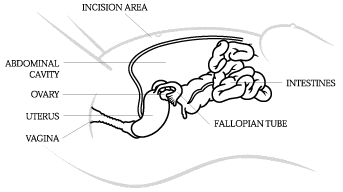
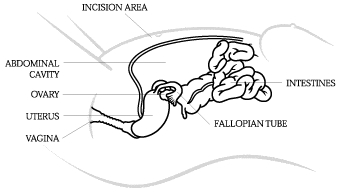
Laparoscopy is often used to diagnose endometriosis.


The only way to definitively diagnosis endometriosis is through an outpatient procedure called a laparoscopy. Historically, during this procedure the doctor would insert a thin scope near your navel to look for, and sometimes remove, endometrial tissue that is outside of your uterus. “As the medical literature continues to explore this type of surgery, it’s becoming less recommended for the purpose of diagnosis,” explains Dr. Garde. “Studies have found that surgery, especially on or around the ovaries, can damage the ovarian tissue, which can result in a decrease in ovarian reserve (egg supply). This decrease can ultimately make conception more difficult in the future.”

Dr. Garde suggests that women with the symptoms associated with endometriosis speak with a fertility specialist prior to initiating any exploratory surgery, in order to determine options and the appropriate next steps that will not compromise fertility potential.

Treatment Options for Women with Endometriosis

“For any woman that has or suspects endometriosis, the first step prior to treatment is to complete a full infertility work-up to identify any other potential challenges such as age or male fertility issues that the couple may experience when trying to conceive,” says Dr. Garde. A fertility specialist can help you rule out other health issues and determine which treatment options are best for you, depending on how far your endometriosis has progressed and if other factors may otherwise prevent conception. As you advance in age, your treatment options can become more limited—even if your condition is mild—so seeking help sooner rather than later is suggested.

Many women with endometriosis will start with a basic form of treatment called intrauterine insemination (IUI). During this treatment, the physician will prescribe medication to stimulate and grow one to two follicles containing an egg in the ovary. At the time of ovulation, the physician will perform the insemination, which involves placing a concentrated amount of sperm into the uterus. If these treatments don’t work over time, you have more severe endometriosis, or other factors that would impact the chances of success, your doctor may recommend moving to in vitro fertilization (IVF).

Waiting to Conceive

If you have endometriosis and do not have plans to conceive at this time or in the near future, preserving your fertility through egg freezing is recommended. While laparoscopic surgery can help to reduce the pain associated with endometriosis, it can also negatively affect your ovarian reserve. Therefore, freezing prior to surgery ensures you have options in the future.

If you have endometriosis and are trying to become pregnant—or think you may want to become pregnant in the future—don’t wait to speak with a fertility doctor. With proper counseling and care, endometriosis doesn’t have to stand between you and your dream of having a family.

If you would like to learn more about endometriosis or to schedule an appointment, please speak with one of our New Patient Liaisons at 877-971-7755.

Filed Under: Diagnosing Infertility Tagged With: Endometriosis

July 8, 2015 by Shady Grove Fertility

Most couples don’t ever expect that they will have trouble conceiving. But 1 in 8 couples will experience infertility, and an increasing number are using fertility treatment to help them conceive. The author of Frederick Magazine’s article “Fertile Hope,” interviewed Jason G. Bromer, M.D., and two Shady Grove Fertility patients about the effect of fertility treatment on their lives.

Jordan and Katharine’s Fertility Journeys

Jordan and her husband, Tim, came to Shady Grove Fertility after a long history of irregular menstrual cycles and a miscarriage. Jordan says, “I never thought my journey would be this way. I didn’t think I would have a hard time getting pregnant.” Jordan had polycystic ovary syndrome (PCOS) and was put on medication to regulate her hormone levels. With the regulation, she was able to have her son, Joel.

Katharine’s story is a little different. She and her high school sweetheart, Brandon, knew from a young age that they would have problems conceiving due to Katharine’s endometriosis. Despite having surgery to remove the endometriosis, they were still unable to conceive. They tried intrauterine insemination (IUI) four times without success. They eventually moved on to in vitro fertilization (IVF) and conceived their twins, Hunter and Alice, on the first attempt.

For many patients like Jordan and Katharine, becoming educated about fertility and knowing when to seek treatment is integral to success. If a woman is under the age of 35 and has tried unsuccessfully to conceive for 1 year or more, she should see a specialist. If a woman is over 35, she should see a specialist after 6 months of unsuccessfully trying to conceive, and if she is over 40, she should see a specialist after 3 months without conception.

Fertility Treatment Options to Help Couples Conceive

When a couple decides to come to Shady Grove Fertility for treatment, the health care team will walk each couple through a series of diagnostic tests (commonly known as the infertility work-up). These tests provide your physician with accurate insight into your reproductive hormones, your egg quantity, if your tubes are open, and if your partner has enough sperm and if they are healthy.

When the physician establishes the diagnosis, he/she will work together with the couple to determine the best treatment plan. Most of the time, patients will be able to start with basic treatment options like IUI. If the basic options do not help the couple to conceive, the physician may recommend more advanced options like IVF or donor egg treatment.

Another consideration for fertility patients beyond clinical treatment is the cost of treatment. “For the people who don’t have insurance benefits…one of the nice things about {Shady Grove Fertility] is that we have some of the most innovative financial programs in the world to help make fertility treatments affordable,” says Dr. Bromer.

  • Explore SGF’s unique financial programs for fertility treatment

It’s important to note that there are fertility treatments available to help almost every patient conceive. Maybe not the first time, but eventually they will find their own path to parenthood. Dr. Bromer says, “I’ve known since I was 5 years old that I was going to be a physician and I picked this field because it’s such a great field where we can make such a big impact.”

If you would like to learn more about fertility treatment or you’re ready to schedule an appointment, please speak with one of our New Patient Liaisons at 877-971-7755.

Filed Under: Diagnosing Infertility Tagged With: Endometriosis

May 7, 2015 by Shady Grove Fertility

Medical contribution by Stephanie Beall, M.D., Ph.D.

Stephanie Beall, M.D., Ph.D.

Many people have heard of in vitro fertilization (IVF), a commonly used fertility treatment. Some people erroneously assume that IVF is the only form of fertility treatment, without realizing that most patients do not begin their treatment journey with this approach. Most patients actually start with a low-tech treatment option, such as timed intercourse or intrauterine insemination (IUI). Regardless of where you start your journey, if it involves IVF, let the information in this fact sheet be your guide.

What is IVF?

In the simplest terms, IVF is a procedure in which a physician will remove one or more eggs from the ovaries that are then fertilized by sperm inside the embryology lab. IVF is the most successful treatment a couple can do using their own eggs and sperm (or donor sperm). IVF has become mainstream, widely accepted, and continues to grow, due to significant technological advances.

  • Read Shady Grove Fertility’s IVF Success Rates
  • Understanding Success Rates

Who Needs IVF?

There are many types of diagnoses that may lead to patients undergoing IVF. Here are some of the most common indications for IVF treatment:

  • Fallopian tube damage/tubal factor: In order to treat significant tubal damage, surgical repair or IVF (which bypasses the fallopian tubes) are the available treatment options. Your physician and your individual medical history can help determine the best course of action for your diagnosis.
  • Male factor infertility: In nearly 40 percent of infertility cases, the diagnosis is male factor infertility. The cause of male factor is often unknown, but some problems have been identified, including sperm production disorders, abnormalities of the reproductive tract, difficulty with erections or ejaculation, endocrine and immune disorders. Intracytoplasmic sperm injection (ICSI) has made significant strides for patients with male factor infertility. Learn more below.
  • Endometriosis: Endometriosis may be effectively treated with either surgery or IVF depending on the severity of endometriosis and other factors that could impact the chance of pregnancy.
  • Age-related infertility: As a woman ages, her ovarian reserve (egg supply) will decrease, with egg quality also negatively impacted. In many cases, this reduced ovarian function can be overcome through the use of IVF.
  • Unexplained infertility: Approximately 10 percent of couples will have no identifiable cause of infertility after completing a comprehensive evaluation. IVF is often successful, even if more conservative low-tech treatments have previously failed.
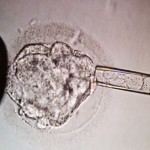
Embryo biopsy

Genetic abnormalities: For patients who are at risk for passing to their children a genetic disorder, preimplantation genetic diagnosis (PGD)—in which a few cells are removed from an embryo and tested for genetic disorders—can provide information about which embryo(s) the physician should transfer back to the female partner. IVF has created the ability to perform PGD, as fertilization of the embryos occurs in the lab. Additionally, for patients who experience recurrent pregnancy loss or have repeated unsuccessful IVF cycles, preconception genetic screening (PGS) provides the opportunity to discover if the underlying cause may exist on the genetic level.

What is the Timeline for an Average IVF Cycle?

In a normal ovulation cycle, one egg matures per month. The goal of an IVF cycle is to have many mature eggs available, as this will increase the chances of success with treatment. In order for there to be more than one egg available, stimulation of the ovaries needs to occur.

Part I: Stimulation of the Ovaries

In the stimulation phase of an IVF cycle, a patient will use injectible medications for approximately 8 to 14 days to stimulate the ovaries to produce eggs. Follicle-stimulating hormone (FSH) and luteinizing hormone (LH), both produced naturally within the body, comprise the medications. During the stimulation phase, patients will come into the office roughly 7 to 8 times for morning monitoring. Monitoring allows the physician to track the progress of the cycle and adjust medication dosages as needed. During a monitoring appointment, the patient will undergo an ultrasound and bloodwork:

  • The transvaginal ultrasound measures the growth of the egg-containing follicles and the thickness of the uterine lining, both of which should be increasing throughout the stimulation phase.
  • A nurse or clinical assistant will draw blood at each appointment to measure estrogen and progesterone levels. This level is another indicator of the growth and maturation of the eggs, and it rises as the follicles grow.

On the afternoon of a monitoring appointment, the patient can expect a phone call from her nurse with updates, including any changes in medication dosing and to coordinate the next monitoring appointment.
The Trigger Shot
The trigger shot is the final step in the stimulation phase of treatment. Depending on the patient’s individual protocol, she will either have a human chorionic gonadotropin (hCG) or Lupron trigger shot. This shot helps the developing eggs to complete the maturation process and sets ovulation in motion. Timing is very important here, as the physician must perform the egg retrieval prior to the expected time of ovulation.

Part II: Egg Retrieval

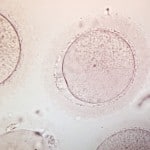
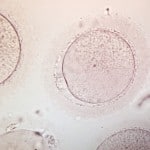
Eggs under the microscope.

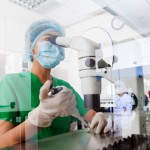
A physician will perform your egg retrieval procedure at one of Shady Grove Fertility’s ambulatory surgery centers (ASC) in Rockville, MD, Towson, MD, or Chesterbrook, PA. On the morning of your egg retrieval, a physician will meet with you before the procedure to review your protocol. You will also meet with an anesthetist, who will review your medical history and will administer the IV fluid you will receive prior to the start of the procedure to induce sleep.

  • Obtaining the sperm: If patients are using a fresh sperm sample, a lab technician will come to accept the sample. If you are using a frozen sperm sample or donor sperm collected at a previous date, the technician will verify those details with you. Our andrology lab will clean and prepare the sperm, so that the healthiest sperm are brought together with the eggs for fertilization (after the physician performs the egg retrieval).
  • Obtaining the eggs: The egg retrieval itself takes about 20 to 30 minutes. During the procedure, the physician will guide a needle into each ovary to remove the egg-containing fluid in each follicle. The physician utilizes an ultrasound during the procedure to see where to guide the needle. Recovery will take about 30 minutes and patients are able to walk out on their own, though someone will need to drive them home since they had been under anesthesia.
  • What to Expect the Day of Your Egg Retrieval (Video)

Part III: Fertilization

After the egg retrieval, the embryologist will sort and prepare the eggs and sperm. There are two ways that fertilization can take place: conventional insemination or ICSI. The physician and patient will discuss which method to use based on sperm quality; this is traditionally planned in advance. In some cases, the embryologist may see that semen parameters for conventional insemination are not being met, so she/he will recommend the switch to ICSI to produce the greatest chance of success. Your clinical team will let you know if they recommend an unanticipated ICSI procedure.

  • Conventional insemination: For conventional insemination, the embryologist takes the prepared sperm sample and isolates the healthiest sperm. He/she will then incubate this sperm with the eggs in a Petri dish. This gives the egg and sperm the opportunity to find one another and fertilize.
ICSI
  • ICSI: There are many reasons why an embryologist might use ICSI, but the predominant cause is severe male factor infertility. ICSI provides patients the ability to isolate one healthy sperm for insemination. During ICSI, the egg and sperm don’t find one another as in conventional insemination; instead, an embryologist injects a single healthy sperm into the cytoplasm, or center, of each egg. ICSI has become one of the most incredible advances in fertility treatment, as it makes fertilization possible in even the most severe male factor infertility cases.
  • Part IV: Embryo Development

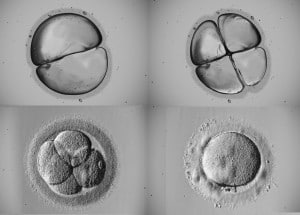
    Embryo development

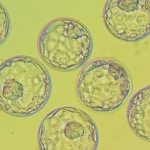
    Embryo development begins after fertilization. An embryologist examines each developing embryo every morning for the following 5 to 6 days. The goal is to see progressive development, with a four-cell embryo on day 2 and an eight-cell embryo on day 3. After the eight-cell stage, rapid cell division continues and the embryo enters into what is called the blastocyst stage at day 5 or 6. It is your physician’s goal to transfer the highest-quality embryo or embryos to give patients the greatest chance of reproductive success.

    • Why SGF recommends elective single embryo transfer (eSET)

    Part V: Embryo Transfer

    Blastocysts

    The embryo transfer is a simple procedure that only takes about 5 minutes to complete. There is no anesthesia or recovery time needed. When your nurse schedules your transfer, she will notify you and provide instructions on when to arrive and how to prepare. You need to have a full bladder for the procedure. It’s important to drink the specific amount of liquid recommended 30 to 40 minutes ahead of time.

    You will review your cycle with the physician and the number of embryos recommended for transfer. The embryologist will load the transfer catheter in the embryology lab with the embryo; upon entering the patient’s room, the embryologist will again confirm the patient’s last name and the number of embryos in the catheter. The physician will insert the catheter into the uterus and push the embryo through with a small amount of fluid. An external abdominal ultrasound provides visual guidance to the physician throughout the procedure via a monitor.

    Once the physician transfers the embryo, he/she will slowly remove the catheter. Since the embryo is invisible to the naked eye, the embryologist will then examine the catheter under a microscope in the lab to ensure that the embryo was released. The nurse will give you instructions for the following two weeks until it’s time for the beta pregnancy test.

    • Navigating the two week wait (TWW)

    Part VI: The Beta Pregnancy Test

    Two weeks after the embryo transfer, a nurse or clinical assistant will perform a blood pregnancy test. This test is frequently called a “beta” because it measures the beta chain portion of the hCG hormone emitted by the developing embryo.

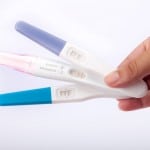
    Though many patients are tempted to take an at-home pregnancy test, we caution against it, as these tests can render false positives or negatives. There is nothing inherently wrong with at-home pregnancy tests, but in the instance of IVF, the blood test is more accurate and reliable. Earlier, we spoke about the trigger shot, which can either be Lupron or hCG. If you have an hCG trigger shot, it may remain in the blood and show up on an at-home pregnancy test, possibly rendering a false positive. The urine test cannot discern the difference between the hCG in the trigger shot or the hCG seen elevated during a pregnancy. It’s better to wait the two weeks (though we definitely know how hard it is) and have the beta pregnancy test.

    Affording IVF Treatment with the Shared Risk 100% Refund Guarantee Program
    Our Shared Risk 100% Refund Guarantee Program financially insures you against the risk of not being successful. In this program, you elect to pay a flat fee that covers up to six cycles of IVF treatment. If you do not take home a baby as a result of those cycles (and the transfer of any frozen embryos), 100 percent of the fee is refunded, preserving your resources for other family building options (some exclusions may apply).

    • 100% Shared Risk Refund Guarantee for IVF and Donor Egg [Video]
    • Read Sara and Kevin’s Patient Journey

    At Shady Grove Fertility, we understand the financial considerations that go into the decision to begin—or continue—fertility treatment. As part of our efforts to make treatment more affordable, we participate with more than 30 insurance providers. While many patients have some form of insurance coverage for treatment, or live in a location that has coverage provided by mandate, we recognize that there are many without sufficient coverage or insurance benefits. With that in mind, SGF developed additional financial programs to help ease the cost of treatment.

    If you would like to learn more about IVF or to schedule an appointment, please speak with one of our New Patient Liaisons at 877-971-7755.

    Filed Under: Diagnosing Infertility Tagged With: Advanced maternal age, Endometriosis, Unexplained infertility

    March 7, 2013 by Shady Grove Fertility

    What You Need to Know About Endometriosis
    SGF Nurse


    by Joseph Doyle, MD

    What is Endometriosis?

    Endometriosis is a condition in which the endometrial tissue, which should line the inside of the uterus, grows on the outside of the uterus – sometimes causing infertility. Endometriosis presents itself in many ways, some women have chronic pelvic pain, some experience infertility, and others may have no symptoms and the diagnosis is an incidental finding at the time of another unrelated surgery.

    Due to the varied nature in which the disease is experienced, the actual percentage of women who have endometriosis has been very difficult to determine. Estimates range from 6-10% of reproductive-aged females, though these rates are higher in populations with infertility or pelvic pain.

    Birth control pills and other medications can be used to reduce the symptoms of endometriosis. For those experiencing infertility due to the disease, there are fertility treatments available to help you conceive.

    Causes and Symptoms of Endometriosis

    Endometriosis results from one common underlying cause – when the normal tissue that forms the lining of the inside of the uterus (the “endometrium” – the part that is shed during a period) is present anywhere in the body outside of the uterus. Multiple theories exist about how this occurs in the first place, though passage of the menstrual fluid through the fallopian tubes into the abdominal cavity is the most commonly suspected cause.

    The subsequent symptoms that develop are the result of this abnormally located endometrium.  Envision the cramps and discomfort experienced in the uterus during a period, and apply that to the other organs in the abdomen on a larger scale to get a sense of the pain some women experience.  Conversely, the disease may be present with no symptoms at all because it doesn’t affect any of the nerve endings that would activate pain signals. In these cases, disease may manifest as infertility related to inflammation or distorted anatomy of the fallopian tubes or ovaries, or even no problems at all.

    Diagnosing Endometriosis

    Endometriosis can only be diagnosed by surgery, with sampling of abnormal lesions and confirmation by a pathologist’s microscopic evaluation. Certain testing can be highly suggestive of endometriosis, such as an ultrasound showing a visible endometriosis cyst on the ovary, but nothing short of surgery can absolutely confirm it.  Complicating the issue is that there are many causes of pelvic pain and infertility unrelated to endometriosis, so performing surgery anytime these issues arise would result in a very large volume of unnecessary surgery.

    Treating Endometriosis

    Because the tissue that forms the lining of the uterus only functions in women with active ovarian hormone production, endometriosis is almost exclusively confined to reproductive-aged women, generally excluding those prior to puberty and after menopause. Fortunately, this provides an avenue for treatment of endometriosis. Birth control pills and a variety of other medications can be used to regulate hormone production, thus reducing the symptoms experienced.

    The Staging System of Endometriosis

    You may have heard of the staging system used to classify endometriosis, which was developed by the American Society of Reproductive Medicine (ASRM). The staging system breaks endometriosis into four categories:

    • Stage I – minimal disease
    • Stage II – mild disease
    • Stage III – moderate disease
    •  Stage IV – severe disease

    This staging system allows more uniform reporting of the extent of the disease present in the pelvis at the time of surgery, but significant limitations exist. One limitation is the poor correlation between the degree of pain experience and the stage of disease – a woman with Stage I disease could potentially be far more symptomatic than a woman with Stage IV disease.  There is also poor correlation between the stages of the disease and infertility or pregnancy rates after surgical treatment.

    Surgery is generally elected when a patient has significant pain symptoms that have not responded to more conservative medical therapies. In patients with pelvic pain and confirmed endometriosis, surgery decreases symptoms in 80% of patient for up to six months, though over a third of patients will require additional surgery within three years for recurrent symptoms.

    In the circumstance of infertility, surgery is reserved for very specific situations. Why? It takes twelve surgeries on a woman with confirmed minimal to mild disease to achieve one additional live birth. The difficulty is that generous estimates are one in four women with suspected endometriosis actually have the disease. That means nearly 50 women would need surgery (not a risk-free event) to result in one baby being born!

    In cases of moderate to severe endometriosis, it may be reasonable to consider surgery prior to fertility treatment. This is typically decided on a case-by-case basis. It is a fine balance between improving pregnancy rates by removing disease and surgically depleting ovarian function (some normal tissue will be removed when endometriosis is cut from the ovary). Fortunately, alternative infertility treatments exist that can compensate for the problems caused by endometriosis, even when it is present on the ovaries.

    If you have been diagnosed with or suspect endometriosis and would like to learn more about your family building options, please schedule an appointment, or speak with one of our New Patient Liaisons at 877-971-7755.
     

    Filed Under: Diagnosing Infertility Tagged With: Endometriosis

    December 28, 2012 by Shady Grove Fertility

    Fertility Fact: Laparoscopy can help diagnose infertility.

    What is a laparoscopy?

    Laparoscopy is a surgical procedure a fertility specialist uses to look at your uterus, ovaries, fallopian tubes, and other pelvic organs. It can be used to identify fibroids, scar tissue, endometriosis, and/or blocked tubes, all of which can cause infertility. Often times, if a problem, such as a fibroid, is found during the procedure it can be corrected at the same time.

    How is a laparoscopy performed?

    SGF Nurse

    While under sedation, the abdomen is filled with air to allow the different pelvic structures to be seen clearly. A fiberoptic camera, called a laparoscope, is inserted through the belly button to these organs to be seen. One to three other 1 centimeter incisions are made in your lower abdomen to introduce instruments to allow any surgical repair needed. Oftentimes, this just requires a small blunt probe to move or lift the organs to see hidden areas. Also, a dye may be injected through your cervix into your uterus and fallopian tubes to see if they are open or blocked. This is an alternative test to the hysterosalpingogram (or HSG), which also determines if the fallopian tubes are open.

    • Dispelling the HSG Myths

    How long does the laparoscopy take?

    Depending on what is found during the procedure, it may take anywhere from 30 minutes to 2 hours. You will stay in a recovery room for a few hours after to wake up from the anesthesia. You should plan to have someone take you home after the procedure and stay with you for the next 24 hours.

    What is the recovery time for a laparoscopy?

    Some patients will feel sore and tired following the procedure, while others are ready to return to work the next day. “The beauty of laparoscopy is that we can do many of the same procedures that used to require an abdominal incision, with a much shorter recovery,” says Dr. Joseph Doyle. When pain is a bother, it is often in the shoulder blades or under their diaphragm (a result of the air irritating some of the nerves in the abdomen). You make take pain medication and moving around will help the pain resolve. All pain should go away in a day or two, but it is recommended to take a couple days off from work to allow for healing.

    • Did you know that once upon a time laparoscopies were needed for all egg retrievals prior to the advancements of retrieving the eggs transvaginally? Read more advances that helped advance fertility treatment over two decades.

    If you are having trouble conceiving or for more information or to schedule an appointment with one of our physicians, please speak with one of our New Patient Liaisons by calling 877-971-7755.

    Filed Under: Diagnosing Infertility Tagged With: Endometriosis, Fibroids

    • « Go to Previous Page
    • Page 1
    • Page 2

    Company

    • About SGF
    • About US Fertility
    • Our Doctors
    • Fertility Equity
    • Careers
    • Newsroom
    • SGF College Scholarship
    • Contact Us
    • Voice Your Feedback

    Treatments

    • Egg Freezing
    • Intrauterine Insemination (IUI)
    • In Vitro Fertilization (IVF)
    • Frozen Embryo Transfer (FET)
    • LGBTQIA+ Family Building
    • Shared Risk 100% Refund Program
    • All Treatments

    Resources

    • Patient Portal
    • Online Bill Pay
    • Library
    • Support Groups & Events

    Locations

    • California
    • Colorado
    • Delaware
    • Florida
    • Georgia
    • Maryland
    • North Carolina
    • Pennsylvania
    • Texas
    • Virginia
    • Washington, D.C.

    2026 Shady Grove Fertility

    • Policies & Notices
    Also of interest
    • In Vitro Fertilization IVF
    • Fertility Tests
    • Research Publications