
• Skip to primary navigation
  • Skip to main content
  • Skip to footer
Shady Grove Fertility
  • Become an Egg Donor
  • Referring Physicians
  • 1-888-761-1967
  • Schedule Appointment
  • Get Started
        • Get Started
          • Causes of Infertility
          • Fertility Tests
          • When to Seek Help
          • Find a Doctor
          • Preconception and prenatal vitamins 
          • Schedule an Appointment
        • Personalized Care For
          • Single Parents
          • LGBTQIA+ Family Building
          • People with Cancer
          • Known Genetic Diseases
          • Egg Donors
  • Treatments
        • Fertility
          • Timed Intercourse
          • Ovulation Induction
          • Intrauterine Insemination (IUI)
          • In Vitro Fertilization (IVF)
          • Frozen Embryo Transfer (FET)
        • Donation & Surrogacy
          • Donor Sperm
          • Donor Egg
          • Donor Embryo
          • Gestational Carrier
          • LGBTQIA+ Family Building
          • Single Parents
          • Find a Donor
        • More Treatments
          • Center for Male Fertility
          • Egg Freezing
          • OncoFertility
          • Preimplantation Genetic Testing
          • MIGS
          • All Fertility Treatments
  • Resources
    • Resource Library
    • Events Calendar
    • Patient Stories
    • Mental Health
    • Wellness Center
  • Insurance & Savings
    • Insurance & Benefits
    • Shared Risk 100% Refund Program
    • 100% Refund for Donor Egg
    • Discounts
    • Egg Freezing Costs
    • Financing & Grants
    • Clinical Trials
  • About
    • Find a Doctor
    • About SGF
    • Our Care Team
    • Advanced Practice Providers
    • Fertility Equity
    • Philanthropy
    • Newsroom
    • Careers
    • Contact Us
    • Voice Your Feedback
  • Locations
        • Find a Location
        • California
        • Colorado
        • Delaware
        • Florida
        • Georgia
        • Maryland
        • North Carolina
        • Pennsylvania
        • Texas
        • Virginia
        • Washington, D.C.
        • Chile
        • International & Out of State
        • SGF at Walter Reed National Military Medical Center
  • Patient Hub
    • Online Bill Pay
    • Patient Forms
    • Patient Portal
  • Call your care team
  • Become an egg donor
  • Referring physicians
  • search-icon
  • Schedule appointment 1-888-761-1967

Home / Egg freezing / Page 6

Egg freezing

June 13, 2018 by Shady Grove Fertility

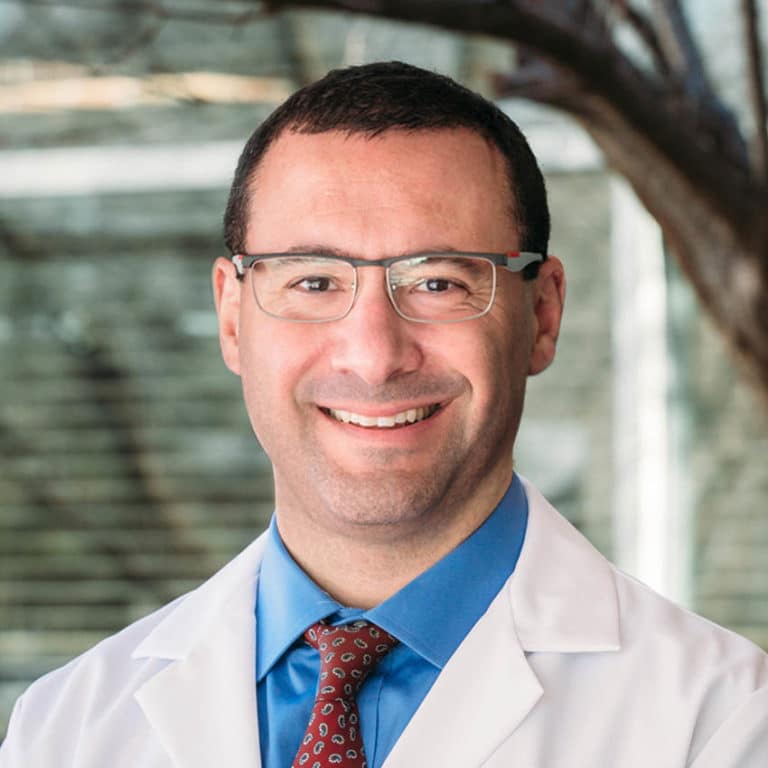
An SGF egg freezing patient recently sat down with us to answer some questions about her egg freezing experience and offer advice for other women considering this option. She is a 40 year old attorney living in the D.C. area, where she also attended college and law school. At the age of 35, she made the decision to freeze her eggs at Shady Grove Fertility under the care of Dr. Joseph Doyle.

How did you learn about egg freezing?

I actually learned about egg freezing through a facility tour at Shady Grove Fertility. At the time, I was working on healthcare policy issues and I was able to tour SGF. During the tour, they were talking about treatment options and they brought up egg freezing. When describing the typical egg freezing patient, I couldn’t help but think, “That sounds like me!” They also talked about success rates being higher when you freeze at a younger age, as opposed to waiting. So, I spoke with one of the SGF clinicians to schedule my fertility testing and provide me with more information.

How was the process of getting your fertility tested?

The process was smooth and consisted of a simple blood test and ultrasound. I found it to be very informative and helpful. It really provided me with the right amount of information in order to make my decision.

Why did you personally decide to freeze your eggs?

I didn’t want to lose the opportunity to have children. Now I wasn’t 100% sure if I wanted kids, but it was nice to know I’d always have the option. I also have a very close friend of mine who got married at the age of 40, and she and her husband couldn’t get pregnant. They tried various treatments and it was so hard to watch them go through that hardship. That also impacted my decision to freeze my eggs.

Was paying for egg freezing something you were concerned with?

Yes, the financial aspect of egg freezing was something that concerned me. SGF worked with me and my income to make it more affordable.

How was the actual egg freezing cycle/process?

I did one egg freezing cycle and it was pretty easy to work into my day. Every night at 7pm, I would give myself my injections. My morning monitoring appointments were always at 8am, so I was never late for work. The appointments and the shots really just became part of my daily routine for 2 weeks.

What was the hardest part of the process?

The hardest part for me was getting over the initial shock of having to give myself injections in the belly. The first one was really difficult and I must have watched the informational video on how to inject yourself over 30 times! Once I got through the first few shots, it wasn’t so bad.

What for you has been the biggest benefit of freezing?

Peace of mind! I am proud that I did this for myself. I often get “kudos” from my other doctors and women for being proactive and freezing my eggs. It is such a liberating thing not to have to worry about my biological clock. I don’t have to worry about having a baby, just because I’m getting older. I can make that decision when and if the time is right.

Were you in a relationship when you made the decision to freeze your eggs?

Yes, I had a serious boyfriend through the whole process. Many people thought that I should just try and have a baby with my boyfriend first, but freezing my eggs wasn’t about him. Relationships shouldn’t be based on a “timeline” that society sets for women. You should have a baby when you’re ready and with the right person. Not because you’re at a certain age and happen to be in a relationship. Egg freezing is a personal decision and even now allows me the opportunity to have a baby on my own if I’m not in a relationship.

What advice would you give to other women considering egg freezing?

It’s normal to think about your career! My career is important to me and that’s not a bad thing. I can decide to have children when it’s the right time and not put my career on hold.

You need to view egg freezing as insurance and I’ve never heard anyone say, “Oh I wish I hadn’t purchased insurance.” You’ll never regret the decision to buy this type of insurance. I’m so glad I have that insurance because my boyfriend and I found out we were pregnant in the winter. When the baby was 10 weeks, a large second growth was found in my uterus and doctors advised the safest decision was to end that pregnancy. That wasn’t my only chance at a baby though. I have healthy, younger frozen eggs ready to use when the time is right.

Also, remember from the moment you freeze your eggs, those eggs are younger than you are! You’ll be happier knowing you made a smart and safe choice for you and for your future baby. I’m now 40, but my frozen eggs will always be 35.

How was your experience with SGF and Dr. Doyle?

Fantastic! I’m always referring friends, colleagues, or anyone that will listen to me to Shady Grove Fertility. Dr. Doyle and I still keep in touch. He really cares about all his patients.

Schedule An Egg Freezing Appointment 

To learn more about egg freezing, call our New Patient Center at 1-877-971-7755 to schedule an appointment with a physician or complete our brief online form.
Filed Under: Treatment Tagged With: Egg freezing

May 22, 2018 by Shady Grove Fertility

Given the relative novelty of egg freezing, it’s understandable that many women have questions ranging from “How much does egg freezing cost?” to “Does egg freezing work?” and “When should I consider egg freezing?” And the list goes on.

Over the past several years, the egg freezing program at SGF has grown tremendously. This growth, coupled with our size and experience, has enabled us to create new financial programs to better serve our patients—each intended to better meet the needs of women who are interested in egg freezing.

If you’re considering freezing your eggs, we’ve compiled this list of helpful egg freezing facts.

Medical contribution by Caleb Kallen, M.D., Ph.D.

Caleb Kallen, M.D., Ph.D., FACOG, is board certified in obstetrics and gynecology and reproductive endocrinology and infertility. Dr. Kallen has expertise in the diagnosis and treatment of infertility, including in vitro fertilization (IVF), ovulation induction with intrauterine inseminations (IUI), donor egg treatments, endometriosis, polycystic ovary syndrome, and preimplantation genetic diagnosis. He sees patients in SGF’s Philadelphia and Mechanicsburg, Pennsylvania, offices.

Who is freezing eggs?

Egg freezing is an important option to protect fertility potential, which declines with age, freezing is primarily for women between the ages of 30 and 40. Typically, women who opt to freeze eggs want to have a baby in the future but, because of careers, relationships, or personal choice, need to postpone childbearing. Other reasons women may decide to freeze eggs include health concerns, such as planned surgeries for endometriosis or fibroids, or prior to cancer treatments, each of which can threaten future fertility potential.

Whatever the reason for freezing your eggs, the important thing to know is that egg freezing gives women the option to have children when the timing is right.

Here are 22 helpful facts to consider if you are contemplating egg freezing:

  1. Some health-related reasons women may consider egg freezing include: endometriosis, fibroids, diminished ovarian reserve/low egg supply, a family history of early menopause, and cancer.
  2. Excluding health-related issues, the #1 reason women decide to freeze eggs is to have options for family building in the future.

The science & technology behind egg freezing

  1. A woman’s ability to conceive is largely determined by her age. As women age, both egg quantity and egg quality decrease. This can be demonstrated by measuring the percentage of chromosomally abnormal eggs that a women produces, a figure that increases as women age. The progressive loss of eggs over time is not a result of poor health or lifestyle, it is an unfortunate feature of ovarian biology. Egg freezing can extend the biological clock by essentially locking in the fertility potential where it is at the time a woman freezes her eggs; the frozen eggs of a 30 year old will always behave like those of a 30 year old (i.e. better pregnancy rates, lower risk of miscarriage), even if those eggs are used when the patient is 40 years old.
  2. Every woman is born with a set a number of eggs.At 20 weeks gestation, each female fetus has about 6 million eggs—the most eggs she will ever have in her lifetime. At birth, she has already lost approximately half of her eggs and by the time she reaches puberty, she has only about 200,000-400,000 left.
  3. Not every egg can produce a viable pregnancy; therefore, we generally recommend that women 37 or younger who have excellent ovarian function freeze between 15 and 20 mature eggs. For women over 38, or women at any age with diminished ovarian function, we recommend freezing 25 to 30 eggs.
  4. In order to generate a cohort of mature eggs, fertility medication is used to stimulate the ovaries. This process takes about 2 weeks.
  5. We freeze eggs in liquid nitrogen; eggs can remain frozen indefinitely.
  6. Choosing to freeze your eggs has no detrimental effect on your future fertility…the process does not “use up” or exhaust the existing supply of eggs or lead to earlier menopause.
  7. Women 37 years or younger, with normal ovarian reserve, will likely retrieve an average of 13 eggs per cycle. Therefore, it will take most women at least two treatment cycles to reach the optimum number of 15 to 20 eggs for storage.
  8. Vitrification, a fast-freeze technology, was introduced in 2009 and is the most reliable form of freezing eggs.
  9. All frozen eggs are stored at SGF’s state-of-the-art laboratories with many redundant quality controls and stringent identity protocols in place, each for your protection.

What is the best age to freeze your eggs?

While there is considerable variation between women with respect to the rate of decline of egg supply, in general, the optimal time to freeze is in the early- to mid-30s, while fertility potential is still near its peak. However, at SGF, you can freeze your eggs between the ages of 18 and 40 (depending upon circumstances).

  1. Egg quality—otherwise known as your fertility potential—typically remains relatively high into a woman’s early- to-mid 30s, but then generally declines more rapidly in the late 30s and early 40s.
  2. There is no perfect age for egg freezing, but freezing earlier will yield better results.
  3. The term ovarian reserve quantifies a woman’s remaining egg supply. There is no perfect way to measure ovarian reserve but several tests are combined to provide a best estimate of ovarian reserve; your SGF physician will help you to interpret your test results.
  4. One predictor of a woman’s ovarian reserve, the Ovarian Assessment Report (OAR), relies on several reproductive hormone levels along with age, in order to estimate egg yield in a typical treatment; the OAR reports your egg supply as “good, normal, or poor.”
  5. SGF is one of the only fertility centers in the U.S. with peer-reviewed and published outcomes data from women who have frozen and then thawed their eggs to produce pregnancies.

Egg freezing costs

The cost of egg freezing varies across the county. Some centers offer flat rates on a per cycle basis, others offer financial plans. In order to make an educated decision, it is important to get as much information, not only about the costs, but also about the quality, experience, and expertise of the fertility center.

  1. Diagnostic testing, including ovarian reserve testing as well as physician consultation, is covered by SGF’s 30+ participating insurance providers. 90 percent of women have insurance coverage for testing and physician consultation. Learn more about testing.
  2. SGF created the first “flat-fee guarantee” financial programs of their kind, the Assure20 and Assure30, which offer a single cost for multiple treatment cycles. These programs guarantee either a certain number of eggs for banking, or a certain number of treatment cycles, whichever comes first (i.e. you are guaranteed to freeze twenty (or thirty) mature eggs, or undergo at least four treatment cycles, whichever comes first).
  3. The cost of medication will depend upon an individual’s dosing, which is determined by the patient’s response to medications. Some patients may have insurance coverage for medications.
  4. Financing is available with all egg freezing financial programs through a Shady Grove Fertility partner, Fertility Finance.
  5. The newest option for egg freezing candidates is a discount financial program that offers cycles as low as $200/month depending on credit and length of term, plus a partial refund on storage for women who choose to thaw/use their eggs early.  
  6. SGF is one of the leading fertility centers in the country with over 50,000 babies born, and counting. With 42 physicians and 29 locations throughout MD, PA, VA, D.C., and GA, we offer patients individualized care for each person’s unique journey.
Schedule An Egg Freezing Appointment 

To learn more about egg freezing, call our New Patient Center at 1-877-971-7755 to schedule an appointment with a physician or complete our brief online form.

Filed Under: General Tagged With: Dr. Caleb Kallen, Egg freezing

March 27, 2018 by Shady Grove Fertility

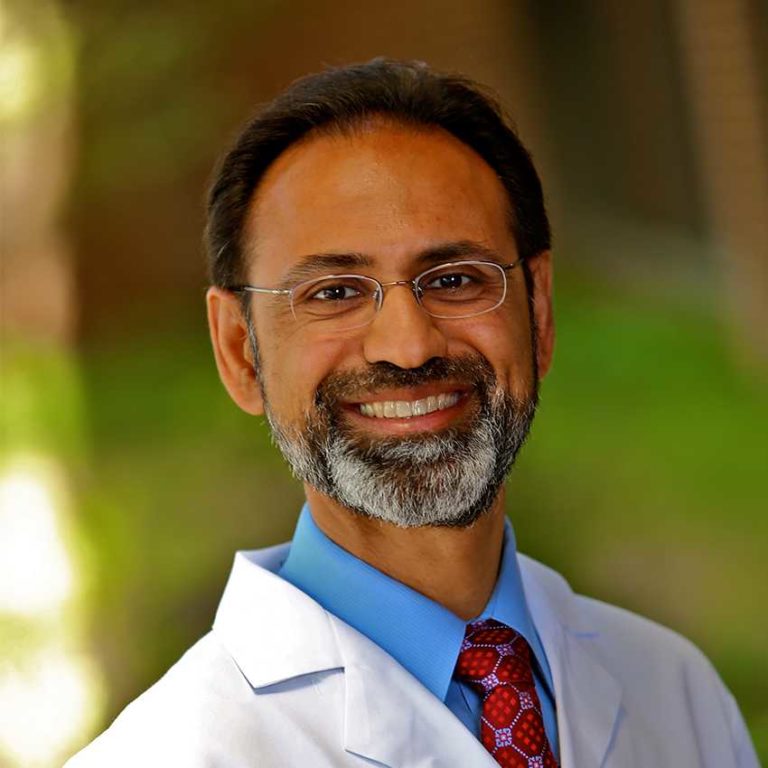
China Global Television Network interviewed egg freezing expert, Dr. Naveed Khan of SGF’s Leesburg, VA and Dulles-Aldie, VA offices to discuss the advances in egg freezing and how the technology used to freeze eggs continues to increase in effectiveness. The network also took a sneak peek into SGF’s state-of-the-art IVF laboratory to understand the process behind egg freezing.

“In the beginning, success rates of eggs surviving from a freeze was only 10%, now over 80-90% of the eggs survive. This in part to a process called vitrification, which is a flash freezing of the eggs. Because of this technology, pregnancy rates with frozen eggs is just as good as fresh eggs,” says Khan.

Advances in Egg Freezing on the Rise

SGF has been freezing eggs using vitrification technology since 2009, and performs hundreds of cycles each year, giving us substantial experience with the process. SGF has seen an 83% growth in their egg freezing program since 2013, and the numbers of women choosing this viable option continue to rise. The popularity of egg freezing at SGF is largely contributed to continuous innovation that is increasing success rates; transparent, published success rates; and a variety of affordable financial programs.

When to Freeze Your Eggs

Women are born with all of the eggs they will ever have—a lifetime supply—generally around 1 to 2 million. As a woman ages, the number of eggs in her ovarian reserve slowly declines, with a steeper decline beginning around age 35. On average, the most optimal time to freeze is in your early to mid-30s while your fertility potential is still near its peak. However, at our practice, you can freeze your eggs between the ages of 30 and 40. Some women may need to freeze younger based on circumstances, while others may have more time. This is dependent on medical history and ovarian reserve function.

A clinician will consult with you following baseline testing and advise on the need, timing, and quantity of eggs to freeze based on your desire to have one, two, or three children in the future.

Is Egg Freezing Successful?

SGF is one of the only fertility centers in the U.S. with published egg freezing pregnancy data. With this information, women have a better idea of what to expect from their egg freezing cycles in regards to the probability of taking home one or more children based on her age and number of mature frozen eggs.

Based on this data, women ages 30 to 34 who freeze 30 eggs have above a 90 percent chance of taking home one baby, a 70 percent chance of taking home two babies, and about a 40 percent chance of taking home three babies.

Egg freezing can be a big decision, but it can also be an amazing gift to yourself. Having options in life is something that we all value. The process of egg freezing allows you to have the option of having a baby later in life, when you’re ready, without the pressure of a ticking biological clock.

Medical contribution by Naveed Khan, M.D.

Naveed Khan, M.D., is board certified in obstetrics and gynecology and reproductive endocrinology and infertility. Dr. Khan has received several awards, including the Outstanding Chief Resident Award and Best Teaching Resident Recognition Award, both from the Lyndon B. Johnson Hospital, Department of OB/GYN, University of Texas, Houston Medical Center. He sees SGF patients at the Leesburg and Dulles-Aldie, Virginia, offices.

Schedule Appointment

To learn more about egg freezing or to schedule an appointment with Dr. Naveed Khan or any other SGF reproductive endocrinologist, please contact our New Patient Center at 1-877-971-7755 or complete our online form.

Filed Under: Treatment Tagged With: Egg freezing

February 14, 2018 by Shady Grove Fertility

Washington Post reporter, filmmaker, and patient of Shady Grove Fertility, takes us through an emotional journey in her quest to take charge of and be proactive about her fertility as she contemplates the important decision of, ‘should I freeze my eggs?’ Her story is captured through a short video docuseries that provides a heart-warming look at her very personable yet relatable journey of research, discovery, and soul-searching.


Dr. Kate Devine, Co-Director of Research and a reproductive endocrinologist at SGF’s K. Street location, is Nicole’s physician. Throughout the series Dr. Devine shares some very helpful information for any woman considering freezing her eggs, including a refresher on how a woman’s reproductive system works and what the ticking of our biological clock really means. “Because women are born with all the eggs they will have, many women think of egg freezing as a way to extend the biological clock, and in many ways that’s accurate,” says Dr. Devine.

As women age, their egg quantity will continue to decrease, and the quality will as well, which can impact one’s ability to conceive. “Chromosomal abnormalities exist when an egg has some other number than 23 chromosomes. If there is any other number, that is considered abnormal. Embryos that are abnormal will not implant or will result in a miscarriage,” adds Devine.

How do you know if you’re the right candidate to freeze your eggs?

In order for a woman to know if she is the right candidate for egg freezing, she will need to complete ovarian reserve testing, which will provide insights into her fertility potential. Nicole’s testing included a simple transvaginal ultrasound and bloodwork to measure various hormone levels. The transvaginal ultrasound counts the small resting (antral) follicles, which is a good predictor of the status of ovarian reserve. The bloodwork measures the FSH (follicle-stimulating hormone), which releases from the brain and stimulates the ovary to recruit and mature an egg. AMH (anti-Müllerian hormone) is the most accurate predictor of a woman’s egg supply. A higher AMH level would indicate a large amount of antral follicles and a strong ovarian reserve where as a lower value may show a decrease in the ovarian reserve.

Interpreting the Ovarian Reserve Testing Results

The results from ovarian reserve testing can help determine a treatment plan and if egg freezing is the right option. When women have a low ovarian reserve, this can often be due to advanced age but can sometimes happen for no known reason. “In Nicole’s situation, because her ovarian reserve was below average for someone 29 years of age, it would not be unreasonable for Nicole to consider preserving her fertility by freezing her eggs,” says Devine.

Making the Emotional Decision to Freeze My Eggs

Making the decision to freeze your eggs can be an emotional decision, but an empowering one. We’ve heard many women describe it as ‘giving a gift to myself.’ Having options in life is something that we all value. Egg freezing allows you to have the option of having a baby later in life, when you’re ready, without the pressure of a ticking biological clock. We make it possible and affordable to preserve your options for when you’re ready.

Making the Financial Decision to Freeze My Eggs

SGF understands the financial and time commitment involved in egg freezing, which is why we have dedicated financial programs designed exclusively for our patients to help make treatment affordable. Should a patient wish to freeze her eggs, there are two components of the total egg freezing cost: the cost of freezing eggs and the cost of using frozen eggs later to have a baby, should the need arise. The decision on how many eggs to freeze and how many cycles to pursue is entirely up to the patient, with guidance from her clinician. Egg freezing is often viewed as a ‘backup plan’ and not all women will need or use their frozen eggs. However, should you need or wish to use your frozen eggs, SGF has developed a 100% money-back guarantee program. Take home a baby or receive a 100% refund.

Does egg freezing really work?

SGF is one of the only fertility centers in the U.S. with published egg freezing pregnancy data from our own cases. In the February 2016 edition of the esteemed medical journal Fertility and Sterility, SGF’s research evaluated pregnancy rates of women who froze their eggs (for either elective or non-elective purposes). This is the largest study in the U.S. that provides pregnancy rates from frozen, non-donor eggs. With this new information, women have a better idea of what to expect from their egg freezing cycles in regard to the probability of taking home one or more children based on her age and number of mature frozen eggs.

What happens next?

Whether Nicole decides to freeze her eggs is a personal decision and one that will require her to weigh the pros and cons of moving forward with the process. We will check back with her this Spring to see what she decides.

Schedule an Appointment

A woman’s age is the single most important factor affecting fertility. Being proactive about your fertility will provide you with family building options for the future. The first step is to schedule an appointment with a SGF clinician to see if egg freezing is the right option for you.

Filed Under: Treatment Tagged With: Egg freezing

September 13, 2017 by Shady Grove Fertility

The continuous progress and innovation that surrounds egg freezing has led to immense change in the societal perspective of women who freeze their eggs, as well as the availability and popularity of egg freezing itself.

Prior to 2009 when the use of vitrification (a fast-freeze technology, whereas older slow-freeze methods would produce crystals inside the eggs ultimately damaging them) was introduced and proven to be a highly reliable method for freezing eggs, egg freezing was only utilized by women looking to preserve their fertility prior to undergoing cancer treatment. Then, it wasn’t until 2011 that the ASRM (the American Society for Reproductive Medicine) declared the use of vitrification no longer experimental for elective egg freezing, which catapulted egg freezing popularity and availability into the next generation.

Fast forward to 2017, and thousands of women, including celebrities and outspoken advocates,  are electing to freeze their eggs (with the highly reliable method of vitrification) and feeling empowered to pause their biological clock and pursue family building when their life’s timetable—not necessarily their body’s timetable—dictates it’s time.

With the help of celebrities who have opened up about their egg freezing stories, more and more women are now aware of their options to preserve their fertility.

Age is the Primary Reason Women Choose Egg Freezing

Age is a leading factor in infertility; a woman’s eggs deteriorate in quantity and quality over time. However, with the technology and resources available to silence the constant ticking of the “biological clock,” women are now freer than ever to take their reproductive options into their own hands.

As the workforce continues to change and more and more women are pursuing advanced academic degrees, ultimately extending the age at which they may get married or start having children, egg freezing has become more commonly known and widely accepted.

Over the past several years, a few big names have become strong advocates for egg freezing and have used their position to raise awareness and share the benefits they have reaped from egg freezing.

Preparation is Key: Kim Kardashian

Kim Kardashian took the same stance years ago when she decided to freeze her eggs. “I think now I can just be proactive,” she said at the time when she shared during an episode of her hit TV show Keeping Up with the Kardashians, “I want to make sure when the time is right, I want to be prepared. I want to be safe.”

Postponing Motherhood: Rita Ora 

Rita Ora froze her eggs in her early 20’s. She said “she always wanted a big family and had been thinking about children since her early 20s.” While Rita is still young she is a, “big believer in using what we have and making the most of it.” While freezing in your earlier 20s is optimal because of a woman’s egg quality, many women freeze in their early and mid 30s.

Endometriosis and Egg Freezing: Halsey

Halsey revealed that at 23 years old she’s freezing her eggs because of her endometriosis. When I tell people that, they’re like, ‘You’re 23, why do you need to do that? Why do you need to freeze your eggs?’ What people don’t know that is that surgery for endometriosis can impair a woman’s fertility. In order to preserve her fertility and treat the endometriosis, Halsey is freezing her eggs so she can protect her fertility and have options for the future.

A Back-Up Plan: Olivia Munn

In 2016, Olivia Munn came forward to tell fans on Anna Faris’ podcast Anna Faris is Unqualified that “years ago, [she] froze a bunch of eggs” and encourages others to do the same. She admits that the pressure is off as she can focus on her career and that the dating landscape has changed. Women are able to form relationships that aren’t coerced by the need to have children quickly and, by having a back-up plan, women may still have more children after a failed relationship despite her age.

Free and Fierce: Sofia Vergara

Sofia Vergara came to appreciate the dating freedom that egg freezing provided; with a boyfriend younger than her who aims to have children, she is able to comfortably explore her relationship without the pressure of time having an impact. “I just wanted to plan ahead,” Vergara, 40, told ABC News in regards to her decision to freeze. She explains that she doesn’t plan on having children now but, for her boyfriend, it leaves the option open.

Dating Deadline: Whitney Cummings 

Comedian, Whitney Cummings decided to freeze her eggs because “I was dating people just because I was on a deadline.” Egg freezing now gives her the option to find the right partner to have children with when the time is right. She said “I’d be happy to have kids and dogs in the next 10 years.”

Taking Control of Her Future: Kaityn Bristow

The bachelorette star, Kaitlyn, announced that she is freezing her eggs. “I’m taking control of my future.” “As a woman there’s always pressure to have babies, and this puts my mind at ease for when I’m ready.” For Kaitlyn, egg freezing is a back-up plan, so that she can have options for when her and fiancé Shawn Booth are ready to grow their family. 

A Leading Voice: Sarah Elizabeth Richards

Sarah Elizabeth Richards is a journalist who has contributed to the New York Times, The Wall Street Journal, Time, Elle, and more and is the groundbreaking voice behind her book Motherhood, Rescheduled. Her book accounted for her own experience in egg freezing as well as the impact that egg freezing has had on other women. Since learning about egg freezing at 35 and doing multiple cycles of her own in 2011, Richards has continuously advocated for the life-altering effects that deciding to freeze your eggs can have on a woman. She describes the process as a “profound sense of relief,” leaving her feeling proud of herself for taking control of her future and her fertility. Motherhood, Rescheduled serves to educate women on what egg freezing really is as well as divert from the old stigma that egg freezing is an act of desperation rather than a wise, proactive decision. She recognizes society’s lack of familiarity with the process and the common tendency for OB/GYNs to neglect discussing egg freezing as an option for their patients. Richards felt that she was lucky enough to know to ask, and wants egg freezing to be more widely talked about among communities and between doctors and their patients. Her piece in the New York Times, “We Need to Talk about Our Eggs,” focuses on the need for widespread information so women can make educated decisions regarding their lives before it is too late.

Education Comes First: Radell Peischler

As a former SGF patient who has been very active in sharing her experience with other women, Radell Peischler made it her goal to increase education and awareness about egg freezing. In 2014, 4 years after learning about the option to freeze her eggs, Radell went forward to complete a cycle and has been an advocate for women putting themselves first ever since.

Schedule An Egg Freezing Appointment

Egg freezing allows women to alleviate the pressure of finding healthy and happy relationships, commit to their careers, and take control of their futures without fear of age having an impact on what they are capable of. Like a weight off your shoulders, as many celebrities shared, egg freezing offers the opportunity to put your mind at ease for when the time is right to have a baby.

For more information about Shady Grove Fertility’s Egg Freezing Program, including our new financial option with monthly payments as low as $195/month, call 1-877-411-9292 to speak with one of our New Patient Center Liaisons. 

Filed Under: Treatment Tagged With: Egg freezing

August 9, 2017 by Shady Grove Fertility

Since 2013, Shady Grove Fertility has seen the number of women freezing their eggs increase by 83 percent. According to a new report by the Centers for Disease Control and Prevention, more women in America are having children in their early 30s than in their late 20s, which contributes to the rise in egg freezing but also emphasizes the critical importance of the availability and reliability on egg freezing as a medical option for women.

Why is the increase in age of women having their first child such an important conversation to have? Maternal age is the leading factor when it comes to fertility potential—and there is something women can do to safeguard their options.

Age is the Leading Factor of Infertility

As women age, the quality and quantity of their eggs decrease, causing age to be a leading factor of infertility for women and couples who want to have a baby. With a variety of distractions keeping women from focusing on family planning, and not realizing that, despite living a healthy lifestyle, fertility potential will still decrease, it’s quite common for women to be naïve to importance of proactive planning.

With the trend being women are starting families later and later, more and more are finding themselves with fewer family building options the older they are. Egg freezing puts a safeguard in place and allows for some leeway for women who want to bring home a baby (or babies) … eventually (but not just yet).

Continued Developments in SGF Egg Freezing 

While age plays a significant role on each egg’s probability of resulting in a baby, the expertise of the fertility center in successfully freezing and thawing eggs is also of paramount importance.  As the largest fertility center in the country, Shady Grove Fertility’s specialized staff is adept at performing these highly sensitive procedures.

Furthermore, in 2016, the SGF research team, led by Dr. Joseph Doyle of our Rockville, MD office, produced and published success rates for women returning using frozen eggs, bringing actual success rates front and center, in the spirit of full transparency—a SGF virtue.

SGF Egg Freezing is Affordable

Our financial programs take into careful consideration the scientific data related to age, ovarian reserve, and egg thaw outcomes and provide the recommended number of eggs to freeze.
Affordability and excellent care are priorities for our team. Our egg freezing program continues to evolve as we better understand and learn the needs of our patients.

We first introduced Assure Fertility in 2014, the first flat-fee financial egg freezing program; patients are provided with the best egg freezing scenario recommended to have a baby – i.e., freeze enough eggs to ensure you have options when the time is right.

Second, we developed the Shared Risk 100% Refund for Returning SGF Egg Freezing Patients, a guarantee program that includes a 100% refund for the cost of using frozen eggs should you not take home a baby.

“The best family planning decisions come from a place of experience. Shady Grove Fertility is a leader in reproductive research and technological development. Being able to give women who are contemplating freezing their eggs actual data, based on such extensive, unique research, is reassuring for both myself, as a clinician, but also for prospective patients,” explains Dr. Joseph Doyle of Shady Grove Fertility’s Rockville, MD office.

Schedule An Egg Freezing Appointment

Filed Under: Treatment Tagged With: Egg freezing

  • « Go to Previous Page
  • Page 1
  • Interim pages omitted …
  • Page 4
  • Page 5
  • Page 6
  • Page 7
  • Page 8
  • Interim pages omitted …
  • Page 22
  • Go to Next Page »

Company

  • About SGF
  • About US Fertility
  • Our Doctors
  • Fertility Equity
  • Careers
  • Newsroom
  • SGF College Scholarship
  • Contact Us
  • Voice Your Feedback

Treatments

  • Egg Freezing
  • Intrauterine Insemination (IUI)
  • In Vitro Fertilization (IVF)
  • Frozen Embryo Transfer (FET)
  • LGBTQIA+ Family Building
  • Shared Risk 100% Refund Program
  • All Treatments

Resources

  • Patient Portal
  • Online Bill Pay
  • Library
  • Support Groups & Events

Locations

  • California
  • Colorado
  • Delaware
  • Florida
  • Georgia
  • Maryland
  • North Carolina
  • Pennsylvania
  • Texas
  • Virginia
  • Washington, D.C.

2026 Shady Grove Fertility

  • Policies & Notices
Also of interest
  • In Vitro Fertilization IVF
  • Fertility Tests
  • Research Publications