• Skip to primary navigation
  • Skip to main content
  • Skip to footer
Shady Grove Fertility
  • Become an Egg Donor
  • Referring Physicians
  • 1-888-761-1967
  • Schedule Appointment
  • Get Started
        • Get Started
          • Causes of Infertility
          • Fertility Tests
          • When to Seek Help
          • Find a Doctor
          • Preconception and prenatal vitamins 
          • Schedule an Appointment
        • Personalized Care For
          • Single Parents
          • LGBTQIA+ Family Building
          • People with Cancer
          • Known Genetic Diseases
          • Egg Donors
  • Treatments
        • Fertility
          • Timed Intercourse
          • Ovulation Induction
          • Intrauterine Insemination (IUI)
          • In Vitro Fertilization (IVF)
          • Frozen Embryo Transfer (FET)
        • Donation & Surrogacy
          • Donor Sperm
          • Donor Egg
          • Donor Embryo
          • Gestational Carrier
          • LGBTQIA+ Family Building
          • Single Parents
          • Find a Donor
        • More Treatments
          • Center for Male Fertility
          • Egg Freezing
          • OncoFertility
          • Preimplantation Genetic Testing
          • MIGS
          • All Fertility Treatments
  • Resources
    • Resource Library
    • Events Calendar
    • Patient Stories
    • Mental Health
    • Wellness Center
  • Insurance & Savings
    • Insurance & Benefits
    • Shared Risk 100% Refund Program
    • 100% Refund for Donor Egg
    • Discounts
    • Egg Freezing Costs
    • Financing & Grants
    • Clinical Trials
  • About
    • Find a Doctor
    • About SGF
    • Our Care Team
    • Advanced Practice Providers
    • Fertility Equity
    • Philanthropy
    • Newsroom
    • Careers
    • Contact Us
    • Voice Your Feedback
  • Locations
        • Find a Location
        • California
        • Colorado
        • Delaware
        • Florida
        • Georgia
        • Maryland
        • North Carolina
        • Pennsylvania
        • Texas
        • Virginia
        • Washington, D.C.
        • Chile
        • International & Out of State
        • SGF at Walter Reed National Military Medical Center
  • Patient Hub
    • Online Bill Pay
    • Patient Forms
    • Patient Portal
  • Call your care team
  • Become an egg donor
  • Referring physicians
  • search-icon
  • Schedule appointment 1-888-761-1967

Home / Dr. Naveed Khan

Dr. Naveed Khan

September 27, 2018 by Shady Grove Fertility

Medical Contribution by: Naveed Khan, M.D.

For couples considering fertility treatment, Dr. Naveed Khan discusses the beginning of the process, starting with the male and female partners both completing fertility testing. Since roughly half the time infertility is male factor, men should have a sperm analysis performed. For women, a hysterosalpingogram (HSG) is required to examine the tubes and uterus, and their hormones are looked at as well. All of these diagnostic tests are necessary for determining the cause of infertility.

Many women may start there fertility testing with her OB/GYN. If she was tested in the past six months, then she probably she does not need to get tested again by her fertility center. However, if it has been a year or two since she’s been tested, at least some of the tests may need repeating. For some women, an OB/GYN or fertility specialist may recommend using Clomid, which is a fertility pill that helps produce more eggs. Clomid provides up to a 20% pregnancy rate per month depending on the female partners age. Clomid and similar medications should only be used for a few months prior to moving on the next course of treatment.

At Shady Grove Fertility, a financial counselor will discuss all the costs for testing and treatment with each patient.


Schedule an Appointment

Filed Under: Diagnosing Infertility Tagged With: Dr. Naveed Khan, Hysterosalpingogram (HSG)

April 30, 2014 by Shady Grove Fertility

by Naveed Khan, M.D., Shady Grove Fertility, Leesburg, VA

Hypogonadotropic Hypogonadism: a condition characterized by a lack of Follicle Stimulating Hormone (FSH) and/or Luteinizing Hormone (LH) resulting in anovulation.

Dr. Naveed Khan
Dr. Naveed Khan

A common symptom among women who have infertility is irregular menstrual cycles.  Sometimes a woman is experiencing too many menstrual cycles but more often there are too few menstrual cycles. If a woman is having regular cycles every month, it is a good sign that she is more than likely ovulating. If a woman is having very infrequent cycles or not having any cycles at all, that could be a sign that she is not ovulating regularly or possibly not ovulating at all.

What is Hypogonadotropic Hypogonadism?

This past week, I had a large number of patients come in sharing that they did not have a period, known medically as amenorrhea. Several of the women experiencing amenorrhea are diagnosed with a condition called hypogonadotropic hypogonadism.  Simply, this is a condition resulting from the underproduction of releasing hormones from the hypothalamus or from an underproduction of hormones from the pituitary gland.

Releasing hormones from the hypothalamus trigger the pituitary gland to produce and/or secret a different set of hormones. The pituitary gland – a pea sized gland that sits at the base of the brain – produces many hormones, including two important hormones involved directly with ovulation:

  • Follicle Stimulating Hormone (FSH) and
  • Luteinizing Hormone (LH).

If there isn’t enough of either of these two hormones, a woman won’t produce a follicle, thus no ovulation, which then results in an absence of a period or possibly a much delayed period.  When a women does not ovulate, there is no chance for pregnancy to occur. The good news is that with medication, we can get a woman with hypogonadotropic hypogonadism to ovulate, thus restoring her fertility!

Causes of Hypogonadotropic Hypogonadism

Underlying causes of hypogonadotropic hypogonadism include:

  • eating disorders such as anorexia or bulimia,
  • excessive exercise such as running marathons,
  •  severe stress,
  •  a very low body mass
  • various genetic conditions,
  • tumors, or
  • infiltrating diseases, such as sarcoidosis.

Watch Dr. Khan on Talking to Your OB About Fertility Testing

Testing & Treatment for Hypogonadotropic Hypogonadism

One of the first steps would be to do a hormonal evaluation of LH, FSH, thyroid stimulating hormone (TSH), and prolactin (PRL). Radiology testing of the brain and pituitary by magnetic resonance imaging (MRI), as well as genetic testing and counseling, may also be recommended.  Actually, Dr. Eric Levens, one of my partners here at Shady Grove Fertility, just finished reviewing the most recent practice guidelines for women with amenorrhea for the American Society for Reproductive Medicine (ASRM), demonstrating the very high level of interest and knowledge regarding the evaluation and treatment of hypogonadotropic hypogonadism in our practice.

In order to treat the resulting infertility of a woman with hypogonadotropic hypogonadism, ovulation needs to be induced. This is done by taking daily low-dose injectable LH and FSH. The ovaries are monitored with bloodwork and ultrasound to assess response to the medication. If a woman is not responding to a given dose after several days, then the dose is very slowly increased. Most women – approximately 95% –  will ultimately respond. Sometimes a woman can over stimulate, and in those cases the simulation cycle may need to be stopped or converted to in vitro fertilization (IVF).  Some women repetitively hyper respond in ovulation induction cycles and in those cases, IVF may be the safest option to achieve pregnancy due to the significant risk of multiple pregnancies. Like any medical condition related to fertility, a woman’s age will have a significant impact on response and what will be the best treatment plan will be at that time. Overall, there is an excellent chance in achieving a pregnancy for women with hypogonadotropic hypogonadism.

If you have questions about fertility or are ready to schedule an appointment at Shady Grove Fertility, please speak with one of our New Patient Liaisons at 877-971-7755.

Filed Under: Diagnosing Infertility Tagged With: Dr. Naveed Khan

July 11, 2013 by Shady Grove Fertility

Is Your Biological Clock Really Ticking?


Last month, Jean Twenge made a splash in The Atlantic and on Good Morning America, disputing at what age fertility really did drop for women. Twenge suggests that fertility doesn’t decline when a woman is in her 30s but rather when she is in her 40s. Is she right? When does a women’s biological clock really start ticking?

“While there have been great improvements in achieving successful pregnancies with fertility treatment, one area that has always been challenging is related to the age of the egg,” says Stephen Greenhouse, MD. “Many women have successful and healthy pregnancies after the age of 35. However, often times when couples are asked how long they have been trying to conceive, they say only a few months, but in fact they stopped using birth control 2 years ago. This couple likely has some form of infertility but may not realize it.” This is an example of ‘let’s just see what happens’ or ‘we’re trying but not really trying’ mentality. The truth is, if you are having intercourse regularly without protection for a year and you have not conceived you likely may need to see a fertility specialist.

At what age does your fertility decline?
  

“It is important that couples plan family building, discuss when they are ready to have children, and part of their planning should be related to the age of both the woman and man. Also something to consider is that couples may not have problem getting pregnant when the women is in her early 30s but if they wish to have more than one child, they may experience problems when trying for the second or third,” explains Dr. Greenhouse.

According to Dr. Greenhouse, “Couples do not need to panic if the woman is 35 but they should be proactive in discussing their options if they have been trying for more than six months. The chances of conceiving each month for a women who is 35 is about 12-15% per month and this begins to decline after trying for 4-5 months. Age is by far the most important predictor of success.”

What is agreed upon by all parties is an increased risk of having a baby with chromosomal abnormalities as the parents get older. Dr. Greenhouse speaks from experience, “I have seen many couples who regret not coming in earlier to seek treatment for their conception delays. Unfortunately, we cannot go back and make up for lost time.”

  • Read Fertility Authority’s “Bust a Myth About Age and Fertility” with Dr. Eric Levens
  • Dr. Naveed Khan Explains “The Best Time to See a Fertility Specialist”

If you are having trouble conceiving and would like to speak with one of our New Patient Liaisons by calling 877-971-7755 or schedule an appointment.

Filed Under: Get Started Tagged With: Dr. Naveed Khan, Dr. Stephen Greenhouse

February 6, 2013 by Shady Grove Fertility

by Dr. Naveed Khan, MD

The Flu Shot

Dr. Ricardo Yazigi
Dr. Naveed Khan shares what you should know about the flu shot and other immunizations while TTC and pregnant.


With flu season in full swing, this time of year brings a lot of questions regarding flu shots and immunizations in general.  At all of our offices we support the recommendations by the American College of Obstetrics and Gynecology (ACOG) and the Centers for Disease Control and Prevention (CDC) for giving the influenza (flu) vaccine. All pregnant women and all women contemplating pregnancy or seeking pregnancy should get the flu vaccine. Ideally, the best time to get the flu vaccine is in the fall (October and November) since this gives the best protection for the peak of the flu season which is usually January through March. If one gets delayed in getting the flu shot, it is better to get the flu vaccine outside the optimal window than not get it at all. Getting the actual influenza infection may increase the risk for medical complications.

The flu vaccine is available in both an injectable and an intranasal option. The injectable vaccine is made up of an inactivated virus so it can be taken anytime while trying to conceive or if already pregnant. The intranasal vaccine is made of a live attenuated virus so it is not recommended for women who are already pregnant.

In the past, there used to be a concern regarding the use of thimerosol containing vaccines in pregnant women. Thimerosol is a preservative used in vaccines that was believed to be associated with some negative effects on offspring. Recent scientific evidence does not support any harmful effects on the children born to women taking immunizations containing thimerosol. Therefore, women can take vaccines containing thimerosol whether pregnant or while they are trying to conceive.

Immunizations & A Healthy Pregnancy

While there is no medical evidence to support the idea of immunizations impacting pregnancy, some women have a fear that immunizations could cause a miscarriage or result in a child with a birth defect.  Also, there are some physicians who are reluctant to immunize pregnant women because of worries that they could be wrongly blamed for a bad outcome resulting from a vaccination given by them.  The vast majority of vaccines are safe and recommended while pregnant. The only vaccines that should not be taken when pregnant are the MMR, Varicella, and herpes zoster but these are all fine preconceptually.

Some other routine vaccination questions that are commonly asked center on immunizations for rubella and varicella. In a woman who does not have evidence of immunity to varicella, the MMR (measles, mumps, and rubella) vaccine can be administered prior to pregnancy.  The varicella vaccine is given in two doses, given 1 month apart.  These vaccines are live attenuated vaccines, therefore, they should be taken prior to conception and pregnancy should be avoided for 1 month after the last dose.  There are also specific recommendations for immunizations for other infections such as hepatitis A, hepatitis B, meningococcus, Tetanus-Diphtheria (Td), and all the latest recommendations can be found on the CDC website.

Just as one prepares for pregnancy by leading a healthier lifestyle such as eating nutritiously, exercising, cessation of smoking and alcohol, one also needs to prepare for pregnancy by making sure one’s immunizations are up to date. Vaccinations in a mother are important because they help provide resistance to infections in the uterus and they provide passive immunity to the newborn. Ideally, immunizations, including the flu shot, should be done prior to conception, so it may be a good idea to make an appointment with your doctor to review your medical history to decide which immunization may benefit you specifically.

If you are been trying to conceive without success and would like more information or to schedule an appointment with one of the Shady Grove Fertility physicians, please speak with one of our New Patient Liaisons at 877-971-7755.

Filed Under: Get Started Tagged With: Dr. Naveed Khan

October 30, 2012 by Shady Grove Fertility

The Washington Post and Super Doctors have announced their 2012 list – and many of Shady Grove Fertility’s physicians have been recognized!
The annual Super Doctors list is selected by peers and through independent research from Key Professional Media. Physicians were asked to nominate one or more colleagues (excluding themselves) they would choose in seeking medical care.  The nominated physicians were evaluated on several factors and narrowed down. While all of our physicians deliver the highest level of care and patient satisfaction, here are the Shady Grove Fertility physicians that made the 2012 list:

Dr. Paulette BrowneDr. Frank ChangDr. Stephen Greenhouse
Paulette E. Browne, MD
Fair Oaks, VA
Biography
Schedule Appointment
Frank E. Chang, MD
Rockville, MD
Biography
Schedule Appointment
Stephen J. Greenhouse, MD
Fair Oaks, VA
Biography
Schedule Appointment
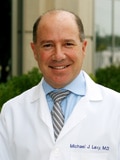
Eugene Katz, MDDr. Naveed KhanMichael Levy, MD
Eugene Katz, MD
Baltimore, MD
Biography
Schedule Appointment
Naveed Khan, MD
Leesburg, VA
Biography
Schedule Appointment
Michael J. Levy, MD
Rockville, MD
Biography
Schedule Appointment
Dr. Abraham MunabiDr. David Saffan
Howard D. McClamrock, MD
Baltimore, MD
Biography
Schedule Appointment
Abraham K. Munabi, MD*
Wyomissing, PA
Biography
Schedule Appointment
*Listed in the PA editions of Super Doctors
David S. Saffan, MD
Annandale, VA
Biography
Schedule Appointment
Dr. Robert StillmanDr. Eric Widra
Arthur W. Sagoskin, MD
Rockville, MD
Biography
Schedule Appointment
Robert J. Stillman, MD
Rockville, MD
Biography
Schedule Appointment
Eric A Widra, MD
Washington, DC
Biography
Schedule Appointment

If you would like to schedule a fertility consult with one of these Shady Grove Fertility physicians, pleasee call 1-877-971-7755 or click here to learn more.

Filed Under: General Tagged With: Dr. Eugene Katz, Dr. Frank Chang, Dr. Howard Mcclamrock, Dr. Michael Levy, Dr. Naveed Khan, Dr. Paulette Browne, Dr. Stephen Greenhouse

July 31, 2012 by Shady Grove Fertility

Dr. Ricardo Yazigi

by Dr. Naveed Khan, MD

The air in the office is filled with sadness.  Two of our patients had miscarriages this morning.  The first patient had conceived after her first cycle of IVF.  The baby started off growing a little slowly and by today stopped growing altogether.  The second lovely patient had conceived twins after multiple failed IVF cycles and this was her last attempt.  Unexpectedly, both the fetuses stopped developing – everything had looked perfect 2 weeks ago.


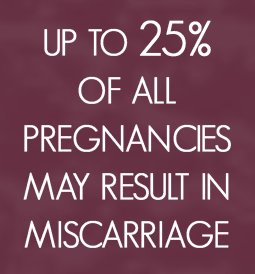
Unfortunately, spontaneous miscarriage is a common complication in early pregnancy.  Miscarriages occur in up to 20% of clinical pregnancies, which are pregnancies where a sac is seen inside the uterus.  If one includes biochemical pregnancies, which are very early miscarriages found by positive hormone levels but before any structures are seen inside the uterus, 25% of all pregnancies are lost.  Generally, the frequency of miscarriages decreases with increasing gestational age.

Why Does Miscarriage Happen?

The natural question to ask and wonder is “Why did this happen?”  Frequently, there is no exact explanation as to why pregnancy loss occurs.  Most often the miscarriage did not result from anything that the couple did or did not do.  The few risk factors for miscarriage that a person can control are smoking, alcohol consumption, cocaine use, morbid obesity, high levels of caffeine intake and possibly the use of non-steroidal anti-inflammatory drugs if used around the time of conception.  There are many other risk factors that can increase the risk of miscarriage that can’t be controlled such as advanced maternal age, previous history of miscarriage, Celiac disease, anatomic issues, trauma, and genetic or developmental abnormalities of the fetus.

> Recurrent Pregnancy Loss can often be helped with genetic screening. Learn More.

Unfortunately, there are no medical treatments that can prevent a first trimester pregnancy loss.  Early in pregnancy one can follow the blood levels of the pregnancy hormone BhCG to see if the hormone levels are rising appropriately.  Later in pregnancy, one can check a vaginal ultrasound for reassurance that the fetus is growing adequately.  Fortunately, after a single miscarriage there is a greater than 80% chance that the next pregnancy will not result in a miscarriage and will go on to delivery.

> Learn more about pregnancy loss from the America Pregnancy Association.
> Request an New Patient Appointment with Shady Grove Fertility.

Filed Under: Diagnosing Infertility Tagged With: Dr. Naveed Khan, In vitro fertilization (IVF), Miscarriage

Company

  • About SGF
  • About US Fertility
  • Our Doctors
  • Fertility Equity
  • Careers
  • Newsroom
  • SGF College Scholarship
  • Contact Us
  • Voice Your Feedback

Treatments

  • Egg Freezing
  • Intrauterine Insemination (IUI)
  • In Vitro Fertilization (IVF)
  • Frozen Embryo Transfer (FET)
  • LGBTQIA+ Family Building
  • Shared Risk 100% Refund Program
  • All Treatments

Resources

  • Patient Portal
  • Online Bill Pay
  • Library
  • Support Groups & Events

Locations

  • California
  • Colorado
  • Delaware
  • Florida
  • Georgia
  • Maryland
  • North Carolina
  • Pennsylvania
  • Texas
  • Virginia
  • Washington, D.C.

2026 Shady Grove Fertility

  • Policies & Notices
Also of interest
  • In Vitro Fertilization IVF
  • Fertility Tests
  • Research Publications