
• Skip to primary navigation
  • Skip to main content
  • Skip to footer
Shady Grove Fertility
  • Become an Egg Donor
  • Referring Physicians
  • 1-888-761-1967
  • Schedule Appointment
  • Get Started
        • Get Started
          • Causes of Infertility
          • Fertility Tests
          • When to Seek Help
          • Find a Doctor
          • Preconception and prenatal vitamins 
          • Schedule an Appointment
        • Personalized Care For
          • Single Parents
          • LGBTQIA+ Family Building
          • People with Cancer
          • Known Genetic Diseases
          • Egg Donors
  • Treatments
        • Fertility
          • Timed Intercourse
          • Ovulation Induction
          • Intrauterine Insemination (IUI)
          • In Vitro Fertilization (IVF)
          • Frozen Embryo Transfer (FET)
        • Donation & Surrogacy
          • Donor Sperm
          • Donor Egg
          • Donor Embryo
          • Gestational Carrier
          • LGBTQIA+ Family Building
          • Single Parents
          • Find a Donor
        • More Treatments
          • Center for Male Fertility
          • Egg Freezing
          • OncoFertility
          • Preimplantation Genetic Testing
          • MIGS
          • All Fertility Treatments
  • Resources
    • Resource Library
    • Events Calendar
    • Patient Stories
    • Mental Health
    • Wellness Center
  • Insurance & Savings
    • Insurance & Benefits
    • Shared Risk 100% Refund Program
    • 100% Refund for Donor Egg
    • Discounts
    • Egg Freezing Costs
    • Financing & Grants
    • Clinical Trials
  • About
    • Find a Doctor
    • About SGF
    • Our Care Team
    • Advanced Practice Providers
    • Fertility Equity
    • Philanthropy
    • Newsroom
    • Careers
    • Contact Us
    • Voice Your Feedback
  • Locations
        • Find a Location
        • California
        • Colorado
        • Delaware
        • Florida
        • Georgia
        • Maryland
        • North Carolina
        • Pennsylvania
        • Texas
        • Virginia
        • Washington, D.C.
        • Chile
        • International & Out of State
        • SGF at Walter Reed National Military Medical Center
  • Patient Hub
    • Online Bill Pay
    • Patient Forms
    • Patient Portal
  • Call your care team
  • Become an egg donor
  • Referring physicians
  • search-icon
  • Schedule appointment 1-888-761-1967

Home / General / Page 42

General

March 7, 2012 by Shady Grove Fertility

SGF Nurse

NBC Washington – View more videos at: http://nbcwashington.com.

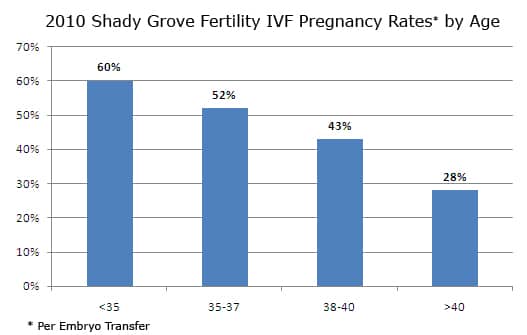
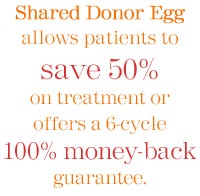
Shared Donor Egg has become a very popular option for Shady Grove Fertility patients – reducing the cost of treatment by up to 50% or offering a 6 cycle 100% money-back guarantee for the same cost as a traditional donor egg cycle.  The pregnancy rates for patients who have selected the Shared Donor Egg program are equal to the pregnancy rates of traditional egg donation.

The program is exclusively offered at Shady Grove Fertility and developed in response to one of the major barriers patients experience when donor egg is their only treatment option: the lack of insurance coverage for an expensive yet highly successful procedure.

The Shared Donor Options
SGF Nurse

There are several variations within the Shared Egg Donor Program which offers patients the ability to truly customize a plan that works for them, from a medical, emotional, and financial perspective.

  • Fee-for-service option allows patients to realize a savings of up to 50% over the cost of a traditional donor egg treatment cycle.
  • All-inclusive Shared Risk option gives patients the opportunity up to six cycles, if necessary, with a 100% money back guarantee if baby is not delivered. Patients pay a flat fee equal to one traditional donor egg cycle that includes the treatment, donor fee, and medications for all six cycles.

What is different is that the donor is shared. As our data below demonstrates, success rates remain very high even when donors are shared among one, two, or three recipient couples.

For more information on our Donor Egg Programs, please fill out this form or contact our Donor Egg Liaisons at 877-264-3311.

Filed Under: General Tagged With: Donor egg, Shared donor egg

March 6, 2012 by Shady Grove Fertility

British researchers have developed an embryo-incubating system that they say improves odds of conception by 27%. But larger fertility clinics in the U.S. are already ahead of the game.
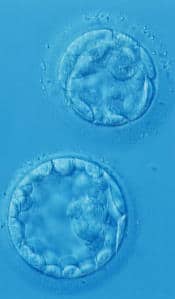

Even with top-notch doctors and top-notch laboratory conditions, pregnancy success through IVF is not a sure thing. So news that a new way of processing embryos during in vitro fertilization (IVF) has enhanced conception rates by more than a quarter would seem to be a welcome development.

At Newcastle University in England, a team of fertility experts has used a system of enclosed, interlinked incubators to more closely control the environment in which fertilization unfolds.

SGF Nurse

According to research published last week in the journal PLoS ONE, the technique at Newcastle Fertility Centre at Life, part of the Newcastle Hospitals NHS Foundation Trust, yielded a 27% increase in the clinic’s pregnancy rate compared with previous methods in which the embryos were removed from the incubators to assess their progress.

The study compared treatment outcomes over a period of three years, finding that 45% of women achieved a clinical pregnancy — in which a heartbeat is seen via ultrasound at seven weeks of pregnancy – compared with 32% and 35% in each of the preceding two years. “Growing good embryos is the key to IVF success and everyone, even those who have a very small prospect of success, deserve to have the best possible chance,” said Alison Murdoch, a professor of reproductive medicine who leads the clinical service at Newcastle Fertility Centre at Life, in a statement. “Since installing this new technology over 850 babies have now been born.”

The system is indeed innovative in the U.K., where it’s the first of its kind. Researchers reported that it’s been so successful that the same technique has been implemented in IVF clinics in the Netherlands, Canada and Thailand. So why not the U.S.? American women who rely on a boost from assisted reproduction to build their family would surely welcome anything that would improve their chances of conception.

It appears that the larger, more successful U.S. IVF clinics are already using similar methods as well as ones that are even more sophisticated in which controlled video systems provide a window into embryonic development. Incubators that resemble a waffle iron create micro-environments for embryos, which nestle in individual “wells” with little variation in pH or oxygen content.

“Having a well-controlled environment in in vitro fertilization is very important for success,” says Dr. Robert Stillman, medical director of Shady Grove Fertility Center, which has about 15 clinics in the Washington, D.C., metropolitan area.

Participants in the British study were women age 37 or younger who were in the midst of their first IVF cycle and had produced more than 10 ovarian follicles. Ovarian follicles contain an egg; women who produce 10 are considered to have responded well to hormonal stimulation. Their 27% increase in conception is great news for them, but Stillman says that Shady Grove, for example, has a 65% success rate with similar populations.

The average success rate in the U.K. is up to one-third lower than U.S rates, says Stillman, possibly due to differences in health care coverage. In the U.K. where IVF cycles are covered by insurance, women may tend to use their own eggs, which can make pregnancy odds trickier as a patient ages. In the U.S, where IVF is covered infrequently, women may rely more on donor eggs, which can increase pregnancy rates. The U.K. also has more single-embryo transfers, which can lower conception rates.

“They have the right idea,” says Stillman. “If you control the environment, you often get improvements in outcomes with IVF. But would we be able to increase our success rates by 27%? I think we are already toward the max.”

Bonnie Rochman is a reporter at TIME. Find her on Twitter at @brochman. You can also continue the discussion on TIME‘s Facebook page and on Twitter at @TIME.

Read more: http://healthland.time.com/2012/03/05/why-a-new-ivf-technique-wont-help-boost-pregnancy-rates-in-the-u-s/#ixzz1oN259100

Filed Under: General Tagged With: In vitro fertilization (IVF)

February 28, 2012 by Shady Grove Fertility

SGF Nurse

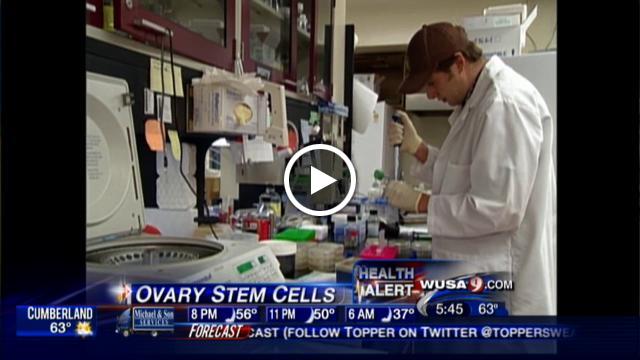
(WUSA) by Amy Leone — New research shows there could be a game-changing discovery in the world of fertility medicine.

Harvard scientists say they’ve discovered the ovaries of young women contain rare stem cells capable of producing new eggs. This discovery challenges the long-held belief that women are born with all the eggs they’ll ever have, and that those dwindle in health and number as they get older.

While the Harvard research team that uncovered these ovarian stem cells has high hopes for radically changing infertility treatments others question including Shade Grove Fertility’s medical director Dr. Robert Stillman how quickly it will happen.

“Women who are thinking about conception the issue that age plays a very important role in decreasing the ability to conceive easily still holds. This doesn’t mean that maybe some of their eggs will spring into action. I think this is exciting but perhaps for a future generation.”

Dr. Stillman also says women concerned about dwindling fertility who aren’t ready to start a family do have options now, including freezing eggs for the future. Shady Grove Fertility has a Fertility Preservation program.

Filed Under: General

February 15, 2012 by Shady Grove Fertility

A common question posed by most patients is, how am I going to pay for treatment?  Some patients are fortunate enough to have 100% of their treatment covered by insurance; some have partial insurance coverage while others will have to pay completely out of pocket.

Shady Grove Fertility has financial programs to help all patients, even those without insurance coverage, afford treatment.   In 2011, over 1,900 patients without insurance coverage took advantage of one of the following programs:

  • Shared Risk 100% Refund Program
  • Multi- Cycle Discount Program
  • Shared Help Fertility Discount Program
  • Shared Donor Egg Program
  • Fertility Finance

Shady Grove Fertility’s new patient center can give patients a general idea of the cost of treatment and insurance coverage when scheduling new patient appointments, although ultimately the cost of treatments will depend on the treatment recommended by your physician after your first visit. Following your initial consultation with your physician, you will meet with your dedicated Financial Counselor to review your individual insurance and financial options. At that time, they will outline your specific insurance options including co-payments and deductibles and the financial programs provided exclusively by Shady Grove.

To help navigate your financial options, we have listed some common questions from patients. If you would like to discuss your financial options, please call 1.888.761.1967.

Will my insurance cover fertility treatment?

Many patients are surprised to learn that Shady Grove Fertility currently accepts 22 different Insurance Plans which provide some level of insurance coverage to approximately 70% of our patients. If you have insurance you will likely have some form of coverage for your pre-screening, medications, and potentially treatments including IUI and IVF. Patients should expect some out of pocket expenses when utilizing their insurance plan including traditional deductibles, co-pays, and cycle deposits.

What is Shared Risk and does it make sense for me?

In 2011, over 1,100 patients were approved and participated in the Shady Grove Fertility Shared Risk program. The Shared Risk 100% Refund for IVF & Donor Egg is a wildly popular program that takes the guesswork out of paying for treatment.  Patients receive up to six (6) IVF cycles and subsequent frozen embryo transfers (FETs) for one flat fee with the added peace of mind that 100% of your money will be refunded if you decided not to proceed with treatment or if you do not take home a baby. This plan is ideal for patients planning to pay out of pocket, under the age of 39 or using donor egg, and that are considered a good candidate for IVF.
Click here to contact us about Shared Risk.

What financial options do I have if I am not eligible for Shared Risk?

Shady Grove Fertility introduced the Multi-Cycle Discount Program for IVF in April 2011; since its creation, over 191 patients have used this plan to make their treatment more affordable. The Multi-Cycle Discount Program is designed primarily for patients with no insurance coverage, and whose doctor recommends IVF treatment using their own eggs. This includes patients of any age and/or those not eligible for Shady Grove Fertility’s Shared Risk 100% Refund Program. By prepaying for multiple treatment cycles, this option provides up to a 40% discount off the cost of two fresh IVF cycles and subsequent FET (frozen embryo transfers) cycles. The Multi-Cycle Discount Program does not offer a refund of fees if a baby is not born, however, benefits include:

  • Medical and laboratory fees for two (2) IVF Cycles
  • Subsequent frozen embryo transfer cycles (FET)
  • Cryopreservation & cryo storage fees for one (1) year
  • Minimizes patient’s financial risk by fixing the cost of treatment and offering more than one chance at a successful pregnancy for a discounted rate

Contact us about the Multi-Cycle Discount Program.

What financial options are available for donor egg patients?

Patients not able to conceive using their own eggs may need to consider the use of a donor’s eggs. Donor egg treatment has traditionally been an expensive option that frequently required an extensive wait. Shady Grove Fertility has one of the largest Donor Egg databases making the process of selecting the right donor fast. With Shady Grove Fertility’s unique donor egg program, a recipient can choose to keep all of the eggs from a donor (1:1, unshared) or share the eggs anonymously with another recipient (1:2) or two other recipients (1:3). The chance of a successful delivery is nearly identical in all three programs (63% success rate). Currently 75% of donor egg patients utilize the Shared Donor Egg Program which can cut the cost of treatment by up to 50%. If you choose to pair the shared donor program with Shared Risk, you will have a 6 cycle 100% money-back guarantee for the same cost as one traditional donor egg cycle.

Does Shady Grove Fertility offer any discount programs?

Yes, those whose income is $95,000 or less and do not have insurance coverage for treatment are eligible for a discount off services and treatments. The Shared Help Fertility Treatment Discount Program is designed to work in conjunction and complement all of our other financial programs.  In 2011, there was a 24% increase in the number of patients accessing Shared Help.
Click here to learn more about Shared Help.

Do you have any loan options?

Shady Grove Fertility works exclusively with Fertility Finance which specializes in providing patient financing services for all fertility treatment options. In 2011, several hundred patients received loans from Fertility Finance these loans on average provided patients with $15,000 dollars to help them realize their dream of becoming a parent. Fertility Finance has an easy loan process and competitive rates making them a great resource for our patients.

Do you offer any grants or other programs?

Yes, Shady Grove Fertility works with the Tinina Q. Cade Foundation; a non-profit organization whose mission is to promote awareness of infertility and serve the needs of couples struggling with infertility. Each year, the Cade Foundation provides grants of up to $10,000 to infertile families to assist them with the cost of infertility treatment or domestic adoption. Last year, the Cade Foundation established the Savannah Grant, a family building grant that will provide support to Shady Grove Fertility patients pursuing IVF. This grant, specifically designated for a Shady Grove Fertility patient, is in honor of Savannah Caroline Pereira, a SGFC baby who tragically died in March 2010. All Shady Grove Fertility patients are eligible to receive the Savannah Grant. To apply for these grants, please submit an application for the Cade Foundation Family Building Grant. Application Deadline for this year is June 1, 2012.

Affording fertility treatment can seem difficult to navigate but Shady Grove Fertility’s expert financial counselors and insurance team are happy to help you along the way. Several thousand babies are born at Shady Grove Fertility every year; don’t let the fear of not being able to afford treatment stop you from realizing your dream of having a baby. To speak with someone at Shady Grove Fertility to discuss your financial options call 1.888.761.1967.

Click here if you would like to submit your questions online.

Filed Under: General

January 16, 2012 by Shady Grove Fertility

SGF Nurse

We are so excited to have our DC-based physician, Dr. Anitha Nair, as a guest on the January 17th episode of Anderson discussing donor sperm. As seen on ABC News and 20/20 there has been a trend of individuals circumventing the medical community and using unregulated donor sperm – some even generated and distributed out of an individual’s home. This is alarming for a number of reasons, and those needing donor sperm should make sure to do their research.
“The use of donor sperm from an anonymous or known donor who has not been screened for disease can pose significant health risks. The educated consumer should be wary that not all sperm banks are equal. It is recommended that the following screening and protocols have been performed by the sperm bank,” says Nair.

Where should you get donor sperm?

For patients seeking an anonymous donation there are several national certified sperm banks, including Fairfax Cryobank and California Cryobank. Those with known donors should contact their physician.

What should you be looking out for?

Disease risk and sperm quality. Certified sperm banks and fertility practices will screen donors for infectious disease risk, such as HIV and Hepatitis, and genetic disease. In addition to the screening for disease risk, knowing the sperm quality – and how likely it is to yield a successful pregnancy – is also a key to a good sperm donation. At Shady Grove Fertility, we test the sperm for sperm count (how many), motility (how much movement), and morphology (shape). You should never use a sperm sample – known or anonymous – without having it tested.
> Learn more about male fertility.

What treatment will you have with donor sperm?

Having the healthy sperm is only half of it what is needed to get pregnant. You will need to be tested for ovarian and fallopian tube function and egg quality. If the female screening is normal, intrauterine insemination (IUI), will likely be the treatment. If the female screening shows conditions such as fallopian tube damage, it may be necessary to move to treatment such as in vitro fertilization (IVF).
> Learn more about female fertility testing.

How common is the use of donor sperm?

It has immortalized in recent movies such as The Switch and The Back-Up Plan and has been a topic of world-wide conversation for decades now, but when looking at how commonplace the use of donor sperm is, just look at all the groups of people that need it to achieve their dream of parenthood. Donor sperm is also only option for many single women, women in lesbian couples, and women whose male partner is experiencing severe male infertility. In 2011 at Shady Grove Fertility, we did about 1350 IUIs with donor sperm, 23% of all IUI cycles. With donor sperm being used in about 1 in 4 IUI cycles, it is more common that you might have thought.
So if you think donor sperm is the right option for you, make sure that you visit certified sperm banks and discuss the option thoroughly with your physician before taking that next step.
To schedule a New Patient Consult with one of Shady Grove Fertility’s physicians, please call 877-971-7755 or click here to schedule an appointment.

Filed Under: General Tagged With: Donor sperm

January 11, 2012 by Shady Grove Fertility

While the majority of public perception of infertility is that it’s a disease that affects women who are in their late 30s and 40s, the truth is that infertility is often age-independent. Women of any age can have fertility issues and many times younger women wait much longer to seek treatment than they should.

While age does play a major role in a woman’s ability to successfully conceive a pregnancy due to a reduction in quality and quantity of a woman’s eggs, there are many other factors that play into a woman’s inability to conceive on her own.

How Does Age Play a Role in My Ability to Conceive?

Women are born with about 1 million eggs and as a woman ages, the number of eggs within the ovary begin to rapidly decrease. By the time she starts menstruating, she may only have about 400,000 eggs left.

When a woman reaches her 20s, the chances of becoming pregnant naturally each cycle is only about 20% each month. That number declines gradually through her 20s and early 30s. Once in her mid-to-late 30s and 40s the natural pregnancy rate drops to less than 10%.
Many couples who come to Shady Grove Fertility in their late 30s and into their 40s aren’t naturally getting pregnant largely due to their age. While a woman may be ovulating normally, it may be the quality of those eggs and specifically the genetic abnormalities of the eggs that explain unsuccessful conception.

Fertility treatment success rates follow the same pattern and often, when women are over the age 40, treatment using their own eggs is often unsuccessful and donor egg becomes the only option.

But I’m in my Early 30’s, Why Am I Having Trouble Getting Pregnant?

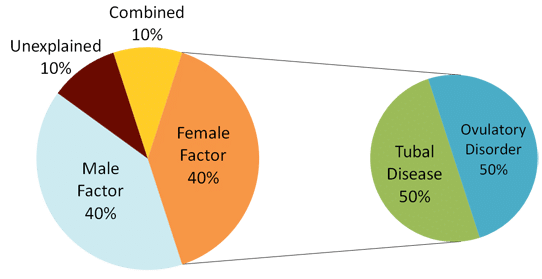
Younger women who are in their 20s and 30s who are not successfully conceiving may be facing a different set of roadblocks on their way to parenthood. This graphic below outlines the typical causes of infertility:

SGF Nurse


Two of the most common factors preventing women from conceiving are tubal problems and the inability to ovulate.

Blocked fallopian tubes won’t allow the egg and sperm to meet without intervention, but most women won’t suspect that these blockages are present. They’re virtually indiscernible by the patient but present a true physical barrier to conception.

Some potential causes of blocked fallopian tubes include:

  • congenital, structural problems present at birth
  • previous surgery in the abdominal or pelvic region
  • past non-recognized pelvic infections

If a woman isn’t ovulating, it doesn’t matter how young or healthy she is. To achieve pregnancy, a woman must ovulate. One of the “red flags” for an ovulation disorder might be irregular or absent menstrual periods, at any age. But not all women will experience the tell-tale signs of period problems.

When Should I Consider Seeing a Fertility Specialist?

Shady Grove Fertility recommends that women under the age of 35 schedule a basic fertility diagnostic evaluation with an infertility specialist after one year of unsuccessful conception with unprotected intercourse. Women 35 and older are recommended to seek evaluation after six months of trying, while women who are 40 years or older strongly consider scheduling a consultation as soon as they start planning a pregnancy. The earlier you take that first step to see a specialist, the better chance you have of conceiving a pregnancy.

SGF Nurse


What Happens Once I Decide To See A Specialist?

Each patient that decides to seek fertility treatment will begin with a basic fertility evaluation that includes the following:

  • a blood test for evaluating hormonal function
  • a sonogram to get an image of the pelvic organs, looking for any obvious structural problems
  • a hysterosalpingogram (HSG) or “tube dye test” to determine if the tubes are clear and the interior of the uterus is normal
  • a semen analysis for the male partner

This evaluation is a focused and unintimidating evaluation that can give anyone a feeling of reassurance that their fertility is intact. Or it may be the way that a couple learns not only why they haven’t gotten pregnant, but what treatment is necessary.

Once a diagnosis is determined, Shady Grove Fertility physicians will tailor a treatment protocol specifically for the individual patient. Over 50% of the treatments performed at Shady Grove Fertility are low tech, such as ovulation induction and Intrauterine Insemination (IUI), and, depending on the diagnosis, are most commonly the first methods of treatment attempted.

For example, a 28-year-old patient who has been diagnosed with an ovulatory disorder such as PCOS may begin her treatment with a couple cycles of oral medication (such as clomiphene citrate). This may be combined with either timed intercourse or IUI. This provides the patient and the physician with a good starting point in determining what the most successful method of treatment is for that individual.

If it’s determined that the patient ovulates multiple eggs per cycle on the stimulation medication then she may be transitioned to IVF so our physicians can control the odds of multiples by the transfer of a single, high-quality embryo. An additional benefit to using IVF is that extra embryos can be frozen and then used by a couple as many as years down the road to add children to their family — without an additional cycle of IVF.

So What’s the Bottom Line?

There are many options from low tech to high tech treatments with promising success rates for all diagnosis, but they are again age-dependant. The earlier you get started, the greater your chances of success.  Men and women of all ages can increase their chances for successfully having children by having greater understanding of their fertility factors and, most importantly, by not letting the fear of seeking the help from a fertility specialist stand in the way.

Whatever your questions are, we are here to help you. Don’t hesitate to call 888-761-1967 to speak with one of our friendly New Patient Liaisons who can help answer your questions as well as schedule a new patient appointment with one of our physicians.

Filed Under: General Tagged With: In vitro fertilization (IVF), Intrauterine insemination (IUI)

  • « Go to Previous Page
  • Page 1
  • Interim pages omitted …
  • Page 40
  • Page 41
  • Page 42
  • Page 43
  • Page 44
  • Interim pages omitted …
  • Page 46
  • Go to Next Page »

Company

  • About SGF
  • About US Fertility
  • Our Doctors
  • Fertility Equity
  • Careers
  • Newsroom
  • SGF College Scholarship
  • Contact Us
  • Voice Your Feedback

Treatments

  • Egg Freezing
  • Intrauterine Insemination (IUI)
  • In Vitro Fertilization (IVF)
  • Frozen Embryo Transfer (FET)
  • LGBTQIA+ Family Building
  • Shared Risk 100% Refund Program
  • All Treatments

Resources

  • Patient Portal
  • Online Bill Pay
  • Library
  • Support Groups & Events

Locations

  • California
  • Colorado
  • Delaware
  • Florida
  • Georgia
  • Maryland
  • North Carolina
  • Pennsylvania
  • Texas
  • Virginia
  • Washington, D.C.

2026 Shady Grove Fertility

  • Policies & Notices
Also of interest
  • In Vitro Fertilization IVF
  • Fertility Tests
  • Research Publications