• Skip to primary navigation
  • Skip to main content
  • Skip to footer
Shady Grove Fertility
  • Become an Egg Donor
  • Referring Physicians
  • 1-888-761-1967
  • Schedule Appointment
  • Get Started
        • Get Started
          • Causes of Infertility
          • Fertility Tests
          • When to Seek Help
          • Find a Doctor
          • Preconception and prenatal vitamins 
          • Schedule an Appointment
        • Personalized Care For
          • Single Parents
          • LGBTQIA+ Family Building
          • People with Cancer
          • Known Genetic Diseases
          • Egg Donors
  • Treatments
        • Fertility
          • Timed Intercourse
          • Ovulation Induction
          • Intrauterine Insemination (IUI)
          • In Vitro Fertilization (IVF)
          • Frozen Embryo Transfer (FET)
        • Donation & Surrogacy
          • Donor Sperm
          • Donor Egg
          • Donor Embryo
          • Gestational Carrier
          • LGBTQIA+ Family Building
          • Single Parents
          • Find a Donor
        • More Treatments
          • Center for Male Fertility
          • Egg Freezing
          • OncoFertility
          • Preimplantation Genetic Testing
          • MIGS
          • All Fertility Treatments
  • Resources
    • Resource Library
    • Events Calendar
    • Patient Stories
    • Mental Health
    • Wellness Center
  • Insurance & Savings
    • Insurance & Benefits
    • Shared Risk 100% Refund Program
    • 100% Refund for Donor Egg
    • Discounts
    • Egg Freezing Costs
    • Financing & Grants
    • Clinical Trials
  • About
    • Find a Doctor
    • About SGF
    • Our Care Team
    • Advanced Practice Providers
    • Fertility Equity
    • Philanthropy
    • Newsroom
    • Careers
    • Contact Us
    • Voice Your Feedback
  • Locations
        • Find a Location
        • California
        • Colorado
        • Delaware
        • Florida
        • Georgia
        • Maryland
        • North Carolina
        • Pennsylvania
        • Texas
        • Virginia
        • Washington, D.C.
        • Chile
        • International & Out of State
        • SGF at Walter Reed National Military Medical Center
  • Patient Hub
    • Online Bill Pay
    • Patient Forms
    • Patient Portal
  • Call your care team
  • Become an egg donor
  • Referring physicians
  • search-icon
  • Schedule appointment 1-888-761-1967

Home / General / Page 44

General

July 25, 2011 by Shady Grove Fertility

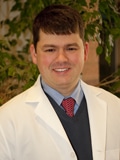
Dr. Ricardo Yazigi

by Dr. Eric Levens

Almost daily in my clinical practice, and on Facebook, we get questions about polycystic ovary syndrome (PCOS) and what the diagnosis means for fertility and overall health. PCOS remains the most common endocrine disorder in women of reproductive age. It affects approximately 5 -10% of the population and consists of a group of symptoms.

In order to be diagnosed with PCOS, a woman must have two out of three findings:

  1. Enlarged ovaries with multiple resting follicles
  2. Increased male hormones in the blood, balding, acne, or excess hair growth
  3. Absent or irregular menstrual cycles.

It’s important to remember that no single criteria is sufficient to make the diagnosis.
There are several important facets of PCOS to consider. The first has to deal with immediate fertility concerns. Other concerns include the long-term health consequences of PCOS and their impact on the health of a pregnancy.

> Diagnosing & Treating PCOS

PCOS & Your Fertility

Because the ovaries are not producing a follicle containing an egg each month (and sometimes no follicle is produced at all), without assistance, achieving a pregnancy can be very difficult, if not impossible. Oral fertility medications like clomiphene, which have been available for more than 50 years, continue to be widely used to produce an ovarian follicle containing an egg. Clomiphene acts by blocking the action of estrogen in the brain (the hypothalamus and pituitary — learn more in a previous entry “What Happens in Your First Visit to a Fertility Doctor?”). As a result, there is an increased production of follicle stimulating hormone (FSH) causing the development of one or more follicles.

Timed intercourse or intrauterine insemination (IUI) can then be scheduled around the development of the follicle(s), provided that the Fallopian tubes are open and the sperm counts are normal. The typical chances for success are about 15 – 25% per cycle with higher chances among younger women and lower chances for older women. In the end, several treatment cycles may be required to achieve a pregnancy and, if this process is not successful, then moving on to another treatment such as injectable medications or IVF may be necessary.

> SGF Patient Conquers The PCOS Challenge

Hopefully this information helps you better understand PCOS and what’s required, for many women with this condition, to achieve pregnancy. I wish you the best in the pursuit of a fertile future.


Filed Under: General Tagged With: Dr. Eric Levens, Intrauterine insemination (IUI)

June 8, 2011 by Shady Grove Fertility

by Dr. Naveed Khan, MD

Fertility Services in Leesburg

It seems like just yesterday that we moved into our office space next to Loudon Hospital. I joined Shady Grove Fertility Center in 2005 and was pleased to be the first Reproductive Endocrinologist to bring fertility services to Loudon County and surrounding areas. Since that time, our patient base has increased dramatically and so has our staff. After an extensive search for the right space, we are comfortably moved into our new digs at 19500 Sandridge Way, Ste. 280, Leesburg, VA 20176 (Map it!).

The new, state-of-the-art office offers new patient appointments, morning monitoring and a full range fertility services in Leesburg (testing, IUI, IVF, Donor Egg). Additional exam rooms and blood draw stations were designed to help get you in and out of your morning monitoring appointments quickly.

Fertility Services in LeesburgOpen House in Leesburg

Join us on Thursday, June 9 from 12-2 for our Open House to take a tour, meet our staff, and see the new fertility services in Leesburg! Here’s a sneak peak of what the space looks like!

Filed Under: General Tagged With: In vitro fertilization (IVF)

May 13, 2011 by Shady Grove Fertility

Fertility Services in Waldorf, MD

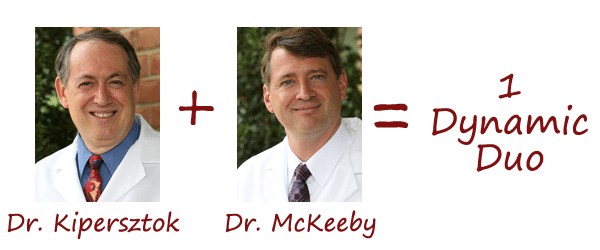
Over the last couple of weeks the Waldorf team has settled in nicely to their new home at 3010 Crain Highway, Suite 201, Waldorf, MD 20601 (map it!). If you know the area, it is the Luxxery building. Dr. Simon Kipersztok is in the office 4 days a week and Dr. Jeffrey McKeeby is in the office each Thursday. While both docs are excited for their adventure in Waldorf, they will still be seeing patients in Annapolis.

> Find out more about the Waldorf location.
> View all of Shady Grove Fertility’s locations.

The new Waldorf location is a full-service office, open Monday-Friday. For patients needing appointments over the weekend, they will be seen at our Annapolis location. Egg retrievals and embryo transfers will still be done at our Rockville location. While the office grows into their new status as “full-service” and the staff continues their training, IUI’s will also be held in Annapolis – although they will offer this service later this summer in the Waldorf office.

If you haven’t yet seen the new digs, come on this photo tour with us!

SGF Nurse
SGF Nurse

Step inside and you’ll find our fabulous doctors.

SGF Nurse
SGF Nurse

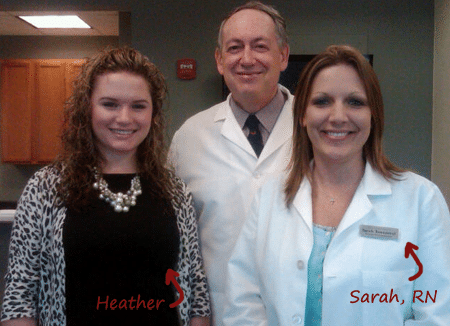
Once you come into the office you’ll be greeted by our fabulous Patient Service Rep, Heather at the front desk – and don’t worry, office will be a little more decorated!

SGF Nurse
SGF Nurse

There are two blood draw stations and two exam rooms to help speed up your morning visits.

SGF Nurse

Blood and semen analysis will be done here!

(right to left: Heather, Dr. Kipersztok and Sarah the RN)
(not pictured: Dr. McKeeby, Iyesha the MA, and Ann the office supervisor)

And that’s our office! Hope to see you soon 🙂

If you would like to schedule a new patient appointment in Waldorf or any other Shady Grove Fertility location, please call 1-888-761-1967 or click here.

Filed Under: General

May 12, 2011 by Shady Grove Fertility

Dr. Ricardo Yazigi

by Dr. Eric Levens

As we celebrate National Nurses Week, I wanted to spend some time describing the indispensable role nursing staff plays of caring for patients. Infertility nurses come from a variety of training backgrounds, but the vast majority have previous experience in Women’s Health Care. Infertility nurses work diligently to help execute treatment plans and play an important role in supporting patients through the complex journey of infertility from diagnosis to treatment to pregnancy.

What can you expect from your infertility nurse? As described in a previous posting, the initial visit to an infertility specialist often involves several essential tests including ovarian reserve testing, a hysterosalpingogram (HSG), and scheduling a semen analysis. The nurses in my office work to aid patients in scheduling these appointments and to ensure that these test results return promptly. Unique to this medical specialty, fertility testing and treatment involves specific timing around the menstrual cycle that for some may be unpredictable requiring efficient and effective attention. To be an infertility nurse requires exquisite organization to care for the many patients that my team cares for on a daily basis. The nurses work tirelessly to execute the treatment plans that the physicians formulate with couple’s starting at the initial visit. Frequently, infertility nurses instruct patients on how to administer the fertility medications. This is certainly true in my office where my nursing team provides outstanding teaching to couples, including how to administer subcutaneous and intramuscular injections. For many patients, this is the first time they have had to give injections to themselves. Understandably, this can create a certain level of anxiety which nurses will skillfully help to reduce.

Scheduling treatment plans is more involved and complicated than many patients realize. At Shady Grove Fertility nurses also perform that important role. Again, not only is reproductive endocrinology and infertility a complicated subject, but the complexity of cycle timing adds another dimension that must be managed. Our nurses do such an outstanding job at making sure that treatment plans are effectively delivered.
The diagnosis and treatment of infertility involves significant stress that in several studies has been shown to be comparable to being diagnosed with cancer. Added to this stress is the cost of treatment, which all too frequently is not covered by insurance plans. In the end, an empathetic nursing team will work under stressful conditions to ensure that patients are compassionately and effectively cared for.

To this end, I want to recognize all infertility nursing staff for a job exceptionally well done and I hope each and every one has a wonderful Nurses Week and that we continue to work together to provide you a Fertile Future.

Filed Under: General

May 8, 2011 by Shady Grove Fertility

Finding Ways to Mother Yourself
by Sharon N. Covington, MSW, LCSW-C
Director, Psychological Support Services

Springtime—and the month of May in particular—can be a difficult time for women experiencing infertility. Because Mother’s Day comes in the Spring when things are being born and growing all around us, women confronting this situation are constantly reminded of what they don’t have.

There are a number of things that you can do to help yourself cope with the unique set of challenges that Mother’s Day presents. Holidays celebrating parenthood are often painful for infertile people, and so it is important that you be proactive and think ahead about how you want to spend the day. In preparing, think about self-care as three different areas—physical, emotional, and spiritual—and then try and focus on each one as it pertains to you. Here are some “survival tips” to help you get through:

Physical
Although you’ve heard it a thousand times before, it is easy to forget about physical self-care when you are involved in fertility treatment. Regardless of your treatment, you still need to try to exercise every day, even it it’s just taking a 15-minute walk. Yoga is a particularly helpful exercise as it helps you take care of yourself on all three levels and is wonderful stress reducer.

> Find our more about Yoga for fertility at Pulling Down the Moon.

In addition, make sure you are eating healthy. While it is not a good idea to be rigorous dieting when in treatment, it is a time to be making sure you are putting healthy food in your body. On Mother’s Day, you may want to consider going for a hike, bicycling, or a picnic in the park that takes you away from crowds at restaurants.

Emotional
Surround yourself with relationships that help make you feel good and positive about yourself. Spend time with friends that are warm and caring, and devote time to your partner separate from your normal daily activities. Find ways to have fun in your life, maybe even by going out and enjoying the good things about spring, and defocusing  on Mother’s Day.

Set aside 10 to 15 minutes each day to relax, unwind, meditate, and imagine positive things in your life. Allow yourself “indulgences”. What makes you feel good? Maybe it’s taking a bubble bath with candles lit, or reading a favorite novel in a quiet room. It’s important to pamper yourself during stressful times in your life.

Spiritual
If religion is an important part of your life, you might want to find some way to address what you’re going through in a spiritual way. One idea would be to light a candle for yourself and say a special prayer recognizing the mother within you. Or you may want to consider taking this opportunity to educate your clergy about the experience of infertility and how they can be more supportive to those struggling with it.

Try to find a purpose for what you’re going through. Often times people going through infertility find ways to put meaning into this painful experience which can be very helpful to them over time. In effect, it allows them a way to “make lemonade out of the lemons” that life has handed them.

Discovering ways to mother yourself physically, emotionally and spiritually can be energizing and healing. Taking one or two actions in each of these areas will allow you to focus on you being good to yourself and help you get through.

> See all of Shady Grove Fertility’s upcoming support groups.

Filed Under: General

March 22, 2011 by Shady Grove Fertility

Dr. Ricardo Yazigi

by Dr. Naveed Khan, MD

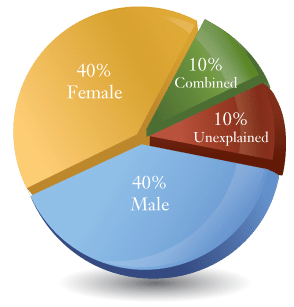
Men often ask me this question when they visit for their initial consultation.  “But I feel fine”, “There is nothing wrong with me!” or “I’ve had a child before, so I don’t need one”- these are also common responses when men are asked to have their sperm tested. And they may be correct, but it is important to check. It is sometimes surprising to couples that roughly 40% of the time, infertility lies with the male.

SGF Nurse

During basic fertility testing, men are required to submit a sperm sample for analysis. By comparison, women must undergo blood work, ultrasounds, and radiology tests. So gents, how bad can one test be?

The semen analysis is used to check for any male factor fertility issues that can contribute to a couples’ infertility.  Regardless of whether a man has previously fathered a child, the semen analysis still needs to be performed since we all age and our bodies change.  A man may not display any clinical symptoms of infertility, so measures must be taken to assure that all bases are covered. After all, we do treat patients as couples.

Some of the parameters that are checked in a semen analysis include:  volume, sperm count, motility (movement), and morphology (shape) of the sperm.  It can detect abnormalities or the existence of infection that is producing white blood cells in the semen. It can also determine the maturity of the sperm being produced.  Most men collect the semen via ejaculation into a clean sample cup which can either be obtained from any one of our office locations or at most pharmacies.  Additionally, sterile latex free condoms can also be used. Following ejaculation, the entire condom is placed into the collection container.

Prior to producing a sample, a man should ideally abstain from ejaculation 2-3 days prior to collection for the actual test, but never more than 5 days.  From the time of collection, the patient has about 60-90 minutes to get the specimen to the office for analysis. It is best not to expose the sample to extreme temperatures, which is often achieved by transporting the specimen container in close contact with the body to maintain a stable temperature.

Once a specimen is delivered for analysis to our andrology lab, results are often available for the physician within 3-5 business days. It is imperative to understand that the individual parameters of a semen analysis can vary significantly, so it is not uncommon to have more than one test performed. If the results of the analysis show abnormal levels, it may indicate the need for further testing of hormones and genetics. Sometimes it warrants a visit to a fertility urologist who specializes in assisting with male infertility.

The silver lining is that today there are very effective treatments for male factor infertility, many of which we offer at Shady Grove Fertility.  Some of these treatment options include intrauterine insemination (IUI) and in vitro fertilization with intracytoplasmic sperm injection (ICSI). ICSI is achieved by infusing a single sperm with a woman’s egg to ensure fertilization.

> Learn more about ICSI

It often comes as a shock to many men that the prevalence of male infertility is so frequent; probably because it isn’t a topic eagerly discussed amongst men, or couples even. But in keeping with our goals to treat patients as couples, it is very important to know exactly what a couple is dealing with in order to make the most effective and optimal treatment plan possible, so men – have no fear. By contributing in this small fashion, we can help both you and your partner have the family you both desire.

Filed Under: General Tagged With: In vitro fertilization (IVF), Intracytoplasmic sperm injection (ICSI), Intrauterine insemination (IUI), Semen analysis

  • « Go to Previous Page
  • Page 1
  • Interim pages omitted …
  • Page 42
  • Page 43
  • Page 44
  • Page 45
  • Page 46
  • Go to Next Page »

Company

  • About SGF
  • About US Fertility
  • Our Doctors
  • Fertility Equity
  • Careers
  • Newsroom
  • SGF College Scholarship
  • Contact Us
  • Voice Your Feedback

Treatments

  • Egg Freezing
  • Intrauterine Insemination (IUI)
  • In Vitro Fertilization (IVF)
  • Frozen Embryo Transfer (FET)
  • LGBTQIA+ Family Building
  • Shared Risk 100% Refund Program
  • All Treatments

Resources

  • Patient Portal
  • Online Bill Pay
  • Library
  • Support Groups & Events

Locations

  • California
  • Colorado
  • Delaware
  • Florida
  • Georgia
  • Maryland
  • North Carolina
  • Pennsylvania
  • Texas
  • Virginia
  • Washington, D.C.

2026 Shady Grove Fertility

  • Policies & Notices
Also of interest
  • In Vitro Fertilization IVF
  • Fertility Tests
  • Research Publications