
• Skip to primary navigation
  • Skip to main content
  • Skip to footer
Shady Grove Fertility
  • Become an Egg Donor
  • Referring Physicians
  • 1-888-761-1967
  • Schedule Appointment
  • Get Started
        • Get Started
          • Causes of Infertility
          • Fertility Tests
          • When to Seek Help
          • Find a Doctor
          • Preconception and prenatal vitamins 
          • Schedule an Appointment
        • Personalized Care For
          • Single Parents
          • LGBTQIA+ Family Building
          • People with Cancer
          • Known Genetic Diseases
          • Egg Donors
  • Treatments
        • Fertility
          • Timed Intercourse
          • Ovulation Induction
          • Intrauterine Insemination (IUI)
          • In Vitro Fertilization (IVF)
          • Frozen Embryo Transfer (FET)
        • Donation & Surrogacy
          • Donor Sperm
          • Donor Egg
          • Donor Embryo
          • Gestational Carrier
          • LGBTQIA+ Family Building
          • Single Parents
          • Find a Donor
        • More Treatments
          • Center for Male Fertility
          • Egg Freezing
          • OncoFertility
          • Preimplantation Genetic Testing
          • MIGS
          • All Fertility Treatments
  • Resources
    • Resource Library
    • Events Calendar
    • Patient Stories
    • Mental Health
    • Wellness Center
  • Insurance & Savings
    • Insurance & Benefits
    • Shared Risk 100% Refund Program
    • 100% Refund for Donor Egg
    • Discounts
    • Egg Freezing Costs
    • Financing & Grants
    • Clinical Trials
  • About
    • Find a Doctor
    • About SGF
    • Our Care Team
    • Advanced Practice Providers
    • Fertility Equity
    • Philanthropy
    • Newsroom
    • Careers
    • Contact Us
    • Voice Your Feedback
  • Locations
        • Find a Location
        • California
        • Colorado
        • Delaware
        • Florida
        • Georgia
        • Maryland
        • North Carolina
        • Pennsylvania
        • Texas
        • Virginia
        • Washington, D.C.
        • Chile
        • International & Out of State
        • SGF at Walter Reed National Military Medical Center
  • Patient Hub
    • Online Bill Pay
    • Patient Forms
    • Patient Portal
  • Call your care team
  • Become an egg donor
  • Referring physicians
  • search-icon
  • Schedule appointment 1-888-761-1967

Home / For Patients / Page 2

For Patients

June 12, 2024 by Shady Grove Fertility

SGF is proud to make family-building care more accessible. We are happy to share that we have successfully partnered with Cigna to remain an in-network provider at your current SGF location.

Please contact your financial counselor to proceed with family-building care using Cigna coverage.

If you are a new patient with Cigna coverage, please call 1-888-761-1967 to schedule an appointment.

FAQ

A: Yes.

A: For further questions, please reach out to your care team via the patient portal.   

Filed Under: For Patients

April 3, 2024 by laurenvastine

After completing the in vitro fertilization (IVF) journey, many families find themselves with remaining cryopreserved embryos at Shady Grove Fertility (SGF). As families grow and a patient feels their family is complete, there may come a time when continued embryo storage is no longer necessary.   

“At Shady Grove Fertility, patients may choose to store embryos with us indefinitely, but there will likely reach a point where that is no longer the optimal choice for them and their family,” shares Benjamin Harris, M.D., M.P.H., who provides patient care at SGF’s Richmond and Norfolk locations. “We want to make sure all patients are informed and educated about their options for disposition, when the time is right.”  

If you’re wondering what to do with your remaining embryos, SGF offers several thoughtful options — including the opportunity to make a profound impact through embryo donation.

Donate embryos to another family 

Embryo donation offers a unique change to help another hopeful family achieve their dream of bringing home a baby.  

“SGF believes everyone has the right to build their family, which is why we encourage patients to consider embryo donation,” shares Dr. Harris. “This is especially important in the African-American community, where couples seeking Black donor embryos are typically waiting more three years to match. We want to educate our patients about these shortages in the hope it inspires them to consider giving the gift of life.” 

How the embryo donation process works: 

  • SGF partners with Luminary Health Technologies to streamline embryo donation. Donors create de-identified profiles which include information about geographical location, physical characteristics, race, religion, and education.  
  • Expanded profiles also include information about a donor’s embryos, medical history, personal story, and embryo donation special conditions.  
  • Potential recipients view these profiles to find the best match.  

Interested in donating? Our team will guide you through the embryo donation process. 

Donate embryos to science 

Donating embryos to Human Embryonic Stem Cell Research (HESC) is an option for patients who would like to aid scientific advancements in finding new ways to treat disease. The powerful instinct to give back to society can make donating to research a rewarding choice. Patients are responsible for finding a study and contacting the research team to explore donation options.  

Thaw and discard embryos 

For some, choosing to thaw and discard embryos may be the right path. This option includes: 

  • A member of the IVF laboratory withdrawing your embryos from a liquid nitrogen tank.   
  • The embryos will thaw without transferring them into culture media, after which they will cease to develop. 
  • The embryos are then discarded in an ethical and biologically appropriate manner.  

Alternatively, patients can bring their embryos home and discard them in a way that is personal and meaningful to them.  

“We want our patients to feel empowered to make the best decision for them and their families,” shares Dr. Harris. “We are always here to answer questions and will support our patients throughout the process.” Need guidance? 

For all these options, we advise patients to take the time needed to consider what choice is right for them. For more information: 

  • Log in to your  Luminary Health Technologies Cryostorage Billing Portal. 
  • Contact your SGF clinical team for more personalized support.  

Embryo donation has the power to turn hope into reality. If your family is complete, consider giving another family the greatest gift of all – the change to grow theirs. 

Schedule Appointment
Medical contribution by Benjamin S. Harris, M.D., MPH

Benjamin S. Harris, M.D., MPH, is board certified in obstetrics and gynecology (OB/GYN) and reproductive endocrinology and infertility (REI). Dr. Harris is passionate about educating patients and helping them understand the concepts underlying their unique set of reproductive circumstances.

Filed Under: For Patients Tagged With: Donor embryo

August 4, 2022 by laurenvastine

Dear Valued Patient,

As monkeypox is a relatively new virus, SGF continues to follow CDC and state guidelines. For the most up to date information regarding monkeypox, please visit the CDC website.

Monkeypox FAQ

Please contact your primary care provider for testing and further evaluation. Signs and symptoms of monkeypox can be found on the CDC website.

Patients who have been in contact with an individual with monkeypox, are suspected of having monkeypox, or are diagnosed with monkeypox should abstain from visiting SGF facilities.

Treatment cycles may be subject to cancellation or postponement if you are suspect of having or diagnosed with monkeypox. Treatment may be resumed per SGF provider discretion.

  • SGF New York
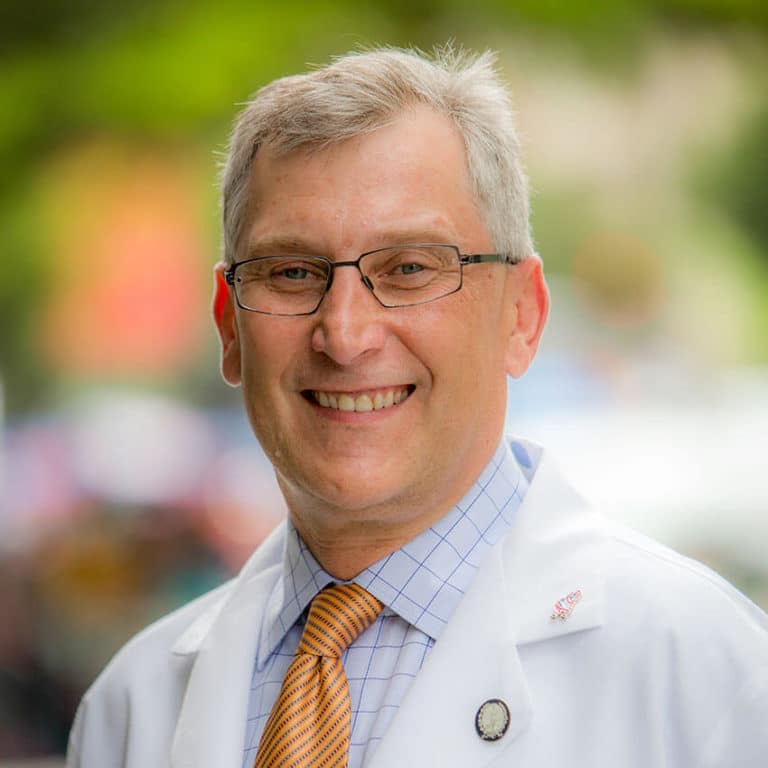
Medical contribution by Eric A. Widra, M.D.

Eric A. Widra, M.D., is the Executive Senior Medical Officer for Shady Grove Fertility and the associate director of the Combined Federal Fellowship in Reproductive Endocrinology and Infertility—a post-graduate training program for future leaders in this subspecialty, operated through the National Institutes of Health, Walter Reed National Military Medical Center, and Shady Grove Fertility.

Filed Under: For Patients

May 20, 2022 by Shady Grove Fertility

Dear Valued Patient,

Shady Grove Fertility continues to follow recommendations from the Centers for Disease Control and Prevention (CDC), American Society for Reproductive Medicine (ASRM), and American College of Obstetricians and Gynecologists (ACOG) in response to COVID-19. Our Practice leaders examine the implications of all recommendations with a careful focus on our duty to our patients and to public health. We continue to monitor the situation closely and change our response as indicated, while practicing only evidence-based medicine as our standard.

Please refer to the Frequently Asked Questions below or visit the CDC website for more information about COVID-19.

Medical contribution by Eric A. Widra, M.D.

Eric A. Widra, M.D., is the Executive Senior Medical Officer for Shady Grove Fertility and the associate director of the Combined Federal Fellowship in Reproductive Endocrinology and Infertility—a post-graduate training program for future leaders in this subspecialty, operated through the National Institutes of Health, Walter Reed National Military Medical Center, and Shady Grove Fertility.

COVID-19 FAQ

Effective May 20, 2022, SGF is offering in-person New Patient consults and Follow Ups. Patients can bring one support person to New Patient consults and Follow Up appointments. Vaccination status is not required. 

Blood work, ultrasound, and procedure appointments are also being conducted in-person with safety precautions in place. Patients can bring a support person to the following appointment types: IUIs, obstetrical ultrasounds, embryo transfers, egg retrievals, and ASC surgical procedures. Patients cannot bring a support person to basic monitoring appointments such as blood work and ultrasound at this time.

We thank you for your cooperation in following the requirements below to protect the health of the SGF community:

  • Vaccination status is no longer required for in-person appointments. 
  • If you are experiencing cold or flu-like symptoms, have a fever, or have recently been exposed to someone who has tested positive for COVID-19, we kindly ask that you do not enter an SGF facility. Please contact your clinical team with questions.
  • All patients, visitors, and staff are required to wear a mask that covers both the nose and mouth while inside an SGF facility. Masks should be worn before entering the building, a lobby, or boarding an elevator.
  • Valve masks and neck gaiter masks are NOT permitted in our offices. One-way valve masks or masks with vents, are ineffective; Only protecting the person wearing it and not others.
  • Patients dropping off semen specimens are required to wear a face mask to enter an SGF office.

For more information, please visit the CDC’s website: Effective Masks

SGF does not test patients for coronavirus. Please contact your primary healthcare provider to discuss testing or if you are experiencing any cold or flu-like symptoms

SGF providers and staff are prepared to safely manage care while taking necessary precautions against the spread and transmission of COVID-19. At this time, SGF has taken measures to limit transmission by promoting hand hygiene and disinfecting protocols, inputting screening measures, modifying appointments and schedules, performing consults electronically when indicated, and adjusting treatment cycles if deemed necessary.

Given the recent rise in COVID-19 cases, it is important for you to consider the following information prior to starting your treatment cycle.  We will always work to maximize the chances for completing successful treatment, however, the rapid evolution of the pandemic may create new and unexpected challenges.

  • If you elect to proceed with treatment, at any point during your cycle, your treatment cycle may be stopped (cancelled) and rescheduled for a later date. There may come a point where SGF may not be able to support treatment cycles (e.g., illness of doctors or laboratory staff which would prevent SGF from rendering services, or SGF being required to shut down pursuant to a government order). In addition, if you have been exposed to COVID-19, diagnosed with COVID-19, or become symptomatic with any febrile illness which could possibly be COVID-19, SGF may elect to not proceed with your treatment cycle and reschedule for a later time.
  • If you proceed with an IVF treatment cycle, at any point during your cycle, SGF may determine that all viable embryos must be vitrified (frozen) and a transfer cancelled.  If you elect to proceed with your treatment cycle, you will be financially responsible for any charges incurred for services rendered not covered by your insurance (e.g., medications, ultrasound, bloodwork, and embryo vitrification).  Alternatively, you can elect to delay your treatment.

Following the recommendations of the CDC, ACOG and ASRM, SGF has no reason to believe that COVID-19 or the COVID vaccines can adversely affect fertility, treatment outcomes, or pregnancy.

SGF does not recommend a delay in treatment in most cases and recommends a risk-benefit analysis discussion between patients and their provider. With caution and safety measures in place, we feel it is appropriate to move forward with fertility treatment, if that is what your physician advises. 

Given the recent rise in COVID-19 cases, it is important for you to consider the following information prior to starting your treatment cycle.  We will always work to maximize the chances for completing successful treatment, however, the rapid evolution of the pandemic may create new and unexpected challenges.

  • If you elect to proceed with treatment, at any point during your cycle, your treatment cycle may be stopped (cancelled) and rescheduled for a later date. There may come a point where SGF may not be able to support treatment cycles (e.g., illness of doctors or laboratory staff which would prevent SGF from rendering services, or SGF being required to shut down pursuant to a government order). In addition, if you have been exposed to COVID-19, diagnosed with COVID-19, or become symptomatic with any febrile illness which could possibly be COVID-19, SGF may elect to not proceed with your treatment cycle and reschedule for a later time.
  • If you proceed with an IVF treatment cycle, at any point during your cycle, SGF may determine that all viable embryos must be vitrified (frozen) and a transfer cancelled.  If you elect to proceed with your treatment cycle, you will be financially responsible for any charges incurred for services rendered not covered by your insurance (e.g., medications, ultrasound, bloodwork, and embryo vitrification).  Alternatively, you can elect to delay your treatment.

You can protect yourself and help stop the spread of COVID-19 by taking the following precautions:

  • Get vaccinated per CDC recommendations. 
  • Wear a mask that fully covers your nose and mouth when in public. 
  • Practice social distancing. Stay at least six feet away from others.
  • Avoid people who are sick and crowds
  • Wash your hands frequently with soap and water for 20 seconds or use hand sanitizer with at least 60% alcohol
  • Follow CDC travel guidance
  • Follow quarantine guidance after exposure to COVID-19
  • Follow any applicable workplace guidance

SGF supports guidance from the CDC, FDA, and ACOG regarding COVID vaccinations while trying to conceive. Updated guidance from the CDC states:

COVID-19 vaccination is recommended for all people aged 12 years and older, including people who are pregnant, breastfeeding, trying to get pregnant now, or might become pregnant in the future. Pregnant and recently pregnant people are more likely to get severely ill with COVID-19 compared with non-pregnant people. Getting a COVID-19 vaccine can protect you from severe illness from COVID-19.

Guidance from ACOG also supports COVID-19 vaccination,

Vaccination is strongly recommended for non-pregnant individuals. Based on the benefit-risk assessment, COVID-19 vaccination continues to be recommended for all persons aged ≥ 12 years under the FDA’s EUA. Further, ACOG recommends vaccination for individuals who are actively trying to become pregnant or are contemplating pregnancy. Additionally, it is not necessary to delay pregnancy after completing both doses of the COVID-19 vaccine. 

Claims linking COVID-19 vaccines to infertility are unfounded and have no scientific evidence supporting them. Given the mechanism of action and the safety profile of the mRNA vaccines in non-pregnant individuals, COVID-19 mRNA vaccines are not a cause of infertility. Adenovirus vector vaccines such as the Janssen COVID-19 vaccine cannot replicate following administration, and available data demonstrate that it is cleared from tissues following injection. Because it does not replicate in the cells, the vaccine cannot cause infection or alter the DNA of a vaccine recipient and is also not a cause of infertility (Evans, 2021, Morris 2021). Therefore, ACOG recommends vaccination for all eligible people who may consider future pregnancy. 

If an individual becomes pregnant after the first dose of a COVID-19 vaccine requiring two doses (Pfizer-BioNtech or Moderna), the second dose should be administered as indicated. 

Finally, routine pregnancy testing is not recommended and should not be required prior to receiving any EUA-approved COVID-19 vaccine.

During this unprecedented time, we continue to offer our patients the support they need and deserve. Our staff is available to ensure that patients can progress toward their family building goals.

To expedite the proper handling of your needs and to provide the best possible service, please direct all communication to the contact information below. 

  • All general scheduling questions should to be addressed to the SGF New Patient Center at: 1-888-761-1967. 
  • All clinical questions should be addressed to your clinical team and sent via the SGF Patient Portal. 
  • All financial questions should be addressed to your financial team and sent via the SGF Patient Portal. 
  • All SGF Patient Portal technical/troubleshooting questions, call the SGF New Patient Center at 1-888-761-1967. 

For more information about COVID-19, visit www.cdc.gov or your local health department. 

  • Read the CDC’s vaccination guidance for people who are pregnant or breastfeeding. 
  • Read more about COVID-19 symptoms from the CDC.

REFERENCES

  1. Advisory Committee on Immunization Practices. ACIP recommendations. Available at: https://www.cdc.gov/vaccines/acip/recommendations.html. Retrieved December 11, 2020. 
  2. Centers for Disease Control and Prevention. COVID-19 (coronavirus disease): people with certain medical conditions. Available at: https://www.cdc.gov/coronavirus/2019-ncov/need-extra-precautions/people-with-medical-conditions.html. Retrieved December 11, 2020. 
  3. Centers for Disease Control and Prevention. Coronavirus disease 2019 (COVID-19): people with certain medical conditions. Available at: https://www.cdc.gov/coronavirus/2019-ncov/need-extra-precautions/people-with-medical-conditions.html. Retrieved December 7, 2020. 
  4. Centers for Disease Control and Prevention. Local reactions, systemic reactions, adverse events, and serious adverse events: Pfizer-BioNTech COVID-19 Vaccine. Available at: https://www.cdc.gov/vaccines/covid-19/info-by-manufacturer/pfizer/reactogenicity.html. Retrieved December 13, 2020 
  5. Centers for Disease Control and Prevention. Understanding mRNA COVID-19 Vaccines. https://www.cdc.gov/coronavirus/2019-ncov/vaccines/different-vaccines/mrna.html. Retrieved December 13, 2020 
  6. Centers for Disease Control and Prevention. Health equity considerations and racial and ethnic minority groups. Available at: https://www.cdc.gov/coronavirus/2019-ncov/community/health-equity/race-ethnicity.html. Retrieved December 13, 2020 
  7. Collin J, Byström E, Carnahan A, Ahrne M. Public Health Agency of Sweden’s Brief Report: pregnant and postpartum women with severe acute respiratory syndrome coronavirus 2 infection in intensive care in Sweden. Acta Obstet Gynecol Scand 2020;99:819-22. Available at: https://obgyn.onlinelibrary.wiley.com/doi/full/10.1111/aogs.13901. Retrieved December 11, 2020. 
  8. Delahoy MJ, Whitaker M, O’Halloran A, Chai SJ, Kirley PD, Alden N, et al. Characteristics and maternal and birth outcomes of hospitalized pregnant women with laboratory-confirmed COVID-19 – COVID-NET, 13 states, March 1-August 22, 2020. COVID-NET Surveillance Team. MMWR Morb Mortal Wkly Rep 2020;69:1347-54. Available at: https://www.cdc.gov/mmwr/volumes/69/wr/mm6938e1.htm. Retrieved December 11, 2020. 
  9. Ellington S, Strid P, Tong VT, Woodworth K, Galang RR, Zambrano LD, et al. Characteristics of women of reproductive age with laboratory-confirmed SARS-CoV-2 infection by pregnancy status – United States, January 22-June 7, 2020. MMWR Morb Mortal Wkly Rep 2020;69:769-75. Available at: https://www.cdc.gov/mmwr/volumes/69/wr/mm6925a1.htm. Retrieved December 11, 2020. 
  10. Ethical issues in pandemic influenza planning concerning pregnant women. Committee Opinion No. 563. American College of Obstetricians and Gynecologists. Obstet Gynecol 2013;121:1138-43. Available at: https://journals.lww.com/greenjournal/Fulltext/2013/05000/Committee_Opinion__No__563__Ethical_Issues_in.47.aspx. Retrieved December 11, 2020. 
  11. Hamel L, Lopes L, Muñana C, Artiga S, Brodie B. The undefeated survey on race and health. San Francisco, CA: Kaiser Family Foundation; 2020. Available at: https://www.kff.org/report-section/kff-the-undefeated-survey-on-race-and-health-main-findings/. Retrieved December 11, 2020. 
  12. Knight M, Bunch K, Vousden N, Morris E, Simpson N, Gale C, et al. Characteristics and outcomes of pregnant women admitted to hospital with confirmed SARS-CoV-2 infection in UK: national population based cohort study. UK Obstetric Surveillance System SARS-CoV-2 Infection in Pregnancy Collaborative Group. BMJ 2020;369:m2107. Available at: https://www.bmj.com/content/369/bmj.m2107. Retrieved December 11, 2020. 
  13. Moore JT, Ricaldi JN, Rose CE, Fuld J, Parise M, Kang GJ, et al. Disparities in incidence of COVID-19 among underrepresented racial/ethnic groups in counties identified as hotspots during June 5-18, 2020 – 22 states, February-June 2020. COVID-19 State, Tribal, Local, and Territorial Response Team. MMWR Morb Mortal Wkly Rep 2020;69:1122-6. Available at: https://www.cdc.gov/mmwr/volumes/69/wr/mm6933e1.htm. Retrieved December 11, 2020. 
  14. Panagiotakopoulos L, Myers TR, Gee J, Lipkind HS, Kharbanda EO, Ryan DS, et al. SARS-CoV-2 infection among hospitalized pregnant women: reasons for admission and pregnancy characteristics – eight U.S. health care centers, March 1-May 30, 2020. MMWR Morb Mortal Wkly Rep 2020;69:1355-9. Available at: https://www.cdc.gov/mmwr/volumes/69/wr/mm6938e2.htm. Retrieved December 11, 2020. 
  15. Pfizer-BioNTech COVID-19 vaccine (BNT162, PF-07302048). Vaccines and Related Biological Products Advisory Committee briefing document. Available at: https://www.fda.gov/media/144246/download. Retrieved December 11, 2020. 
  16. Schlake T, Thess A, Fotin-Mleczek M, Kallen KJ. Developing mRNA-vaccine technologies. RNA Biol. 2012;9(11):1319-1330. doi:10.4161/rna.22269. U.S. Food and Drug Administration. December 11, 2020 communication to Pfizer Inc. Available at: https://www.fda.gov/media/144412/download. Retrieved December 13, 2020 
  17. S. Food and Drug Administration. Fact sheet for healthcare providers administering vaccine (vaccination providers). Emergency Use Authorization (EUA) of the Pfizer-Biontech COVID-19 vaccine to prevent Coronavirus Disease 2019 (COVID-19). Available at: https://www.fda.gov/media/144413/download. Retrieved December 13, 2020 

Filed Under: For Patients Tagged With: COVID-19

March 13, 2021 by grafikdev1

This is an unprecedented time of profound exponential change, a medical and economic pandemic with an enormous emotional toll. For those who have been struggling to have a family, the fact that treatment has been put on hold and delayed due to COVID19 exacerbates all the normal feelings of distress related to infertility. Anxiety, anger, sadness, fear, lack of control, and uncertainty are all aspects of grief one feels from the losses associated with both the consequences of infertility and COVID. Further, being able to deal with these feelings are made all the more difficult by our lack of normal supports and imposed social isolation made necessary for COVID.
The SGF Psychological Support Team has some suggestions to help in coping during this uncertain time:
  • Create structure in your daily life to help create some normalcy. Keep a schedule for work, exercise, downtime and socializing—all virtually. Continuity is very important in daily life during this time of social isolation, but be sure to disengage from tech devices at least one hour before going to bed. 
  • Limit your exposure to daily newscasts and social media, which can add to anxiety, to thirty minutes a day.
  • When seeking information to deal with anxiety and uncertainty, choose sources you can trust:
  • ASRM reproductive facts for patient centered up to date information
  • ASRM medical updates
  • Access good information on resources and coping:
  • RESOLVE
  • Massachusetts General Mental Health Resource Guide to COVID-19
  • Utilize apps for stress management, meditation, and sleep help, many of which are being offered for free during this crisis:
  • Ferticalm for women dealing with fertility building
  • FertiStrong for men
  • Headspace for meditation
  • Calm for relaxation techniques
  • Ten Percent Happier has a free COVID resource guide
  • Seek out help and support as needed using virtual connections.
  • SGF Psychological Support Staff are offering free virtual support groups
  • RESOLVE is offering virtual peer-lead support groups
  • Third-party consultations are available via telehealth. If you are planning on using donor assistance for family building, now would be a good time to take care of your required consultation while you await starting treatment.
  • Infertility can take a toll on your emotions and relationships so, if you’ve been struggling, now may be the time to consider some virtual counseling
  • Search online fertility websites and resources our staff has reviewed
  • Take some time to do more reading from a book list our staff has complied on infertility, third party and family building issues
  • Review our local resource list for future support
We want you to know we are here to help and that you are not alone during this time. Hope is essential in facing both infertility and this pandemic. We will get through this and we will do it together.
Contributed by: 
SGF Psychological Support Services Team

Filed Under: For Patients Tagged With: COVID-19, Emotional support

April 17, 2020 by Shady Grove Fertility

SGF offers the TTC community the following coping and thriving tips during these challenging times. We’re all in this together.

  1. Focus on what you can control.
    Eat well, keep up your exercise and other healthy habits, take breaks in the day for fresh air, and stay active, physically and mentally.
  2. Practice self-care and relaxation.
    While the world hits the reset button, take this time to catch up on your reading (for pleasure), journaling, practicing meditation/prayer/mindfulness, or engaging in a hobby. Turn nervous energy into something positive and cross some things off your (at home) bucket list.
  3. Stay connected to your tribe.
    Set a goal each day to (virtually) reach out to at least one friend, loved one, neighbor, elderly relative, or former colleague, “just because.” You’ll be surprised how much personal connection can “fill your bucket” and bring fulfillment. Staying connected, even virtually, reduces feelings of isolation and is especially critical during times of uncertainty. Sometimes you’ll be the one providing support; other times, allow yourself to receive encouragement from others. Both can be equally fulfilling and meaningful.
  4. Limit daily news consumption to keep your anxiety level in check.
    It’s easy to become bombarded and “sucked in” to the news all around us; we recommend setting limits so as not to become overwhelmed and completely absorbed. The more absorbed you become in current events, over which we have little control, the less energy and time you have to offer the things you can control, like pursuing a goal, making time for friends/family, exercising, etc.
  5. Tap into your inner strength.
    Take stock of all of the challenges in your life that you have already overcome, and be proud of your resiliency. You’re stronger than you think you are.
  6. Take inventory of your mental health regularly.
    If you’re finding your anxiety level or depressed feelings are on the rise, don’t be afraid to reach out for professional help. Many mental health pros offer virtual consults that are often covered by insurance.
  7. Use this time to make progress toward your goal of building a family.
    While much of the world is at a near stand-still, SGF physicians are here for you and desire nothing more than to safely help you build your family. If you’re unsure if it’s time to see a fertility specialist, read these tips. If you’re a new patient and ready to schedule a virtual physician consult, click here. During a virtual consult, patients can seamlessly connect virtually ‘face to face’ with SGF physicians through their phone, smart phone, tablet, or computer, making it easier to make progress, save time, avoid travel, and keep distance and protect themselves and their community.If you’re an established patient and have questions of your physician, click here to schedule a virtual follow up appointment. Now is the perfect time to receive good counsel regarding preconception care and how to prep your body for a successful pregnancy. SGF has resumed FETs and other treatments in selection locations, so it might be an ideal time to discuss next steps with your physician.
  8. Understand better the cause behind your struggle to conceive.
    During this time, SGF has made many safety changes to accommodate a fertility evaluation in select locations. Fertility testing includes three simple tests for the female and one for the male. SGF advises testing of both partners up front before any treatment can begin, as infertility affects both partners equally.
  9. Get your TTC questions answered by an expert.
    SGF has many online and virtual learning resources available to new and current patients. Be sure to jump on a private webinar with an SGF physician host to get your questions answered, or follow us on Instagram and Facebook to be sure to catch our LIVE Q&A sessions with a physician expert. All events are complimentary and open to anyone, so spread the news. Also, SGF has hundreds of blogs, eBooks, on-demand webinars, and more—all vetted by the SGF physicians you know and trust.
  10.  Be kind to yourself.
    You’ve been through a lot already. We know the waiting and wanting is fierce. It’s not easy. It’s not quick. To expect to put your hopes on dreams on hold indefinitely seems cruel. We understand, and many of us have been in your shoes. Stay strong, stay connected, be kind to yourself. We are here for you! #sgfsgtrong.
Schedule an Appointment

Filed Under: For Patients Tagged With: COVID-19

  • « Go to Previous Page
  • Page 1
  • Page 2

Company

  • About SGF
  • About US Fertility
  • Our Doctors
  • Fertility Equity
  • Careers
  • Newsroom
  • SGF College Scholarship
  • Contact Us
  • Voice Your Feedback

Treatments

  • Egg Freezing
  • Intrauterine Insemination (IUI)
  • In Vitro Fertilization (IVF)
  • Frozen Embryo Transfer (FET)
  • LGBTQIA+ Family Building
  • Shared Risk 100% Refund Program
  • All Treatments

Resources

  • Patient Portal
  • Online Bill Pay
  • Library
  • Support Groups & Events

Locations

  • California
  • Colorado
  • Delaware
  • Florida
  • Georgia
  • Maryland
  • North Carolina
  • Pennsylvania
  • Texas
  • Virginia
  • Washington, D.C.

2026 Shady Grove Fertility

  • Policies & Notices
Also of interest
  • In Vitro Fertilization IVF
  • Fertility Tests
  • Research Publications