
• Skip to primary navigation
  • Skip to main content
  • Skip to footer
Shady Grove Fertility
  • Become an Egg Donor
  • Referring Physicians
  • 1-888-761-1967
  • Schedule Appointment
  • Get Started
        • Get Started
          • Causes of Infertility
          • Fertility Tests
          • When to Seek Help
          • Find a Doctor
          • Preconception and prenatal vitamins 
          • Schedule an Appointment
        • Personalized Care For
          • Single Parents
          • LGBTQIA+ Family Building
          • People with Cancer
          • Known Genetic Diseases
          • Egg Donors
  • Treatments
        • Fertility
          • Timed Intercourse
          • Ovulation Induction
          • Intrauterine Insemination (IUI)
          • In Vitro Fertilization (IVF)
          • Frozen Embryo Transfer (FET)
        • Donation & Surrogacy
          • Donor Sperm
          • Donor Egg
          • Donor Embryo
          • Gestational Carrier
          • LGBTQIA+ Family Building
          • Single Parents
          • Find a Donor
        • More Treatments
          • Center for Male Fertility
          • Egg Freezing
          • OncoFertility
          • Preimplantation Genetic Testing
          • MIGS
          • All Fertility Treatments
  • Resources
    • Resource Library
    • Events Calendar
    • Patient Stories
    • Mental Health
    • Wellness Center
  • Insurance & Savings
    • Insurance & Benefits
    • Shared Risk 100% Refund Program
    • 100% Refund for Donor Egg
    • Discounts
    • Egg Freezing Costs
    • Financing & Grants
    • Clinical Trials
  • About
    • Find a Doctor
    • About SGF
    • Our Care Team
    • Advanced Practice Providers
    • Fertility Equity
    • Philanthropy
    • Newsroom
    • Careers
    • Contact Us
    • Voice Your Feedback
  • Locations
        • Find a Location
        • California
        • Colorado
        • Delaware
        • Florida
        • Georgia
        • Maryland
        • North Carolina
        • Pennsylvania
        • Texas
        • Virginia
        • Washington, D.C.
        • Chile
        • International & Out of State
        • SGF at Walter Reed National Military Medical Center
  • Patient Hub
    • Online Bill Pay
    • Patient Forms
    • Patient Portal
  • Call your care team
  • Become an egg donor
  • Referring physicians
  • search-icon
  • Schedule appointment 1-888-761-1967

Home / Egg freezing / Page 17

Egg freezing

November 12, 2014 by Shady Grove Fertility

“The purpose of this event was for women to have the knowledge to ultimately decide if egg freezing was the right choice for them. By educating and informing women, we are providing them with the opportunity to make a decision that they may not have known was possible before.” – Shruti Malik, M.D.

On Saturday, November 8, 2014, Shady Grove Fertility’s Dr. Malik was joined by four other presenters: Sarah Richards, New York Times contributor and author of Motherhood, Rescheduled; Eric Widra, M.D., SGF medical director and physician; Joseph Doyle, M.D.; and Candice Brown, egg freezing patient liaison; to discuss all aspects of egg freezing. The goal of the Egg Freezing Conference hosted by Shady Grove Fertility was to address the growing need in the Washington, D.C. area for an educational symposium on this revolutionary option for women. To achieve this goal, we covered all aspects of egg freezing in an open setting that let women know that they are not alone. One attendee noted:

It was refreshing to see other women who are in the situation and are young and attractive – it helps to know that I am not the only 32-year-old who is concerned about fertility.

At the very modern, yet comfortable and intimate, District Architecture Center in Washington D.C., we were very pleased with the high turn-out of the 50+ women and men who attended to learn about egg freezing. Sponsored by Ferring Pharmaceuticals, Freedom Fertility Pharmacy, and ReproSource, conference guests had the opportunity to hear from keynote speaker Sarah Richards, who provided a first-hand perspective of egg freezing and described how this growing movement has been shaped from a cultural and societal standpoint. Following Richards, Dr. Widra explained female reproductive physiology and how egg freezing can help to preserve a woman’s fertility.

“Ten years ago I wouldn’t have believed that I would be presenting to the community about egg freezing, but the technology has advanced in such a significant way that we can now provide verifiable cycle data and success rates,” said Dr. Widra.

Joseph Doyle, M.D., of Shady Grove Fertility’s Rockville, MD office, expanded further on Dr. Widra’s presentation, describing the science of vitrification technology and detailing how and why the program has seen such growth in the past few years, and how this technology has led to remarkable success rates, with over 200 babies being born from frozen eggs at the practice. Shruti Malik, M.D., of Shady Grove Fertility’s Fair Oaks, VA office, then went on to provide attendees with a comprehensive look at the clinical process that the patient would undergo in the Egg Freezing Program, covering the medications they would have to take and how the egg retrieval and egg transfer procedures would be performed.

The conference program closed out with an explanation of financial options available to egg freezing patients and an in-depth question and answer panel. Attendees were gratified to discover that there were options available to them and that they had the opportunity to meet with other women who were considering egg freezing.

The view the presentation covered at the 2014 Egg Freezing Conference hosted by Shady Grove Fertility, please visit: 2014 Egg Freezing Conference Slide Presentation

  • View the financial options available for egg freezing
  • Learn more about the clinical process

If you would like more information about egg freezing or would like to schedule an appointment, please fill out this brief form or call 1-877-411-9292 to talk with egg freezing patient liaison Candice Brown.


Filed Under: General Tagged With: Dr. Eric Widra, Egg freezing, In the news

November 5, 2014 by Shady Grove Fertility

In late October, Dr. Joseph Doyle from the SGF Rockville office was interviewed by NBC4’s Barbara Harrison to discuss egg freezing. Questions raised by their discussion are similar to what many women want to know about egg freezing:

  1. At what age should women consider egg freezing?
    From a purely clinical perspective, we recommend women ages 30-40 and ideally in their mid 30s to freeze their eggs. If a woman freezes too young, she is less likely to use those eggs in the future, but you also don’t want to wait too long either due to the declining quality of the eggs.
  2. What does the egg freezing technique involve and how much time does it take?
    The entire process from start to finish generally takes two-four months, but the most time-intensive portion is just two weeks long.
  3. Is it possible to get the recommended number of eggs in one cycle?
    Yes, 13% of women who freeze their eggs get 15-20 mature eggs in just one cycle. The number of eggs recommended varies and is dependent on a woman’s age and anticipated pregnancy rates using her frozen eggs.
  4. Is it painful?
    Women are put under light anesthesia during the actual egg retrieval procedure and they are able to return back to work and their normal daily activities the following day. During the ovarian stimulation portion of the process, women may experience symptoms similar to what they have during their menstrual cycle.
  5. What are the success rates at SGF and across the country?
    There is a lot of variability when it comes to success rates and practices. We are fortunate to have had a lot of experience with both freezing and thawing egg cycles. At Shady Grove Fertility, we are pleased to share that we have had over 200 babies born from frozen eggs and have had over 850 egg freezing cycles. From a national perspective, we recommend always asking a center about their pregnancy rates from frozen eggs before undergoing treatment.

If you would like to learn more about the Egg Freezing Program at Shady Grove Fertility and whether it’s the best option for you, join us at our inaugural Egg Freezing Conference on Saturday, November 8, 2014 at District Architecture Center in Washington, DC. Space is limited, so we ask that you please register in advance.

Filed Under: Treatment Tagged With: Egg freezing

October 28, 2014 by Shady Grove Fertility

With Shady Grove Fertility’s inaugural Egg Freezing Conference less than two weeks away, we are excited to unveil our event program and announce our keynote speaker Sarah Richards. Sarah is a New York Times contributor and the author of Motherhood Rescheduled, and she has extensively documented her own egg freezing journey in several publications.

The 2014 Shady Grove Fertility Egg Freezing Conference will take place on Saturday November 8, 2014 from 9:30 a.m. – 12:30 p.m. at District Architecture Center in Washington, DC. The conference will feature a series of discussion panels on egg freezing; networking time with vendors, physicians, and other attendees; and breakfast will be served. The program* will proceed as follows:

9:30 a.m. – Welcome Address 

    Michele Purcell, the Director of the Egg Freezing Program at Shady Grove Fertility, delivers the conference opening address.

9:55 a.m. – Keynote Speech

Sarah Richards, New York Times contributor and author of Motherhood Rescheduled, provides conference attendees with a national perspective of egg freezing, where it has been and where it is going, as well as the long term benefits and implications of making the decision to freeze.

10:30 a.m. – Fertility 101

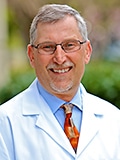
Shady Grove Fertility’s medical director, Eric Widra, M.D., presents an overview of a woman’s fertility, from a biological and physiological perspective.

Eric Widra, M.D.

11:10 a.m. – An Introduction & Overview of Egg Freezing

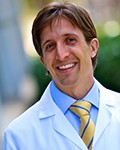
Joseph Doyle, M.D.
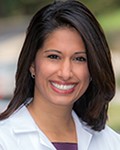
Shruti Malik, M.D.

Joseph Doyle, M.D. of Shady Grove Fertility’s Rockville, MD office, and Shruti Malik, M.D. of Shady Grove Fertility’s Fair Oaks, VA office, walk attendees through the egg freezing process, covering the technology, the necessary testing, and the success rates.

11:30 a.m. – Financial Options

Candice Brown, the new patient liaison for the Egg Freezing Program, explains the costs of treatment and medication, as well as the many unique financing options that Shady Grove Fertility has to offer.

11:45 a.m. – Q&A Panel with Conference Presenters

Attendees will have the opportunity to address Michele, Sarah, Candice, Dr. Doyle, and Dr. Malik in a half-hour Q&A panel.

Upon conclusion of the Q&A Panel, attendees will have the opportunity to meet one-on-one with physicians, visit our sponsor booths, and network with one another.

If you are interested in attending this one-of-a-kind conference, please register as soon as possible. Attendance is free, but space is limited. We look forward to seeing you there!
* Program content is subject to change

Egg Freezing Events and Resources:

  • Archived Egg Freezing Webcast: An overview of our program
  • Financial Information
  • Register for the Upcoming Egg Freezing Conference on November 8th
  • Discuss your questions and/or concerns with a New Patient Liaison by filling out this form or calling 1-877-411-9292.

Filed Under: General Tagged With: Dr. Eric Widra, Egg freezing

October 7, 2014 by Shady Grove Fertility

As women, we rarely look deeply into our menstrual cycle to understand the mechanics of reproduction. We assume pregnancy will be easy to achieve; but the reality is that our eggs have a period of peak fertility potential in our late teens to late 20s, before beginning a slow decline in our early to mid 30s. The decline becomes more pronounced after 35, making our fertility potential almost non-existent by the time we reach 40. True, some women achieve pregnancy using their own eggs after the age of 40, but it is more the exception than the rule. Shifting reproductive hormone levels result in slow chromosomal deterioration, which impacts the eggs’ ability to fertilize and result in a pregnancy and healthy baby.

Determining the Likelihood of Success: Perfecting the Test 

Ovarian function – or one’s ability to produce one healthy egg each month – is a key component to conception. Reproductive researchers and clinicians have long been focused on identifying tools to lend more accuracy to predicting the status of a woman’s ovarian health. While some tests have been around for years, data and results had no context for comparison or measurability. Due to inconsistent data along with varying testing practices, egg supply testing varied widely depending upon where the testing was performed – which often led to misinterpretation of the results. Clearly, there was a need in fertility for a testing source that could reliably estimate a woman’s egg supply.

Success on this front had been elusive until fairly recently, when scientists at ReproSource conducted substantial clinical research which combined the capabilities of high-quality laboratory partners with data derived from well-controlled research studies to design the Ovarian Assessment Report (OAR). The OAR provides a comprehensive look at a woman’s unique ovarian reserve by assessing the status of several important reproductive hormones.  For the first time in fertility history, through actionable results and physician consultation, a woman’s current egg supply can now be evaluated in a meaningful way.  The Director of Clinical Research at ReproSource, Dr. Benjamin Leader, states

“Any pre-menopausal woman above the age of 25 can now benefit from the important clinical information obtained from appropriately performed egg supply testing.  This testing can give a woman insight into her fertility window, menopause onset, and a number of other common health conditions.   It is important, however, to obtain egg supply testing from a source that is able to provide clinically-accurate information and to review the results with a fertility specialist.”

A Single Blood Draw Provides Insight into Egg Quality & Conception Probability

The Ovarian Assessment Report has improved the traditional process by which a woman is evaluated for egg freezing: instead of being tested after meeting with a physician, egg freezing patients now have their blood drawn for the OAR panel prior to their initial consultation. This way, a woman’s initial meeting with her physician is based on her individual results and not generalities, allowing the physician to provide insight about her egg supply and her ability to conceive.

The OAR tests five hormones; out of these, follicle-stimulating hormone (FSH) and anti-Müllerian hormone (AMH) are the greatest indicators of a woman’s ovarian reserve:

  • Follicle-stimulating hormone (FSH): During the follicular phase of your cycle, usually between days 1 and 13, the hypothalamus and pituitary glands in the brain release a hormone known as follicle-stimulating hormone (FSH). FSH stimulates the development of a follicle, which is a tiny fluid-filled sac within the ovary containing a maturing egg. High FSH levels can indicate to the physician that the hypothalamus and pituitary glands are working harder than normal due to a decrease in ovarian reserve. Ideally, good egg freezing candidates have a FSH level between 3-10. It is important to note that FSH levels can vary from cycle to cycle. Should the FSH value be higher, repeating the test may be suggested to confirm the results.
  • Anti-Müllerian hormone (AMH): Over the past year, studies have emerged – and experience has confirmed – that anti-Müllerian hormone (AMH) testing is the best and most accurate predictor of a woman’s ovarian egg supply – or the quantity of eggs a woman has available for collection through an egg retrieval procedure. AMH is a hormone produced by the small immature follicles within the ovary and the AMH level is indicative of the size of the pool of follicles that remain. Therefore, in conditions where there are many immature follicles available, the AMH level is high. As a woman grows older, and the pool of eggs decreases, the AMH level also declines. Within a few years of when a woman reaches menopause, AMH is undetectable. This test is more accurate than FSH because there is no fluctuation from month to month and the test is not dependent on a woman’s menstrual cycle, which means it can be performed at any point in the cycle.

Proactive Ovarian Assessment and Egg Freezing

Predicting the perfect age to freeze eggs is not an exact science, and a woman will need to evaluate her current social situation in conjunction with her reproductive status to make the right decision for her circumstances.  It’s a fine balance: freezing too early may not be necessary, but waiting too long could impact the ability of frozen eggs to achieve a pregnancy in the future.  What is known, however, is that the best candidate for egg freezing is a woman who can freeze at least 15-20 high-quality eggs for future use. Most often, that woman is in her mid-thirties.

Testing does not always result in a freezing recommendation, but it can provide a baseline status and context for assessment results conducted in ensuing years if necessary. Early action can potentially save women time and money, and put them on a path to have future reproductive success.

The best approach for a woman interested in egg freezing is to make an appointment to have her ovarian health evaluated. Two tests will be performed: a blood test to complete the ovarian assessment panel and an ultrasound to visualize her ovaries. An ultrasound is the best way to accurately assess and count the number of resting follicles (where eggs reside prior to maturation). This is called an antral follicle count (AFC). The ultrasound is completed at the beginning of the menstrual cycle, generally on the second, third, or fourth day of a woman’s period.

Scheduling an Assessment for Egg Freezing at Shady Grove Fertility

Women interested in knowing if egg freezing is something they should be considering now are able to undergo ovarian reserve testing through Shady Grove Fertility. Very often these tests and subsequent physician consultation are covered by insurance, and if not, the cost for both is $350. Click to schedule an appointment.

Egg Freezing Events and Resources:

  • Archived Egg Freezing Webcast: An overview of our program
  • Financial Information
  • Attend a LIVE Egg Freezing Webcast or Seminar
  • Discuss your questions and/or concerns with a New Patient Liaison by filling out this form or calling 1-877-411-9292.

Filed Under: Treatment Tagged With: Egg freezing

October 1, 2014 by Shady Grove Fertility

At Shady Grove Fertility, an exciting new development in embryo cryopreservation, or embryo freezing, is helping more and more families achieve success. Frozen Embryo Transfer, or FET, used to be considered the less talented understudy to In Vitro Fertilization (IVF) – if your embryos survived freezing and thawing, you had a chance of getting pregnant, but not the kind of chance you would have with another fresh cycle of IVF. Now, all that has changed, and FET is the rising star of fertility treatment.

In the last few years, new techniques for freezing and storing embryos have provided a huge leap forward in Shady Grove Fertility’s success rates with FET, nearly matching the success of fresh IVF cycles. This increased success means patients have a second chance at pregnancy that is equal to the first, without going through the complicated steps and expense of a new IVF cycle.

As word has spread about the increasing success of FET, Shady Grove Fertility patients have opted more and more to use FET. In fact, we’ve already performed 800 of these cycles this year. This means more patients are become parents – one healthy baby at a time.

What is a Frozen Embryo Transfer?

Embryo freezing or cryopreservation is used when a patient undergoing IVF produces more high quality embryos than she wants to transfer during a cycle. Those “extra” embryos are then frozen and stored in the lab for future use.

When the patient decides she wants to use her frozen embryos, a pre-cycle ultrasound is performed to ensure there are no cysts or other structural problems within the reproductive system. Then, medications are given to optimize the lining of her uterus for implantation.

The total amount of medication is far less than that given in a fresh IVF cycle. Estrogen and progesterone injections are given every third day for up to two to three weeks. Then, the uterine lining is checked once more by ultrasound before the transfer. Not only do FET cycles avoid the frequent ultrasound and bloodwork required of an IVF cycle, they also don’t require the most trying aspect of IVF, the egg retrieval.

After this two-plus week preparation, the frozen embryos are thawed and transferred. A blood test to determine pregnancy is performed 14 days later.

Increasing Success Gives Patients Confidence in FET

Dr. Eric Levens of Shady Grove Fertility’s Annandale, VA office says that recent advances in the way embryos are frozen have changed the way doctors and patients view FET.

“It used to be that when we used frozen embryos, the pregnancy rate was less favorable than when we used ‘fresh’ embryos from an IVF cycle,” said Dr. Levens. “Now, those rates of success for frozen embryos are just about equal to the rate of success of using fresh embryos, which opens up a whole new world of possibilities for patients.”

With more, and healthier, embryos being produced for FET cycles, the number of clinical pregnancies per embryo transfers with frozen embryos, according to Shady Grove Fertility’s IVF Statistics, rose to 49% in 2010. This number is identical to the pregnancy rate achieved with “fresh” embryos over the same period of time.

Dr. Levens says, “Patients used to worry that if they didn’t transfer all the good embryos created during an IVF cycle, they would be reducing their chances for pregnancy. That’s why the FET success rate is so important. It shows patients that they can transfer fewer embryos per cycle and still have the same chances of getting pregnant.”

Because of this increased success, Shady Grove Fertility has been doing more and more FET cycles every year. Jim Graham, Shady Grove Fertility’s Laboratories Director, says, “Last year, we did a little over 800 FET cycles. This year, we’ve already done that many and are on track to do about 1,200 cycles.”

Changes in Freezing Techniques

Freezing embryos is an art form in reproductive medicine. Prior to freezing the embryo, our embryologists place it in a cryoprotectant, or anti-freeze solution, made out of sugar which replaces the water within the embryo’s cell with a concentrated solution. This solution helps protect the cells from the formation of damaging ice crystals.

In the traditional, slow freezing process, embryos would be exposed to multiple cryoprotectants, added in a specific order, over a 20 minute period. The cryoprotectant liquid would then be slowly cooled to -321 degrees Farenheit – the temperature of liquid nitrogen – until it was frozen. This two hours process was designed so that the cryoprotectants would infuse into the embryo’s cells and protect it from ice. While it has been, and still is widely used, this method of freezing often results in the loss or damage of embryos upon thawing.

In 2009, Shady Grove Fertility began using a new technique called vitrification. This process uses the same principles as the old method of freezing, namely replacing the water inside the embryo with cryoprotectant, but instead of a gradual freeze, the embryo is cooled rapidly which protects the embryo inside the liquid.

“In the final step of cryopreservation, the embryo is loaded onto a stick and plunged into liquid nitrogen,” Graham says. “Instead of freezing, it is supercooled so that the nitrogen becomes solid. This happens in about a minute. The embryo is then suspended in a glass-like bubble of the media.”
When the vitrified embryos are thawed, they look nearly identical to when they were fresh. “When they thaw, we assess them again. If they have damage that we think will reduce the chance of survival and implantation, these embryos are not considered viable for transfer and we move on to the next one,” Graham says. Because of this, patients can be assured that only the embryos with the best chance for producing a pregnancy are transferred.

With vitrification, the survival rate of embryos is about 95% and they have almost no loss of quality when thawed.

In this, as in all aspects of fertility treatment, the expertise and experience of the lab makes a big difference. Jim Graham says that because of the number of embryos Shady Grove Fertility’s lab sees in a year, its embryologists gain an expertise that many other labs can’t offer them.

“We understand the nuances and variabilities of different people’s embryos because of the volume of work we do,” he said. “What an embryologist in a smaller lab might see once in a career, we will see or two or three times in a year. That enables us to be much more confident in our decisions and to continually refine our techniques.”

The Benefits of FET

The most important thing for patients to know is that the use of frozen embryos is safe.
“With the FET success rate being what it is, patients can transfer one embryo and freeze the rest,” explains Dr. Levens. “If the first try doesn’t result in pregnancy, they have just as good a chance of getting pregnant with the frozen ones, using an FET cycle.”

He adds, “For patients who are under 37 and produce at least two high quality blastocysts, the rate of pregnancy is about the same whether they transfer one or two blastocysts. However, their chances of having twins are 43% higher if they transfer two.”

Jim Graham agrees, “Our goal in the lab is to help get multiple pregnancies as close to zero as possible, to reduce high-risk pregnancies. Improving the success rate for FET is the best way we can do that.”

Dr. Levens also points out to patients that, “time stops for your embryos when they are frozen. So, you can use those embryos to grow your family in the future without the worry of the increased risk that aging poses in terms of chromosomal abnormalities and miscarriage.”

Many patients at Shady Grove Fertility have used the frozen embryos from a single cycle of IVF to have their second and third child years apart without going through a new IVF cycle.

Will I Have Enough Embryos to Freeze?

“Sometimes patients ask me before a cycle, if they will be able to freeze embryos,” says Dr. Levens. “I tell them that I can’t predict what will happen. But, if they are under 35 and respond well to treatment, they have a good chance of having enough high-quality embryos that they will have some to freeze. Older patients, unfortunately, may not have enough to freeze.”

Shady Grove Fertility has strict standards for freezing, so only the highest-quality, day five or day six blastocysts are frozen. Jim Graham says, “Embryos have to pass a lot of milestones to be considered for cryopreservation. In addition, we look for factors that we know give an embryo the best chance of implanting, the most important of which is a good inner cell mass. The good news is that with vitrification, almost all of those good embryos preserved will survive the thawing process with little to no damage.”

Graham adds that about 40% of Shady Grove Fertility’s patients choose to freeze embryos. However, he believes that 50% of patients have embryos that are good enough to freeze, meaning that some patients, who could, choose not to freeze for financial or other reasons.

Cost Benefit of FET

“Cost is usually the main concern of my patients when we talk about freezing embryos, which is understandable,” says Dr. Levens. “That’s why I talk to them about FET right from the beginning. I want them to be able to look at the cost-benefit analysis for themselves and see that if they are lucky enough to have embryos to freeze, it’s definitely worth the cost.”

An FET cycle is less than half the cost of an IVF cycle even including the cost to cryopreserve and store the frozen embryos. Dr. Levens adds, “If you compare this to the cost of the complications that can be involved with twin pregnancies or even with having healthy twins, an FET cycle is much, much more cost-efficient.”

For patients using the Shared Risk or Multi-Cycle Discount Programs, Frozen Embryo Transfer cycles are like bonus cycles they get for free. Both programs allow for unlimited frozen cycles related to the fresh IVF cycles provided in those programs without counting toward program limits. For example, a patient can do a cycle of IVF and do two cycles of FET before being considered to have started cycle two of the six provided for in the Shared Risk Program.

The Bottom Line

FET is a win, win for patients Dr. Levens says. “It gives patients the same chances of success with much less risk and cost. I always tell them, if you are lucky enough to be able to freeze embryos, you should do it, because great things can happen.”

For more information or to schedule an appointment with one of our physicians, please speak with one of our friendly New Patient Liaisons by calling 888-761-1967.

Filed Under: Treatment Tagged With: Egg freezing

October 1, 2014 by Shady Grove Fertility

In 2009, Shady Grove Fertility tested and ultimately adopted a new freezing method called vitrification. As a result, we immediately began to see our success rates with Frozen Embryo Transfers (FET) rapidly increase.

With the previous technology, FET cycles were a less effective, second tier treatment for couples who were not successful with fresh IVF cycle. However, the latest data shows that now, FETs provide a comparable chance of success to fresh IVF cycles. In 2011, FET cycles outperformed fresh cycles of IVF in terms of their ability to help couples conceive. When you learn how much easier and less costly FET cycles are, the data looks even that much more impressive.

Patients doing In Vitro Fertilization are making a real commitment of time and money to growing their families. They want to know that they’re doing everything they can to maximize their chances of pregnancy from each cycle. That’s why more and more patients are choosing to freeze their remaining, high quality embryos for later use. With Frozen Embryo Transfer (FET), patients can turn one IVF cycle into 2, or even 3, distinct chances at pregnancy.

“There’s really no downside,” says Dr. Naveed Khan of Shady Grove Fertility’s Leesburg office.
“I always stress the benefits of freezing embryos to my IVF patients and almost all of them elect to do it if they have remaining blastocyst embryos.”

Last year, Shady Grove Fertility performed over 1000 FET cycles and this year, we’re on track to do even more. The main reason the program keeps growing is because of its high rate of pregnancy success. Here, Dr. Khan helps us explain FET cycles in detail so that couples heading into IVF won’t miss out on this incredible opportunity.

Saving Embryos for Later

Embryo freezing or cryopreservation is used when a patient undergoing IVF produces more high quality embryos than she wants to transfer during a cycle. Those “extra” embryos are then frozen and stored in the lab for future use. Many patients have multiple embryos to freeze, but the embryos being frozen are of such high quality that it’s worth doing even if there is just one.

The freezing process now used at Shady Grove Fertility is called vitrification. It’s a relatively new technology that has improved the way embryos are frozen. The vitrification process consists of rapidly cooling the embryos so that little or no damage is done to them. When these embryos are thawed, they are virtually identical to their original state. The quality of the lab work done during vitrification at Shady Grove Fertility is the key factor in the success of our FET cycles. In fact, our embryologists are now training other lab technicians across the country in the nuances of vitrification.

FET Success Rates

One of the primary reasons FETs are so successful is due to the selective nature embryologist’s use when suggesting the embryos to be frozen. “Only really high quality blastocyst stage embryos are frozen,” says Dr. Khan, “so, patients can be sure that they are not wasting their time with an FET cycle. Their chances of success with these embryos are very high.”

The data for 2011 is compiled from the results of all the FET cycles performed at Shady Grove Fertility during the year. It shows both the clinical pregnancy rate and the live birth rate for FET cycles. The clinical pregnancy rate reflects the number of patients who had a positive blood pregnancy test with an ultrasound confirming pregnancy. For FETs in 2011, the clinical pregnancy rate was 57% across all age groups, and the live birth rate across all age groups was 44%.

The live birth rate shows how many of those pregnancies continued on to the birth of a child.

These statistics underscore the fact that younger patients generally have more success than older patients when it comes to FET. Women under the age of 35, who did an FET cycle, had a 64% clinical pregnancy rate per embryo transfer. The likelihood of that pregnancy resulting in a live birth was 52%.

However, the success rates are also very good for women over 40 years old. Women over the age of 40, who were fortunate enough to have embryos cryopreserved, had a 38% chance of clinical pregnancy per embryo transfer and a 28% chance of a live birth.

A Second Chance or a Second Child

“The number one reason to freeze is that it’s a great back-up plan,” say Dr. Khan. If your IVF cycle doesn’t result in a pregnancy, you can try again with your frozen embryos with little effort and at a third of the cost.

If you become pregnant on your first IVF cycle, the frozen embryos will be available to grow your family in the future. The cost to store frozen embryos is minimal and Shady Grove Fertility’s onsite storage facilities are a reliable storage option for patients that want to wait a few years before growing their family further.

Dr. Khan adds, “Some patients wonder how long they can store their embryos. There’s really no limit. Their quality doesn’t degrade. Our patients have become pregnant with their frozen embryos as many as five years after their initial treatment.”

Many Patients Have Embryos to Freeze

In 2011, 40% of fresh IVF cycles had one or more good quality blastocyst embryos eligible to freeze. Those good prognosis patients were able to freeze on average 3.2 embryos.

“I always let patients know that we can’t tell them beforehand whether or not they’ll have embryos to freeze at the end of the cycle,” says Dr. Khan, “but, if you are a patient with a good prognosis for IVF, then you have a good chance of being able to freeze embryos. The younger you are, the higher the likelihood you will have embryos to freeze.”
 

When Will I Decide to Freeze?

Before your IVF cycle begins, you’ll talk to your doctor about whether or not you’d like to freeze embryos. Then, when you come in for your embryo transfer at the end of your IVF cycle, the doctor will have you confirm your wishes and sign off on the patient consent forms.

Within a week after your IVF embryo transfer, your nurse will let you know if the lab was able to freeze and store embryos and how many you have. You’ll also receive written confirmation in the mail.

FET Cycles are Simple

When you decide you want to use your frozen embryos, a pre-cycle ultrasound is performed to ensure there are no cysts or other structural problems within the reproductive system. Then, medications are given to optimize the lining of the uterus for implantation.

The total amount of medication is far less than that given in a fresh IVF cycle. First estrogen and then progesterone is used to build up the uterine lining. Then, the uterine lining is checked once more by ultrasound before the transfer.

“With FET cycles, we don’t need to do the frequent monitoring that we do for an IVF cycle,” says Dr. Khan. “We also don’t have to do an egg retrieval, which is the most costly, and usually the most taxing, part of an IVF cycle for patients.”

Once the uterus is ready, the frozen embryos are thawed and transferred. The actual transfer takes only a few minutes. It is not painful and does not require anesthesia. A blood test to determine pregnancy is performed approximately two weeks later.

Cycles are Lower Cost

Because they don’t require stimulation or an egg retrieval, FET cycles cost less. An FET cycle is about 1/2 of the cost of a fresh IVF cycle. The cost of freezing and storing the embryos is incurred at the time of the IVF cycle. Then, when you are ready to use your frozen embryos, you’ll pay the FET cycle fees.

For patients using the Shared Risk or Multi-Cycle Discount Programs, FET cycles are considered bonus cycles as the cost of the treatment is covered in the initial program fee. Both programs allow for unlimited frozen cycles related to the fresh IVF cycles provided in those programs without counting toward program limits. For example, a patient can do a cycle of IVF and do two cycles of FET before moving onto the second cycle in the six cycle program.

Choosing eSET with Confidence

“Another great thing about our success with FET is that patients can choose eSET with more confidence,” says Dr. Khan. eSET stands for elective Single Embryo Transfer. Patients using eSET have elected to only have one embryo transferred, usually a blastocyst stage embryo, at the time of transfer even though she has more than one embryo available.

Shady Grove Fertility is active in promoting eSET because it reduces the rates of high risk multiple pregnancies – twins and triplets. With the use of eSET, we have found since 2002, that patients have a 1.7% chance of twins and a zero chance of triplets. For patients hoping to avoid a high risk pregnancy associated with multiples this is a great option because it does not impact the pregnancy rates per embryo transfer. Historically eSET patients had a 61.3% pregnancy rate compared to a 60.8% chance of pregnancy for patients that transferred 2 blastocyst stage embryos.

Even though the success rates are high for eSET, some patients still feel they might decrease their chances of success if they don’t transfer all their good, high-quality embryos during their IVF cycle. With FET, patients get the peace of mind of knowing that if they don’t get pregnant on the first try, they can come right back and use those embryos in a simpler, lower cost FET cycle. This allows patient to reduce their chances of a high-risk pregnancy and still have the same chances of getting pregnant.

FET Stacks the Odds in Your Favor

The increase in success of Frozen Embryo Transfer cycles is one of the greatest advances in fertility treatment in the last decade. It provides patients with the ability to get more than one chance at pregnancy from one cycle of IVF.

“FET is such an excellent tool that we didn’t use to have,” says Dr. Khan. “I strongly encourage everyone who is able to do it, to take advantage of FET cycles.”

For more information or to schedule an appointment with one of our physicians, please speak with one of our friendly New Patient Liaisons by calling 888-761-1967.

Filed Under: Treatment Tagged With: Egg freezing

  • « Go to Previous Page
  • Page 1
  • Interim pages omitted …
  • Page 15
  • Page 16
  • Page 17
  • Page 18
  • Page 19
  • Interim pages omitted …
  • Page 22
  • Go to Next Page »

Company

  • About SGF
  • About US Fertility
  • Our Doctors
  • Fertility Equity
  • Careers
  • Newsroom
  • SGF College Scholarship
  • Contact Us
  • Voice Your Feedback

Treatments

  • Egg Freezing
  • Intrauterine Insemination (IUI)
  • In Vitro Fertilization (IVF)
  • Frozen Embryo Transfer (FET)
  • LGBTQIA+ Family Building
  • Shared Risk 100% Refund Program
  • All Treatments

Resources

  • Patient Portal
  • Online Bill Pay
  • Library
  • Support Groups & Events

Locations

  • California
  • Colorado
  • Delaware
  • Florida
  • Georgia
  • Maryland
  • North Carolina
  • Pennsylvania
  • Texas
  • Virginia
  • Washington, D.C.

2026 Shady Grove Fertility

  • Policies & Notices
Also of interest
  • In Vitro Fertilization IVF
  • Fertility Tests
  • Research Publications