
• Skip to primary navigation
  • Skip to main content
  • Skip to footer
Shady Grove Fertility
  • Become an Egg Donor
  • Referring Physicians
  • 1-888-761-1967
  • Schedule Appointment
  • Get Started
        • Get Started
          • Causes of Infertility
          • Fertility Tests
          • When to Seek Help
          • Find a Doctor
          • Preconception and prenatal vitamins 
          • Schedule an Appointment
        • Personalized Care For
          • Single Parents
          • LGBTQIA+ Family Building
          • People with Cancer
          • Known Genetic Diseases
          • Egg Donors
  • Treatments
        • Fertility
          • Timed Intercourse
          • Ovulation Induction
          • Intrauterine Insemination (IUI)
          • In Vitro Fertilization (IVF)
          • Frozen Embryo Transfer (FET)
        • Donation & Surrogacy
          • Donor Sperm
          • Donor Egg
          • Donor Embryo
          • Gestational Carrier
          • LGBTQIA+ Family Building
          • Single Parents
          • Find a Donor
        • More Treatments
          • Center for Male Fertility
          • Egg Freezing
          • OncoFertility
          • Preimplantation Genetic Testing
          • MIGS
          • All Fertility Treatments
  • Resources
    • Resource Library
    • Events Calendar
    • Patient Stories
    • Mental Health
    • Wellness Center
  • Insurance & Savings
    • Insurance & Benefits
    • Shared Risk 100% Refund Program
    • 100% Refund for Donor Egg
    • Discounts
    • Egg Freezing Costs
    • Financing & Grants
    • Clinical Trials
  • About
    • Find a Doctor
    • About SGF
    • Our Care Team
    • Advanced Practice Providers
    • Fertility Equity
    • Philanthropy
    • Newsroom
    • Careers
    • Contact Us
    • Voice Your Feedback
  • Locations
        • Find a Location
        • California
        • Colorado
        • Delaware
        • Florida
        • Georgia
        • Maryland
        • North Carolina
        • Pennsylvania
        • Texas
        • Virginia
        • Washington, D.C.
        • Chile
        • International & Out of State
        • SGF at Walter Reed National Military Medical Center
  • Patient Hub
    • Online Bill Pay
    • Patient Forms
    • Patient Portal
  • Call your care team
  • Become an egg donor
  • Referring physicians
  • search-icon
  • Schedule appointment 1-888-761-1967

Home / COVID-19

COVID-19

May 20, 2022 by Shady Grove Fertility

Dear Valued Patient,

Shady Grove Fertility continues to follow recommendations from the Centers for Disease Control and Prevention (CDC), American Society for Reproductive Medicine (ASRM), and American College of Obstetricians and Gynecologists (ACOG) in response to COVID-19. Our Practice leaders examine the implications of all recommendations with a careful focus on our duty to our patients and to public health. We continue to monitor the situation closely and change our response as indicated, while practicing only evidence-based medicine as our standard.

Please refer to the Frequently Asked Questions below or visit the CDC website for more information about COVID-19.
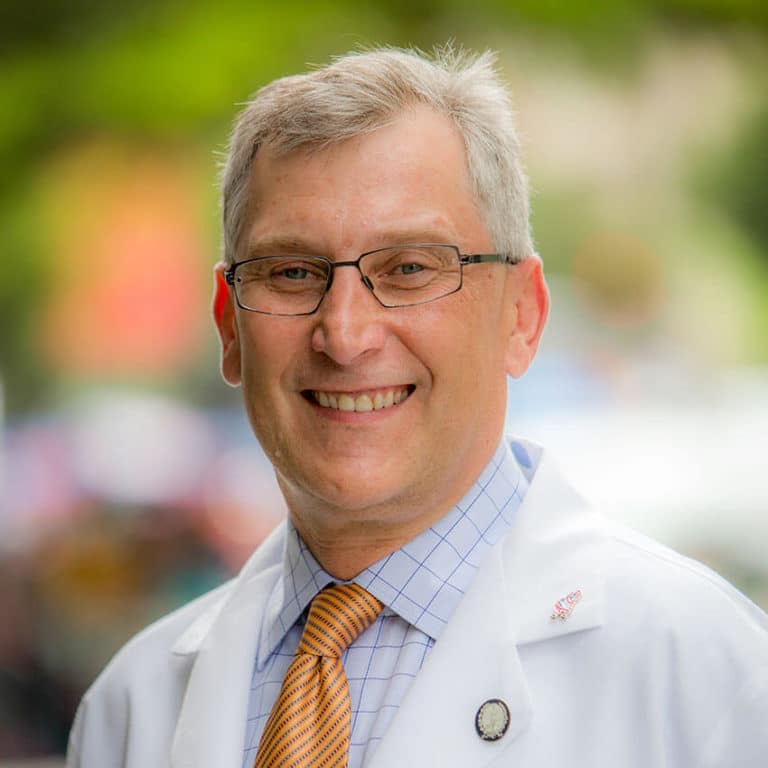
Medical contribution by Eric A. Widra, M.D.

Eric A. Widra, M.D., is the Executive Senior Medical Officer for Shady Grove Fertility and the associate director of the Combined Federal Fellowship in Reproductive Endocrinology and Infertility—a post-graduate training program for future leaders in this subspecialty, operated through the National Institutes of Health, Walter Reed National Military Medical Center, and Shady Grove Fertility.

COVID-19 FAQ

Effective May 20, 2022, SGF is offering in-person New Patient consults and Follow Ups. Patients can bring one support person to New Patient consults and Follow Up appointments. Vaccination status is not required. 

Blood work, ultrasound, and procedure appointments are also being conducted in-person with safety precautions in place. Patients can bring a support person to the following appointment types: IUIs, obstetrical ultrasounds, embryo transfers, egg retrievals, and ASC surgical procedures. Patients cannot bring a support person to basic monitoring appointments such as blood work and ultrasound at this time.

We thank you for your cooperation in following the requirements below to protect the health of the SGF community:

  • Vaccination status is no longer required for in-person appointments. 
  • If you are experiencing cold or flu-like symptoms, have a fever, or have recently been exposed to someone who has tested positive for COVID-19, we kindly ask that you do not enter an SGF facility. Please contact your clinical team with questions.
  • All patients, visitors, and staff are required to wear a mask that covers both the nose and mouth while inside an SGF facility. Masks should be worn before entering the building, a lobby, or boarding an elevator.
  • Valve masks and neck gaiter masks are NOT permitted in our offices. One-way valve masks or masks with vents, are ineffective; Only protecting the person wearing it and not others.
  • Patients dropping off semen specimens are required to wear a face mask to enter an SGF office.

For more information, please visit the CDC’s website: Effective Masks

SGF does not test patients for coronavirus. Please contact your primary healthcare provider to discuss testing or if you are experiencing any cold or flu-like symptoms

SGF providers and staff are prepared to safely manage care while taking necessary precautions against the spread and transmission of COVID-19. At this time, SGF has taken measures to limit transmission by promoting hand hygiene and disinfecting protocols, inputting screening measures, modifying appointments and schedules, performing consults electronically when indicated, and adjusting treatment cycles if deemed necessary.

Given the recent rise in COVID-19 cases, it is important for you to consider the following information prior to starting your treatment cycle.  We will always work to maximize the chances for completing successful treatment, however, the rapid evolution of the pandemic may create new and unexpected challenges.

  • If you elect to proceed with treatment, at any point during your cycle, your treatment cycle may be stopped (cancelled) and rescheduled for a later date. There may come a point where SGF may not be able to support treatment cycles (e.g., illness of doctors or laboratory staff which would prevent SGF from rendering services, or SGF being required to shut down pursuant to a government order). In addition, if you have been exposed to COVID-19, diagnosed with COVID-19, or become symptomatic with any febrile illness which could possibly be COVID-19, SGF may elect to not proceed with your treatment cycle and reschedule for a later time.
  • If you proceed with an IVF treatment cycle, at any point during your cycle, SGF may determine that all viable embryos must be vitrified (frozen) and a transfer cancelled.  If you elect to proceed with your treatment cycle, you will be financially responsible for any charges incurred for services rendered not covered by your insurance (e.g., medications, ultrasound, bloodwork, and embryo vitrification).  Alternatively, you can elect to delay your treatment.

Following the recommendations of the CDC, ACOG and ASRM, SGF has no reason to believe that COVID-19 or the COVID vaccines can adversely affect fertility, treatment outcomes, or pregnancy.

SGF does not recommend a delay in treatment in most cases and recommends a risk-benefit analysis discussion between patients and their provider. With caution and safety measures in place, we feel it is appropriate to move forward with fertility treatment, if that is what your physician advises. 

Given the recent rise in COVID-19 cases, it is important for you to consider the following information prior to starting your treatment cycle.  We will always work to maximize the chances for completing successful treatment, however, the rapid evolution of the pandemic may create new and unexpected challenges.

  • If you elect to proceed with treatment, at any point during your cycle, your treatment cycle may be stopped (cancelled) and rescheduled for a later date. There may come a point where SGF may not be able to support treatment cycles (e.g., illness of doctors or laboratory staff which would prevent SGF from rendering services, or SGF being required to shut down pursuant to a government order). In addition, if you have been exposed to COVID-19, diagnosed with COVID-19, or become symptomatic with any febrile illness which could possibly be COVID-19, SGF may elect to not proceed with your treatment cycle and reschedule for a later time.
  • If you proceed with an IVF treatment cycle, at any point during your cycle, SGF may determine that all viable embryos must be vitrified (frozen) and a transfer cancelled.  If you elect to proceed with your treatment cycle, you will be financially responsible for any charges incurred for services rendered not covered by your insurance (e.g., medications, ultrasound, bloodwork, and embryo vitrification).  Alternatively, you can elect to delay your treatment.

You can protect yourself and help stop the spread of COVID-19 by taking the following precautions:

  • Get vaccinated per CDC recommendations. 
  • Wear a mask that fully covers your nose and mouth when in public. 
  • Practice social distancing. Stay at least six feet away from others.
  • Avoid people who are sick and crowds
  • Wash your hands frequently with soap and water for 20 seconds or use hand sanitizer with at least 60% alcohol
  • Follow CDC travel guidance
  • Follow quarantine guidance after exposure to COVID-19
  • Follow any applicable workplace guidance

SGF supports guidance from the CDC, FDA, and ACOG regarding COVID vaccinations while trying to conceive. Updated guidance from the CDC states:

COVID-19 vaccination is recommended for all people aged 12 years and older, including people who are pregnant, breastfeeding, trying to get pregnant now, or might become pregnant in the future. Pregnant and recently pregnant people are more likely to get severely ill with COVID-19 compared with non-pregnant people. Getting a COVID-19 vaccine can protect you from severe illness from COVID-19.

Guidance from ACOG also supports COVID-19 vaccination,

Vaccination is strongly recommended for non-pregnant individuals. Based on the benefit-risk assessment, COVID-19 vaccination continues to be recommended for all persons aged ≥ 12 years under the FDA’s EUA. Further, ACOG recommends vaccination for individuals who are actively trying to become pregnant or are contemplating pregnancy. Additionally, it is not necessary to delay pregnancy after completing both doses of the COVID-19 vaccine. 

Claims linking COVID-19 vaccines to infertility are unfounded and have no scientific evidence supporting them. Given the mechanism of action and the safety profile of the mRNA vaccines in non-pregnant individuals, COVID-19 mRNA vaccines are not a cause of infertility. Adenovirus vector vaccines such as the Janssen COVID-19 vaccine cannot replicate following administration, and available data demonstrate that it is cleared from tissues following injection. Because it does not replicate in the cells, the vaccine cannot cause infection or alter the DNA of a vaccine recipient and is also not a cause of infertility (Evans, 2021, Morris 2021). Therefore, ACOG recommends vaccination for all eligible people who may consider future pregnancy. 

If an individual becomes pregnant after the first dose of a COVID-19 vaccine requiring two doses (Pfizer-BioNtech or Moderna), the second dose should be administered as indicated. 

Finally, routine pregnancy testing is not recommended and should not be required prior to receiving any EUA-approved COVID-19 vaccine.

During this unprecedented time, we continue to offer our patients the support they need and deserve. Our staff is available to ensure that patients can progress toward their family building goals.

To expedite the proper handling of your needs and to provide the best possible service, please direct all communication to the contact information below. 

  • All general scheduling questions should to be addressed to the SGF New Patient Center at: 1-888-761-1967. 
  • All clinical questions should be addressed to your clinical team and sent via the SGF Patient Portal. 
  • All financial questions should be addressed to your financial team and sent via the SGF Patient Portal. 
  • All SGF Patient Portal technical/troubleshooting questions, call the SGF New Patient Center at 1-888-761-1967. 

For more information about COVID-19, visit www.cdc.gov or your local health department. 

  • Read the CDC’s vaccination guidance for people who are pregnant or breastfeeding. 
  • Read more about COVID-19 symptoms from the CDC.

REFERENCES

  1. Advisory Committee on Immunization Practices. ACIP recommendations. Available at: https://www.cdc.gov/vaccines/acip/recommendations.html. Retrieved December 11, 2020. 
  2. Centers for Disease Control and Prevention. COVID-19 (coronavirus disease): people with certain medical conditions. Available at: https://www.cdc.gov/coronavirus/2019-ncov/need-extra-precautions/people-with-medical-conditions.html. Retrieved December 11, 2020. 
  3. Centers for Disease Control and Prevention. Coronavirus disease 2019 (COVID-19): people with certain medical conditions. Available at: https://www.cdc.gov/coronavirus/2019-ncov/need-extra-precautions/people-with-medical-conditions.html. Retrieved December 7, 2020. 
  4. Centers for Disease Control and Prevention. Local reactions, systemic reactions, adverse events, and serious adverse events: Pfizer-BioNTech COVID-19 Vaccine. Available at: https://www.cdc.gov/vaccines/covid-19/info-by-manufacturer/pfizer/reactogenicity.html. Retrieved December 13, 2020 
  5. Centers for Disease Control and Prevention. Understanding mRNA COVID-19 Vaccines. https://www.cdc.gov/coronavirus/2019-ncov/vaccines/different-vaccines/mrna.html. Retrieved December 13, 2020 
  6. Centers for Disease Control and Prevention. Health equity considerations and racial and ethnic minority groups. Available at: https://www.cdc.gov/coronavirus/2019-ncov/community/health-equity/race-ethnicity.html. Retrieved December 13, 2020 
  7. Collin J, Byström E, Carnahan A, Ahrne M. Public Health Agency of Sweden’s Brief Report: pregnant and postpartum women with severe acute respiratory syndrome coronavirus 2 infection in intensive care in Sweden. Acta Obstet Gynecol Scand 2020;99:819-22. Available at: https://obgyn.onlinelibrary.wiley.com/doi/full/10.1111/aogs.13901. Retrieved December 11, 2020. 
  8. Delahoy MJ, Whitaker M, O’Halloran A, Chai SJ, Kirley PD, Alden N, et al. Characteristics and maternal and birth outcomes of hospitalized pregnant women with laboratory-confirmed COVID-19 – COVID-NET, 13 states, March 1-August 22, 2020. COVID-NET Surveillance Team. MMWR Morb Mortal Wkly Rep 2020;69:1347-54. Available at: https://www.cdc.gov/mmwr/volumes/69/wr/mm6938e1.htm. Retrieved December 11, 2020. 
  9. Ellington S, Strid P, Tong VT, Woodworth K, Galang RR, Zambrano LD, et al. Characteristics of women of reproductive age with laboratory-confirmed SARS-CoV-2 infection by pregnancy status – United States, January 22-June 7, 2020. MMWR Morb Mortal Wkly Rep 2020;69:769-75. Available at: https://www.cdc.gov/mmwr/volumes/69/wr/mm6925a1.htm. Retrieved December 11, 2020. 
  10. Ethical issues in pandemic influenza planning concerning pregnant women. Committee Opinion No. 563. American College of Obstetricians and Gynecologists. Obstet Gynecol 2013;121:1138-43. Available at: https://journals.lww.com/greenjournal/Fulltext/2013/05000/Committee_Opinion__No__563__Ethical_Issues_in.47.aspx. Retrieved December 11, 2020. 
  11. Hamel L, Lopes L, Muñana C, Artiga S, Brodie B. The undefeated survey on race and health. San Francisco, CA: Kaiser Family Foundation; 2020. Available at: https://www.kff.org/report-section/kff-the-undefeated-survey-on-race-and-health-main-findings/. Retrieved December 11, 2020. 
  12. Knight M, Bunch K, Vousden N, Morris E, Simpson N, Gale C, et al. Characteristics and outcomes of pregnant women admitted to hospital with confirmed SARS-CoV-2 infection in UK: national population based cohort study. UK Obstetric Surveillance System SARS-CoV-2 Infection in Pregnancy Collaborative Group. BMJ 2020;369:m2107. Available at: https://www.bmj.com/content/369/bmj.m2107. Retrieved December 11, 2020. 
  13. Moore JT, Ricaldi JN, Rose CE, Fuld J, Parise M, Kang GJ, et al. Disparities in incidence of COVID-19 among underrepresented racial/ethnic groups in counties identified as hotspots during June 5-18, 2020 – 22 states, February-June 2020. COVID-19 State, Tribal, Local, and Territorial Response Team. MMWR Morb Mortal Wkly Rep 2020;69:1122-6. Available at: https://www.cdc.gov/mmwr/volumes/69/wr/mm6933e1.htm. Retrieved December 11, 2020. 
  14. Panagiotakopoulos L, Myers TR, Gee J, Lipkind HS, Kharbanda EO, Ryan DS, et al. SARS-CoV-2 infection among hospitalized pregnant women: reasons for admission and pregnancy characteristics – eight U.S. health care centers, March 1-May 30, 2020. MMWR Morb Mortal Wkly Rep 2020;69:1355-9. Available at: https://www.cdc.gov/mmwr/volumes/69/wr/mm6938e2.htm. Retrieved December 11, 2020. 
  15. Pfizer-BioNTech COVID-19 vaccine (BNT162, PF-07302048). Vaccines and Related Biological Products Advisory Committee briefing document. Available at: https://www.fda.gov/media/144246/download. Retrieved December 11, 2020. 
  16. Schlake T, Thess A, Fotin-Mleczek M, Kallen KJ. Developing mRNA-vaccine technologies. RNA Biol. 2012;9(11):1319-1330. doi:10.4161/rna.22269. U.S. Food and Drug Administration. December 11, 2020 communication to Pfizer Inc. Available at: https://www.fda.gov/media/144412/download. Retrieved December 13, 2020 
  17. S. Food and Drug Administration. Fact sheet for healthcare providers administering vaccine (vaccination providers). Emergency Use Authorization (EUA) of the Pfizer-Biontech COVID-19 vaccine to prevent Coronavirus Disease 2019 (COVID-19). Available at: https://www.fda.gov/media/144413/download. Retrieved December 13, 2020 

Filed Under: For Patients Tagged With: COVID-19

March 13, 2021 by grafikdev1

This is an unprecedented time of profound exponential change, a medical and economic pandemic with an enormous emotional toll. For those who have been struggling to have a family, the fact that treatment has been put on hold and delayed due to COVID19 exacerbates all the normal feelings of distress related to infertility. Anxiety, anger, sadness, fear, lack of control, and uncertainty are all aspects of grief one feels from the losses associated with both the consequences of infertility and COVID. Further, being able to deal with these feelings are made all the more difficult by our lack of normal supports and imposed social isolation made necessary for COVID.
The SGF Psychological Support Team has some suggestions to help in coping during this uncertain time:
  • Create structure in your daily life to help create some normalcy. Keep a schedule for work, exercise, downtime and socializing—all virtually. Continuity is very important in daily life during this time of social isolation, but be sure to disengage from tech devices at least one hour before going to bed. 
  • Limit your exposure to daily newscasts and social media, which can add to anxiety, to thirty minutes a day.
  • When seeking information to deal with anxiety and uncertainty, choose sources you can trust:
  • ASRM reproductive facts for patient centered up to date information
  • ASRM medical updates
  • Access good information on resources and coping:
  • RESOLVE
  • Massachusetts General Mental Health Resource Guide to COVID-19
  • Utilize apps for stress management, meditation, and sleep help, many of which are being offered for free during this crisis:
  • Ferticalm for women dealing with fertility building
  • FertiStrong for men
  • Headspace for meditation
  • Calm for relaxation techniques
  • Ten Percent Happier has a free COVID resource guide
  • Seek out help and support as needed using virtual connections.
  • SGF Psychological Support Staff are offering free virtual support groups
  • RESOLVE is offering virtual peer-lead support groups
  • Third-party consultations are available via telehealth. If you are planning on using donor assistance for family building, now would be a good time to take care of your required consultation while you await starting treatment.
  • Infertility can take a toll on your emotions and relationships so, if you’ve been struggling, now may be the time to consider some virtual counseling
  • Search online fertility websites and resources our staff has reviewed
  • Take some time to do more reading from a book list our staff has complied on infertility, third party and family building issues
  • Review our local resource list for future support
We want you to know we are here to help and that you are not alone during this time. Hope is essential in facing both infertility and this pandemic. We will get through this and we will do it together.
Contributed by: 
SGF Psychological Support Services Team

Filed Under: For Patients Tagged With: COVID-19, Emotional support

February 1, 2021 by Shady Grove Fertility

Elizabeth McQueen’s demanding career as an engineer drastically changed from weekly travels to steps from her living room to kitchen as the COVID-19 pandemic paused life as we know it. Egg freezing was always an attractive option to McQueen, who first visited Shady Grove Fertility physician, Dr. Naveed Khan, several years earlier. Yet, the required ultrasounds, bloodwork, injections, and medication proved challenging with her busy schedule – that was, until egg freezing during the pandemic emerged as a more realistic option.

SGF was recently interviewed by TIME Magazine and Washingtonian to explore the rise in women freezing their eggs in 2020 compared to previous years. Between the two articles, SGF physicians and staff identified three main reasons why women are choosing to freeze eggs during a global pandemic:

  • The pandemic offers women more time to reflect on their futures.
  • The pandemic may offer working women more flexibility in their schedules in order to schedule time for physician consults and appointments.
  • Women are taking advantage of their job security and insurance coverage.

To get a better understanding of egg freezing trends, TIME tapped 54 fertility centers across major American cities, including SGF, which has 37 locations across the eastern seaboard, for their input. SGF has seen a 50% increase in women freezing their eggs since 2019, among other fertility trends made apparent during 2020. In March 2020, SGF was forced to limit fertility treatment services, but upon full reopening, experienced a 52% increase in egg freezing from June through September 2020.

SGF Experiences Surge in Egg Freezing during Global Pandemic

“Everybody had to take a hard stop in their lives,” said Sharon Covington, MSW, LCSW-C, Director of Psychological Support Services at SGF, to TIME. “And I think what happened was it gave people the time and the space to kind of reassess their priorities and the directions that they’re taking in their life.”

Upon assessing why there is a significant surge in cycles, Covington explained that the women she sees are freezing their eggs because of the pandemic, not in spite of it. Women who were once occupied with busy social and professional lives are now grounded at home. This time in isolation allows women, like McQueen, to pursue treatment privately.

McQueen visited Dr. Khan once more to initiate first steps toward freezing her eggs in the summer of 2020. Her age and stalled travel schedule were the most pressing factors in moving forward with the procedure, an act of family-building security she would have pursued regardless of the pandemic. However, working from home allowed her to undergo more cycles, which increases her chances of having viable eggs for an eventual pregnancy.

“The pandemic did not slow my workload, it just literally kept me in one place because of the travel restrictions,” McQueen shared with Washingtonian. “So, for that reason alone, it became an ideal time to engage in this process [of egg-freezing].”

Over the course of 3 months, McQueen worked with Dr. Khan to complete three cycles yielding 22 eggs. Three months is a perfectly feasible time frame for McQueen now, but would have been extremely challenging with her pre-pandemic schedule. When weighing time as a key motivator for egg freezing, Dr. Khan shared with Washingtonian, “People have more time, and I think they have more time to think about it and act.”

While McQueen’s not sure when she’ll have a child, she says the entire process has left her with a greater sense of security. “It’s great that [people] have the ability to do this, especially busy working professionals,” she says. “More than anything, it was empowering.”

The Rise in Egg Freezing Over the Years

In the TIME article, staggering data on egg freezing over the greater part of a decade is revealed. In 2009, just 475 women froze their eggs, according to the Society for Assisted Reproductive Technology (SART). By 2018, 13,275 women did so, an increase of 2,695%.

SGF’s own employee and patient, Melanie Bradshaw, was among the small cohort of women who froze their eggs in 2009. Bradshaw had her sights set on traveling the world rather than micro-monitoring her biological clock, leading her to freeze 23 eggs with SGF. In 2020, nearly 11 years after freezing her eggs, Bradshaw returned to SGF to thaw her eggs for IVF treatment and is now happily adjusting to life with her newborn.

For patients who are waiting to freeze their eggs until receiving the vaccine, SGF Atlanta’s Pavna Brahma, M.D., says this is a totally viable option. “Two to 6 months rarely makes a huge change in their fertility,” shares Dr. Brahma with TIME. “I don’t want women to feel pressured by the pandemic.”

Fertility preservation and egg freezing are key influencers in Dr. Brahma’s passion for reproductive endocrinology, positioning her career more as a mission rather than a job. She hopes to expand access to egg freezing and inform women about its empowering benefits.

Helpful Egg Freezing Resources

The best time to have a baby is an incredibly personal decision and one that takes significant thought and consideration. SGF has been freezing eggs using vitrification technology since 2009, performing hundreds of cycles each year for women like McQueen. Pandemic or not, SGF will continue to help women gain a sense of empowerment over their fertility with the security of egg freezing.

To learn more about Shady Grove Fertility and Egg Freezing, explore these helpful resources: 

  • Watch Melanie Bradshaw’s patient story video
  • Tune in to SGF’s On-Demand Egg Freezing webinar
  • Learn more about SGF’s egg freezing opportunities (including its exclusive refund program)
  • Download the “Egg Freezing Ebook: Fertility Testing” for free to learn about the first steps for egg freezing
  • Sign up for SGF’s Newsletter for the latest fertility news and announcements

To learn more about egg freezing or to schedule an appointment, call 1-877-411-9292 to speak with a New Patient Liaison.

Schedule an Appointment

Filed Under: Treatment Tagged With: COVID-19, Egg freezing

December 18, 2020 by Shady Grove Fertility

In September 2020, while the COVID-19 pandemic continued to spread across the globe, Elizabeth found herself sitting at an empty gate in London Heathrow International Airport, feeling certain that she was one of the only people in the world crazy enough to fly to the U.S., but when she reminded herself why she was making the trip, she knew she was making the right choice. Elizabeth was headed to Shady Grove Fertility (SGF) in Rockville, MD, where she would undergo an embryo transfer that was years in the making.

Elizabeth had never felt that deep seeded yearning for children and motherhood that some women speak about. It’s not that she never wanted children, on the contrary, Elizabeth knew that raising a child would be one of the most profound and rewarding experiences that life had to offer, she just wasn’t in any rush. She figured, eventually, when the timing felt right, or perhaps after meeting the right person, she’d think about the prospect more seriously. Unfortunately for cis gender women, ovaries follow a different timeline.

Time to Start a Family

When Elizabeth “eventually” met Paul and “the time felt right” to start a family, she soon learned that her age would prove to be an insurmountable obstacle to conceiving without any medical interventions.

The pair began pursuing IVF treatment in 2017 and although Elizabeth was in her 40s, they still thought their chances of success were pretty good. After all, they had seen countless women in their 40s have children through IVF, and they never imagined that Elizabeth wouldn’t be one of them. For many, though, fertility treatment can feel like taking three steps forward, just to take two steps back again, and Elizabeth and Paul were not spared this fate. They tried for years; years of being poked and prodded and encouraged and then devastated all over again. They did seven cycles at two different clinics, until finally, their doctor sat them down and told them the hard truth; at 44 years old, Elizabeth had less than a 3 percent chance of having a child with her own eggs.

“I never expected this to happen to me, for this to be my story,” Elizabeth said. “I could have kept going. I don’t give up. I don’t like losing.”

Overcoming Infertility Internationally

But time humbles us all, and Elizabeth is a pragmatist. Still the choice to use donor egg was a difficult one to make. She was surprised by the grief she felt, like she was mourning her genetic legacy. She was scared too – scared that she wouldn’t bond with a baby that wasn’t biologically hers, worried that it wouldn’t feel right somehow.

These worries melted away as soon as she met Dr. Levy at Shady Grove Fertility. Because the U.K. does not allow anyone to pay for someone else’s eggs or sperm, donation is extremely rare. Instead, British patients head to Greece or Spain or Turkey or any country where egg donation is more readily available. Elizabeth and Paul looked at clinics in several countries, but when they were referred to Shady Grove Fertility, their choice was clear. SGF had the highest success rates, an experienced team dedicated to managing international patients, and access to egg banks far larger, and with far more information, than any other clinic that they had considered. When they arrived in the States, they were immediately reassured.

“Dr. Levy made a genuine effort to connect with us,” Elizabeth said.

The ease and confidence he projected was infectious, and when Elizabeth shared her doubts and fears about using a donor, Dr. Levy told her that everything she was feeling was normal, but in his 30+ years of experience, he had seen every single one of those thoughts disappear as soon as the patient held her baby in her arms.

On the plane back to London, Paul and Elizabeth discussed all that lay ahead and felt confident and supported by the entire SGF team.

Choosing the Right Egg Donor

The first time Elizabeth went to the egg bank website to review donor profiles, she instantly slammed her computer shut before the page had even loaded. It was one thing to accept that they would be using a donor, but actually sitting down and choosing who that person would be was something different altogether.

It took 2 months for Elizabeth to look at the donors again. Over time she and Paul developed the habit of scrolling through the profiles together in bed at the end of the day. In life Elizabeth was decisive and commanding, but when it came to such an existential issue, she was uncomfortable and struggled to commit.

When they finally made their choice, Elizabeth made Paul press the button, but first, she insisted they sleep on it for one more night. The next morning, she told Paul that she was confident and reassured by the choice they had made, and Paul pressed the button. Later that day, she and Paul learned their request wasn’t accepted.

Two steps forward, three steps back.

This happened again a few weeks later, and exhausted by the emotional toll of it all, she called SGF to ask what she was doing wrong. As it turned out, both of the women they had requested had been chosen out from under them, while they were sleeping on it. After that she became methodical. She got into a rhythm and made it her job to find and request the right donor before it was too late.

It happened in a taxi. She was coming home from time spent with friends, scrolling through profiles, when Elizabeth found a profile that she felt, in her gut, was her donor.

“I can’t wait to show you this profile,” she quickly texted Paul. “DON’T WAIT, PRESS IT NOW!” He responded. Elizabeth was flustered, she had never been the one to press the button before, to actively take that leap of faith, but she knew that another rejection would be far worse than whatever she was feeling in that moment. So, she pressed the button and set down her phone.

“I’m proud of our donor,” Elizabeth said, “I’ll be proud to show her to our kid one day.”

How the COVID-19 Pandemic Temporarily Paused Parenthood

Although it had taken some time for Elizabeth to come around to the idea of using an egg donor, once she found the right donor, she was all in. Paul already had a frozen sperm sample ready at the SGF lab, and they both eagerly awaited the many updates SGF provided as the donor underwent the egg retrieval process.

Everything was going according to plan; the donor had produced 5 healthy embryos and Elizabeth’s embryo transfer was scheduled for March, but then the lockdowns began and once again, Elizabeth and Paul were forced to take another step backward. In these darker days, Elizabeth was happy that she waited to find Paul, even if waiting meant dealing with all of the infertility treatment they had gone through. He had a way of making everything feel lighter. He made her laugh and helped her stay optimistic even when it felt like the world was working against her.

After taking a 6-week hiatus, SGF resumed frozen embryo transfers in late May and by the end of Summer it seemed like the global rate of COVID-19 infections were dipping, so in September Elizabeth was on that plane.

When Elizabeth arrived at the SGF office, it was much quieter than she remembered. The clinic was operating with a skeleton crew and the temperature check, hand sanitizing stations, and mask clad staff were all a stark reminder of the difficult times the pandemic has wrought. By and large though, the embryo transfer went just as she had expected it to, and she quickly returned to the U.K.

Paul picked her up at the airport and the two drove straight to the English countryside to quarantine in peace and quiet. Paul cooked and cared for her and every now and then, he suggested she take a pregnancy test. But each time he did, the fear of facing another disappointment felt like more than she could handle.

“Let’s just wait until the appointment, it’s too early now,” she’d tell him. And then, after their 2-week quarantine was nearly up, Elizabeth decided not knowing was harder than knowing the news was bad, so she took a pregnancy test. Her experience with infertility treatment over the years had left its scars and even the best news was laced with anxiety and fear. Despite herself though, her heart leapt when the test turned positive, and just as she had a good feeling about their donor, she had a good feeling that this time the pregnancy would stick.

As of November of 2020, Elizabeth is 9 weeks pregnant. It’s still early days, but she feels good, hopeful and optimistic about the outcome. After a long and laborious trek through the tundra that infertility treatment can often feel like, she and Paul are starting to see the light on the other side of the storm, and they know it glows more brightly than ever, thanks to SGF.

To learn more information about the egg donor process, please click here.

For further inspiration from an SGF patient who underwent the donor egg process, click here.

Schedule an Appointment

Filed Under: Inspiration Tagged With: COVID-19, Donor egg, International donor egg

September 29, 2020 by Shady Grove Fertility

Interested in learning more about in vitro fertilization? Dr. Anate Brauer, SGF New York’s Director of IVF, who sees patients in our Manhattan office, joined the That’s Total Mom Sense podcast to discuss the fertility treatment process. With her warm and friendly nature, Dr. Brauer gave listeners an in-depth look inside the fertility journey, testing, and different treatment types, from more basic options to everything you need to know about IVF.

Listen to the episode:

A Preview of Dr. Brauer’s IVF Interview

Host: What is infertility?
Dr. Brauer: Infertility is defined as the inability to achieve a pregnancy after 12 months of unprotected intercourse.

Host: Who’s a candidate for fertility consults and treatment?
Dr. Brauer: Pretty much anyone is a candidate for a fertility consult. Whether you are 40 years old and you’ve been trying for 2 years, or you’re 29 and just trying for 6 months, it never really hurts to have a consult with a fertility specialist. The doctor can review your history, let you know if you need any fertility testing, which usually includes an evaluation of egg quantity, status of the Fallopian tubes whether or not they’re open or closed, anatomy of the uterus, and a semen analysis, which looks at sperm count and quality.

Being a candidate for treatment really depends on testing. For example, a young 26 year old, if her testing is completely normal, I would usually recommend that she try for a total of a year before coming back for treatment, unless there’s something wrong like low egg quantity or a blocked tube or low sperm count. Whereas in the case of a 40 year old, even if her testing is completely normal, she would qualify for treatment simply based on age and efficiency to pregnancy.
Every case is different, and the first step is consulting with a specialist to develop a plan.

Other Fertility Topics Discussed:

  • What is fertility testing?
  • What does a fertility journey look like for a patient?
  • Are women born with all of the eggs they’ll ever have?
  • How has COVID-19 impacted fertility treatment?
  • What are the biggest advancements in the field of reproductive medicine?

More Podcasts with SGF Experts

Dr. Tomer Singer on Egg Freezing and Affording Treatment

Dr. Lauren Roth on the Fertility Workup, Treatment Options and Success Rates

Dr. Paul Shin on Male Factor Infertility

Sharon Covington, LCSW-C on the Emotional Impact of Suffering a Miscarriage

Schedule an Appointment

To schedule a virtual consultation with an SGF physician, please call our New Patient Center at 1-888-761-1967 or submit this brief form.

Filed Under: Treatment Tagged With: COVID-19, Dr. Anate Brauer, In vitro fertilization (IVF)

April 17, 2020 by Shady Grove Fertility

SGF offers the TTC community the following coping and thriving tips during these challenging times. We’re all in this together.

  1. Focus on what you can control.
    Eat well, keep up your exercise and other healthy habits, take breaks in the day for fresh air, and stay active, physically and mentally.
  2. Practice self-care and relaxation.
    While the world hits the reset button, take this time to catch up on your reading (for pleasure), journaling, practicing meditation/prayer/mindfulness, or engaging in a hobby. Turn nervous energy into something positive and cross some things off your (at home) bucket list.
  3. Stay connected to your tribe.
    Set a goal each day to (virtually) reach out to at least one friend, loved one, neighbor, elderly relative, or former colleague, “just because.” You’ll be surprised how much personal connection can “fill your bucket” and bring fulfillment. Staying connected, even virtually, reduces feelings of isolation and is especially critical during times of uncertainty. Sometimes you’ll be the one providing support; other times, allow yourself to receive encouragement from others. Both can be equally fulfilling and meaningful.
  4. Limit daily news consumption to keep your anxiety level in check.
    It’s easy to become bombarded and “sucked in” to the news all around us; we recommend setting limits so as not to become overwhelmed and completely absorbed. The more absorbed you become in current events, over which we have little control, the less energy and time you have to offer the things you can control, like pursuing a goal, making time for friends/family, exercising, etc.
  5. Tap into your inner strength.
    Take stock of all of the challenges in your life that you have already overcome, and be proud of your resiliency. You’re stronger than you think you are.
  6. Take inventory of your mental health regularly.
    If you’re finding your anxiety level or depressed feelings are on the rise, don’t be afraid to reach out for professional help. Many mental health pros offer virtual consults that are often covered by insurance.
  7. Use this time to make progress toward your goal of building a family.
    While much of the world is at a near stand-still, SGF physicians are here for you and desire nothing more than to safely help you build your family. If you’re unsure if it’s time to see a fertility specialist, read these tips. If you’re a new patient and ready to schedule a virtual physician consult, click here. During a virtual consult, patients can seamlessly connect virtually ‘face to face’ with SGF physicians through their phone, smart phone, tablet, or computer, making it easier to make progress, save time, avoid travel, and keep distance and protect themselves and their community.If you’re an established patient and have questions of your physician, click here to schedule a virtual follow up appointment. Now is the perfect time to receive good counsel regarding preconception care and how to prep your body for a successful pregnancy. SGF has resumed FETs and other treatments in selection locations, so it might be an ideal time to discuss next steps with your physician.
  8. Understand better the cause behind your struggle to conceive.
    During this time, SGF has made many safety changes to accommodate a fertility evaluation in select locations. Fertility testing includes three simple tests for the female and one for the male. SGF advises testing of both partners up front before any treatment can begin, as infertility affects both partners equally.
  9. Get your TTC questions answered by an expert.
    SGF has many online and virtual learning resources available to new and current patients. Be sure to jump on a private webinar with an SGF physician host to get your questions answered, or follow us on Instagram and Facebook to be sure to catch our LIVE Q&A sessions with a physician expert. All events are complimentary and open to anyone, so spread the news. Also, SGF has hundreds of blogs, eBooks, on-demand webinars, and more—all vetted by the SGF physicians you know and trust.
  10.  Be kind to yourself.
    You’ve been through a lot already. We know the waiting and wanting is fierce. It’s not easy. It’s not quick. To expect to put your hopes on dreams on hold indefinitely seems cruel. We understand, and many of us have been in your shoes. Stay strong, stay connected, be kind to yourself. We are here for you! #sgfsgtrong.
Schedule an Appointment

Filed Under: For Patients Tagged With: COVID-19

Company

  • About SGF
  • About US Fertility
  • Our Doctors
  • Fertility Equity
  • Careers
  • Newsroom
  • SGF College Scholarship
  • Contact Us
  • Voice Your Feedback

Treatments

  • Egg Freezing
  • Intrauterine Insemination (IUI)
  • In Vitro Fertilization (IVF)
  • Frozen Embryo Transfer (FET)
  • LGBTQIA+ Family Building
  • Shared Risk 100% Refund Program
  • All Treatments

Resources

  • Patient Portal
  • Online Bill Pay
  • Library
  • Support Groups & Events

Locations

  • California
  • Colorado
  • Delaware
  • Florida
  • Georgia
  • Maryland
  • North Carolina
  • Pennsylvania
  • Texas
  • Virginia
  • Washington, D.C.

2026 Shady Grove Fertility

  • Policies & Notices
Also of interest
  • In Vitro Fertilization IVF
  • Fertility Tests
  • Research Publications