
• Skip to primary navigation
  • Skip to main content
  • Skip to footer
Shady Grove Fertility
  • Become an Egg Donor
  • Referring Physicians
  • 1-888-761-1967
  • Schedule Appointment
  • Get Started
        • Get Started
          • Causes of Infertility
          • Fertility Tests
          • When to Seek Help
          • Find a Doctor
          • Preconception and prenatal vitamins 
          • Schedule an Appointment
        • Personalized Care For
          • Single Parents
          • LGBTQIA+ Family Building
          • People with Cancer
          • Known Genetic Diseases
          • Egg Donors
  • Treatments
        • Fertility
          • Timed Intercourse
          • Ovulation Induction
          • Intrauterine Insemination (IUI)
          • In Vitro Fertilization (IVF)
          • Frozen Embryo Transfer (FET)
        • Donation & Surrogacy
          • Donor Sperm
          • Donor Egg
          • Donor Embryo
          • Gestational Carrier
          • LGBTQIA+ Family Building
          • Single Parents
          • Find a Donor
        • More Treatments
          • Center for Male Fertility
          • Egg Freezing
          • OncoFertility
          • Preimplantation Genetic Testing
          • MIGS
          • All Fertility Treatments
  • Resources
    • Resource Library
    • Events Calendar
    • Patient Stories
    • Mental Health
    • Wellness Center
  • Insurance & Savings
    • Insurance & Benefits
    • Shared Risk 100% Refund Program
    • 100% Refund for Donor Egg
    • Discounts
    • Egg Freezing Costs
    • Financing & Grants
    • Clinical Trials
  • About
    • Find a Doctor
    • About SGF
    • Our Care Team
    • Advanced Practice Providers
    • Fertility Equity
    • Philanthropy
    • Newsroom
    • Careers
    • Contact Us
    • Voice Your Feedback
  • Locations
        • Find a Location
        • California
        • Colorado
        • Delaware
        • Florida
        • Georgia
        • Maryland
        • North Carolina
        • Pennsylvania
        • Texas
        • Virginia
        • Washington, D.C.
        • Chile
        • International & Out of State
        • SGF at Walter Reed National Military Medical Center
  • Patient Hub
    • Online Bill Pay
    • Patient Forms
    • Patient Portal
  • Call your care team
  • Become an egg donor
  • Referring physicians
  • search-icon
  • Schedule appointment 1-888-761-1967

Home / General / Page 7

General

September 17, 2021 by Shady Grove Fertility

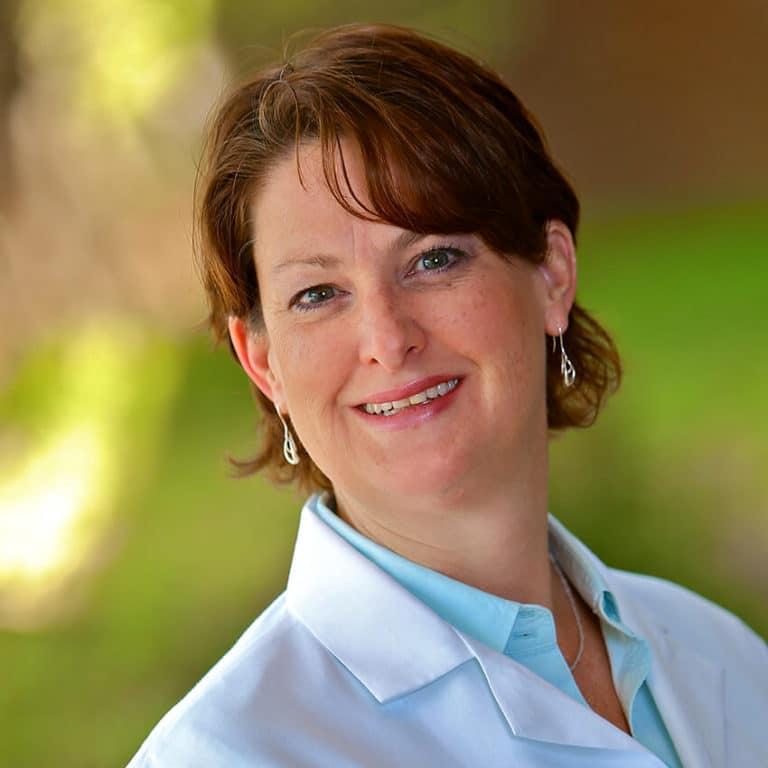
Medical contribution by Paulette E. Browne, M.D.

Paulette E. Browne, M.D., is board certified in obstetrics and gynecology and reproductive endocrinology. Dr. Browne sees SGF patients at the Fair Oaks, Virginia, office.

How can sexually transmitted infections (STIs) impact fertility?

Sexually transmitted infections (STI), once more commonly known as sexually transmitted diseases (STDs), are infections transmitted through sexual contact or intercourse that are caused by bacteria or viruses. While not all STIs will cause infertility or prevent a woman from having a healthy pregnancy, some STIs can impact a woman’s fertility if left untreated. Some STIs go unnoticed because they have what is commonly known as silent symptoms, which is why it’s important that both partners get tested and, if necessary, treated to avoid any further complications.

What are the most common STIs that can impact a women’s fertility?

  • Chlamydia: This is one of the most common STIs and, if left untreated, can adversely affect the fertility of both men and women. While chlamydia is often considered a silent infection with no symptoms, chlamydia can lead to uterus and tubal damage, which can cause pelvic inflammatory disease (PID), a particularly serious condition as it can cause permanent damage in the uterus and Fallopian tubes.
  • Gonorrhea: Symptoms of gonorrhea include a painful or burning sensation when urinating and vaginal or penile discharge.  In some cases, gonorrhea can cause infertility because of tubal damage and scar tissue in the uterus.
  • Herpes simplex virus 2: While this type of STI does not typically cause infertility in women, women are advised to avoid conception during an outbreak. Therefore, having to time conception around symptoms can make conception more difficult. In men, however, the herpes virus may cause real fertility problems, including low sperm count and poor motility (sperm movement). Herpes is also very dangerous if contracted while pregnant, especially near delivery as the infection can be transmitted to the infant and cause serious and sometimes fatal
  • Syphilis: Syphilis infection can have serious long-term effects if left untreated.
  • Human papillomavirus (HPV): HPV is a common virus found in sexually active individuals. While the virus itself may not directly cause infertility, in some cases, having HPV can increase your chances for cervical dysplasia, cervical cancer, as well as anal rectal cancers and head and neck cancers.

Do all STIs have the same impact on woman’s fertility?

The simple answer to this is no. Certain virus such as chlamydia and gonorrhea are most responsible for severe tubal damage and scar tissue. Others like herpes and syphilis can be particularly dangerous to a pregnancy. Certain types of HPV may cause precancerous cells or cancer of the cervix, and treatment for this could lead to other cervical conditions and infertility.

Are STIs treatable?   

There are treatments available for all STIs; however, in the case of HPV, while the warts and cervical dysplasia caused by HPV can be treated, the virus cannot be eliminated.

Can I still get pregnant if I’ve had an STI?   

Yes. Pregnancy is certainly possible if you’ve had an STI in the past. However, we recommend you consider a simple fertility evaluation if you’ve ever had an STI and you’re considering pregnancy.

What are ways to prevent STIs and infertility down the road?  

The best way to prevent STIs is to use condoms and not have unprotected intercourse. It is recommended to get tested for STIs to prevent spreading it to your partner or someone else. There is a vaccine available to protect against HPV that is recommended for preteens at 11 or 12 years of age before they are exposed to the virus. For teenagers and young adults the Centers for Disease Control and Prevention (CDC) recommends vaccination up to 21 in men and 26 in women. The vaccine is not recommended for anyone older than 26 because, by that age, those still sexually active have likely already been exposed to most high-risk HPV subtypes.
STIs pose a greater threat to fertility when they are diagnosed late. Regular check-ups and open discussions with your sexual partner will help protect you from an STI.

Schedule an Appointment

We recommend you consider a simple fertility evaluation if you’ve ever had an STI and you’re considering pregnancy. To learn about STIs that can impact fertility or to schedule an appointment with one of our New Patient Liaisons, please call 1-877-971-7755 or submit this brief form.

Filed Under: General

September 13, 2021 by Shady Grove Fertility

Fertility care in the City of Motherly Love has expanded with Dr. Anne Hutchinson, the newest fertility specialist to join SGF’s Philadelphia medical team. Easygoing, enthusiastic, and committed, Dr. Hutchinson is now scheduling new patient appointments at the Center City office.

Even from a young age, Dr. Hutchinson’s fascination with the power of the human body drove her to pursue a career in medicine. She is drawn to reproductive endocrinology not only for its cutting-edge care backed by science, but also for the opportunities it offers to form meaningful and lasting relationships with patients.

Dr. Hutchinson jumpstarted her medical education in Philadelphia at Thomas Jefferson University. It was during this time that her interest in women’s health and reproduction peaked, guiding her to seek board certification in obstetrics and gynecology and become board eligible in reproductive endocrinology and infertility.

She then completed her residency in obstetrics and gynecology at New York Presbyterian-Weill Cornell Medical Center, where she was awarded best abstract in the category of reproductive medicine by the American Association of Gynecologic Laparoscopists (AAGL). Dr. Hutchinson then fulfilled her fellowship in reproductive endocrinology and infertility at Northwestern University Feinberg School of Medicine in Chicago. She has since brought her career full circle by returning to Philadelphia to provide fertility care at SGF.

Dr. Hutchinson has presented on topics ranging from age and fertility to fertility preservation, social factors of family building for women, and more. A bookworm at heart, Dr. Hutchinson has also contributed to medical publications focusing on subjects such as in vitro fertilization, preimplantation genetic testing, ovarian stimulation, and female cancers.

Whether she is helping patients fulfill their dreams of having a baby or playing in a pick-up soccer game, Dr. Hutchinson works hard for her teammates both on and off the field.

Get to know Dr. Anne Hutchinson

Dr. Hutchinson: During high school, I had the opportunity to shadow one of my friend’s fathers who was a plastic surgeon at the time. That opportunity gave me my first window into medicine. He loved what he did, and his passion for medicine shined brightly — he had found his calling by helping his patients through surgery. I remember feeling so inspired by the love and trust that his patients had for him and the meaningful contributions that he was able to make in their lives. By the end of my time with him, I felt fulfilled (and somewhat exhausted), but I had no doubt that medicine was the right choice for me.

Dr. Hutchinson: Throughout medical school, I found that there was so much about my own health and physiology that I had not understood. The more that I learned, the more interested I became. I am a huge advocate for patient education, particularly in the realm of women’s health and reproduction. Women should be armed with the knowledge of their own anatomy and physiology to be able to make the most informed decisions possible about their bodies and treatments.

Dr. Hutchinson: I remember one patient who had undergone an emergency cesarean hysterectomy during the delivery of her first baby. The baby needed to spend time in the NICU, and the patient worked tirelessly to maintain breastfeeding.

Knowing that she wouldn’t be able to physically carry future children, she planned to undergo IVF to make embryos for a future gestational carrier. However, she wanted to share the bond of breastfeeding with her future baby, so she continued to pump for 2 years after completely weaning her firstborn. That way, she would have a large enough milk supply after the arrival of her second child via gestational surrogacy.

It stuck with me that this patient pumped every single day for years to help enrich the life and bond of her future child — a daily sacrifice that she happily took on. I’ve worked with many inspirational patients, but her story is a reminder that growing families is something that patients think about every day and I would move mountains to help improve their outcomes.

Dr. Hutchinson: First, to listen. Patients have been through so much by the time they seek help, and everyone needs to be heard and have their feelings affirmed. Not everyone has a strong support system that they can confide in, and for those who do, they may still need to vent. I see this as a super important part of fertility care.

In every other aspect of life, if you want something enough and take all the necessary steps, oftentimes, you will achieve it. Unfortunately, that is not always the case with fertility, and that can be a difficult reality to process. I take every opportunity to meet my patients where they are and partner with them, so they feel supported, validated, and not alone. When they are ready, we can work through the next steps together.

Dr. Hutchinson: Recently, I have fancied myself an amateur interior designer. I just moved into a new home and am loving colors, textures, and imagining new plans for the space. This has just been a great new artistic outlet for me. It lets me exercise my abstract thinking to create a space that I love!


Begin your fertility journey with Dr. Hutchinson in Philadelphia by calling the SGF New Patient Center at 877-916-4244 or complete  this brief form.

Schedule Appointment

Filed Under: General

June 24, 2021 by Shady Grove Fertility

The countdown is over: 4 physicians, 2 locations, and one comprehensive and caring patient experience is now available at the brand new SGF Colorado! We are proud to lend a helping hand to families out west with the same cutting-edge fertility care we’ve offered all patients since 1991. Please join us in giving a warm welcome to former University of Colorado Advanced Reproductive Medicine (CU ARM) physicians who are taking the helm at SGF Colorado: Shona Murray, M.D., Alex Polotsky, M.D., Cassandra Roeca, M.D., and Nanette Santoro, M.D.

While these four physicians bring decades of shared fertility treatment experience to their patients, they will also provide training to the University of Colorado Reproductive Endocrinology and Infertility fellowship program to prepare future physicians, too.

Like our East Coast offices, SGF Colorado’s new Colorado Springs and Denver offices will collectively offer the following fertility services:

  • Virtual physician consultations
  • Diagnostic testing
  • Intrauterine insemination (IUI)
  • In vitro fertilization (IVF)
  • Donor egg treatment
  • Egg freezing
  • Fertility preservation for people with cancer
  • LGBTQ+ family building

With this move, we will also expand access to our renowned donor egg treatment and gestational carrier programs, the largest in the nation with more than 8,000 babies and counting to its credit. As a practice, we recruit and medically, psychologically, and genetically prescreen all prospective, ready-to-cycle egg donors before listing them on the SGF donor registry.

Find an SGF Colorado Location Nearest You

SGF welcomes 12 SGF babies born every day and is honored to help individuals and couples overcome infertility at our new full-service fertility and in vitro fertilization (IVF) program in Colorado Springs and Denver.

The Denver center will be equipped with a state-of-the-art embryology laboratory and ambulatory surgery center with five recovery bays and an operating room. Egg retrievals, embryo transfers, and/or surgeries will be performed at SGF Colorado’s Denver location.

SGF’s newest (tenth) full-service embryology laboratory located in Denver, CO, is equipped with the latest technology to give patients every advantage on their journey to conceive, including HEPA-filtered clean air ventilation systems, heated work stations that simulate the In Vivo (Latin for “within the living”) environment, anti-vibration tables that prevent harm to specimens should the table shake, highly sophisticated inverted microscopes to better evaluate embryo growth and development, and advanced incubators and media, to name a few.

The Colorado Springs center offers patients along the Southern Front Range and surrounding areas excellence in advanced fertility care. The office is conveniently located 2 ½ miles from Interstate 25 in Briargate across from Memorial North Hospital.

The Colorado Springs location will be home to physician offices for patient consultation, intrauterine insemination (IUI) procedures, endocrine and andrology laboratories, as well as cycle monitoring services, such as bloodwork and ultrasound.

Get to know the 4 SGF Colorado Docs

Like many Coloradans, Drs. Murray, Polotsky, and Roeca are wilderness explorers at heart, enjoying all the skiing, biking, and hiking the mountains have to offer. And while all three physicians are outdoorsy in nature, they’re equally passionate about helping patients overcome infertility.

Q&A with SGF Colorado Docs

Q: How do you feel about joining the SGF Colorado team?

Dr. Murray: It’s long been my commitment to put patients on the most direct path to a baby. My decision to join the SGF Colorado team was made simpler by their long-standing commitment to evidence-based medicine, and to their sense of professional collaboration. Patients benefit from a network of strongly affiliated, connected physicians who stay in frequent communication and unite under the same mission, to advance the standard of care.”

Dr. Polotsky: I am incredibly proud to continue in my role teaching our next generation of REIs, while at the same time join the SGF family. My respect for SGF spans many years as I’ve long admired their ability to increase access to care through exclusive financial programs, their commitment to innovation, and their delivery care model that seeks to always put patient needs first.

Dr. Roeca: SGF is known as a pioneer in many ways, shown through their commitment to research, innovation, collaboration, and education. I’m proud to be a part of a practice of this caliber, home to award-winning physicians who continuously and safely push the envelope and offer the very finest in care.

Q: What is your approach to helping patients who are struggling?

Dr. Murray: I always listen to my patients, both from what their words and clinical testing tell me, so we can find a treatment path that’s right for them. It’s important to understand that each person is unique, and each situation is unique.

Dr. Polotsky: Every patient’s comfort level is different, so I respect that when determining a treatment path forward. I like to give my patients options.

Dr. Roeca: Listening to my patients and their experience is the single most important thing I can do to understand why someone is struggling. It is important to me that my patients feel heard. This provides a basis for trust, mutual respect, and shared decision making so, together, we can effectively help them achieve their reproductive goals.

Dr. Santoro: I feel that it’s most important to cultivate and maintain the understanding that I am a member of my patients’ team. I am on their side. There can be so much unbearable frustration involved in prolonged fertility treatment, and I feel it is important for me not to look away and to make sure my patients know I am with them for the duration of the journey, no matter the outcome.

Q: Describe a time you were inspired by a patient.

Dr. Murray: Every patient I meet inspires me. Although I have been a reproductive endocrinologist for over 25 years, I learn something new from every single patient.

Dr. Polotsky: I had the honor of working with a couple who now has three healthy and beautiful children. Unfortunately, after they welcomed their first child, the couple experienced secondary infertility and the heartache of unsuccessful pregnancy attempts. One of the cornerstones of my philosophy is that patients should be in the driver’s seat as much as possible, so we worked together so that her first child could have a sibling.

Dr. Roeca: I am always inspired by my patients. Their willingness to be emotionally vulnerable about their most personal experiences in my office is inspiring. I see strong people every day in my office who are walking a long, difficult path and display such tenacity and courage; I am inspired daily to go above and beyond to help my patients achieve their reproductive goals.

Looking for a Fertility Specialist in the Colorado Area?

New patients may schedule an appointment at either of the SGF CO locations by calling the SGF New Patient Center at 720-778-3810 or submitting this brief online form. 

Filed Under: General

May 3, 2021 by Shady Grove Fertility

The Hampton Roads region is home to our latest full-service location at SGF Jones Institute with Dr. Tarita Pakrashi on board. We are proud to extend care to our new Norfolk, Virginia neighbors with comprehensive fertility services and an embryology lab while enduring the Jones Institute legacy as leaders in fertility medicine.  

Our new space may be familiar to locals as the Eastern Virginia Medical School Jones Institute for Reproductive Medicine (EVMS Jones Institute) located at 601 Colley Avenue, Norfolk, VA 23507. Effective June 30, 2021, our affiliated partner, EVMS Jones Institute, has transitioned all patient care to SGF Jones Institute. 

“At SGF Jones Institute, we represent the best of both worlds: SGF brings its cutting-edge medicine to the Hampton Roads region and the Jones Institute is respected as a pioneer of modern fertility technology we use to help grow families today,” explains Dr. Pakrashi. “When patients choose SGF Jones Institute, they become a part of this incredible journey, and for that, our care team at SGF is extremely grateful.” 

The Jones Institute is a respected name in reproductive medicine, stemming from the trailblazing nature of Drs. Howard and Georgeanna Jones who created a legacy for the Jones Institute as the birthplace for many ‘firsts,’ including the first baby born from in vitro fertilization (IVF) in the United States in 1981.  

“The historical significance of SGF becoming affiliated with the Jones institute is nothing short of remarkable,” reflects Michael Levy, M.D., co-founder of SGF. “The Jones’s are legends in our field, and we are humbled and honored to be a part of this landmark partnership that will benefit individuals and couples for years and decades to come.” 

What Fertility Services Does SGF Jones Institute Offer?  

2021 is shaping up to be a big year for SGF. We are celebrating our 30th anniversary of providing medical and service excellence to patients from all 50 states and 35 countries around the world. And while we’re excited to achieve a new milestone, we’re equally focused on helping Hampton Roads region couples and individuals grow the families of their dreams.  

SGF Jones Institute marks our 10th location in Virginia and 11th full-service embryology laboratory overall. As a patient, you will experience comprehensive fertility services, including:  

  • fertility and ovarian reserve testing and diagnosis, 
  • semen analysis, 
  • hysterosalpingogram (HSG), 
  • low-tech fertility treatment options such as intrauterine insemination (IUI), 
  • in vitro fertilization (IVF), 
  • donor egg, sperm, and embryo, 
  • genetic screening and testing, 
  • gestational carrier, 
  • egg freezing, 
  • fertility preservation for patients with cancer, and  
  • LGBTQ+ family building.  

Patients seeking fertility care can benefit from SGF Jones Institute’s wide insurance network, coupled with their own dedicated Financial Counselor. We offer innovative financial programs, including our flagship 100% refund guarantee program for IVF and donor egg treatment, which provides patients the reassurance they will either take home a baby or receive a full refund. Like every SGF location, we will also support our military community with income-based and military discounts, to name a few, as well as an exclusive financing partner, Fertility Finance. 

Get to Know Dr. Tarita Pakrashi 

Dr. Pakrashi loves yin yoga and could get by on a lifetime supply of coconut water, but the other side to her is an unwavering commitment to providing personalized care for her fertility patients. 

Dr. Pakrashi is board certified in Obstetrics and Gynecology as well as Reproductive Endocrinology and Infertility, complementing her lifelong interest in the mind-body aspect of women’s health. She specializes in the diagnosis and treatment of infertility, including gynecologic endocrine issues, such as polycystic ovary syndrome (PCOS) and endometriosis, as well as helping patients overcome infertility with third party reproduction.   

Seeking Fertility Care in Virginia’s Hampton Roads Region?  

New patients of SGF Jones Institute may call the SGF New Patient Center at 757-512-8547 or complete this brief form to schedule their virtual consult with Dr. Pakrashi.

Filed Under: General

April 27, 2021 by Shady Grove Fertility

Step six: pregnancy test

The pregnancy test occurs around 18 days after the egg retrieval. All pregnancy tests are assessing whether human chorionic gonadotropin (hCG) is present. However, unlike a home pregnancy test, Shady Grove Fertility will perform a blood test to determine the exact level of hCG present.

When a positive pregnancy is determined, you’ll be asked to repeat the test in 2 or 3 days. If there is a viable pregnancy, the level of hCG will roughly double every 2 days. If at the second pregnancy test the hCG level doubles, another beta may be ordered. If all three pregnancy tests indicate a pregnancy, then a vaginal ultrasound will be scheduled between the 6th and 8th week of the gestation. At that time, your doctor will be looking for a gestational sac and heartbeat to confirm the pregnancy. Around the 8th week of gestation patients ”graduate” from Shady Grove Fertility and are referred back to their OB/GYN for continuing obstetric care.

If the cycle results in a negative pregnancy test, it’s very disappointing. It’s important to remember, you have a treatment plan with options for trying again. Your medical team will instruct you to stop your medications and offer to schedule a consultation with your doctor. During this meeting with your physician, you’ll discuss the cycle, any changes that can or should be made to your protocol, and ultimately determine how you want proceed.

While there are several parts to an IVF cycle with many details to consider, it’s an exciting time filled with hope and possibility. Whether you are about to start an IVF cycle or you’re just exploring fertility treatment in general, don’t hesitate to ask all your questions and express your concerns.

Schedule an Appointment

Filed Under: General

April 27, 2021 by Shady Grove Fertility

Step Five: Embryo Transfer

The embryo transfer is a simple procedure that takes about 5 minutes to complete. There’s no anesthesia or recovery time needed following an embryo transfer. This experience will be similar to the mock embryo transfer performed prior to starting the cycle.

When your embryo transfer is scheduled, your nurse will notify you, and provide specific instructions on when to arrive and how to prepare.

How many embryos will be transferred?

The morning of the transfer, the embryologist will make a final assessment of your embryos and provide a recommendation on the number to be transferred. These recommendations are based on overall embryo quality and the age of the embryo, which will ideally be at day 5 or 6. The doctor will use the information provided by the embryologist and other factors related to your case, such as your age and history with previous treatments, to make his/her recommendation.

When patients meet a specific criteria, often times physicians will suggest elective single embryo transfer (eSET). As the name suggests, eSET is the transfer of a single embryo, despite having many available. Transferring one high-quality embryo is found to reduce the risk of multiples while maintaining a similar chance of pregnancy. Patient criteria for eSET includes:

  • The female partner is age 37 or younger
  • It is her first cycle of IVF or she has had a previous successful cycle of IVF
  • She has a high quality blastocyst

Prior to the start of the embryo transfer, you will review your cycle with the physician and the final decision regarding the appropriate number of embryos to transfer is made, along with what to do with any remaining embryos. For the safety of the patient and baby, Shady Grove Fertility encourages singleton pregnancies.

Once the number of embryos to transfer is determined, inside the laboratory, an embryologist will verify all identifiers, such as your name, and identification number, and compare them to the embryo culture dish and corresponding egg datasheet. The transfer catheter is loaded with the appropriate number of embryos. Upon entering the transfer room, the embryologist will state your last name and the number of embryos in the catheter. A live feed of the embryology laboratory will appear on a T.V in the transfer room where the patient will see their name and patient ID to further verify identify and the embryo(s) selected for transfer.

The Embryo Transfer

During the embryo transfer, the doctor will insert the catheter and push the embryo(s) into the uterus with a small puff of air. The procedure is guided visually on a monitor with an abdominal sonogram. Once transferred, the doctor will slowly remove the catheter to eliminate or decrease any uterine contractions. Since the embryo is invisible to the naked eye, the embryologist will then check the catheter under a microscope to make sure the embryo was released.

Following the embryo transfer, you will be asked to lie still for 5 minutes. Finally, you’ll be given instructions for the next 2 weeks until it’s time for the pregnancy test.

Step 6: Pregnancy Test

Filed Under: General

  • « Go to Previous Page
  • Page 1
  • Interim pages omitted …
  • Page 5
  • Page 6
  • Page 7
  • Page 8
  • Page 9
  • Interim pages omitted …
  • Page 46
  • Go to Next Page »

Company

  • About SGF
  • About US Fertility
  • Our Doctors
  • Fertility Equity
  • Careers
  • Newsroom
  • SGF College Scholarship
  • Contact Us
  • Voice Your Feedback

Treatments

  • Egg Freezing
  • Intrauterine Insemination (IUI)
  • In Vitro Fertilization (IVF)
  • Frozen Embryo Transfer (FET)
  • LGBTQIA+ Family Building
  • Shared Risk 100% Refund Program
  • All Treatments

Resources

  • Patient Portal
  • Online Bill Pay
  • Library
  • Support Groups & Events

Locations

  • California
  • Colorado
  • Delaware
  • Florida
  • Georgia
  • Maryland
  • North Carolina
  • Pennsylvania
  • Texas
  • Virginia
  • Washington, D.C.

2026 Shady Grove Fertility

  • Policies & Notices
Also of interest
  • In Vitro Fertilization IVF
  • Fertility Tests
  • Research Publications