
• Skip to primary navigation
  • Skip to main content
  • Skip to footer
Shady Grove Fertility
  • Become an Egg Donor
  • Referring Physicians
  • 1-888-761-1967
  • Schedule Appointment
  • Get Started
        • Get Started
          • Causes of Infertility
          • Fertility Tests
          • When to Seek Help
          • Find a Doctor
          • Preconception and prenatal vitamins 
          • Schedule an Appointment
        • Personalized Care For
          • Single Parents
          • LGBTQIA+ Family Building
          • People with Cancer
          • Known Genetic Diseases
          • Egg Donors
  • Treatments
        • Fertility
          • Timed Intercourse
          • Ovulation Induction
          • Intrauterine Insemination (IUI)
          • In Vitro Fertilization (IVF)
          • Frozen Embryo Transfer (FET)
        • Donation & Surrogacy
          • Donor Sperm
          • Donor Egg
          • Donor Embryo
          • Gestational Carrier
          • LGBTQIA+ Family Building
          • Single Parents
          • Find a Donor
        • More Treatments
          • Center for Male Fertility
          • Egg Freezing
          • OncoFertility
          • Preimplantation Genetic Testing
          • MIGS
          • All Fertility Treatments
  • Resources
    • Resource Library
    • Events Calendar
    • Patient Stories
    • Mental Health
    • Wellness Center
  • Insurance & Savings
    • Insurance & Benefits
    • Shared Risk 100% Refund Program
    • 100% Refund for Donor Egg
    • Discounts
    • Egg Freezing Costs
    • Financing & Grants
    • Clinical Trials
  • About
    • Find a Doctor
    • About SGF
    • Our Care Team
    • Advanced Practice Providers
    • Fertility Equity
    • Philanthropy
    • Newsroom
    • Careers
    • Contact Us
    • Voice Your Feedback
  • Locations
        • Find a Location
        • California
        • Colorado
        • Delaware
        • Florida
        • Georgia
        • Maryland
        • North Carolina
        • Pennsylvania
        • Texas
        • Virginia
        • Washington, D.C.
        • Chile
        • International & Out of State
        • SGF at Walter Reed National Military Medical Center
  • Patient Hub
    • Online Bill Pay
    • Patient Forms
    • Patient Portal
  • Call your care team
  • Become an egg donor
  • Referring physicians
  • search-icon
  • Schedule appointment 1-888-761-1967

Home / Diagnosing Infertility / Page 2

Diagnosing Infertility

January 12, 2024 by Shady Grove Fertility

Knowing that 20 percent of women who struggle with infertility have an underlying uterine condition or anomaly, you may wonder: how does my uterus affect my fertility? 

Rest assured, a uterine diagnosis won’t always lead to challenges with getting pregnant or eventual pregnancy complications. We asked SGF California’s Dr. Alexander Quaas to shine a light on how to test the uterus for various uterine anomalies and conditions and what they mean for fertility. 

Five uterine anomalies and what they mean for fertility

When anomalies form in utero and are present at birth, they are known as congenital. Some of these anomalies are classified as Müllerian anomalies, which affect up to 4 percent of women. So, what is a Müllerian anomaly? 

“Think back to the early developmental stages of an embryo,” explains Dr. Quaas. “The entire female reproductive tract — the uterus, cervix, Fallopian tubes, and vagina — starts as two Müllerian ducts. But when the development of Müllerian ducts is disrupted, anomalies become present in the reproductive tract. Oftentimes, women are not aware of the anomalies until puberty or when they experience reproductive challenges.” 

1. Septate Uterus: A Wall of Tissue

A uterine septum is a type of barrier in an otherwise normal-looking uterus. It occurs when the inside of the cavity is segmented by a wall of tissue that extends partially or for the entirety of the cavity of the uterus.

“A septum usually doesn’t have a flowing blood supply, making it very difficult for an embryo to successfully implant there,” says Dr. Quaas. “This may lead to an early pregnancy loss.” 

For patients with recurrent miscarriages, doctors often perform an exam called a hysteroscopy to see the inside of the uterus. If there is a septum, doctors can remove it during that procedure, which can help women carry babies to term.

2. Arcuate Uterus: Normal Variant

An arcuate uterus is one of the milder Müllerian anomalies oftentimes characterized by a slight indentation at the top of the uterus, where it is otherwise rounded like the bottom of a pear. 

“Indentations can be so minor that an arcuate uterus is practically normal,” explains Dr. Quaas.

The arcuate uterus is not known to be associated with pregnancy complications and infertility.

3. Unicornuate Uterus: Half a Uterus

A unicornuate uterus is one of the rarer congenital Müllerian anomalies and occurs when only half of the uterus has formed.

“If you’re thinking the anomaly sounds like unicorn, that’s no coincidence,” explains Dr. Quaas. “Having only half of a uterus means that the uterus is smaller in size than normal and has only one Fallopian tube, earning this anomaly the nickname of a ‘single-horned uterus.’ A variation of a unicornuate uterus also includes a rudimentary horn resulting from the disrupted development of a Müllerian duct.”

Women with a unicornuate uterus run the risk of complications including recurrent miscarriages, preterm labor, and ectopic pregnancies. Unicornuate uteruses come in many variations, so it is important to understand the physiology of the uterus.

4. Uterine Didelphys: Two Separate Uteruses

A uterine didelphys is when someone has two separate uteruses. When the Müllerian ducts don’t fuse together properly during development, they may grow into two separate organs.

“Someone with a didelphys does not necessary have an issue carrying a pregnancy to term as long as the uterus carrying the pregnancy is close to normal size,” shares Dr. Quaas.

While this condition is rare, women often have successful pregnancies.

5. Bicornuate Uterus: Heart-Shaped Uterus

Another congenital abnormality is a bicornuate uterus, or heart-shaped uterus. A normal uterus will resemble a pear shape. With a bicornuate uterus, there is an indent at the top of the organ, leading to the condition’s nickname.

“Women with this condition aren’t as likely to experience infertility, but they can have a higher risk of preterm delivery or breech (babies),” explains Dr. Quaas. “Women experiencing complications simply don’t have enough space in their uterus.”

The size of the uterus determines how well it can carry a baby. Like a didelphys, women may live their lives unknowingly with this condition until trying to conceive or during pregnancy.

Common uterine conditions that can impact chances of conception 

1. Uterine Polyps and Fibroids

Both polyps and fibroids are generally non-cancerous growths that take up space in the uterus affecting the ability for an embryo to implant and grow. Polyps are an overgrowth of the endometrial lining and fibroids are smooth muscle tumors of the uterus.

What does this mean for chances of conception?
“These [polyps and fibroids] obstructions in the uterus are the most common on our list of uterine factors that can make the uterus less ideal for pregnancy,” explains Dr. Quaas.

Once removed, women can continue to try to conceive on their own or by using fertility treatment such as intrauterine insemination (IUI) or in vitro fertilization (IVF).

What are the symptoms?
Dr. Quaas explains that some women with uterine polyps and fibroids do not experience any symptoms, while others may have abnormal bleeding, cramping or pain.

How is this condition treated?
While some women with smaller masses can conceive, polyps and fibroids often need to be surgically removed. For polyps, this can always be done hysteroscopically, in other words by using a camera inserted into the uterus with a vaginal approach. For fibroids, it can be done using the hysteroscopy method if the fibroid is located inside the uterine cavity. Fibroids inside the uterine cavity have the highest impact on implantation and should always be removed. Fibroids that are located away from the uterine cavity do not always have to be removed. A decision on whether to remove fibroids and proceed with a “myomectomy” is an individual decision made on a case-by-case basis, considering the risks and expected benefits of the procedure. 

2. Adenomyosis

Adenomyosis occurs when endometrial tissue grows inside the muscle of the uterus rather than lining the uterine walls. It is like endometriosis in that adenomyosis is also an estrogen responsive condition.

What does this mean for chances of conception?
Most cases of adenomyosis are present in women who are in their 40s and 50s. Nearly 70 to 80 percent of women who undergo a hysterectomy for adenomyosis fall within this age bracket. Age is one of the main indicators of a woman’s fertility, with sharp declines at ages 35 and older.

What are the symptoms?
Adenomyosis can be difficult to diagnose for two reasons: one, because the condition frequently co-exists with fibroids, and two, because symptoms closely resemble those of endometriosis. Common symptoms include:

  • Heavy or prolonged menstrual bleeding
  • Severe and sharp menstrual cramps 
  • Chronic pelvic pain
  • Painful intercourse

How is this condition treated?
Adenomyosis tends to go away after menopause. For women who aren’t approaching menopause, treatment options include:

  • Anti-inflammatory drugs
  • Hormone medications
  • Hysterectomy

3. Asherman’s Syndrome and Scar Tissue

 Asherman’s syndrome is the presence of scar tissue, or adhesions, in the uterus. 

What does this mean for chances of conception?
“Asherman’s syndrome can also impact the ability for an embryo to implant in the uterus,” says Dr. Quaas. “For many women, the formation of adhesions in the uterus is most frequently seen after surgical procedures including a dilation and curettage (D&C), fibroid removal surgery, or due to the occurrence of a retained placenta after the delivery of a baby.” 

What are the symptoms?
Symptoms for Asherman’s Syndrome can vary from patient to patient and can include:  

  • light or absent periods
  • pain during the time that menstruation should be occurring (often there is no menstrual blood because adhesions prevent it from exiting the uterus)
  • miscarriage

How is this condition treated?
Women with a significant presence of scar tissue in the uterus are mostly frequently treated through a surgical procedure where the scar tissue is removed.

4. Hydrosalpinx

“A hydrosalpinx is a blocked Fallopian tube that becomes dilated and filled with liquid,” explains Dr. Quaas. “This liquid can spill into the uterus and affect the protein expression in the uterine lining.”

A hydrosalpinx often occurs due to a previous infection such as chlamydia or gonorrhea, a ruptured appendix, or due to endometriosis.

What does this mean for chances of conception?
The presence of a hydrosalpinx has been found to decrease implantation rates and increase the occurrence of miscarriage.

What are the symptoms?
Symptoms vary, with some experiencing recurrent abdominal pain, while others will not have any symptoms.

How is this condition treated?
To prevent the liquid found in the hydrosalpinx from spilling into the uterus, it is recommended that the affected Fallopian tube be tied off at the entry point or be removed completely. A woman with both tubes that become damaged may need fertility treatments such as IVF.

How to diagnose uterine conditions

If uterine anomalies or conditions are suspected, patients will generally undergo one of three tests to confirm a diagnosis:

  1. Hysteroscopy: A surgical procedure that allows a physician to look inside the uterus to investigate the source of abnormal uterine bleeding, or a cause of infertility or miscarriages.
  1. Sonohysterogram: An ultrasound-based test used to evaluate the uterine cavity. During this study, a small volume of saline is instilled into the uterus while an ultrasound is performed. This allows a physician to determine if fibroids or polyps are protruding into the uterine cavity, potentially disrupting embryo implantation.
  1. Hysterosalpingogram (HSG): An x-ray and dye test that a physician will use to detect several kinds of issues, such as polyps, fibroids, or scarring in the lining of the uterus, and blockages in the Fallopian tubes.

You may have heard about women’s experiences with HSGs. SGF Nurse Practitioner, Ursula “Fallopian Tube Queen” Rocha shares what to expect at your HSG.

Schedule an appointment

If you have a known uterine condition that may be impacting your ability to conceive, we recommend a consult to see a fertility specialist. To learn more, or to schedule an appointment, please call 1-877-971-7755 or complete this brief form.

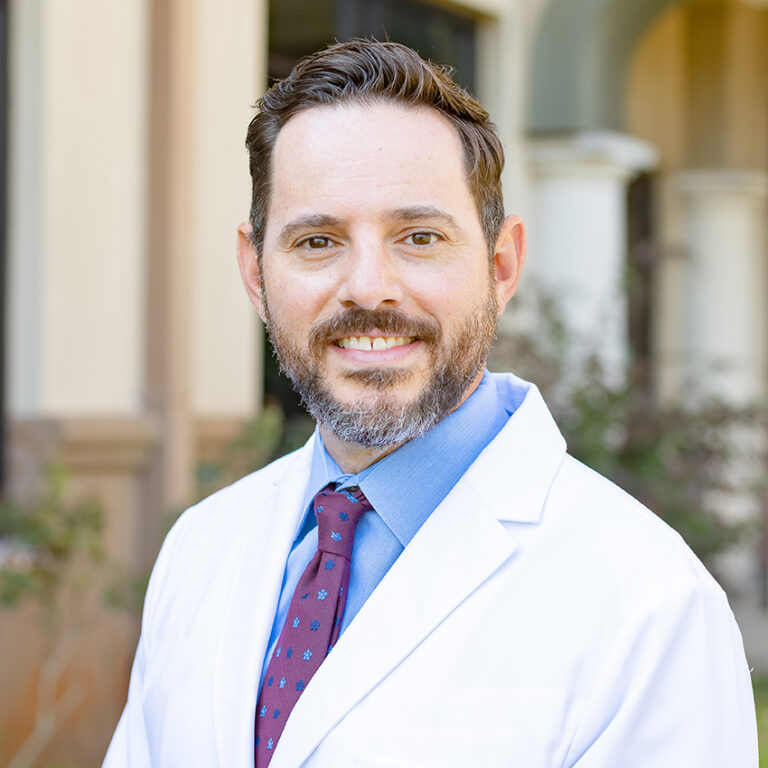
Medical contribution by Alexander Quaas, M.D., Ph.D. 

Alexander Quaas, M.D., Ph.D., is board certified in obstetrics and gynecology (OB/GYN) as well as reproductive endocrinology and infertility (REI). Dr. Quaas completed his residency in OB/GYN at Brigham and Women’s / Massachusetts General Hospital in the Harvard Integrated OB/GYN Residency Program. He completed his REI fellowship at the University of Southern California in Los Angeles.  

Schedule an Appointment

Editorial note: This article was originally published in October 2016, and has been updated for accuracy and comprehensiveness as of January 2024.

Filed Under: Diagnosing Infertility

July 13, 2023 by Shady Grove Fertility

If you’ve already had one child, you may experience shock or surprise at your difficulties trying to conceive another. Even if you had infertility the first time around and perhaps expected some difficulties again, it can feel confusing and distressing to go back and forth between the fertile and infertile worlds.  

At Shady Grove Fertility, approximately 50 percent of the patients we see are seeking support as a result of secondary infertility. 

“Although this problem may seem improbable and frustrating, there are some logical reasons why secondary infertility is presenting an increasing challenge for those who want to expand their families,” shares SGF Houston physician Dr. John R. Crochet. “We’re here to help overcome barriers and help you reach the family of your dreams.”  

Four common factors that contribute to secondary fertility 

There are many reasons someone could be experiencing secondary infertility.  

Upon exploring the underlying causes of secondary infertility, some find that they have a fertility-related issue — such as polycystic ovary syndrome (PCOS) — that, by all accounts, may have also prevented them from having their first child. 

For others, however, something has changed between the birth of the first child and their attempt at conceiving and carrying another. 

Maternal age 

One of the leading causes of secondary infertility is age. As a woman ages, the quality and quantity of her eggs decreases. While she may have had her first child without a problem, she could encounter a change in egg quality or quantity if she tries to conceive again several years later. While every individual is different, SGF provides age-based recommendations for when you should see a fertility specialist if you are having difficulty conceiving. 

Internal issues 

In the span of time between the birth of a first child and an attempt at conceiving another baby, changes within the body may have occurred. Changes to the uterus, infections, or even Fallopian tube issues could make getting and staying pregnant more difficult. Irregular or absent menstrual cycles can often reveal an underlying ovulation disorder, even if previous conception occurred. 

Recurrent miscarriage, also known as recurrent pregnancy loss, is defined as two or more consecutive, spontaneous pregnancy losses. It is often unknown why miscarriages occur, even when a previous pregnancy has been successful. 

Male-factor infertility 

Male aging can also affect reproductive health, potentially affecting sperm quality and quantity. But while these changes may be due to age, they could also be due to new medications, such as testosterone replacement therapy, or lifestyle changes like weight gain or a new smoking habit (which can also affect female fertility). Learn how you can improve sperm quality. 

Weight gain 

Weight gain can have a significant impact on the ability to conceive, sometimes leading to ovulatory dysfunction in women or reduced sperm quality in men. However, weight loss can reverse these conditions.  

In many men and women with a body mass index (BMI) that is above normal, diet, exercise, and lifestyle changes have been shown to make a vast difference in fertility potential. Studies have shown that for women, losing as little as 5 to 10 percent of their body weight can improve the chances of pregnancy occurring. 

Available treatment options 

If you have had a successful pregnancy before and are now trying to conceive without success, we recommend making an appointment to see a fertility specialist. 

After your physician establishes a diagnosis, they will discuss with you the recommended treatment approach. As with other types of infertility, SGF takes a stepped care approach to treatment, which means we start with the simplest, most affordable treatment options first and move up to more advanced treatments only when medically indicated. 

Support system for secondary infertility  

Many women who experience secondary infertility can feel surprised, alone, and not know how to share their feelings with their friends and family. You may experience unwelcome reactions from your friends and family who may not understand why you’re so upset because you already have a child. It can be very difficult to make sense of these challenges and to stop feeling so distant from everyone around you. You are not alone though and there are support groups and resources available.  

The most important thing to remember when you are experiencing secondary infertility is that you are not alone. A fertility specialist will be able to provide you with an accurate diagnosis and then create an individualized treatment plan to help you conceive.  

SGF encourages patients to find a community of support and offers a Secondary Infertility Support Group. For more avenues of support, SGF offers a comprehensive resource library for patients, as well as active Facebook, Instagram, and YouTube channels, where current and prospective patients will find a wealth of support and resources.   

Questions around secondary infertility you may be asking yourself 

“Where do we fit in?” 

Secondary infertility can leave you feeling like you’re straddling the worlds of fertile and infertile. 

Like primary infertility, we see many patients with secondary infertility who attempt to isolate themselves from family and friends when it becomes too painful being around other people’s babies and pregnancies. However, once you have a child, you are clearly engaged in the “fertile world” and it becomes more difficult to do so. When you take your child to the playground or preschool it may mean encountering other mothers who are pregnant with their second child, newborn babies, and questions about when you will be having another. 

You may feel vulnerable in these social situations and may dread having to address these issues. For some, having a script in your mind about how you will reply can help you to feel less out of control. A simple response like “maybe someday“ or “right now we are just focusing on our child” could be a way to end the conversation politely (even though you may feel distressed at having to tolerate the intrusiveness). 

“Aren’t you grateful for what you have?” – Those experiencing secondary infertility share common concerns. 

This can be one of the most distressing questions someone may ask you. While of course you are thrilled and grateful for the child you have, it doesn’t take away from the very real feelings that may exist in longing for another. You may already be feeling guilty for spending time and energy away from the child you already have, in thinking about or undergoing treatment pursuing a second child. You may also be feeling a mix of excitement as your child reaches each new developmental stage but also sadness at the sense that you may only have one opportunity to experience that particular milestone. 

“These feelings are completely normal, and it may be helpful for you to ready yourself with an answer that feels right to you in case this question comes up,” shares Dr. Crochet. “We’ve heard some of our patients reply, ‘I’m grateful for the child I have, and I’d love to go through this wonderful experience again.’” 

“What if my spouse doesn’t want to pursue treatment to have another child?” 

Partners may differ in their feelings about treating secondary infertility. It’s not uncommon for spouses to be in different places with regard to how intently to pursue having a second child. One of you may have more ambivalence, perhaps asking why you should “rock the boat” and take a risk when you already have one healthy child. 

Infertility treatment can take a significant amount of effort and energy, let alone money. We encourage patients to have a conversation early on about the lengths you are willing to go, as a couple, in pursuit of the goal of adding a child to your family. 

No matter where you are in your family-building journey, SGF is ready to help you achieve the family of your dreams.  

To learn more about an individualized treatment plan for secondary infertility or to schedule a new patient appointment, please call our New Patient Center at 877-971-7755.   

Schedule Appointment
Medical contribution by John R. Crochet, Jr., M.D.  

John R. Crochet, Jr., M.D., is board certified in obstetrics and gynecology (OB/GYN) as well as reproductive endocrinology and infertility (REI). Dr. Crochet received his medical degree from the University of Texas Medical Branch in Galveston. He then completed his residency in OB/GYN at the University of Texas Southwestern Medical Center in Dallas where he received commendations for his teaching and was recognized for excellence in laparoscopic and endoscopic surgery and ultrasonography.

Filed Under: Diagnosing Infertility Tagged With: Secondary infertility

May 19, 2023 by Shady Grove Fertility

Did you know that the hormones surging through your body influence or even control many of the most important bodily processes — including the ability to get pregnant? Because you can’t see or consciously adjust the levels of these critical compounds, it can be profoundly frustrating when you find yourself struggling to conceive if you suspect that a hormone irregularity may be at play. 

Whether you’re just setting off on your family-building journey, or you’ve been trying for a while now, learning more about how your hormones impact fertility — and what you can do to minimize or eliminate issues — is a wise step. 

We’ve asked fertility specialist Dr. Jennifer Mersereau to answer all your questions about hormonal imbalances.  

1). Which hormones have an impact on fertility?

“While a few hormones seem to be named more often than others when it comes to conceiving, the truth is that many come into play,” shares Dr. Mersereau “In fact, the number of different hormones that impact fertility is one of the things that can make addressing hormone-related infertility particularly challenging. However, the good news is that if your periods are coming on a regular monthly basis, you are likely ovulating and your reproductive hormones are ‘in balance’. In cases where the period is very irregular, we can make the right adjustments to properly balance hormones, which will often lead to successful outcomes.”  

Some of the hormones that will most significantly impact your ability to become pregnant are:

  • Thyroid hormones – The thyroid produces many hormones, most notably triiodothyronine (T3) and thyroxine (T4) hormones. These hormones primarily impact metabolic rate and digestion, but they are also inextricably tied to reproduction. If you’re experiencing thyroid dysfunction, you may experience difficulties with ovulation or implantation. 
  • Prolactin – The hormone prolactin is critical to the production of breast milk, but it also plays an essential role in becoming pregnant in the first place. If your prolactin levels are abnormal, you will likely experience menstrual cycle irregularity, which in turn can cause issues with ovulation. 
  • Anti-Müllerian hormone (AMH) – This hormone is produced by ovarian follicles, or the small cycles that contains the immature egg. Its primary function is to support immature eggs. Measuring this hormone is one of the best predictors of how many eggs you have remaining in your ovaries. 
  • Follicle-stimulating hormone (FSH) – This hormone is directly linked to fertility, as its key function is to help regulate the menstrual cycle and induce the production of eggs in the ovaries. Women who have a loss of ovarian function often have higher FSH levels, as their bodies are trying to compensate for this dysfunction. 
  • Luteinizing hormone (LH) – This hormone signals the body to release a mature egg. Ovulation predictor kits depend on the measurement of this hormone, as levels generally surge immediately before ovulation. 
  • Progesterone – This hormone is essential to maintaining a pregnancy. Progesterone helps thicken the uterine lining, which in turn helps support an embryo.  

2). What are common signs of a hormonal imbalance?

The most common signs of hormonal imbalance in women include:

  • Menstrual cycle irregularity
  • Spotting or irregular bleeding
  • New or worsening acne
  • Facial hair
  • Male-pattern body hair
  • Male-pattern hair loss
  • Unexplained weight gain
  • Extreme mood changes

3). What causes a hormonal imbalance?

The two most common causes of fertility-related hormonal imbalance are thyroid dysfunction and polycystic ovary syndrome (PCOS). Either condition can make getting and staying pregnant without medical intervention more difficult. 

4). How can a hormonal imbalance impact my fertility?

With so many different hormones impacting your ability to conceive and maintain a pregnancy, it becomes easier to understand that a hormonal imbalance can cause an equal array of fertility challenges. 

Two of the most common fertility issues linked to hormonal imbalance are:

  • Ovulatory dysfunction – Hormone-related abnormalities, including irregularities in thyroid hormones and polycystic ovary syndrome (PCOS), can decrease the regularity of ovulation or prevent it altogether. When ovulation is interrupted, becoming pregnant is unlikely, as there is no egg to fertilize. 
  • Short luteal phase – The luteal phase immediately follows ovulation. The length of this phase is controlled by progesterone, the hormone that maintains the thickness and strength of the uterine lining. The average luteal phase is 13 to 14 days. “If you have a luteal phase shorter than 10 days, a fertilized embryo may not be able to implant, preventing pregnancy, and we recommend you come in for a simple fertility evaluation,” says Dr. Mersereau. 

5). What information will a doctor need to help resolve hormonal imbalances and increase my likelihood of getting pregnant? 

“The best thing you can do if you think you may have a hormonal imbalance, is to begin tracking your cycles and schedule a simple fertility evaluation with a specialist,” shares Dr. Mersereau “For tracking, you can do this either through the use of a traditional calendar or a specialized app. Information about the length of your cycles will help your doctor begin to confirm or rule out the presence of a hormone irregularity, as cycle irregularity is the most common sign of a hormonal imbalance.”  

6). Are hormone levels impacted by age?

“Yes, definitely. As you age, many fertility-related hormone levels change substantially,” explains Dr. Mersereau. “FSH commonly increases as women start to have decreased ovarian function with age. AMH levels also change substantially, decreasing as you age as the number of eggs remaining in your ovaries decreases. Because fertility potential is impacted most by a woman’s age, we strongly encourage early intervention to increase your chances of pregnancy.” 

7). Could it be that changes in my menstrual cycle are just the start of menopause?

Women in pre-menopause (known as perimenopause) often start to experience cycle changes in which their cycles change in length or, in some cases, stop altogether.  

The best way to determine whether menopause is in play is to seek the help of a fertility specialist. Bloodwork results can determine your ovarian status and determine whether conception on your own is still possible. 

8). Should I seek medical attention for a hormonal imbalance even if I’m not trying to get pregnant?

“Definitely, yes!” shares Dr. Mersereau. “Hormones impact much more than your reproductive system. Even if you’re not currently pursuing parenthood, if your menstrual cycles are very irregular, it’s important to see a doctor.” 

9). How do you treat hormonal imbalances if I’m trying to get pregnant?

“There are various ways we can treat a hormonal imbalance and increase the likelihood of conceiving and maintaining a pregnancy,” shares Dr. Mersereau. “Treatments for hormonal imbalances are highly customized, as each hormonal imbalance is different.”  

  • Restore thyroid function
  • Normalize prolactin levels
  • Induce ovulation
  • Trigger the release of a matured egg

Herbal remedies and similar ‘natural’ supplements are not regulated by the FDA; and therefore, their impact on a person’s body cannot be predicted — and may even be harmful. As such, our team does not encourage the use of these types of remedies. 

“If your cycles are irregular that may mean your reproductive hormones are not in balance,” shares Dr. Mersereau. “Getting a firm grasp on a hormonal imbalance and its potential impact on fertility can be challenging. We remind our patients; they don’t have to exhaust their physical and emotional energies. We can provide the answers you need to truly take control of your fertility.”

Schedule an Appointment
Medical contribution by Jennifer E. Mersereau, M.D., MSCI 

Jennifer E. Mersereau, M.D., MSCI, is board certified in obstetrics and gynecology (OB/GYN) as well as reproductive endocrinology and infertility (REI). Dr. Mersereau received her medical degree from the University of Pittsburgh School of Medicine. Following her passion for women’s healthcare, she then completed her residency in OB/GYN at the Feinberg School of Medicine at Northwestern University in Chicago, Illinois, where she also earned her Master of Science in Clinical Investigation. From there, Dr. Mersereau completed her REI fellowship at the University of California in San Francisco, California.  

Editor’s Note: This article was originally published in January 2017 and has been updated for accuracy and comprehensiveness as of May 2023.

Filed Under: Diagnosing Infertility Tagged With: Causes of infertility

March 23, 2023 by Shady Grove Fertility

In order to assess a woman’s reproductive function, patients at SGF complete what is known as day 3 testing. Day 3 testing consists of bloodwork and an ultrasound that are completed on the third day of a menstrual cycle. We spoke with Dr. Anthony Imudia to answer all your day 3 testing questions.

What does day 3 testing measure? 

The blood drawn is used to measure various hormone levels that help determine if you are ovulating as well as your ovarian reserve (or egg supply). Day 3 hormone testing measures: 

  • E2 (estrogen): E2 is the main female reproductive hormone that is secreted from the ovary and stimulates follicle growth as well as prepares the uterine lining for implantation. 
  • FSH (follicle-stimulating hormone): FSH is released from the brain and stimulates the ovary to mature an egg. 
  • LH (luteinizing hormone): LH is integral in the final maturation and release of a mature follicle. 
  • AMH (anti-Müllerian hormone): AMH indicates the size of ovarian reserve. AMH is secreted by the small antral follicles found in the ovaries at the start of the menstrual cycle. 
  • Other: Additional hormone tests may be performed to assess general health and cycle regularity. 

At the same visit we will perform a baseline transvaginal ultrasound to measure the ovaries, uterus, and ovarian activity through an antral follicle count (AFC). 

When are the results of day 3 testing available? 

Day 3 test results often are available the same day. 

What does the day 3 testing show? 

Day 3 testing provides your physician with valuable information about the current status of your reproductive potential. The hormone levels show how easily your brain and ovaries work to mature an egg each month and provide insight into the egg quality. The ultrasound images help to assess the anatomy of the uterus and ovaries; while the antral follicle count helps assess ovarian activity. 
 
This information, along with your age and medical history, will help to determine the need for any additional testing and help your care team to formulate a treatment plan. Your fertility treatment plan is tailored to your medical situation with the goal of balancing high success rates with ease and affordability. 

How do I know when it’s day 3? 

Day 3 is considered the third day of your menstrual cycle (which is the third day of menstrual bleeding). 
 
Check in with your SGF Care team about how to identify your cycle day 1.  

How do I schedule day 3 testing? 

On day 1 of your cycle, please contact your local office to schedule an appointment for day 3 testing. If your day 3 falls on a weekend or holiday, you may need to visit a different location to complete the testing.  

Does my insurance cover day 3 testing?

Many health insurance groups cover day 3 testing as routine diagnostic workups. Please check with your individual health insurance provider. 

Will I need this test every day 3? 

No. Typically, day 3 testing is completed annually, usually at the start of a workup or treatment cycle. 

What happens if my day 3 testing isn’t normal? 

Normal will vary. While most day 3 testing is a good reassurance of reproductive potential, there are times when the values are not within the expected range. Depending on the findings, your physician may wish to repeat testing in a subsequent month, complete more sophisticated testing of ovarian function, or make treatment recommendations based on those results. 

Medical contribution by Anthony N. Imudia, M.D.

Anthony Imudia, M.D., is board certified in obstetrics and gynecology and reproductive endocrinology and infertility. He is currently the Division Director and Fellowship Director, Division of Reproductive Endocrinology and Infertility, USF Morsani College of Medicine. Dr. Imudia sees patients at SGF’s Wesley Chapel and Tampa – Westshore, Florida offices.

Editor’s Note: This post was originally published in May 2016 and has been updated for accuracy and comprehensiveness as of March 2023.

Schedule Appointment

To learn more about day 3 testing or to schedule a new patient consult please call our New Patient Center at 1-877-971-7755 or fill out this brief form.

Filed Under: Diagnosing Infertility Tagged With: Dr. Paulette Browne

February 14, 2023 by Shady Grove Fertility

Sometimes the road to parenthood can be challenging and pregnancy does not come easy but many people wait to seek the help they need because of preconceived fears about fertility treatment. Sometimes, people are unsure about when it’s time to see a fertility specialist and instead put off this appointment in the hopes pregnancy will happen spontaneously. 

Fertility specialist Dr. Steven Gay explains the basics of fertility treatment, why people should seek fertility care sooner than later, and what should be considered when deciding on a fertility center.

1. When is the right time to see a fertility specialist? 

SGF follows the recommended guidelines for when to see a fertility specialist. Infertility is present based on the following definition. When a woman is: 

  • Under 35 with regular menstrual cycles and no pregnancy after 1 year 
  • 35 to 39 with regular menstrual cycles and no pregnancy after 6 months 
  • 40 or over with regular menstrual cycles, a more immediate evaluation and treatment is warranted 

Other reasons to seek an early evaluation include: 

  • Irregular menstrual cycle 
  • History of pelvic surgery (such as the removal of an ovarian cyst, ablation of endometriosis, ectopic pregnancy, tubal surgery, or ruptured appendix) 
  • Blocked tubes 
  • Severely painful periods 
  • Other female fertility diagnosis such as PCOS, endometriosis, or recurrent pregnancy loss  
  • Single woman pursing motherhood  
  • LGBTQIA+ family building  

2. Are there still options for women to get pregnant after age 40? 

A woman’s age is the single most important indicator of fertility potential. As you get older, getting pregnant becomes more difficult. However, if age does become a barrier to seeking treatment, SGF offers donor egg treatment in which a woman uses another woman’s eggs (from an egg donor) rather than her own. SGF is the leading provider of donor egg treatment in the US.  

3. What types of fertility treatment are available? 

We strive to do what’s in the best interest of our patients to meet their goals. This means using an individualized approach to care, recommending patients begin with the simplest, most effective treatment options first based on their medical history, diagnosis, and personal circumstances. 

Many patients start with a more basic treatment, such as ovulation induction (OI) or superovulation, coupled with intrauterine insemination (IUI). For patients needing advanced treatment, in vitro fertilization (IVF) offers the highest treatment success rates and outcomes. 

4. How important is the lab at a fertility center? 

SGF’s state-of-the-art embryology, andrology, and endocrine laboratories have reached national and international distinction for offering highly sophisticated laboratory procedures.  

SGF is home to 12 state-of-the-art IVF labs and procedure centers in the U.S. Our labs are equipped with the very latest technology and are accredited by the Accreditation Association for Ambulatory Health Care and Joint Commission. 

Our embryology labs are also accredited by the Society for Assisted Reproductive Technologies (SART), an organization whose mission it is to establish and maintain standards for assisted reproductive technologies (ART) to ensure patients receive the highest possible level of care. SART clinics meet the highest standards for quality, safety, and patient care. Because accurate and reliable lab results can significantly impact patient outcomes, SGF invests tremendous resources to ensure we maintain these accreditations. 

5.What should you look at in a practice’s success rates? 

For reproductive endocrinologists there are two numbers that represent a successful cycle: “clinical pregnancy rate” and “ongoing/live birth rate.” The difference in the two numbers is due to the number of miscarriages — pregnancies that did not result in a viable birth. 

Many patients consider success rates a primary reason for selecting a fertility center — and rightfully so. When reviewing IVF success rates, be educated and learn how to compare apples to apples — are you looking at a clinical pregnancy rate or ongoing/live birth rate? Are you looking at all age groups or a select demographic? At SGF, we pride ourselves on giving patients all statistics available not only in the spirit of transparency, but also so that they can make the most informed decisions. Ultimately, your success rates will depend on many factors including your diagnosis, age, and previous fertility history. 

 View SGF’s latest IVF success rates, here.  

6. Are high-tech treatments the only way patients become pregnant? 

When patients meet with their physician, they are often surprised to learn that in vitro fertilization (IVF) may not be their first course of treatment. In reality, most patients start with a more basic treatment option. In fact, about 50 percent of treatment cycles performed at SGF include ovulation induction and IUI — basic treatments requiring less medication and fewer monitoring appointments with a lower cost.  

7. What if we don’t have insurance coverage for treatment? 

SGF works with over 30 insurance providers and, as a result, 90 percent of patients with insurance have coverage for their initial consultation. Further, 70 percent have at least some, if not full, coverage for diagnostic testing and treatment. For those individuals who do not have insurance coverage for treatment, we offer exclusive financial programs — discount programs and guarantee programs to help make treatment more affordable.  

Our top priority at SGF is to clear the obstacles our patients face when trying to start a family. We feel that by reducing or eliminating the financial stress of fertility treatment, our patients have a better overall experience and outcome. 

Seeking fertility treatments early offers the best chances of success, so let us help you get started. To schedule an appointment at a convenient location near you, please call our New Patient Center at 1-877-971-7755 or complete this brief form.  

Schedule an Appointment
Medical contribution by Steven Gay, M.D. 

Steven Gay, M.D., is an award-winning physician, board certified in Obstetrics and Gynecology (OB/GYN) and Reproductive Endocrinology and Infertility (REI). Dr. Gay graduated with honors from the University of Georgia with a focus on genetics and cellular biology. He then earned his medical degree and completed his residency training at Emory University School of Medicine in Atlanta, Georgia.

Filed Under: Diagnosing Infertility

July 12, 2022 by Shady Grove Fertility

Most patients in a fertility expert’s office are there because they have problems getting pregnant, but for some, the problem is staying pregnant. According to the American Society for Reproductive Medicine (ASRM), recurrent pregnancy loss, also known as RPL or recurrent miscarriage, is a condition that is defined as two or more consecutive pregnancy losses before 20 weeks of gestation.  

“Experiencing recurrent pregnancy loss can be an emotional time for patients, and we want to be there to support them,” shares SGF Houston physician, John Crochet, M.D., who sees patients at SGF’s Beaumont and Clear Lake, Texas, offices. “Providing testing and treatment options can give patients a path forward and lead to successful pregnancies.”  

Below, we highlight the 5 most common causes of recurrent pregnancy loss, as well as treatment options that are available.  

1. Genetic abnormalities  

In many cases, miscarriage is the result of chromosomal abnormalities. Recurrent pregnancy loss may be caused by faulty chromosomes carried within the egg and/or the sperm, resulting in an embryo with chromosomal abnormalities that often result in miscarriage. Women over the age of 35 are also at a higher risk of producing eggs with chromosomal abnormalities. 
 
Treatment options: We can offer a blood test to analyze chromosomes for the presence of genetic defects, also known as karyotyping. Depending on the outcome, genetic counseling is recommended. IVF with genetic testing of the embryos can be effective.  

2. Untreated medical or endocrine conditions 

Medical conditions, such as diabetes, and endocrine disorders, including thyroid disorders, are known to have unfavorable impacts on the uterus. This environment can result in embryos that have difficulty growing and thriving in the uterus. 
 
Treatment options: Medications are often available to help correct imbalanced hormone levels.  

3. Anatomical abnormalities, including uterine malformations  

Many women born with a uterine malformation are unaware of their condition until they have difficulty conceiving or suffer from recurrent miscarriages. Congenital uterine abnormalities can make it difficult for embryos to properly implant in the uterus or result in the inability to carry a pregnancy to full-term. Anatomical abnormalities may also include fibroids, polyps or excess scar tissue. 
 
Treatment options: Often, the shape of the uterus or other abnormalities can be detected on an ultrasound, or during a hysterosalpingogram, hysteroscopy, or laparoscopy. Some uterine abnormalities can also be repaired surgically. 

4. Cervical insufficiency 

A weakened cervix occurs when there is structural problem with cervix, which can lead to miscarriage. When the cervix shortens and opens early, it is unable to hold the embryo or fetus in the uterus. These problems typically arise in the second or third trimester. 
 
Treatment options: You may be offered a scan to determine the length of your cervix and have continuous monitoring throughout pregnancy. If you’re at high-risk of premature labor, a cervical stitch or cerclage  may be recommended. In some cases, a gestational carrier may be needed. 

5. Lifestyle factors 

Using recreational drugs, excessive alcohol consumption, and smoking are known to increase the likelihood of miscarriage. Heavy drinking can cause serious harm to a developing fetus and increase chances of pregnancy loss. Smokers also have twice as many miscarriages as those who do not smoke.  
 
Treatment options: Physicians can help to identify applicable lifestyle modifications and facilitate a connection with a nutritionist. 

Other causes of recurrent pregnancy loss 

Several other causes are often widely debated within the medical community, and research continues to influence the things that we consider in patients who experience recurrent pregnancy loss. These include: 

  • Autoimmune conditions, including anti-phospholipid antibodies 
  • Poor Sperm quality  
  • Stress and environmental factors 
  • Infections 
  • Endocrine disorders, like polycystic ovary syndrome (PCOS) or luteal phase deficiency  

Recommended screening for recurrent pregnancy loss 

A basic fertility work-up is the first step to understanding the causes of RPL. Early intervention is best to determine the course of action, taking into account female age and medical history. Patients should seek an evaluation from a fertility specialist after two or more miscarriages.  

RPL recommended screening includes: 

  • Antiphospholipid antibody testing 
  • Parental karyotypes for both partners 
  • Uterine cavity evaluation 
  • Thyroid-stimulating hormone 
  • Prolactin 
  • HgbA1C 

There are many options to treat RPL! Treatments can range from simple lifestyle modifications to more advanced, highly effective treatments, such as in vitro fertilization or genetic testing.  

There is hope 

As disheartening as it is to experience even one miscarriage, the best news is that most patients are able to achieve a successful pregnancy. Recurrent miscarriage patients in the Shady Grove Fertility practice receive the attention from staff and access to treatment and technology to feel confident that they will go on to have a healthy pregnancy.  

Medical contribution by John R. Crochet, Jr., M.D.  

John R. Crochet, Jr., M.D., is board certified in obstetrics and gynecology (OB/GYN) as well as reproductive endocrinology and infertility (REI). Dr. Crochet received his medical degree from the University of Texas Medical Branch in Galveston. He then completed his residency in OB/GYN at the University of Texas Southwestern Medical Center in Dallas where he received commendations for his teaching and was recognized for excellence in laparoscopic and endoscopic surgery and ultrasonography.

Schedule Appointment

Filed Under: Diagnosing Infertility

  • « Go to Previous Page
  • Page 1
  • Page 2
  • Page 3
  • Page 4
  • Interim pages omitted …
  • Page 21
  • Go to Next Page »

Company

  • About SGF
  • About US Fertility
  • Our Doctors
  • Fertility Equity
  • Careers
  • Newsroom
  • SGF College Scholarship
  • Contact Us
  • Voice Your Feedback

Treatments

  • Egg Freezing
  • Intrauterine Insemination (IUI)
  • In Vitro Fertilization (IVF)
  • Frozen Embryo Transfer (FET)
  • LGBTQIA+ Family Building
  • Shared Risk 100% Refund Program
  • All Treatments

Resources

  • Patient Portal
  • Online Bill Pay
  • Library
  • Support Groups & Events

Locations

  • California
  • Colorado
  • Delaware
  • Florida
  • Georgia
  • Maryland
  • North Carolina
  • Pennsylvania
  • Texas
  • Virginia
  • Washington, D.C.

2026 Shady Grove Fertility

  • Policies & Notices
Also of interest
  • In Vitro Fertilization IVF
  • Fertility Tests
  • Research Publications